
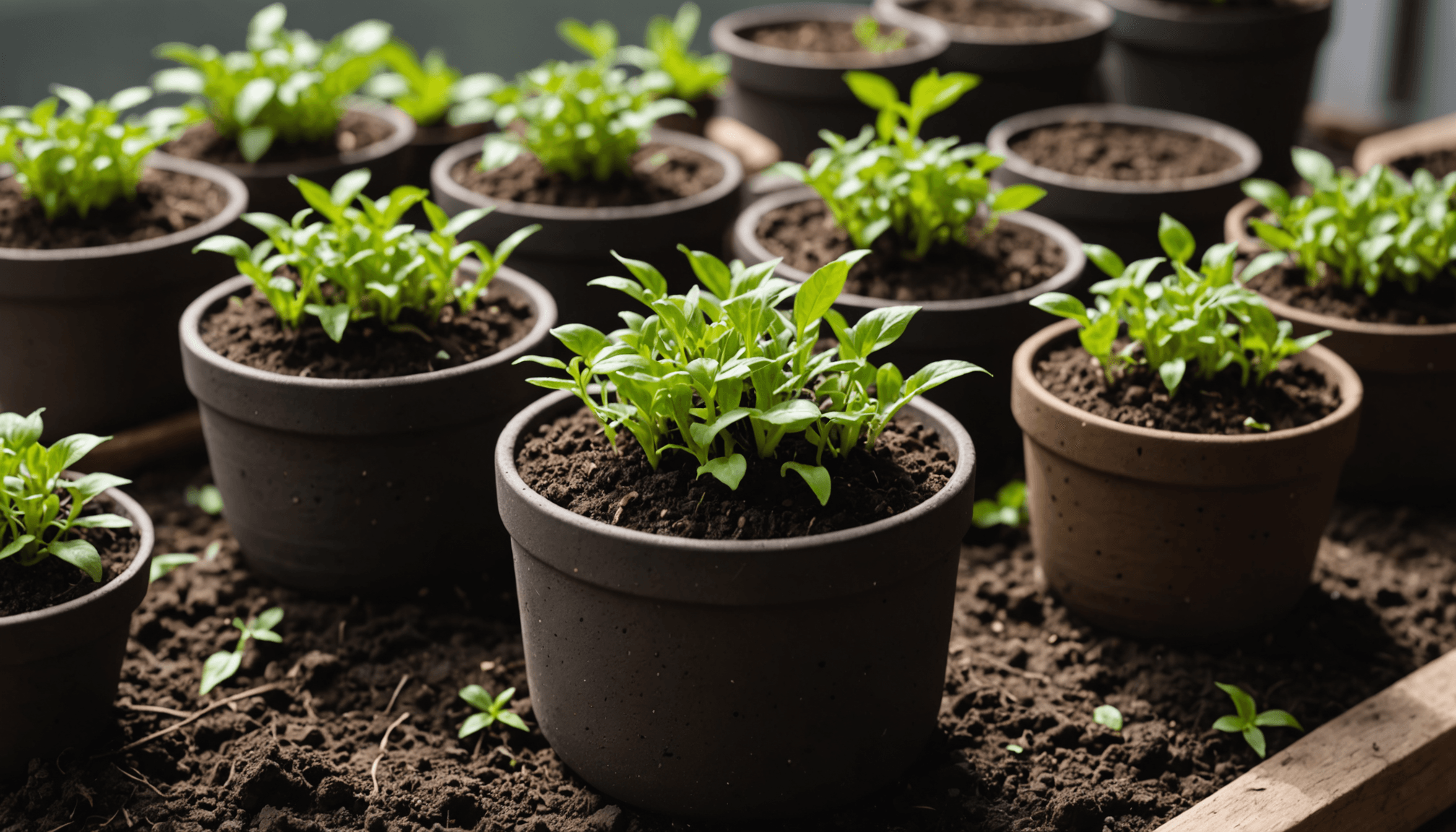
When it comes to container gardening, the importance of selecting the appropriate soil cannot be overstated. Using a lightweight soil mix specifically designed for container gardens will ensure that your plants thrive in confined spaces. Traditional garden soil is typically too dense and heavy, which can lead to poor drainage and hinder root development. Instead, aim for a soil blend that offers both aeration and moisture retention without weighing down your pots.
First and foremost, look for soil mixes that contain components like peat moss, coconut coir, or perlite. These ingredients contribute to a light, fluffy texture that allows roots to spread and absorb nutrients more effectively. For example, a mix of one part peat moss, one part perlite, and one part vermiculite can create an ideal environment for most container plants.
Additionally, consider the specific needs of the plants you intend to grow. Some plants, such as succulents, benefit from a mix that dries out quickly, while others, like ferns, require more moisture retention. In these cases, a soil blend with good drainage properties, such as a cactus mix for the former, and a moisture-retaining mix for the latter, can make a significant difference in their growth and health.
It’s also essential to check for any added nutrients in your soil mix. Many pre-bagged options come with fertilizers already incorporated, which can provide a good start for your plants. However, beware of mixes that claim to be pre-fertilized but contain too many synthetic additives. It’s often better to choose organic options, ensuring a healthier garden and environment.
For those who enjoy experimenting, consider creating your own bespoke soil mix tailored to your specific plants and garden conditions. This hands-on approach not only allows for customization but also deepens your understanding of the needs of your plants. Just remember to always monitor how your chosen mix affects plant growth, adjusting as necessary to achieve the best results.
The right soil mix can make all the difference in your container gardening journey. By selecting lightweight, nutrient-rich blends and tailoring them to suit your plants’ individual needs, you can create a thriving urban oasis right on your balcony or patio.
Benefits of lightweight soil
Lightweight soil offers several advantages that directly impact the success of container gardening. One of the most significant benefits is improved drainage. Plants in containers are more prone to waterlogging due to limited space for excess water to escape. Lightweight soil mixes enhance drainage by incorporating materials such as perlite or vermiculite, which create air pockets in the soil, allowing excess moisture to flow freely and helping to prevent root rot.
Another key benefit is aeration. Good aeration is essential for healthy root development, as it allows roots to access oxygen. In lightweight soil, the mixture of peat moss, coir, and other components promotes a fluffy structure that maintains air circulation around the roots. This is especially crucial in container gardening, where roots are often confined and can quickly become stressed due to compacted soil.
Additionally, lightweight soil is easier to handle and work with. Its low density means that containers are more manageable, particularly when dealing with larger pots that can become cumbersome if filled with heavy soil. This makes it easier for gardeners to rearrange their plants, move them indoors or outdoors, and maintain their garden without strain.
Moisture retention is another important benefit of lightweight soil. While drainage is critical, retaining moisture is equally vital for plant health. Lightweight soils often include water-retaining components like coconut coir, which can absorb and hold moisture, releasing it gradually to the plants as needed. This balance of drainage and retention is ideal for many container plants that thrive on consistent moisture without sitting in water.
| Benefit | Description |
|---|---|
| Improved Drainage | Prevents waterlogging by creating air pockets that allow excess moisture to escape. |
| Aeration | Supports healthy root development by maintaining oxygen flow around roots. |
| Lightweight | Facilitates handling and movement of containers, making gardening easier. |
| Moisture Retention | Holds water while allowing it to be released gradually, ensuring consistent moisture levels. |
Furthermore, lightweight soil can be tailored to specific plant needs. With the option to mix different components, gardeners can create custom blends that cater to the moisture and nutrient preferences of various plants. This customization allows for more successful cultivation of a diverse range of plants, from herbs to flowering plants, within the same gardening space.
Lightweight soil is an effective solution for container gardening, enhancing drainage, aeration, and moisture retention while being easier to handle. These advantages collectively contribute to healthier plants and a more enjoyable gardening experience. By choosing the right lightweight soil mix, gardeners can create the ideal conditions for their container plants to flourish.
Types of lightweight soil mixes
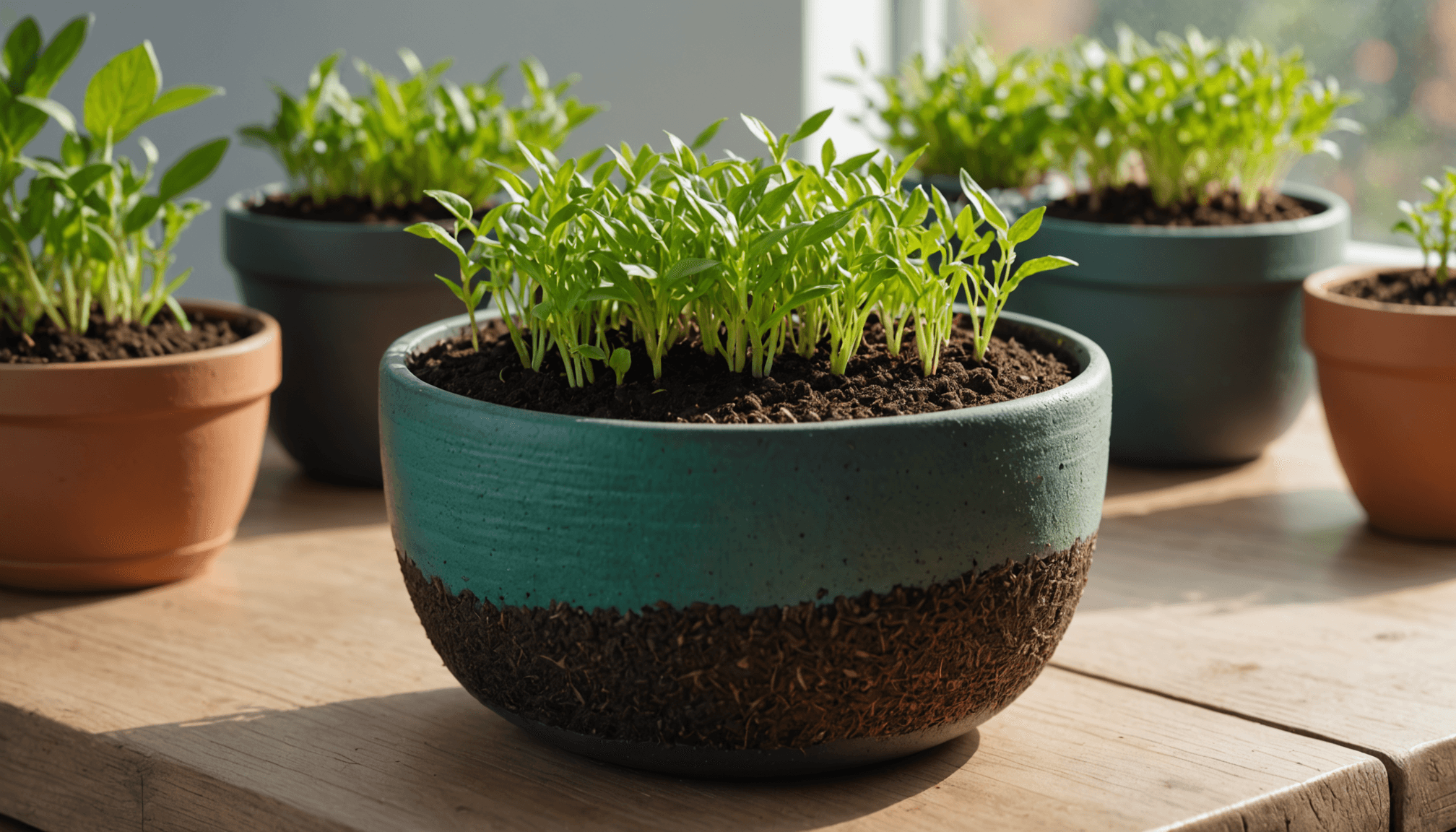
When it comes to selecting lightweight soil mixes for container gardening, there are several options that stand out based on their unique characteristics and benefits. Understanding these types can help you choose the right mix for your gardening needs.
- Commercial Potting Mixes: These are readily available at garden centers and typically include a blend of peat moss, perlite, vermiculite, and sometimes added fertilizers. Look for brands that specify they are formulated for container gardening, as they provide a balanced environment for a variety of plants. A popular choice is the FoxFarm Happy Frog Potting Soil, known for its quality ingredients and excellent drainage properties.
- Coconut Coir Mix: Made from the fibers of coconuts, this mix is an eco-friendly alternative to peat moss. Coconut coir is excellent at retaining moisture while still providing good aeration. Whether used alone or combined with perlite, it’s especially beneficial for tropical plants that prefer a humid environment. Brands like Coco Bliss promote sustainable practices while offering great results for container enthusiasts.
- Mixes for Succulents and Cacti: These blends are designed to mimic the natural arid conditions succulents thrive in. They typically contain a high percentage of coarse sand or perlite to ensure maximum drainage. A well-known option is the Miracle-Gro Cactus, Palm, and Citrus Potting Mix, which provides the right drainage and aeration for these moisture-sensitive plants.
- Seed Starting Mixes: Designed specifically for germinating seeds, these lightweight mixes are usually finer and less nutrient-dense compared to regular potting soil. They typically consist of peat moss, vermiculite, and perlite, providing a light texture ideal for delicate seedlings. Consider using the Jiffy Seed Starting Mix for optimal seed germination and early growth.
- Custom Blends: For the adventurous gardener, creating your own mix can be a rewarding experience. Combining equal parts of peat moss, perlite, and vermiculite can yield a versatile base. Depending on your plants’ needs, you can tweak the ratio or add ingredients such as compost or worm castings for added nutrients. Keep track of the results, and adjust your mix as you learn more about your plants’ preferences.
When selecting a soil mix, always read the labels to ensure it is free from synthetic additives and excess fertilizers. Organic options are preferable for a healthier garden and ecosystem. Moreover, remember to consider the plants you’re growing; different species may have specialized soil requirements that can affect their growth and health. By understanding the types of lightweight soil mixes available, you can set your container garden up for success, ensuring your plants thrive in their confined spaces.
Essential components for ideal container soil
For ideal container soil, several essential components need to be carefully considered to create an optimal growing environment. The foundation of any lightweight soil mix starts with organic matter. Peat moss is a commonly used ingredient, renowned for its ability to retain moisture while providing a loose structure that allows for good aeration. Alternatively, coconut coir serves as a sustainable substitute for peat moss, offering similar moisture retention capabilities while being more environmentally friendly.
Next, incorporating an aeration component such as perlite or vermiculite is crucial. These materials are lightweight and create air pockets within the soil, facilitating drainage and preventing compaction. The presence of perlite helps to ensure that excess water can escape, reducing the risk of root rot and allowing roots to access vital oxygen. Vermiculite, on the other hand, expands when heated and can also hold moisture, making it a versatile ingredient in lightweight soil mixes.
Balancing drainage and moisture retention requires additional components. A top-quality container soil often includes a balanced combination of these aeration materials to create a well-rounded mix. For nutrient supplementation, adding compost or worm castings can provide beneficial microorganisms and essential nutrients to promote plant health. These organic additions enrich the soil and foster an environment teeming with life, further enhancing plant growth.
pH level is another factor to consider when developing or selecting your soil mix. Most container plants thrive in slightly acidic to neutral pH levels (around 6.0 to 7.0). It’s beneficial to test your soil when designing a custom mix, adjusting the components with additives like lime if the soil is too acidic or using sulfur to lower the pH if it leans toward alkaline.
“Soil is not just dirt; it’s the foundation of your plant’s health and vitality.”
Moreover, consider the specific water needs of your plants. For instance, if you’re growing plants that prefer drier conditions, you might want to increase the proportion of perlite or coarse sand in your mix to enhance drainage. Conversely, for moisture-loving plants, a higher percentage of coconut coir or compost can help retain the necessary dampness without leading to waterlogged conditions.
The choice of container itself can influence your soil’s performance. Ensure that your pots have adequate drainage holes and are of an appropriate size for the plants you are growing. This combination of proper soil and container choice can significantly impact your plants’ growth and overall success in container gardening.
Tips for maintaining soil health in containers
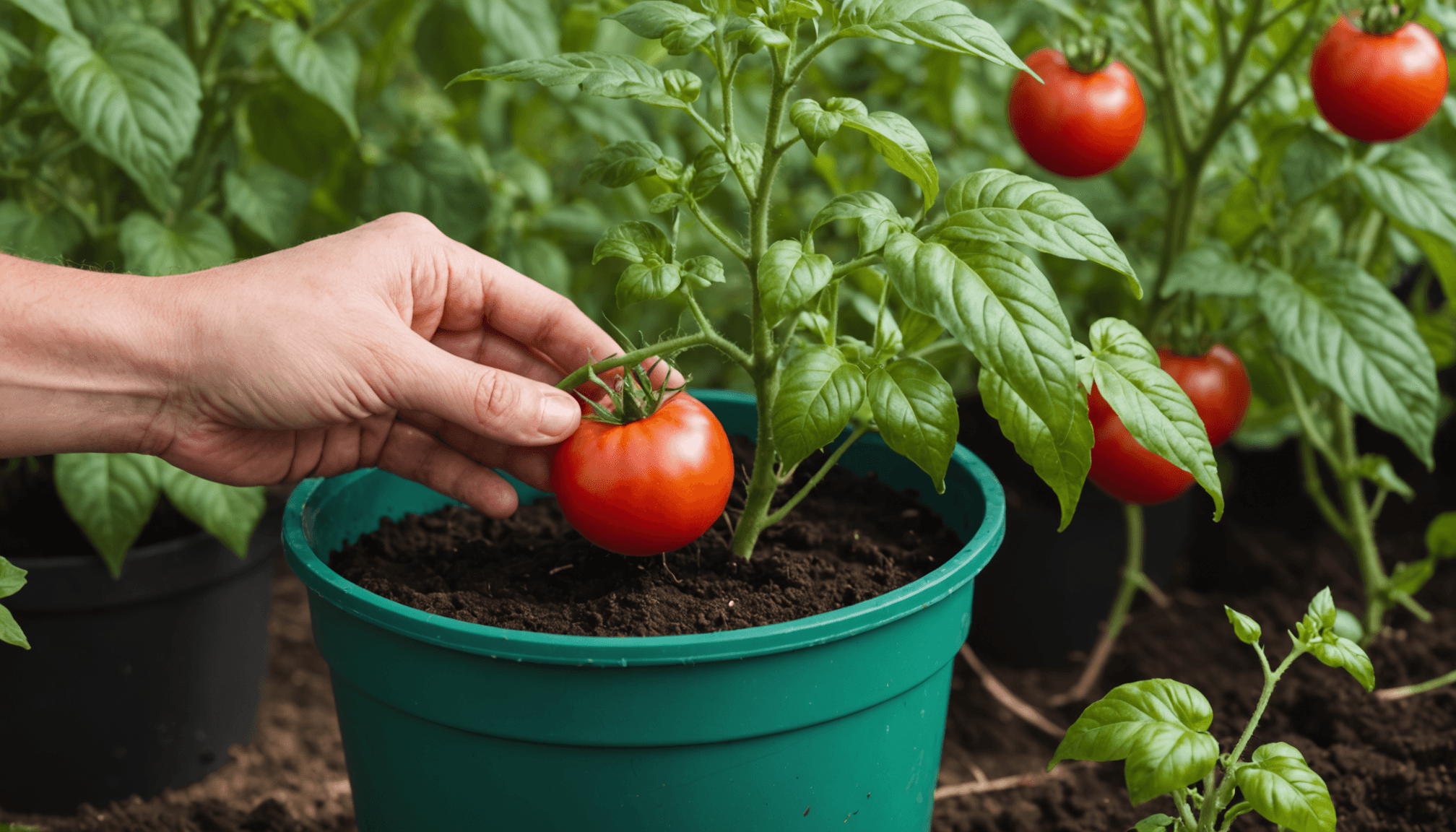
Maintaining soil health in container gardens requires a proactive approach to ensure that your plants receive the necessary nutrients and conditions for optimal growth. Regularly monitoring the moisture levels is crucial; container soil can dry out quickly, especially during hot weather. Using a moisture meter can help you gauge when to water, ensuring plants are neither underwatered nor overwatered. Remember to water thoroughly until you see excess liquid draining from the bottom of the pot, as this encourages deep root growth.
Nutrient replenishment is another vital aspect of maintaining soil health. Even lightweight soils can lose their nutrient content over time, particularly if you are growing heavy feeders like tomatoes or peppers. To combat this, consider incorporating organic fertilizers, such as fish emulsion or compost tea, every few weeks during the growing season. This regular feeding supports plant vitality and promotes abundant flowering and fruiting.
Compaction can also be an issue in container gardening, even with lightweight soil. It can affect aeration and drainage, leading to stunted growth. To mitigate compaction, gently fluff the surface of your soil with a hand fork or stick, particularly after watering. This practice helps maintain the soil structure and keeps air pathways open, enhancing root health. Ever consider rotating your pots or changing plant arrangements? This can also disrupt compacted areas, refreshing the soil environment without disturbing the roots too much.
Finally, it’s essential to periodically refresh the soil in your containers. After every growing season, consider replacing the top few inches of soil or repotting your plants into fresh medium. This practice helps remove any accumulated salts or contaminants while revitalizing the soil mix with fresh organic matter. By committing to these practices, you contribute to a lively ecosystem in your container garden—one that supports not just your plants but an entire community of beneficial microbes.
- What is lightweight soil?
- Lightweight soil is a specially formulated mix designed for container gardening, consisting of materials that provide excellent aeration, drainage, and moisture retention. It often includes components like peat moss, coconut coir, perlite, and vermiculite.
- How often should I water my container plants?
- Watering frequency depends on various factors such as plant type, container size, and environmental conditions. Typically, you should check soil moisture regularly and water when the top inch feels dry, ensuring deep watering to encourage strong root systems.
- Can I reuse soil from last year’s container plants?
- Yes, you can reuse soil, but it’s important to refresh it by adding new organic matter and nutrients. Remove any dead roots and debris, and consider mixing in fresh compost or fertilizers to ensure it remains healthy for new plants.
- What type of fertilizer should I use for container gardens?
- Organic fertilizers—such as compost, fish emulsion, or seaweed extract—are excellent choices for container gardens, providing essential nutrients without the harsh chemicals found in some synthetic options. It’s best to follow the manufacturer’s recommendations for application rates.
- How can I prevent root rot in container gardening?
- To prevent root rot, ensure that your soil mix has adequate drainage properties by including components like perlite or vermiculite. Additionally, choose pots with proper drainage holes and avoid overwatering your plants.
- What do I do when my container soil compacts?
- If your container soil is compacted, gently fluff it with a hand fork to break up compacted areas, promoting better aeration. You can also top off with fresh soil or replace it to restore structure and nutrient content.
- How do I know if my plants need nutrients?
- Signs that your plants may need nutrients include yellowing leaves, stunted growth, and poor flowering. Regularly observing your plants and conducting soil tests can help you identify nutrient deficiencies early.
Common mistakes to avoid in container gardening
Container gardening pays off best when you steer clear of common pitfalls that can hinder your plants’ growth and overall health. One frequent misstep is overwatering, which is all too easy in confined spaces. It’s essential to let your soil dry out slightly between waterings. A good rule of thumb is to insert your finger about an inch into the soil; if it feels dry, it’s time to water. On the other hand, if it’s still damp, hold off to avoid waterlogged roots.
Another mistake is using regular garden soil instead of the recommended lightweight mix. Regular soil tends to compact, leading to poor drainage and aeration. Stick to specially formulated potting mixes that retain moisture and provide essential nutrients without the added weight of traditional soil.
Over-fertilizing is a common error as well. Many gardeners assume that more nutrients mean better growth; however, too much fertilizer can harm tender roots and lead to nutrient burn. Always follow the recommended dosage on fertilizer packages, and consider using slow-release or organic options that won’t overwhelm your plants.
Neglecting to rotate or rearrange your plants is another overlooked aspect. Some plants may grow taller and overshadow others, affecting their light exposure and growth. To combat this, periodically rotate your pots or switch their places to ensure even growth and access to sunlight.
Lastly, be cautious of pests. Since container plants are often grown closer together, infestations can spread quickly. Regularly inspect your plants for any signs of trouble. If you notice discolored leaves or sticky residues, consider using neem oil or insecticidal soap as a natural remedy. Keeping your garden clean and dead-heading spent flowers can also help deter pests.
By staying vigilant about these issues, you’ll help your container garden flourish, allowing you to enjoy the beauty and bounty of your hard work!