
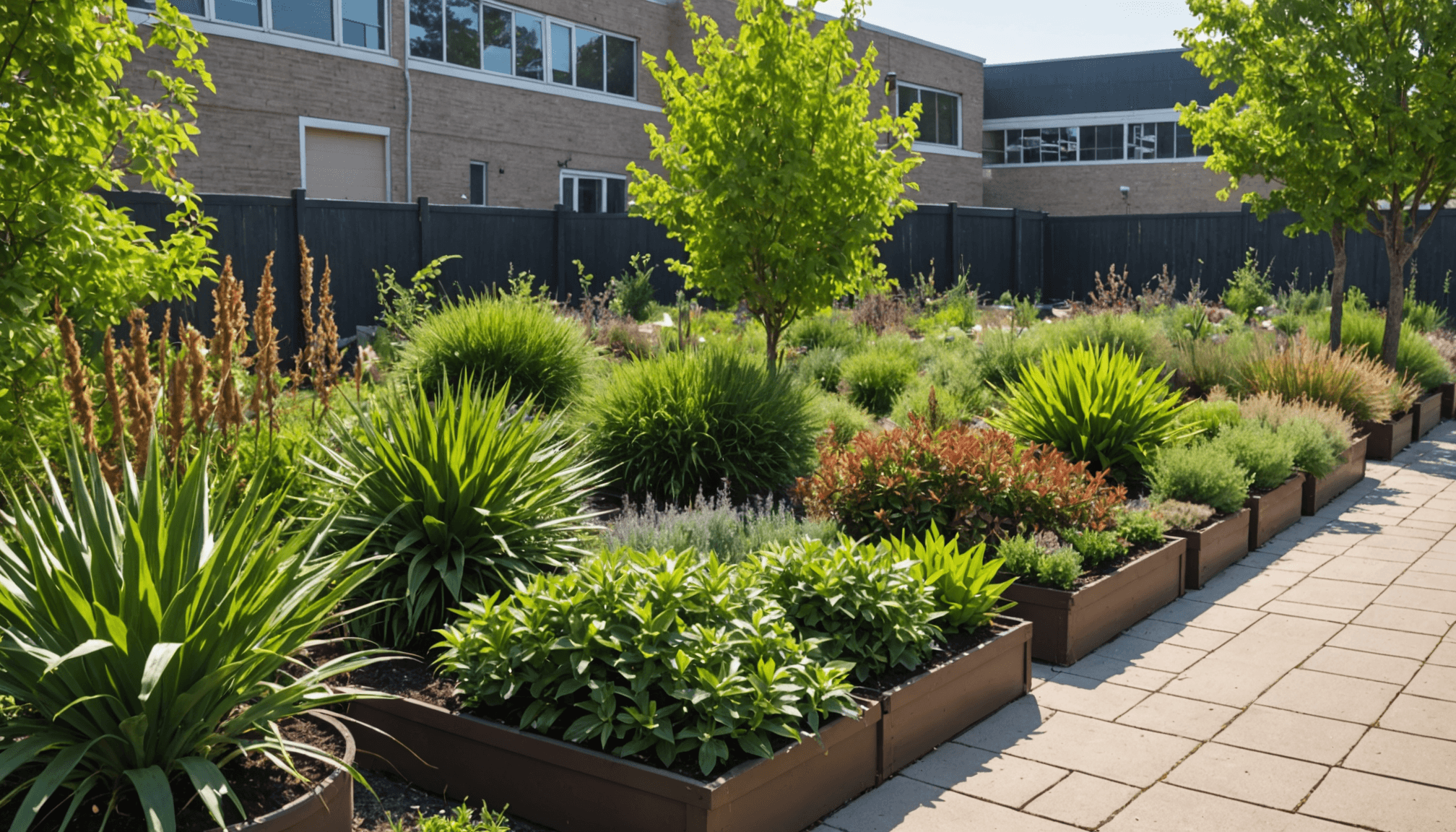
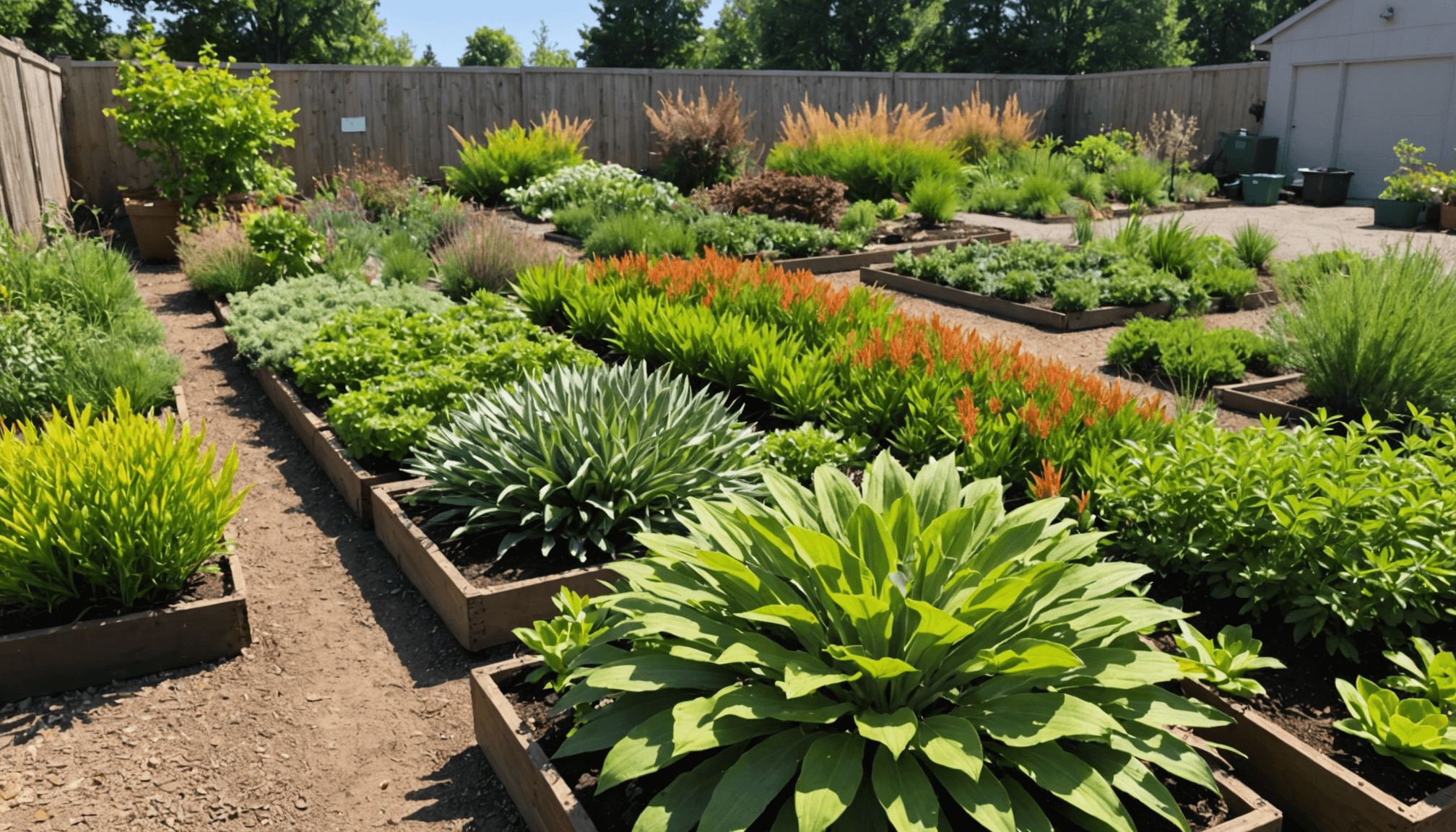
As climate change continues to progress, its effects on plant growth are becoming increasingly evident. Rising temperatures, shifting precipitation patterns, and increased occurrences of extreme weather events are just a few of the challenges plants face in today’s environment. For urban dwellers and gardening enthusiasts, understanding these impacts is crucial for successfully navigating the changing landscape of plant care.
One of the most significant effects of climate change is altered growing seasons. Many plants are experiencing shifts in their timelines, flowering earlier in spring or delaying dormancy in fall. This can lead to mismatches in plant-pollinator interactions, putting your gardening efforts at risk. To adapt, consider planting varieties known for their resilience to temperature fluctuations. Perennials, for instance, can often handle unpredictable weather better than annuals.
Furthermore, with increasing temperatures, soil moisture levels can become erratic. Urban gardeners may need to adjust their watering schedules and techniques. Implementing sustainable resource management practices such as drip irrigation or rainwater harvesting can play a crucial role in maintaining healthy soil moisture levels. This proactive approach not only conserves water but also ensures your plants receive the right amount they need to thrive.
When choosing plants for your nursery future, it’s essential to consider how new gardening trends are emerging in response to these shifts. Native plants, for example, are gaining attention for their lower resource requirements and ability to thrive in local conditions. They play an essential role in supporting local wildlife and ecosystems, making them a smarter choice for modern gardeners.
Lastly, consider the use of climate-resilient species that have been bred specifically to withstand the pressures of a shifting climate. Such varieties often require less maintenance and resources, giving you more time to enjoy the beauty of your garden rather than fret over its upkeep. Before purchasing new plants, check with local nurseries or online resources about the best options for your region and climate conditions.
By staying informed and adapting your gardening practices to meet the challenges posed by climate change, you can ensure a thriving garden that contributes positively to the environment while enjoying the process. It’s about finding that balance and making educated choices that reflect both current realities and future needs.
Adapting nursery practices for resilience
In response to the ongoing challenges posed by climate change, nurseries must implement adaptive practices that enhance resilience. Such adaptations involve a multi-faceted approach, focusing on improving soil health, implementing better watering strategies, and selecting plant varieties that are inherently more resilient to climate stressors. These changes not only promote healthier plants but also contribute to sustainability within the nursery industry.
One effective strategy is to embrace crop rotation and polyculture systems. By diversifying the types of plants grown together, nurseries can optimize resource use and reduce the risk of pests and diseases. This approach mimics natural ecosystems, fostering a balanced environment that can better withstand climate variability. Additionally, integrating cover crops into nursery operations can enhance soil structure, retain moisture, and promote nutrient cycling. Cover crops like clover or rye not only prevent erosion but also improve soil fertility, creating a robust foundation for future growth.
Water management is another critical aspect of nursery resilience. As precipitation patterns become more unpredictable, implementing efficient irrigation systems like drip or subsurface irrigation is essential. These methods minimize water loss and target the root zones directly, ensuring plants receive adequate moisture even during dry spells. Furthermore, collecting rainwater in barrels and using it strategically can significantly reduce dependency on municipal water sources, aligning with sustainable resource management practices.
To illustrate the effectiveness of various adaptive practices, the following table presents a comparison of traditional versus adaptive nursery practices:
| Practice Type | Traditional Practices | Adaptive Practices |
|---|---|---|
| Soil Management | Limited crop rotation, heavy reliance on chemical fertilizers | Diverse planting, cover crops, organic fertilizers |
| Watering Techniques | Surface irrigation, fixed schedules | Drip irrigation, rainwater harvesting, smart systems |
| Plant Selection | Conventional, climate-sensitive species | Climate-resilient varieties, local natives |
| Pest and Disease Control | Chemical pesticides | Integrated pest management, natural predators |
Additionally, nurseries are increasingly adopting habitat conservation practices. This includes creating buffers around nursery areas with native plant species that support pollinator populations and other beneficial wildlife. Such practices enhance biodiversity and contribute to the overall resilience of local ecosystems, ensuring that nursery operations are not only viable but also beneficial to the environment.
As a result of these adaptive strategies, nurseries can position themselves to thrive under the pressures of climate change. By prioritizing resilience, they not only safeguard their future but also influence broader gardening trends that embrace sustainability and ecological responsibility. In doing so, they become beacons of innovation within the gardening community, inspiring gardeners to adopt similar practices in their own spaces.
Innovative plant varieties for a changing environment
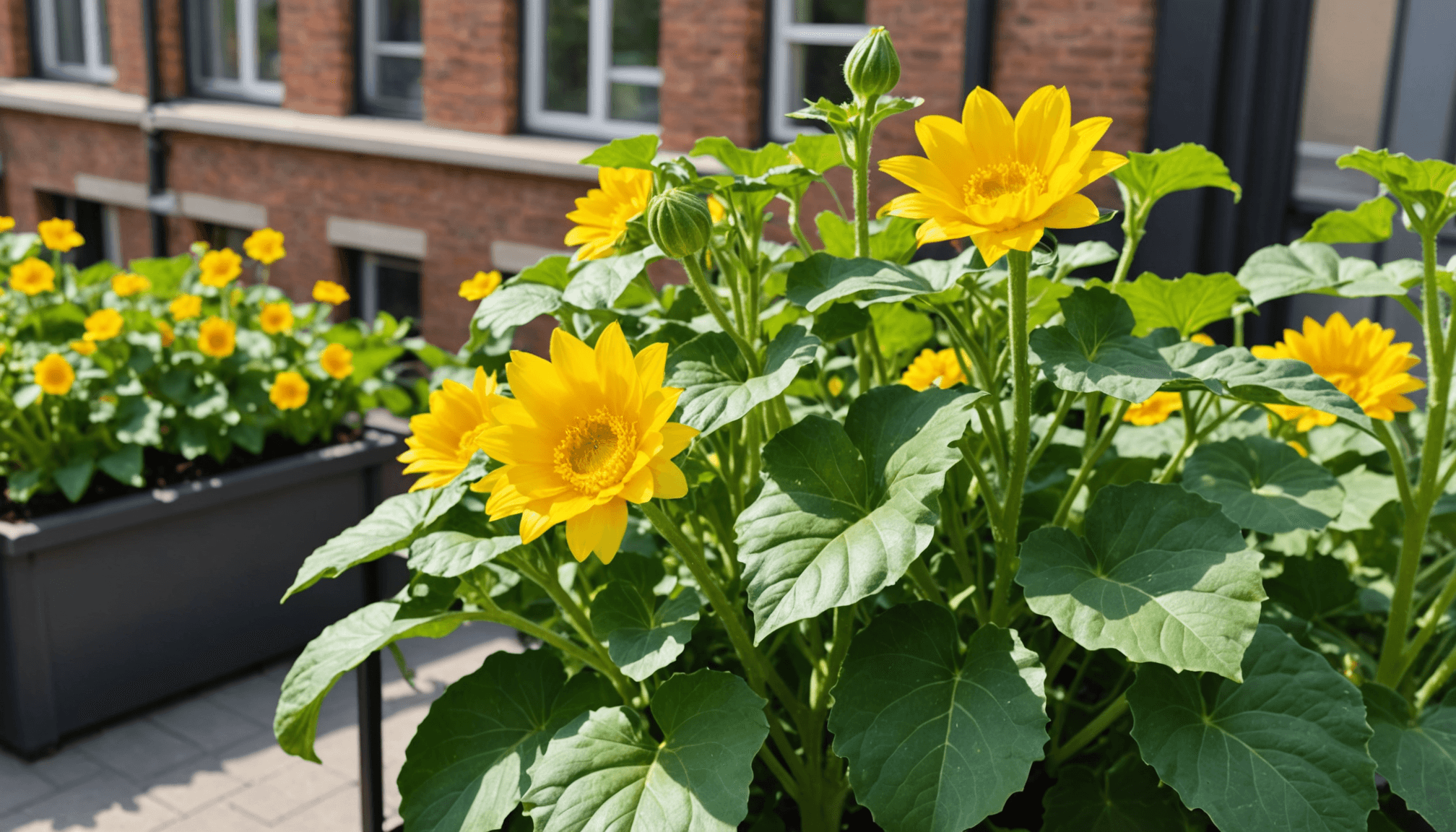
Gardening enthusiasts and urban dwellers looking to stay ahead in a rapidly changing environment can benefit greatly from exploring innovative plant varieties designed to thrive under the pressures of climate change. As traditional gardening may become increasingly challenging due to shifting conditions, focusing on adaptive species will not only help mitigate risks but also contribute positively to biodiversity.
One key area of advancement is the development of hybrid and genetically modified crops that are specifically engineered to withstand extreme weather patterns. For instance, varieties of tomatoes and peppers have been bred for heat resistance, allowing them to flourish even during unseasonably high temperatures. When selecting your plants this season, check with local suppliers or online platforms for these advanced varieties—they could be the game changer your garden needs!
In addition to hybrids, heirloom varieties should not be overlooked. These time-tested plants often possess natural resilience due to their prolonged adaptation to local conditions. Consider planting heirloom zucchini or beans, as they are not only delicious but offer a lineage that’s endured the test of time. Sourcing these from local nurseries may also support community efforts to preserve biodiversity.
For those interested in ornamental gardening, seek out native plant varieties that are well-suited to your local ecosystem. By choosing plants like coneflowers and asters, you ensure that your garden supports local wildlife, including pollinators, which are essential for maintaining ecological balance. Such gardening trends not only enhance visual appeal but also work with nature rather than against it, promoting a healthier environment.
Container gardening is another innovative solution gaining traction, particularly for urban dwellers with limited space. Opting for drought-tolerant plants in self-watering pots can reduce maintenance while ensuring plants receive adequate hydration even during dry spells. Varieties such as succulents, herbs, and small perennials thrive in these conditions and can add both beauty and functionality to your outdoor or balcony space.
Don’t forget to utilize technology to your advantage. Smart gardening systems have emerged as a popular way to monitor plant health and environmental conditions. For instance, moisture sensors can determine when your plants need water, while apps can provide insights on optimal planting times based on real-time climate data. Integrating such tools into your nursery future can not only enhance productivity but also align your gardening practices with sustainable principles.
By embracing these innovative plant varieties and techniques within your own home gardening projects, you create not just a garden but a thriving ecosystem resilient to the challenges posed by climate change. Explore options, keep informed, and make choices that will enhance both your gardening experience and the environmental health of your local area.
Sustainable resource management in nurseries
Sustainable resource management in nurseries requires a thoughtful approach to leveraging natural resources while minimizing wasteful practices. As the effects of climate change intensify, nurseries must adapt their operations to ensure efficient resource use. This adaptation starts with understanding water management, a critical element for plant health and sustainability. Implementing rainwater harvesting systems provides nurseries with an alternative water source that can effectively reduce reliance on municipal supplies during dry spells. Using rain barrels or cisterns allows nurseries to capture and store precipitation, making it available for irrigation when needed.
In addition to rainwater harvesting, promoting soil health plays a significant role in sustainable practices. The use of compost, organic fertilizers, and mulch not only nourishes the plants but also enhances soil structure, promoting better water retention and encouraging beneficial microbial communities. These natural amendments can improve soil quality over time, leading to stronger plants that are more resilient to climate-related stresses. Nurseries should consider composting plant waste as a means of reducing waste and creating nutrient-rich soil amendments.
The integration of efficient irrigation systems, such as drip irrigation, is essential for conserving water and ensuring optimal nutrient delivery to plants. Unlike traditional watering methods that can lead to evaporation and runoff, drip irrigation targets the root zones directly, minimizing waste. Furthermore, this practice allows for a more controlled and precise watering schedule, especially critical during periods of unpredictable rainfall due to climate change.
Implementing mulching techniques can also greatly benefit nurseries in their quest for sustainability. By covering the soil with organic materials like wood chips or straw, nurseries can suppress weeds, regulate soil temperature, and retain moisture, thereby decreasing the need for frequent watering. This strategy not only conserves resources but also contributes to healthier plant growth.
“Healthy soil is the foundation of a thriving garden, and sustainable resource management ensures that both soil and plants can adapt to the pressures of climate change.”
In the context of sustainable resource management, nurseries can also explore partnerships with local organizations focused on ecological restoration or conservation efforts. By participating in community initiatives, nurseries not only contribute to regional biodiversity but also gain access to valuable knowledge and resources that can enhance their own practices. Collaborations may lead to the establishment of plant exchanges, where nurseries can share or trade climate-resilient varieties that are better suited for the changing environment.
As the global climate continues to shift, the need for sustainable practices in nursery management becomes ever more crucial. By adopting a holistic approach that enhances resource efficiency, nurseries can not only support plant health and growth but also contribute to the broader dialogue on sustainability and environmental stewardship within the gardening community. In doing so, they position themselves as leaders in the evolution of gardening trends that prioritize resilience and eco-friendliness.
The role of technology in modern plant nurseries
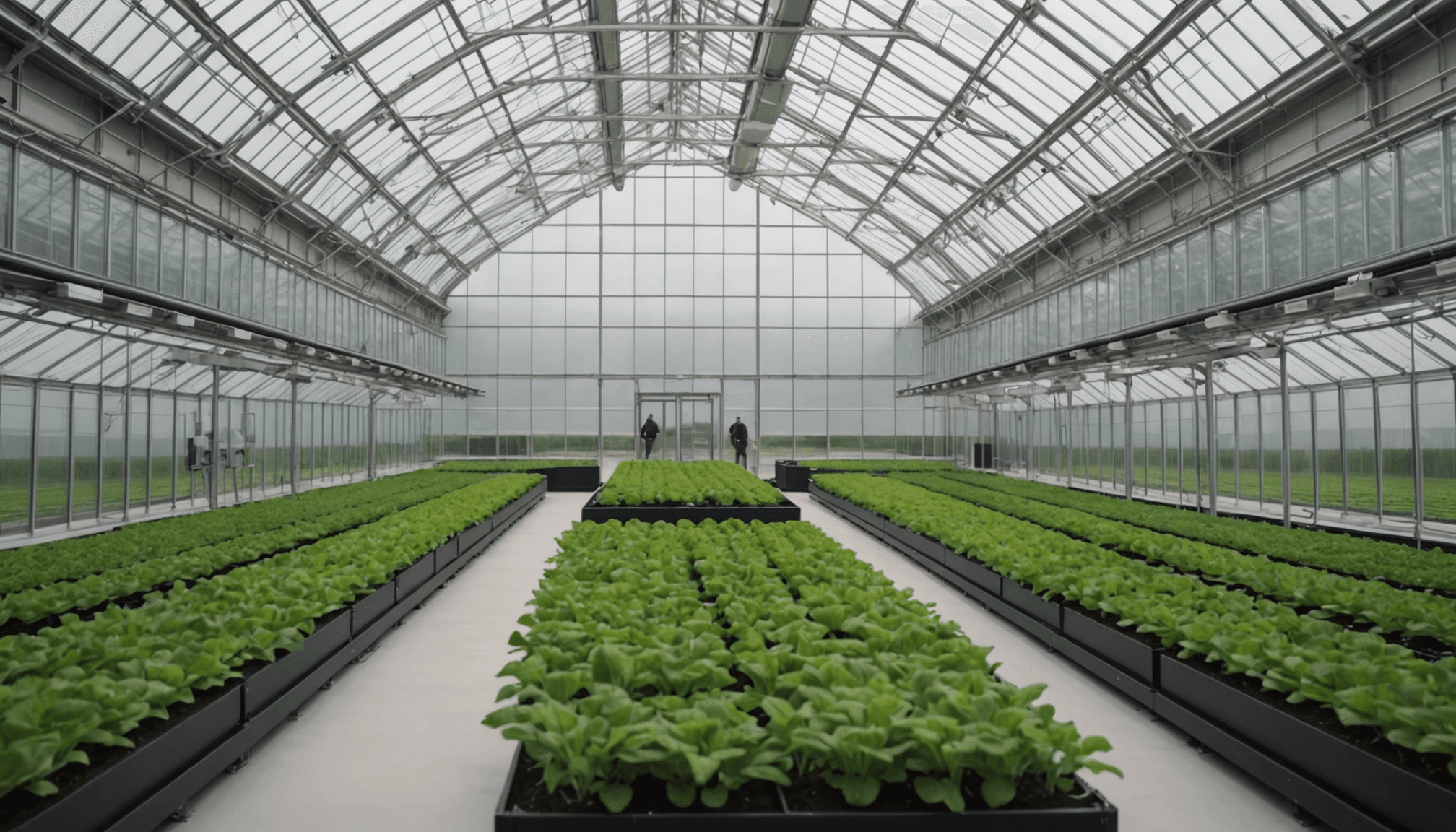 The landscape of modern plant nurseries is rapidly transforming through the integration of technology, a shift that not only complements traditional cultivation methods but also prepares nurseries to thrive amid climate change. Embracing advanced tools and systems allows plant cultivators to enhance efficiency, boost productivity, and ensure the health of plants in a fluctuating environment.
One of the most impactful technologies making waves in nurseries is precision agriculture. This involves the use of sensors and data analytics to monitor variables such as soil moisture levels, temperature, and nutrient content in real time. With such data at their fingertips, nursery operators can optimize watering schedules, fertilization, and pest management, minimizing waste and ensuring plants receive exactly what they need to thrive. This level of precise care is especially crucial as extreme weather patterns become more common due to climate change.
Additionally, greenhouse technology is evolving to support the demands of changing climates. High-tech structures equipped with climate-control systems allow for the regulation of temperature and humidity, creating optimal growing conditions regardless of external weather fluctuations. Innovations such as automated ventilation systems, shade cloths, and energy-efficient heating solutions are becoming standard in nursery operations. These advancements not only contribute to plant health but also significantly reduce energy consumption, reflecting a commitment to sustainability in resource management.
Another growing trend in nurseries is the utilization of smart gardening tools. Devices like app-controlled irrigation systems and soil moisture sensors are making it easier for gardeners and nursery operators to manage their plants with minimal hands-on labor. These tools adjust the watering based on real-time weather data, ensuring that plants are neither overwatered nor underwatered—a critical factor as climate patterns become increasingly unpredictable.
Drones are also entering the scene, providing aerial surveillance of large nursery lands. They can identify areas of wilting plants that may require additional care while monitoring the overall health of crops from above. This not only saves time for growers but also enhances their ability to respond swiftly to the needs of their plants, ensuring that every corner of the nursery thrives even under challenging conditions.
As sustainability remains at the forefront of gardening trends, nurseries are starting to implement eco-friendly technologies as well. From solar panels generating renewable energy to water recycling systems that minimize waste, the future of nurseries is increasingly aligned with environmental stewardship. This conscientious approach attracts socially and environmentally aware consumers, fostering a community of gardeners who support sustainable practices.
As you explore the future of your gardening endeavors, consider how the integration of technology can elevate your efforts. What tools or techniques could you implement to adapt to climate change? Are there innovative practices being adopted by local nurseries that inspire you? Staying tuned in to these advancements not only contributes to your personal gardening success but also aligns you with a broader movement toward resilient and sustainable horticulture.
- What type of technology can nurseries use for better water management?
- Nurseries can implement precision irrigation systems like drip irrigation, which delivers water directly to the root zone, minimizing waste. Additionally, smart sensors can be utilized to monitor soil moisture levels and adjust watering schedules accordingly.
- How does climate change affect plant nurseries?
- Climate change leads to shifting weather patterns, increased temperatures, and greater incidents of extreme weather, which can stress plants and disrupt growing seasons. Nurseries must adapt their practices to ensure plants remain healthy and resilient.
- What are the benefits of using native plant species in nurseries?
- Native plant species are better adapted to local conditions, requiring fewer resources such as water and fertilizers. They also support local wildlife and promote biodiversity, making them an excellent choice for sustainable gardening.
- Can technology help with pest management in nurseries?
- Yes, technologies such as integrated pest management systems and drones for monitoring crops can help nurseries detect pest issues early and manage them effectively while reducing reliance on chemical pesticides.
- What role does data analytics play in modern nurseries?
- Data analytics allows nursery operators to track growth patterns, monitor environmental conditions, and optimize resource use. This leads to more efficient management practices and improved plant health.
- Are there cost-effective technology options for home-based gardeners?
- Home gardeners can opt for affordable smart tools, such as soil moisture sensors or app-controlled watering systems that help manage resources efficiently while keeping plants healthy without a significant investment.
- How can local nurseries contribute to community sustainability efforts?
- Local nurseries can partner with community initiatives to promote biodiversity, participate in plant exchanges, and educate the public about sustainable gardening practices. Such collaboration fosters a sense of community and shared responsibility for environmental stewardship.
Future trends and challenges for the industry
As the nursery industry confronts the evolving realities of climate change, several trends and challenges are becoming increasingly prominent. Urban dwellers, families, millennials, and gardening enthusiasts should pay attention to these shifts as they may offer opportunities to enhance their homesteading efforts while addressing environmental concerns.
One significant trend is the rise of urban gardening in response to shrinking green spaces. With more individuals living in cities, there is a growing interest in balcony gardening, vertical gardens, and community gardens. These projects not only help individuals grow their own food but also foster community relationships and contribute to urban biodiversity. For those looking to start a balcony garden, consider using vertical planters or space-efficient containers to maximize limited space.
Another critical challenge is the increasing regulation concerning environmental practices in nurseries. Many local governments are introducing guidelines aimed at reducing water use and limiting chemical inputs during the cultivation process. As a homesteader, being knowledgeable about these regulations can help you make informed choices about the plants you grow and the practices you adopt. Embracing organic fertilizers and integrated pest management not only aligns with these regulations but also promotes a healthier garden ecosystem.
Technological innovation continues to play a vital role in shaping the future of plant nurseries. The demand for smart gardening technologies, such as moisture sensors and automated irrigation systems, is on the rise. By adopting these tools, gardeners can efficiently manage their water usage while responding to the specific needs of their plants. For those interested in sustainability, investing in these technologies can significantly enhance the health of your nursery future.
Moreover, the development of climate-resilient plant varieties is transforming the gardening landscape. As nurseries innovate, consumers should explore the latest offerings of hybrid plants bred for better performance under stress. Look out for drought-tolerant varieties or those designed to withstand extreme heat. This not only ensures a successful harvest but also contributes to resilience in the face of environmental uncertainties.
The challenge posed by climate change is also prompting a shift towards regenerative practices. More nurseries are beginning to implement techniques that focus on restoring soil health and promoting biodiversity. Home gardeners can adopt practices like creating compost piles from kitchen scraps or starting worm bins to enrich their soil while reducing waste. Such approaches not only contribute to plant health but also nurture the broader ecosystem.
Finally, the social aspect of gardening cannot be overlooked. Communities are forming around this shared passion, organizing events like plant swaps, workshops, and sustainable gardening courses. Engaging with local gardening groups not only enhances your knowledge but allows you to share insights and resources, amplifying the impact of your gardening efforts. Consider seeking out such groups in your area and becoming involved—it could lead to valuable exchanges of ideas and plants that benefit everyone.
As these trends evolve, staying informed and adaptable is essential for anyone involved in gardening. Exploring innovative practices, embracing technology, and participating in community efforts can significantly enhance your gardening experience while tackling the challenges that climate change presents.