
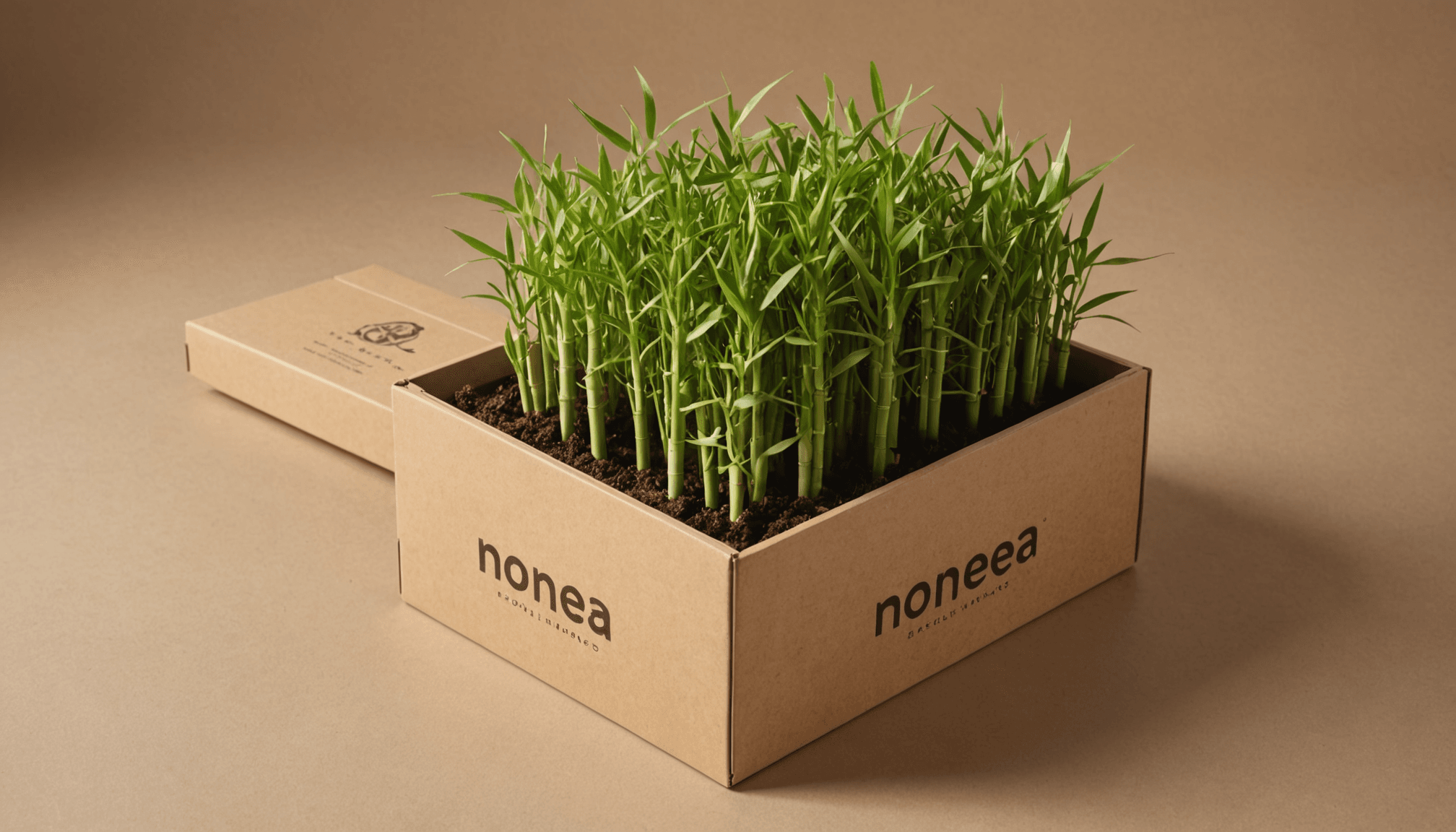
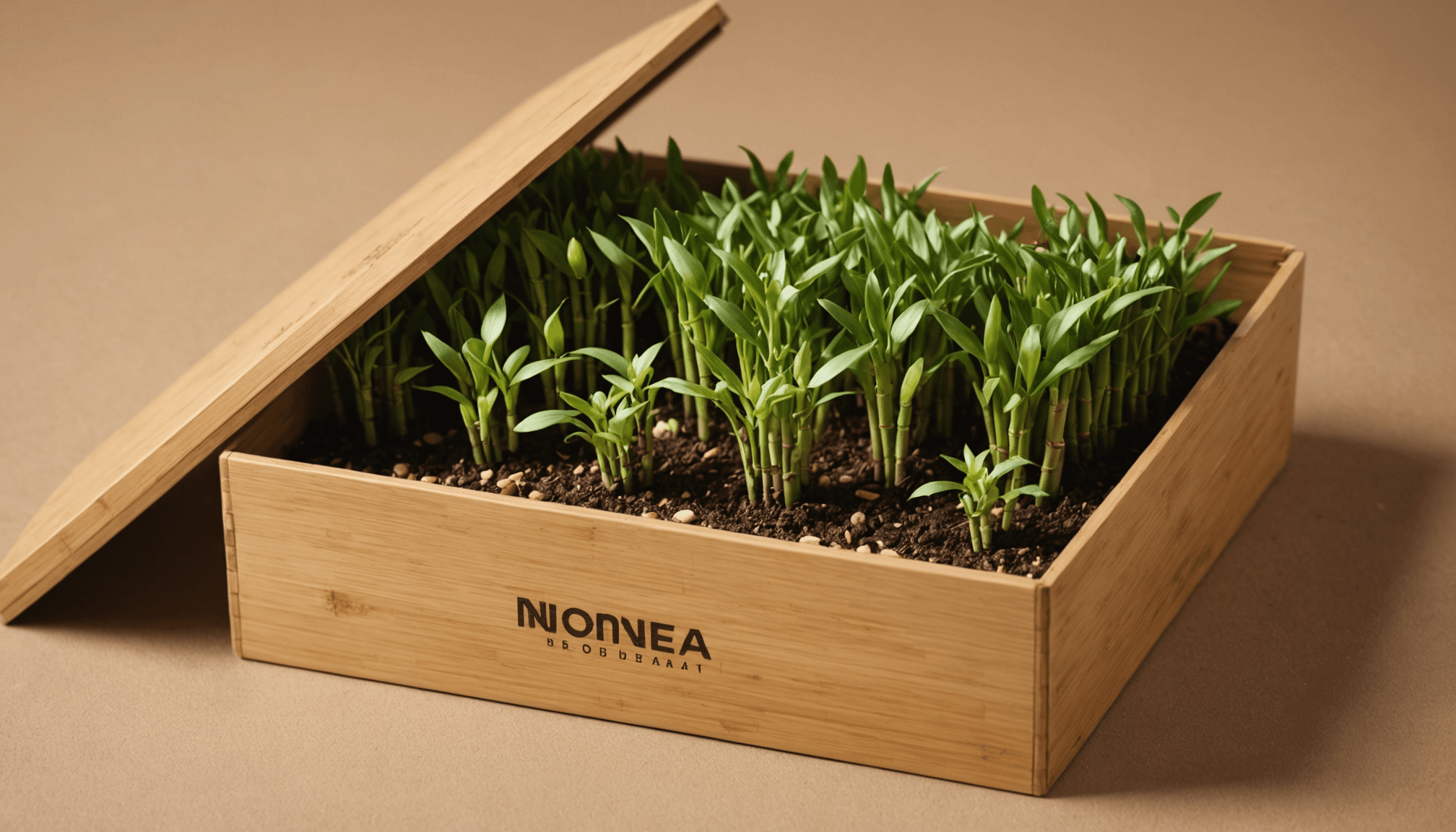
When it comes to choosing eco-friendly packaging for your nursery products, understanding the various options available can make a significant difference in both environmental impact and customer appeal. Today, consumers are increasingly looking for sustainable solutions that align with their values, especially in the context of raising children. By opting for eco-friendly packaging, you can appeal to this growing demographic while making a positive contribution to the planet.
There are several types of sustainable materials that can be utilized for packaging nursery products. Here are a few popular options:
- Bamboo: Fast-growing and renewable, bamboo is a fantastic alternative to plastic. Packaging made from bamboo fibers is biodegradable and compostable.
- Recycled Paper: Essential for anyone aiming for sustainability, recycled paper can be sourced from post-consumer waste. This reduces the need for virgin materials and is easily recyclable.
- Bioplastics: Made from renewable biomass sources, such as corn starch, bioplastics decompose more readily than traditional plastics, making them a good option.
- Glass: While heavier than other materials, glass is 100% recyclable and can be reused multiple times without compromising safety or quality.
- Organic Cotton: Perfect for packing and wrapping nursery items, organic cotton is produced without harmful chemicals, making it safe for babies and kind to the earth.
In addition to the materials, consider the overall design of your packaging. Innovative packaging can protect products while also being visually engaging. For instance, using plantable packaging embedded with seeds not only provides a second life for the materials used but also encourages customers to participate in sustainability practices. They can plant the packaging and grow herbs or flowers, enhancing their home or garden space.
As you explore these eco-friendly options, remember that your choice of packaging should reflect your brand’s mission and values. Showcase your commitment to sustainability on your product labels and marketing materials. This transparency can foster trust and loyalty among consumers, making your nursery products even more appealing.
Lastly, educate your customers about the benefits of choosing sustainable nursery products. Share tips on how they can further reduce waste and make environmentally conscious choices in their everyday lives. The more informed your customers are, the more likely they are to embrace your eco-friendly offerings.
Benefits of sustainable materials
Using sustainable materials in packaging not only reinforces your brand’s commitment to eco-friendliness but also offers various advantages that resonate with health-conscious and environmentally aware consumers. Here are several key benefits associated with sustainable materials:
- Reduced Environmental Impact: Sustainable materials, such as recycled paper and bioplastics, significantly lower the carbon footprint associated with production. Utilizing renewable resources diminishes dependency on fossil fuels and reduces harmful emissions during manufacturing.
- Enhanced Brand Reputation: Companies that prioritize sustainability often see an increase in brand loyalty. Consumers appreciate and support businesses that actively manage their environmental impact. By choosing eco-friendly packaging, your nursery products can stand out in a crowded marketplace.
- Health and Safety: Many sustainable materials are produced without harmful chemicals or toxins, making them safer for infants and young children. This is particularly important in the nursery sector, where safety is a paramount concern for parents.
- Circular Economy Support: By using recycled or biodegradable materials, your packaging contributes to a circular economy, where materials are reused and recycled, reducing overall waste and pollution. This not only benefits the planet but also promotes sustainability within the broader community.
- Consumer Demand: A growing number of consumers are willing to pay a premium for products packaged sustainably. According to recent studies, over 70% of shoppers prefer brands that demonstrate eco-friendly practices. By responding to this demand, businesses can boost sales while doing their part for the environment.
To highlight these benefits further, consider the following comparison table showcasing different material types used in packaging alongside their sustainability features:
| Material Type | Renewability | Biodegradability | Toxic Chemicals | Recyclability |
|---|---|---|---|---|
| Bamboo | High | Yes | No | No |
| Recycled Paper | Moderate | Yes | No | Yes |
| Bioplastics | High | Yes | Depends on Production | Depends on Type |
| Glass | Moderate | No | No | Yes |
| Organic Cotton | High | Yes | No | No |
By carefully selecting materials that offer these benefits, businesses can optimize their sourcing decisions and strengthen their brand identity around sustainability. When paired with effective communication and marketing strategies, emphasizing the advantages of sustainable materials can serve as a powerful tool to attract and retain customers. Furthermore, it reinforces a brand’s position as a leader in eco-friendly practices, which is increasingly essential in today’s market.
Key considerations for nursery products
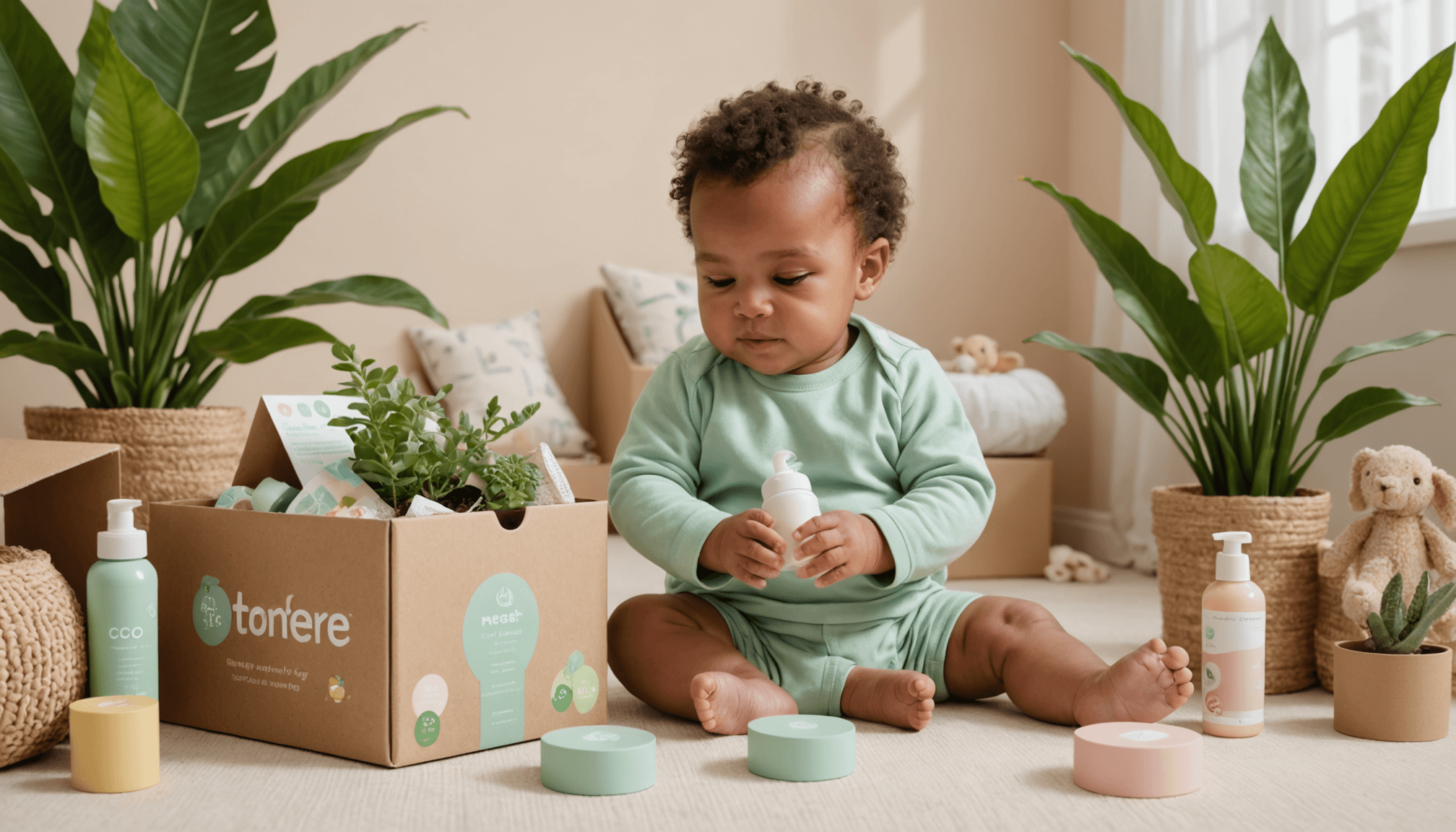
When selecting packaging for nursery products, a few key considerations can greatly influence not only sustainability but also the functionality and aesthetic appeal of your items. First and foremost, it’s essential to consider the lifecycle of the packaging material. Opting for materials that can be reused or recycled helps minimize waste, contributing to a more sustainable ecosystem. Packaging that fulfills multiple purposes, such as being biodegradable or compostable, can significantly increase its environmental value.
Another factor to examine is the potential for contamination. For nursery products, safety is paramount. Ensure that the chosen packaging does not leach harmful chemicals or release toxins, particularly when in contact with baby products. This is critical as young children are vulnerable, and parents are increasingly cautious about what they expose their little ones to. Using packaging made from organic or non-toxic materials can mitigate health concerns.
Design plays a crucial role in packaging selection as well. Practical, easy-to-open designs improve user experience, particularly for busy parents. Consider packaging that is not only visually appealing but also functional. For instance, incorporating resealable elements or child-proof features can enhance usability without sacrificing sustainability.
Furthermore, use the opportunity to educate your customers about how to properly dispose of the packaging once they’ve used the product. Providing clear instructions on how to recycle or compost used materials can empower consumers to participate in sustainability efforts. For example, including QR codes on the packaging that link to your website can direct customers to tips for reusing or repurposing packaging items, fostering a culture of mindfulness and care for the environment.
Pricing is another crucial consideration. Ensure that the chosen eco-friendly packaging doesn’t significantly inflate costs, as consumers are often reluctant to pay a steep premium. Seek out sustainable materials that strike a balance between affordability and sustainability, potentially tapping into local suppliers or partnerships to keep costs down and support the local economy.
Additionally, it’s important to keep an eye on innovations in packaging technology. Staying updated with new eco-friendly packaging solutions—such as water-soluble pouches or packaging made from agricultural waste—can help ensure your nursery products stand out on the shelf while simultaneously reducing environmental impact.
Making informed choices about your packaging materials, design, and consumer education can enhance the sustainable aspect of your nursery products. By considering these elements closely, you will not only contribute positively to the environment but also create a meaningful connection with eco-conscious consumers.
Assessing your supplier’s sustainability practices
Evaluating your suppliers’ sustainability practices is a critical step in ensuring that your eco-friendly packaging aligns with your brand’s commitment to sustainability. A robust supplier assessment can reveal insights into their operational practices, material sourcing, and environmental impact. Begin by understanding the entire supply chain, as transparency is a key factor in sustainable sourcing.
First, engage in direct communication with your suppliers. Ask them about their sustainability policies and practices. Do they have certifications or awards that validate their commitment to eco-friendly practices? Certifications such as FSC (Forest Stewardship Council) for paper products or ISO 14001 for environmental management systems can provide assurance regarding their adherence to recognized standards.
Another significant aspect to consider is the sourcing of raw materials. Inquire about the origin of the materials used in their packaging. Are they using sustainably harvested or recycled materials? This not only impacts the environmental footprint of your products but also reflects on your brand’s image. Emphasize the importance of responsible sourcing by considering suppliers who prioritize local materials to reduce transportation emissions.
Assessing manufacturing processes is equally important. Look for suppliers that demonstrate energy efficiency and waste reduction in their production methods. A green manufacturing process reduces the carbon footprint and minimizes overall environmental impact. Some suppliers may also employ innovative technologies that reduce resource consumption, such as water-efficient systems or renewable energy sources.
“Supply chain sustainability cannot be achieved without the collaboration of suppliers who share the same vision.”
Furthermore, consider the supplier’s commitment to ethical labor practices. Sustainable packaging can only have a positive effect if it’s produced under fair working conditions. Verifying that suppliers uphold fair labor practices supports your brand’s ethics while promoting social sustainability.
Conducting site visits or audits, if feasible, is another valuable approach. Observing operations firsthand can provide insights into how suppliers manage waste, energy use, and emissions. This level of engagement not only solidifies your business relationship but also allows you to identify potential areas for improvement or collaboration on sustainability initiatives.
Lastly, leverage the power of partnerships. Collaborate with suppliers who are willing to innovate and adapt to changing sustainability standards. An ongoing dialogue about sustainability goals can lead to shared success and advancements in eco-friendly packaging options. Building long-term relationships with suppliers who prioritize sustainability will benefit your brand’s credibility and the integrity of your nursery products.
Thoroughly assessing your suppliers’ sustainability practices ensures that your commitment to eco-friendly packaging is genuine and effective. By choosing partners who align with your values, you can create a positive impact not only for your brand but also for the environment and future generations.
Innovative eco-friendly packaging designs
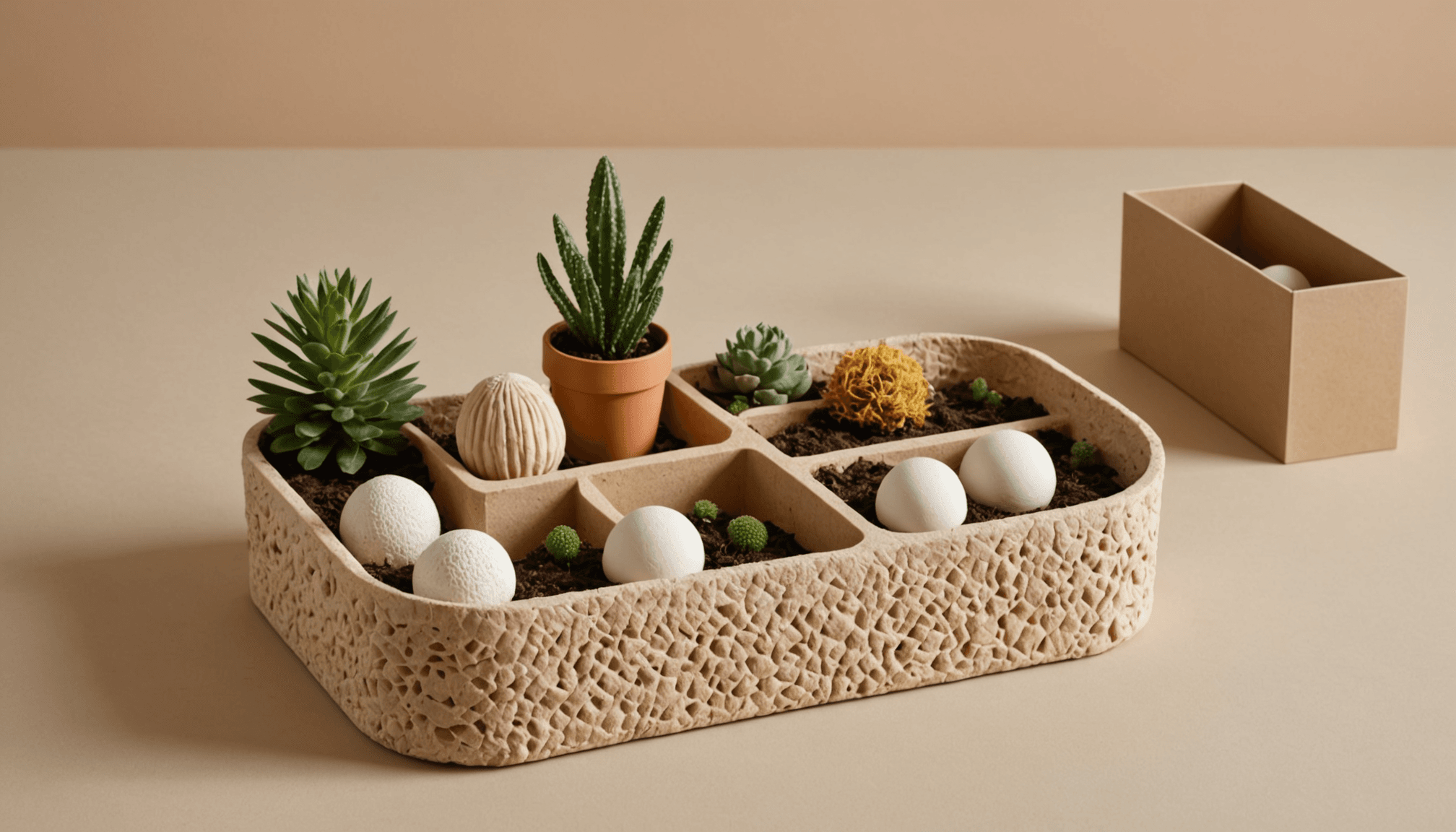
In today’s ever-evolving market, the design of eco-friendly packaging is not just about functionality; it’s also a vital aspect of brand identity and consumer engagement. Brands can harness creativity to transform their packaging into a statement piece that resonates with environmentally-conscious consumers. Packaging that is innovative often stands out on the shelves, prompting customers to pick it up and understand its sustainable benefits.
One exciting trend in eco-friendly packaging design is the use of compostable materials that mimic the texture and look of traditional packaging while being entirely biodegradable. This not only addresses environmental concerns but also appeals to parents who want to teach their children about sustainability from an early age. For instance, consider packaging made from mycelium—an organic material grown from fungi, which is fully compostable and can be shaped to protect fragile nursery products such as toys or bedding.
Another approach is to focus on multi-functional packaging. Think outside the box—can the packaging double as a storage solution, a toy, or even a decorative item? By integrating creative functionalities, brands offer value beyond the product itself, fostering a deeper connection with consumers. For example, a box that converts into a nursery organizer encourages customers to keep it rather than discard it, reinforcing sustainability.
Moreover, transparency in packaging design is pivotal. Clear labeling about the materials used, their origin, and disposal methods empowers consumers to make informed decisions. Brands can utilize QR codes that link to educational content on their sustainability practices or tips on how to upcycle or recycle packaging items. This enhances the customer experience while fostering a culture of sustainability.
As packaging evolves, technological innovations are paving the way for remarkable new options. From plant-based inks that reduce toxicity to intelligent packaging that monitors freshness, advancements can significantly enhance the usability and safety of nursery products. Emphasizing these innovations in marketing not only highlights a brand’s commitment to sustainability but also positions it as a leader in eco-friendly practices.
Ultimately, the essence of innovative eco-friendly packaging lies in creating a balance between aesthetics, function, and sustainability. Each design choice should reflect core values while engaging consumers in a narrative that champions responsible living. This is not merely a trend but a necessary evolution as businesses seek to align with increasingly environmentally-conscious customer bases.
- What types of materials are considered eco-friendly for packaging nursery products?
- Eco-friendly materials include bamboo, recycled paper, bioplastics, glass, and organic cotton. These materials are either biodegradable, recyclable, or made from renewable resources, minimizing environmental impact.
- How does innovative packaging benefit businesses?
- Innovative packaging can enhance brand visibility and attract consumers who value sustainability. It can also improve user experience, potentially leading to increased customer loyalty and satisfaction.
- Is compostable packaging safe for nursery products?
- Yes, compostable packaging is designed to be safe and non-toxic. It’s crucial, however, to ensure that it meets safety standards and does not leach harmful substances when in contact with baby products.
- How can consumers recycle eco-friendly packaging?
- Consumers can recycle eco-friendly packaging by following local guidelines for composting or recycling specific materials. Clear instructions and educational resources can be provided on the packaging itself.
- Can innovative packaging designs be cost-effective?
- Yes, many sustainable packaging options can be cost-effective, especially when sourced locally or in bulk. Balancing innovation with affordability is essential for maintaining competitive pricing in the market.
- What role does consumer education play in eco-friendly packaging?
- Consumer education enhances awareness of sustainability issues and encourages responsible disposal of packaging materials. Brands that provide educational content often build stronger connections with their customers.
- How important is branding in eco-friendly packaging?
- Branding plays a significant role in eco-friendly packaging as it aligns a brand’s identity with its sustainability values. Thoughtful packaging design can communicate these values effectively, enhancing brand loyalty.
Marketing your eco-friendly choices to consumers
Effectively marketing your eco-friendly choices to consumers requires more than just putting a green label on your packaging; it involves creating a compelling narrative around your nursery products. Today’s consumers, especially millennials and families, are not just interested in what they buy, but also in the story behind it. This raises the importance of authentic communication and strategic branding that resonates with eco-conscious shoppers.
Start by clearly articulating the benefits of your eco-friendly packaging. Highlight how your choices contribute to sustainability—not just for the present, but for future generations. Use your website and social media platforms to create content that educates your audience about the environmental impact of traditional packaging versus your sustainable alternatives. Infographics, videos, and blog posts can be powerful tools to depict how your nursery products embody responsible choices. You can share statistics that show the reduction of plastic waste achieved through using biodegradable materials, leaving a lasting impression on potential buyers.
Engage your audience by showcasing consumer testimonials. Real stories from other eco-conscious parents can help build trust and authenticity. Feature satisfied customers sharing their experiences using your nursery products and eco-friendly packaging on your website or social media. Encourage them to post pictures and reviews, creating a community of advocates who believe in your brand’s mission. Peer recommendations can significantly influence purchasing decisions.
Additionally, consider incorporating a rewards program for customers who engage with your sustainability initiatives. Offer discounts or points for those who return packaging for recycling, share content on social media, or participate in local green initiatives. This not only helps reinforce their connection to your brand but also promotes community involvement in sustainability efforts.
Don’t forget the visual appeal of your packaging. As attention spans diminish, eye-catching designs that tell your sustainability story will stand out on the shelves. Use vibrant colors, unique shapes, and biodegradable inks that reflect the natural ethos of your products. Incorporate clear messaging directly on your packaging that communicates its eco-friendly features, such as “100% Biodegradable” or “Made from Recycled Materials.” This immediate recognition can peak interest and draw consumers in at the point of sale.
Partnerships with other eco-friendly brands can also enhance your marketing strategy. Collaborative efforts, such as bundle deals with complementary products, can broaden your reach and establish credibility in the sustainability community. Joint promotional events or workshops can engage local audiences while providing valuable information on the importance of choosing eco-friendly nursery products. These collaborations produce a symbiotic relationship where both brands benefit from increased visibility and customer loyalty.
Remember, transparency is key. Consumers appreciate honesty regarding your materials and sourcing processes. Share behind-the-scenes insights into your packaging production, showcasing how your commitment to sustainability is woven into the fabric of your brand. Consider using a dedicated page on your website to detail these practices, which can further deepen your customers’ understanding and connection to your commitment.
Finally, stay adaptive to changing trends and consumer preferences. Engaging surveys or social media polls can help you gauge consumer opinions about your packaging and its eco-friendliness. Use this feedback to drive your marketing strategy and product development. The more you listen to your audience, the more effectively you can tailor your messaging and offerings to suit their preferences.
By focusing on transparent storytelling, dynamic engagement, and visual appeal, you’ll establish a loyal consumer base that shares your passion for sustainability and eco-friendly nursery products. Embracing these strategies not only enhances your brand identity but helps cultivate a community devoted to making environmentally-responsible choices.