
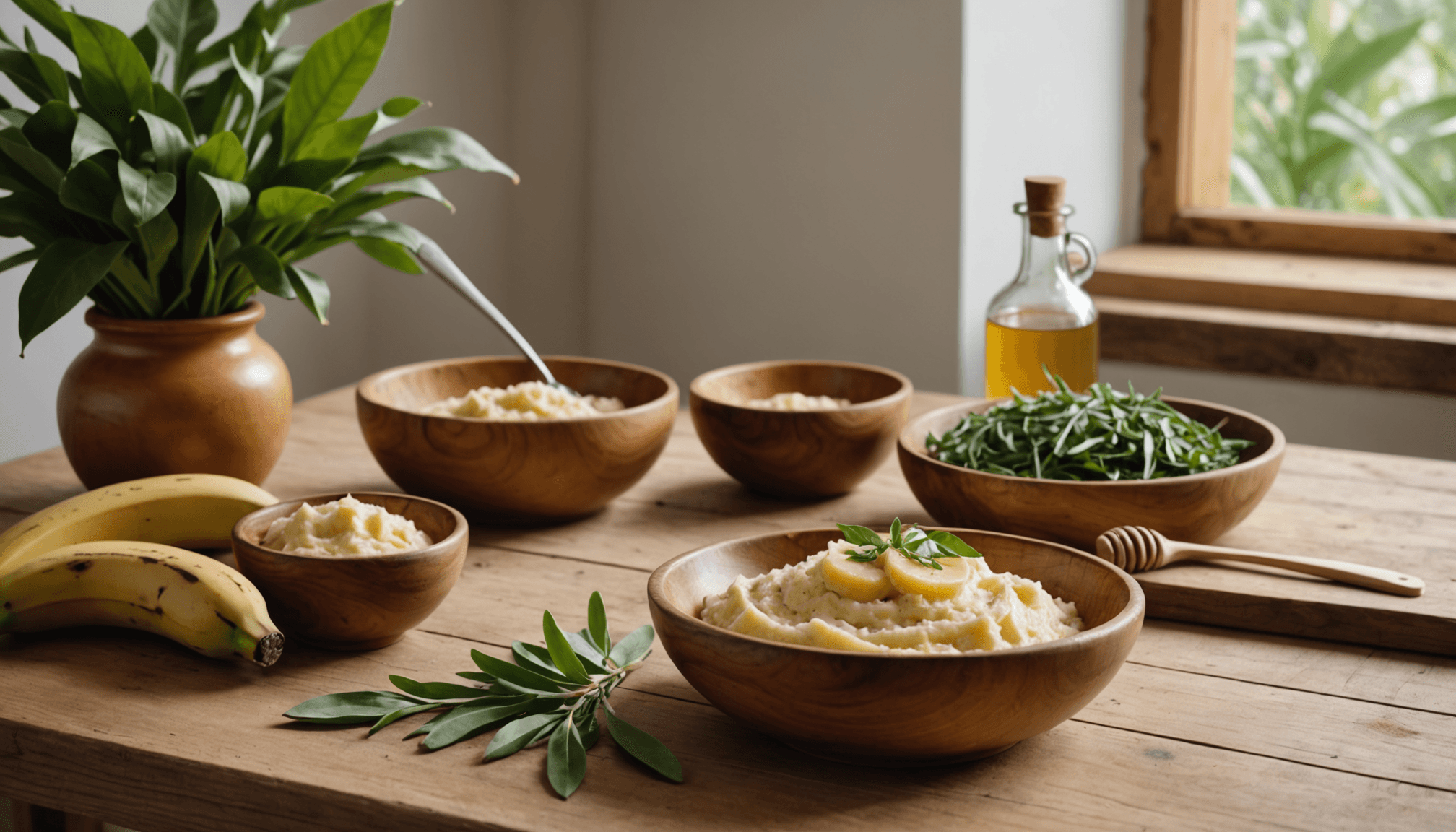
Creating your own beauty products on a budget is not only achievable but can also be a delightful experience filled with the benefits of using natural ingredients. When venturing into DIY beauty, the first step is to gather some affordable ingredients that are both effective and easy to find. Here are some common ingredients that can be sourced without breaking the bank:
- Coconut Oil: This versatile ingredient can be used as a moisturizer, makeup remover, or even a hair conditioner. Look for organic, unrefined options that are often available at local grocery stores.
- Honey: Known for its antibacterial properties, honey is fantastic for skincare. Use it in face masks or as a natural cleanser.
- Aloe Vera Gel: Ideal for soothing skin irritations, aloe vera can be harvested directly from the plant or purchased in stores. It works wonders as a moisturizer.
- Oatmeal: Ground oatmeal can be used as a gentle exfoliant and is perfect for calming inflamed skin in DIY masks.
- Essential Oils: A few drops of your favorite essential oil, such as lavender or tea tree, can elevate your beauty products with added benefits and delightful scents. Be sure to check that they are suitable for your intended use.
When selecting ingredients, consider visiting local farmers’ markets or co-ops, where you may find organic options at a lower price compared to retail chains. Purchasing in bulk can also save you money in the long run. Always pay attention to the sources of your ingredients; opting for sustainable and ethically produced items not only benefits you but also the environment.
In addition, consider repurposing common kitchen staples. For instance, simple items like lemon juice, sugar, and even coffee grounds can serve as fantastic beauty aids. A quick sugar scrub can be created using equal parts sugar and coconut oil, offering an effective and fragrant exfoliation experience. Just remember to patch test any new ingredient to avoid adverse reactions.
By embracing these affordable ingredients for your DIY beauty projects, you can cultivate not only a beauty routine that is kind to your wallet but also one that enhances your self-care practices while fostering a deeper connection to the ingredients you use.
Simple Recipes for Skincare
When it comes to crafting your own skincare products at home, simplicity often reigns supreme. Many recipes require just a handful of ingredients, yet they can deliver impressive results. One of the most popular DIY skincare creations is a natural face mask. Here’s how you can easily whip up effective recipes that cater to various skin types using affordable ingredients.
For a nourishing mask suitable for dry skin, blend:
- 1 ripe avocado – Rich in healthy fats and vitamins.
- 2 tablespoons of honey – Adds moisture and acts as a natural antibacterial.
- 1 tablespoon of yogurt – Contains lactic acid, which helps in exfoliation.
Mix these ingredients into a smooth paste, apply to your face, and leave it on for 15 minutes before rinsing with warm water to reveal soft, hydrated skin.
For oily or acne-prone skin, a clay mask can help absorb excess oil and purify the pores. Use:
- 2 tablespoons of bentonite clay – Known for its deep cleansing properties.
- 1 tablespoon of apple cider vinegar – Helps to balance the pH of the skin.
- A few drops of tea tree oil – With its antibacterial effects, it’s perfect for targeting blemishes.
Mix to form a paste and apply it to your face, leaving it on until it dries, typically around 10-15 minutes, before rinsing off.
Those with sensitive skin can benefit from a soothing oatmeal mask. Combine:
- 1/2 cup of finely ground oatmeal – Gently exfoliates and calms redness.
- 1 cup of warm water – Aids in activating the oatmeal.
- 1 tablespoon of honey – Moisturizes while providing anti-inflammatory benefits.
Let the mixture sit for a few minutes, then apply it to your face for 15 minutes. Rinse with warm water, taking care not to scrub harshly.
To highlight how different ingredients cater to various skin concerns, here’s a comparison table:
| Skin Concern | Recommended Ingredients | Purpose |
|---|---|---|
| Dry Skin | Avocado, Honey, Yogurt | Nourishes and hydrates |
| Oily/Acne-prone Skin | Bentonite Clay, Apple Cider Vinegar, Tea Tree Oil | Absorbs oil and reduces breakouts |
| Sensitive Skin | Oatmeal, Honey, Warm Water | Soothes and calms irritation |
Additionally, incorporating a homemade toner into your routine can enhance your DIY skincare regimen. For a refreshing toner, mix:
- 1 cup of green tea – Packed with antioxidants.
- 1 tablespoon of apple cider vinegar – Helps balance skin pH.
Store this mixture in a spray bottle and spritz it on your face after cleansing for an invigorating boost.
These simple recipes not only allow you to curate personalized skincare solutions but also create opportunities for mindfulness and self-care. By taking the time to craft your own products, you foster a deeper understanding of what your skin truly needs while enjoying the process of making your beauty products from scratch.
Budget-Friendly Hair Care Solutions
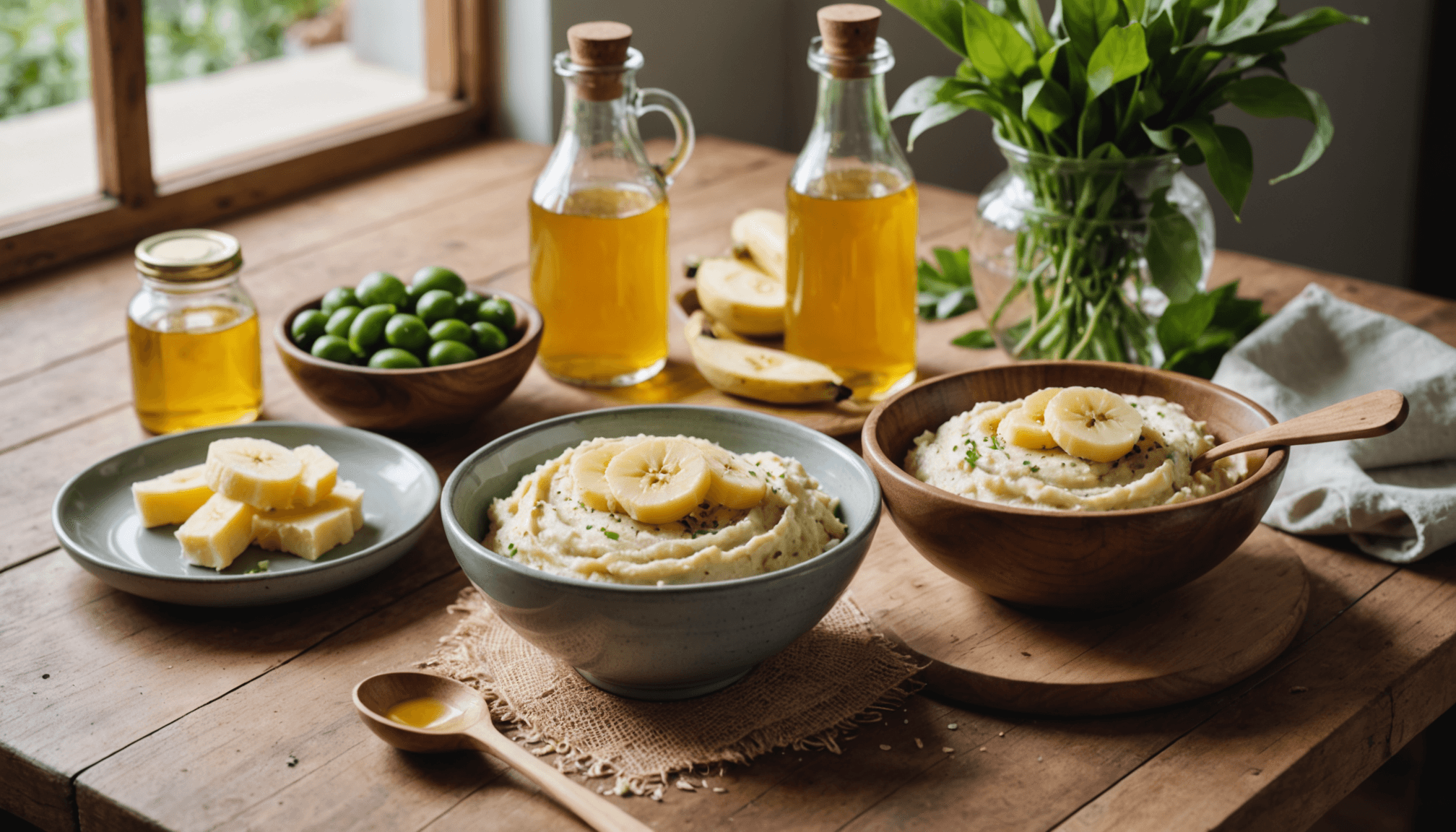
Beautiful hair doesn’t have to come with a hefty price tag. In fact, numerous budget-friendly hair care solutions can help you maintain luscious locks without frequent trips to the salon. By utilizing natural ingredients readily available in your pantry, you can create effective treatments tailored to your hair type. Here are some practical ideas to inspire your DIY hair care journey:
1. Nourishing Hair Mask: A weekly hair mask can work wonders for hydration and nourishment. Combine:
- 1 ripe banana – Full of vitamins and natural oils, it helps moisturize your hair.
- 2 tablespoons of olive oil – Known for sealing in moisture, it leaves hair shiny and smooth.
- 1 tablespoon of honey – Retains moisture and adds a healthy glow.
Blend these ingredients until smooth, apply to damp hair, and leave it on for 30 minutes before rinsing to enjoy revitalized hair.
2. Natural Shampoo Alternative: If you’re looking to reduce expenses on commercial shampoos, consider making your own with simple ingredients. A basic recipe involves:
- 1/4 cup of baking soda – Effective for cleansing dirt and oil.
- 1 cup of water – To dilute the baking soda.
- Optional: A few drops of your favorite essential oils – For added fragrance.
Mix the baking soda with water, apply it to your scalp, and massage gently before rinsing thoroughly. This natural approach can leave your hair feeling clean without the harsh chemicals found in many commercial shampoos.
3. Homemade Hair Conditioner: After washing, conditioner is essential for maintaining soft and manageable hair. Try this simple recipe:
- 1 cup of plain yogurt – Acts as a natural conditioner, adding moisture and shine.
- 1 tablespoon of apple cider vinegar – Balances pH and enhances shine.
Mix the ingredients, apply it to your hair, focusing on the ends, and leave it in for about 10 minutes before rinsing. This conditioner works wonders while being cost-effective!
4. Scalp Treatment for Dandruff: If dandruff is a concern, a simple treatment can be made using:
- 2 tablespoons of coconut oil – Moisturizes the scalp while having antifungal properties.
- 2 tablespoons of apple cider vinegar – Helps to balance scalp pH and reduce flakes.
Melt the coconut oil if solid, mix with apple cider vinegar, and apply directly to the scalp. Leave it on for at least 30 minutes before washing it out with your usual shampoo.
As you embark on your hair care journey, keep these tips in mind:
- Patch Test for Allergies: Always perform a patch test on your skin before using new ingredients to ensure you won’t have an adverse reaction.
- Consistency is Key: For noticeable results, consistency in your hair care routine is crucial. Aim to incorporate these DIY solutions into your weekly schedule.
- Embrace Natural Oils: Whether using avocado, jojoba, or almond oil, natural oils can be fantastic for both moisturizing and styling hair without the need for commercial products.
By embracing these budget-friendly hair care solutions, you can maintain healthy hair while enjoying the creative process of making your own products. Plus, cutting back on manufactured products is not only good for your wallet, but it’s also a step towards a more sustainable lifestyle.
Homemade Makeup Alternatives
When it comes to DIY beauty, the world of makeup offers incredible potential for customization and savings. By creating your own makeup alternatives, you can enjoy vibrant colors and high-quality ingredients without the high prices often associated with commercial products. Here are some easy and budget-friendly alternatives to common makeup items that you can make at home.
1. Tinted Lip Balm: For a natural pop of color, a homemade tinted lip balm is both nourishing and easy to craft. You’ll need:
- 2 tablespoons of coconut oil – Provides moisture and smoothness.
- 1 tablespoon of beeswax – Helps to solidify the balm.
- 1 teaspoon of beetroot powder – Natural colorant for a beautiful stain, adjust for desired intensity.
Melt the coconut oil and beeswax together in a double boiler, mix in the beetroot powder, and pour it into small containers to set. This tinted balm not only colors your lips but also protects them from the elements.
2. Natural Foundation: Achieve a radiant complexion with a simple foundation alternative using:
- 2 tablespoons of arrowroot powder – Acts as a base.
- 1 teaspoon of cocoa powder – Adjust to match your skin tone.
- Optional: A few drops of essential oil – For added skin benefits and fragrance.
Mix the ingredients until well combined, and use a clean brush to apply it lightly on your face for a smooth, natural look. Experiment with different ratios of cocoa powder and arrowroot to find your perfect shade.
3. DIY Blush: Enhance your cheeks with a homemade blush. Combine:
- 1 tablespoon of arrowroot powder – Provides a soft base.
- 1 teaspoon of beetroot powder or cocoa powder – Choose based on the desired tint.
Mix until smooth and store in a small container. Apply with a brush for a natural flush of color that can easily be built up for intensity.
4. Eye Shadow: Create your custom eye shadow colors using simple ingredients. For a basic powder shadow, you’ll need:
- 1 tablespoon of arrowroot powder – Acts as a binder.
- 1 teaspoon of cocoa powder or crushed herbs (like turmeric for yellow or spirulina for green) – Provides color.
Combine the powders in a small bowl and blend until the shade meets your liking. Use a clean brush for application, and consider adding a few drops of coconut oil if you prefer a creamier texture.
5. Eyeliner: For a simple eyeliner solution, mix:
- 1 teaspoon of activated charcoal powder – For a rich, dark color.
- 1 tablespoon of water or coconut oil – To create a paste.
Blend to your desired consistency and use a thin brush to apply. This method allows you to control the thickness of the line while also knowing exactly what is going on your skin.
“The best part about DIY beauty products is knowing exactly what you’re putting on your skin and hair. You can customize them to fit your unique style and preferences.”
Making your own makeup alternatives not only enables you to save money but also empowers you to choose the ingredients that resonate with your values. You gain the freedom to adjust colors and formulations based on your individual needs, leading to a makeup routine that is as unique as you are. Plus, the creative process of making your own products can be incredibly fulfilling, providing a sense of accomplishment in both your beauty regimen and your self-care journey.
Natural Remedies for Common Beauty Concerns
Embracing natural remedies can offer effective solutions for common beauty concerns without the need for expensive and often chemically laden products. For instance, one of the most prevalent issues many face is acne. A simple yet effective remedy involves using tea tree oil diluted with a carrier oil like jojoba or coconut oil. This potent natural antibacterial can be directly applied to blemishes to reduce inflammation and promote healing. Always remember to perform a patch test before fully incorporating new ingredients into your skincare routine.
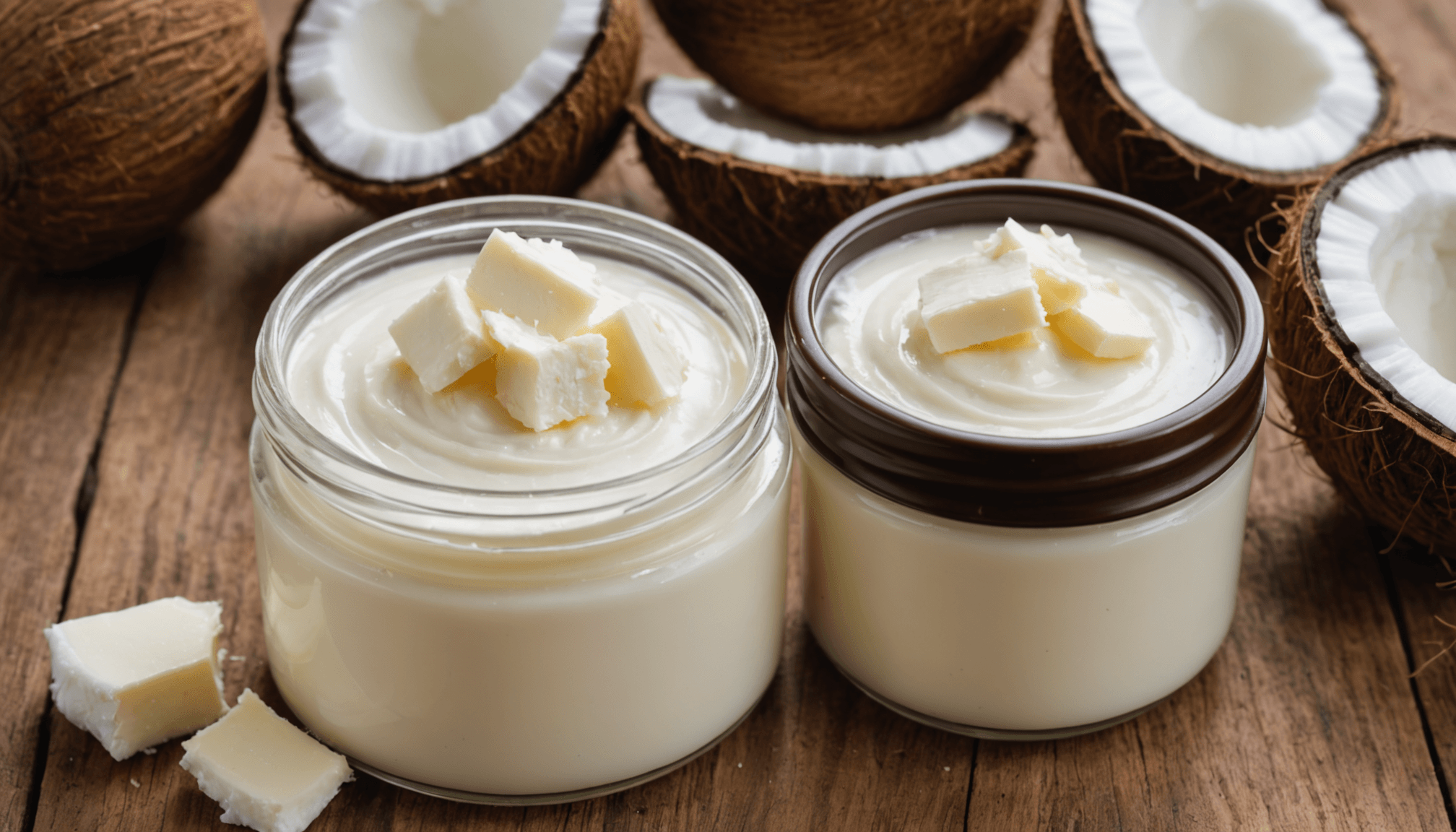
Another common concern is dry skin, particularly in colder months. A deeply moisturizing option is a homemade shea butter and coconut oil cream. By melting together equal parts shea butter and coconut oil and allowing them to cool, you create a rich moisturizer that not only hydrates but also locks in moisture for hours. This blend is ideal for dry patches and can also be used on the body and hands, ensuring your skin feels protected from the elements.
For those battling dark circles under the eyes, a cooling cucumber-infused eye gel can work wonders. Simply blend fresh cucumber and strain the juice. Mix it with a tablespoon of aloe vera gel to create an eye treatment that soothes, hydrates, and brightens the delicate skin around the eyes. Applying this gel regularly can gradually reduce the appearance of dark circles and puffiness, giving you a refreshed look.
Another prevalent issue is dull hair. A nourishing apple cider vinegar rinse can reinvigorate lackluster locks by restoring the scalp’s natural pH and adding shine. Mix one part apple cider vinegar with three parts water and pour it over your hair after shampooing, letting it sit for a few minutes before rinsing it out. This remedy not only enhances shine but can also help with dandruff.
Moreover, those dealing with body odor can find a natural solution in baking soda. A simple paste made from baking soda and coconut oil can act as a great deodorant. It neutralizes odor-causing bacteria while being gentle on the skin. Switching to natural deodorant options can be not only cheaper but also healthier, devoid of artificial fragrances and chemicals.
Finally, if you’re faced with brittle nails, a combination of olive oil and lemon juice can work wonders. Soaking your nails in this mixture for about 10-15 minutes can improve nail strength and promote growth. The olive oil nourishes while the lemon provides a boost of brightness, ensuring your nails look vibrant and healthy.
- What are the benefits of using natural remedies for beauty concerns?
- Natural remedies often use ingredients that are gentler on the skin and body compared to their chemical counterparts. They can be more cost-effective and environmentally friendly while providing effective solutions to common beauty issues.
- Can I mix different natural ingredients together?
- Absolutely! Many natural ingredients complement each other well, enhancing their effectiveness. However, it’s essential to know how each ingredient works and to conduct patch tests to avoid adverse reactions.
- How do I know which natural remedies are suitable for my skin type?
- Identifying your skin type is the first step. Research which ingredients target your specific concerns, and always start with a patch test when trying a new remedy to see how your skin reacts.
- Are homemade beauty products safe to use?
- Most homemade beauty products are safe when made with clean, natural ingredients. However, always check for allergies and sensitivities to the ingredients used, and ensure proper hygiene when preparing your products.
- How long do homemade beauty products last?
- The shelf life of homemade products can vary depending on the ingredients used. Generally, products without preservatives should be used within a week or two, while those containing oils or hard butters can last longer if stored properly in a cool, dry place.
- Can I find all the ingredients for these remedies in my kitchen?
- Many ingredients for natural beauty remedies can be found in your kitchen, such as honey, coconut oil, and oatmeal. Nevertheless, some may need to be purchased from stores or online, especially for specific benefits like essential oils or certain powders.
- Is making my own beauty products time-consuming?
- Creating your own beauty products can be quite quick and straightforward. Many remedies involve just mixing a few ingredients, making it a rewarding practice that doesn’t take much time out of your day.
The Importance of Self-Care on a Budget
Self-care is an essential part of maintaining both mental and physical health, even when working with a tight budget. Engaging in regular self-care practices does not have to consist of expensive spa days or costly beauty treatments; rather, it can be as simple as dedicating time to indulge in nourishing homemade beauty rituals. Practicing self-care allows you to reconnect with yourself, promoting relaxation and a sense of well-being while also enhancing your unique beauty.
Understanding your personal care needs is vital in tailoring a self-care routine that resonates with you. Consider setting aside time weekly to explore your DIY beauty creations. For instance, you might create a calming facial mask, a soothing hair treatment, or a revitalizing body scrub—all using economical ingredients you likely already have at home. This not only enriches your skin and hair but serves as a moment of relaxation as you take time for yourself.
To further enhance your self-care journey, consider incorporating elements of mindfulness into your routine. Light a candle, play some soothing music, or even meditate for a few minutes before applying your homemade beauty products. These small actions can create a calming atmosphere that transforms even the simplest beauty rituals into cherished moments of self-love.
Moreover, you can engage in community practices that elevate your self-care experience. For example, hosting a DIY beauty product party with friends can be a fun, bonding experience, where you share tips and concoct new products together. This approach not only makes your beauty practices more enjoyable but also creates a sense of camaraderie and support within your circle.
When focusing on self-care, it is also important to listen to your body and skin’s unique requirements. If you find that a certain ingredient clashes with your skin type or lifestyle, it’s crucial to adjust your approach. Staying attuned to your needs will foster a healthier relationship with yourself, ensuring that your self-care practices boosted by DIY beauty solutions become a source of joy rather than obligation.
Don’t forget to celebrate the successes in your self-care journey. Whether it’s discovering a new favorite ingredient or receiving compliments on your radiant skin, acknowledging these moments will reinforce your commitment to nurturing yourself. Remember, self-care is not a luxury; it’s a necessity, even on a budget. With a little creativity and resourcefulness, you can cultivate a fulfilling self-care routine that enhances both your outer beauty and inner peace.