
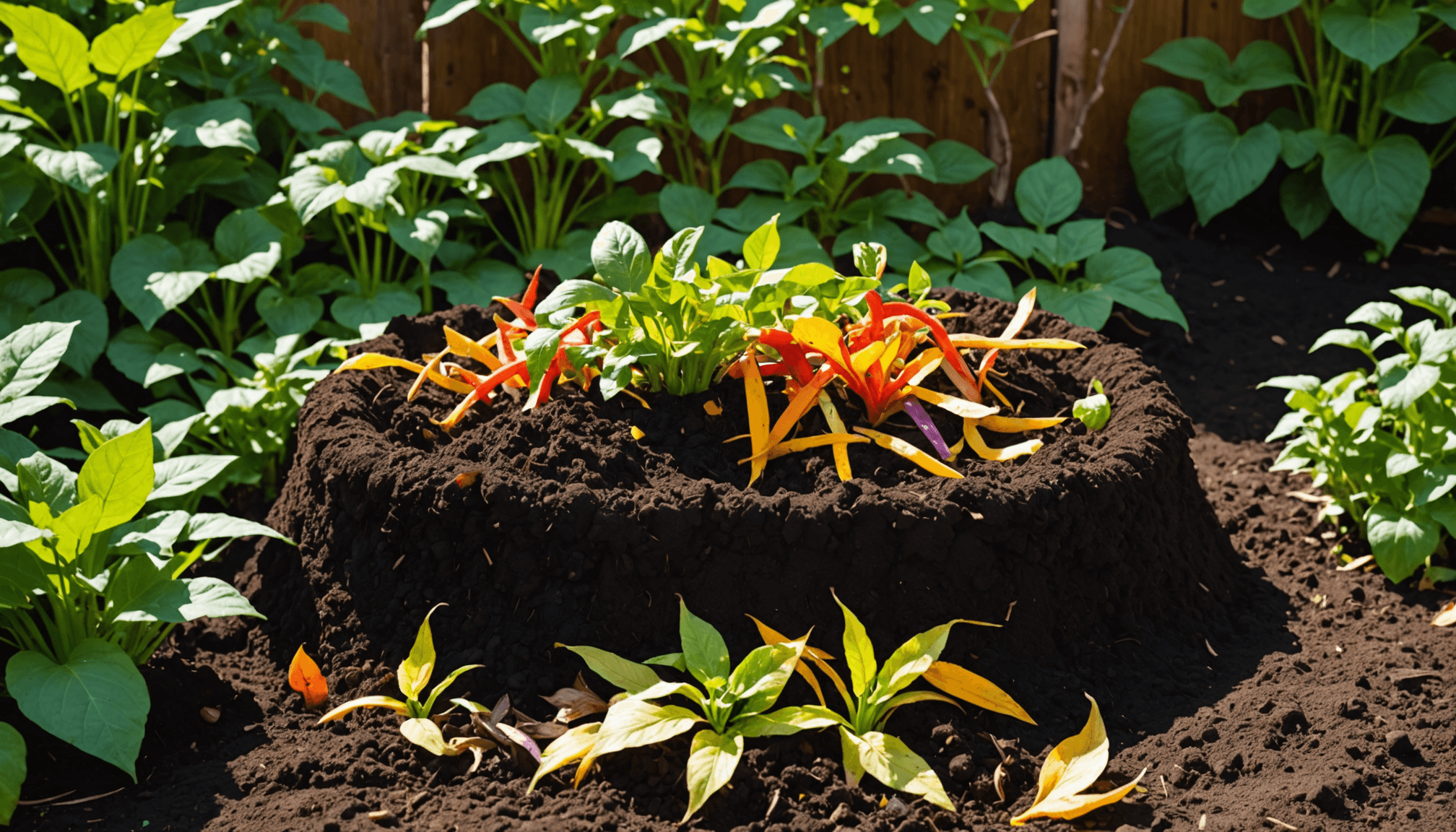
Composting is an excellent way to boost the health of your plants while promoting *sustainable gardening* practices in your nursery. This ancient technique not only recycles waste but also enriches the soil, creating a self-sustaining ecosystem that thrives on nature’s balance. When you start incorporating compost into your plant nursery, you immediately tap into a world of benefits that include improved soil structure, enhanced moisture retention, and an increase in beneficial microorganisms.
To get started, greens and browns should be your best friends. Consider mixing kitchen scraps such as vegetable peels and coffee grounds (the green materials) with dry leaves, straw, and cardboard (the brown materials). This combination not only helps in accelerating the decomposition but also balances nitrogen and carbon levels, crucial for effective composting. Remember, the ideal ratio is about 30 parts carbon to 1 part nitrogen.
Urban dwellers and families can maximize their composting by utilizing small outdoor spaces or even balcony gardens. For those without much room, *vermicomposting*, which involves using worms, is an amazing option you can easily set up in a bin. Just make sure you provide sufficient drainage and airflow to keep the worms happy!
One entertaining method to engage kids in composting is to turn it into a fun educational project. They can collect food scraps and learn about the decomposition process, potentially even keeping a diary to track changes over time. This not only makes *nursery practices* more interactive but strengthens their understanding of where our food comes from and the importance of reducing waste.
Make sure to monitor your compost pile regularly. Keep an eye out for any unpleasant smells, which could indicate a lack of airflow or an imbalance in material ratios. Turning the pile every few weeks helps aerate it, speeding up the decomposition process and ensuring even distribution of heat. If you’re using a bin, ensure it’s turned or stirred regularly to maintain proper conditions.
Lastly, don’t be shy about experimenting with what you compost. Coffee filters, eggshells, and grass clippings can be a fantastic addition to your compost pile. However, be cautious with certain items—meat and dairy can attract pests and create odor issues, so best to keep those out of your compost mix.
By thoughtfully integrating composting into your nursery operations, you not only nurture your plants but also contribute to a larger movement towards ecological responsibility. The fruits of your labor—both in your garden and in fostering a sustainable lifestyle—are sure to be rewarding!
Benefits of composting for plant health
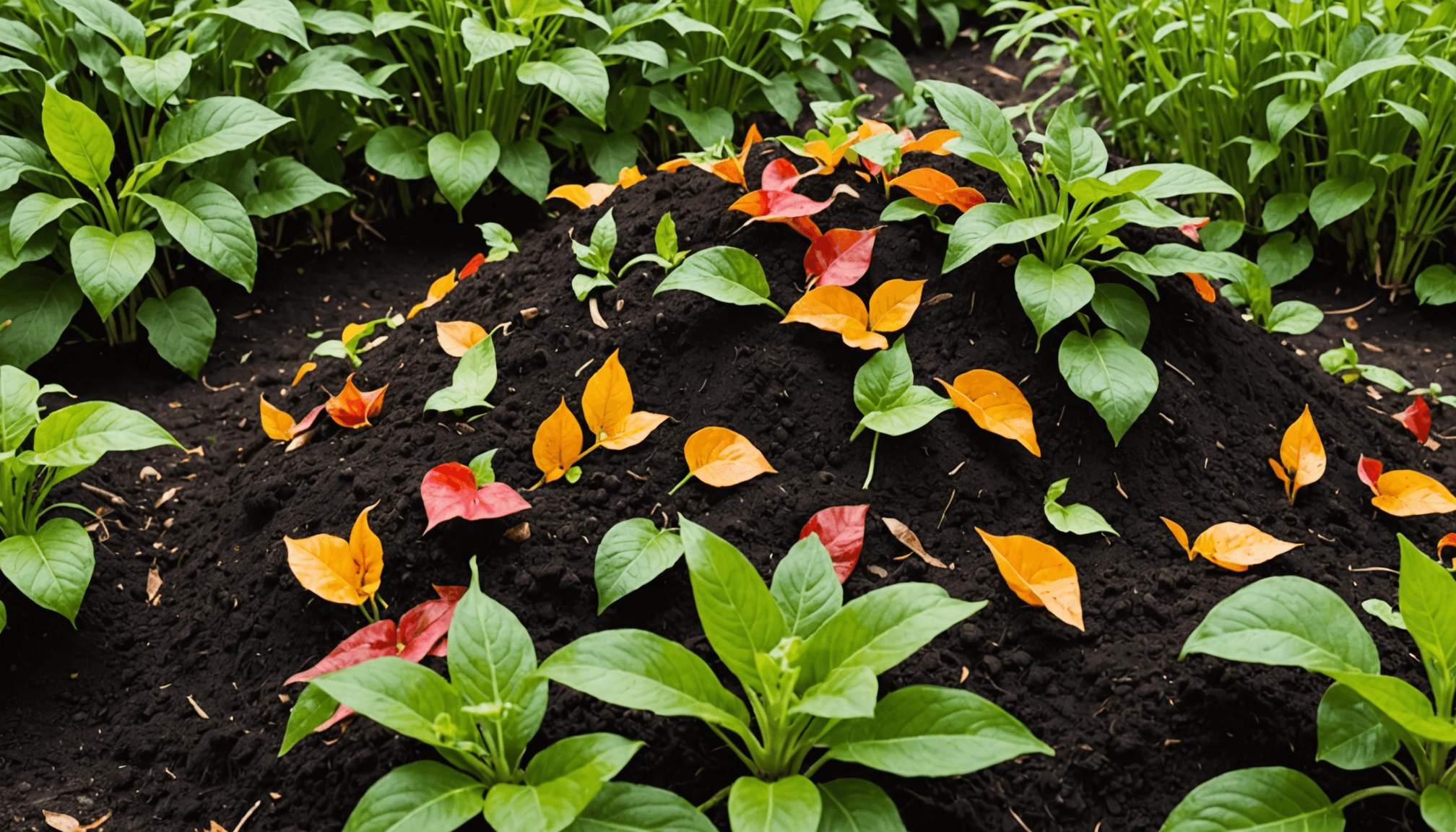 Composting plays a pivotal role in enhancing plant health, serving as an organic, nutrient-rich amendment that addresses multiple aspects of plant growth and development. One of the primary advantages is the improved soil structure that compost provides. By adding compost to the soil, it increases aeration and drainage, which are essential for plant roots to breathe and absorb water effectively. A well-aerated soil structure can prevent the incidence of waterlogging, reducing the risk of root rot and other water-related diseases.
Moreover, compost is packed with essential nutrients that are readily available to plants. It contains macro-nutrients like nitrogen, phosphorus, and potassium, as well as micro-nutrients such as iron, manganese, and zinc, which are crucial for plant vitality. The gradual release of nutrients from compost means that plants can access them over time, promoting sustained growth rather than rapid spikes that can lead to nutrient imbalances.
Additionally, compost enhances the soil’s ability to retain moisture. This is particularly beneficial in periods of drought, as moistened compost can retain water, making it available to plant roots when they need it most. The presence of organic matter in compost helps the soil hold onto moisture long after it rains, reducing the need for frequent watering and conserving resources—a key principle in sustainable gardening.
A notable benefit of composting is the boost to beneficial microorganisms within the soil. Compost serves as a habitat and food source for fungi and bacteria that play a significant role in breaking down organic matter and releasing nutrients. These microorganisms can also suppress plant diseases by competing with harmful microbes, thereby improving the overall health of the plant nursery.
The following table compares traditional soil amendments with compost in terms of nutrients, moisture retention, and microbial activity:
| Soil Amendment | Nutrients Provided | Moisture Retention | Microbial Activity |
|---|---|---|---|
| Traditional Fertilizers | High in N-P-K | Low | Minimal |
| Mulch | Variable | Moderate | Low to Moderate |
| Compost | Balanced N-P-K + Micro-nutrients | High | High |
Utilizing compost in your plant nursery thus not only uplifts the physical characteristics of the soil but also enhances its biological properties. This application ensures that plants thrive, leading to healthier growth, increased resilience against pests and diseases, and ultimately greater productivity—a win-win for both the nursery and the environment. By fostering an ecosystem that embraces composting practices, nurseries can contribute to sustainable gardening efforts and promote long-term soil health.
Types of compost suitable for nurseries
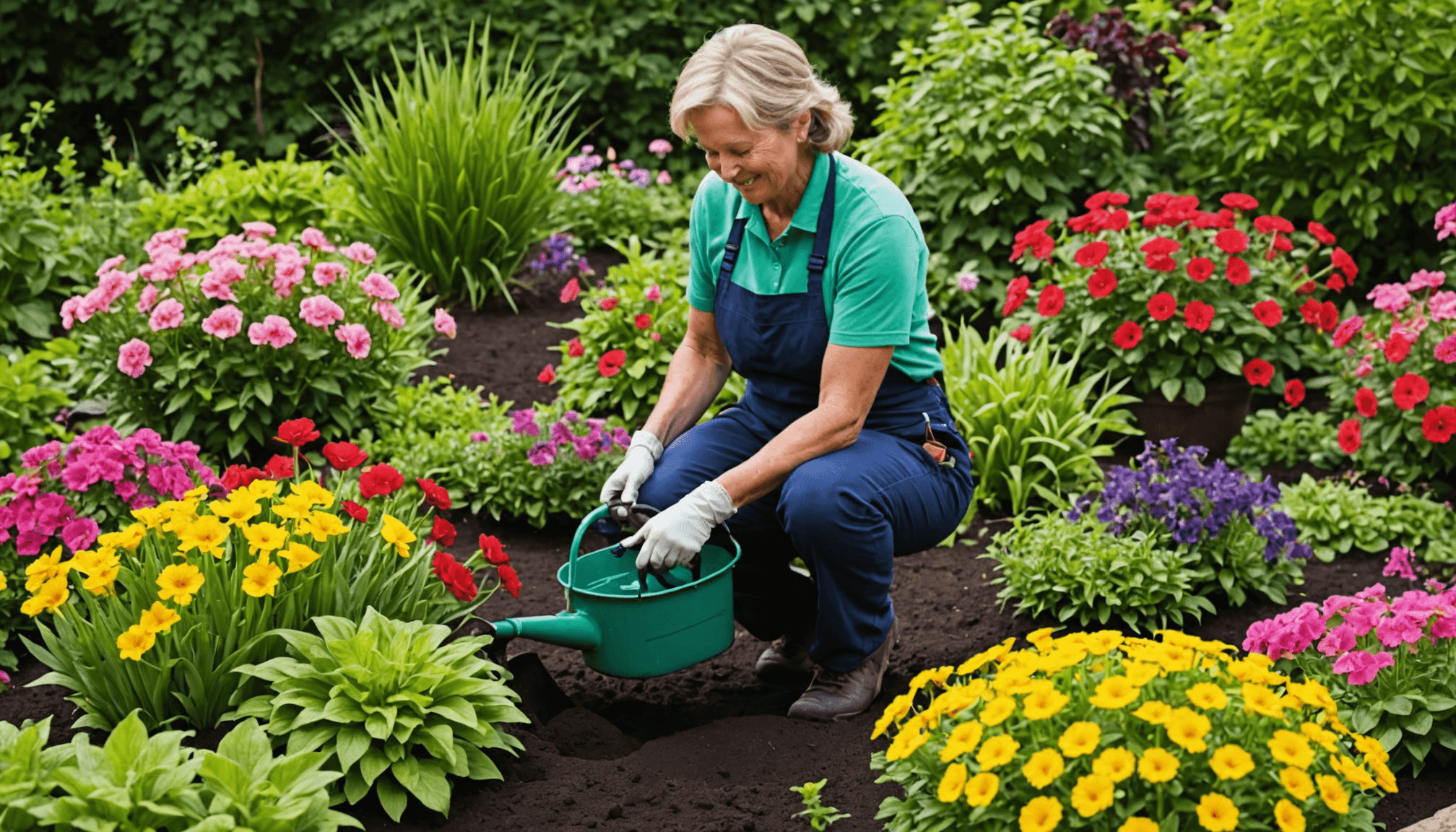
When selecting compost for your nursery, it’s essential to understand that not all compost is created equal. Different types of compost can cater to various plant needs, and being aware of their specific benefits can significantly enhance your nursery practices.
1. General Purpose Compost: This type of compost is typically well-balanced and suitable for a wide variety of plants. Made from decomposed kitchen scraps, yard waste, and sometimes manure, it serves as an excellent base amendment to improve soil structure and provide essential nutrients. Ideal for young seedlings and perennials, general-purpose compost can be mixed into garden beds or used as a top dressing.
2. Leaf Mold: Composed exclusively of decomposed leaves, leaf mold is a fantastic option for moisture retention. It’s not as nutrient-rich as other compost types, but its ability to improve soil structure and aeration makes it invaluable, especially for plants that thrive in moisture-retentive conditions. Consider using leaf mold for potting mixes or to enhance water-holding capacity in sandy soils.
3. Vermicompost: This organic compost is produced with the help of red wigglers, which break down kitchen scraps into nutrient-rich castings. Vermicompost is known for its high levels of beneficial microorganisms and nutrients, making it a superb additive for improving plant health. Due to its potency, use vermicompost sparingly by mixing it with regular compost or applying it directly to the soil around your plants.
4. Manure-Based Compost: This type of compost is made from well-aged animal manure, rich in nutrients like nitrogen. Composting manure not only curbs the smell but also eradicates harmful pathogens. Be cautious when incorporating fresh manure, as it can be too strong for young plants; always ensure it’s well-composted and fully decomposed before application. This compost is especially excellent for vegetables and heavy feeders.
5. Mushroom Compost: A by-product of mushroom farming, mushroom compost is slightly alkaline and full of organic matter. It’s a robust option for gardens, and its rich nutrient profile enhances soil fertility remarkably. Ideal for garden beds or as a mixed medium, it stimulates plant growth and increases beneficial microbial activity.
When sourcing compost, it’s wise to check for quality. Look for compost that has been tested for contaminants and is free from any chemical residues. Additionally, consider making your own compost from organic materials readily available to you, as this allows you to customize it according to your nursery’s specific needs. By being informed about the various types of compost available, you can make choices that not only benefit your plants but also contribute to a more sustainable gardening approach.
How to create your own compost
Creating your own compost can be a rewarding and straightforward process, especially in a plant nursery setting where the benefits are multiplied. Begin by selecting an appropriate location for your compost bin or pile. Ideally, it should be a dry, shaded area with easy access to water, as moisture is essential for decomposition.
Gather your materials, ensuring a balance between green and brown components. Greens include nitrogen-rich materials like kitchen scraps, grass clippings, and fresh plant trimmings, while browns encompass carbon-rich items such as dried leaves, straw, and cardboard. The interplay of these materials will create the perfect environment for beneficial microorganisms to thrive, breaking down the organic matter. Aim for a ratio of about 30 parts browns to 1 part greens, but don’t obsess over the perfect measurement; nature tends to find a way!
As you assemble your compost, chop or shred larger items to speed up decomposition. This increases the surface area, allowing microorganisms to access the materials more efficiently. Layering your greens and browns will facilitate airflow, essential in maintaining an aerobic environment. It’s also beneficial to add some soil or finished compost into the mix. This introduces more microbes, which can assist in breaking down the materials.
Once your pile or bin is established, maintain moisture levels. It should feel damp but not soggy, similar to a well-wrung sponge. During dry periods, you may need to water your compost lightly. Conversely, if the materials are too wet, incorporate more browns to absorb excess moisture and promote aeration.
Turning your compost regularly—about every two weeks—is crucial. This action introduces oxygen, speeds up the decomposition process, and helps mix the materials evenly. As you turn the pile, observe the temperature; an active compost pile can heat up significantly. If you notice a strong odor, this may indicate anaerobic conditions which means the pile may be too wet or compacted. Adjusting your moisture levels and turning it more frequently can help remedy this.
Time will vary for compost to mature, but you can expect it to take between three months to a year, depending on the size and materials used. You’ll know your compost is ready when it resembles dark, crumbly soil and has a pleasant earthy smell. At this point, it’s ideal for use in your nursery, enriching the soil and providing a sustainable resource for your plants.
“Composting is nature’s way of recycling, demonstrating the beauty of life’s cycles.” – Unknown
By creating your own compost, you lay the groundwork for sustainable gardening practices in your nursery. Not only does it provide excellent nutrition for your plants, but it also highlights your commitment to eco-friendly methods and reduces waste. Engaging in this process cultivates an understanding of how nurturing nature can lead to more vibrant plant health and overall nursery success.
Best practices for applying compost
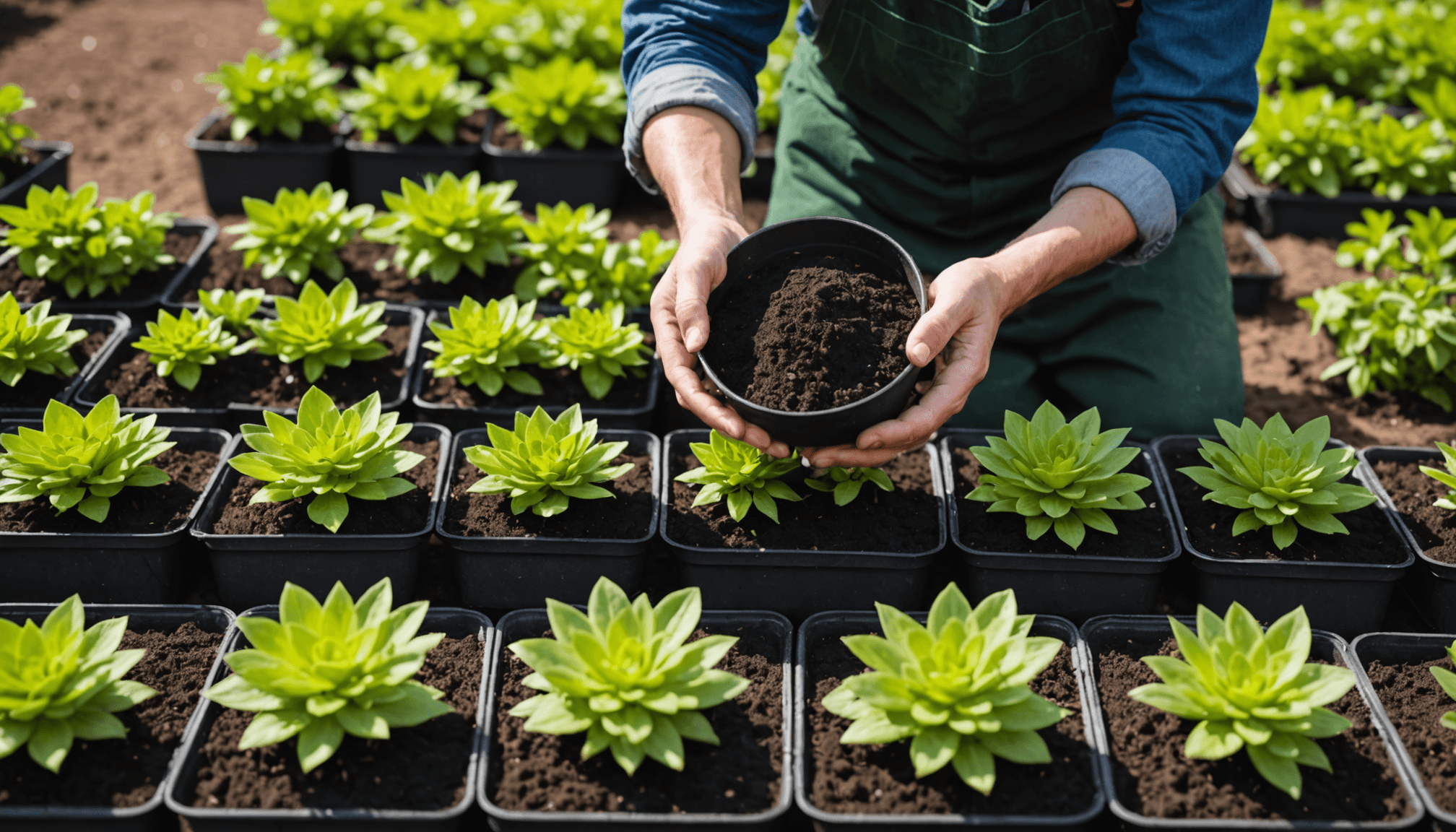
When it comes to applying compost in your nursery, the method and timing can greatly influence its effectiveness. Start by choosing the right time to introduce compost to your plants, ideally during the growing season when they require ample nutrients. Early spring, just before planting, or late summer, when preparing for the next growing cycle, are excellent opportunities to enrich the soil. This proactive approach not only aids in establishing young plants but also prepares the soil for winter dormancy.
Apply compost evenly as a top dressing or mix it into planting holes. For established plants, a thin layer of compost spread around the base can provide a gradual release of nutrients as it breaks down. Utilizing a garden fork or a rake can help incorporate compost into the top layers of soil, ensuring that the nutrients benefit your plants more effectively. When you’re planting new seedlings, consider mixing compost into the seedling mix for better root establishment and growth.
Consistency is key in using compost. Regular applications every growing season will build up a nutrient-rich soil profile, which can improve plant health over time. Avoid over-composting; adding too much at once can lead to nutrient imbalances or even hinder plant growth. Instead, focus on gradual improvements to create a balanced ecosystem.
Monitor moisture levels when applying compost, especially if it’s mixed into the soil. Compost retains water efficiently, but ensure plants are watered adequately following the application, particularly during dry weather. Observe the plant’s response; if they exhibit vibrant growth, it indicates good nutrient uptake. On the flip side, yellowing leaves or stunted growth may signal that plants are either over-fertilized or lacking essential nutrients.
Experimentation can enhance your nursery practices. Try different types of compost, such as vermicompost or manure-based compost, to determine what yields the best results for specific plant varieties. Each type brings unique benefits to the soil and plants, enabling you to refine your compost application techniques. Share your findings with the gardening community to inspire others while furthering your understanding of sustainable gardening.
- What is compost?
- Compost is organic matter that has decomposed and transformed into a nutrient-rich material, used to improve soil quality and support plant growth. It typically includes kitchen scraps, yard waste, and other biodegradable materials.
- How does compost benefit my plants?
- Compost adds essential nutrients to the soil, improves soil structure, enhances moisture retention, and fosters beneficial microorganisms, leading to stronger, healthier plants and better resistance to diseases.
- Can I compost any kitchen scraps?
- While many kitchen scraps are compostable, steer clear of meat, dairy, oils, and processed foods, as they can attract pests and create odors. Instead, focus on fruit and vegetable peels, coffee grounds, and eggshells.
- How much compost should I apply to my plants?
- General recommendations suggest applying a layer of compost no thicker than 2-3 inches on garden beds or incorporating it into the soil at a ratio of about 20-30% compost to soil when planting. Adjust based on specific plant needs for optimal results.
- Can I use compost for all types of plants?
- Most plants benefit from compost, but some heavy feeders may require additional nutrients. It’s essential to assess the specific needs of your plants and consider complementary fertilizers if necessary.
- How long does it take for compost to decompose?
- Composting time can vary based on materials, moisture, and temperature. Generally, you can expect compost to be ready in 3 months to a year, depending on how it’s managed and the type of composting system used.
- Is it worth it to make my own compost?
- Creating your own compost is not only cost-effective but also significantly contributes to reducing household waste. It enhances the health of your plants, promotes sustainable gardening practices, and nurtures the soil in your nursery.
Integrating composting into nursery operations
Integrating composting into the daily operations of your plant nursery can be a transformative experience, fostering a thriving ecosystem right in your backyard. Start by making composting a team effort; involve family members or friends in the process to create a sense of community within your gardening practices. Dividing tasks such as collecting kitchen scraps and managing the compost pile can turn the chore into an enjoyable group activity. Young ones can engage by helping you sort materials or even creating fun labels for the compost bins.
Next, streamline your composting process by creating designated areas for different waste types, making it easier to manage and monitor. Having separate bins for greens, browns, and finished compost will enhance efficiency, allowing for quick access to materials when needed. Label these bins clearly; this simple step minimizes confusion, especially if you’re involves kids or helpers. You could even embark on a friendly competition to see who contributes the most compost materials over a month—this adds a fun twist to your nursery practices!
Consider integrating composting with your nursery’s sales model. Offer your customers the option to buy plants potted in your homemade compost mix, showcasing your commitment to sustainability. Providing educational workshops that teach visitors how to compost their organic waste at home can further enhance your community engagement. Hand out printed guides or create short videos illustrating easy composting techniques; visually presenting the process encourages others to adopt sustainable gardening practices as well.
On a logistical side, keep records of the types and quantities of compost you use in your nursery. Monitoring the outcomes, such as how different plants respond to various compost types, can provide valuable data for future growth strategies. By noting which plants thrived under certain conditions, you build a knowledge base that benefits your nursery operations and helps guide other gardeners in the community.
Lastly, leverage technology to assist your composting efforts. There are various apps available that can help you track compost materials, monitor temperature levels, and even remind you when to turn the pile. Embracing these digital tools not only simplifies compost management but also promotes the idea of smart, sustainable homesteading in modern urban settings.
By confidently integrating composting into your nursery operations, you create a productive cycle of growth and sustainability that can inspire others. This mindful approach solidifies your commitment to nurturing not just plants, but the environment as a whole, making your nursery a hub of ecological health and creativity.
Monitoring and maintaining compost quality
To ensure your compost maintains high quality, consistent monitoring and maintenance are essential. Start by regularly inspecting your compost pile for temperature, moisture, and odor. An ideal compost pile should reach a temperature of around 130°F to 160°F (54°C to 71°C). This heat not only accelerates the decomposition process but also helps to kill off any pathogens or weed seeds that can undermine your nursery practices. Use a compost thermometer to keep track of the temperature and turn the pile to redistribute materials and promote airflow.
Moisture content is another critical factor. Compost should feel like a damp sponge—moist but not overly wet. If your pile dries out, decomposition can stall. Be proactive by checking moisture levels weekly, especially during dry spells. If the compost feels too dry, water it evenly, mixing it to ensure that moisture penetrates throughout the pile.
Conversely, if your compost becomes soggy, it’s essential to fix it quickly. Excess moisture can lead to anaerobic conditions, resulting in foul odors and slow decomposition. In such cases, add more dry browns such as dried leaves or shredded cardboard, which will absorb moisture and help restore balance.
Odor is a useful indicator of your compost’s state. A healthy compost pile emits an earthy smell. If you notice a strong, unpleasant odor, it often signals a problem. This could be due to too much nitrogen-rich material or a lack of oxygen. Turning the pile and mixing in more browns can help alleviate these issues. Ensure your pile is adequately aerated by turning it every two to three weeks, which not only combats odors but also keeps the compost active and breaking down efficiently.
As your compost matures, keeping notes can be incredibly valuable. Document the types of materials you add, the conditions you observe, and how they affect the decomposition process. This record will aid future composting efforts and help you refine your techniques, leading to high-quality compost that meets the demands of your nursery.
Finally, be attentive to the pests that may be attracted to your compost pile. While some insects play a beneficial role in decomposition, others may become a nuisance. To deter unwanted pests, avoid adding items that can attract them, like meat, dairy, or processed foods. Instead, focus on plant-based materials that enrich your compost without luring critters into your gardening space.
By diligently monitoring and maintaining compost quality, you’ll not only produce a nutrient-rich amendment for your plants but also enhance overall sustainability in your gardening endeavors. Engaging in this ongoing process ensures your compost returns the favor by fostering healthy, thriving plants in your nursery.