
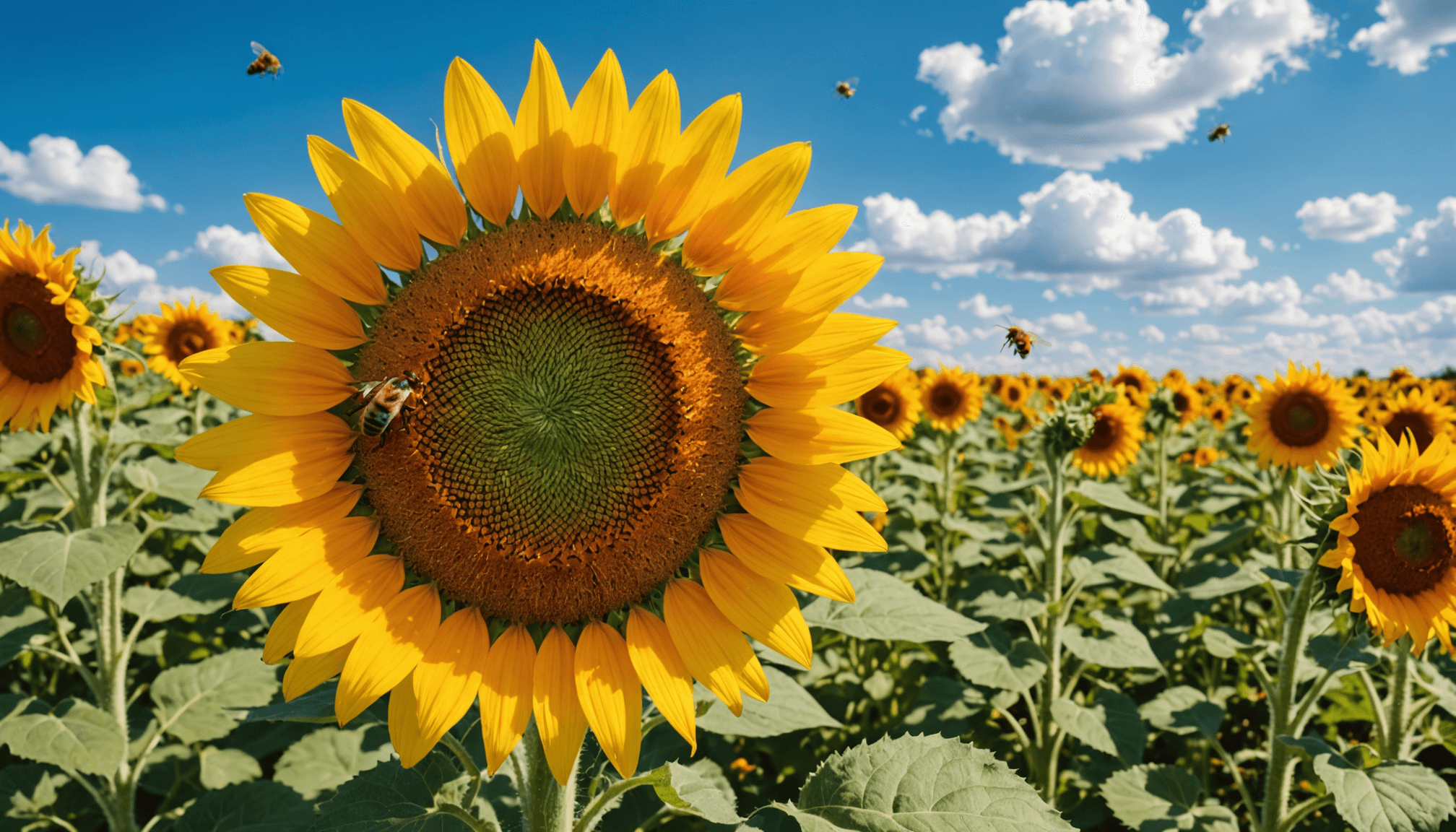
Creating habitats for beneficial insects is a rewarding endeavor that can transform your garden into a thriving ecosystem. These helpful creatures play a crucial role in pollination and pest control, making your gardening efforts more fruitful. To get started, consider the following practical tips:
- Choose the Right Location: Select a spot in your garden that receives adequate sunlight and is sheltered from strong winds. Ideally, beneficial insects thrive in areas that have a mix of sun and shade, allowing them to stay active throughout the day.
- Add Diverse Habitat Elements: Create microhabitats by incorporating various natural elements. This can include log piles, rock features, or shrubs where insects can hide and live. These structures not only provide shelter but also attract a diverse range of insects.
- Utilize Native Plants: Native plants are particularly effective for attracting local beneficial insects. For example, Butterfly Weed (Asclepias tuberosa) attracts monarch butterflies, while various species of asters can draw in pollinators like bees. Invest in a variety of these plants to create a welcoming environment.
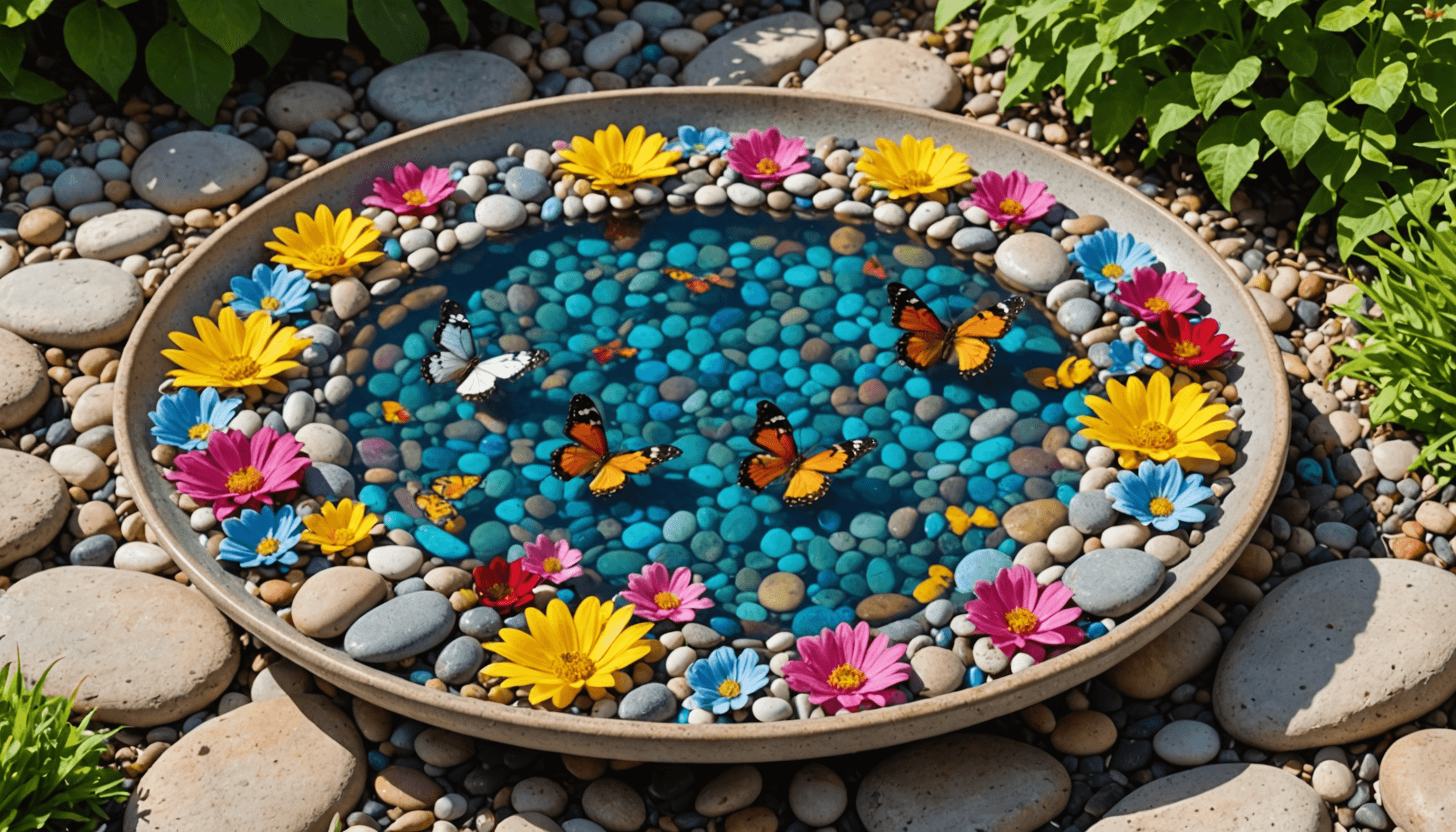
- Implement a Water Source: A shallow water dish filled with pebbles can serve as a great hydration station for insects. Ensure it’s placed in a sunny area but not directly exposed to scorching heat to avoid evaporation.
- Minimize Pesticide Use: Chemical pesticides can harm beneficial insects as well as pests. Opt for organic alternatives and practice integrated pest management to reduce the need for chemical interventions.
By welcoming beneficial insects into your garden, you foster a natural balance that reduces reliance on artificial inputs. This not only benefits your plants but also nurtures a vibrant ecosystem that can be a source of joy and learning for families and urban dwellers alike.
Understanding Biodiversity in Gardens
Biodiversity in gardens is the cornerstone of a thriving ecosystem, offering numerous advantages that extend beyond mere aesthetics. A diverse range of plant species can create habitats that support different groups of insects, birds, and other wildlife, ultimately enriching the environment. This complexity enhances pollination services, increases resilience against pests, and contributes to nutrient cycling. By understanding the elements of biodiversity, gardeners can design spaces that foster a more vibrant garden ecosystem.
Biodiversity encompasses not only the variety of plants but also the animals and microorganisms within the ecosystem. When gardens include a mixture of ornamental plants, vegetables, and native species, they attract a variety of pollinators, pest controllers, and soil organisms. Each species plays a unique role; for instance, certain pollinators are specifically attracted to specific flowers and in turn contribute to the reproductive success of these plants. Furthermore, a mixed garden can inhibit the spread of disease and pests, as diverse plant species are less susceptible to being wiped out by singular threats.
To illustrate the benefits of biodiversity, consider the following table comparing monoculture to polyculture gardens:
| Aspect | Monoculture Gardens | Polyculture Gardens |
|---|---|---|
| Diversity of Species | Low, usually one species | High, multiple species present |
| Pest Resilience | Higher vulnerability, as pests can easily target one type of plant | Lower vulnerability; predators can find alternative food sources |
| Pollination | Limited, attracting fewer pollinators | Enhanced pollination, as different plants bloom at various times |
| Soil Health | Weaker overall soil health, limited microbial diversity | Improved soil structure and nutrient cycling through diverse root systems |
| Aesthetic Appeal | Less visually interesting | More dynamic, colorful, and engaging |
This comparison highlights the clear benefits of cultivating diverse plant life in your garden. A polyculture approach nurtures a range of beneficial insects that rely on various plants for food and habitat. Furthermore, gardens rich in diversity can also be more resilient to adverse environmental conditions, such as drought or floods, as different species have varying levels of tolerance.
Incorporating biodiversity in the garden doesn’t mean a total overhaul; rather, it can start with small changes, such as interplanting a variety of flowering shrubs with vegetables or introducing ground cover plants alongside annual flowers. These adjustments can make a significant impact over time, attracting a multitude of beneficial insects and fostering a balanced ecosystem.
Moreover, research has shown that biodiverse gardens can improve the well-being of human inhabitants by providing spaces that inspire relaxation and connection with nature. Engaging with nature can reduce stress and enhance overall mental health, establishing gardens not just as food production areas but as sanctuaries for both people and wildlife.
Ultimately, embracing biodiversity cultivates a sustainable approach to gardening that serves to enhance the environment while providing a rich, educational experience for the gardener and their community.
Selecting the Right Plants

When it comes to attracting beneficial insects, selecting the right plants is a transformative step in creating a vibrant garden ecosystem. Choosing plants that are rich in nectar and pollen is essential, as these are the primary food sources for many pollinators and predatory insects. Start by incorporating flowers that bloom at various times throughout the growing season to ensure a continuous food supply.
Some excellent plant choices include:
- Sunflowers: These towering beauties not only add visual interest but also serve as magnets for a variety of insects, including bees and ladybugs, which feast on aphids.
- Lavender: A fragrant choice that attracts bees and butterflies while deterring certain pests, lavender is perfect for sunny spots in the garden.
- Calendula: This cheerful flower is known to attract hoverflies, which are voracious consumers of aphids, and is also edible, adding a lovely touch to your culinary creations.
- Yarrow: With its flat-topped clusters of flowers, yarrow draws beneficial insects like predatory wasps and lacewings that contribute to pest control.
- Bee Balm: This perennial not only attracts bees but also butterflies and hummingbirds, adding a dynamic element to your garden.
Moreover, consider the importance of including native plants in your garden. Native plants are adapted to your local ecosystem and are often more resilient in the face of pests and diseases. They provide essential food for native pollinators and are better suited to local environmental conditions, reducing maintenance needs.
To create an inviting environment for beneficial insects, planting in clusters rather than in isolated patches can significantly enhance your garden’s appeal. Groups of the same plant variety make it easier for insects to locate their preferred food sources. For instance, instead of scattering a few perennials throughout your plot, cluster them into larger groups that stand out in the landscape.
In addition to focusing on flowering plants, remember that foliage plays a vital role. Plants with fine or feathery leaves, such as dill and fennel, are excellent for attracting beneficial insects like parasitic wasps and lacewings, which help control pest populations.
While choosing plants, it is also essential to consider your garden’s layout. Alongside flowers, include a mix of herbs, vegetable plants, and shrubs to create a balanced habitat. Plants like mint, oregano, and chives can double as culinary herbs while attracting pollinators when they flower.
Don’t shy away from adding a touch of diversity with flowering weeds or wildflowers that may spontaneously grow in your garden. They can serve as vital sources of nectar and pollen, offering sustenance to beneficial insects while ensuring a more natural and resilient garden ecosystem.
Designing Insect-Friendly Spaces
Designing spaces that are friendly to insects involves creating an environment where these beneficial creatures can thrive. The layout of your garden, the placement of plants, and the incorporation of various features all play crucial roles in attracting and sustaining insect populations. Start by opting for a diverse planting scheme that includes a mixture of flowers, herbs, and shrubs. This variety ensures that different beneficial insects are drawn in at various times, particularly since different species bloom at specific seasons, providing a continuous food supply throughout the growing year.
Create layers in your garden by utilizing vertical space. Taller plants can provide shade and shelter for the shorter ones, while also offering a habitat for insects that prefer to live at different levels. Consider positioning taller plants, such as sunflowers or hollyhocks, at the back of your garden beds, with mid-height plants in front, and low-growing ground covers at the edges. This stratified approach not only maximizes space but enhances the aesthetic appeal of your garden.
Incorporating pathways and open spaces is equally important. These areas should be designed to allow for easy access while providing beneficial insects with safe passages to navigate through the garden. Mulch or gravel can be used to create these paths while also offering small nooks for insects to take cover. Additionally, leaving areas of bare soil can be beneficial, as some ground-nesting bees require undisturbed soil to create their homes.
Introduce water features that are shallow and accessible, such as small puddling stations for butterflies or tiny dishes filled with pebbles for bees to drink from. Proper placement of these features—exposed to sunlight yet offering some shaded areas—will help maintain a consistent hydration station for the insects while preventing evaporation.
Consider the use of natural materials in your design. Stone walls and wooden structures not only serve aesthetic purposes but also create ideal habitats for various insects. Dead wood piles or bundles of twigs provide shelter and breeding spots for beetles, spiders, and other beneficial creatures. Be mindful, however, of maintaining a balance, as each addition should serve a purpose within the eco-system.
Planting in clusters rather than solitary arrangements can enhance the likelihood that insects will find and pollinate flowers. The visual impact of clustered plants can also be striking, making your garden a visually inviting space for people and insects alike. When selecting flowers, aim for those with varying shapes and colors, as different insects are attracted to different flower types. For example, flat flower heads like those of yarrow provide easy access for a variety of pollinators.
During the design process, keep in mind the environmental conditions of your area. Examine factors such as sun exposure, wind direction, and moisture levels, as these will influence which plants will prosper and which beneficial insects you may attract. For instance, establishing windbreaks with taller shrubs can protect more delicate plants and small insects from harsh winds.
“Gardening is an active participation in the deepest mysteries of the universe.” – Thomas Berry
This holistic approach to garden design not only caters to the needs of beneficial insects but also cultivates a harmonious environment that is visually appealing and ecologically sustainable. By making thoughtful choices in your garden layout and incorporating elements that bustling insect life can thrive in, you contribute to the overall health of the ecosystem while enjoying the beauty and productivity that follows.
Maintaining the Habitat
Maintaining the habitat you’ve created for beneficial insects is essential to ensuring its continued success and effectiveness. Regular monitoring and care will help you create a thriving ecosystem in your garden. Start by observing the interactions among plants and insects, noting which species are thriving and whether there are any changes in the populations of beneficial insects. This will give you insight into what is working well in your habitat and what may need to be adjusted.
Water is a vital resource for insects, so make sure to check the hydration stations regularly. Refill shallow dishes, ensuring they are free of debris, and consider adding fresh pebbles or rocks to provide safe landing spots for various insects. In periods of extreme weather, such as heat waves or heavy rains, your habit should adapt to support these creatures. For example, adding supplementary shelter, like an additional log pile or dappled shade using larger plants, may help insects withstand harsh conditions.
Regularly assess the health of your plants, as a vibrant plant life directly supports beneficial insect populations. Look for any signs of disease, pest presence, or stress in your plants, and keep track of any changes in the garden’s microclimate. In many cases, allowing natural processes to unfold can maintain this balance; for instance, leaving some areas untended or letting a few plants go to seed can provide additional food sources for both insects and other wildlife in your garden.
Conducting seasonal cleanups is also vital. While some debris can provide shelter, it’s important not to let the garden become too cluttered, which may harbor pests. Prune dead or overgrown stems, but do so judiciously, as leaving some spent plants can support overwintering insects. Composting these materials instead of disposal ensures nutrients return to the soil, promoting a healthy growing environment for plants and beneficial organisms alike.
As the seasons change, consider rotating or introducing new plants to diversify the habitat. Seed choices can be based on plant performance in previous conditions and your observations of beneficial insect activities. Additionally, integrating companion plants can enhance the biodiversity and provide additional resources for pollinators and pest controllers alike. This ongoing commitment to the health and sustainment of your insect habitat can amplify its effectiveness over time, ultimately benefiting not only your garden but the entire ecosystem.
- Why is it important to maintain a habitat for beneficial insects?
- Maintaining a habitat for beneficial insects is crucial for ensuring their survival and the continued benefits they provide, such as pollination and natural pest control. A well-kept habitat fosters a balanced ecosystem, improving plant health and productivity.
- How often should I check my insect habitats?
- It’s advisable to check your insect habitats regularly, ideally at least once a week. This will allow you to monitor insect populations, assess plant health, and make timely adjustments to support a thriving ecosystem.
- What should I do if I notice a decline in beneficial insect populations?
- If you observe a decline, assess environmental conditions and any potential changes in plant health or local pest populations. Introducing more diverse plant species or providing additional shelters can help restore balance and attract more beneficial insects back to your garden.
- Can I use pesticides if I have a beneficial insect habitat?
- It’s best to minimize or avoid pesticides altogether, as they can harm beneficial insects. If pest control is necessary, consider organic alternatives and targeted methods that protect insect populations while managing pests effectively.
- What types of plants attract beneficial insects?
- Plants rich in nectar and pollen, especially native species, are excellent at attracting beneficial insects. Consider incorporating a variety of flowering plants, herbs, and shrubs that bloom at different times throughout the growing season.
- How do I create water sources for beneficial insects?
- Create shallow water stations using dishes filled with pebbles or stones that provide safe landing spots for insects. Ensure these are replenished frequently and placed in sunny areas to prevent evaporation while being easily accessible.
- Should I remove debris from my garden?
- While some debris can provide shelter for beneficial insects, it’s essential to strike a balance. Regularly clean up excessive clutter to prevent harboring pests, but consider leaving some spent plants and natural materials that may support overwintering insects.
Encouraging Natural Pest Control
Encouraging natural pest control in your garden is a vital step in creating a sustainable and thriving ecosystem. By fostering a habitat where beneficial insects can flourish, you not only enhance plant health but also reduce the reliance on chemical pesticides. Here are practical tips to effectively harness natural pest control methods:
- Plant Diverse Species: The diversity of your garden directly impacts its ability to support various beneficial insects. Incorporate a mix of flowering plants, herbs, vegetables, and native species to attract a wide array of pollinators and predators. Different insects are drawn to different plants, so a heterogeneous planting scheme is key to attracting species such as ladybugs, lacewings, and parasitic wasps, all of which help control pest populations.
- Provide Shelter: Ensure that beneficial insects have plenty of places to hide and breed. You can achieve this by incorporating various structural elements like brush piles, rock gardens, and dense plantings. These structures not only offer refuge from harsh weather and predators but also create optimal breeding habitats. For example, beetles and spiders thrive in undisturbed areas.
- Encourage Pollinators: By attracting pollinators like bees and butterflies, you can indirectly influence pest control. Healthy, flowering plants lead to more effective pollination, which can improve the overall vitality of your garden. Designate patches in your garden specifically for pollinator-friendly plants, such as lavender, bee balm, and coneflower, ensuring that they bloom at various times throughout the year to keep pollinators engaged from spring through fall.
- Introduce Beneficial Insects: In some cases, you may want to introduce beneficial insects directly into your garden. For example, ladybugs and green lacewings can be purchased from garden centers and released into your garden to combat aphid populations. These insects are voracious predators that can make a significant impact on maintaining pest balance.
- Utilize Companion Planting: Companion planting is a powerful strategy where certain plants are grown together to enhance their growth and pest resistance. For instance, planting marigolds alongside vegetables can repel nematodes and aphids. Similarly, basil is known to enhance the flavor of tomatoes while warding off pests like whiteflies.
- Practice Crop Rotation: Rotating crops each season can disrupt the life cycles of pests that target specific plants. This practice not only reduces pest populations but also helps improve soil health by diversifying nutrient requirements and mitigating disease risks.
- Monitor and Observe: Regularly inspect your plants for signs of pest activity and beneficial insect populations. Look for aphids or caterpillars but also check for ladybugs, hoverflies, and other allies actively hunting for pests. By understanding the dynamics in your garden, you can make well-informed decisions about interventions.
By embracing these natural pest control strategies, you not only protect your plants but also contribute to a balanced ecosystem. This approach fosters an environment where beneficial insects thrive, helping to keep pest populations in check while promoting healthy, productive gardens.