
When it comes to effectively reaching potential customers, understanding the various marketing channels available is crucial for nurseries. Think of each channel as a different garden bed, each with its own unique set of plants that can thrive and attract the right audience. Here are some practical tips to help you choose and utilize the best channels for nursery promotion.
First, consider a mix of traditional and digital avenues. For instance, flyers and posters placed in local community centers can still be effective for reaching local families. Pair this with online ads targeting specific demographics, such as young families or urban dwellers interested in gardening. Don’t underestimate local newspapers or gardening magazines; these can reach an audience that might not be active online.
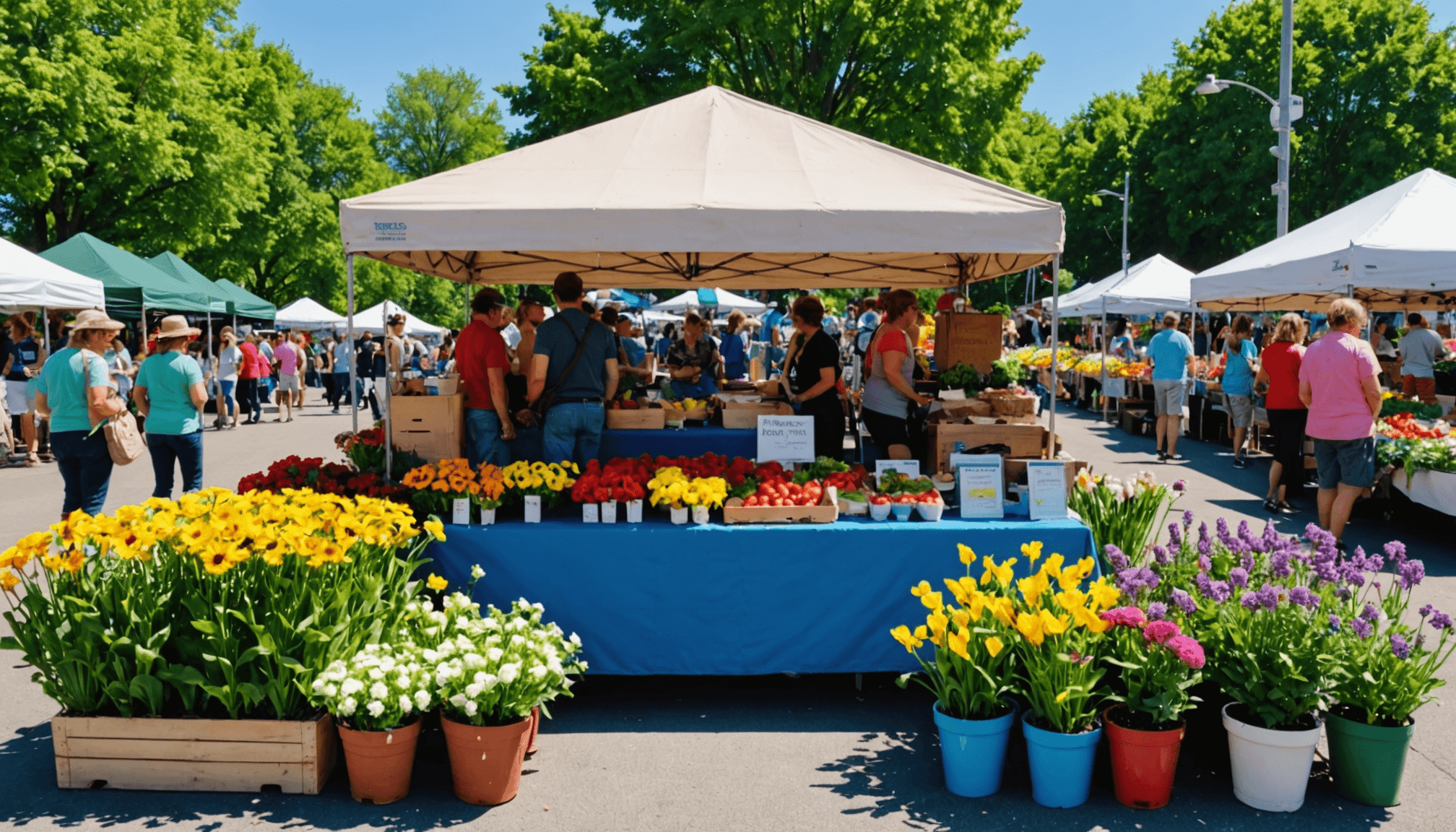
Next, explore the potential of outdoor events. Setting up a booth at local farmers’ markets or community fairs allows for direct customer outreach. This not only helps in promoting your nursery but also builds relationships and trust within the community. Engaging potential customers face-to-face can significantly enhance their interest in your offerings.
For a more modern approach, consider utilizing email marketing as a channel for customer retention. Collect emails from visitors during events or through your website, and send out newsletters featuring tips, upcoming sales, and special promotions. This keeps your nursery top of mind and can drive repeat business.
Additionally, leverage the power of social media for nursery promotion. Platforms like Instagram and Facebook are perfect for showcasing your colorful plants and nursery events. Use engaging content such as video tutorials on plant care, behind-the-scenes glimpses of your nursery, or customer testimonials. Running contests or giveaways on these platforms can also draw attention and build a community around your brand.
Lastly, don’t forget to analyze the performance of your selected marketing channels. Use tools like Google Analytics to track website visitors and engagement metrics from social media. This data will help you understand what works best, allowing you to refine your strategy and improve customer outreach over time.
In summary, the right combination of marketing channels will vary depending on your specific audience and location. Embrace creativity, utilize both traditional and digital methods, and always remain open to new opportunities for engaging with your customers.
Understanding your target audience
 To effectively understand your target audience, it’s essential to delve into their demographics, preferences, and behaviors. This requires gathering data on who your potential customers are and what they value most when making purchasing decisions regarding gardening and nursery-related products.
Begin by identifying key demographic factors such as age, income level, geographic location, and family status. For nurseries, primary customers often include young families, retirees, and gardening enthusiasts. Understanding these groups can help tailor your nursery promotion efforts. Data from local census reports or surveys conducted in your area can provide insights into the community’s makeup.
Next, consider psychographics—these are the attitudes, interests, and values that drive consumer behavior. Are your target customers environmentally conscious? Do they prefer organic products? Conducting surveys or focus groups can provide valuable insights into these preferences. For example, if you find that a significant portion of your audience prefers sustainable gardening practices, it would be advantageous to highlight your organic plants and eco-friendly gardening supplies prominently in your marketing materials.
Additionally, utilizing online tools such as social media analytics can reveal patterns in engagement and preferences. By examining what content resonates with your audience, you can refine your messaging and improve customer outreach efforts. For instance, if videos demonstrating plant care techniques attract high engagement, including more of that content in your social media strategy could prove beneficial.
To aid in visualizing your target audience, the following table summarizes the various demographics and psychographics relevant to nursery marketing:
| Demographics | Psychographics |
|---|---|
| Age Range: 25-55 | Values sustainability and eco-friendliness |
| Income Level: Middle to upper-middle class | Interested in DIY gardening and home improvement |
| Geographic Location: Suburban and urban areas | Strong inclination towards local and organic products |
| Family Status: Families with children and retirees | Enjoys community involvement and gardening workshops |
Another facet of understanding your audience is recognizing their purchasing behavior. Think about how often they buy plants, what time of year they are most active in gardening, and whether they prefer shopping in-store or online. Keeping track of seasonal trends and sales data from your nursery can help you predict customer behavior and tailor your marketing channels accordingly.
Gathering and analyzing this data, combined with regular customer feedback and surveys, can significantly enhance your ability to engage your target audience effectively. As you tailor your nursery promotion strategies and marketing channels, aim to create an authentic connection with your customers. Personalizing communications and offers based on their preferences can enhance loyalty and foster a sense of community among your clientele.
Evaluating traditional marketing options
When evaluating traditional marketing options for your nursery, it’s essential to think creatively about how you can reach potential customers in your local community. While digital channels have their merits, traditional methods still hold significant value, especially in a world where personal interaction can greatly influence consumer decisions. Here are some effective strategies to consider:
- Print Advertising: Invest in well-designed flyers and brochures that showcase your nursery’s offerings and unique selling points. Distributing these in local cafes, libraries, and community centers can help spread the word among families and gardening enthusiasts. Ensure your print materials include clear calls to action, such as upcoming events or special offers.
- Local Newspapers and Magazines: Don’t underestimate the power of print media. Placing ads in local newspapers or gardening magazines can help you reach a broad audience that may not be heavily engaged online. Highlighting seasonal promotions or unique plants available at your nursery can entice readers to visit.
- Direct Mail Campaigns: Consider a targeted direct mail campaign. Sending postcards with enticing images of your plants, along with promotional discounts, can capture the attention of nearby residents. Use a mailing list to target specific demographics and ensure your message is relevant.
- Community Bulletin Boards: Utilize local bulletin boards located in supermarkets, churches, and community centers to post flyers. Many people look at these boards for local events and services. Use eye-catching designs and informative messaging to draw attention to your nursery.
- Outdoor Signage: Invest in clear, attractive signage outside your nursery to attract passing traffic. Consistent branding, including your logo and colors, can create recognition and encourage foot traffic. Consider using an A-frame sign to announce specials or events.
- Participate in Local Events: Establish a presence at community events such as farmers’ markets or garden shows. Set up an inviting booth with samples of your products, engage visitors with fun activities, and offer special discounts to attendees. Direct interaction helps build relationships and trust with potential customers.
- Workshops and Classes: Organizing free or low-cost workshops related to gardening, such as plant care, container gardening, or seasonal planting, can draw in both novice and experienced gardeners. This interaction not only fosters community spirit but also creates opportunities for upsells on your products.
Remember that consistency is vital in traditional marketing. Ensure that your messaging is aligned across all channels, creating a cohesive brand presence that resonates with your audience. Moreover, track the effectiveness of these traditional methods by asking new customers how they heard about your nursery. This invaluable feedback can guide your future marketing efforts, enabling you to focus on the most effective channels for your nursery promotion.
As you explore these options, keep in mind that traditional marketing doesn’t have to be expensive. Getting crafty with DIY marketing materials can also save costs while giving your brand a personal touch. Always look for creative ways to maximize your visibility without breaking the bank.
Exploring digital marketing strategies
Digital marketing strategies have become essential tools for nurseries looking to enhance their visibility and engage a broader audience. The comprehensive use of various online platforms enables nurseries to reach potential customers where they spend a significant portion of their time—on the internet. A well-rounded digital marketing strategy encompasses website optimization, targeted campaigns, and engaging content creation.
First and foremost, having a professional and user-friendly website is crucial. This serves as the central hub for your nursery promotion efforts. It should feature high-quality images of your plants and products, detailed descriptions, and an easy-to-navigate layout. Ensuring that the website is mobile-friendly is vital, as an increasing number of consumers browse and shop from their smartphones. Additionally, incorporating relevant keywords related to gardening, plants, and nurseries can improve your search engine optimization (SEO), making it easier for potential customers to find you online.
Utilizing Google Ads and search engine marketing can effectively position your nursery in front of local customers searching for gardening-related services. Crafting specific ad campaigns that target defined demographics can yield substantial returns. For example, targeting ads based on geographic location will help ensure that local families and gardening enthusiasts discover your nursery when searching for plants or gardening supplies.
Email marketing remains a powerful tool for customer outreach. Develop a subscriber list by encouraging sign-ups on your website and during in-person events. Sending out regular newsletters featuring seasonal tips, new arrivals, and exclusive promotions can keep your audience engaged and encourage repeat visits. Personalized emails can also make a significant impact—addressing subscribers by name and segmenting your email list based on customer interests can lead to higher open rates and engagement.
Content marketing is another cornerstone of effective digital marketing strategies. Creating blog posts, videos, or infographics that provide valuable gardening information can establish your nursery as an authority in the field while attracting organic traffic. For instance, how-to guides on plant care or gardening tips can resonate with both novice and experienced gardeners.
Engaging with customers on social media platforms such as Instagram, Facebook, and Pinterest can further cultivate a loyal following. Sharing appealing visuals of your plants, showcasing behind-the-scenes activities, and posting tutorials or customer testimonials can create a vibrant online community around your brand. Running contests or engaging in interactive posts not only boosts interaction but can also drive traffic to your nursery’s website.
Utilizing analytics tools to track your digital marketing efforts is essential for measuring effectiveness. Monitoring metrics such as click-through rates, conversion rates, and social media engagement will provide insights into what strategies are working and where adjustments may be needed. This data-driven approach empowers you to continuously refine your marketing channels, making them more effective in capturing and converting leads into customers.
“In a world increasingly driven by digital interactions, the importance of a robust online presence cannot be overstated.” – Marketing Insights
By implementing these digital marketing strategies, nurseries can continuously attract new customers, engage existing ones, and ultimately increase sales and brand loyalty. Each element works synergistically to boost your nursery promotion, ensuring your marketing channels effectively resonate with your intended audience.
Leveraging social media platforms
 Utilizing social media platforms for nursery promotion is essential in today’s digitally connected world. These channels allow nurseries to create powerful visual content that captures the attention of potential customers. Platforms such as Instagram, Facebook, and Pinterest are particularly effective due to their visually driven nature, offering a perfect canvas for showcasing vibrant plants, seasonal promotions, and engaging garden tips.
Engagement is key on social media. Creating a posting schedule that includes a mix of content—such as educational posts, behind-the-scenes glimpses, and customer spotlights—can build a sense of community around your nursery. Consider starting live Q&A sessions where customers can ask questions about plant care or gardening techniques. This not only provides valuable information but also establishes your nursery as a trusted source.
Another effective strategy on these platforms is to utilize targeted ads to reach demographics aligned with your customer profile. Features on Facebook and Instagram allow you to segment your audience based on interests, location, and behaviors, ensuring your promotions reach the right people. For instance, you can tailor ads to attract families looking for educational gardening activities or individuals interested in sustainable practices.
User-generated content can also play a significant role in your marketing strategy. Encouraging customers to share images of the plants they’ve purchased or the gardens they’ve cultivated can create a buzz around your brand. Consider running a monthly photo contest where customers post their garden photos with a unique hashtag related to your nursery. This can drive engagement and broaden your reach as followers share their submissions, introducing your nursery to new potential customers.
Always keep an eye on your analytics. Tracking metrics such as engagement rates, click-throughs, and conversions will provide insights into what types of content resonate with your audience. Adjusting your strategy based on these insights is crucial for effective customer outreach. If a particular type of post garners a lot of interaction, double down on similar content, or if an ad doesn’t perform well, explore why and adapt accordingly.
By exploring the potential of social media, nurseries can foster deeper connections with their audience and create a more engaging nursery promotion strategy. The opportunity to not just showcase plants but to interact with customers creates a dynamic environment that can drive brand loyalty and community involvement.
- What social media platforms are best for promoting a nursery?
- Instagram and Facebook are among the best for their visual nature, making them ideal for showcasing plants and engaging with customers. Pinterest can also be beneficial for sharing gardening ideas and DIY projects.
- How can I measure the effectiveness of my social media marketing?
- Utilize analytics tools provided by each social media platform to track engagement, reach, and conversion rates. Additionally, monitor traffic to your nursery’s website from social media to evaluate the overall impact on sales.
- Should I invest in paid ads on social media?
- Yes, paid ads can significantly increase your visibility and target specific demographics looking for gardening-related content. They allow you to reach potential customers more effectively than organic posts alone.
- How often should I post on social media for my nursery?
- Aim to post consistently, around 3-5 times per week, to maintain engagement without overwhelming your audience. Mixing informative content, promotions, and interactive posts keeps the feed dynamic and interesting.
- What type of content works best on social media for nurseries?
- Visual content, such as high-quality photos of plants, videos of gardening tips, or livestream tutorials, tends to perform well. Engaging posts that encourage interaction, like contests or polls, also attract attention.
- Can user-generated content really help promote my nursery?
- Absolutely! User-generated content creates authenticity and helps build trust. When customers share their experiences and showcase your plants, it encourages others to engage and potentially make purchases.
- Is it important to respond to customers on social media?
- Yes, engaging with customers by responding to comments and messages is crucial. It builds a relationship, fosters community, and enhances customer satisfaction, all of which can lead to increased loyalty and sales.
Utilizing community engagement and partnerships
Community engagement and partnerships represent a goldmine of opportunity for nurseries looking to deepen connections with their audiences. Collaborating with local organizations, schools, or gardening clubs can expand your reach while also solidifying your reputation as a community-centric business. Establishing these partnerships can enhance your nursery promotion efforts and provide avenues for greater customer outreach.
One effective strategy is to host joint events with local schools or community groups. Consider organizing school garden workshops where kids can learn about planting and caring for different types of plants. Not only does this introduce children to the joys of gardening, but it also allows parents to discover your nursery through their children’s participation. Offering discounts or special workshops for participating families can encourage more foot traffic in your nursery. Additionally, these events can be advertised through school newsletters or community boards, increasing your visibility.
Another impactful approach is to partner with local businesses that align with your brand values. For instance, collaborating with a nearby café to offer a ‘plant and sip’ event can draw in customers from both businesses. While patrons enjoy a coffee, they can learn about plants or potting techniques, effectively merging leisure with education. This kind of cross-promotion not only boosts sales but also creates an enjoyable community experience around your nursery, highlighting the uniqueness of your offerings.
Consider forming partnerships with local environmental organizations or gardening clubs. Hosting or sponsoring clean-up days in the community can elevate your brand presence while showcasing your commitment to sustainability. Offering free seedlings or plants to volunteers in exchange for their efforts can create a mutual benefit; they beautify the neighborhood with plants from your nursery, while promoting your brand ethos.
Utilizing online platforms for community engagement is equally essential. Creating a dedicated section on your nursery’s website for local gardening events or workshops can keep your audience informed and involved. Consider setting up an online forum or social media group where enthusiasts can share tips, ask questions, and organize meetups. This not only fosters a sense of community but also places your nursery at the heart of local gardening conversations.
Email newsletters are another way to maintain engagement with community members. Highlight upcoming events, successful partnerships, or even share stories from workshops you’ve hosted. Personal stories of local families who’ve started their gardens with your plants can resonate with your audience and inspire others to participate.
Lastly, ensure that these partnerships are reciprocal. Acknowledge your collaborators publicly through social media shoutouts, joint promotions, or shared content. This not only demonstrates good faith but also attracts their audience back to your nursery, broadening your reach further. By building strong community ties and partnerships, your nursery can stand out as a go-to location for not just plants, but as a hub for learning and growth in the gardening community.
Measuring and analyzing marketing effectiveness
Measuring the effectiveness of your marketing channels is crucial for ensuring that your nursery promotion efforts yield the best possible results. Engaging your audience and converting them into loyal customers requires a systematic approach to analyze and refine your strategies. Here’s a practical guide to effectively measuring and analyzing your marketing efforts.
Start by setting clear goals for each marketing channel. Whether it’s increasing website traffic, boosting social media engagement, or driving sales during specific campaigns, having defined objectives will provide benchmarks for evaluation. For example, if you aim to increase email sign-ups by 20% over three months, you can track your progress and make necessary adjustments along the way.
Utilizing analytics tools such as Google Analytics is essential for tracking your online performance. These tools offer insights into key metrics such as:
- Visitor Behavior: Understand where your website traffic comes from, what pages they visit, and how long they stay. This can help determine which marketing channels are most effective.
- Conversion Rates: Track the percentage of visitors who complete a desired action—such as signing up for a newsletter or making a purchase. This information can reveal which channels are effectively converting leads into customers.
- Engagement Metrics: Analyze social media analytics to measure likes, shares, comments, and overall reach. Identifying trends in engagement can inform your content strategy and help refine messaging.
Additionally, direct feedback from customers is an invaluable tool for understanding the effectiveness of your marketing efforts. Utilize surveys and feedback forms, both online and in-person, to gather insights about where customers heard about your nursery. Questions like, “How did you find out about us?” or “What influenced your decision to shop here?” can reveal which marketing channels are most impactful.
Another method is to perform A/B testing on your marketing campaigns. Create two variations of a campaign—such as different email subject lines or ad visuals—and compare their performance. Analyze which version leads to better results, refining your approach based on this data.
Social media platforms offer their own analytics tools, allowing you to track engagement and conversion rates for paid ads or organic posts. Pay attention to which posts drive traffic to your website, as this can help you determine what type of content resonates best with your audience. For instance, if plant care videos or customer testimonials lead to higher engagement, focus on creating more content in that vein.
Don’t overlook the significance of customer retention rates as a measure of marketing effectiveness. Repeat customers are often the product of successful outreach and engagement efforts. Analyze your sales data to identify patterns in repeat purchases or feedback from loyal customers, and consider implementing loyalty programs or referral incentives to encourage ongoing patronage.
A robust evaluation of your nursery promotion efforts through these methods will equip you to make informed decisions and enhance your customer outreach strategies. Continuous measurement and adjustment based on data insights are key to growing both your customer base and brand loyalty over time.