
Pest control in small spaces, particularly for urban dwellers and gardening enthusiasts, can be a challenge but is certainly manageable with the right strategies. Understanding the dynamics of pest behavior in confined areas is crucial. Pests often thrive in small spaces due to their accessible resources: food, water, and shelter. Thus, the first step towards effective management is to minimize these resources.
Begin by keeping your living area and garden tidy. Regularly sweep and clean to remove crumbs, spills, and organic matter that may attract pests. In gardens, clear away dead leaves and debris where pests like to hide and breed.
Another effective tactic is to utilize barriers. Seal cracks and crevices in walls and foundations where pests can enter. Consider using weather stripping on doors and windows, and install screens to keep flying insects at bay. Ensuring proper drainage in both your home and garden is also essential, as stagnant water can attract mosquitoes and other pests.
For those looking to employ strategic pest management, it’s important to monitor pest activity. Keep a close eye on your plants for signs of infestation, such as holes in leaves or sticky residues. Early detection can help prevent a small issue from turning into a larger infestation.
You can also incorporate natural deterrents. Many household items serve as effective pest repellents. For example, a solution of soap and water can suffocate soft-bodied insects like aphids when sprayed directly on them. Essential oils such as peppermint, rosemary, or citronella can repel a variety of pests; adding a few drops of these oils to water and spraying around your garden can create a fragrant barrier.
Consider also housing beneficial insects. Ladybugs and lacewings, for example, are natural predators of aphids. You can attract these helpful insects by planting a variety of flowers that produce nectar and pollen, creating an ecosystem in your small garden that balances pest populations without the need for harsh chemicals.
Local gardening centers often have workshops or experts who can provide tailored advice based on your specific plant types and local pest issues. Engaging with your community can provide insights and shared experiences that prove invaluable in managing your pest problems.
Remember that a pest-free environment is an ongoing effort. Make it a habit to regularly assess and adjust your strategies as needed. Staying diligent and proactive will enable you to maintain a healthy and thriving garden space that can coexist harmoniously with nature.
Natural Solutions for Common Garden Pests
In the quest for natural solutions to combat common garden pests, it’s essential to explore various methods that leverage the power of nature while avoiding synthetic chemicals. One effective approach is to use homemade pest solutions, which can be created from ingredients commonly found in most households. For instance, a simple garlic spray can deter a range of pests, including aphids, spider mites, and whiteflies. To make it, blend a few garlic cloves with water, let it steep overnight, strain, and then add a drop of dish soap before spraying on affected plants.
Another effective natural remedy is neem oil, derived from the seeds of the neem tree. It’s a potent repellent and insect growth regulator that disrupts the lifecycle of pests without harming beneficial insects when used correctly. Diluting neem oil in water and applying it to your plants not only prevents pests from infesting but can also help treat existing issues.
For a more localized effect, diatomaceous earth is a non-toxic powder made from fossilized algae that can be sprinkled around plants. It works by damaging the exoskeletons of soft-bodied insects, such as slugs and beetles, ultimately leading to their dehydration and death. When applying diatomaceous earth, it’s advisable to wear a mask to avoid inhalation of the fine particles.
In addition to these solutions, a strategic approach to plant selection can significantly impact pest management. Companion planting is an age-old gardening practice where certain plants are grown together to benefit one another. For example, marigolds can repel nematodes and other pests when planted alongside vegetables, while basil can deter flies and mosquitoes when planted near tomatoes. The following table outlines some effective companion plants for pest control:
| Companion Plant | Pest Deterrent | Companion Benefit |
|---|---|---|
| Marigold | Nematodes, aphids | Attracts pollinators |
| Basil | Flies, mosquitoes | Enhances tomato flavor |
| Garlic | Spider mites, aphids | Improves overall growth |
| Nasturtium | Cabbage pests | Attracts beneficial insects |
| Chrysanthemum | Japanese beetles, aphids | Enhances soil quality |
By carefully planning your garden layout and selecting appropriate companion plants, you can create a healthy ecosystem that promotes plant health and minimizes pest presence. Additionally, regularly rotating crops in your garden can disrupt the life cycles of pests, making it harder for them to establish themselves.
Employing these natural solutions not only aids in maintaining a pest-free garden but also promotes overall biodiversity and sustainability. As you integrate these methods into your gardening practices, you contribute to a more balanced environment, providing a habitat for beneficial species while effectively managing unwanted pests.
DIY Pest Control Techniques for Homeowners

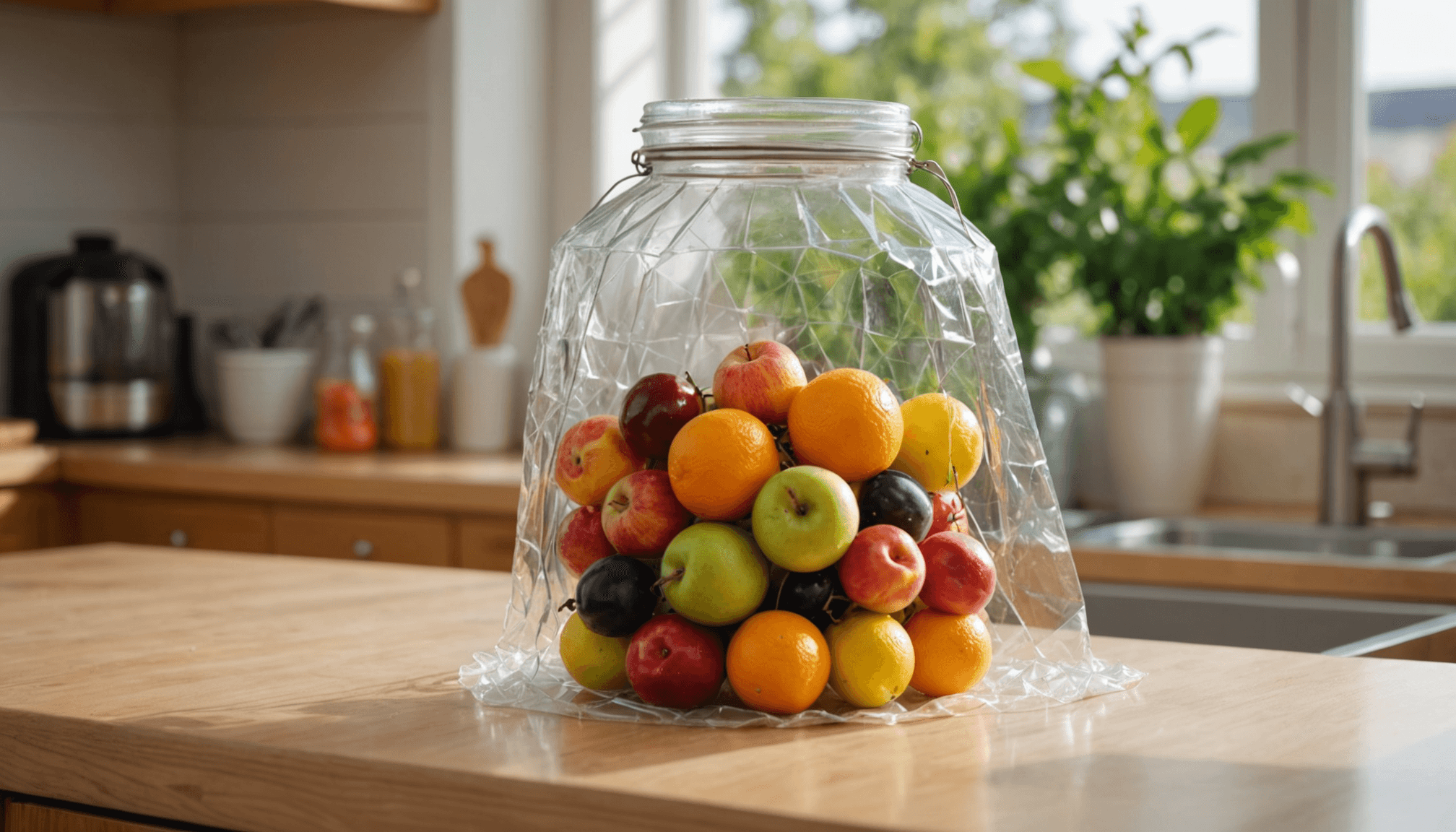
For homeowners looking to implement their own pest control techniques, the beauty lies in the plethora of resources available to them. Start with the basics—create a homemade trap for catching those pesky insects that invade your home during warmer months. A simple fruit trap can be made by filling a jar with vinegar and placing a piece of ripe fruit on top. Cover the jar with plastic wrap and poke small holes in the wrap. Fruit flies will be attracted to the fruit, enter the jar, and be unable to escape.
If you’re dealing with ants, consider crafting a bait station using natural ingredients. Mix equal parts of borax and sugar with a bit of water to form a paste. Place small amounts of this paste near ant trails; the sugar attracts the ants, while the borax effectively eliminates them. Just be sure to keep the mixture out of reach of pets and children.
When it comes to rodent control, employ exclusion techniques as your first line of defense. Seal any potential entry points around your home with steel wool or caulk, focusing on areas like gaps in windows or doors, and holes around plumbing and vents. If you do find yourself needing traps, opt for catch-and-release models, allowing you to let the little critters go far away from your home.
For a more aromatic approach, let’s not forget about the power of essential oils. Diffusing oils like peppermint or eucalyptus in your living spaces can repel not only mosquitoes but also spiders and cockroaches. Create your own pest control spray by mixing a few drops of essential oil with water in a spray bottle, ensuring you shake it well before each use. This natural repellent not only smells fantastic but is safe for your family and pets.
Gardeners can also benefit from constructing barriers that prevent pests from reaching their favorite plants. A simple row cover can help keep insects at bay while allowing sunlight and rain to nourish your plants. These lightweight fabric structures can be found at garden stores or online, and they are easy to set up—simply drape the cover over your plants and secure it with stakes or soil.
As you integrate these DIY strategies into your pest control routine, remember that cleanliness plays a critical role. Regularly inspect your garden and home for signs of pests and remove any debris that may attract them. Compost piles should be well-aerated and turned frequently to prevent unwanted visitors from taking up residence.
When using any pest control method, it’s important to be patient and persistent. Some methods may take time to show results. Always observe and adapt your strategies based on what works best in your environment. The more you engage with pest management upfront, the easier your homesteading life will be, allowing you to enjoy the fruits (and vegetables) of your labor without unwanted guests.
Using Companion Planting to Deter Pests
Companion planting involves selecting certain plants to grow together to benefit each other, creating a mutually beneficial arrangement that can deter pests naturally. This ancient practice relies on the natural properties of plants to repel harmful insects or attract beneficial ones, ultimately fostering a healthier garden ecosystem. For instance, growing aromatic herbs like basil alongside tomatoes not only enhances the flavor of the tomatoes but also helps ward off pests such as whiteflies and mosquitoes.
The principle behind companion planting lies in the chemical secretions from roots and foliage of certain plants, which can affect the behavior and life cycle of pests. Some plants release natural repellents that deter pests, while others may attract predators that control pest populations. By understanding these relationships, gardeners can strategically position plants for maximum effect. For example, onion and garlic can help repel aphids when planted near susceptible crops like cabbage or lettuce.
Furthermore, companion planting can address soil nutrient levels. For instance, legumes such as peas and beans help fix nitrogen in the soil, benefitting neighboring plants like corn that require higher nitrogen levels. This cooperative interaction not only leads to healthier plants but can also improve yield, as the various growing conditions become more conducive for all plants involved.
“Companion planting is an ecological approach that allows gardeners to make the most of their space while enhancing garden diversity.”
To successfully implement companion planting, it is essential to research compatible plant pairs and understand their specific needs. Keep in mind that not all plants get along; some can hinder each other’s growth or attract the same pests, leading to competition. For optimal results, consider the following popular companion pairs:
- Carrots and Onions: The strong scent of onions repels carrot flies, while carrots help aerate the soil.
- Basil and Peppers: Basil repels aphids and spider mites while promoting the health of pepper plants.
- Beans and Corn: Beans provide nitrogen to the soil while using cornstalks as natural poles to climb.
- Nasturtium and Cabbage: Nasturtiums act as a trap crop, luring away aphids from cabbage.
Additionally, planting flowers such as marigolds can serve dual purposes by adding color and attracting pollinators while also repelling nematodes and other pests. Creating a diverse planting scheme with a variety of heights, colors, and scents not only enhances the beauty of your garden but also increases resilience against pest invasions.
Proper planning and implementation of companion planting techniques can transform pest management in small garden spaces. By harnessing the power of nature and the interconnectedness of plant life, gardeners can cultivate healthy, productive environments that minimize the need for chemical interventions. Regularly assessing plant health and pest presence allows for adjustments in planting strategies, ensuring a thriving garden year after year.
Eco-Friendly Products for Effective Pest Management
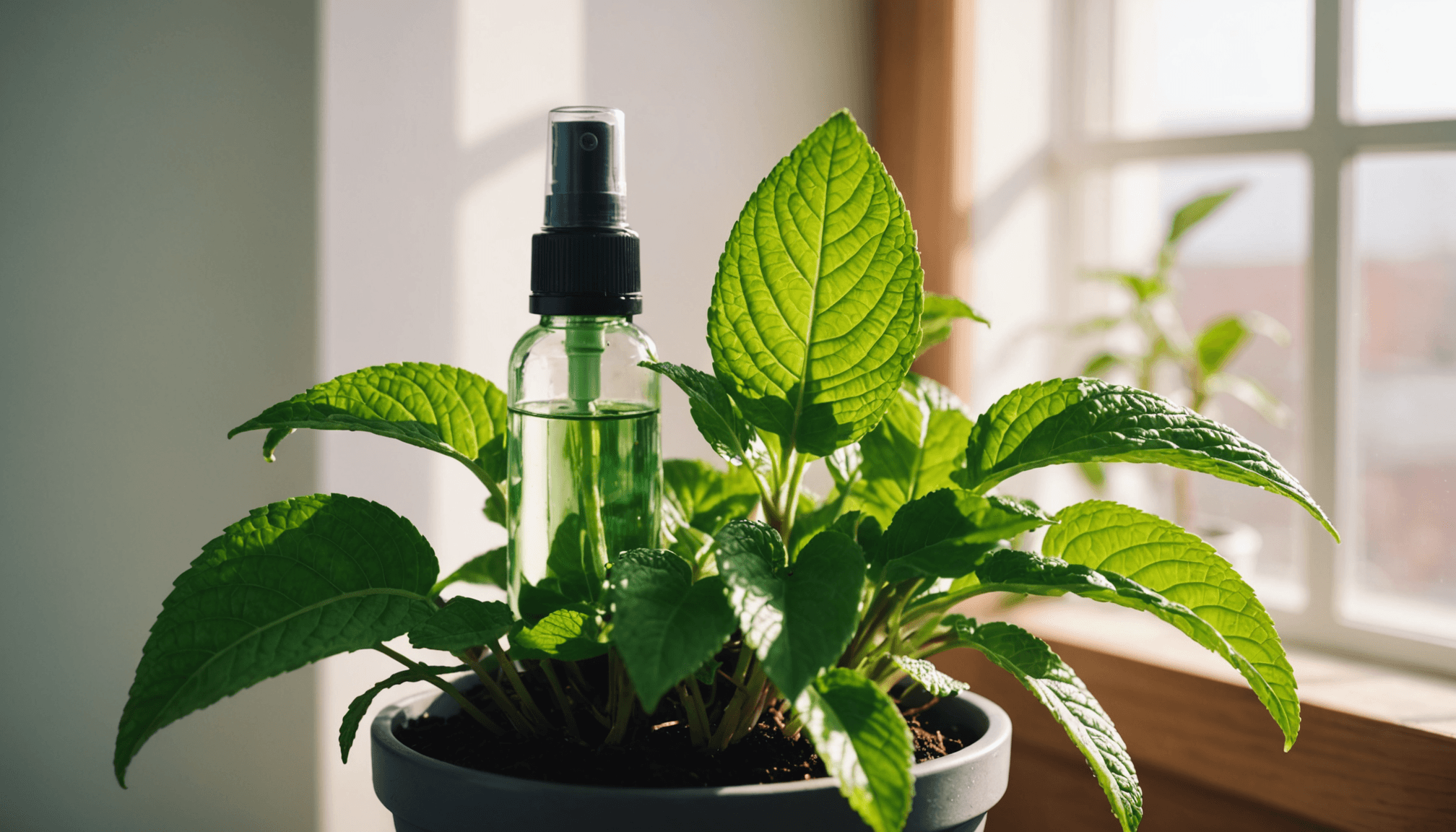
In the realm of eco-friendly pest control, a wealth of products exist that can effectively manage pests without compromising your health or the environment. When exploring options, look for products containing natural ingredients that have proven antimicrobial or insecticidal properties. For example, insecticidal soaps are made from natural fats and oils that disrupt the cell membranes of soft-bodied insects like aphids and mites. These soaps are biodegradable and do not leave harmful residue, making them ideal for small gardens or indoor plants.
Essential oils are another powerful ally in the fight against pests. Oils such as clove, peppermint, and tea tree not only provide a pleasant aroma but also act as potent deterrents against a variety of insects. Diluting these oils in water and applying them as a spray can keep pests at bay while being safe for plants and pets. In addition, many manufacturers are now creating pest repellents using these ingredients, making them convenient to use in your pest management routines.
Homemade traps can be incredibly useful and environmentally friendly. For instance, sticky traps can be made from brightly colored paper coated with a sticky adhesive, luring flying insects towards them. Alternatively, using vinegar or sugar water in bowls can attract and trap fruit flies. Not only are these traps easy to create, but they also reduce reliance on chemical solutions.
Another eco-friendly option is the use of bar soap mixed with water or powdered dishwashing soap. When sprayed on infested plants, these mixtures can suffocate pests by blocking their breathing pores. It’s crucial to test a small area first to avoid harming your plants, as the soap can cause leaf burns if used too concentrated.
Fermenting certain plants can yield natural pesticides as well. For example, a steeping of hot peppers in water creates a potent spray that can deter larger pests like rabbits and deer without harming beneficial insects. This type of homemade solution allows you to take advantage of readily available materials in your garden.
Innovative eco-friendly pest control is not limited to products; it also encompasses strategies that foster a balanced ecosystem. The incorporation of organic mulch can create a habitat for beneficial insects while protecting plants from pest invasions. Additionally, utilizing mulch can improve soil health, making your garden more resilient overall.
Engagement with your local gardening community can also help you discover which eco-friendly products or methods work best in your specific area. Join workshops or forums to share knowledge and experiences surrounding pest management. Through these connections, you can exchange ideas and perhaps uncover unique solutions tailored to your specific challenges.
- What are some effective eco-friendly pest control products?
- Some effective eco-friendly pest control products include insecticidal soaps, essential oils, and diatomaceous earth. These options work without the use of synthetic chemicals, making them safe for both your garden and the environment.
- How do I make my own pest control spray?
- You can create your own pest control spray by mixing water with a few drops of essential oils like peppermint or clove. Alternatively, a solution of soap and water can also be effective against pests like aphids and spider mites.
- Are homemade remedies as effective as commercial products?
- Homemade remedies can be very effective when used properly and can often be just as good as commercial products. However, their effectiveness can vary based on the specific pest and the environment, so it may take some experimentation to find the best solution for your situation.
- Is it safe to use essential oils around pets?
- While many essential oils can be safe, it’s important to research specific types as some can be toxic to pets. Always consult with a veterinarian before using essential oils in areas frequented by pets.
- Can I use essential oils directly on plants?
- Essential oils should be diluted in water before applying them to plants to avoid potential leaf burn or damage. Always test a small area first to ensure your plants react positively.
- How can I attract beneficial insects to my garden?
- To attract beneficial insects like ladybugs and lacewings, plant a variety of flowering plants that produce nectar and pollen. Herbs such as dill, fennel, and yarrow are particularly effective for this purpose.
- What maintenance tips can help keep my garden pest-free?
- Regularly inspect plants for signs of pests, remove debris, and ensure proper plant care practices are followed. Keeping the area clean and uncluttered, along with planting companion plants, can significantly reduce pest issues.
Maintaining a Pest-Free Environment in Small Gardens
Maintaining a pest-free environment in small gardens requires constant vigilance and the implementation of proactive strategies to deter pests before they become a problem. Start by establishing a robust routine that includes regular inspections of your plants for any signs of potential issues. Look for discolored leaves, holes, or sticky residues, which can indicate pest activity. The earlier you catch a problem, the easier it will be to control it.
In addition to observations, keeping your garden tidy is crucial. Regularly remove weeds, dead plants, and any debris that can harbor pests. Compost piles should be maintained meticulously; ensure they are turned frequently to prevent attracting unwanted guests. Consider using a fine mesh cover over your compost to allow air circulation while keeping pests at bay.
Watering practices also play a significant role in pest management. Avoid over-watering your plants, as soggy soil can promote fungal problems and attract annoying pests like mosquitoes. Instead, adopt a deep watering approach, encouraging healthy root systems while minimizing standing water, which can be a breeding ground for pests. Consider watering in the morning to reduce moisture on the leaves, making it less appealing for pests to settle down.
Using physical barriers can enhance protection against pests. Row covers, netting, and traps can deter a range of insects while allowing light and nutrients to reach your plants. These barriers can be particularly useful during peak pest season, which varies depending on the pest species and climate. Additionally, using copper tape around pots and garden beds can help deter slugs and snails, as they are repelled by the metal.
Moreover, encourage biodiversity in your garden by planting a mix of flowers, herbs, and vegetables. Diverse planting can confuse pests and create an ecosystem where beneficial insects can thrive. For example, introducing plants that attract pollinators and beneficial insects, such as ladybugs and parasitic wasps, can help control pest populations naturally. Marigolds, for instance, not only add a splash of color but also produce compounds that help deter nematodes and other pests.
Taking care to rotate crops annually can also disrupt pest life cycles, preventing them from becoming established in your garden. Always research the best planting strategies for your specific plant types and local pests to tailor your rotation for maximum effectiveness.
Consider incorporating noise or vibration deterrents into your garden to scare away larger pests. Simple methods like hanging wind chimes or using motion-activated sprinklers can make your garden less inviting to rabbits, deer, or other critters that might wish to munch on your prized plants. With a little creativity, you can extend these methods into artistic garden decor while protecting your plants effectively.
Education plays a vital role in maintaining pest-free gardens. Joining local gardening clubs or participating in online forums can provide insights from fellow gardeners who may have encountered similar challenges. Collaborating with your community not only builds knowledge but also helps hone your pest management skills through shared experiences. The tips and tricks you gain from others can adapt to meet your specific gardening conditions.
Lastly, keep records of pest occurrences and the effectiveness of your management strategies. Documentation will help you recognize patterns and prepare in advance for potential future infestations. By staying proactive and committed to ongoing learning and adaptation, you can cultivate a flourishing garden that thrives without the interference of unwanted pests.