
In the journey of homesteading, being aware of your food sources is vital. Knowledge of where your food is coming from not only empowers you but also fosters a stronger connection between you, your food, and the environment. By identifying and understanding these sources, you harness the power of informed choices that can lead to better health, a sustainable lifestyle, and enhanced self-sufficiency.
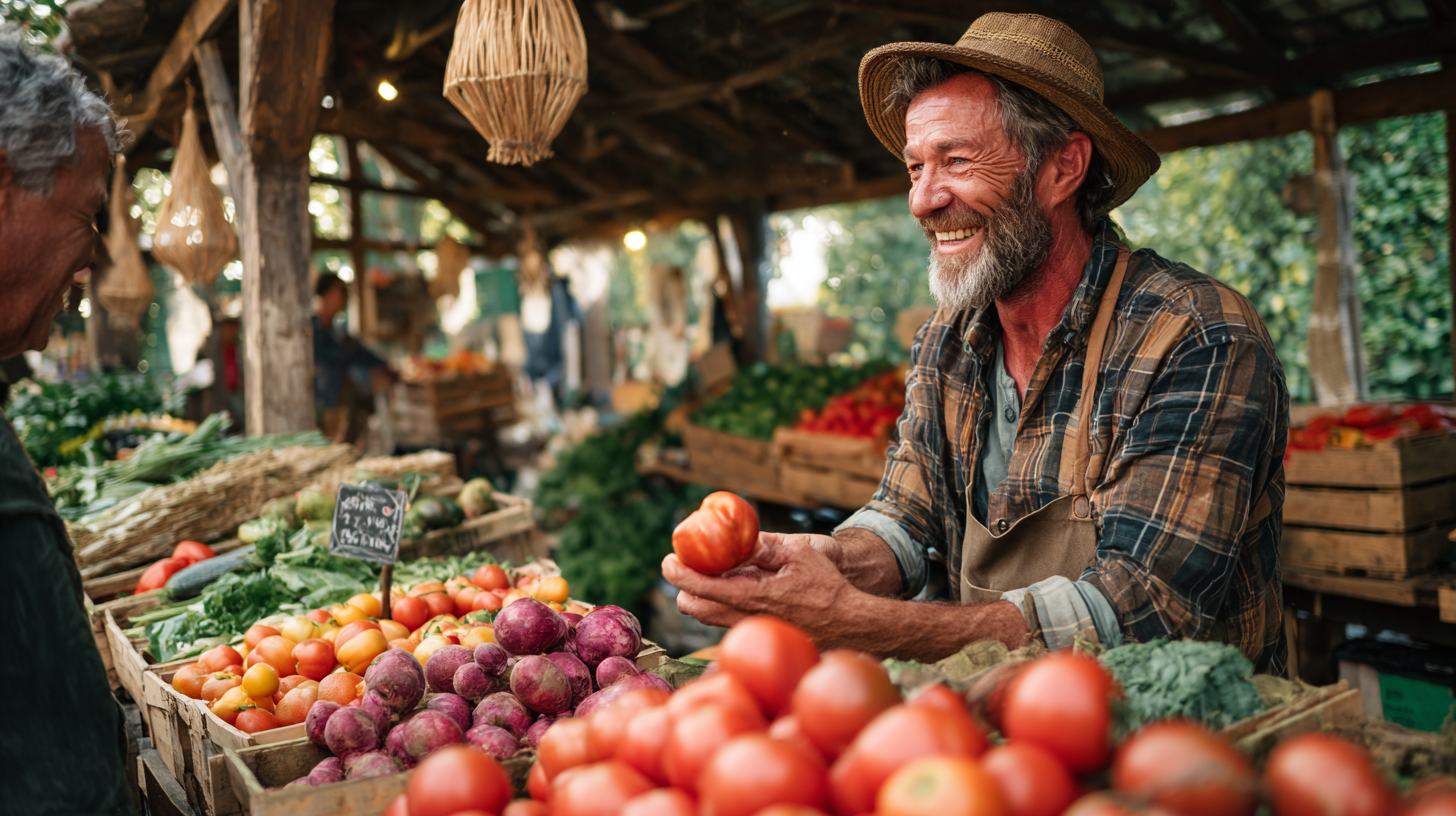
One of the first steps is to explore local food markets, farms, and community-supported agriculture (CSA) programs. These venues offer the chance to engage with local farmers, allowing you to ask questions about their farming practices. You’ll learn if they use sustainable methods, adhere to organic farming standards, or focus on regenerative practices. By purchasing from these sources, you support local economies and often receive fresher produce with superior nutritional value.
When it comes to understanding your food sources, get hands-on! If you can, visit farms or participate in local farm events. This interaction can be enlightening as you see firsthand how food is grown and harvested. Consider starting your own small garden as well. Even urban dwellers can benefit from container gardening or vertical gardens, bringing fresh herbs and vegetables right to your kitchen.
Additionally, take time to read labels and research brands. Familiarize yourself with terms like “grass-fed,” “pasture-raised,” and “non-GMO.” Knowing these distinctions can assist you in making choices that align with your values and health goals. Look for transparency in food production; brands that openly share their practices and sources demonstrate a commitment to quality and ethical standards.
Consider the impact of your choices on the environment. The food system is responsible for significant emissions, and every decision counts. Support local and sustainable farming to minimize your carbon footprint. Buying in bulk from local sources not only reduces packaging waste but also cuts down on the transportation emissions that come from long-distance shipping.
Embracing the significance of your food sources enhances your journey toward a more sustainable and self-sufficient lifestyle. By becoming informed and engaged, you also teach valuable lessons about the importance of food awareness to your family. Dive deep, explore, and enjoy the fruits of your labor while cultivating a rich knowledge of where your food comes from.
Understanding where your food comes from
Knowing where your food comes from is essential for making informed dietary choices and fostering a connection with the environment. Understanding food sources involves examining not just the origins of your meals, but also the entire journey from farm to table. This process can provide insights into farming practices, ingredient sourcing, and the overall impact of your food choices on both personal health and the ecosystem.
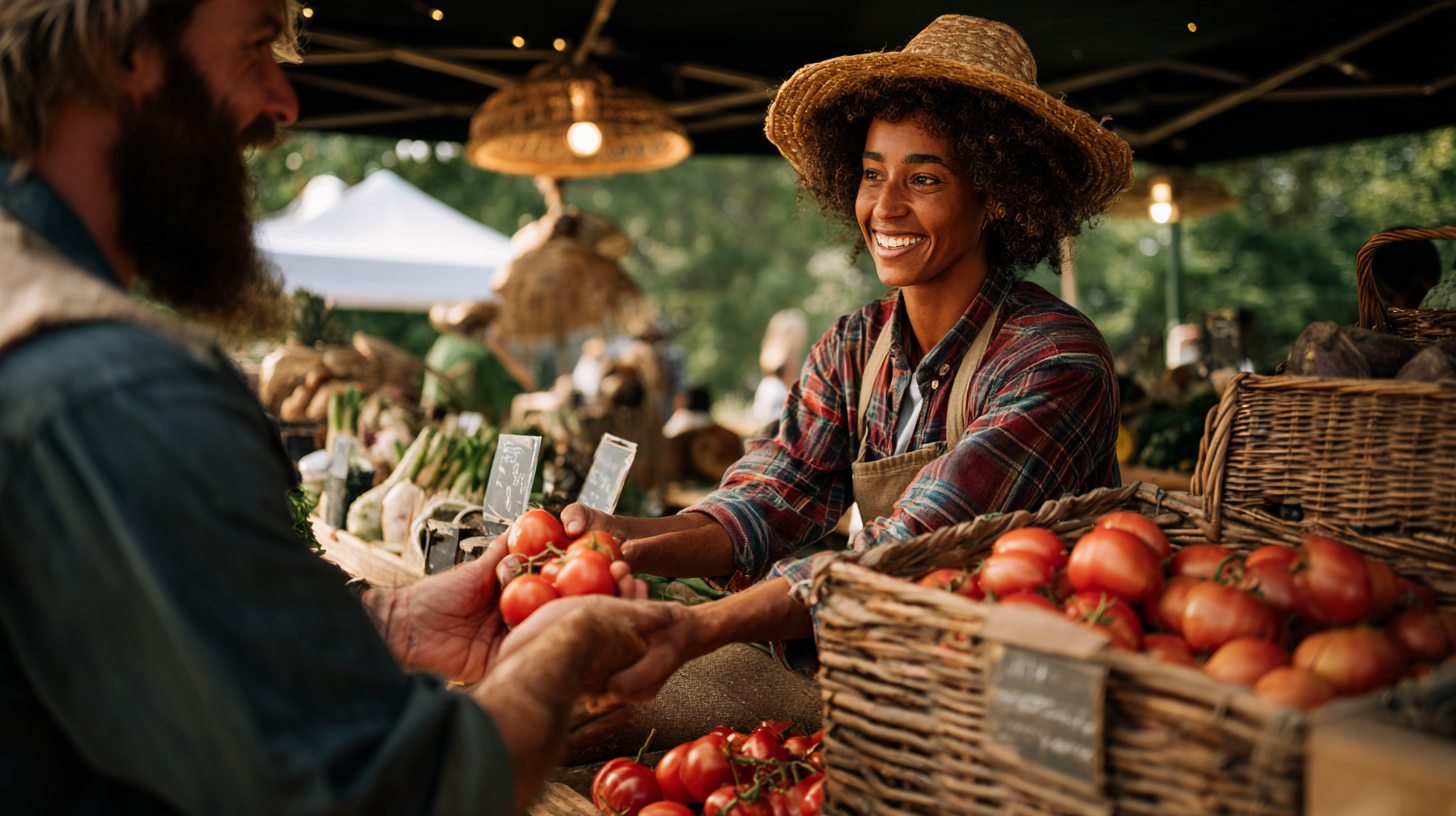
When connecting with your food sources, it is helpful to consider factors such as geographic origin, farming practices, and product composition. For instance, the production methods of locally sourced food vary from those of industrially farmed items, which significantly affects nutritional quality, flavor, and environmental impact. Community-supported agriculture (CSA) programs provide an excellent opportunity to cultivate this understanding, as they often require subscribers to engage directly with the farmers who grow their food.
Below is a comparison of different food sources, highlighting key attributes that can assist in making informed decisions:
| Food Source | Nutritional Quality | Environmental Impact | Support for Local Economy |
|---|---|---|---|
| Local Farms (CSAs) | High; typically fresher and in season | Low; short transportation routes reduce emissions | Significant; boosts local farmers and businesses |
| Grocery Store (Conventional) | Variable; often less fresh and may contain preservatives | High; long transport distances increase carbon footprint | Minimal; profits often go to large corporations |
| Imported Foods | Variable; often picked before ripening | Very High; extensive shipping contributes to greenhouse gas emissions | None; supports foreign economies over local |
Encouraging this knowledge can foster greater self-sufficiency in your diet. By understanding your food sources, you can prioritize local food options that offer better taste and nutrition while simultaneously making a positive impact on the environment. This awareness leads to mindful consumption—selecting foods that align with your personal values and health objectives.
The process can also unveil hidden opportunities for improvement. For instance, individuals may discover a focus on seasonal eating enhances their health while reducing reliance on out-of-season produce that often travels great distances. Engaging in local events, such as farmers’ markets, can deepen the understanding of food provenance and allow individuals to connect with their community and food culture.
Ultimately, as people educate themselves about their food sources, they promote a healthier lifestyle and contribute to the sustainability of local agriculture. This journey not only enriches their dietary experience but also empowers them to make choices that reflect a commitment to a sustainable future.
Nutritional value and food transparency
When considering nutritional value and food transparency, understanding the relationship between what you eat and its source is vital for achieving self-sufficiency and making informed dietary choices. The nutritional quality of food is not solely defined by its calorie count or macronutrient breakdown; it encompasses the rich array of vitamins, minerals, and phytonutrients that can vary based on farming practices, food handling, and transportation methods.
Start by prioritizing local food sources whenever possible. Foods that are grown and harvested locally tend to have more nutrients and better flavor than those that have traveled long distances. This is because they are typically picked at peak ripeness, transporting fewer vitamins and minerals during the journey from farm to table. For example, a tomato that ripens on the vine in your local garden or farmer’s market is far superior in taste and nutrient content compared to one that ripens in transit, often under artificial conditions. Consider visiting a local farm or farmer’s market to experience the difference firsthand.
Here’s how to choose foods that provide better nutritional value:
- Seasonal Selection: Focus on fruits and vegetables that are in season in your area. Not only are they fresher, but they also tend to be less expensive and more nutritious.
- Community-supported Agriculture (CSAs): Joining a CSA can be a game-changer. By committing to a local farm, you ensure a steady supply of seasonal produce directly from the source, often with unparalleled freshness.
- Organic and Non-GMO Choices: Look for organic certifications or non-GMO labels. These indicate a commitment to ecological sustainability and often translate into higher food quality.
In addition to understanding food quality, transparency in food production practices is essential. Many consumers are increasingly interested in knowing how their food is produced and handled. Brands that emphasize food transparency often share information about farming methods, processing techniques, and ingredient sourcing. By choosing brands that prioritize transparency, you can support ethical practices and make better dietary choices that align with your values. When shopping, keep an eye out for brands that disclose their sourcing information or that demonstrate a commitment to sustainable farming practices.
Always encourage discussions about food sourcing with your family and children. This not only heightens awareness but can also instill values of responsible consumption and appreciation for the hard work that goes into producing our food. Use resources like documentaries, books, and tutorials to enrich your knowledge and understanding of where your food comes from. For instance, showing children videos of farm-to-table operations can illuminate the journey their meals take before reaching their plates.
By becoming a more informed consumer regarding nutritional value and food transparency, you empower yourself and your family to make choices that support health, ethical farming practices, and environmental stewardship. This holistic approach enhances not just individual well-being, but contributes to a broader movement towards sustaining local food systems. Embrace the knowledge and joy of discovering how food sources shape your health and well-being, one meal at a time.
Environmental impact of food production
The environmental impact of food production is a critical aspect that deserves careful consideration. Agriculture is one of the largest contributors to global greenhouse gas emissions, driven primarily by practices associated with industrial farming, deforestation, and excessive energy consumption in food distribution networks. Understanding the implications of your food sources can guide you toward more sustainable choices that positively influence the planet and your community.
When food is produced using conventional methods, such as monoculture planting and chemical fertilizers, it often results in significant soil degradation, loss of biodiversity, and water contamination. These practices not only threaten the ecosystem but can also compromise the nutritional quality of the food produced. In contrast, sustainable farming practices—like crop rotation, polyculture, and organic farming—have a much lower environmental footprint and help preserve the land’s richness over time. Supporting farms that utilize these methods can significantly reduce the ecological impact of your dietary choices.
Transportation is another factor that contributes to the environmental cost of food production. Foods that are grown far from their point of consumption must be packaged and shipped, often generating high levels of carbon emissions in the process. When you choose to source your food from local farms or markets, you significantly decrease the distance traveled from farm to table, thus reducing greenhouse gas emissions associated with transportation. Additionally, local food typically requires less packaging, which contributes to lower waste generation.
The environmental crisis may be a consequence of living our lives disconnected from nature, but every choice we make has the power to heal our planet.
The packaging and processing of food also present environmental concerns. Many packaged foods involve multiple layers of non-biodegradable materials that contribute to landfill waste. Opting for bulk purchasing or products with minimal or compostable packaging can mitigate this issue. Local sources often emphasize seasonal and fresh foods, which typically come with less packaging than their processed counterparts. By engaging with local food systems, you can enjoy produce that is fresher and requires less environmental degradation to bring to your table.
When we make informed choices about our food sources, we actively participate in fostering a more sustainable food system. This commitment not only encourages better practices among farmers but also inspires a shift in consumer behavior towards valuing environmentally conscious options. It promotes the idea that food is not merely a commodity but a vital connection between our lives and the earth. Embracing your role as a consumer can lead to meaningful conversations and collaborations that support a healthy planet.
Ultimately, understanding the environmental impact of food production is essential for cultivating self-sufficiency and making dietary choices that align with both personal health and ecological responsibility. Each meal can serve as a decision point that reinforces your commitment to sustainability, allowing you to contribute to a healthier planet while enjoying the benefits of fresh, nourishing food.
Supporting local and sustainable farming
Supporting local and sustainable farming practices opens doors to a robust food system that not only nourishes our bodies but also fosters community resilience and environmental health. By choosing to buy from local farms, you directly contribute to the economic vitality of your community. These farmers prioritize sustainable practices that respect the land, promote biodiversity, and minimize reliance on harmful chemicals, striking a balance between productivity and ecological stewardship. This creates a positive ripple effect, encouraging improved soil health and lower carbon emissions.
Engagement with local food sources cultivates a deeper understanding of where our food comes from. Being able to visit farms, participate in harvests, or attend local food events makes the food sourcing journey real and tangible. You witness firsthand the dedication and labor that goes into providing fresh produce, which ultimately enhances your appreciation for it. This connection can also spark curiosity and inspire others in your community to explore their food sources, creating a dialogue about the importance of eating local and sustainable foods.
Moreover, supporting local farms is often a direct path to enhancing your self-sufficiency. As you embrace local food options, you may find opportunities to learn about food preservation methods such as canning, fermenting, or dehydrating seasonal produce, allowing you to enjoy local flavors year-round. Growing your own food, even in small urban plots, complements this ethos, providing fresh ingredients while reducing dependence on commercial food systems. This practice of growing, preserving, and sharing food can strengthen community bonds and highlight the importance of knowing your food sources.
A burgeoning movement emphasizes the necessity of knowing the stories behind our food – from seed to plate. By fostering relationships with local growers, you become part of a greater narrative around food sovereignty, health, and security. It challenges you to think critically about the implications of your dietary choices and to seek out resources that align with a sustainable lifestyle. Are you ready to take the next step in this journey?
- Why is it important to support local farming?
- Supporting local farming bolsters the local economy, ensures fresher and often more nutritious produce, and reduces environmental impact caused by transportation. It allows consumers to build relationships with producers, fostering trust and transparency in food sourcing.
- How can I find local farmers in my area?
- Local farmers can often be found through farmers’ markets, community-supported agriculture (CSA) programs, or agricultural cooperatives. Online directories and local food networks can also provide listings of nearby farms and their products.
- What are some sustainable farming practices?
- Sustainable farming practices include crop rotation, organic fertilization, polyculture, and integrated pest management. These methods aim to maintain soil health, preserve biodiversity, and reduce chemical use, promoting ecological balance.
- Can urban dwellers support local farming?
- Absolutely! Urban dwellers can participate through community gardens, rooftop farms, or joining urban CSAs. Supporting local farmers at markets and choosing to buy urban-grown products enhances food access while fostering sustainability.
- How does supporting local food contribute to self-sufficiency?
- By sourcing food locally, individuals learn about food production and preservation, which can enhance self-sufficiency. Growing their own food and preserving harvests can provide individuals and families with fresh produce throughout the year.
- What types of food are best to buy locally?
- Seasonal fruits and vegetables, local meats, dairy, and artisanal products like bread or preserves are usually best to buy locally. These items typically offer optimal freshness and flavor while supporting area farmers.
- How can I encourage my community to support local food?
- You can encourage community support by organizing events like farm visits, potlucks showcasing local dishes, or educational workshops on growing and preserving food. Social media and local discussions can help raise awareness about the benefits of local food systems.
Making informed dietary choices
Making informed dietary choices involves a blend of mindful shopping, awareness of food sources, and understanding the broader implications of our food consumption. Every time you step into a grocery store or a farmer’s market, you have the power to choose foods that not only support your health but also contribute positively to the community and the environment.
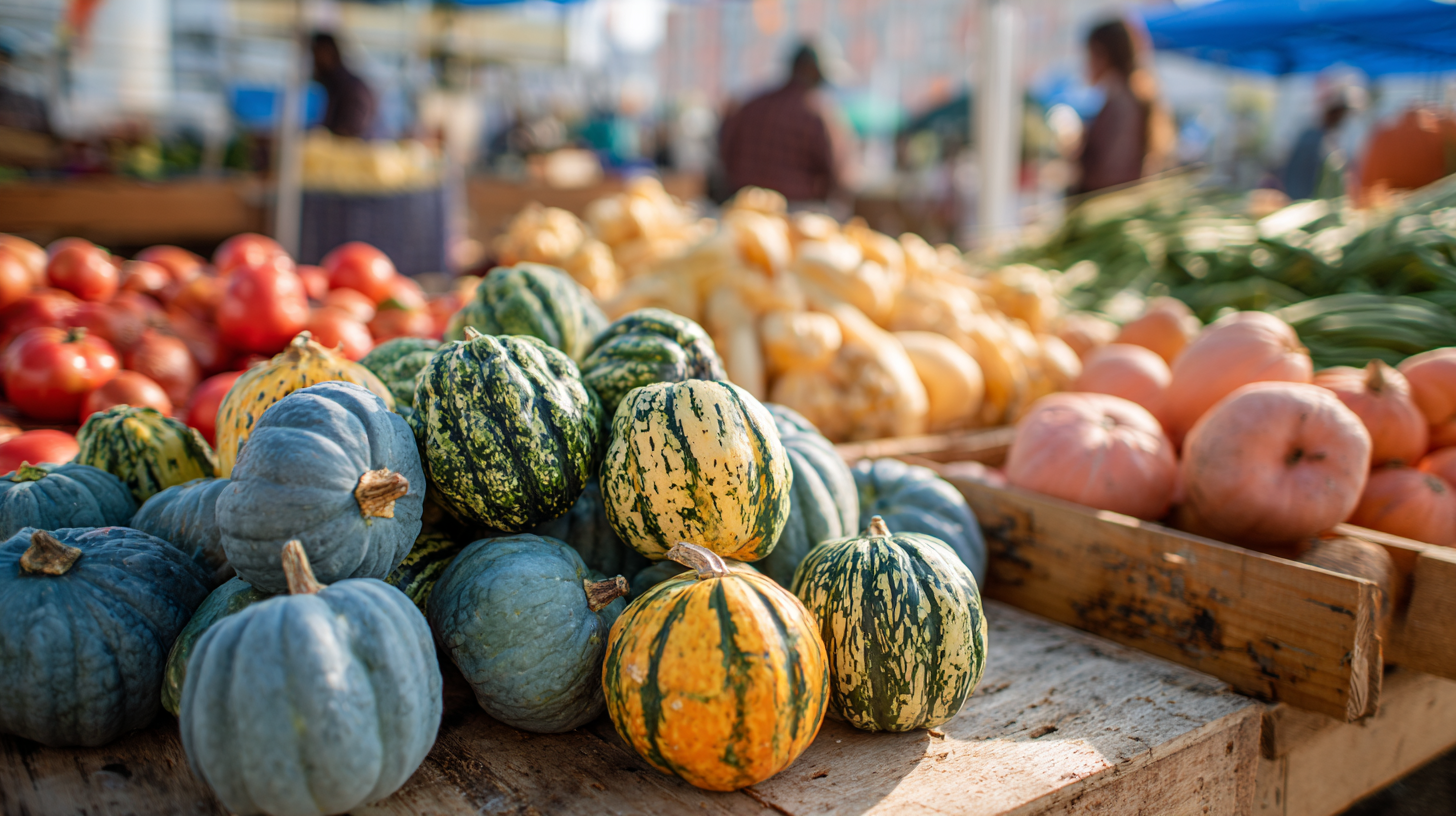
One of the first steps in this process is to familiarize yourself with the seasons. Eating seasonal foods not only allows you to enjoy produce at its peak freshness but also encourages sustainable practices, as these products usually require less energy for transport. Local food is often harvested right before it reaches your table, preserving vital nutrients and enhancing flavor. For example, avocados may be delicious, but choosing seasonal foods like squash or pumpkins in the fall not only supports local growers, but also aligns better with what the earth can provide in that particular season.
As you shop, consider joining a farmer’s cooperative or a community-supported agriculture (CSA) program. This not only directly supports local farmers but also immerses you in the cycle of production. With a CSA, you often receive a weekly box of fresh, seasonal produce directly from followed local farms – exposing you to unique items that you may not typically buy. Over time, you’ll learn to cook with ingredients that align with the season, promoting versatility in your meals and a deeper appreciation for what you consume.
Additionally, take time to read ingredient lists and labels when shopping for packaged products. Look for key terms like “organic,” “non-GMO,” and “locally sourced.” Understanding these definitions empowers you to make choices that reflect your values. For instance, products labeled as organic are often grown without synthetic pesticides and fertilizers, preserving a healthier environment. Opting for these products promotes not just personal health, but also encourages sustainable farming practices that benefit the community.
Your choices also extend to how you handle waste. Plan your meals to minimize food waste, and consider composting any scraps. This process not only reduces the burden on landfills but also returns nutrients to the soil, supporting local ecosystems. Sharing surplus produce with friends or participating in local food-sharing initiatives can further strengthen community ties, enhance self-sufficiency, and reduce waste.
To enhance your food literacy, get involved in local food events, workshops, or even cooking classes that focus on using local ingredients. Connecting with others who share this passion can inspire new ideas and reinforce your commitment to supporting local farmers. Cooking with friends or family using freshly sourced ingredients creates memorable experiences and teaches younger generations the importance of food awareness.
Remember, every meal is an opportunity to vote with your fork. Whether you are purchasing fresh, locally grown fruits and vegetables or choosing sustainably sourced protein options, each choice contributes to a larger narrative of health, sustainability, and community well-being. Embrace this responsibility and enjoy the richness of flavors, textures, and stories that come with knowing your food sources!