
To successfully navigate the world of nursery sales, it’s essential to dive deep into your audience and understand their needs and preferences. The first step in crafting your pricing strategy is conducting a thorough market analysis that goes beyond mere demographics. Consider factors like local gardening trends, seasonal influences, and even the preferences of your target customers. Urban dwellers often seek plants that can adapt to smaller environments, while families may look for hardier varieties. Millennials might gravitate towards plants that are low maintenance and offer aesthetic appeal.
Engage with your community through social media and gardening groups. These platforms are valuable for gathering insights on what plants are in demand. Use surveys or polls to ask your audience about their favorite plants, budget for purchases, and any features they prioritize when choosing plants, such as organic growing practices or sustainable sourcing.
- Identify Local Trends: Note what types of plants are thriving in your area. Are succulents gaining popularity, or is there a surge in demand for native plants?
- Competitive Insight: Visit local competitors’ nurseries and observe their offerings. What pricing strategies do they employ, and how do they position their products? This can help in shaping your unique selling proposition.
- Customer Feedback: Always listen to your customers. Their experiences can guide you on how to improve your offerings and adapt your prices accordingly.
Understanding your market not only informs your pricing strategy, but it also helps foster stronger relationships with your customers. When they feel valued and understood, loyalty and repeat business naturally follow. Leveraging the insights gained from market analysis, you can create tailored promotions that resonate with your audience, ensuring your nursery thrives.
Analyzing Production Costs
Analyzing your production costs is a critical component in establishing a sustainable pricing strategy for your nursery plants. Accurate cost assessment ensures that you not only cover expenses but also achieve desired profit margins. To conduct a comprehensive analysis, it is essential to categorize these costs into two main types: fixed costs and variable costs.
Fixed costs are incurred regardless of the volume of plants produced. These may include expenses such as:
- Rent or mortgage for land use
- Utilities (water, electricity, gas)
- Insurance premiums
- Equipment depreciation
Variable costs fluctuate with production levels and include:
- Seeds and soil
- Fertilizers and pesticides
- Labor costs associated with planting, pruning, and packaging
- Transportation for distribution
To illustrate the relationship between these costs and pricing, consider the following table that compares two hypothetical nurseries:
| Cost Type | Nursery A ($) | Nursery B ($) |
|---|---|---|
| Monthly Fixed Costs | 2,500 | 3,000 |
| Variable Cost Per Plant | 5 | 6 |
| Estimated Monthly Production (Units) | 1,000 | 800 |
| Total Monthly Costs | 7,500 | 7,800 |
| Desired Profit Margin (%) | 20 | 15 |
| Price Per Plant for Profit | 8 | 7.50 |
The analysis of production costs allows you to set a competitive and profitable price point for your products. It’s crucial to calculate the price per plant using the formula:
Price Per Plant = (Total Monthly Costs / Estimated Monthly Production) x (1 + Desired Profit Margin)
This information yields critical insights for your pricing strategy: if competing nurseries are pricing similarly but have significantly higher variable costs, you might find room to adjust your own pricing downward while still maintaining profitability due to lower production costs. Conversely, if your costs are higher, you may need to justify this to customers by enhancing the perceived value of your plants, perhaps through superior quality, organic growing methods, or exceptional customer service.
Regular monitoring and recording of your production costs against outputs will help in refining your pricing strategy over time. This ongoing assessment enables you to react to changes in costs, such as increases in raw materials or wage rates, ensuring your pricing remains both competitive and sustainable in the long run.
Evaluating Competitor Pricing
Keeping an eye on your competitors can be the secret ingredient to your nursery’s success. Pricing is more than just assigning a number to a product; it’s a reflection of the value you offer and how you perceive your position within the market. Start by compiling a list of nearby nurseries and online retailers that sell similar plants. Visit their websites or physical locations to gather data. Pay attention to not just the prices but also the quality, variety, and presentation of their plants.
- Price Comparison: Create a spreadsheet to track your competitors’ prices on similar plant varieties. This will help you identify the standard pricing range and find gaps in the market where you might position your offerings competitively.
- Check for Promotions: Take note of any sales events, discounts, or loyalty programs. Are they running seasonal sales that can give them a competitive edge? Leverage this knowledge to time your own promotions effectively.
- Quality Assessment: Don’t just focus on price; assess the quality of competitors’ plants. If you can outshine them in quality, you can justify a higher price for your premium products. For example, if your plants are grown organically with no synthetic fertilizers, make that a part of your marketing strategy.
Furthermore, understanding consumer perception about your competitors can elevate your pricing strategy. If a customer feels that a higher-priced plant from your nursery is worth the extra cost due to superior care or unique varieties, that perception can enhance customer loyalty and satisfaction.
Let’s take a closer look: if a local nursery charges $10 for a specific succulent and offers a mediocre selection, but you sell the same plant for $12 with a stunning presentation and excellent customer service, your customers might be willing to pay the premium. This emphasizes the importance of not just matching prices but offering increased value.
Engage with your customers to understand their thoughts about competitors. Ask them about their buying experiences—what do they like or dislike? By digging into customer feedback, you can pinpoint areas ripe for improvement in your own nursery, enabling you to adjust prices or enhance your offerings accordingly.
Remember to maintain flexibility in your pricing approach. If you notice competitors lowering prices, don’t jump to follow suit without considering your business’s overall health. Instead, think creatively about how to maintain customer loyalty while justifying your prices through quality and service. Additionally, consider regular evaluation periods to reassess your competitors’ pricing and practices, keeping your nursery responsive to market changes without compromising on your core values.
By thoughtfully analyzing your competitors, you empower your nursery to establish a pricing strategy that reflects both market standards and the unique strengths of your business, positioning you favorably in the competitive landscape of nursery sales.
Determining Customer Perception
Determining how customers perceive your products is crucial for fine-tuning your pricing strategy. Customer perception directly influences how much they are willing to pay for nursery plants. Factors such as brand reputation, quality, customer service, and emotional connection all contribute to their overall perception. To gauge these elements, take several approaches that can enhance your understanding of customer views and how they shape your pricing decisions.
One effective method is to engage directly with your customers through surveys and feedback forms. Ask questions about their buying experiences, such as how they evaluate quality in nursery plants and what attributes they value most—be it sustainability, aesthetics, or care requirements. This qualitative data will help you identify key perceptions that can be leveraged to justify your pricing. For example, if a significant number of customers express a willingness to pay more for organically grown plants, you can then position your pricing to reflect that premium quality.
Analyzing online reviews and social media interactions can provide additional insights into customer sentiment. Look for patterns in feedback regarding your products and those of your competitors. Customers may highlight features like packaging, plant health, or the variety available, which can inform your pricing strategy—perhaps indicating areas where you can adjust prices upward if the perceived value is high. Alternatively, if numerous reviews indicate dissatisfaction with pricing relative to quality, it may signal a need to revisit your price points.
“Price is what you pay. Value is what you get.” — Warren Buffett
Additionally, exploring customer demographics can deepen your insight into perception. Different segments may have varying willingness to pay. For instance, younger customers may prioritize price and convenience, while older generations might place more value on product quality and longevity. Tailoring your offerings and pricing strategy to your target market enhances the perceived value of your nursery plants.
Incorporating emotional branding can also shift customer perception positively. Create narratives around your plants—tell stories about their origins, the care put into growing them, or the benefits they bring to a garden. A compelling brand story can elevate product perception, allowing you to charge higher prices based on the emotional connections customers develop with your products.
Promoting exceptional customer service is another avenue to influence perception. Satisfied customers are likely to spread positive word-of-mouth, enhancing your reputation and allowing you to set higher prices based on established trust. Ensure your staff is knowledgeable and can assist customers in making informed decisions, fostering an environment where they feel valued.
Ultimately, determining customer perception is an ongoing process. Regularly reassess how customers view your nursery plants and adjust your pricing strategy accordingly. Monitoring market trends and customer feedback will guide you in refining your offerings, keeping prices competitive while ensuring that your profits align with the perceived value customers associate with your brand.
Implementing Pricing Strategies
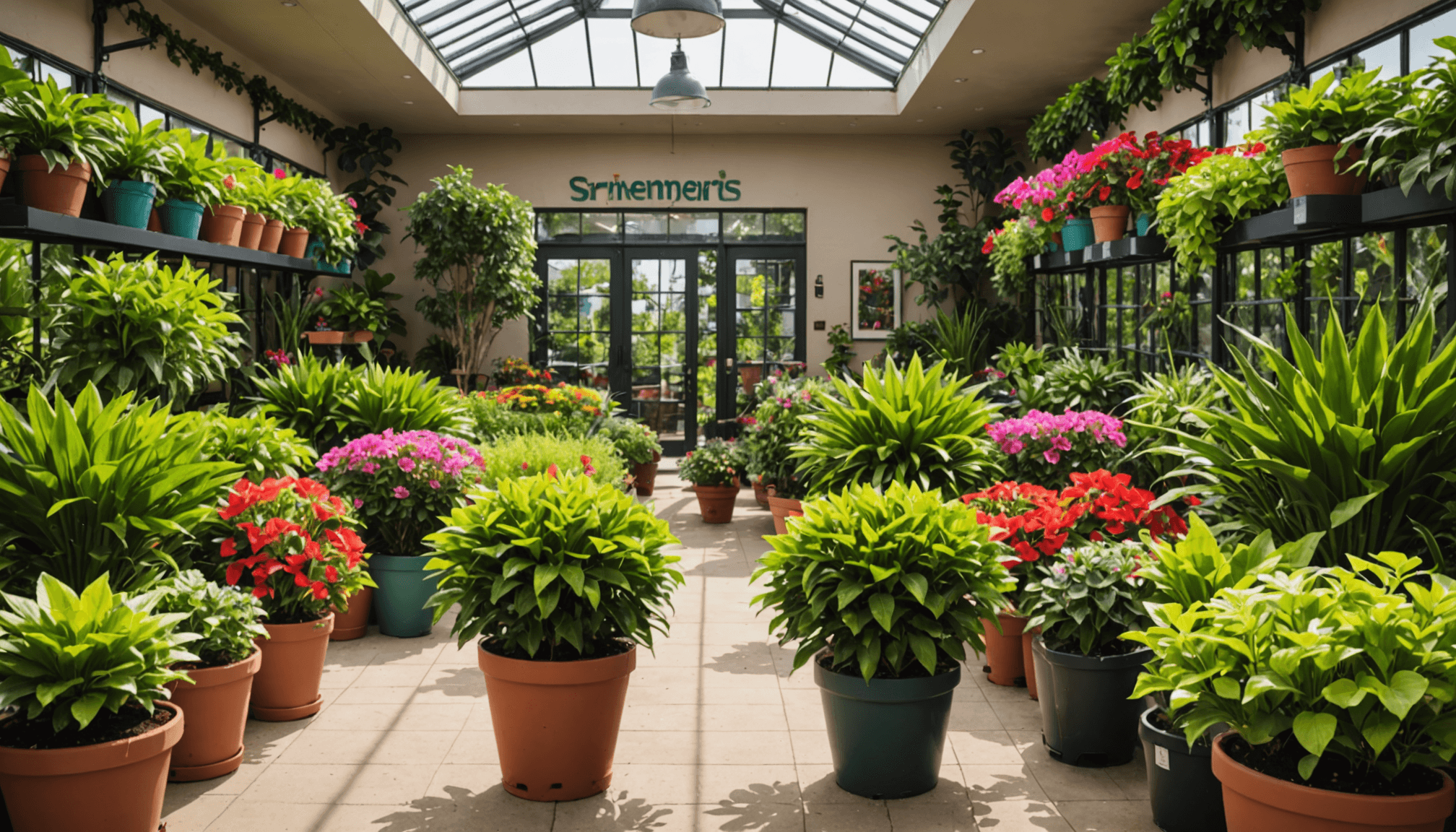
Implementing effective pricing strategies is a multifaceted endeavor that requires a thoughtful approach. Begin by determining the best pricing model for your nursery plants, whether it’s cost-plus pricing, value-based pricing, or competitive pricing. Cost-plus pricing involves calculating your production costs and adding a markup, ensuring all expenses are covered while aiming for a profit. Value-based pricing, on the other hand, focuses on the perceived worth of your plants to customers and what they are willing to pay, which can lead to higher earning potential if you successfully communicate the unique benefits of your offerings. Lastly, competitive pricing keeps you aligned with market standards, which can be beneficial for attracting price-sensitive customers.
Marketing plays a significant role in your pricing strategy. Highlight the features that differentiate your plants from those available in the market. Use storytelling in your marketing materials to convey the special qualities of your plants—whether it’s their resilience, unique varieties, or organic growing methods. Customers are often willing to pay a premium for products that they perceive as having added value. Ensure your advertisements not only list prices but also illustrate why your plants deserve those prices by showcasing customer testimonials or success stories from satisfied gardeners.
Moreover, consider implementing tiered pricing for different categories of plants. For example, introduce premium lines of exotic varieties at a higher price point while offering budget-friendly options for novice gardeners or those looking for staple plants. This approach can widen your customer base, appealing both to enthusiasts who invest significantly in their gardens and to newcomers who may need encouragement to start their gardening journey. Don’t be afraid to tailor promotions and discounts to specific customer segments as well—loyalty programs or seasonal sales can incentivize purchases and establish long-term relationships with customers.
Regularly monitoring your pricing strategy is crucial. Keep track of sales performance, customer feedback, and inventory turnover to gauge how well your prices align with market demand. If certain plants are consistently underperforming, it may be time to reevaluate their prices or improve their presentation. Similarly, stay informed about marketplace changes and economic conditions that could affect both production costs and customer spending habits. This agility will not only sustain your nursery through fluctuations but also enhance your overall pricing strategy, allowing you to respond effectively to shifts in the market.
- What pricing strategy should I use for my nursery plants?
- Choosing a pricing strategy depends on your goals and target market. Cost-plus pricing ensures all expenses are covered, while value-based pricing focuses on customers’ willingness to pay based on perceived value. Competitive pricing aligns your prices with market standards.
- How can I determine the best price for my plants?
- To determine the best price, analyze your production costs, evaluate competitor pricing, and assess customer perception. Use market research to understand what similar plants sell for and collect feedback to gauge what customers expect to pay.
- Is it beneficial to offer discounts on nursery plants?
- Yes, offering discounts can entice new customers and boost sales during slow seasons. However, ensure discounts do not undermine your pricing strategy or perceived value. Use them strategically as part of your overall marketing approach.
- How often should I review my pricing strategy?
- Regular reviews of your pricing strategy are essential, ideally every few months or when significant changes occur in production costs, market demand, or competitor actions. Adjustments should be made to remain competitive and profitable.
- How do I communicate value effectively to my customers?
- Communicate value by highlighting unique qualities, sustainability, and care instructions for your plants. Use storytelling in marketing to create emotional connections that enhance the perceived value of your products.
- Can I price my plants higher than my competitors?
- Absolutely, as long as you can justify the higher pricing with superior quality, unique offerings, or exceptional customer service. Customers are often willing to pay more for products they perceive as valuable.
- What impact does customer feedback have on pricing?
- Customer feedback provides insights into perceptions of quality and value, guiding your pricing decisions. If customers feel your products are worth the price, you can maintain or even increase your prices without losing sales.
Monitoring and Adjusting Prices
Monitoring and adjusting prices is a dynamic process that is vital for the longevity and profitability of your nursery. With the ever-changing markets, customer preferences, and production costs, having a proactive approach to pricing can set your nursery apart from the competition. Start by regularly reviewing your pricing strategy in relation to your production costs, competitor pricing, and customer feedback.
One effective method is to establish a routine for reassessing your prices. This doesn’t have to be a monumental task; setting a schedule—perhaps quarterly—can keep you aligned with market trends. Utilize a spreadsheet to track your prices against your competitors and note any changes. If you notice that a similar plant is priced significantly lower elsewhere, explore the reasons behind this discrepancy. Is it due to lower quality, or perhaps they’re having a clearance sale? Understanding these factors can help you decide if you need to adjust your pricing accordingly.
Here are some practical steps to enhance your price-monitoring process:
- Track Seasonality: Seasonal changes can impact what customers are willing to pay. For example, during the peak planting season, customers may be more willing to pay higher prices for popular plants. Conversely, during late summer or fall, you might consider discounts on certain items to clear inventory.
- Engage Customers: Solicit feedback from your customers about pricing. Consider including a brief section in customer surveys asking how they perceive your prices in comparison to your competitors. If many customers express concern about price, it might be time to reevaluate.
- Special Promotions: Implement limited-time promotions or bundle deals to test price thresholds. For instance, if customers respond positively to a discounted bundle of plants, this can indicate that similar future promotions could drive sales.
- Use A/B Testing: Experiment with different price points for the same product over a specific period. This allows you to determine which price generates the best response without alienating your customer base.
In addition to customer engagement, keep an eye on your competitors. If you notice they are adjusting their prices, analyze whether this reflects higher costs or simply a strategy to boost sales. Adapting your pricing strategy to maintain competitive differentiation is essential. For example, if a competitor reduces the price of a specific plant, consider matching them temporarily but emphasize any additional value you offer—such as better growing conditions, a more attractive presentation, or superior customer service.
Communication is also key. Once you’ve made adjustments to your prices, inform your customers with transparency. If you’ve raised prices due to increased production costs, educate customers on the rationale behind these changes. Share information about how those costs contribute to the quality of the plants they purchase, whether it’s organic fertilizers, more rigorous care, or better packaging.
Lastly, always stay informed about industry trends. Subscribing to nursery and gardening publications or joining relevant online forums can provide context to your local market analysis. Insights into broader industry shifts can preemptively inform your pricing adjustments and help sustain your nursery in a competitive landscape.
Monitoring and adjusting prices requires diligence, creativity, and an understanding of your market, but by implementing these strategies, you can keep your nursery thriving and responsive to customer needs and market trends.