
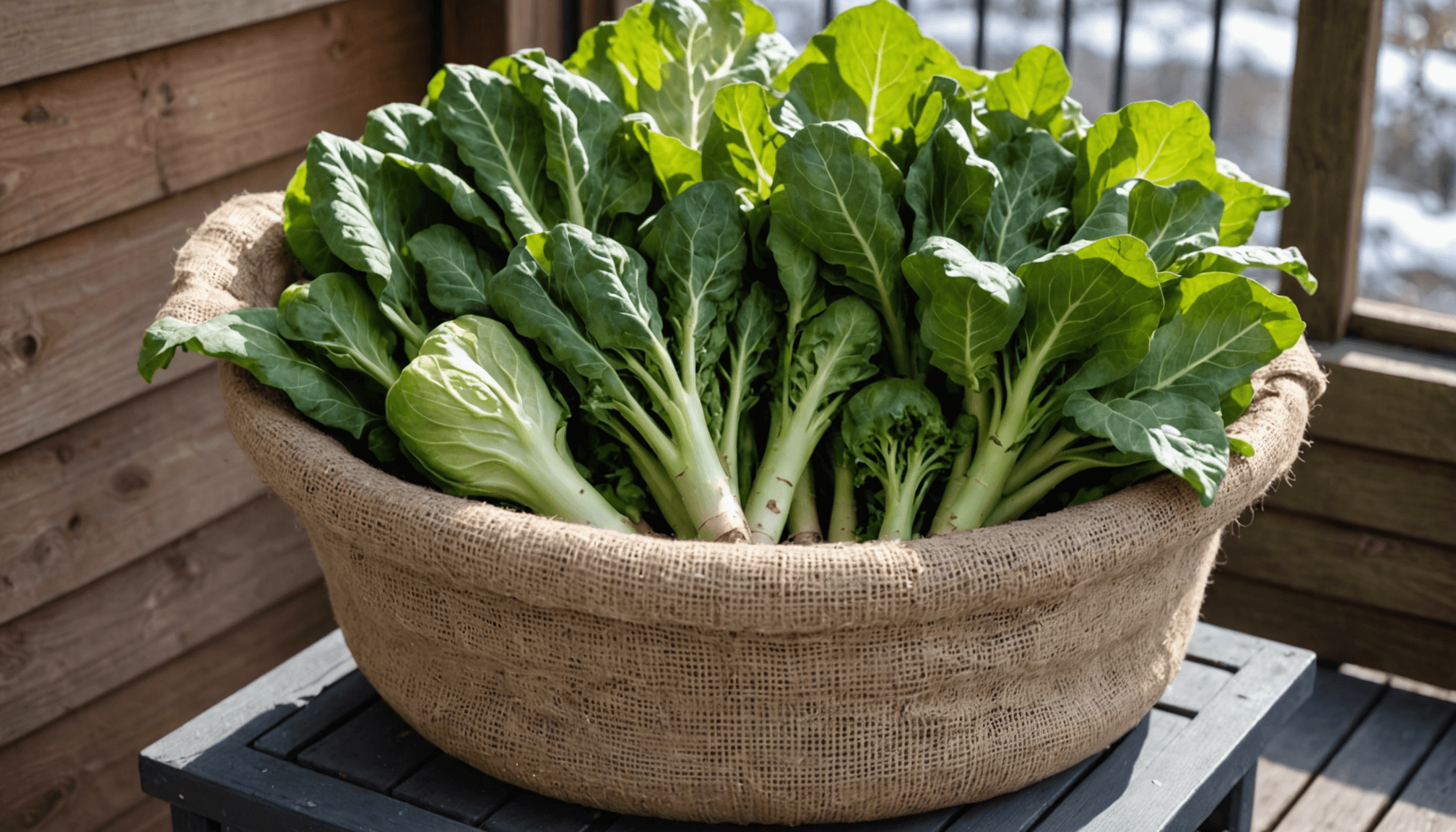
Winter gardening can seem daunting, especially for urban dwellers and those with limited space. However, with the right techniques, you can create a thriving winter garden that flourishes even in the cold months. Start by selecting the right plants; these can include hearty greens like kale, spinach, and chard that can withstand frost and cold temperatures. Plant these in late fall or early winter to ensure they establish themselves before harsher conditions set in.
Consider using cold frames or mini greenhouses to protect your plants from extreme weather while allowing sunlight to filter through. These structures trap heat, which can keep soil temperatures more stable. If you’re handy, you can even construct your own from reclaimed windows to keep costs down. For an instant greenhouse effect, row covers made from lightweight fabric can also provide protection against frost while allowing moisture and light in.
Another effective technique is to employ intercropping, where you plant fast-growing crops alongside slower germinating plants. For example, you can sow radishes or lettuce between slower-growing cabbage or broccoli. This method optimizes your available space and extends your harvest period. Additionally, consider utilizing vertical gardening solutions, such as wall-mounted planters or stacking pots, to maximize space without compromising on plant variety.
Utilizing mulching can also prove beneficial. A thick layer of mulch helps insulate soil and retain moisture, which is particularly vital during the winter months when precipitation is often less plentiful. Organic materials like shredded leaves, straw, or wood chips can break down over time and enrich your soil.
For those using containers, selecting frost-resistant materials like ceramic or heavy-duty plastic can enhance your chances of success. Make sure to elevate pots off the ground using plant stands to prevent the cold from seeping through the bottom, which can damage roots. Regular monitoring of soil moisture is crucial—containers can dry out more quickly than ground beds, so a little extra attention will go a long way in keeping your plants happy.
Lastly, even in small spaces, maintaining a winter garden can keep your green thumb active and ensure a supply of fresh, homegrown produce throughout the season. Embrace creativity in your gardening approach, and enjoy watching your winter garden thrive!
Choosing the right vegetables
When it comes to winter gardening, choosing the right vegetables is critical to ensure a successful harvest despite the cold conditions. Certain crops are bred to withstand frost and lower temperatures, making them ideal candidates for cold weather gardening. Leafy greens, such as kale, spinach, and collard greens, are particularly resilient. They not only survive the cold but often taste sweeter after exposure to frost, which enhances their flavor profile.
Root vegetables also thrive during winter months. Carrots, beets, and parsnips can remain in the ground and be harvested as needed, providing a continual food source throughout the winter. These vegetables typically develop better flavor when they have a chance to mature in cooler weather. Another category to consider is brassicas, such as Brussels sprouts and cauliflower, which can endure frost and can be harvested during the winter for fresh meals.
Below is a comparison of various vegetables suitable for winter gardens, detailing their hardiness, ideal planting time, and potential yield:
| Vegetable | Hardiness Zone | Ideal Planting Time | Harvest Duration |
|---|---|---|---|
| Kale | 3-10 | Late fall to early winter | Multi-harvest throughout winter |
| Spinach | 3-9 | Late summer to early fall | Multi-harvest through winter |
| Carrots | 3-10 | Late summer | Late fall to early spring |
| Brussels Sprouts | 3-10 | Early summer | Late fall into winter |
| Beets | 2-10 | Late summer | Fall through winter |
In addition to these options, herbs such as parsley, cilantro, and thyme can also be cultivated during winter months. They can be grown in pots indoors or in sheltered outdoor environments, providing fresh flavor to winter dishes and boosting the aesthetic appeal of any winter garden. To enhance growth and maintain health, consider using frost cloths or small cloches to provide additional protection on particularly cold nights.
The key to success in choosing winter vegetables lies in selecting hardy varieties that can withstand cold temperatures while providing flavorful and nutritious options throughout the season. Engaging with these crops not only supports a sustainable lifestyle but also offers the joy of tending to a living garden even when the rest of the world is hibernating.
Container gardening solutions
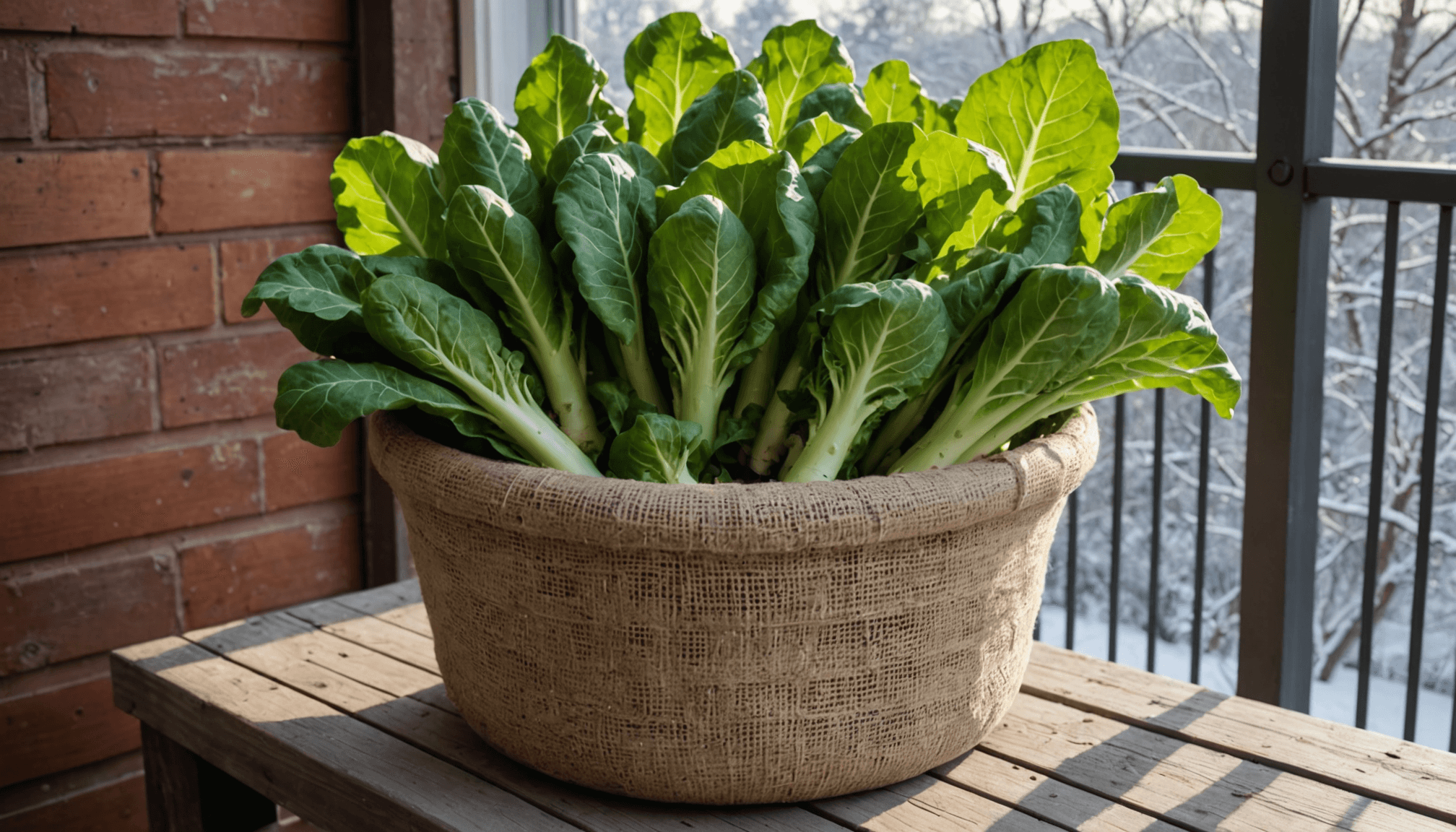
When it comes to container gardening in winter, the right choice of containers and some clever strategies will empower you to navigate the chilly months with ease. First, consider the size of your containers. Larger pots tend to insulate better against temperature fluctuations, helping maintain consistent soil warmth. Opt for at least a 12-inch diameter pot for most winter vegetables. It’s also wise to select containers with good drainage to prevent standing water, which can lead to root rot.
Material matters too! While ceramic pots look aesthetically pleasing, they can crack under extreme temperature variations. Instead, consider using heavy-duty plastic or fiberglass, which are more resistant to the cold. The color of your containers can make a difference as well—darker pots can absorb more heat from sunlight, which is beneficial on sunny winter days. To further enhance insulation, consider wrapping the pots in burlap or bubble wrap when temperatures dip significantly.
Another clever solution is to use self-watering containers. These are perfect for maintaining consistent moisture levels, especially since containers tend to lose water more quickly in cold temperatures due to evaporation. A simple DIY self-watering container can be made by using a larger pot as a reservoir with a smaller pot nested inside, connected by a wick. This can ensure your plants’ roots remain hydrated without needing constant monitoring.
When planting, layer your containers according to plant compatibility. Fast-growing crops like salad greens can be placed on top while more substantial root vegetables can settle below, maximizing your yield in a single pot. Using this tiered approach allows air circulation and light penetration to reach all plants effectively.
Consider utilizing heat-absorbing materials within your containers to further boost soil warmth. You can add stones or bricks at the bottom before placing your soil, which can absorb heat during the day and release it at night, creating a more stable environment for your plants. Another option is to add a layer of mulch on top of the soil. This will not only insulate the soil but also help retain moisture. Materials like straw, leaves, or even grass clippings can work well.
Don’t forget about strategic placement! Position your containers where they will receive maximum sunlight—south-facing balconies or patios are ideal. If you have space in your home, you might even consider moving some pots indoors during especially cold spells, giving them a shot of warmth and extended light exposure.
For added protection, remember to use row covers or frost blankets during particularly cold nights. These simple fabric coverings can significantly reduce the risk of frost damage to your plants without blocking out light during the daytime.
Monitoring your plants regularly is key. Check the moisture level more frequently than you would during warmer months, as outdoor conditions can alter rapidly, particularly in containers. By warmly nurturing your winter container garden with these proven practices, you’ll enjoy the satisfying experience of growing your own delicious food all season long.
Soil and fertilizer for cold weather
In cold weather gardening, the soil and fertilizer you choose play a crucial role in the health and productivity of your plants. For winter gardening, it is essential to prepare the soil properly to ensure that it can retain warmth and moisture. Start with a well-draining soil mix that allows for adequate aeration. Adding organic matter, such as compost or well-rotted manure, can improve the soil’s structure and nutrient content, making it more robust against the elements.
Because winter soil tends to be colder, it’s advisable to incorporate a high-quality organic fertilizer into the mix prior to planting. Fertilizers rich in nitrogen, phosphorus, and potassium will offer essential nutrients that promote healthy growth during these harsh months. Slow-release fertilizers work well, providing a steady supply of nutrients over an extended period. Be sure to follow the manufacturer’s instructions to avoid over-fertilization, which can harm plants.
Utilizing raised beds can contribute positively to soil temperature. Soil in raised beds warms up faster than in-ground gardens, making it an ideal solution for cold weather gardening. Additionally, you can insulate the sides of the raised beds with straw bales or foam boards to protect roots from freezing temperatures. This insulation can help create a microclimate that nurtures plant growth.
Regular soil testing is recommended to gauge pH levels and nutrient content. Many winter vegetables thrive in slightly acidic to neutral pH (6.0 to 7.0). If your test indicates a need for lime to adjust pH or other amendments to correct nutrient deficiencies, you can amend the soil accordingly to establish an optimal growing environment.
To further enrich the soil, consider planting cover crops during the fall before winter gardening begins. Cover crops like winter rye or clover can be tilled under in early spring, enriching the soil with organic matter and nutrients while preventing erosion and weed growth. If you do not have the opportunity to plant cover crops in advance, layering your soil with mulch can also protect against nutrient depletion while providing an insulating barrier.
Don’t forget to also adjust watering practices in winter. While the cold may reduce evaporation, it’s essential to ensure your soil remains moist but not soggy. Check soil moisture levels regularly, and invest in moisture meters if necessary to prevent under or over-watering. Proper moisture helps maintain healthy soil structure and allows nutrient availability to your plants.
“Good soil health is the foundation of a successful garden, especially in winter when plants face additional challenges.”
By focusing on high-quality soil and appropriate fertilization methods tailored for colder months, you can create an environment where your winter garden thrives and delivers fresh, nutritious produce even when nature is at its most barren.
Protecting plants from frost
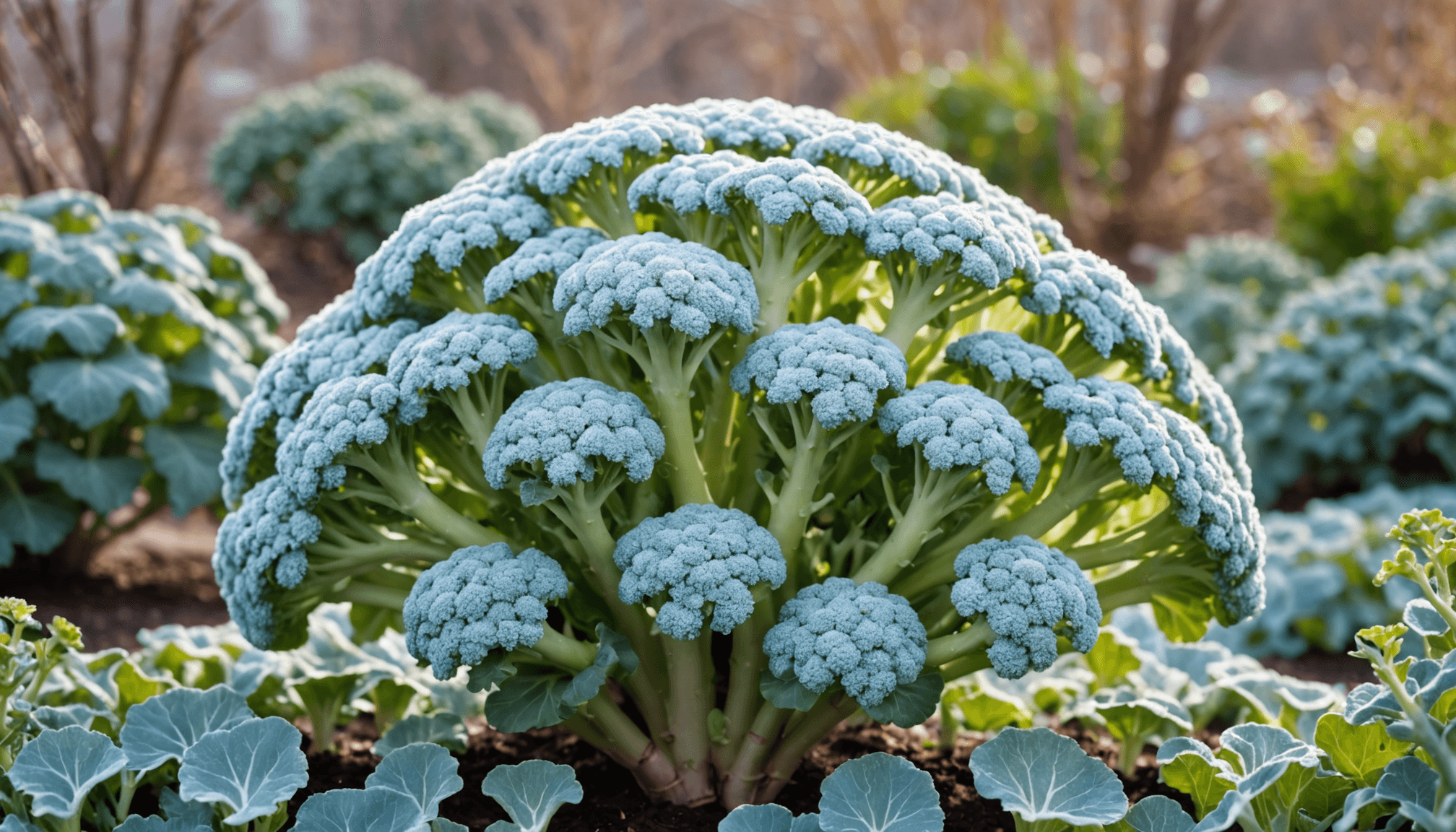
Frost can pose a significant threat to your winter garden, and understanding how to protect your plants is essential for ensuring their survival during the cold months. One of the simplest yet most effective methods for shielding your plants is the use of row covers. These lightweight fabric tents can be laid over your plants to trap heat while allowing sunlight and moisture to penetrate. It’s important to secure the edges to prevent wind from lifting the cover; you can use stones or clamp it down with clothespins for stability. Row covers can raise temperatures under them by several degrees, which can be a game-changer during nights that dip below freezing.
For added protection, consider the installation of cloches—these are usually small, dome-shaped structures placed directly over individual plants. You can easily create your own cloches using recycled materials, such as plastic containers or glass jars, which create a greenhouse effect. This is especially useful for young seedlings that are particularly vulnerable to frost. Ensure that there are small holes for ventilation to prevent overheating during sunny days.
Mulching also plays a significant role in frost protection. A thick layer of organic mulch, such as straw or shredded leaves, insulates the soil and helps to stabilize soil temperature. This insulation extends to the roots, safeguarding them against temperature fluctuations that can occur overnight. Make sure to apply mulch evenly around your plants, but avoid piling it directly against the stems to prevent rot.
In addition to physical barriers, timing is crucial for protecting your plants. During particularly cold snaps, keep a keen eye on the weather forecast so you can be proactive. Bringing potted plants indoors or moving them to a sheltered spot can significantly increase their chances of thriving through adverse weather. When temperatures are expected to drop, it’s also advisable to water your plants in the late afternoon; moist soil retains heat better than dry soil, providing a natural buffer against frost.
Familiarize yourself with the hardiness of the plants in your garden. Some may require special attention, such as bringing them indoors or providing extra protective layers during severe weather. Engaging with your garden at this level not only enhances your understanding but also cultivates a more vibrant and fruitful relationship with the natural environment. Every small step you take in protecting your plants contributes to a garden that can withstand the harshest of winters. Experiment, learn, and adjust your strategies to see what works best in your unique growing conditions.
- What temperature is too cold for my winter garden plants?
- Most hardy vegetables can tolerate temperatures down to 20°F (-6°C) or lower, but it varies by plant type. Check the hardiness of specific plants to ensure they can withstand the conditions in your area.
- How can I tell if my plants are frost-damaged?
- Signs of frost damage include blackened leaves, wilted or mushy stems, and generally a lack of resilience in the plant. If you notice these symptoms, consider providing extra protection or replanting.
- Can I reuse row covers each winter?
- Yes, row covers can typically be reused for several seasons if they are properly maintained. Clean them after use to remove dirt and pests, and store them in a cool, dry place.
- Should I water my plants during winter?
- Yes, it is necessary to water winter garden plants, although less frequently than in warmer months. Moist soil retains heat better, but ensure good drainage to prevent freezing in the roots.
- Is it beneficial to use plastic bottles for cloches?
- Absolutely! Cutting the bottoms off plastic bottles can serve as effective mini-greenhouses. Just ensure proper ventilation by leaving the cap off or making holes to avoid overheating.
- How thick should the mulch layer be for winter protection?
- A layer of 2 to 4 inches of mulch is ideal for insulating your winter garden. This thickness will help retain soil warmth and moisture while protecting against frost.
- Are there any plants that need special winter care?
- Yes, tender annuals and certain perennials may need additional protection, such as being moved indoors or covered with extra layers when frost is expected. Monitor sensitive plants closely during the winter months.
Extending the growing season
Extending the growing season in winter gardening can be a rewarding challenge, enabling you to enjoy fresh produce despite the chill. The first method to consider is the use of season extenders. Commonly employed tools include cold frames and mini greenhouses, which create warmer microclimates around your plants. You can build a simple cold frame using old windows or frame it with lumber and cover it with clear plastic. These structures can elevate soil temperatures and protect against harsh winds, letting you get a head start on spring planting.
Another technique is to take advantage of the concept of companion planting. This involves grouping plants that benefit each other, such as pairing heat-loving crops with hardier ones. For instance, you could plant a warm-weather crop like tomatoes alongside quick-to-harvest greens that can be collected before the tomatoes need much space. This not only maximizes your planting area but allows you to harvest multiple crops throughout the season.
Using heat mats is yet another effective strategy. These mats can be placed under pots or trays to maintain warm temperatures for seeds and seedlings, ensuring they establish strong roots before facing the cool air. When setting up heat mats, be mindful of moisture levels, as they can dry out the soil faster than usual. Regularly check on your plants to balance warmth and hydration.
Consider intercropping as well, which involves planting fast-growing vegetables like radishes or lettuce between slower-growing varieties such as broccoli or cabbage. This allows you to harvest more from the same space and keeps your winter garden vibrant and diverse.
For those with limited outdoor space, utilizing indoor gardening spaces is an ideal way to extend your gardening season. Bright, south-facing windows are perfect locations for growing plants. Invest in grow lights if natural light is limited—these can significantly enhance indoor plant growth. Keep an eye on light exposure, as your indoor garden might need to rotate or adjust to optimize growth at different times of the year.
In addition, implementing a crop rotation method can help enhance soil health over the seasons. This strategy reduces the risk of pest buildup and nutrient depletion while enabling you to stagger planting dates effectively. Rotate heavy feeders, such as tomatoes and peppers, with lighter feeders, like beans and peas, to maintain a balanced soil nutrient profile.
Don’t forget to leverage seasonal mulch to protect and insulate your plants as temperatures fluctuate. Using materials like straw or shredded leaves not only retains soil moisture but keeps roots warm during traditionally cold nights. You can layer mulch around your plants as you transition from winter to early spring, helping integrated crop setups thrive as they push through the last bits of cold.
Lastly, engaging with your local weather patterns is vital. Familiarize yourself with growing zones and cold hardiness guides specific to your area to optimize your planting schedule. Checking historical data on frost dates can inform you when to plant and when to take extra precautions, such as covering plants or moving pots indoors. This proactive approach will aid immensely in extending your growing season and enjoying the fruits of your labor all winter long.