
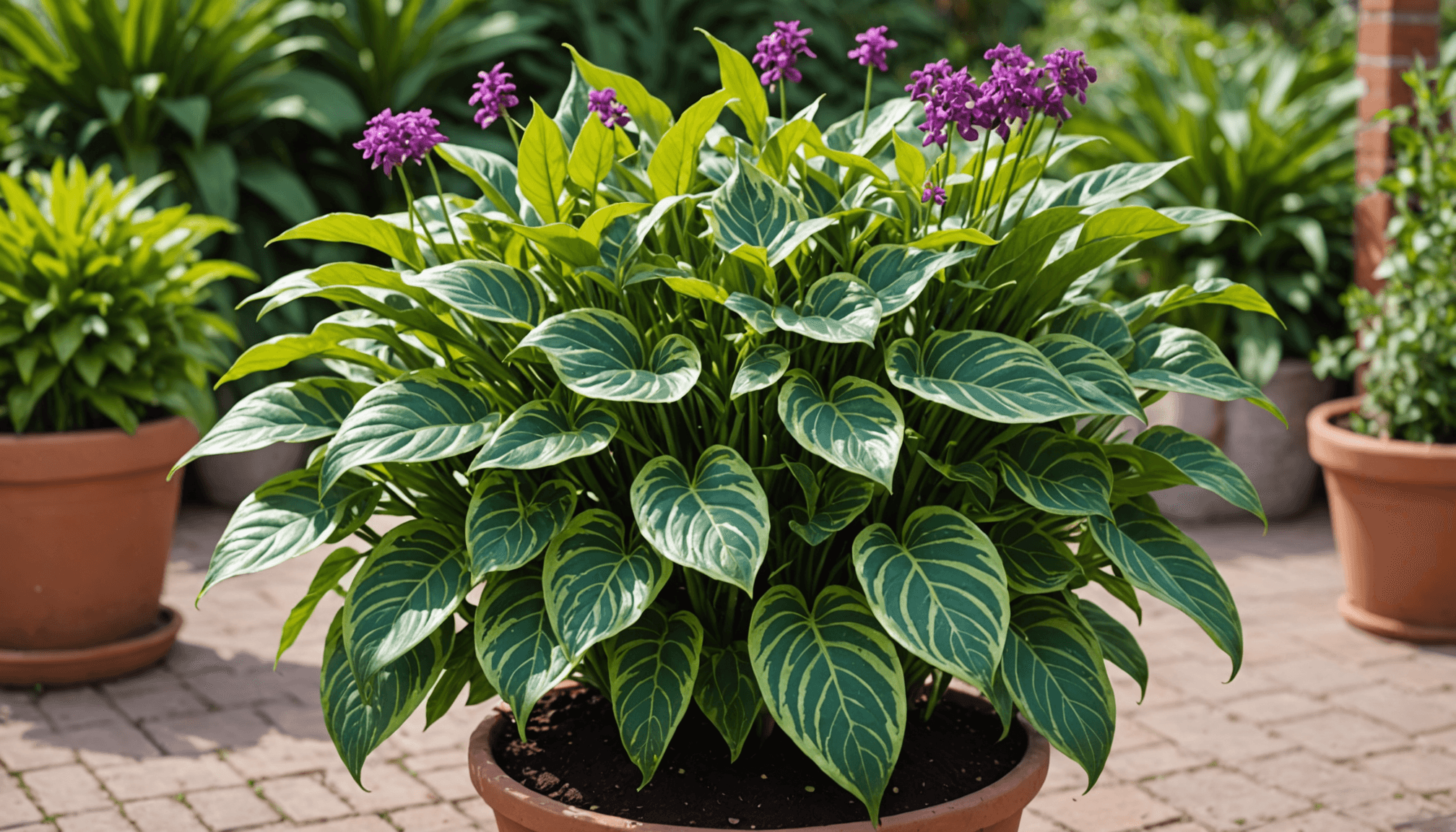
As the interest in sustainable living and unique gardening intensifies, the market dynamics of rare plants have begun to shift dramatically. Urban dwellers and garden enthusiasts are increasingly on the lookout for one-of-a-kind specimens that can transform their spaces and serve as conversation starters. Understanding these market dynamics is essential for anyone considering diving into homesteading or expanding their garden.
First and foremost, it’s essential to grasp what drives customer demand. Many consumers are no longer satisfied with the standard offerings available at big-box retailers; they seek out unique, rare options that allow them to express their individual styles. This shift in consumer behavior has led to a rise in specialized nurseries that cater to this new appetite. These nurseries not only sell plants but also nurture a community around the appreciation of rare species.
When exploring the world of nurseries, keep a few points in mind to enhance your search for these coveted plants:
- Research Local Nurseries: Start by visiting local nurseries that focus on rare plants. Engage with the staff to learn about their offerings and sourcing practices. Knowledgeable staff can provide insights into which plants thrive best in your climate.
- Online Platforms: Expand your search to online marketplaces and forums dedicated to rare plants. Websites and social media groups are plentiful and can connect you with sellers or fellow enthusiasts who might have leads on where to find specific species.
- Join Plant Societies: Becoming a member of local plant societies can give you access to exclusive sales, swaps, and workshops. These groups often have members who propagate rare plants and can share their expertise and stock.
- Understanding Pricing: Be aware that rare plants often come with a higher price tag due to limited availability. Evaluate the quality and health of the plants before making purchases to ensure you’re getting your money’s worth.
As you delve deeper into the world of rare plants, keep in mind that understanding the demand and market offerings is only one piece of the puzzle. Being informed and connected will enrich your homesteading experience and help you cultivate a garden that reflects your passion and creativity.
Factors Influencing Consumer Demand
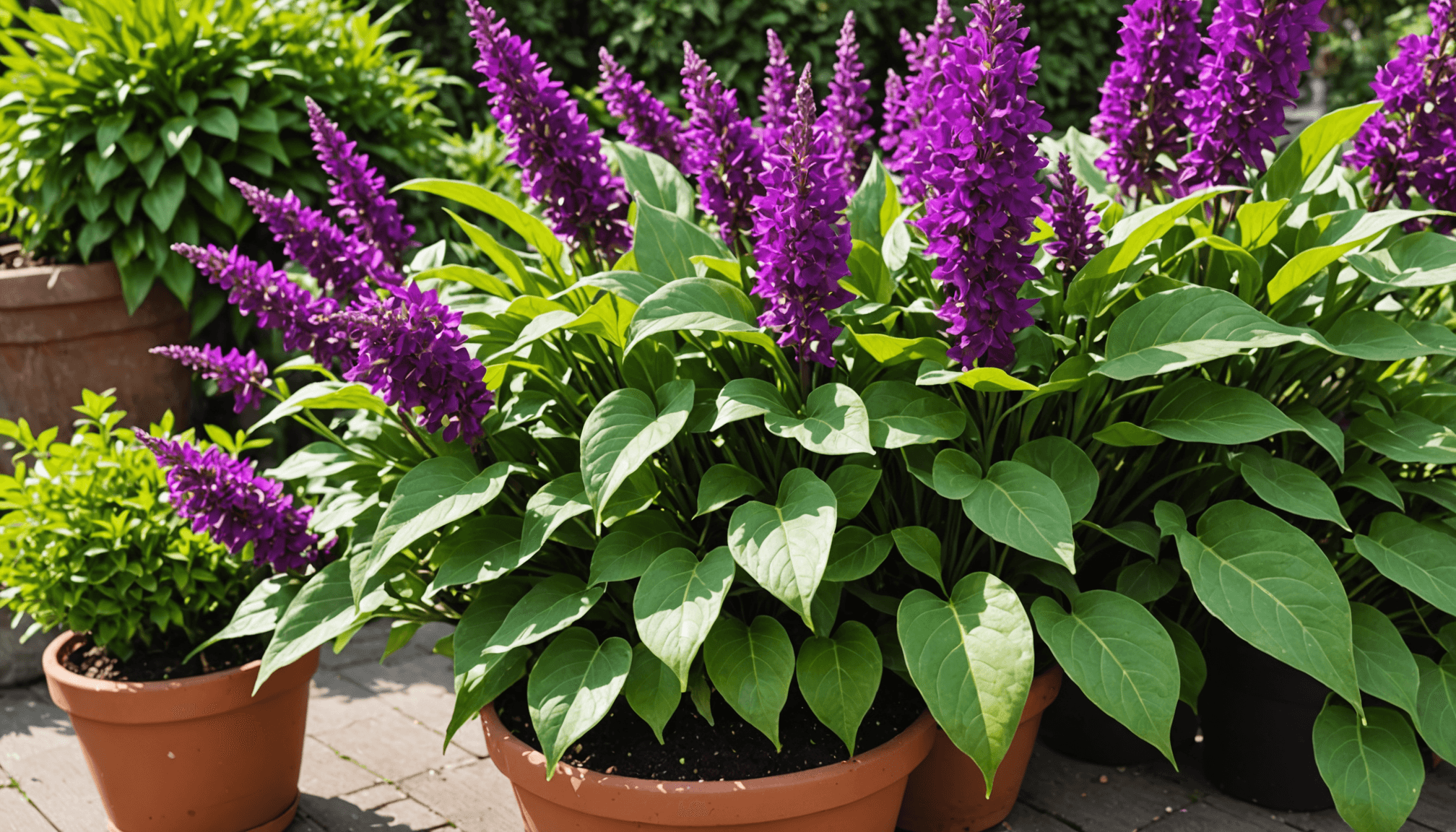 Consumer demand for rare plants is influenced by a range of factors that extend beyond mere aesthetics. One of the driving forces behind this demand is the growing trend of environmental consciousness among consumers, which prompts many to seek plants that offer ecological benefits. In today’s market, customers increasingly prioritize rare species that not only enhance their living spaces but also contribute positively to biodiversity and habitat restoration.
Horticultural enthusiasts today are informed, often seeking out plants with unique characteristics or health benefits. This trend has led to the exploration of various rare plant species known for their medicinal qualities or their roles in local ecosystems. Furthermore, the rise of social media has amplified the visibility of these plants, creating a community-driven demand that encourages sharing and promotion within dedicated horticultural circles.
The following table illustrates some factors influencing consumer demand for rare plants:
| Factor | Description |
|---|---|
| Environmental Awareness | Consumers seek rare plants that support biodiversity and ecological responsibility. |
| Aesthetic Appeal | The desire for unique and visually striking plants drives interest in rare varieties. |
| Social Media Influence | Platforms such as Instagram and Pinterest showcase rare plants, increasing consumer exposure and desire. |
| Community and Networking | Individuals are participating in plant swaps and local nurseries, cultivating a culture of sharing and education. |
| Health Benefits | Many rare plants are sought after for their medicinal or health-promoting properties. |
Price sensitivity also plays a critical role in customer decisions regarding rare plants. While many customers are willing to invest in quality, the perception of value is essential. Consumers analyze the health, rarity, and potential growth of a plant before purchasing, leading nurseries to focus on providing detailed information about their offerings. Transparency concerning the sourcing and care of rare plants is becoming a standard expectation among consumers.
Moreover, seasonal trends and local climate play significant roles in what consumers choose to purchase. Certain rare species may only be available at specific times of the year, aligning with their natural growing cycles or regional availability. Thus, nurseries must remain agile and adaptive to seasonal shifts to meet customer demand effectively.
In summary, consumer demand for rare plants is multifaceted, shaped by ecological values, aesthetic preferences, social influences, and economic considerations. Understanding these factors not only aids nurseries in catering to their clientele but also enhances the overall consumer experience, fostering a deeper connection to the gardening community.
Cultivation and Care of Rare Plant Species
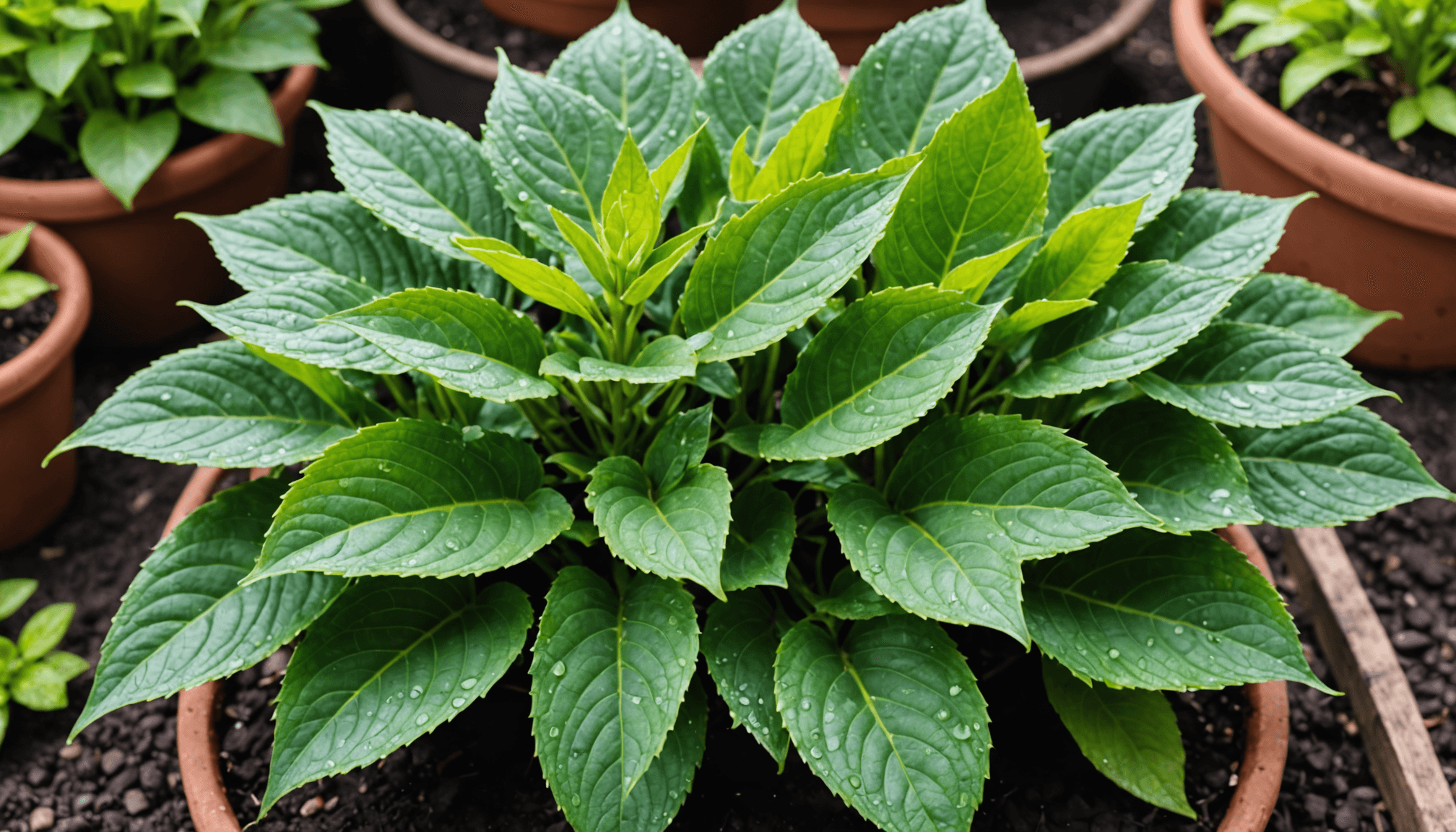
Cultivating rare plants can be a rewarding yet intricate endeavor. Whether you’re an urban dweller on a balcony or a family ready to transform your backyard, understanding how to care for these unique specimens will elevate your gardening skills and enrich your homesteading experience.
First, it’s crucial to know the specific needs of the rare plants you wish to cultivate. Each species has its own set of requirements regarding sunlight, water, and soil. Here are some tips to help you manage these aspects effectively:
- Watering Wisely: Overwatering is a common pitfall. Rare plants often need specific moisture levels, so use your finger to gauge the soil’s dampness before adding more water. A good rule of thumb is to let the top inch of soil dry out before watering again.
- Sunlight Considerations: Some rare plants thrive in full sun, while others prefer partial shade. Observe the sunlight in your space throughout the day and position your plants accordingly to ensure they receive the ideal amount of light.
- Soil Quality: Invest in high-quality soil that offers adequate drainage. Many rare plants come from unique habitats and may require a potting mix that mimics their natural environment. Consider adding organic matter or perlite to improve drainage and nutrient content.
In addition to these fundamental care tips, regular monitoring for pests and diseases is essential. Rare plants can be susceptible to certain pests, so make it a habit to inspect your plants weekly. If you find unwanted guests, treat them promptly with natural remedies like neem oil or insecticidal soap, which are effective and safe for your plants and environment.
Another exciting aspect of growing rare plants is the potential for propagation. Many gardeners find joy in sharing their knowledge and plant cuttings with others. If you successfully cultivate a rare species, consider hosting a swap with fellow enthusiasts to promote community gardening.
Seasonal changes can also influence your plant care routine. Some rare plants may need special attention as seasons shift. For instance, you may want to reduce watering in winter months when plant growth slows. Keeping a journal of your plant care experiences can help you track what works best throughout the seasons and refine your approach over time.
Furthermore, don’t forget the importance of nurturing your plant’s environment. Elevating humidity levels around certain rare plants can enhance their growth; you might achieve this by misting them or setting a tray of water nearby. Fellow homesteaders often share their successes on social media platforms, providing inspiration for creative humidity solutions.
For those who may be hesitant about diving into the world of rare plant cultivation, remember that local nurseries often offer workshops and advice sessions. Engaging with these resources can enhance your skills and broaden your understanding of nursery offerings, as well as the intricacies of broader plant care. Always be open to learning and exploring new techniques, as the world of rare plants is vast and full of surprises!
Challenges in Sourcing Rare Plants
Sourcing rare plants presents a unique set of challenges that can deter even the most enthusiastic gardeners. The limited availability of these species plays a pivotal role in their demand, and nurseries often find it difficult to maintain a steady supply. This scarcity is compounded by various factors, including environmental changes, strict regulations for endangered species, and specific climatic requirements that some rare plants have.
Many rare plant species are endemic to specific regions, meaning they are found nowhere else. As a result, nurseries must navigate complex logistics when sourcing these plants, often requiring partnerships with specialized growers who understand the intricacies of cultivating and propagating these rare varieties. The process can be time-consuming and costly, as nurseries must ensure they are complying with all legal requirements surrounding the sale of rare and potentially endangered species.
Additionally,
“The demand for rare plants often surpasses supply, creating a competitive marketplace.”
This heightened demand can lead to inflated prices, making it challenging for consumers to access their desired plants without significant investment. Nurseries must balance the costs of procurement with consumer expectations for competitive pricing, which can create tension in the supply chain.
Environmental concerns also influence the sourcing of rare plants. As climate change continues to impact ecosystems worldwide, the habitats of many rare species are at risk. Nurseries are increasingly tasked with ensuring the sustainability of the plants they offer, often focusing on propagation rather than wild collection. This shift not only helps preserve natural habitats but also allows nurseries to cultivate healthy specimens suited for sale.
This cultivation process demands expertise and commitment from nursery staff. Knowledge about the specific care needs and growing conditions of rare plants is essential for successful propagation, as even slight deviations in temperature, light, or soil conditions can yield significant setbacks. Nurseries that excel in this aspect often establish themselves as valuable resources within their communities, offering workshops and educational resources to help customers understand the nuances involved in caring for rare plants.
Outreach and partnership with local conservation groups can also help nurseries ensure a steady supply of rare plants while promoting biodiversity. These collaborations may involve seed exchanges or shared cultivation efforts, helping to create a network of support that spans beyond one nursery.
Moreover, maintaining a strong online presence through e-commerce can expand a nursery’s reach beyond local clientele, but it requires meticulous attention to detail regarding plant quality and shipping logistics. Rare plants are often fragile, meaning proper packing and handling are crucial to ensuring they arrive at their destinations healthy and vibrant.
Sourcing rare plants is not just a logistical challenge; it also represents an opportunity for nurseries to cultivate a loyal customer base that values both the uniqueness of these offerings and the story behind them. Through transparency about their sourcing practices and commitment to sustainability, nurseries can build trust with their customers, fostering a passionate community of rare plant advocates eager to support responsible cultivation and conservation efforts.
The Role of Nurseries in the Rare Plant Trade
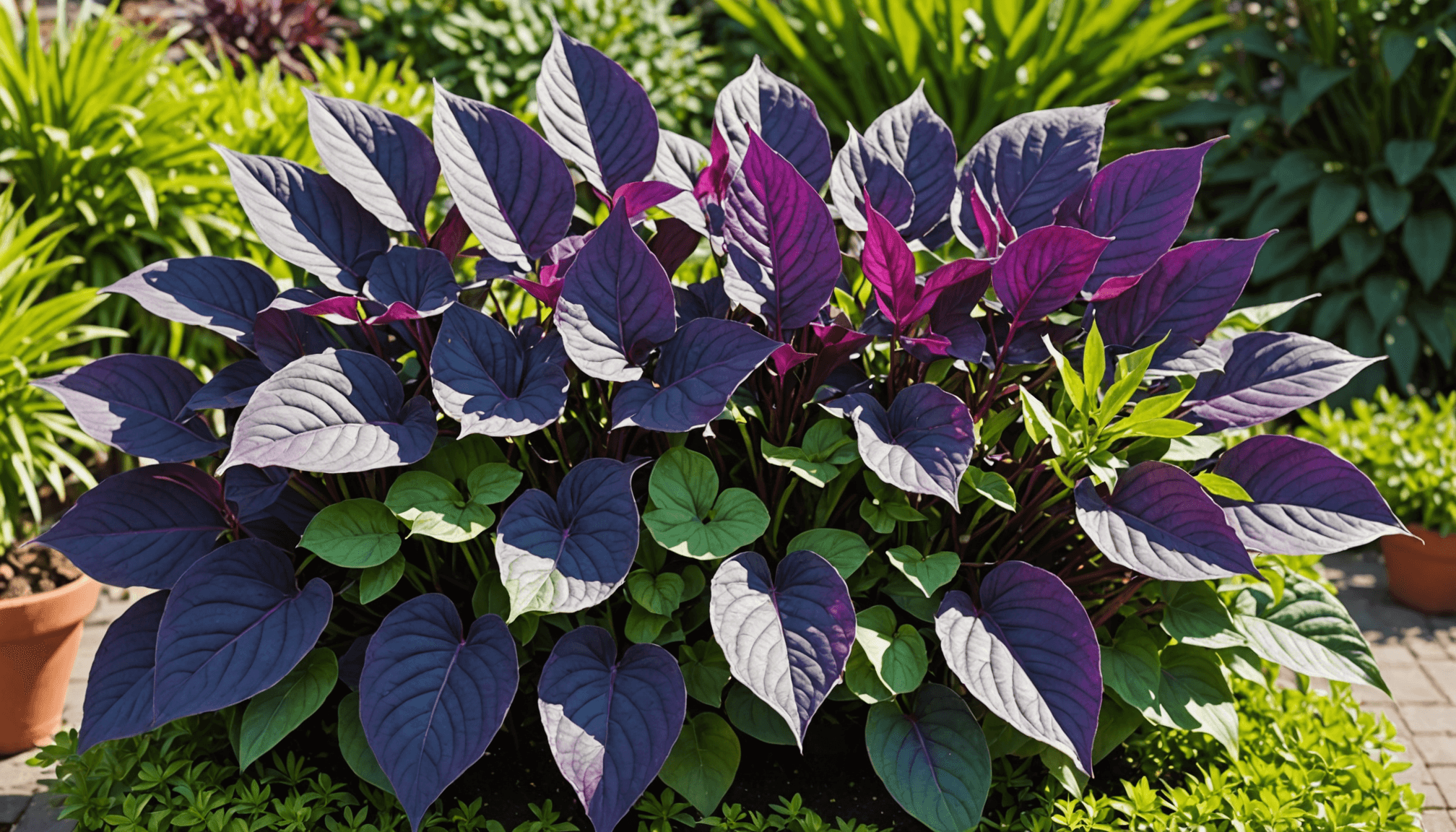
Nurseries play a crucial role in the delicate ecosystem of the rare plant market, acting as the gateways between consumers and these sought-after specimens. These specialized establishments serve not only to sell rare plants but to educate and inspire a community that values biodiversity and unique horticultural practices. Through their offerings, nurseries nurture a passion for gardening that extends beyond mere aesthetics, fostering a deeper understanding of the ecological significance of rare species.
One of the ways nurseries elevate their importance in the trade is by actively engaging with their customers. By hosting workshops, seminars, and plant care demonstrations, they create opportunities for learning and collaboration among plant enthusiasts. This educational aspect not only enhances customer knowledge about proper care and propagation techniques but also cultivates an appreciation for the surrounding ecology. Such initiatives empower customers to become informed advocates for the preservation of rare plants and can lead to a proactive community dedicated to supporting conservation efforts.
Moreover, nurseries often provide local and indigenous rare species, ensuring that their offerings reflect the unique biodiversity of regional ecosystems. This practice supports the conservation of local flora while appealing to customers who wish to integrate plants into their gardens that have historical and environmental significance. By prioritizing these native varieties, nurseries can effectively respond to customer demand for authenticity and sustainability in their gardening choices.
In addition to sourcing, nurseries play an integral role in the propagation of rare plants. Cultivating these species often requires specialized knowledge and methods, as their growth conditions can vary significantly from more common plants. By investing time and resources into mastering these requirements, nurseries can produce healthy, robust plants that are less likely to suffer from pests or diseases, thereby enhancing customer satisfaction.
The emotional connection that customers form with their plants is also facilitated by nurseries. Many shoppers develop bonds with specific varieties, often bringing them home for personal projects or gifting them to friends and family. This act of sharing rare plants can create a ripple effect, further spreading interest and fostering community among gardening enthusiasts. Nurseries that encourage these connections contribute to a larger ethos of plant appreciation, supporting gardeners in their personal quests to cultivate beauty and sustainability in their spaces.
In navigating the logistics of rare plant sales, nurseries also face the challenge of ensuring ethical sourcing and sustainability. For example, some nurseries partner with conservationists and other organizations focused on protecting endangered species. By adhering to ethical practices, they not only support a culture of responsible gardening but also build trust with their customer base, encouraging patrons to choose their offerings over others that may not prioritize sustainability.
With the increasing rise in demand for rare plants, nurseries have a profound opportunity to position themselves as champions of both community engagement and environmental stewardship. The relationship they forge with customers influences not only purchasing decisions but ultimately shapes the future of the rare plant market. By embracing their multifaceted role in this landscape, nurseries can inspire new generations of gardeners to seek out, cultivate, and protect our planet’s diversity.
- What defines a rare plant?
- A rare plant is typically defined by its limited availability, often due to specific habitat requirements or conservation status. These plants may be endangered or endemic to small geographic areas.
- Why are rare plants so expensive?
- Rare plants tend to be more expensive due to their limited availability, specialized care requirements, and the time and resources needed for propagation. Nurseries must carefully balance costs while maintaining quality for consumers.
- How can I care for rare plants at home?
- Caring for rare plants requires understanding their specific light, water, and soil needs. Regular monitoring for pests and ensuring the right environmental conditions can promote healthy growth and longevity.
- Where can I purchase rare plants?
- Rare plants can be found at specialized nurseries, online marketplaces, and through local plant societies or horticultural groups. Engaging with these communities can also lead to plant swaps or exchanges.
- Are rare plants suitable for beginners?
- While some rare plants can be challenging for beginners, there are species that are manageable with basic gardening skills. Researching specific needs and starting with easier varieties can build confidence.
- Can I grow rare plants indoors?
- Many rare plants can thrive indoors if provided with the right conditions, such as adequate light, humidity, and temperature. Be sure to tailor your indoor gardening setup to meet these specific needs.
- How do nurseries ensure the sustainability of rare plants?
- Many nurseries focus on ethical sourcing and responsible propagation practices. Collaborating with conservation organizations and prioritizing native species helps maintain ecological balance while meeting consumer demand.
Future Trends in Rare Plant Demand
As we look toward the future of rare plants, exciting trends are emerging that offer unique opportunities for both nurseries and plant enthusiasts alike. With the continuing interest in sustainable living and biodiversity, the rare plant market is set to evolve, driven primarily by consumer demand and a growing community of passionate gardeners.
One significant trend is the emphasis on locally sourced rare plants. Consumers are increasingly interested in supporting local nurseries that cultivate native rare species. These plants not only enhance local biodiversity but also contribute to the resilience of regional ecosystems. This shift towards valuing local flora means that nurseries must adapt their offerings to highlight the importance of these species, creating a direct connection between the plants, the consumers, and the environment.
Additionally, the rise of technology is transforming how nurseries operate and interact with customers. Online platforms are becoming essential for nurseries to showcase their rare plant offerings, allowing them to reach a broader audience. E-commerce websites and social media channels serve as valuable marketing tools, enabling nurseries to engage with a community eager to learn about and purchase rare plants. Incorporating detailed care guides and visual content can also enhance customer experience, helping potential buyers understand the value of each unique specimen.
Urban homesteading is another compelling trend influencing future demand for rare plants. As city dwellers seek to create green spaces in limited areas—balconies, rooftops, and smaller gardens—there is increasing interest in compact, rare plants that are not only visually appealing but also functional. These plants can serve dual purposes, such as air purification or culinary use, making them irresistible to modern gardeners looking for both style and substance.
Furthermore, there is a growing focus on the sustainability practices of nurseries. Consumers are becoming more informed and concerned about the environmental impact of their purchases. This shift in awareness drives demand for rare plants that are propagated ethically and sustainably. Nurseries that openly communicate their practices, such as using biodegradable pots or organic fertilizers, will likely attract a dedicated customer base that prioritizes environmental responsibility.
Finally, community engagement through plant swaps and workshops is likely to increase. As consumers become more interested in the stories behind rare plants and the experiences of fellow gardeners, nurseries can play a pivotal role in facilitating these interactions. Hosting events allows nurseries to not only sell plants but also create a vibrant community that shares knowledge and fosters a love for gardening.
The future of the rare plant market is shaped by a confluence of local sourcing, technological innovation, urban gardening, sustainability, and community collaboration. For nurseries, embracing these trends will not only enhance their customer offerings but also ensure they remain relevant in a dynamic market driven by passionate plant lovers. As these trends multiply, they promise a richer gardening experience for everyone involved, celebrating the beauty and uniqueness of rare plants.