

Participating in plant care workshops can transform the way you approach gardening and homesteading, offering a wealth of benefits that enhance both your skills and your connection to nature. These workshops provide a unique blend of education and community engagement, allowing participants to immerse themselves in the practical aspects of plant care while building relationships with fellow enthusiasts.
One of the primary advantages of attending a plant care workshop is the opportunity to learn from knowledgeable instructors. Whether you’re a beginner or an experienced gardener, these workshops often cover a range of topics, from basic plant care techniques to advanced propagation methods. This hands-on learning environment fosters understanding that goes beyond traditional nursery education, as you can observe techniques in real-time and ask questions tailored to your specific needs.
Moreover, workshops foster a sense of community among participants. Sharing experiences, challenges, and successes with others who share your passion creates a supportive network that can be invaluable for your homesteading journey. Consider starting or joining a local gardening club that organizes regular workshops, allowing you to meet new friends while deepening your knowledge.
Practical advice is a key component of these workshops. Here are some essential tips you might encounter:
- Soil Health: Understanding the importance of quality soil and its impact on plant growth is crucial. Workshops often emphasize the benefits of composting and soil amendments.
- Pest Management: Learn natural and effective methods for pest control that minimize harm to your plants and the environment.
- Plant Selection: Knowledge about selecting plants that thrive in your specific climate can lead to greater success in your gardening efforts.
Additionally, workshops often encourage sustainability practices, such as companion planting and integrated pest management. By implementing these strategies, you not only improve your gardening skills but also contribute positively to your local ecosystem.
Plant care workshops often serve as inspiration. Engaging with like-minded individuals and witnessing the diversity of plants and gardening techniques can spark new ideas and motivate you to take on fresh challenges in your own garden.
Key topics to cover in workshops
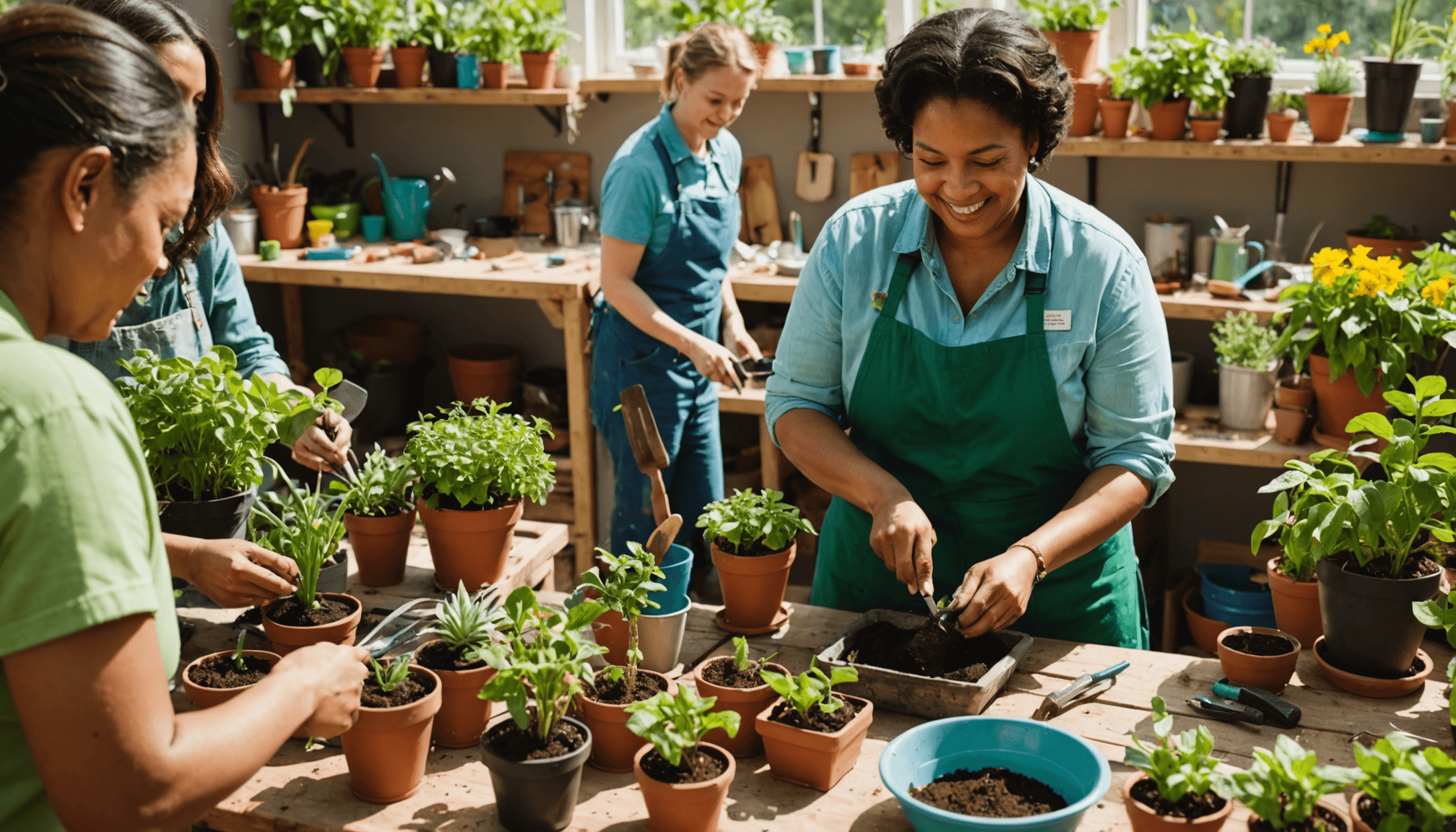 Workshops typically cover a wide range of essential topics that cater to both novice and seasoned plant enthusiasts. These subjects are designed to provide participants with hands-on experiences and in-depth knowledge, ensuring that they leave equipped with the tools necessary for successful plant care.
Key topics might include various aspects of plant health, such as:
| Topic | Description | Benefits |
|---|---|---|
| Soil Health | Exploration of soil composition, types, and the importance of nutrient-rich soil for thriving plants. | Improved plant growth and yields through better soil management practices. |
| Pest Management | Techniques for identifying common pests and implementing eco-friendly pest control methods. | Reduced pesticide use and healthier plants. |
| Plant Selection | Guidance on choosing plants that are suitable for specific climates, light conditions, and personal preferences. | Increased floriferousness and overall gardening success. |
| Propagation Techniques | Hands-on experience with methods such as cuttings, division, and seed starting to expand your plant collection. | Cost-effective way to grow more plants. |
| Indoor Gardening | Tips for caring for indoor plants, including optimal lighting, watering, and humidity management. | Enhanced indoor air quality and aesthetic appeal of living spaces. |
Workshops also emphasize the importance of organic practices and sustainability, encouraging participants to embrace environmentally responsible techniques. Topics such as composting, use of natural fertilizers, and organic gardening methods are frequently explored. These practices not only promote plant health but also offer a way to participate in a growing movement towards sustainable agriculture.
Another significant component of these workshops is the emphasis on seasonal plant care. Providing insights on what to plant when, how to prepare for different weather conditions, and what maintenance tasks should be prioritized at various times throughout the year ensures that participants are well-prepared to meet the challenges of gardening throughout the seasons.
Furthermore, workshops often incorporate innovative technologies in gardening, such as hydroponics and aquaponics. Educating participants about these modern methods expands their knowledge and opens up new possibilities for growing plants in limited spaces, which is particularly valuable for urban gardeners.
Overall, the comprehensive coverage of these key topics in plant care workshops enhances learning and creates an engaging atmosphere where participants can thrive. The diverse curriculum not only equips them with practical skills but also encourages a deeper appreciation for the art and science of gardening.
Engaging participants through interactive sessions
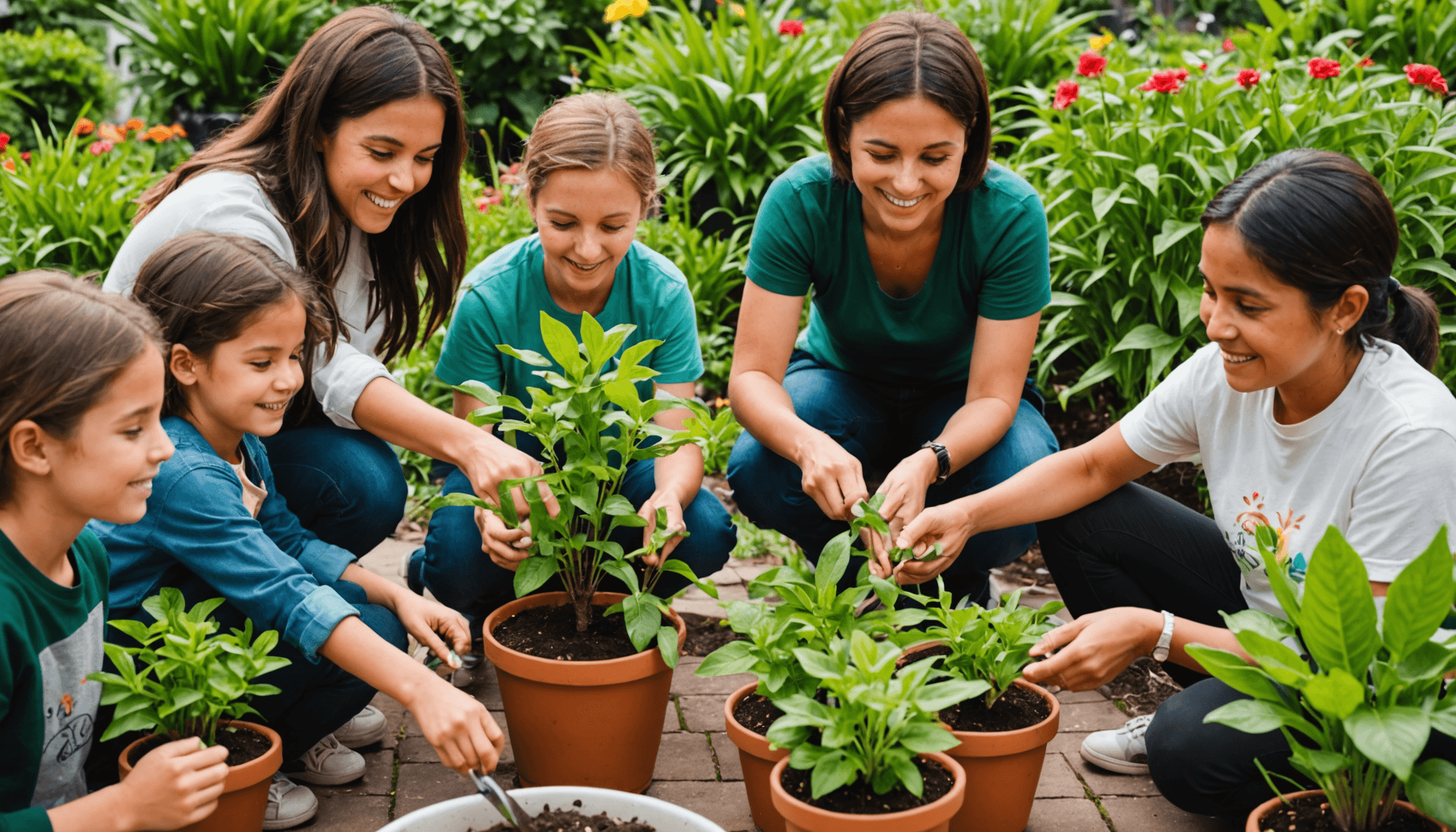
Engaging participants through interactive sessions is a crucial aspect of successful plant care workshops. By shifting from traditional lecture formats to more hands-on, participatory experiences, workshops can captivate attendees and foster a deeper connection to the material. Here are some effective strategies to create dynamic interactive sessions:
- Hands-On Demonstrations: Nothing beats learning by doing! Incorporate practical demonstrations where participants can try their hand at planting, pruning, or propagating plants. For example, if the workshop covers propagation techniques, provide opportunities for everyone to create their own plant cuttings to take home.
- Group Activities: Break out into small groups to tackle specific gardening tasks, such as constructing a compost bin or creating a mini herb garden. This not only promotes team-building but encourages sharing diverse ideas and approaches. Each group can present their creations, fostering a collaborative spirit.
- Live Q&A Sessions: Allow ample time for participants to ask questions throughout the workshop. Consider incorporating live polling or using platforms like Slido to gather questions in real time, which helps ensure that participant needs are addressed immediately.
- Interactive Technology: Use apps or tools that help engage participants in learning. For example, augmented reality (AR) apps can overlay information about plant species or care tips while they view the actual plants. This blend of technology and gardening can capture the interest of tech-savvy millennials.
- Plant Swap Events: Host a plant swap during a workshop, where participants can bring their plants, cuttings, or seeds to exchange. This not only builds community relationships but also allows participants to explore new plant varieties and care techniques.
- Visual Storytelling: Encourage participants to share their gardening stories or successes through visual presentations or social media. This could involve creating a scrapbook of before-and-after photos or sharing live updates on platforms like Instagram or TikTok to inspire others.
Furthermore, integrating storytelling into sessions can enhance engagement. Sharing anecdotes about challenges faced in plant care or successes can resonate with participants. For instance, narrating the journey of transforming a brown thumb into a green one can motivate attendees confronting their gardening hurdles.
To ensure that all participants remain engaged throughout the session, employ a mix of teaching techniques that cater to various learning styles—visual, auditory, and kinesthetic. Utilize colorful diagrams, verbal explanations, and tactile activities that make understanding plant care concepts easier and more enjoyable.
Lastly, feedback plays a pivotal role in enhancing future workshops. At the end of the session, encourage participants to share their experiences and suggestions through feedback forms or informal discussions. This not only demonstrates a commitment to improvement but helps tailor future workshops to better meet participant needs, ensuring that everyone walks away ready to embrace their next gardening adventure.
Marketing strategies to promote workshops
Promoting plant care workshops effectively requires a strategic blend of marketing tactics aimed at raising awareness and generating interest within the community. Utilizing a multi-channel approach can maximize outreach and ensure that potential participants are informed about the benefits of attending these workshops.
Social media platforms are powerful tools for promoting workshops. Engaging content, such as eye-catching graphics, videos of previous sessions, and testimonials from past attendees, can capture the attention of a wider audience. Scheduled live events where instructors provide sneak peeks of the workshop topics can also entice followers while encouraging them to share the content with their networks, further extending reach.
Community partnerships play a significant role in promoting workshops. Collaborating with local nurseries, gardening clubs, and even schools can help tap into existing relationships and audiences who are already interested in plant care. Cross-promotion through these partners can include displaying posters, distributing flyers, or co-hosting events that pique interest in the workshops.
Email marketing is another effective strategy. Sending targeted newsletters to existing customers or gardening enthusiasts can inform them about upcoming workshops, special discounts, or early registration opportunities. Personalized emails that highlight particular topics or even tailored plant care tips can entice recipients to participate.
In-person promotional efforts also contribute to workshop visibility. Setting up booths at local farmers’ markets, community fairs, or garden expos can allow direct interaction with potential participants, providing them with printed materials and a taste of what they can expect in the workshops. Additionally, offering free samples or mini-sessions on popular topics can showcase the value of the larger workshops.
Incentivizing sign-ups through early bird pricing or group discounts can further increase interest. These promotions not only encourage early registration but also foster a sense of community by encouraging friends or family to attend together, enhancing the collaborative spirit of gardening.
Lastly, using online platforms where participants can leave reviews, share experiences, and post photos from their workshop participation can create authentic word-of-mouth promotion. Highlighting participant success stories and establishing a community-driven space for discussion can significantly elevate the appeal of upcoming workshops to potential attendees.
“The best marketing doesn’t feel like marketing.” – Tom Fishburne
By implementing these diverse marketing strategies, organizers can effectively promote plant care workshops, ensuring they reach those eager to enhance their gardening skills and deepen their connections with nature.
Measuring customer engagement outcomes
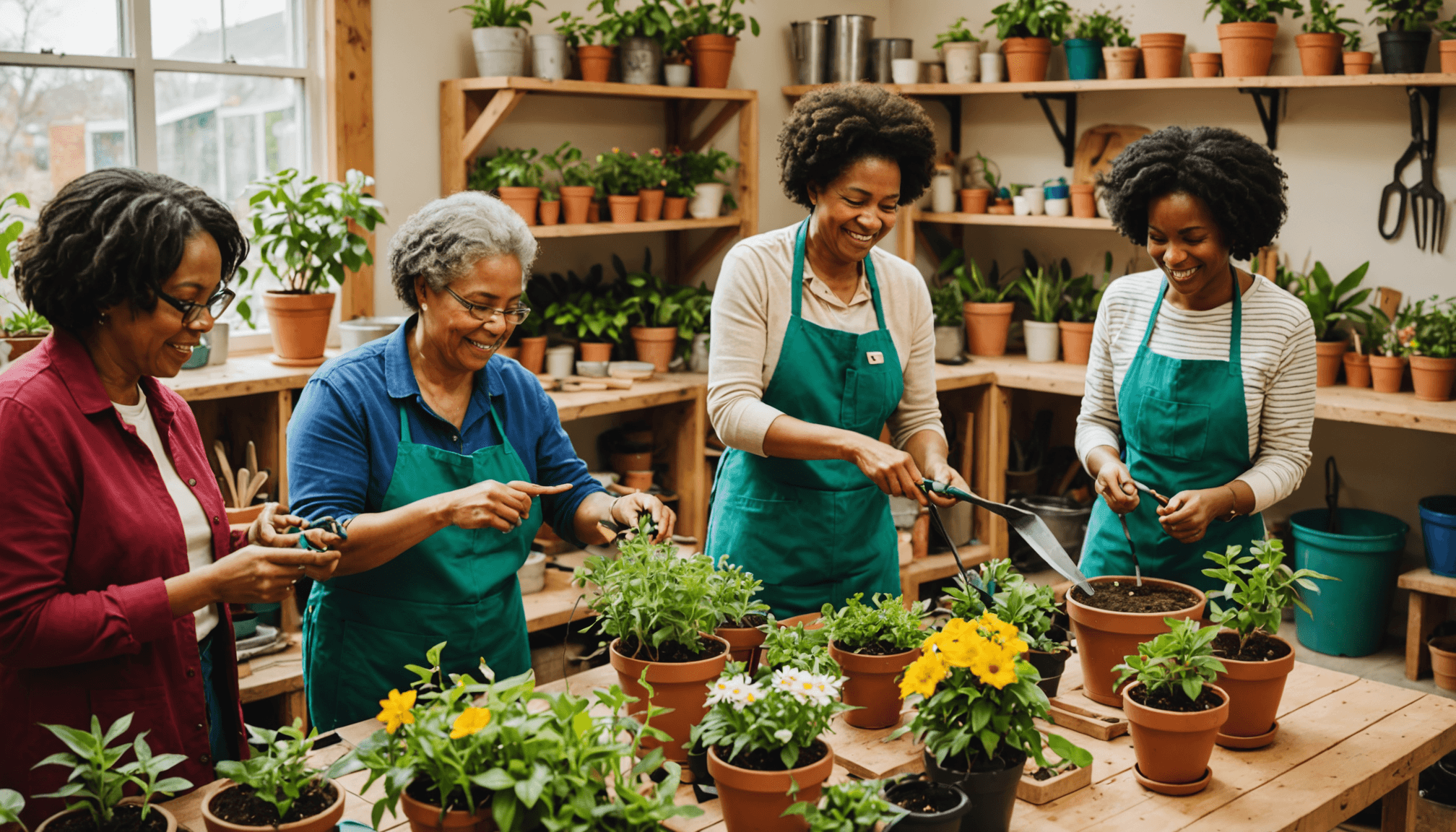
Measuring customer engagement outcomes is vital for determining the effectiveness of plant care workshops and understanding their impact on participants. Engaged customers are more likely to return for future workshops and share their experiences with others, thereby enhancing the overall success of the program. One key method of measuring engagement is through participant feedback surveys. Post-workshop surveys can provide valuable insights into what attendees found helpful, what they would like to see in future workshops, and how knowledgeable they felt the instructors were. Questions regarding their level of satisfaction and new insights gained can quantitatively and qualitatively assess the effectiveness of the workshop content.
Another useful strategy is to monitor attendance rates for successive workshops. A growing number of repeat participants can indicate that attendees found value in their initial experience, while a decline might signal the need for adjustments to topics or teaching methods. Analysis of participant demographics and behaviors also plays a crucial role; by understanding who is engaging with the workshops, organizers can tailor marketing efforts and content to meet the community’s needs more effectively.
Social media engagement is another metric to consider. Tracking likes, shares, comments, and use of specific hashtags related to the workshops can reveal how well participants are resonating with the material and how much they are willing to advocate for it within their own networks. High engagement levels often translate into rich conversations and a sense of community that supports ongoing participation.
Incorporating visual storytelling through participant-generated content, such as photos of their plant projects or personal garden success stories, provides a narrative that speaks volumes about workshop impact. This kind of engagement not only builds community but can serve as powerful testimonials that encourage future sign-ups.
Finally, involving participants in discussions about what educational topics they wish to cover next can instigate a sense of ownership over their learning journey, fostering greater involvement and investment in the workshops. This ongoing dialogue will not only help organizers improve their offerings but also sustain participant interest long-term.
- What are the benefits of attending plant care workshops?
- Attending plant care workshops offers hands-on learning from knowledgeable instructors, enhances your gardening skills, and helps build a supportive community among fellow plant enthusiasts.
- How can I help engage participants in a workshop?
- Engagement can be improved by incorporating hands-on activities, group tasks, live Q&A sessions, and interactive technologies that cater to various learning styles.
- What topics should be covered in plant care workshops?
- Essential topics for workshops include soil health, pest management, plant selection, propagation techniques, and seasonal plant care to ensure comprehensive learning.
- How can I promote my plant care workshop effectively?
- Utilize social media, community partnerships, email newsletters, and in-person events to reach a wider audience, along with incentives like early bird pricing to encourage sign-ups.
- What outcomes should I measure after a workshop?
- Key outcomes to measure include participant satisfaction, attendance rates, social media shares, and feedback on what they want to learn in future sessions.
- Why is participant feedback important?
- Feedback provides insights into what works well and areas needing improvement, allowing for the refinement of future workshops based on actual attendee experiences.
- How can I encourage participants to share their experiences?
- Encourage sharing by creating designated social media events or using specific hashtags, and consider hosting a plant swap or sharing platform that motivates participants to engage with one another.
Future trends in plant care education
The future of plant care education is bright, with numerous trends emerging that emphasize interactive learning, technology integration, and community involvement. As urban dwellers, families, millennials, and garden enthusiasts increasingly seek ways to connect with nature, the approach to plant care workshops is rapidly evolving to meet this demand.
One significant trend is the incorporation of virtual reality and augmented reality into plant care education. Imagine donning a VR headset and experiencing a virtual garden where you can practice planting, watering, and pest management techniques without the real-world consequences. Workshops that utilize these technologies can offer participants a risk-free environment for experimentation, making learning both engaging and memorable. For example, using AR apps during in-person sessions can enhance the experience by overlaying informative graphics directly onto the plants being discussed, allowing for a more immersive understanding of plant care principles.
Furthermore, the growing emphasis on sustainability is shaping the content of plant care workshops. Participants are increasingly interested in organic practices and methods that support biodiversity. Workshops might now include sections on building pollinator gardens or creating habitats for beneficial insects. This shift not only educates attendees about broader ecological impacts but also empowers them to make environmentally responsible choices in their own gardening practices.
Another noteworthy trend is the rise of community-supported education. Workshops are becoming more inclusive by collaborating with local organizations, schools, and health initiatives to promote gardening as a means to improve mental and physical well-being. Educators can partner with local health agencies to offer workshops focused on herbal plants and their medicinal benefits, providing participants with both plant care skills and knowledge about nutrition and wellness.
Additionally, the use of social media and online platforms for continued engagement is accelerating. Many workshops now extend their reach by hosting follow-up webinars or creating online communities where participants can share their progress, ask questions, and exchange tips. This ongoing connection not only reinforces the learning experience but also fosters a sense of belonging among participants. For instance, creating a dedicated online group for past attendees to share success stories, challenges, and plant care questions can keep the enthusiasm alive long after the workshop ends.
Lastly, the focus on customized, participant-driven content is shifting the landscape of plant care education. As workshop facilitators pay closer attention to the specific interests and needs of their attendees, they can tailor experiences more effectively. Participants can be encouraged to vote on topics they want covered in advance, ensuring that workshops address the most relevant issues. This approach not only enhances engagement but also ensures that participants leave with valuable insights that resonate with their personal gardening experiences.
As the world of plant care education continues to evolve, embracing these trends will not only enrich the experience for attendees but also contribute to a growing community of knowledgeable, engaged, and environmentally conscious gardeners. Crafting an engaging and responsive plant care education environment will undoubtedly result in happier greens and more vibrant communities.