

Aquaponics is a revolutionary fusion of aquaculture and hydroponics that offers urban dwellers a sustainable solution for food production, particularly in smaller spaces. This innovative approach allows you to cultivate both fish and plants symbiotically, maximizing space and resources while minimizing waste. Imagine your small patio or balcony transformed into a bountiful garden that provides fresh produce and protein.
By channeling water from fish tanks to nutrient-rich plants, you create a closed-loop system where fish waste fertilizes the plants, and the plants help to filter the water for the fish. This harmonious relationship not only promotes sustainability but also creates an exciting and interactive gardening experience.
For those looking to embrace homesteading in an urban environment, the first step is to understand what types of fish and plants are suitable for your environment. Tilapia, for example, are well-suited for aquaponics due to their rapid growth and hardiness, while leafy greens such as lettuce, herbs like basil, and even fruiting plants like tomatoes can flourish in such a system.
When setting up your aquaponics system, consider the following practical advice:
- Space Management: Utilize vertical gardening techniques to make the most of your available space. Grow towers or wall-mounted systems can create an aesthetically pleasing and productive garden even in tight areas.
- Water Quality: Invest in good filtration and aeration equipment to maintain optimal water quality. Monitoring pH levels and ammonia concentrations is crucial for the health of both your fish and plants.
- Crop Rotation: Plan your planting regimen to allow for rotation of crops for better yields. This practice can prevent depletion of nutrients and reduce pests and diseases.
- Community Connections: Connect with local gardening groups or online communities focused on aquaponics. Sharing your journey and learning from others can provide invaluable insights and support.
Whether you are a seasoned gardener or a beginner, aquaponics can provide an enriching experience that not only enhances your homesteading skills but also contributes to the sustainability of urban food movements. With careful planning and a splash of creativity, transforming your living area into a sustainable food source is not just possible; it’s a fulfilling adventure waiting to unfold.
Understanding Aquaponics Systems
Understanding the intricacies of aquaponics systems is essential for anyone interested in this sustainable farming method. At its core, aquaponics operates through a symbiotic relationship between aquatic animals, such as fish or shrimp, and plants, typically grown in a soilless medium. This system relies on a biological cycle where fish waste provides the organic nutrients that plants require for growth, while plants contribute to the purification of the water, ensuring a healthy environment for the fish.
There are several common types of aquaponics systems, each serving different needs and preferences. The two primary systems are media-based and nutrient film technique (NFT) systems. In media-based systems, plants are grown in a clay or gravel medium, which retains moisture and requires periodic flooding with nutrient-rich water. This method is advantageous for larger plants with extensive root systems. In contrast, NFT systems allow water to flow continuously over a sloped channel, delivering nutrients to the roots while ensuring they remain aerated. This setup is ideal for smaller, faster-growing crops like herbs and leafy greens.
Key components of an aquaponics system include:
- Fish Tank: This is the heart of the system where fish reside. The tank size may vary based on the scale of your operation, typically starting at around 50 gallons for small systems.
- Grow Bed: This is where plants are cultivated. Grow beds can be positioned above the fish tank or at a distance, with pipes connecting them for water circulation.
- Pump and Aeration System: A pump circulates water from the fish tank to the grow beds, while aeration devices ensure that the water is well-oxygenated, which is vital for both fish health and plant growth.
- Filtration System: Filtration is necessary to remove solid waste and maintain water quality, allowing beneficial bacteria to convert fish waste into nutrients accessible to plants.
To illustrate the differences in system types and their respective advantages, the following table outlines key features:
| System Type | Medium | Best For | Advantages |
|---|---|---|---|
| Media-Based | Clay pebbles, gravel | Larger plants | Better moisture retention, supports larger root systems |
| NFT | No medium or minimal | Herbs, leafy greens | Less water usage, faster growth rates |
Biological filtration is also a critical aspect of these systems, wherein beneficial bacteria convert toxic ammonia from fish waste into nitrates, which are usable by plants. It is important to establish an adequate colony of these bacteria before introducing fish and plants to the system. This process, known as cycling, can take several weeks and is monitored through regular testing of water parameters like ammonia, nitrite, and nitrate levels.
In essence, understanding how these systems function not only equips you with the knowledge to build and maintain your aquaponics garden effectively but also highlights the ecological balance that can be achieved through sustainable practices. By selecting the right type of system and components, you can create a thriving environment that fosters a unique union between aquaculture and agriculture, providing fresh food sustainably in limited spaces.
Benefits of Aquaponics for Small Spaces
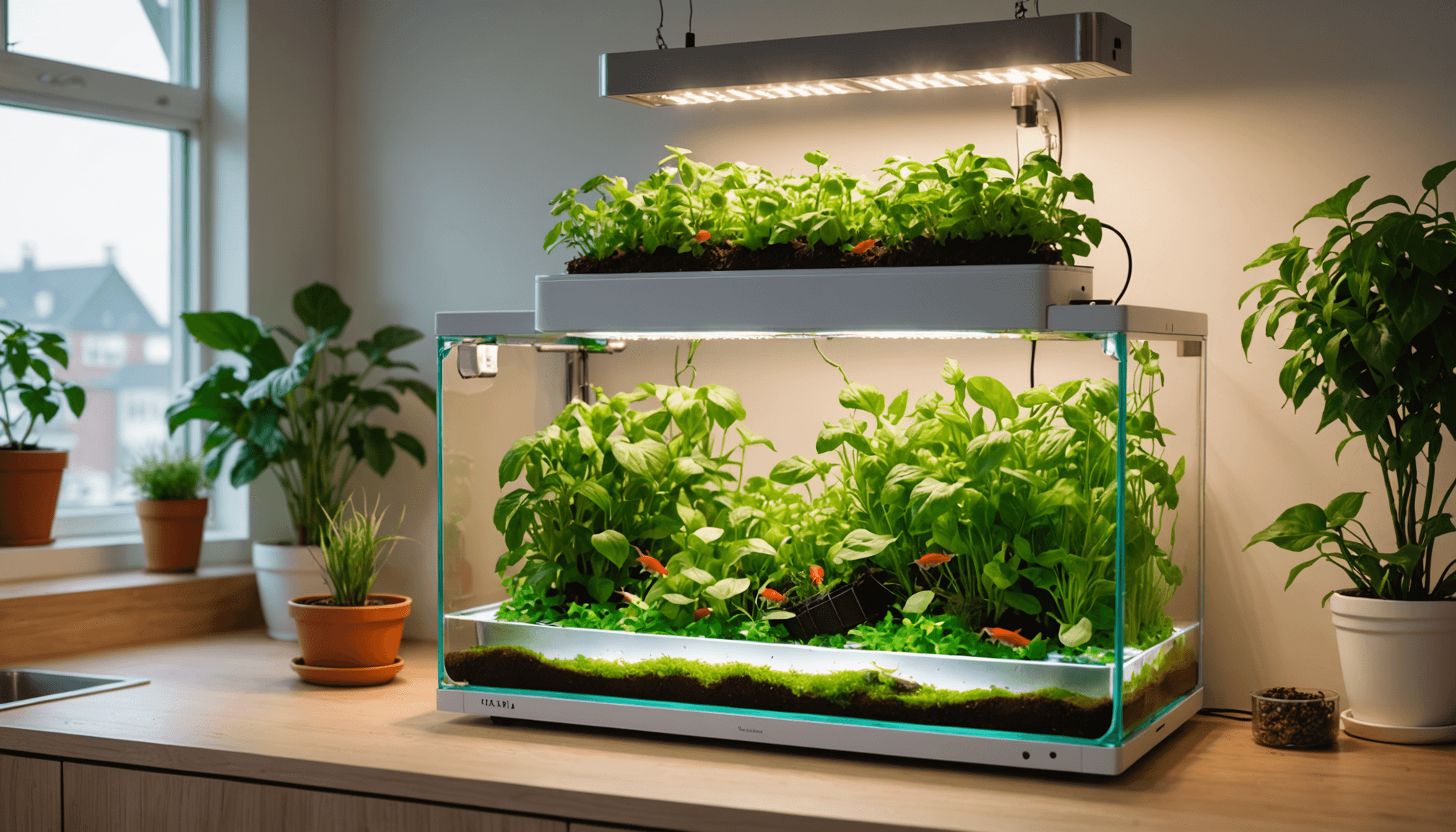
Aquaponics offers a multitude of benefits for those living in small spaces, making it an excellent choice for urban dwellers looking to integrate sustainable farming into their lives. One significant advantage is the ability to produce both fish and vegetables in a compact environment. This dual-production system not only maximizes your available space but also results in a continuous supply of fresh ingredients for your meals.
Another key benefit is the reduced need for synthetic fertilizers. The fish waste provides essential nutrients that promote plant growth, allowing you to grow nutrient-rich produce without harmful chemicals. This can lead to healthier eating habits for you and your family while reducing your environmental footprint.
Additionally, aquaponics systems are highly versatile and can be tailored to suit both indoor and outdoor living situations. For instance, a small indoor aquaponics setup can fit neatly in a corner of your kitchen, providing an ongoing source of fresh herbs and greens right at your fingertips. Meanwhile, a more extensive system on a balcony can yield larger quantities of vegetables and fish, ensuring you have plenty of food for your meals.
Cost-effectiveness is another notable benefit. Once established, aquaponics systems can significantly lower grocery bills, especially if you grow high-value crops such as herbs, tomatoes, and fish. Think about it: instead of buying these items from the store, you can cultivate them yourself right at home, thereby saving money and ensuring freshness.
Moreover, the educational component cannot be overlooked. By managing an aquaponics system, individuals and families can learn about ecosystems, sustainability, and responsible food production. Children, in particular, can benefit from hands-on experiences that teach environmental stewardship, all while watching their own little corner of the world thrive.
However, as with any gardening venture, there are considerations to keep in mind. It’s important to understand that aquaponics requires some initial investment for equipment such as pumps, grow beds, and fish tanks. Moreover, regular monitoring of water quality and fish health is essential for a successful system; this includes maintaining optimal pH levels and ensuring the proper balance of nutrients.
To get started, consider the following practical tips:
- Start Small: A modest system with a few fish and herbs can be a great introduction. As you gain confidence, you can expand your setup.
- Choose the Right Fish: Research which fish are best suited for aquaponics in your area. Considerations like climate and local regulations can affect your choices.
- Explore Companion Planting: Some plants grow better together. For example, basil pairs well with tomatoes and can help deter pests.
- Stay Informed: Join online forums or local gardening clubs that focus on aquaponics. Sharing experiences can provide you with troubleshooting tips and keep you motivated.
Embracing aquaponics in small spaces not only enhances your urban farming experience but also contributes to a more self-sufficient lifestyle. By understanding and utilizing the benefits this method offers, you can foster a closer connection to your food sources, all while enjoying the tangible rewards of your efforts.
Essential Components of an Aquaponics Setup
The essential components of an aquaponics setup are pivotal for ensuring a thriving ecosystem where both fish and plants can flourish. At the heart of this arrangement is the fish tank, which serves as the source of nutrients for the plants. Ideally, this tank can vary in size, starting as small as 50 gallons for compact systems, accommodating the needs of your fish species and the volume of water circulation required.
From the fish tank flows the nutrient-rich water to the grow bed, where plants are cultivated. The grow bed can be designed in various styles, including flood-and-drain systems or continuous flow systems, catering to different types of plants and available space. For individuals limited by vertical space, growing towers and wall-mounted beds present an innovative solution, allowing for maximum yield without overstepping physical boundaries.
A reliable pump and aeration system plays a crucial role in keeping the water moving efficiently. This system not only transports water but also oxygenates it, ensuring that both the fish and plant roots receive the necessary air supply. Fish thrive in well-aerated water, while plants benefit from the increased nutrient absorption afforded by the movement.
Equally important is a filtration system, critical for maintaining water clarity and quality. Solid waste removal and biological filtration ensure that harmful substances are broken down into nitrates that the plants can utilize. Beneficial bacteria populate the filtration media, converting the fish waste into plant food, enhancing the overall efficiency of the system. This biological balance is vital and requires monitoring to ensure optimal performance.
Another key element of an effective aquaponics setup is the incorporation of climate control mechanisms, especially in regions with temperature extremes. Depending on the local environment, heating or cooling units may be necessary to maintain the ideal temperature range for both fish and plants. Supplemental lighting can also aid in plant growth, especially during shorter days or in indoor settings.
Water quality is a cornerstone of success in aquaponics. Routine monitoring of parameters such as pH, ammonia, and nitrate levels informs system management, allowing adjustments to be made as needed. This process ensures a healthy environment for aquatic life while promoting robust plant growth.
Taking all of these components into consideration creates a balanced ecosystem that not only produces fresh food but also minimizes environmental impact. By understanding and successfully integrating these essential elements, aspiring aquaponic gardeners can establish a vibrant and productive system, making the most of their limited space.
“In aquaponics, you are not just growing food, you are cultivating a living ecosystem.” – Unknown
Tips for Successful Aquaponics Gardening
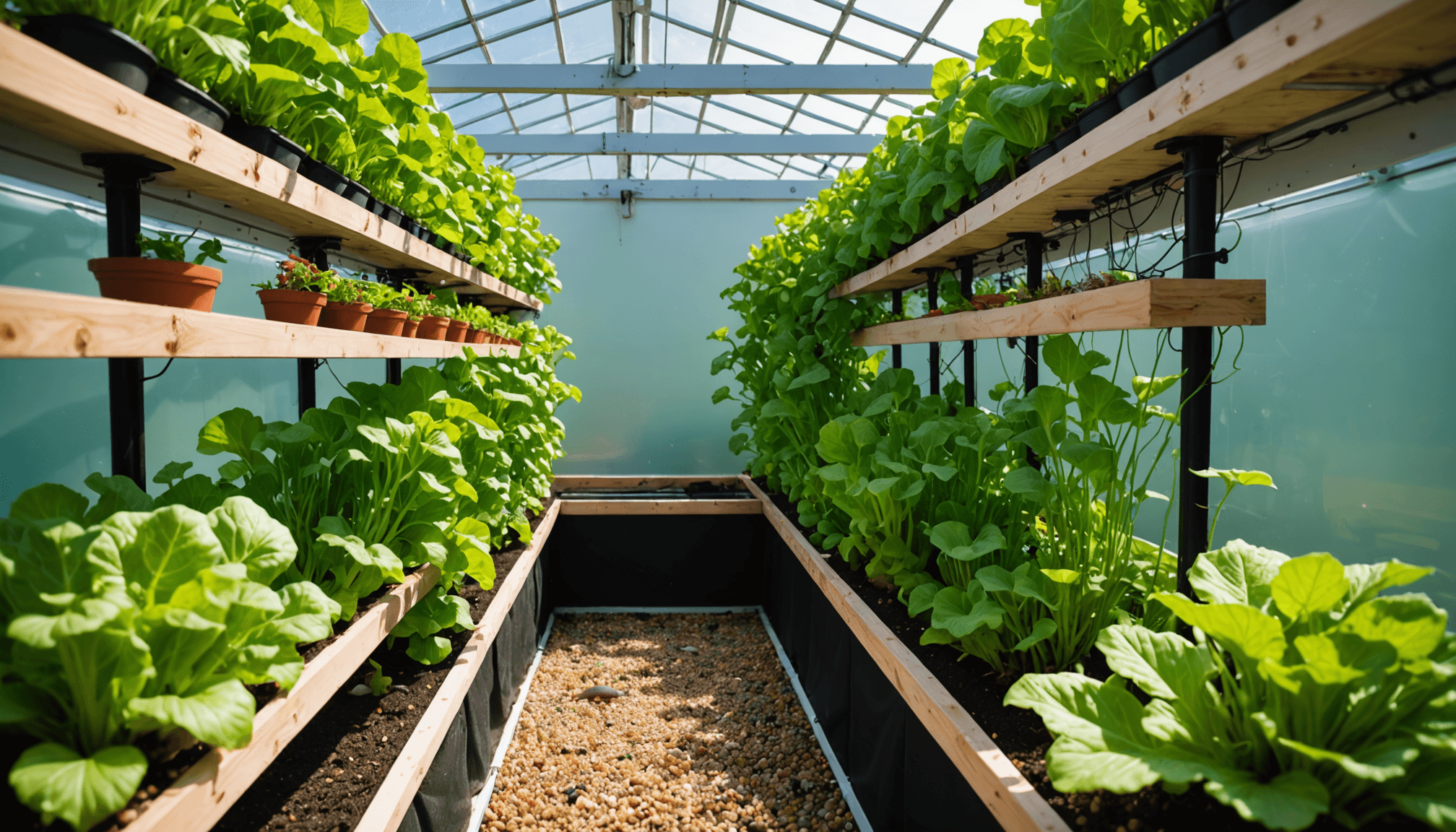
Successful aquaponics gardening hinges on a combination of planning, consistent care, and adaptation to the specific needs of your plants and fish. As you embark on this rewarding journey, focus on understanding each component’s role within your ecosystem and how they interact with one another. For optimal growth, anticipate the demands of each plant species, keeping in mind their light, nutrient, and water requirements; this foundational knowledge will empower you to make informed decisions tailored to your setup.
Adjust your maintenance practices according to the seasons and the unique microclimate of your space. In warmer months, for instance, plants may require more water and nutrients, while fish may thrive in slightly cooler temperatures. Monitoring water temperature and quality frequently will help maintain the balance necessary for your aquaponics system to flourish. Utilizing tools like water testing kits can simplify this process, letting you manage your environment effectively and sustainably.
Embrace experimentation in plant selection and layout. By conducting trials with various crops, you can learn which species adapt best to your conditions and create an even more efficient system. Planting crops with complementary growth behaviors—such as fast-growing greens alongside slower-maturing plants—can enhance productivity and create an aesthetically pleasing arrangement. Furthermore, don’t shy away from integrating companion planting principles that can naturally deter pests and boost yields.
Regularly engage with the aquaponics community, sharing experiences and challenges with fellow gardeners. This network can serve as a treasure trove of tips, tricks, and shared learnings from diverse environments, broadening your knowledge and inspiring new ideas. Additionally, literature and online resources can offer insights into advanced techniques like aquaponics automation and integration with other sustainable practices, consistently fueling your passion for this sustainable agricultural method.
- What is aquaponics?
- Aquaponics is a sustainable farming method that combines aquaculture (raising fish) and hydroponics (growing plants in water) in a symbiotic environment. Fish waste provides organic nutrients for plants, while plants help filter and purify the water for fish, creating a self-sustaining ecosystem.
- Can aquaponics be done in small spaces?
- Yes, aquaponics is highly adaptable to small spaces, such as balconies or patios. Compact systems like vertical gardens, grow towers, or indoor setups allow urban dwellers to grow both fish and vegetables without needing extensive outdoor areas.
- What types of fish are best for aquaponics?
- Tilapia is one of the most popular species for aquaponics due to its hardiness, rapid growth, and ability to thrive in various water conditions. Other suitable options include goldfish, catfish, and trout, depending on your climate and local regulations.
- What plants can I grow in an aquaponics system?
- A wide range of plants can be grown in aquaponics, including leafy greens like lettuce, herbs like basil and mint, and fruiting plants like tomatoes and strawberries. The selection often depends on your system’s design and environmental conditions.
- How much maintenance does an aquaponics system require?
- Maintenance varies but generally involves regular monitoring of water quality (pH, ammonia, nitrate levels), feeding the fish, checking the health of plants, and cleaning filters. With a little routine attention, your system can thrive with minimal ongoing effort.
- Is aquaponics environmentally friendly?
- Yes, aquaponics promotes sustainability by reducing the need for chemical fertilizers and conserving water compared to conventional farming. The closed-loop system minimizes waste, making it a greener alternative to traditional agricultural practices.
- How can I troubleshoot problems in my aquaponics system?
- Identifying issues like plant discoloration or fish health concerns often involves checking water quality first. If problems persist, researching specific symptoms or consulting with the aquaponics community can provide solutions. Keeping detailed records can also help in diagnosing recurring issues.
Future of Aquaponics in Urban Farming
The future of aquaponics in urban farming appears bright and promising, especially as more individuals and families search for sustainable and efficient methods to produce their food in limited spaces. With increasing awareness around food sourcing and the impacts of conventional agriculture, urban aquaponics stands at the forefront of a food revolution. The unique ability to grow both fish and plants in a compact ecosystem not only addresses food insecurity but also contributes to community resilience and self-sufficiency.
One significant trend is the integration of technology with aquaponics. Urban dwellers can now utilize smart gardening systems equipped with sensors and automated monitoring systems to keep track of water quality, nutrient levels, and even plant health over time. These advancements simplify maintenance and ensure optimal conditions for both fish and plants while providing valuable data to help users tweak their systems for improved yields. In fact, a variety of apps and devices have emerged, allowing you to connect with your garden from anywhere, making aquaponics not only sustainable but also tech-savvy.
As cities continue to expand, there’s a growing emphasis on utilizing rooftops and vacant lots for food production. Urban farms leveraging aquaponics can transform these areas into lush green spaces that not only minimize carbon footprints but also beautify neighborhoods. Community aquaponics initiatives can promote local stewardship, offering residents hands-on learning experiences about sustainable gardening while enhancing access to fresh food. Think of a communal aquaponics setup that brings people together, fostering connections as everyone collaborates to grow fish and vegetables while also learning the ins and outs of maintaining their system.
In addition to community efforts, aquaponics can also thrive in educational institutions. Schools and universities, recognizing the need for innovative agricultural education, are increasingly adopting aquaponics systems. These setups serve as practical laboratories where students can explore biology, chemistry, and environmental science, gaining firsthand experience about ecosystems and sustainable practices. This not only piques their interest in science but teaches future generations the importance of food sustainability and environmental consciousness.
The versatility of aquaponics systems also means they can adapt to a wide variety of urban environments. Whether you live in a high-rise apartment or a small home with limited outdoor space, there are aquaponics designs tailored to fit your needs. Vertical aquaponics systems allow for maximum production in minimum square footage, proving essential for urban farming. In this way, even if space is at a premium, families can still engage in growing their own food and enjoying the fruits of their labor.
It’s worth noting that as this field evolves, challenges related to regulation and local policies around urban agriculture may arise. Understanding governmental guidelines and engaging with local officials can help promote a smoother integration of aquaponics into urban settings. Advocacy for new policies that support urban aquaponics will be crucial in overcoming these hurdles, making it easier for enthusiasts to set up their systems and contribute to the local food economy.
Lastly, the public’s growing interest in healthy eating continues to drive the demand for fresh, local produce. The trend of farm-to-table dining underscores the importance of quality over quantity, and homegrown ingredients often take center stage in this movement. Urban aquaponics helps meet this demand, providing families with easy access to fresh, chemical-free fish and vegetables, all while embracing responsible consumption and reducing the overall carbon footprint associated with transporting food.
In essence, the future of aquaponics in urban farming is not just about producing food—it’s about creating a sustainable lifestyle that connects people with their food sources and fosters community relationships. By harnessing this innovative approach, urban dwellers can actively participate in the global movement towards a more sustainable, self-sufficient future, enriching their lives and their communities along the way.