
Starting your gardening journey requires the right toolkit to ensure success while striving for self-sufficiency. As a beginner gardener, equipping yourself with essential tools can transform your experience from daunting to delightful.
Here are the must-have tools that every novice gardener should consider keeping in their shed:
- Hand trowel: This is a small but mighty tool that helps with planting, transplanting, and breaking up soil. Choose one with a comfortable grip to minimize strain.
- Pruning shears: These are essential for maintaining healthy plants. Regular pruning encourages growth and prevents overcrowding.
- Garden fork: A garden fork is a versatile tool used for loosening soil as well as turning compost. Look for a sturdy design that can withstand tough soil.
- Watering can: A good watering can allows you to control the amount of water you give your plants, which is crucial for avoiding over-watering.
- Gloves: Protect your hands from blisters and dirt with a good pair of gloves. Look for ones that are breathable yet durable.
- Rake: A rake helps keep your garden tidy by clearing leaves and debris, ensuring a clean space for your plants to thrive.
- Seed trays or pots: Starting seedlings indoors or collecting cuttings requires a safe and nurturing space. Invest in quality trays or pots to give your plants a head start.
Proper maintenance of these tools is just as important as acquiring them. After each use, make sure to clean the tools to remove dirt and sap, as they can degrade the materials over time. Oiling metal parts can also prevent rust, extending their lifespan.
Moreover, if you’re aiming for a more sustainable living approach, consider tools made from environmentally friendly materials. For instance, bamboo handles for rakes and hoes are durable and minimize the use of plastics.
Starting your garden with the right tools not only enhances your gardening journey but also sets a solid foundation for achieving your goals of sustainable living and self-reliance. Remember, investing in quality tools saves you time and effort in the long run.
Choosing the right plants for your climate
Choosing the right plants for your climate is crucial to the success of your gardening efforts and can significantly impact your journey toward self-sufficiency. Understanding your local climate zones, seasonal variations, and specific soil conditions are key factors that influence which plants can thrive in your garden.
Before selecting plants, familiarize yourself with the USDA Plant Hardiness Zone Map, which categorizes regions based on average minimum winter temperatures. This will help you identify suitable plants that can withstand the climate of your region. Additionally, consider your local microclimates—variations in sunlight, wind, and moisture that can occur due to topography and surroundings. For example, sheltered areas tend to be warmer and can sustain different plants compared to open, windy spaces.
When planning your garden, it’s beneficial to choose a mix of native and adaptive species, as they are generally more resilient to local pests and diseases. Native plants are already adapted to your climate, require less irrigation, and support local wildlife, promoting a healthier ecosystem. Conversely, adaptive plants may offer greater variety and can be cultivated in less-than-ideal soil conditions.
Here’s a comparison table of various plant types suitable for different climate conditions, emphasizing their characteristics and benefits:
| Plant Type | Climate Suitability | Water Requirements | Benefits |
| Native Perennials | All regions (specific types for each zone) | Low | Low maintenance, support local wildlife |
| Herbs (e.g., basil, oregano) | Temperate climates | Moderate | Flavorful additions to meals, easy to grow |
| Vegetables (e.g., tomatoes, peppers) | Warm climates (zones 8-11) | Moderate to high | High yield, good for self-sufficiency |
| Succulents | Dry, arid regions | Very low | Minimal care, drought-resistant |
| Shade Tolerant Plants (e.g., ferns) | Cooler, shaded areas | Moderate | Enhances garden biodiversity in less sunny spots |
As you select plants, consider the growing conditions specific to your garden—sun exposure, soil type, and drainage. For instance, plants like tomatoes flourish in well-draining, nutrient-rich soil with full sun, while root vegetables prefer loose soil with ample moisture retention. Additionally, companion planting can enhance growth and reduce pest issues, thus supporting your efforts in sustainable living by minimizing the need for chemical interventions.
Ultimately, the right plant selection tailored to your climate not only cultivates a thriving garden but also contributes to a more sustainable future, where self-sufficiency becomes an attainable reality. A thoughtful approach to plant choice will reward you with bountiful yields and a vibrant, resilient ecosystem right in your backyard.
Soil preparation and enhancement strategies
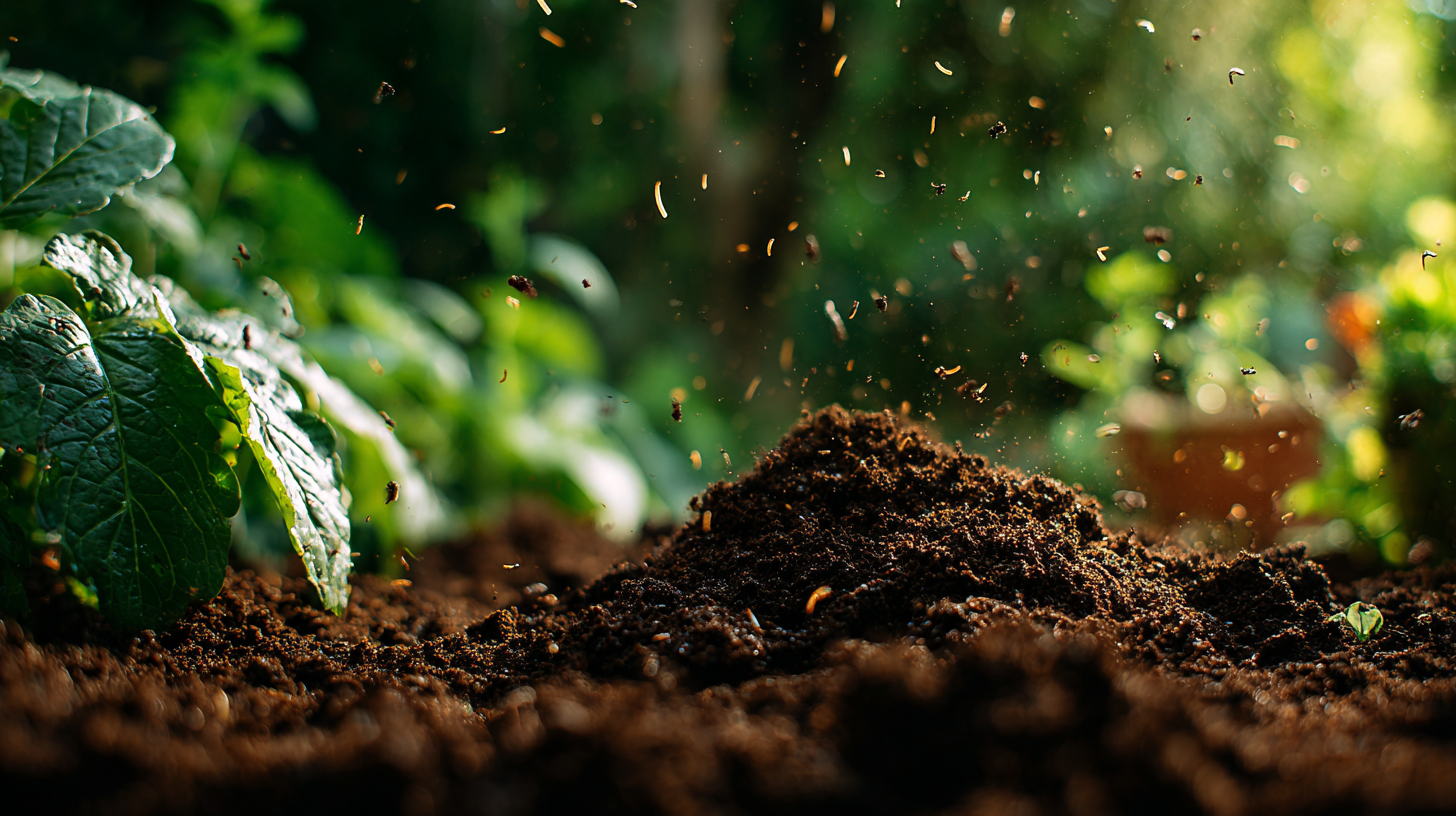
Soil is the foundation of any successful garden, and understanding how to prepare and enhance it is crucial for growing healthy plants that contribute to your journey toward self-sufficiency. Proper soil preparation not only improves plant growth but also fosters a healthy ecosystem in your garden.
First and foremost, it’s essential to conduct a soil test to assess pH levels and nutrient content. Home testing kits are widely available and are a simple way to get started. Based on your findings, you can amend your soil accordingly. For instance, if your soil is too acidic, adding lime can balance the pH, while sulfur can help if it’s too alkaline.
Once you understand your soil’s needs, consider implementing the following enhancement strategies:
- Organic matter: Incorporating organic matter like compost, aged manure, or leaf mold greatly improves soil structure, drainage, and nutrient-holding capacity. Aim for about a 3-inch layer mixed into your existing soil.
- Mulching: Applying mulch serves multiple purposes; it retains moisture, suppresses weeds, and adds organic matter as it breaks down. Using materials like straw, wood chips, or shredded leaves can enrich your soil over time.
- Cover crops: Planting cover crops, such as clover or vetch, during the off-season can prevent erosion, improve soil structure, and fix nitrogen, enriching your soil naturally. Make sure to till them into the soil before they flower for the best benefits.
- Tilling: While excessive tilling can disrupt soil structure, appropriately tilling your garden can help incorporate amendments and aerate the soil. It’s best done when the soil is slightly moist to avoid compaction.
Working on the physical characteristics of your soil is just as important. If you have heavy clay soil, you can amend it with sand and organic matter to improve drainage. For sandy soils, adding compost will help retain moisture and nutrients. Making these adjustments allows for more effective water retention, which is essential for sustainable gardening.
Pay attention to the soil life as well. A healthy soil ecosystem includes beneficial organisms such as earthworms, fungi, and bacteria, which all play vital roles in nutrient cycling and plant health. To encourage these organisms, minimize pesticide use and consider using organic pest management strategies, which enhances your soil’s biodiversity.
Finally, practice crop rotation. This technique involves changing the types of plants grown in a specific area each season to prevent nutrient depletion and limit pest buildup. For instance, follow legumes with leafy greens, as legumes can enrich the soil with nitrogen that leafy greens utilize for robust growth.
By investing your efforts into soil preparation and enhancement strategies, you lay the groundwork for a flourishing garden that supports your goals of sustainable living and resiliency. Healthy soil fosters healthy plants, leading to bountiful harvests and a gratifying homesteading experience.
Efficient watering techniques for sustainability
Efficient watering is a cornerstone of successful gardening, particularly for those pursuing self-sufficiency. Adopting sustainable practices with regards to water management can significantly enhance the health of your plants while conserving this precious resource.
One effective method is to implement a drip irrigation system. This technique delivers water directly to the root zone of plants, minimizing evaporation and runoff. Drip systems can be easily customized to fit the layout of your garden and can be automated with timers to ensure that your plants receive consistent moisture throughout the growing season. For gardeners concerned about water usage, these systems are particularly beneficial as they reduce overall consumption compared to traditional overhead watering methods.
Additionally, consider rainwater harvesting as a sustainable solution. By setting up rain barrels to collect runoff from your roof, you can create a natural reservoir to draw from during dry spells. This not only lessens the demand on municipal water supplies but also allows you to utilize naturally filtered water that is often cooler and healthier for your plants. Ensure your collection system is properly maintained to prevent mosquito breeding and contamination.
“Conserve water, conserve life.” – Unknown
When it comes to the timing of watering, early mornings are ideal. Watering in the early hours allows plants to absorb moisture before the heat of the day causes the water to evaporate. It also minimizes the likelihood of fungal diseases that can arise from moisture sitting on leaves for too long. If mornings aren’t feasible, watering in the late afternoon can work as well, provided it’s done early enough to allow foliage to dry before nightfall.
Mulching your garden beds is another strategy that promotes water efficiency. A thick layer of mulch—made from organic materials like wood chips, straw, or grass clippings—helps retain moisture in the soil, reduces the need for frequent watering, and even suppresses weeds that compete for water and nutrients. Over time, mulched materials break down, enriching the soil and further enhancing its moisture-retaining properties.
Monitoring your plants closely will also inform your watering practices. Understanding the specific moisture needs of your plants ensures you provide them with just the right amount of water. Use your finger to check soil moisture; if the top two inches of soil feel dry, it’s time to water. Alternatively, using a moisture meter can offer more precise readings, especially for larger or more complex gardens.
Consider employing companion planting, where certain plants are grown together to optimize water usage and promote healthy growth. Some plants may shade others, reducing evaporation, or they may have differing root depths that allow for more efficient water uptake. Finding the right combinations can not only maximize your garden’s productivity but also enhance your self-sufficiency goals by ensuring a healthier ecosystem in your garden.
Pest management and organic solutions
Pest management is a critical aspect of achieving a thriving garden that leans on organic practices to promote sustainability and foster self-sufficiency. Natural pest control offers a healthier approach by minimizing chemical use, enhancing soil health, and promoting biodiversity among your plants and the ecosystem. Understanding the pest dynamics in your garden allows you to respond proactively rather than reactively, creating a balance where plants, beneficial insects, and other organisms coexist harmoniously.
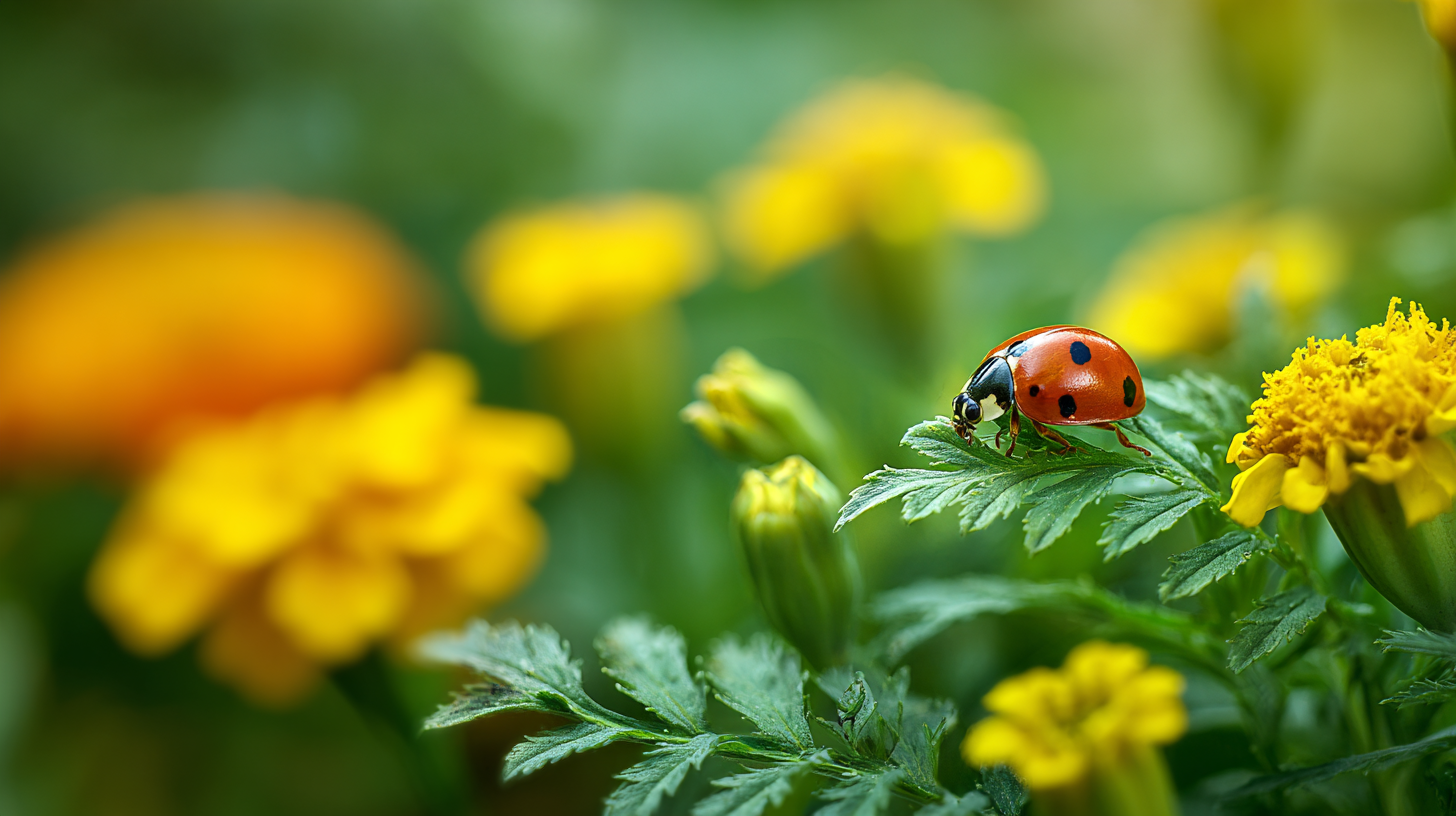
One of the foundational strategies is to encourage beneficial insects, often called “good bugs,” that naturally prey on harmful pests. Ladybugs, lacewings, and predatory wasps are excellent allies in your fight against aphids, caterpillars, and other destructive insects. Planting flowers like marigolds, borage, and dill can attract these beneficial insects, encouraging them to take residence in your garden. It’s a beautiful cycle: supporting beneficial life ensures your plants are less susceptible to pest infestations, reducing the need for chemical interventions.
Another organic solution lies in the use of physical barriers. Row covers, netting, and cloches are effective ways to protect your plants from pests while still allowing sunlight and moisture through. These barriers can deter not only insects but also larger animals that may view your garden as a buffet. Additionally, employing traps made from simple everyday items can manage pest populations effectively without reliance on chemicals. For example, yellow sticky traps can capture flying insects, while homemade traps can draw in snails and slugs.
Moreover, resilience and adaptability are key components of organic pest management. Rotate crops annually to prevent pests and diseases associated with specific plants from taking hold in your soil. Companion planting is another great tactic, as some plants can repel pests naturally or can confuse pests with their strong scents. For instance, interplanting garlic among roses can fend off aphids, providing both protection and a nutrient benefit to your garden.
Natural repellents, such as neem oil, insecticidal soaps, and diatomaceous earth, are excellent organic alternatives to chemical pesticides. They work by disrupting the lifecycle of pests or creating an inhospitable environment for them. These products are typically safe for the beneficial insects you encourage, but it’s always wise to test on a small scale before widespread application. Be vigilant and observant—monitor your plants for any signs of pest activity so you can address issues promptly before they escalate.
Finally, fostering a diverse planting scheme creates a vibrant ecosystem that can withstand pest pressures. Monocultures, where a single crop type dominates, often become breeding grounds for pests due to their specific vulnerabilities. In contrast, a garden filled with various plants can confuse pests and minimize the impact of any one pest species. Consider incorporating herbs, flowers, and vegetables that complement each other in a symbiotic environment, thereby enhancing the overall health and productivity of your garden.
- What are organic pest management strategies?
- Organic pest management strategies include encouraging beneficial insects, using physical barriers, crop rotation, and companion planting. These methods help control pest populations naturally while supporting the health of your garden ecosystem.
- How can I attract beneficial insects to my garden?
- Planting diverse flowers such as marigolds, dill, and borage can attract beneficial insects like ladybugs and lacewings. Providing a habitat that includes varied flowering plants promotes their residency and contributes to natural pest control.
- What are some natural repellents for pests?
- Neem oil, insecticidal soap, and diatomaceous earth are popular natural repellents. These products disrupt pest lifecycles or create unfavorable environments, usually without harming beneficial insects.
- How does crop rotation help with pest management?
- Crop rotation helps prevent pests and diseases associated with specific plants from establishing in the soil. By alternating plant families across seasons, you disrupt pest lifecycles and promote healthier soil and plants.
- What are some physical barriers I can use in my garden?
- Row covers, netting, and cloches serve as physical barriers against pests while allowing air and light through. They can effectively protect plants from insects and larger pests.
- What is companion planting?
- Companion planting involves growing different plants together to benefit each other, such as repelling pests or enhancing growth. For example, planting garlic with roses can help keep aphids at bay.
- How can I monitor pest activity in my garden?
- Regularly inspecting your plants for signs of pest damage, such as holes in leaves or sticky residue, is essential. Maintaining a routine observation schedule can help you catch pest issues early, allowing for prompt intervention.
Harvesting tips for maximum yield
Harvesting is the rewarding culmination of your gardening efforts, and doing it effectively can significantly enhance your yield and maintain the health of your plants. Understanding when and how to harvest not only ensures the best flavor and quality but also sets the stage for continued growth and potentially larger harvests in subsequent cycles.
Timing is one of the most critical aspects of successful harvesting. Each plant species has its own indicators that signify readiness, which often relates to size, color, and texture. For example, tomatoes are best picked when they are fully colored and slightly soft to the touch, while leafy greens should be harvested when they are tender and young, typically before the leaves are fully mature. Be sure to research the specific harvesting techniques for the plants you cultivate to ensure you’re picking at the right time.
Consider utilizing a few simple tools to make your harvesting process more efficient:
- Sharp garden shears or scissors: A good pair of shears is invaluable. Keep them sharp for clean cuts that can help prevent damage to the plant and reduce the risk of disease.
- Baskets or containers: Use baskets or containers that provide good airflow to store your freshly harvested produce, allowing them to breathe and reducing the chance of spoilage.
- Labels: If you plan to harvest a variety of crops at once, especially herbs, consider labeling the containers to keep everything organized and ensure nothing goes to waste.
Once you begin to harvest, practice gentle handling methods. Being too rough with fresh produce can bruise or damage it, leading to premature decay. Moreover, during the harvesting process, remain observant for any signs of pests or disease so that you can address issues before they affect your remaining crops.
To extend the life of your harvest, consider timing your picking for early mornings or late afternoons when temperatures are cooler. Cooler temperatures help preserve the freshness and quality of your produce. Additionally, if you have crops like lettuce or spinach, giving them a quick rinse before storing will help, but be cautious—ensuring they dry completely before storage minimizes the risk of rot.
Post-harvest, experimentation can lead to great discoveries in how to utilize your bounty. Use your fresh produce in a variety of ways, such as pickling, canning, or drying to create year-round supplies. For example, learn how to turn excess tomatoes into homemade sauces or how to preserve herbs by drying them for later use. Engaging in these practices not only helps with food preservation but also contributes to a more sustainable living approach as you minimize waste.
Finally, consider practicing staggered harvesting techniques for crops like carrots or radishes. By sowing seeds at different intervals, you can harvest gradually over a longer season. This technique not only prevents crop overload at one time but also provides a continual supply of fresh produce, enhancing your journey toward self-sufficiency.
Ultimately, being mindful of your harvesting techniques can significantly affect your yields and the sustainability of your garden. Harvest wisely, and you’ll reap the benefits of your hard work well beyond the initial picking!