
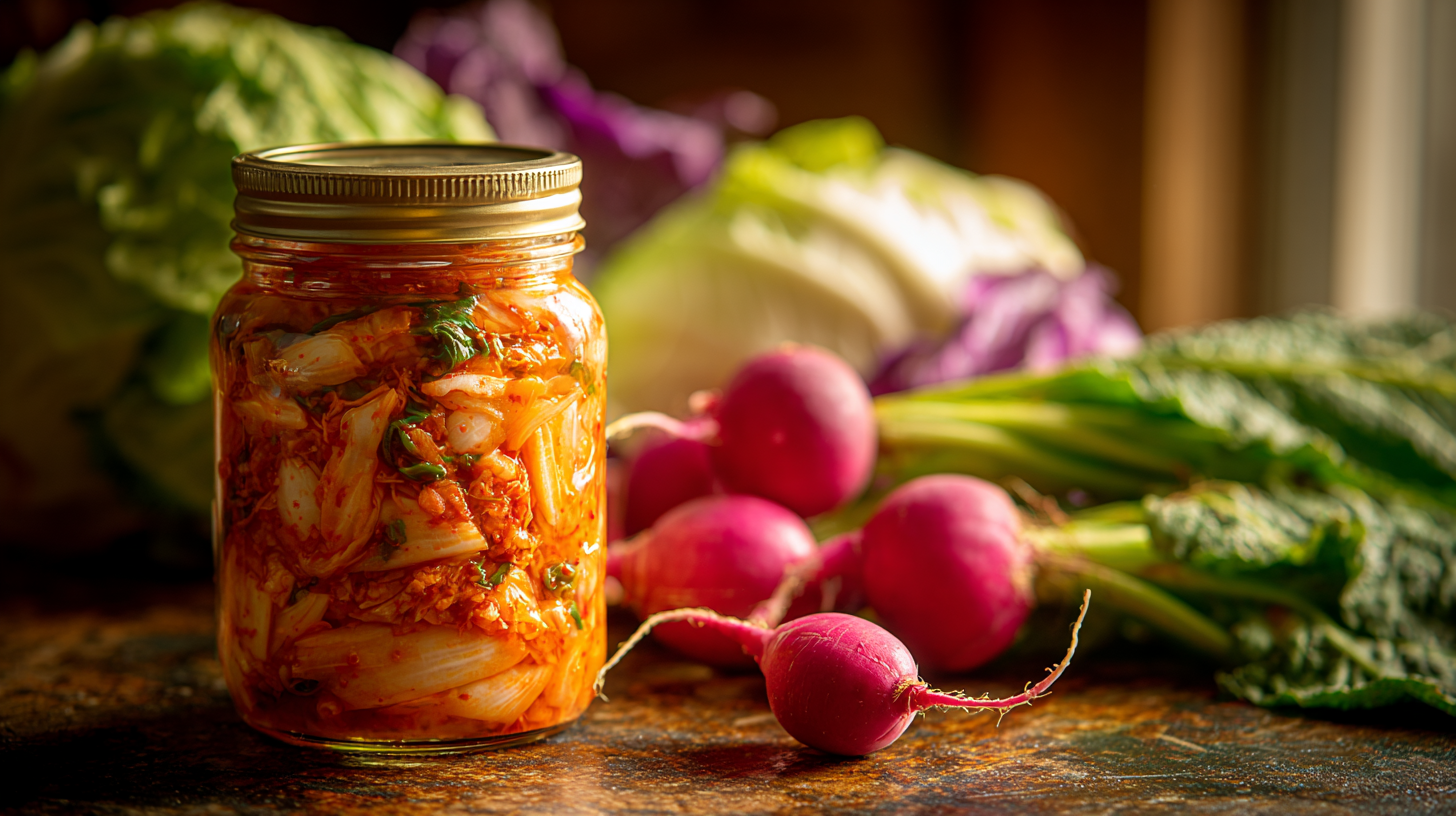
Understanding the science behind fermentation can open up a whole new world of self-sufficiency and food preservation for homesteaders and urban dwellers alike. At its core, fermentation is a natural metabolic process that converts sugars into acids, gases, or alcohol, thanks to the action of microorganisms like bacteria, yeasts, and molds. This process not only enhances the flavors of foods but also extends their shelf life significantly.
When you engage in fermentation, you’re creating an environment conducive to beneficial microorganisms while inhibiting the growth of harmful bacteria. For example, the transformation of cabbage into sauerkraut involves lactic acid bacteria that thrive in salty conditions, lowering the pH and preserving the food while also giving it that distinctive tangy taste.
To kickstart your fermentation journey, it’s essential to consider a few key factors:
- Temperature: Most fermentation processes occur best at room temperature, typically between 68°F to 72°F (20°C to 22°C). Lower temperatures can slow down the process, while higher ones may kill off your beneficial bacteria.
- Salt Concentration: The amount of salt can affect fermentation speed and flavor. A general rule of thumb for vegetables is to use about 2-3% salt by weight. Experiment to find the balance that suits your palate.
- Oxygen Levels: Aerobic fermentation requires oxygen, as seen in some types of vinegar making, while anaerobic fermentation, like in sauerkraut and kimchi, requires an oxygen-free environment to thrive.
Equipped with proper knowledge and attention to detail, you can leverage fermentation to create various delicious staples for your self-sufficient diet. Remember that hygiene is crucial! Clean all your equipment thoroughly to avoid contamination, which could spoil your batch.
Consider starting with easy projects like fermenting vegetables or making yogurt at home. These initial successes can build your confidence, leading you to explore more complex ferments like kombucha or sourdough bread, furthering your journey towards self-sufficiency.
Ultimately, the journey of fermentation is not only about food preservation; it’s also a celebration of flavors and nutrition that can unite families around the kitchen table. By understanding the science of fermentation, you’re taking a significant step toward enhancing your homesteading lifestyle.
Types of fermented foods
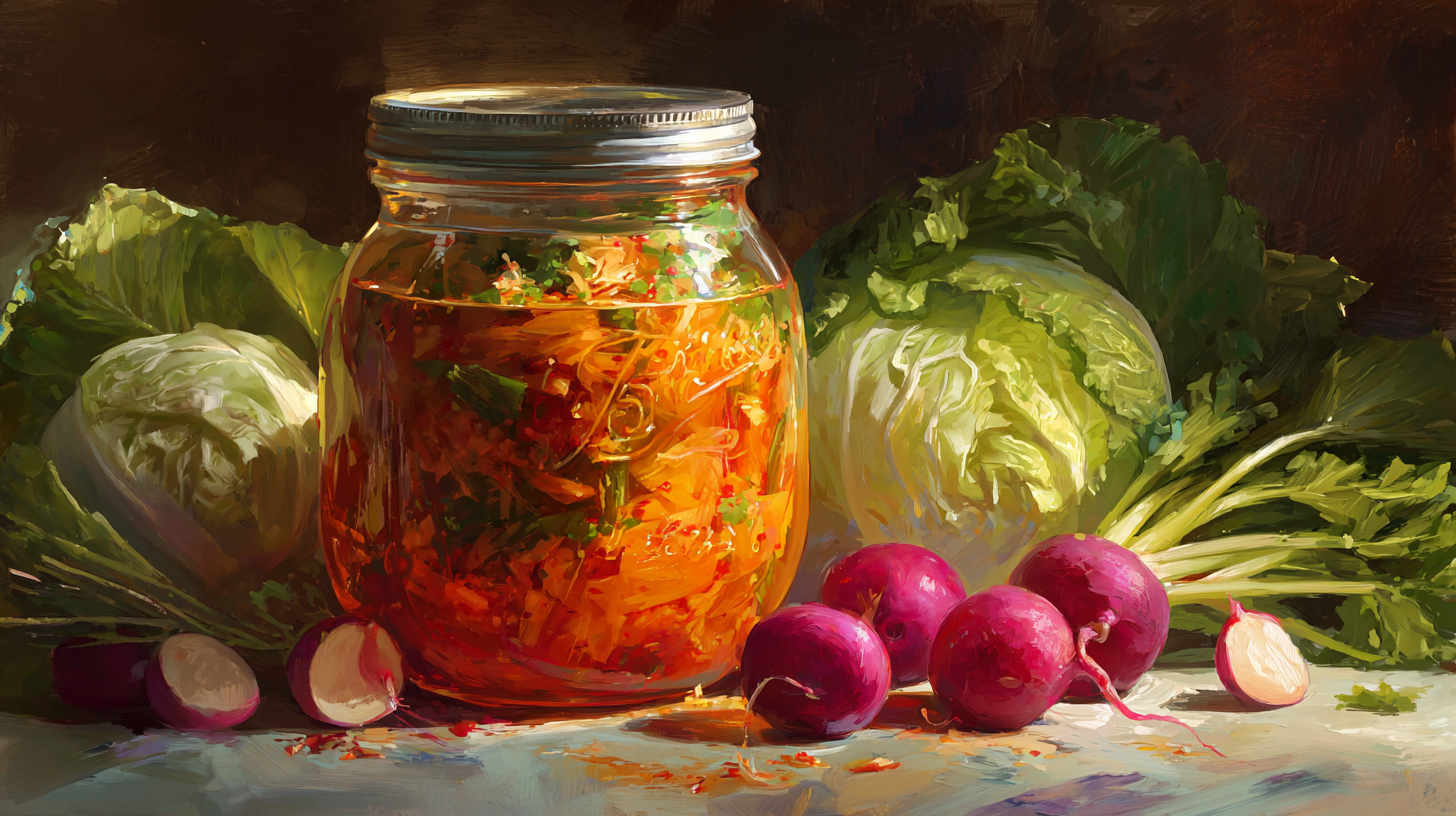
Fermented foods are diverse and span cultures around the world, each with unique flavors, textures, and methods of preparation. This variety offers not only a gastronomic adventure but also a broad spectrum of health benefits and preservation techniques. Here are some notable types of fermented foods you might consider incorporating into your self-sufficient diet:
| Type of Fermented Food | Main Ingredients | Fermentation Process | Common Uses |
|---|---|---|---|
| Sauerkraut | Cabbage, salt | Natural fermentation using lactic acid bacteria | Side dish, topping for meats, in sandwiches |
| Kefir | Milk or water, kefir grains | Fermentation by yeast and bacteria in grains | Beverage, smoothie base, salad dressing |
| Kombucha | Tea, sugar, SCOBY (symbiotic culture of bacteria and yeast) | Fermentation involving the SCOBY | Health drink, flavoring agent |
| Kimchi | Napa cabbage, radish, spices, salt | Fermentation after mixing vegetables with salt and spices | Side dish, in rice bowls, as a condiment |
| Miso | Fermented soybeans, salt, koji | Fermentation using koji mold | Soup base, marinade, flavor enhancer |
| Tempeh | Fermented soybeans | Controlled fermentation with Rhizopus mold | Main dish, protein source in various cuisines |
These fermented foods showcase the remarkable range of flavors and textures that can be achieved through fermentation. Each type brings its character and nutritional profile. For example, sauerkraut and kimchi are rich in probiotics, which support gut health, while kefir and kombucha provide an array of beneficial yeasts and bacteria. Miso and tempeh are not only protein-rich but also offer the umami flavor that enhances countless dishes.
The methods of fermentation can vary, but they all hinge on creating a controlled environment where beneficial microorganisms can thrive. Ingredients may differ, yet the essence of fermentation remains the same—transforming basic ingredients into flavorful, nutrient-dense foods that align with principles of self-sufficiency and food preservation. Integrating these options into your diet can enhance both your health and culinary repertoire.
As you experiment with various types of fermented foods, consider documenting your fermentation journey. This practice will help you refine your techniques and preferences, reinforcing your knowledge of fermentation processes and leading to greater self-sufficiency in your cooking and food preparation endeavors.
Health benefits of fermentation
The benefits of incorporating fermented foods into your diet extend far beyond mere taste; they play a vital role in enhanced nutrition and can be a cornerstone of self-sufficient living. Fermentation fosters the growth of beneficial bacteria, which can significantly improve digestive health. Consuming these foods regularly can introduce a wealth of probiotics into your gut, promoting a balanced microbiome that aids digestion and strengthens your immune system.
Additionally, many fermented foods are nutrient-dense—rich in vitamins, minerals, and enzymes that can enhance your overall well-being. For instance, fermented dairy products like yogurt and kefir are not only sources of calcium and protein but also contain B vitamins that support energy metabolism. Meanwhile, fermented vegetables like sauerkraut and kimchi boast increased vitamin C levels compared to their non-fermented counterparts, as the fermentation process can enhance nutrient availability.
One of the standout advantages of fermentation is its role in food preservation. By fermenting foods, you create a method of extending their shelf life without relying on refrigeration. This can be especially beneficial for homesteaders aiming to reduce waste and maximize their harvests. For example, a simple batch of pickled cucumbers can last for several months when fermented properly, ensuring that you enjoy the fruits of your labor long after the growing season has ended.
When you embrace fermentation, you’re also crafting your food experience, welcoming an exciting array of flavors. Imagine the zing of homemade kimchi as it complements a hearty stew or the refreshing taste of kombucha on a warm day. Each bite or sip becomes a testament to your commitment to self-sufficiency and culinary creativity.
To make the most of these health benefits, consider starting a routine that includes a variety of fermented foods in your meals. Here are some practical tips:
- Integrate slowly: If you’re new to fermented foods, begin by incorporating small amounts into your meals, allowing your body to adjust to the new flavors and probiotics.
- Rotate your ferments: Trying different types of fermented foods keeps your palate excited and maximizes the range of microorganisms you introduce into your gut.
- Use them as flavor enhancers: Fermented foods can be used to add depth to dishes—consider using miso as a marinade or adding a spoonful of kimchi to a grain bowl for that extra burst of flavor.
- Educate your family: Get children involved in the fermentation process—make it a fun activity to create yogurt or pickles together. This not only teaches valuable skills but also helps instill a love for healthy food habits.
By recognizing and harnessing the full spectrum of health benefits offered by fermented foods, you can create a sustainable, nutrient-rich diet tailored to your family’s needs. Each ferment is a pathway to improved health, increased food preservation, and a delicious addition to your self-sufficient lifestyle, ultimately enhancing your overall homesteading experience.
Equipment and supplies for fermentation
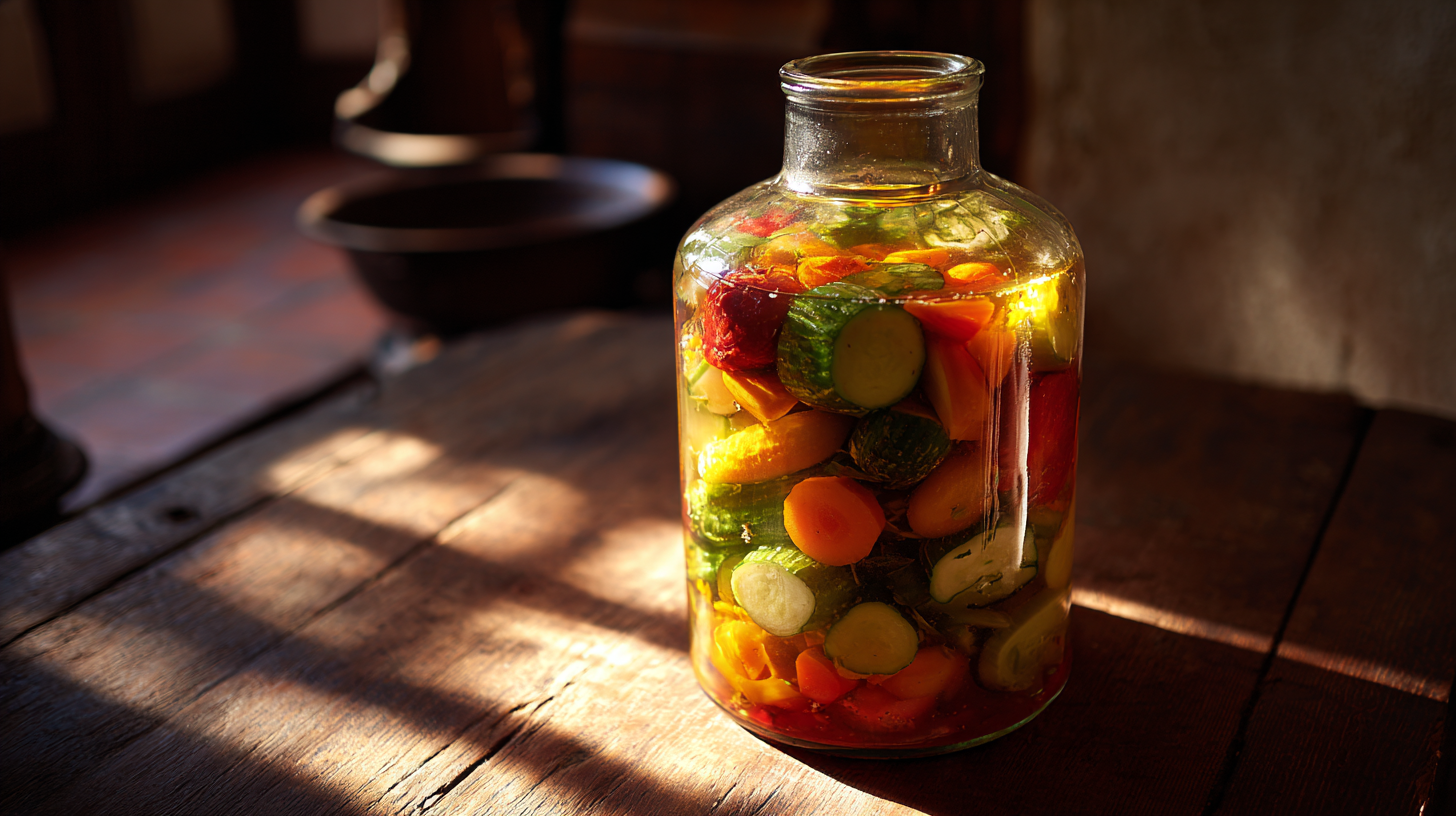
When embarking on your fermentation journey, it’s crucial to have the right equipment and supplies at your disposal to ensure successful and safe preservation of your foods. A well-stocked fermentation toolkit can streamline the process, making it both enjoyable and effective. Here’s a rundown of essential items to consider for your home fermentation projects:
- Fermentation Vessel: The type of container you use plays a critical role in the fermentation process. Glass jars with wide openings are popular for small batches of vegetables, while food-grade plastic or ceramic crocks are excellent for larger quantities. The key is to ensure that your vessel is non-reactive and has sufficient room for the food to expand during fermentation.
- Airtight Seal: To create an anaerobic environment necessary for most vegetable ferments, consider using mason jars with airtight lids or specialized fermentation lids that allow gases to escape without letting oxygen in. This reduces the risk of spoilage while promoting the growth of beneficial bacteria.
- Weights: If you’re fermenting vegetables, maintaining the right pressure is essential. Using weights can help keep your vegetables submerged in the brine, which minimizes air exposure and prevents mold from forming on the surface.
- Thermometer: Temperature control is vital for successful fermentation. A simple kitchen thermometer can help you monitor the ambient temperature of your fermentation area, ensuring it stays within the optimal range (around 68°F to 72°F or 20°C to 22°C).
- pH Test Strips: For those who want to ensure the safety and acidity level of their ferments, pH test strips can be a useful tool. They help you monitor the fermentation process, indicating when your food has reached the desired level of acidity.
- Measuring Tools: Accurate measurements of ingredients like salt are crucial in fermentation. Invest in a good set of kitchen scales and measuring cups to help ensure consistency in your recipes and results.
- Spatula and Funnel: These handy tools make the transfer of ingredients into jars more manageable. A spatula can help pack down the vegetables tightly in the jars, while a funnel prevents spills and messes when pouring liquids.
In addition to these basic supplies, you’ll want to ensure your workspace is clean and well-organized. Practicing good hygiene by washing your hands and thoroughly cleaning your equipment before use is essential to avoid contamination and spoilage.
As you become more adept in the art of fermentation, you might find joy in personalizing your equipment. Consider creating a designated fermentation station in your kitchen or pantry where you can store your jars, tools, and ingredients conveniently. This not only enhances your efficiency but also creates a specialized area that fosters creativity and experimentation.
“The beauty of fermentation is that it invites the fermentation process into our lives, allowing us to actively participate in the transformation of our food.” – Unknown
Ultimately, having the right equipment and supplies not only boosts your confidence in fermenting at home but also contributes to a more successful and enjoyable experience. Equipping yourself with these tools will empower you to explore various fermentation techniques, enhancing your self-sufficient lifestyle while providing delicious, healthful additions to your meals. This foundational step is essential as you embark on your journey to food preservation and flavor development through the remarkable process of fermentation.
Basic fermentation techniques
To master the art of fermentation and integrate it seamlessly into your self-sufficient lifestyle, understanding basic fermentation techniques is essential. Whether you’re experimenting with vegetables, dairy, or beverages, the underlying principles remain consistent. The process typically begins by preparing your ingredients—this can involve chopping, shredding, or pureeing, depending on the food you’re fermenting. For instance, when making kimchi, you’ll chop Napa cabbage and mix it with spices, while a simple sauerkraut recipe starts with shredded cabbage and salt. The method of initial preparation sets the stage for how flavors develop during fermentation.
One popular method of fermentation is the brine technique, in which you immerse vegetables in a saltwater solution. The ideal concentration typically ranges from 2-3% salt by weight, which creates an environment that encourages beneficial bacteria while inhibiting spoilage. Once you prepare your brine, pour it over the vegetables in your fermentation vessel, ensuring that they remain submerged. Weights can help with this task, preventing exposure to air that could lead to mold.
Another method, particularly for dairy fermentation, involves introducing a starter culture, such as yogurt or kefir grains, into milk. This process should be done at the right temperature to allow the cultures to thrive, usually between 68°F to 115°F (20°C to 46°C), depending on the specific type of fermentation. Over time, the milk transforms, resulting in tangy, probiotic-rich yogurt that serves as a delicious staple in your diet.
The duration of fermentation can vary significantly based on the type of food and desired flavor. For most vegetable ferments, you can expect fermentation to last anywhere from a few days to several weeks. Tasting periodically enables you to assess the flavor and decide when it’s ready to your liking. As you gain experience, you will start to recognize the ideal fermentation timeframe that matches your palate.
A crucial aspect of fermentation is the fermentation environment. While many types of ferments thrive in darkness and warmth, others, like certain pickles, benefit from exposure to mild light. Setting up a designated area in your home that maintains a consistent temperature and protects from direct sunlight will help you produce more uniform results. Keeping a journal of your fermentation experiments—documenting times, temperatures, and tastes—can further refine your technique and bolster your confidence as you venture into new recipes.
With each fermented batch, you’re not just preserving food but creating complex flavors and textures that enrich your meals. The beauty of fermentation lies in its ability to transform everyday ingredients into something extraordinary, nurturing a spirited relationship between you and your food. Each successful ferment reinforces the knowledge gained and fosters a deeper appreciation for the interconnectedness of food production and self-sufficiency.
- What is fermentation?
- Fermentation is a natural metabolic process that converts sugars into acids, gases, or alcohol through the action of microorganisms, such as bacteria and yeast. This process not only enhances flavors but also increases the shelf life of food.
- Is fermentation safe?
- Yes, fermentation is generally safe, provided you follow proper hygiene practices and use appropriate fermentation techniques. Monitoring pH levels and ensuring your environment is conducive to beneficial bacteria can help prevent spoilage.
- How long does fermentation take?
- The duration of fermentation varies based on the type of food and desired flavor. Vegetable ferments can take from a few days to a few weeks, while dairy ferments may differ depending on the culture used.
- What equipment do I need for fermentation?
- Essential equipment includes fermentation vessels (such as glass jars), airtight seals, weights, a thermometer, and measuring tools. Specialty items, like dedicated fermentation lids, can enhance the process.
- Can I ferment without salt?
- Salt plays a crucial role in most fermentation processes as it helps create an environment that benefits good bacteria while suppressing harmful microorganisms. While some fermentation methods require less salt, completely skipping it can be risky.
- How can I incorporate fermented foods into my diet?
- You can add fermented foods to meals in various ways, such as using yogurt as a dressing, adding kimchi to rice bowls, or sipping on kombucha. Start by adding small amounts and gradually increase as you enjoy the flavors.
- Can I ferment fruits?
- Yes, fruits can be fermented to create delicious products like fruit preserves, wine, or probiotic-rich beverages. The techniques may vary, but the principles of fermentation—such as creating the right environment—remain the same.
Incorporating fermented foods into your diet

Incorporating fermented foods into your diet is not just about adding variety; it’s about embracing a lifestyle of self-sufficiency and creativity in the kitchen. As you experiment with various fermented dishes, you’ll discover that they can seamlessly enhance meals throughout the day, from breakfast to dinner. Here are some practical and entertaining ideas that can help you integrate these nutritious options into your daily routine.
Start by making fermented beverages part of your morning ritual. For example, if you enjoy smoothies, consider adding a splash of homemade kefir or a few ounces of kombucha. These beverages not only add a flavorful kick but also offer probiotic benefits that can give your gut health a boost right from the start. Additionally, a refreshing glass of kombucha can serve as a fantastic, healthy alternative to soft drinks, quenching your thirst without added sugars.
For lunch, consider elevating your salads or grain bowls with fermented vegetables like kimchi or sauerkraut. These tangy additions can significantly enhance the flavor profile of your meals while providing that extra nutritional punch. Pairing these fermented delights with proteins like grilled chicken or chickpeas can create satisfying and well-rounded meals. You might even experiment with a traditional fermentation method by making a “salad dressing” that includes miso or yogurt, transforming ordinary greens into an exciting culinary experience.
Dinner time is another golden opportunity to play with fermented foods. Try using fermented sauces, like tahini mixed with yogurt or a miso-based dressing, to kick up the flavor of roasted vegetables or stir-fries. Alternatively, add a spoonful of fermented tomatoes or a dollop of garlic dill sauce to enhance your favorite savory dishes. The depth of flavor that fermentation provides can turn an average meal into a fiesta for your taste buds, promoting both enjoyment and balance.
Getting children involved in the creation process can be a delightfully engaging way to introduce them to fermented foods. Set aside time on weekends to experiment—make a batch of pickles or explore creating your own yogurt. The experience becomes a fun learning opportunity and a way to instill healthy eating habits early on. Not only do they get to see and smell the ingredients, but they’ll also take pride in enjoying what they helped create.
As you become more adventurous with incorporating fermented foods into your diet, consider exploring new recipes or even hosting a fermentation party. Invite friends and family over to learn the art of fermentation together. Share your favorite techniques and concoct recipes like spicy fermented carrots or creative fruit chutneys. This not only offers a chance to connect with loved ones but also fosters a community around self-sufficiency and food preservation practices.
In addition to these methods, keep a food diary to track how you incorporate fermentation into your meals. Jot down your experiments—what worked, what didn’t, and the flavors that resonated with your family. Over time, you’ll develop a repertoire of recipes tailored to your household’s preferences, making fermentation a delightful part of your diet.
In integrating fermented foods into your daily meals, you are not only enriching your culinary landscape but also taking significant strides in promoting overall health and sustainability for yourself and your family. Embrace the process, enjoy the flavors, and relish the journey of enhancing your self-sufficient lifestyle through the art of fermentation.