
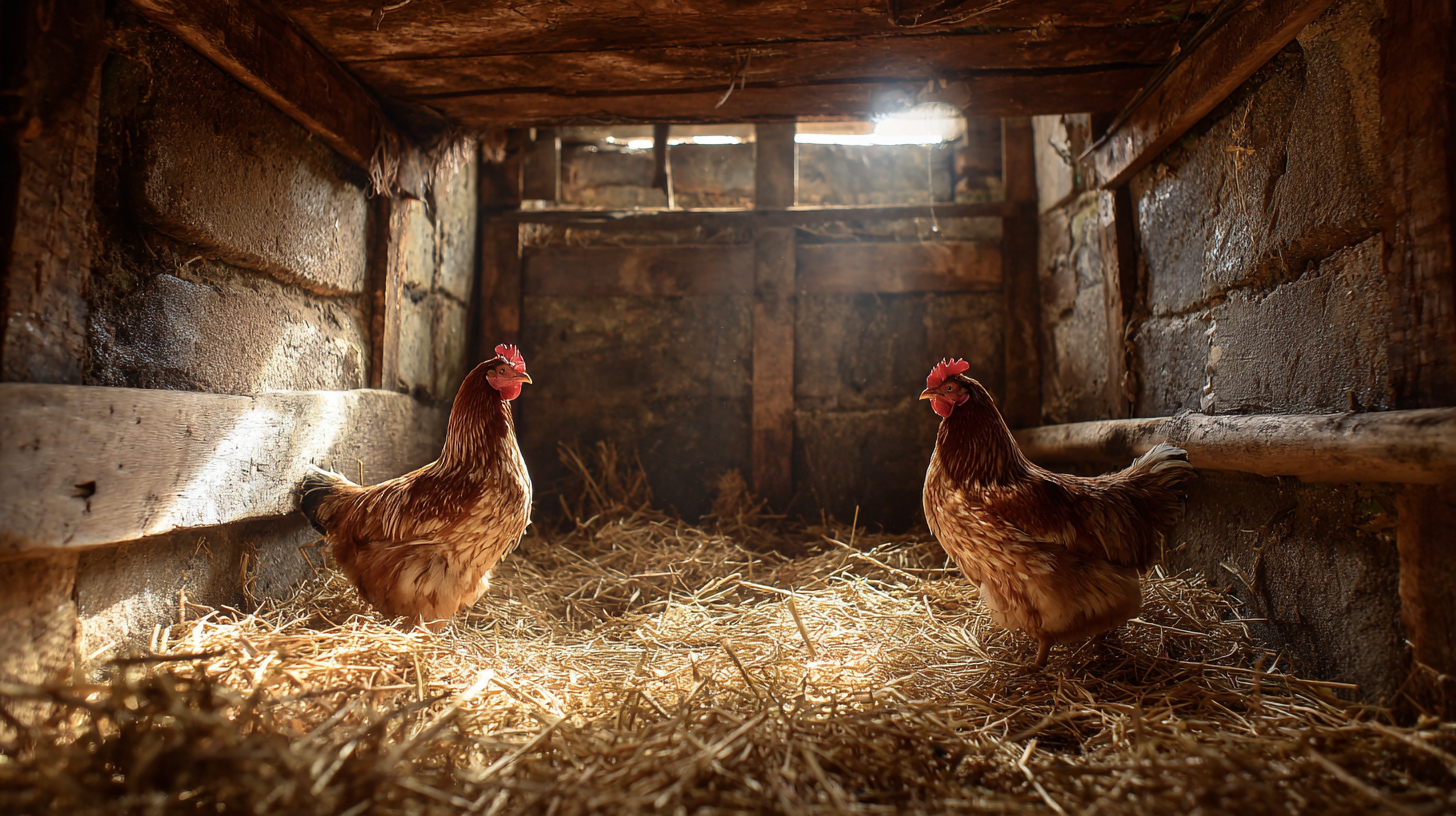
When embarking on your journey into backyard farming, selecting the right chicken breeds is a pivotal step that can significantly influence your egg production and overall enjoyment of keeping chickens. The breed you choose will determine not only the quantity and quality of eggs but also the temperament of your flock and their adaptability to your specific environment.
There are various breeds to consider, each with unique characteristics. Here are a few popular choices that are ideal for backyard farming:
- Leghorn: Renowned for their high egg production, Leghorns are prolific layers, often producing up to 300 white eggs per year. They are hardy and thrive in various climates, making them perfect for both beginners and experienced homesteaders.
- Rhode Island Red: A favorite among backyard chicken enthusiasts, Rhode Island Reds are known for their resilient nature and capability to adapt to different conditions. They are dual-purpose birds, providing both eggs (about 250-300 brown eggs annually) and quality meat.
- Orpington: If you’re looking for a friendly and docile breed, Orpingtons are great companions. They lay around 200-300 large brown eggs yearly and can handle colder climates well, adding to their versatility.
- Australorp: This heritage breed is another excellent layer, capable of producing approximately 250 brown eggs annually. They are easy to keep and have a calm demeanor, making them suitable for families and urban dwellers alike.
When choosing breeds, consider the self-sufficiency aspects of your chicken operation. It’s crucial to understand your local climate, as some breeds fare better in heat while others are designed for colder temperatures. Additionally, think about space; larger breeds may require more room to roam, while smaller breeds can be kept in tighter quarters.
Lastly, it’s advisable to consult local regulations regarding chicken breeds and quantity to ensure compliance with zoning laws and ordinances in your area. Not only does this avoid potential headaches, but it also allows you to immerse yourself more fully in the rewarding experience of raising chickens for eggs.
Designing your chicken coop
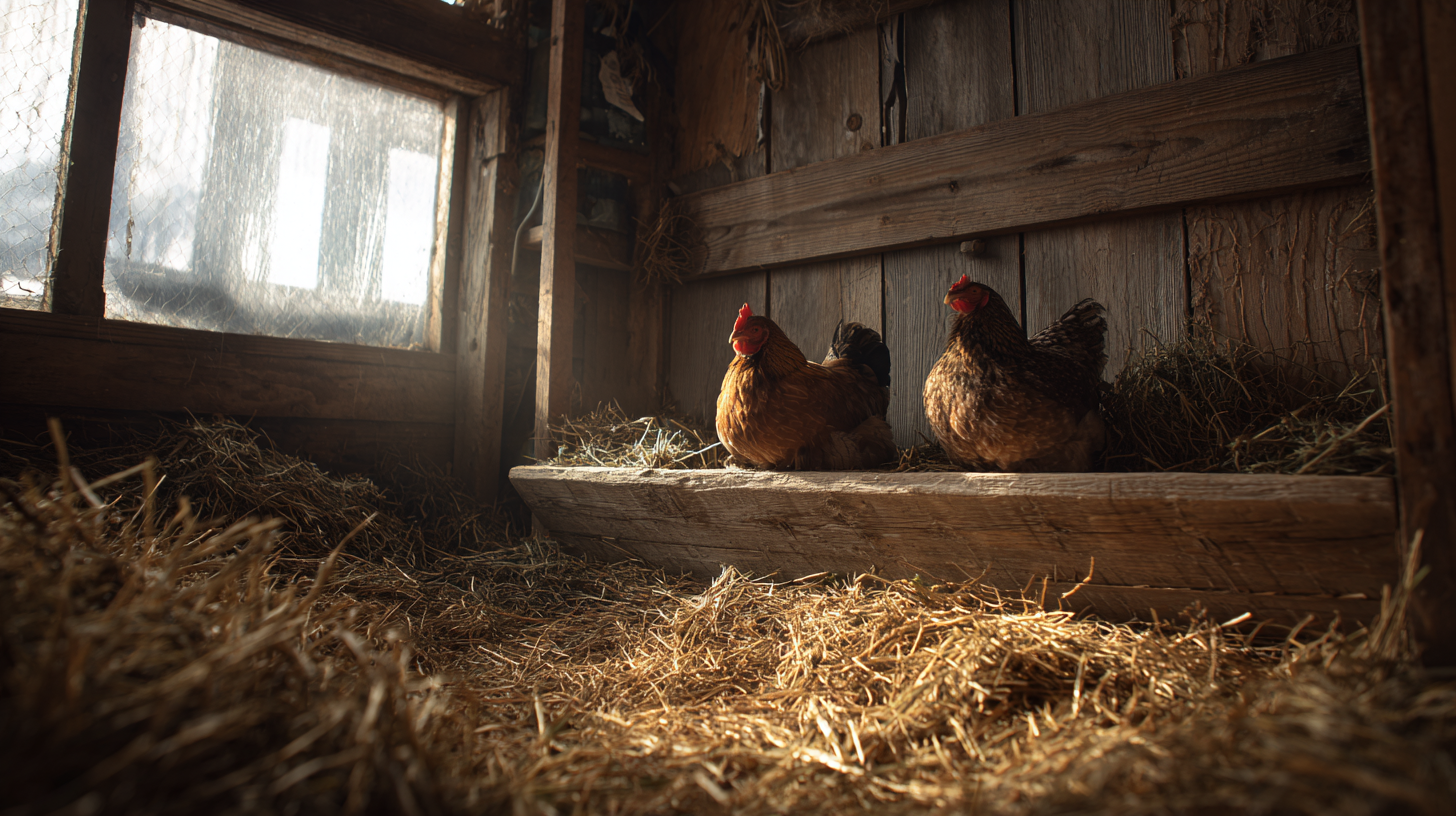
Designing your chicken coop involves several considerations to ensure your flock’s comfort, safety, and productivity. A well-planned coop structure will not only help facilitate egg production but also enhance the overall well-being of the chickens. Each element, from space allocation to ventilation, plays a vital role in fostering an environment conducive to healthy chicken management.
First and foremost, you need to determine the size of your coop. The recommended space for chickens is approximately 4 square feet per bird in the coop and 10 square feet per bird in the outdoor run. This ensures that your flock has adequate room to move around, forage, and exercise, which is essential for their health. Here is a table summarizing the coop space requirements:
| Type of Space | Space per Chicken |
|---|---|
| Indoor Coop | 4 sq. ft. |
| Outdoor Run | 10 sq. ft. |
Next, consider the coop’s layout. It should have proper ventilation to maintain airflow while keeping drafts at bay—both are critical to prevent respiratory issues in chickens. Windows and vents can be installed high up in the walls, allowing for both fresh air circulation and natural light. A secure door and vent covers are essential to protect against predators.
The flooring of the chicken coop also demands attention. Many chicken keepers prefer a dirt floor that allows easy cleaning and natural dust bathing. However, wood or concrete can serve as alternatives, provided you are diligent about sanitation. Regardless of the flooring type, adding a layer of bedding, such as straw or wood shavings, helps absorb moisture and control odors.
Perches are crucial for chickens to roost at night, as they feel safer elevated from predators. Installing perches at varying heights gives your flock the opportunity to choose their preferred roosting spot. Remember to allow at least 8-12 inches of perch space per chicken. Nests should be placed in a quiet, dark corner of the coop where hens can lay eggs comfortably. Each nest box should be around 12 inches by 12 inches, providing enough room for hens without allowing multiple birds to crowd in at once.
Lastly, consider the accessibility for feeding, watering, and egg collection. It’s important to strike a balance between security and convenience. A hinged roof or removable panels can simplify cleaning and maintenance, which is integral to the self-sufficiency of your chicken operation. Ensure your feeding and watering stations are adjustable to accommodate growth as your chickens mature.
By thoughtfully integrating these elements into your chicken coop design, you can create a nurturing environment that supports the health and productivity of your flock while also streamlining daily management. A well-constructed coop ensures your backyard farming venture thrives, leading to a gratifying experience as you watch your hens flourish and lay delicious eggs in return.
Essential equipment and supplies
When setting up your backyard chicken coop, having the right equipment and supplies is essential for maintaining a healthy and productive flock. The equipment you choose will influence everything from the cleanliness of your coop to the health of your chickens and the quality of the eggs they produce. Below are key items you should consider acquiring:
- Feeders: Invest in durable, easy-to-clean feeders that minimize waste and keep feed dry. Automatic feeders can also help manage feed times better, ensuring your chickens have constant access to food without attracting rodents.
- Waterers: Chickens need fresh, clean water daily. Choose waterers that are easy to refill and clean, preferably with features that prevent contamination from dirt and droppings. Consider using heated waterers in colder climates to avoid freezing.
- Bedding: Bedding material such as straw, wood shavings, or shredded paper keeps the coop dry and is important for reducing odors. Make sure to change the bedding regularly to promote a clean environment and help prevent diseases.
- Nesting boxes: Provide your hens with cozy, private nesting boxes for laying eggs. Line them with soft bedding to make them inviting. Each box should accommodate about 3-4 hens to ensure comfort during the laying process.
- Perches: Chickens love to roost, so installing perches at different heights can keep them happy and healthy. Use sturdy wood with rounded edges, allowing for a comfortable grip.
- Dust bathing area: Chickens naturally dust bathe to maintain feather health. Designate a small area with loose dirt, sand, or diatomaceous earth within their run for this purpose—this is especially important for their self-sufficiency.
- First aid supplies: Keep a basic first aid kit on hand that includes antiseptic, bandages, and any medications recommended for common ailments in chickens. Regularly check your flock for signs of illness, as early intervention can save a bird’s life.
- Chicken tractor (optional): If you’re interested in mobile coops, consider a chicken tractor that allows your flock to forage while still providing protection from predators. This promotes a more natural diet and enhances the self-sufficiency of your backyard farming operation.
In addition to these critical items, consider the importance of good record-keeping. Track your chickens’ health, egg production, and feed consumption to identify any potential issues early on. This practice not only aids in efficient management but also enriches your learning experience in backyard farming.
Furthermore, don’t forget about the significance of local sourcing. Whenever possible, buy equipment and supplies from local farm stores or suppliers. This supports local businesses and can often provide you with insights and advice from seasoned homesteaders in your area.
By equipping your chicken coop with the right tools and necessities, you set the foundation for a successful and fulfilling experience in raising chickens. With practical supplies at your disposal, you’ll be well on your way to enjoying the freshest eggs your backyard has to offer.
Managing chicken health and nutrition
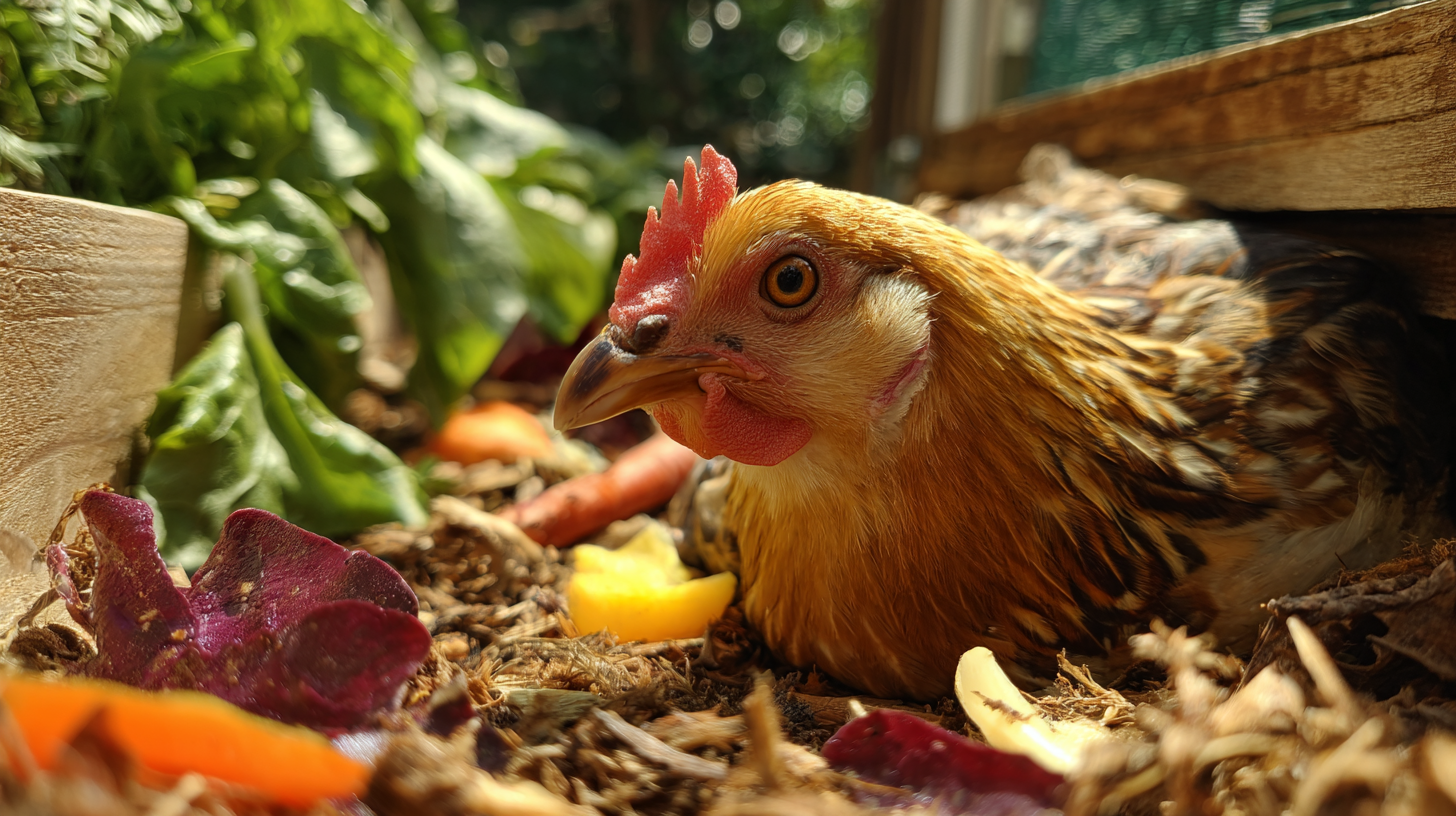 Managing the health and nutrition of your chickens is essential for keeping your flock vibrant and productive. Proper care involves not only providing a balanced diet but also implementing good management practices to prevent disease and ensure your chickens thrive throughout their lives.
Start with nutrition, as a well-balanced diet is crucial for optimal health and egg production. Chickens require a mix of protein, carbohydrates, fats, vitamins, and minerals. The foundation of their diet should be a high-quality commercial layer feed, which is specifically formulated to meet the nutritional needs of laying hens. This feed typically contains about 16-18% protein, along with essential vitamins and minerals required for strong eggshells and overall health.
In addition to layer feed, supplementing their diet with grains like corn and oats can provide extra energy, especially during the winter months when they need more calories to maintain body heat. It’s also beneficial to offer kitchen scraps such as vegetable peels, fruits, and grains. However, avoid harmful foods like onions, chocolate, and citrus, which can be toxic to chickens.
Access to fresh greens is equally important for the overall health of your flock. Consider integrating a small garden area within their run, where they can forage for clover, dandelions, and other leafy greens. This not only serves as a source of additional nutrition, but also enriches their environment, promoting natural behaviors and enhancing their well-being.
Water also plays a vital role in chicken health, as it aids in digestion and nutrient absorption. Keep clean, fresh water available at all times, and change it daily to prevent contamination. In colder months, heated waterers can be used to ensure that water doesn’t freeze, allowing your chickens to stay hydrated.
Regular health checks should be a part of your routine. Observe your flock for signs of illness such as lethargy, changes in egg production, droopy wings, and unusual behavior. Conduct regular inspections of feathers, skin, and feet to catch any issues early on. Establishing a relationship with a local veterinarian who specializes in poultry can be invaluable, as they can provide resources and guidance when health concerns arise.
Implementing a proper vaccination schedule is another key component of chicken management. Consult with your veterinarian about the vaccinations your flock may require based on regional diseases. This proactive approach helps protect your hens from infections and contributes to the self-sufficiency of your backyard farming operation.
“Healthy chickens are happy chickens. Good management leads to superior production and quality.”
A clean living environment is essential for preventing disease and promoting the overall well-being of your flock. Regularly clean the chicken coop, removing waste and uneaten food to deter pests and reduce the risk of bacterial growth. Fresh bedding should be replenished routinely, as this absorbs moisture and prevents the buildup of harmful bacteria.
Finally, creating a stress-free environment is vital for maintaining the health of your chickens. Minimize sudden changes in routine and maintain a calm atmosphere, especially when introducing new birds to the flock. Providing ample space and mental stimulation will enhance their life quality, leading to happier birds and more consistent egg production.
Managing chicken health and nutrition demands attention but yields substantial rewards. By taking the time to nurture and care for your flock, you’ll be well on your way to enjoying a thriving backyard chicken operation that produces fresh eggs for years to come.
Collecting and storing eggs
Collecting eggs is one of the most rewarding aspects of raising chickens, turning the daily chore into a delightful experience. Establishing a consistent routine is crucial for ensuring the quality and safety of your eggs. Start by checking for eggs at the same time each day, preferably in the morning or early afternoon, which allows you to gather fresh eggs before they become dirty or exposed to potential contaminants. Hens tend to lay between sunrise and mid-morning, so being prompt can also help you pick up eggs that may otherwise get hidden or damaged in the bedding.
When approaching the nesting boxes, be gentle and calm to avoid startling the hens. Consider using a basket or container to collect the eggs, as this minimizes the risk of dropping or breaking them. If you find any dirty eggs, clean them gently with a damp cloth, but avoid soaking or washing them with soap, as this can remove the protective bloom that helps keep bacteria out. Store your collected eggs in a cool, dry place inside your chicken coop or, even better, in a designated refrigerator to maintain their freshness for longer periods.
It’s important to recognize that the freshness of your eggs directly relates to how you handle and store them. Unwashed eggs can remain viable for several weeks unrefrigerated due to their protective coating. However, once washed, they should be refrigerated and consumed within two weeks. Remember to inspect your eggs for any cracks or imperfections, as these may not store well and could succumb to contamination. Regularly subtract any old eggs in the refrigerator or coop to keep track of their freshness, ensuring that you are consuming your bounty at its best.
Additionally, consider implementing a system for maintaining your egg records, such as marking the collection date on the carton. Tracking your production can provide insights into your hens’ laying patterns and help you gauge their health and wellbeing. Should you start noticing a decrease in egg production or abnormal conditions, use your records to identify patterns and discuss any concerns with a vet or seasoned homesteader.
By integrating these practices into your egg collection routine, you contribute to a more sustainable and self-sufficient backyard farming experience. The vibrant connection formed with your chickens will not only yield fresh, nutritious eggs but will also enhance the overall joy of your homesteading journey.
- How often should I collect eggs from my chickens?
- Collecting eggs at least once a day is recommended, preferably in the morning or early afternoon to ensure freshness and to prevent cracking or soiling.
- Can I wash my eggs before storing them?
- It’s best to avoid washing eggs until you’re ready to use them. Washing removes the protective bloom, increasing the risk of bacteria penetrating the shell. If necessary, gently wipe them with a damp cloth.
- How can I tell if an egg is still fresh?
- A simple floating test can help. Place the egg in a bowl of water; fresh eggs will sink, while older eggs will float due to air cells forming inside. However, always check for cracks or odor as well.
- What should I do if I find a dirty egg?
- Lightly clean it with a damp cloth, but avoid submerging or using soap. Keeping the egg dry helps maintain the protective coating that prevents bacterial entry.
- How should I store collected eggs?
- Store eggs in a cool, dry place. Unwashed eggs can remain fresh at room temperature for several weeks, while washed eggs should be refrigerated and consumed within two weeks.
- How long can I keep eggs before they spoil?
- Unwashed eggs can last for about 3-5 weeks unrefrigerated, but once washed, they should be refrigerated and ideally used within 2 weeks for optimal freshness.
- Is there a way to track egg production?
- Keeping a simple log of egg collection dates and quantities is effective for tracking production. This can help identify patterns and possible health concerns among your hens.
Maintaining your backyard coop
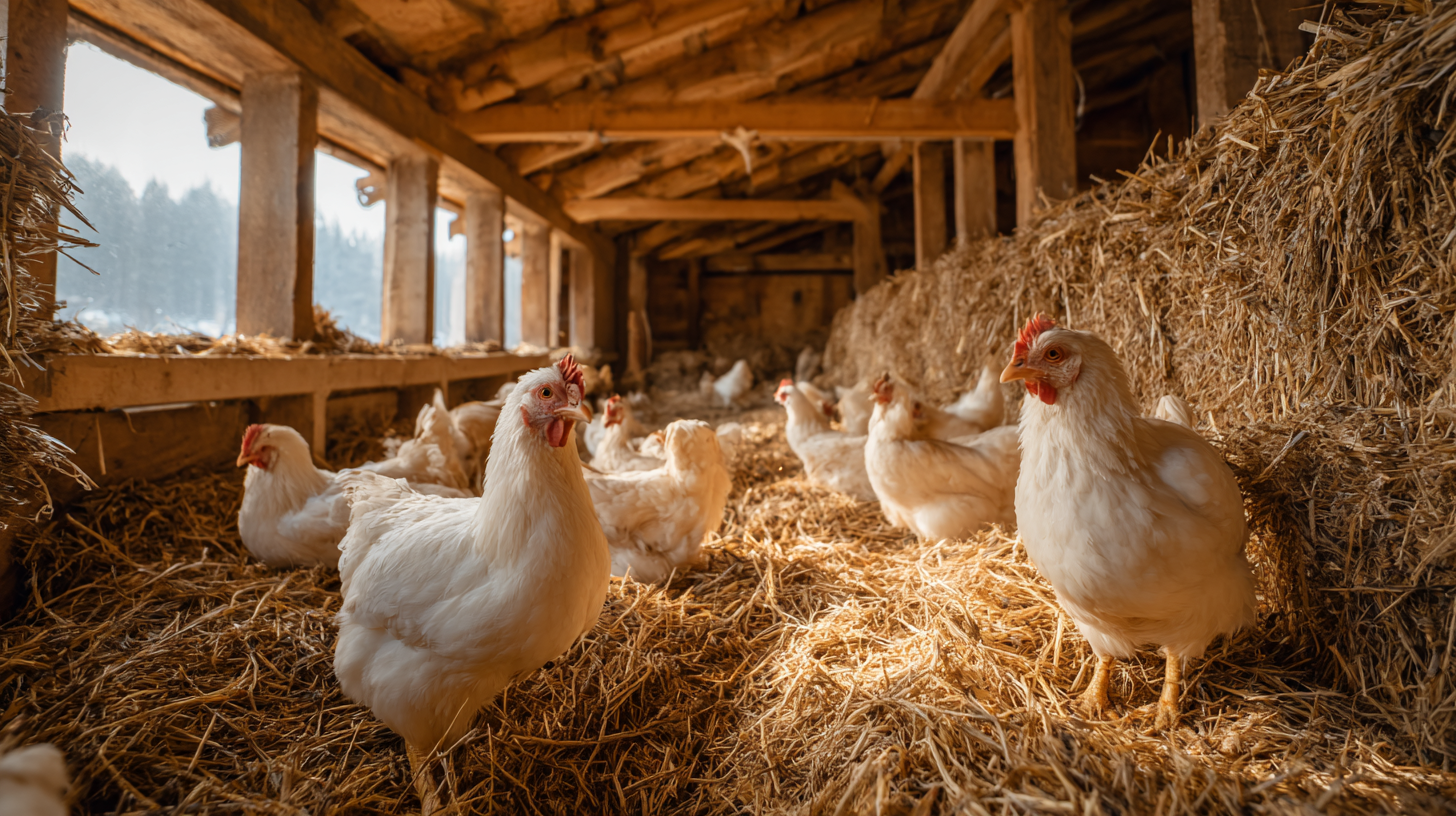
Maintaining your backyard chicken coop is vital to ensuring the health and productivity of your flock. A clean and well-organized environment not only enhances the chickens’ comfort but also foster a productive atmosphere that encourages egg-laying. To streamline your maintenance routine, consider these key practices:
First, establish a cleaning schedule. Regular cleaning is essential to prevent the accumulation of waste that can harbor pests and diseases. Aim to clean the chicken coop at least once a week, and perform a thorough deep clean monthly. During your cleaning sessions, remove old bedding, droppings, and any uneaten food. Replace it with fresh bedding, such as straw or wood shavings, which helps manage odor and control moisture.
It’s beneficial to divide your maintenance duties into manageable daily, weekly, and monthly tasks. Here’s a suggested breakdown:
- Daily Tasks:
- Check food and water containers, ensuring they are clean and fully stocked.
- Inspect the flock for any signs of illness or distress.
- Collect eggs regularly to keep them fresh and minimize the risk of breakage.
- Weekly Tasks:
- Change bedding and clean nesting boxes, ensuring a clean place for hens to lay eggs.
- Inspect the coop for signs of wear or damage, addressing any repairs immediately.
- Check feeders and waterers for cleanliness and refill them as needed.
- Monthly Tasks:
- Perform a thorough cleaning of the entire coop, including scrubbing walls, feeders, and waterers.
- Examine the ventilation system to ensure it’s functioning properly, adjusting if necessary.
- Review your overall chicken management practices and make adjustments as needed based on production and health observations.
Next, pay attention to the health of your flock. Stress is a significant factor that can impact egg production and overall well-being. Use boredom-busting activities like treats or dust bathing areas to keep your hens engaged. Consider rotating your chickens’ access to different pasture areas, giving them access to fresh foraging spots while maintaining a sustainable environment.
Regularly inspect the coop for pests, such as rodents and insects, which can pose severe threats to your flock. The use of diatomaceous earth in nesting boxes and run areas can help deter harmful insects. Routine checks for mites and lice on chickens are also essential; if detected, treatment needs to be immediate to ensure a healthy environment and to promote egg-laying continuity.
Furthermore, understanding and maintaining a suitable microclimate in your coop is crucial. During hot weather, ensure adequate shade and ventilation; in colder months, ensure the coop is adequately insulated and consider using heating elements when necessary. Monitoring temperature fluctuations can help prevent stress in your chickens, thus maintaining their productivity.
Also, don’t underestimate the importance of record-keeping when it comes to managing your coop. Keep a log of your cleaning schedules, health checks, and any changes in your flock’s egg production. This practice not only aids in managing their health but also allows you to recognize trends and troubleshoot potential issues quickly.
By implementing these thorough maintenance practices, you will foster a thriving, self-sufficient chicken operation that provides both fresh eggs and a rewarding experience. A well-maintained chicken coop leads to happier chickens and a more fruitful backyard farming venture, ultimately enhancing your journey into home agriculture.