
Year-round gardening is an exciting adventure that empowers you to embrace the rhythms of nature while achieving a level of self-sufficiency that is both rewarding and sustainable. To successfully grow your own vegetables throughout the seasons, it’s essential to understand the unique demands and opportunities that each season presents.
First and foremost, familiarize yourself with your USDA hardiness zone. This zone determines what types of plants will thrive in your climate, as different regions have varying temperature ranges. For example, if you are in zone 7, you might consider cool-weather crops like kale and broccoli in the fall and winter, while transitioning to warm-weather crops like tomatoes and peppers in the spring and summer.
Seasonal growth is another critical aspect to consider. Each season brings different challenges but also unique opportunities for growing. For instance:
- Winter: Grow cold-hardy plants, such as spinach, garlic, and carrots, which can withstand frost and may even taste sweeter after exposure to colder temperatures. Use row covers to protect plants from extreme weather.
- Spring: This is the time to start planting seeds indoors for summer crops. Use seedling trays and provide adequate light to ensure strong, healthy growth before transplanting them outdoors.
- Summer: During the hot months, ensure consistent watering and consider mulch to retain moisture in the soil. Stagger your plantings of fast-growing crops like lettuce or radishes to enjoy continual harvests.
- Fall: It’s not just about harvesting; fall is also an excellent time to plant overwintering crops like garlic or cover crops that enhance soil health. These act as a natural fertilizer when tilled back into the soil come spring.
To make year-round gardening more manageable, consider creating a planting schedule tailored to your area’s climatic conditions. Mark the first and last frost dates on your calendar and develop a timetable for starting seeds indoors and transplanting them outside. This preparation will help maximize your growing potential.
Don’t overlook the benefits of utilizing vertical gardening techniques. This approach can save space and allow for greater air circulation around plants, reducing the risk of disease. Trellises are perfect for climbing plants like beans and cucumbers, while hanging pots can support herbs like basil and parsley.
Additionally, embrace the use of cold frames or greenhouses to extend your growing seasons. These structures provide a controlled environment that can shield sensitive plants from harsh weather conditions, allowing you to start sowing seeds earlier or delaying the inevitable end of your harvest.
Remember, year-round gardening isn’t just about plants; it’s also about planning and preparation. Engaging with local gardening communities, whether online or in local clubs, can provide invaluable support and insight. Many members will share what has worked successfully in your region, helping you avoid common pitfalls.
Choosing the right vegetables
 Choosing the right vegetables for year-round gardening involves understanding both your personal preferences and the specific conditions of your growing environment. Selecting the appropriate varieties allows you to maximize your harvest while ensuring a diverse and satisfying array of produce throughout the seasons.
When considering which vegetables to grow, it is essential to evaluate the following criteria: climate adaptability, growth rate, and nutritional value. Selecting varieties that are well-suited to your USDA hardiness zone ensures a more productive garden. Here’s a breakdown of some popular choices:
| Vegetable | Season | Days to Maturity | Notes |
|---|---|---|---|
| Spinach | Fall & Spring | 30-45 days | Cold-hardy, can be harvested multiple times. |
| Kale | Fall & Winter | 55-75 days | Taste improves after frost; can be grown in containers. |
| Tomatoes | Summer | 60-85 days | Requires full sun; great variety of cultivars available. |
| Garlic | Winter & Spring | 6-8 months | Plant in the fall for a summer harvest; great for storage. |
| Radishes | Spring & Fall | 25-30 days | Fast-growing; ideal for short-season gardens. |
When embarking on vegetable gardening, consider both your dietary needs and preferences. Nutritional value plays a vital role; for instance, leafy greens such as spinach and kale are rich in vitamins, while root vegetables like carrots and beets provide essential minerals. Incorporating a mix of these options not only promotes a balanced diet but also supports self-sufficiency, allowing you some flexibility in meal planning.
Seasonal growth is another critical factor. Some vegetables are better suited for specific seasons due to their growth patterns and temperature sensitivities. Cool-season crops thrive in temperatures below 70°F, making them perfect for early spring and fall planting. On the other hand, warm-season crops like tomatoes and peppers flourish in the heat of summer.
Experimenting with different vegetable varieties can lead to discovering those best adapted to your situation. Local farmers’ markets or community-supported agriculture (CSA) programs often provide access to unique heirloom varieties that may be well-suited for year-round gardening. Reach out to local gardening associations to learn about what has succeeded in your area.
Incorporating companion planting strategies can further enhance your vegetable gardening success. Certain plants, when grown together, can naturally repel pests or enhance each other’s growth. For example, planting basil alongside tomatoes can improve flavor and reduce pest problems.
Selecting the right vegetables requires thoughtful planning and consideration of your growing conditions, climate zone, and personal preferences. By taking the time to choose wisely, you can enjoy a sustainable and productive garden all year round. Experiment, keep notes on what works best in your garden, and nurture your skills in growing a diverse range of vegetables.
Setting up your growing space
Creating an ideal growing space is fundamental to the success of your year-round vegetable gardening efforts. The way you set up your garden not only influences plant health but also maximizes productivity, making the most of your available resources. Here’s a comprehensive guide to help you establish an efficient and visually appealing growing space.
Start by assessing the available space. Whether you have a large backyard, a small balcony, or even just windowsills, you can create a productive garden. A common option for smaller spaces is to use raised beds. These can be constructed from wood, stone, or recycled materials and can help regulate soil temperature and improve drainage. Ensure that your raised beds are at least 12 inches deep to accommodate root systems properly.
Consider the orientation of your garden area. Most vegetables require at least 6 to 8 hours of direct sunlight each day, so choose a location that receives ample sunlight. If you’re working in a shaded area, opt for shade-tolerant crops like leafy greens and herbs. Additionally, ensure that your garden layout allows for proper air circulation to reduce humidity and the risk of disease.
Incorporating pathways in your garden not only makes maintenance easier but also prevents soil compaction, which can inhibit root growth. Use materials like wood chips, gravel, or straw to create clear paths between planting beds. This design will facilitate easier access to your plants for watering, weeding, and harvesting.
When planning your growing layout, utilize the principles of vertical gardening. This technique is particularly helpful in limited spaces but also allows you to take advantage of sun exposure. Use trellises, arches, or various container arrangements for climbing plants such as peas and cucumbers. Hanging baskets and wall-mounted planters can add a unique aesthetic while enabling you to grow herbs and smaller vegetables closer to your kitchen.
Don’t overlook the importance of soil quality in your gardening setup. Start with a soil test to check for pH levels and nutrient content, which can inform your amendments. A healthy mix of organic matter, such as compost or well-rotted manure, enhances soil fertility and improves aeration. Regularly amend the soil based on your soil test results to maintain nutrient levels throughout the growing seasons.
Another critical element in setting up your garden is accessibility to water. Establishing a consistent watering schedule is vital to the health of your plants. Consider implementing drip irrigation or soaker hoses for efficient watering, which minimizes water waste and ensures that moisture reaches the plant roots directly. Adding mulch around your plants can also help retain moisture in the soil, reducing the frequency of watering needed.
Finally, incorporate elements of permaculture into your growing space. Design features such as swales (shallow ditches designed to manage water runoff) and pollinator gardens enhance biodiversity and optimize your garden’s ecological balance. Such practices not only support self-sufficiency but also create a more resilient gardening system that adapts to local conditions.
As you establish your growing space, remember to document observations and changes in your garden layout. Each season will present new learning experiences that can refine your gardening skills and enhance future harvests.
Soil and nutrient management
To cultivate a thriving vegetable garden throughout the year, effective soil and nutrient management is essential. Healthy soil serves as the foundation for vibrant plant growth, providing not just physical support but also essential nutrients and a conducive environment for root development. Understanding how to manage your soil can drastically improve your gardening success.
Start with a soil test to determine the nutrient content and pH level of your garden soil. This information allows you to tailor your amendments to meet the specific needs of your plants. Most vegetables thrive in soil with a pH between 6.0 and 7.0, but some, like potatoes and blueberries, may prefer slightly acidic conditions. Using soil test results, you can adjust pH levels with amendments such as lime to increase alkalinity or sulfur to lower it.
Once you’ve established your soil’s initial properties, focus on enhancing its quality through organic matter. Incorporating well-decomposed compost or aged manure not only boosts nutrient levels but also improves soil structure, enhances moisture retention, and fosters a healthy ecosystem of beneficial microorganisms. Aim to amend your soil with a minimum of 2 to 4 inches of organic material annually, and incorporate it thoroughly into the topsoil.
Additionally, implement a crop rotation strategy to maintain soil fertility and reduce pest pressure. Alternating plant families from year to year helps to disrupt cycles of pests and diseases while allowing the soil to replenish its nutrient content. For example, follow heavy feeders like tomatoes and corn with light feeders like lettuce or radishes, which can help balance the depletion of nutrients.
Another significant aspect of soil and nutrient management is the use of cover crops. Planting cover crops in the off-season can improve soil health by preventing erosion, suppressing weeds, and enhancing nutrient levels through natural processes. Leguminous cover crops, such as clover or vetch, have the added benefit of fixing nitrogen in the soil, providing a valuable nutrient for subsequent vegetable crops.
Regularly monitoring your plants is equally important for maintaining soil health. Observe the growth patterns and overall vigor of your vegetables to determine whether they are getting the nutrients they need. Yellowing leaves may indicate a nitrogen deficiency, while poor fruit development could signal a lack of potassium or phosphorus. A timely response to these visual cues can save your crop and improve your yields.
As you strategize your nutrient management, consider integrating organic fertilizers into your routine. Products such as fish emulsion, bone meal, or kelp extract can supplement your soil’s nutrition over time. Follow the package instructions for application rates and timings, and experiment with different products to find what works best in your garden.
“Healthy soil is the cornerstone of healthy plants and good harvests.” – Gardening Wisdom
Prioritizing soil and nutrient management is key to successful vegetable gardening and achieving self-sufficiency through year-round crop production. By investing time in your soil, employing practices like crop rotation, cover cropping, and organic fertilization, you’ll enhance not only your garden’s productivity but also its ecological health, allowing for a sustainable and fruitful journey in gardening.
Seasonal planting schedules
Developing a seasonal planting schedule is crucial for any aspiring gardener looking to optimize their vegetable gardening experience throughout the year. By understanding the growth cycles of your chosen crops and aligning them with the seasons, you can effectively manage when to sow seeds, transplant seedlings, and harvest your produce. This knowledge can significantly enhance your self-sufficiency in growing food and help you plan for a continual supply of fresh vegetables.
The first step in creating a practical planting schedule is to identify the climate patterns in your area. Note the average last frost date in spring and the first frost date in fall, as these will serve as critical benchmarks for most planting activities. For example, in many regions, you might start sowing seeds for cool-season crops like peas and lettuce several weeks before the last frost to give them a head start. These crops can thrive in cooler temperatures and are best harvested before the heat of summer sets in.
As the seasons shift to warmer weather, your focus will shift to planting warm-season crops. It’s vital to wait until soil temperatures reach the appropriate levels for these plants to thrive—this typically occurs after the last frost. Consider starting seeds indoors for plants like tomatoes and peppers approximately six to eight weeks prior to the last frost date. This practice allows you to transplant strong seedlings outdoors when conditions are optimal, maximizing your yield.
Fall is not the end of the gardening season; rather, it presents an opportunity to extend your harvest. Consider growing a second round of cool-season vegetables in late summer that can be harvested in the fall. Additionally, this season is perfect for planting overwintering crops like garlic, which will establish themselves before the cold and yield a bountiful harvest come summer. You might also consider sowing cover crops, which will improve soil quality and prepare your garden for the upcoming spring planting.
Your seasonal planting schedule can also include staggered sowings of quick-growing crops. By planting successive batches of crops such as radishes or lettuce every two weeks, you can enjoy continuous harvests over a longer period without overwhelming yourself with too much produce at once. This technique not only maximizes your yield but promotes crop diversity, which benefits the overall health of your garden.
Using a gardening calendar or tracking app can be a game-changer when developing your planting schedule. Record pertinent information such as planting dates, frost dates, and harvest times. This practice not only aids in future planning but creates a documented history of your gardening journey, allowing you to refine your techniques and practices as you learn what works best for your specific growing conditions.
- What is the best way to determine my last frost date?
- For most gardeners, the last frost date can be found through local agricultural extension offices, gardening websites, or agricultural almanacs that provide frost date information based on your geographical location.
- Can I grow vegetables indoors year-round?
- Yes! Many vegetables can be grown indoors year-round with the right light and temperature conditions. Consider using grow lights and maintaining consistent watering and nutrients to support indoor vegetable gardening.
- How can I protect my plants from frost?
- Using row covers, cloches, or blankets can help shield your plants from frost. Additionally, consider planting frost-resistant varieties to enhance your garden’s chances of survival during cooler nights.
- How do I know when it’s time to harvest my vegetables?
- Each vegetable has specific indicators for ripeness; it’s essential to research your crops for their ideal harvesting size and color. Regularly check your plants as they mature for optimal timing.
- Is succession planting beneficial?
- Yes, succession planting allows you to sow seeds at intervals, leading to staggered harvests. This method maximizes your yield while avoiding the scenario of having too much produce ready at once.
- What vegetables can I plant in the winter?
- In most regions, you can plant cold-hardy crops such as kale, spinach, and garlic in winter. Utilizing cold frames or hoop houses can help protect these plants from harsh conditions.
- How important is soil quality for a successful garden?
- Soil quality is extremely important in vegetable gardening. Healthy soil holds nutrients, retains moisture, and promotes root development, all of which are critical for robust plant growth and high yields.
Pest control and maintenance strategies
Pest control and maintenance strategies are crucial for ensuring the vitality and productivity of your vegetable garden throughout the year. A proactive approach not only protects your crops but also supports a sustainable growing environment. Here are some effective methods and practical advice for managing pests while maintaining your garden’s health.
First, consider incorporating integrated pest management (IPM) techniques. This holistic approach combines various strategies to minimize pest damage while reducing dependence on chemical pesticides. Start by regularly monitoring your plants for any signs of pest activity. Early detection is key, so make it a habit to inspect the undersides of leaves and the soil around your plants.
- Cultural Practices: Implement practices such as crop rotation to disrupt the life cycles of pests. By changing the location of the crops each season, you can prevent pests that have adapted to specific plants from becoming established.
- Physical Barriers: Utilize row covers or plant netting to physically block pests from accessing your crops. These barriers are particularly effective against insects like aphids and flea beetles while allowing sunlight and moisture to penetrate.
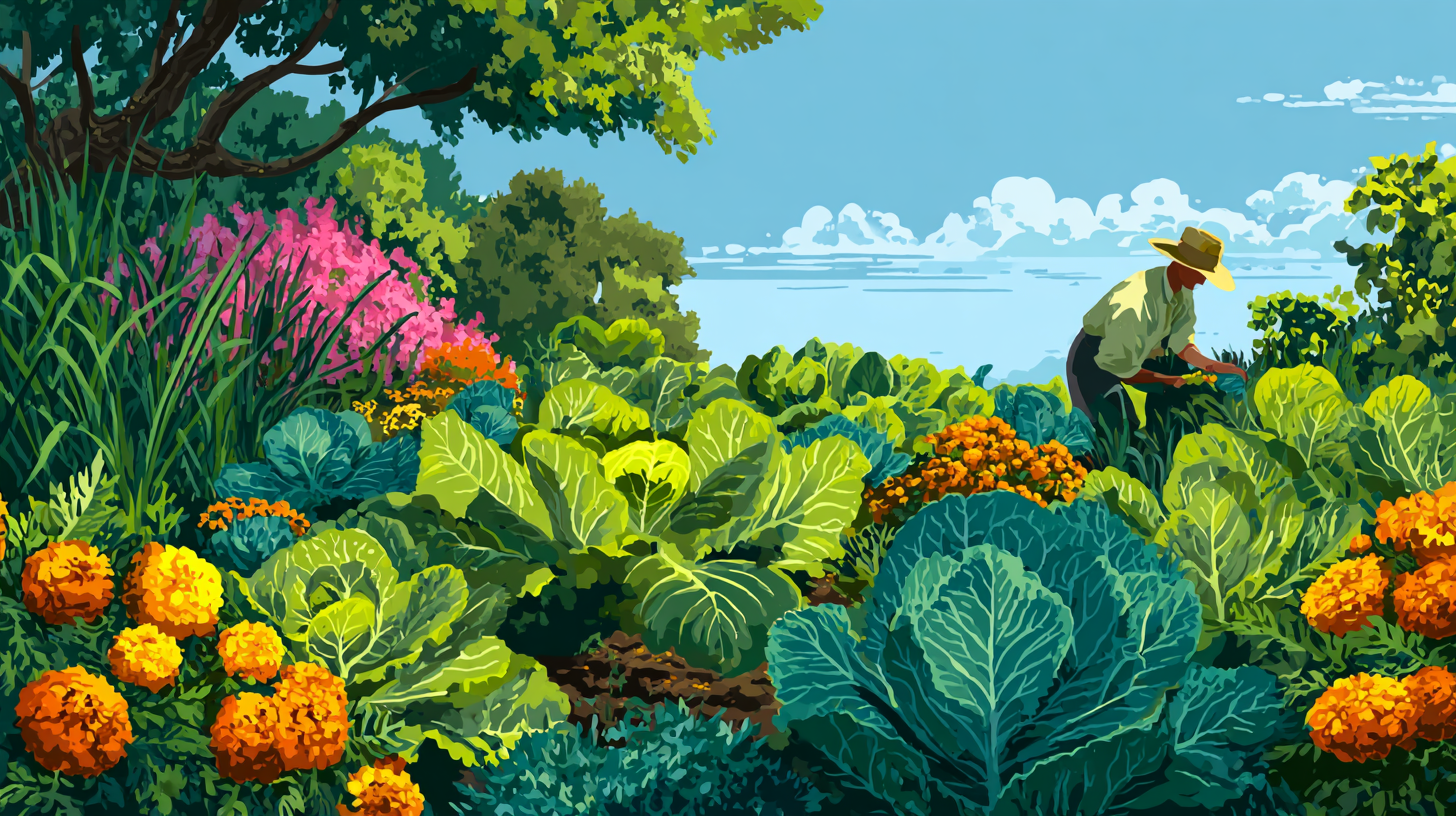
- Companion Planting: Planting certain herbs and flowers alongside your vegetables can deter pests naturally. For example, marigolds are known to repel nematodes and other garden pests, while basil can help improve the flavor of tomatoes while keeping pests at bay.
Additionally, maintaining a clean garden can significantly reduce pest problems. Regularly remove weeds and spent plants, which can harbor pests and diseases. Keep your tools and gardening equipment sanitized to prevent cross-contamination between gardens.
Another effective strategy involves attracting beneficial insects, which are natural predators of common garden pests. Ladybugs, lacewings, and certain parasitic wasps can help control pest populations. To entice these beneficial insects to your garden, plant a variety of flowering plants. Options such as dill, cilantro, and yarrow can be excellent choices for attracting predatory insects.
For those moments when pests do become an issue, consider using organic pesticides as a last resort. Neem oil, insecticidal soap, and diatomaceous earth are effective, safer alternatives. Always follow the application instructions closely and aim to target specific pests while minimizing impact on beneficial insects and pollinators.
Maintaining the health of your plants is equally important in managing pests. Strong plants are more resilient to pest damage. Ensure your vegetables receive adequate nutrients, water, and light. Stressed plants are more susceptible to infestations, so invest time in soil management and consistent care practices. Regular mulching helps to retain soil moisture and can suppress weed growth, which may harbor pests and compete for nutrients.
Finally, education is essential. Stay informed about the types of pests and diseases prevalent in your area. Local gardening groups, online forums, or agricultural extension services can provide valuable information on pest management specific to your region. By equipping yourself with knowledge and utilizing these pest control strategies, you can sustain a flourishing garden that supports your self-sufficiency goals.
Remember, a successful garden is one that harmonizes with nature, fostering healthy plants while keeping pests at bay through thoughtful practices and vigilant maintenance.