
Improving your home’s insulation is a crucial step toward achieving better energy efficiency and enhancing your self-sufficiency. A well-insulated home not only keeps you comfortable year-round but also significantly reduces energy consumption, leading to lower utility bills and a smaller carbon footprint.
Start by assessing your current insulation. Common areas that often require attention include attics, walls, and basements. Adequate insulation in these spaces can prevent drafts and heat loss. Consider using materials like fiberglass, foam board, or even cellulose, which can be made from recycled paper products, making it an eco-friendly option.
- Attic Insulation: This is one of the most important areas to insulate. Aim for an R-value of R-30 to R-60, which can typically be achieved by adding a layer of batt insulation or blown-in cellulose.
- Wall Insulation: If your walls feel cold, consider adding foam board insulation to the exterior or using spray foam for interior walls, particularly in older homes.
- Basement Insulation: Insulating foundation walls can help keep your living space warmer in the winter and cooler in the summer.
Sealing any gaps and cracks around windows and doors is another essential task. Use weatherstripping or caulking to fill these leaks, preventing drafts from entering and conditioned air from escaping. This simple home improvement can lead to noticeable energy savings.
Another effective approach is to consider insulating your water heater and hot water pipes. A water heater blanket or insulation can maintain the temperature longer, reducing the energy required to heat the water.
For those looking to create a sustainable homesteading environment, using natural insulation materials is an excellent option. Consider options such as sheep’s wool or cotton, which have great insulating properties and are sustainable.
Lastly, do not overlook the impact of your roof. A reflective roof can help reduce heat buildup in the summer, thereby reducing the need for air conditioning. This is particularly beneficial if your homestead is situated in warmer climates.
By investing time and resources into improving your insulation, you can significantly enhance your home’s energy efficiency while contributing to your overall self-sufficiency goals. Remember, these upgrades may qualify for energy efficiency rebates or incentives in your area, so be sure to check local programs that could assist with the costs involved.
Upgrading to energy-efficient appliances
Upgrading to energy-efficient appliances is an essential strategy for enhancing your home’s energy efficiency and promoting self-sufficiency. Traditional appliances can consume a substantial amount of energy, leading to higher utility bills and contributing to environmental issues. By making the switch to energy-efficient models, homeowners can achieve significant savings while minimizing their ecological footprint.
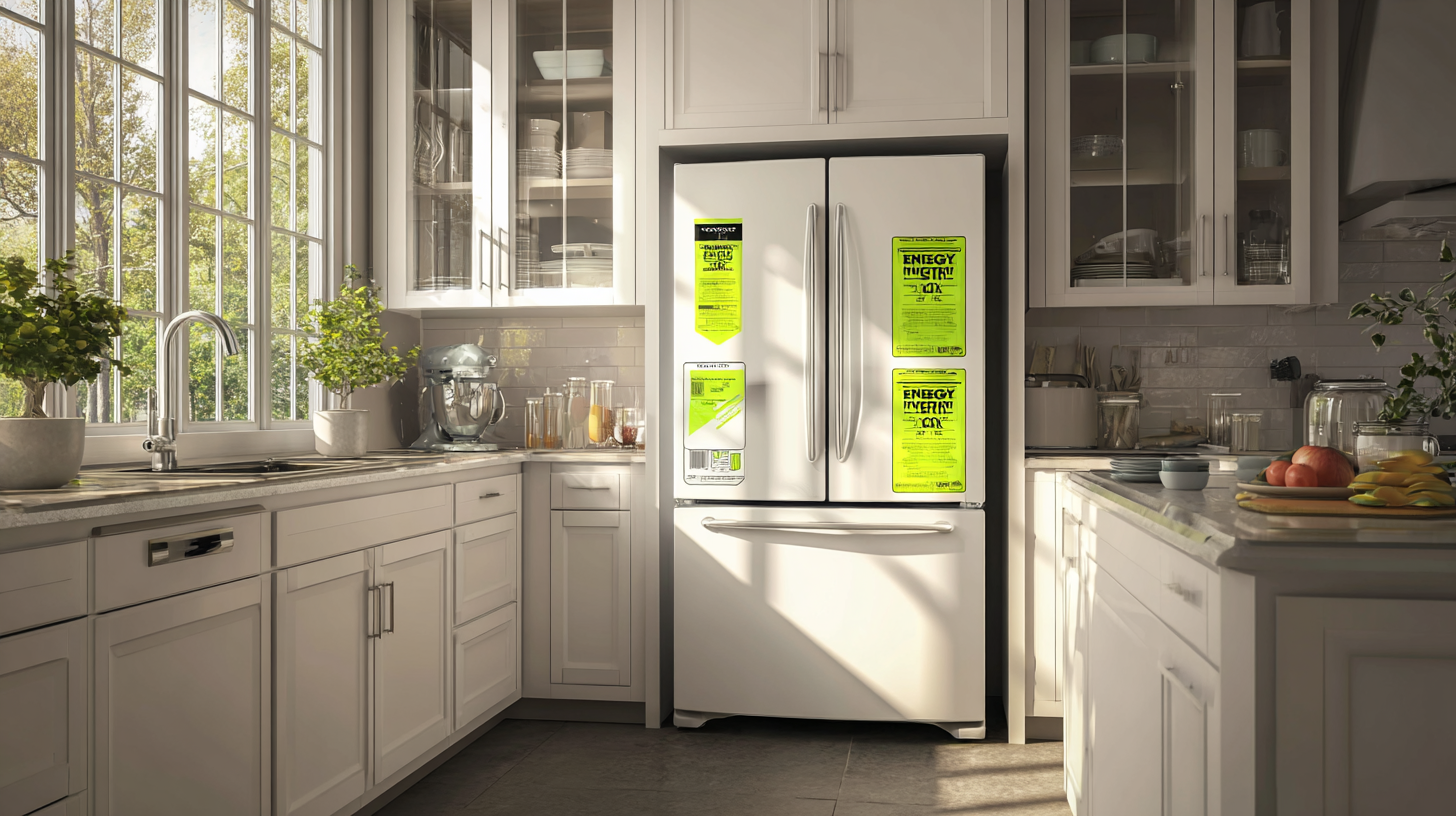
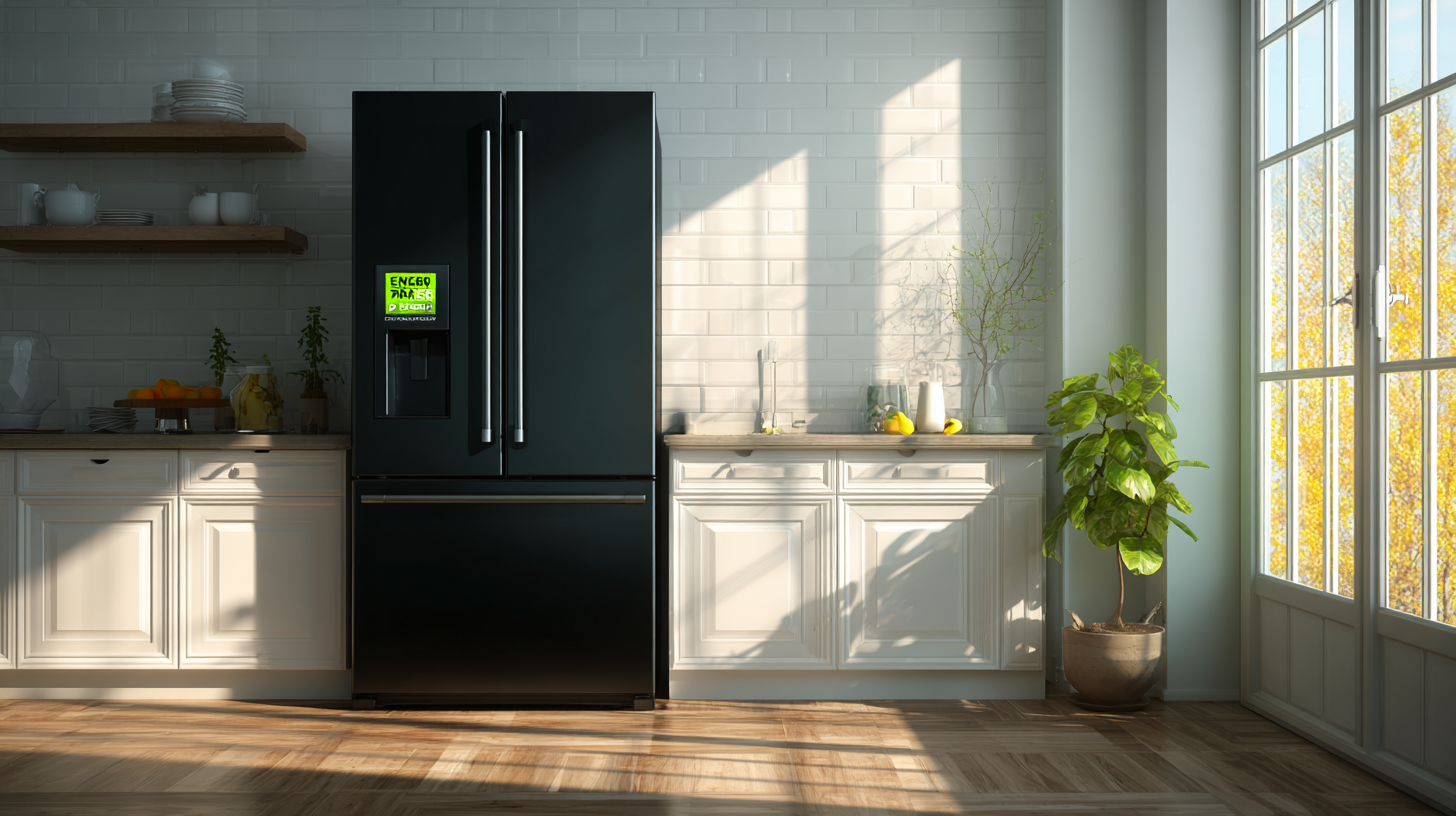
When selecting new appliances, look for those that have the ENERGY STAR label, which indicates superior energy performance compared to standard models. These appliances are designed to use less energy and water without compromising functionality or performance. Here are several categories of appliances you may consider upgrading:
- Refrigerators: New energy-efficient refrigerators can save more than 50% of the energy used by older models. Features such as high-efficiency compressors and improved insulation contribute to lower energy consumption.
- Washing Machines: Energy-efficient washers use significantly less water and energy per load, which can lead to major savings over time. Consider front-loading models, which are often more efficient than top-loading options.
- Dishwashers: Modern dishwashers equipped with energy-saving modes use less water and energy, making them not only eco-friendly but also effective in cleaning.
- Heating and Cooling Systems: Upgrading to high-efficiency HVAC units can greatly reduce energy usage. Look for systems that use variable-speed motors and advanced features that adjust to outdoor conditions, optimizing performance and comfort.
In order to evaluate the impact of these upgrades, consider the following table that compares the average energy consumption of traditional appliances versus their energy-efficient counterparts:
| Appliance Type | Traditional Model Energy Usage (kWh/year) | ENERGY STAR Model Energy Usage (kWh/year) | Estimated Annual Savings |
|---|---|---|---|
| Refrigerator | 700 | 350 | $50 |
| Washing Machine | 450 | 200 | $30 |
| Dishwasher | 300 | 150 | $25 |
| HVAC System | 3,500 | 2,000 | $300 |
By using the above table to guide your decisions, you can make informed choices that align with your energy efficiency objectives. Additionally, many utility companies offer rebates for purchasing ENERGY STAR appliances, which can further offset the initial costs of these home improvements.
Investing in energy-efficient appliances is a practical step toward achieving greater self-sufficiency. Beyond reducing energy costs, these upgrades contribute to a more sustainable living environment by lowering greenhouse gas emissions and decreasing reliance on fossil fuels. Understanding the importance of energy consumption in home settings helps in making smarter choices that benefit both the household budget and the planet.
Utilizing smart home technology
Integrating smart home technology into your living space can revolutionize how you manage energy consumption, making your home more efficient and self-sufficient. With the rise of interconnected smart devices, homeowners now have the capability to control systems and monitor usage in ways that were previously inconceivable. This tech-savvy approach not only contributes to greater energy efficiency but also fosters a more sustainable lifestyle.
Here are some practical ways to incorporate smart technology into your homestead:
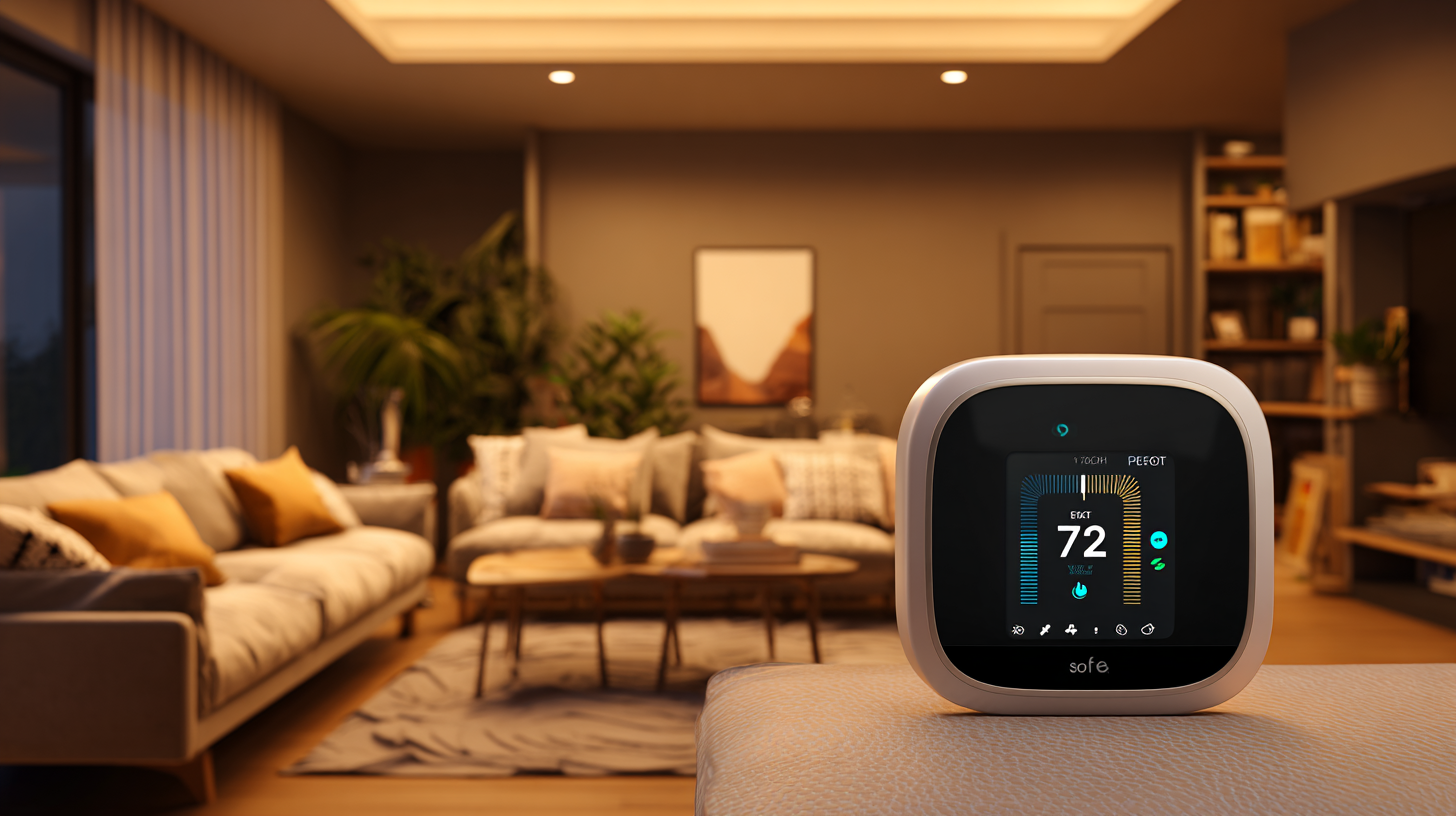
- Smart Thermostats: These devices learn your heating and cooling habits and adjust the temperature accordingly, optimizing energy use. For instance, you can program your thermostat to reduce heating while you’re away and warm up the house before you return home, ensuring comfort without wasting energy.
- Smart Lighting: Equip your home with smart bulbs and switches that you can control remotely or schedule to turn off when not needed. Utilize occupancy sensors to ensure lights aren’t left on in unoccupied rooms. Not only will this save electricity, but it also enhances your home’s security by simulating occupancy when you’re away.
- Smart Plugs: These handy devices enable you to transform ordinary plugs into smart outlets. You can set schedules or control them remotely to turn appliances on and off. For example, you might program your coffee maker to start brewing at the right time, without leaving it on all day.
- Energy Monitoring Systems: Such systems can provide real-time data on your energy consumption, helping you identify which appliances or devices use the most energy. By understanding your consumption patterns, you can make informed decisions about where to focus your energy-saving efforts. For example, if your washer and dryer use a disproportionate amount of energy, you might consider upgrading to energy-efficient models.
- Smart Irrigation Systems: If you are growing your food, consider smart irrigation systems that adjust watering based on weather conditions and soil moisture levels. This not only conserves water but also promotes healthier plant growth, making your homesteading efforts more fruitful.
Each of these smart technologies plays a vital role in enhancing your home’s energy efficiency and aligns perfectly with a self-sufficient lifestyle. For instance, smart thermostats can lead to significant energy savings, with some users reporting up to 30% reductions in heating and cooling costs after implementation.
Moreover, many smart home devices can be integrated into a cohesive system, allowing you to manage everything from a single app. This convenience ensures that you remain in control of your home’s energy usage, no matter where you are. Take advantage of features like geofencing, which can automatically adjust your smart thermostat based on your location, so you don’t have to worry about forgetting to toggle settings when leaving home.
As you embrace smart home technology, it’s essential to ensure your devices are compatible and prioritize security measures to protect your personal data. Set strong passwords and regularly update them for added security.
Ultimately, utilizing smart home technology not only streamlines your daily routines but also represents a crucial aspect of modern homesteading practices aimed at promoting energy efficiency and sustainability. By investing in these technologies, you’ll be making home improvements that align with your self-sufficiency goals, all while contributing to a greener planet.
Implementing renewable energy sources
Implementing renewable energy sources in your home is a powerful strategy for enhancing energy efficiency and promoting self-sufficiency. By harnessing the power of nature, you can reduce dependence on conventional energy grids, lower utility costs, and contribute to a more sustainable future. Transitioning to renewable energy not only benefits your pocketbook but also empowers you as a responsible steward of the environment.
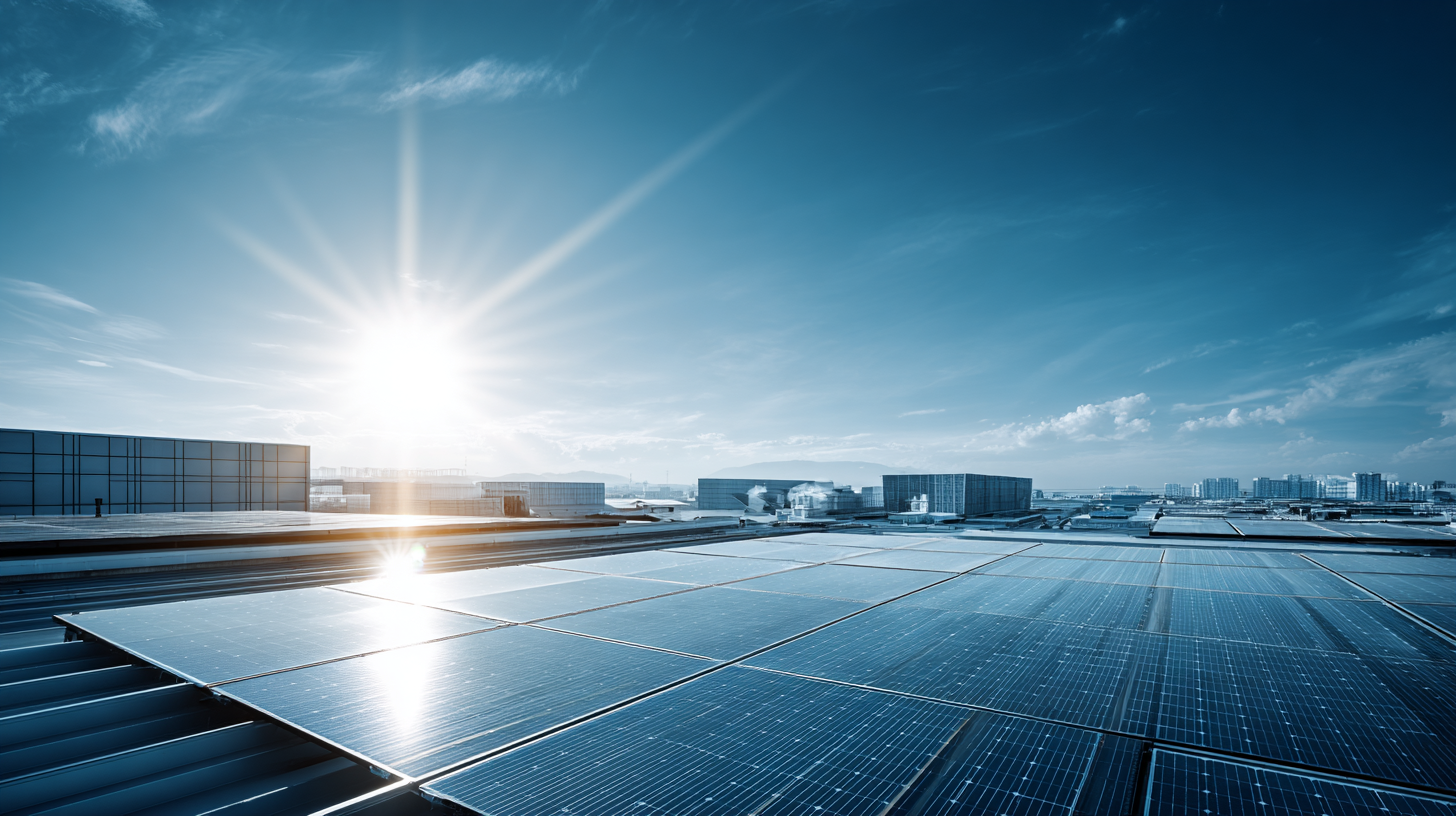
Solar energy is one of the most accessible forms of renewable energy for homeowners. Installing solar panels on your roof allows you to capture sunlight and convert it into electricity. This can significantly reduce your utility bills, and in some cases, you may even be able to sell excess energy back to the grid, creating an additional revenue stream. When considering solar power, be sure to evaluate the orientation and angle of your roof, as these factors can impact the efficiency of your solar array. Moreover, look into local incentives or tax credits available for solar installation to help offset the initial costs.
- Wind Energy: If you live in an area with consistent wind speeds, small-scale wind turbines can be an effective option for generating electricity. These turbines can provide a reliable source of power, especially when combined with solar energy. Before installation, however, check local regulations, as there may be restrictions or requirements for wind systems.
- Geothermal Energy: For those willing to invest in a more complex system, geothermal energy uses the stable temperatures underground to heat and cool your home. Geothermal heat pumps can be more energy-efficient than traditional HVAC systems, resulting in substantial cost savings over time.
- Biomass Energy: Utilizing organic materials for energy production, such as wood pellets or agricultural waste, can be another sustainable option. Biomass heating systems can provide warmth and reduce reliance on traditional fossil fuels, thus lowering your carbon footprint.
Incorporating these renewable energy sources not only reduces your reliance on fossil fuels but also enhances your home’s resilience against fluctuating energy prices. Over time, the savings from decreased utility bills can help recoup your initial investment. Additionally, by generating your energy, you contribute to reducing greenhouse gas emissions, aligning with a growing commitment to environmental sustainability.
“The future is clean energy. The future is in the hands of innovative homeowners who are bold enough to harness natural resources responsibly.”
As you embark on this journey toward renewable energy, it’s essential to conduct a thorough energy audit to understand your home’s energy needs. This assessment will guide your decisions on the appropriate renewable energy systems for your lifestyle. Consider consulting with energy experts who can help customize a solution that meets both your energy requirements and financial considerations.
Furthermore, integrating renewable energy systems with current technology can enhance their efficiency and effectiveness. For instance, pairing solar panels with energy storage systems—like batteries—allows you to store excess energy generated during the day for use at night or during adverse weather conditions. This hybrid approach maximizes your energy independence and ensures a reliable power supply.
By implementing renewable energy sources into your home, you not only make a commitment to energy efficiency but also take significant steps toward self-sufficiency. Embracing these technologies can lead to substantial financial savings, a smaller environmental impact, and a greater sense of empowerment as you take control of your energy usage. Investing in renewable energy is a pivotal home improvement that fosters a sustainable lifestyle and paves the way for future generations to thrive.
Enhancing lighting efficiency
Enhancing lighting efficiency in your home is an often-overlooked yet vital aspect of achieving energy efficiency and promoting a self-sufficient lifestyle. The choices you make regarding lighting can have a substantial impact not just on your monthly energy bills, but also on your overall energy consumption. With the introduction of innovative lighting technologies and conscious habits, you can illuminate your home while minimizing energy waste, allowing you to contribute positively to both your household budget and the environment.
One of the first steps in enhancing lighting efficiency is to replace traditional incandescent bulbs with LED (light-emitting diode) bulbs. LEDs are significantly more energy-efficient, using up to 80% less energy than incandescent bulbs and lasting up to 25 times longer. This means fewer replacements and less waste, aligning perfectly with self-sufficient practices. Although they may have a higher initial cost, the long-term savings on energy bills and reduced frequency of replacements make LEDs an attractive investment for any home.
Another way to improve lighting efficiency is through the strategic use of natural light. Take advantage of windows, skylights, and reflective surfaces in your home to maximize daylight usage. This can reduce your dependency on artificial lighting during daylight hours. Consider using lighter colored walls and furnishings that reflect light and brighten up spaces without additional energy use. For those with a green thumb, planting deciduous trees outside south-facing windows can help create shade in summer while allowing sunlight in during winter, further moderating heating and cooling needs throughout the year.
In addition to transitioning to LEDs and leveraging natural light, you can install smart lighting systems. These setups allow for precise control over when and how much light is used throughout your home. For instance, dimmer switches can help adjust the brightness depending on the time of day or activity, while timers and motion sensors can automatically turn off lights when rooms are unoccupied. Such features not only enhance convenience but also promote energy efficiency as they help you make conscious decisions about lighting use.
Lastly, adopting habits such as turning off lights when leaving a room and using task lighting rather than overhead lights for focused activities can help further reduce energy consumption. Be mindful of lighting outdoors as well; motion-activated outdoor lights or solar-powered garden lights can provide security and beauty without over consuming energy. When every aspect, from bulbs to habits, is taken into consideration, lighting can transform from a simple necessity into a powerful ally in your quest for energy efficiency and self-sufficiency.
- What are the benefits of using LED bulbs over traditional incandescent bulbs?
- LED bulbs use up to 80% less energy than incandescent bulbs, last significantly longer, and can lead to considerable savings on energy bills. Over time, this translates to reduced waste and a smaller carbon footprint.
- How can I maximize natural light in my home?
- To maximize natural light, consider using lighter paint colors, strategically placing mirrors, and keeping windows clean. Additionally, the strategic placement of trees and outdoor elements can enhance light entry while providing shade when needed.
- What is smart lighting technology?
- Smart lighting technology includes systems and devices that allow you to control your home’s lighting remotely or automatically. Features may include dimmers, timers, motion sensors, and integration with home automation systems to enhance efficiency and convenience.
- How can I reduce outdoor lighting energy consumption?
- By using motion-activated lights, timers, and solar-powered fixtures, you can reduce unnecessary energy consumption while maintaining security and visibility outside your home.
- Is it worth investing in energy-efficient lighting?
- Yes, investing in energy-efficient lighting such as LEDs can lead to lower energy bills, reduced maintenance costs, and a longer lifespan for bulbs, ultimately offering substantial savings over time.
- Can enhancing lighting efficiency impact my home’s overall energy consumption?
- Absolutely! By improving lighting efficiency, you can significantly lower your total energy consumption, contributing positively to your energy bills and environmental footprint.
- What are some simple habits I can adopt to improve my lighting efficiency?
- Simple habits include turning off lights when leaving a room, using task lighting instead of overhead lighting, and being mindful of lighting needs during the day to rely more on natural light.
Managing heating and cooling systems
Managing heating and cooling systems is essential for creating a comfortable living environment while ensuring energy efficiency and promoting self-sufficiency. A well-regulated system not only keeps your home at the desired temperature but also prevents unnecessary energy waste, making it vital for your homesteading efforts. By adopting some simple yet effective strategies, you can enhance your heating and cooling management, leading to substantial savings and a reduced carbon footprint.
Begin by scheduling regular maintenance for your heating, ventilation, and air conditioning (HVAC) systems. Just as you would with any piece of machinery, regular check-ups can significantly extend the lifespan of your equipment and keep it running efficiently. Consider changing filters every one to three months, as dirty filters can restrict airflow and force your system to work harder. This, in turn, leads to higher energy bills and reduced efficiency. Note that some families have turned to washable filters, which can save money in the long run and are more environmentally friendly.
- Programmable Thermostats: Installing a programmable thermostat can lead to substantial energy savings. You can set your thermostat to automatically adjust the temperature when you’re home and when you’re away. For instance, lowering the temperature by just a few degrees at night or when you’re not at home can lead to significant savings over time. Additionally, newer smart thermostats can learn your habits and adjust heating and cooling accordingly, optimizing usage further.
- Insulation and Sealing: Complement your HVAC system by enhancing your home’s insulation and sealing air leaks. This means that your heating and cooling efforts are not wasted on unsealed gaps or poorly insulated areas. Foam sealants or weather stripping around windows and doors can prevent drafts, making it easier for your heating or cooling systems to maintain a comfortable temperature.
- Zoning Systems: For homes with multiple stories or distinct living areas, a zoning system can optimize comfort and energy use. These systems control the temperature in different parts of your home separately, allowing you to heat or cool only the areas being used. This targeted approach can lead to enhanced energy efficiency and reduced utility costs.
- Natural Ventilation: Always consider harnessing natural ventilation when weather permits. Opening windows during cooler evenings and early mornings can help lower indoor temperatures, reducing reliance on air conditioning during peak heat. Likewise, strategically placed ceiling fans can circulate air and create a cooling breeze, ensuring comfort without over-relying on mechanical systems.
Another effective way to boost energy efficiency with your heating and cooling systems is to invest in high-efficiency models when it’s time to upgrade. Look for units with the ENERGY STAR label, which ensures they meet stringent energy efficiency criteria. These systems are often equipped with variable-speed motors that can adjust their output based on the current demand, allowing for improved comfort and reduced energy consumption. Additionally, consider solar-powered HVAC units, which integrate renewable energy solutions into your home while reducing reliance on traditional energy sources.
Lastly, educate your family about the importance of managing heating and cooling systems effectively. Simple habits like closing doors of unused rooms, adjusting thermostats when leaving home, and keeping vents clear of furniture can contribute to overall system efficiency. Teach your children how to be mindful of temperature settings and the home environment, fostering a sense of responsibility toward energy conservation that aligns with a self-sufficient lifestyle.
Incorporating these strategies not only enhances your energy efficiency but also empowers you as a hands-on homesteader. By making informed choices about your heating and cooling management, you pave the way for substantial home improvements, increased comfort, and a reduced environmental impact. These practices reflect a commitment to a sustainable lifestyle while demonstrating the interconnectedness of comfort and energy use in every household.