
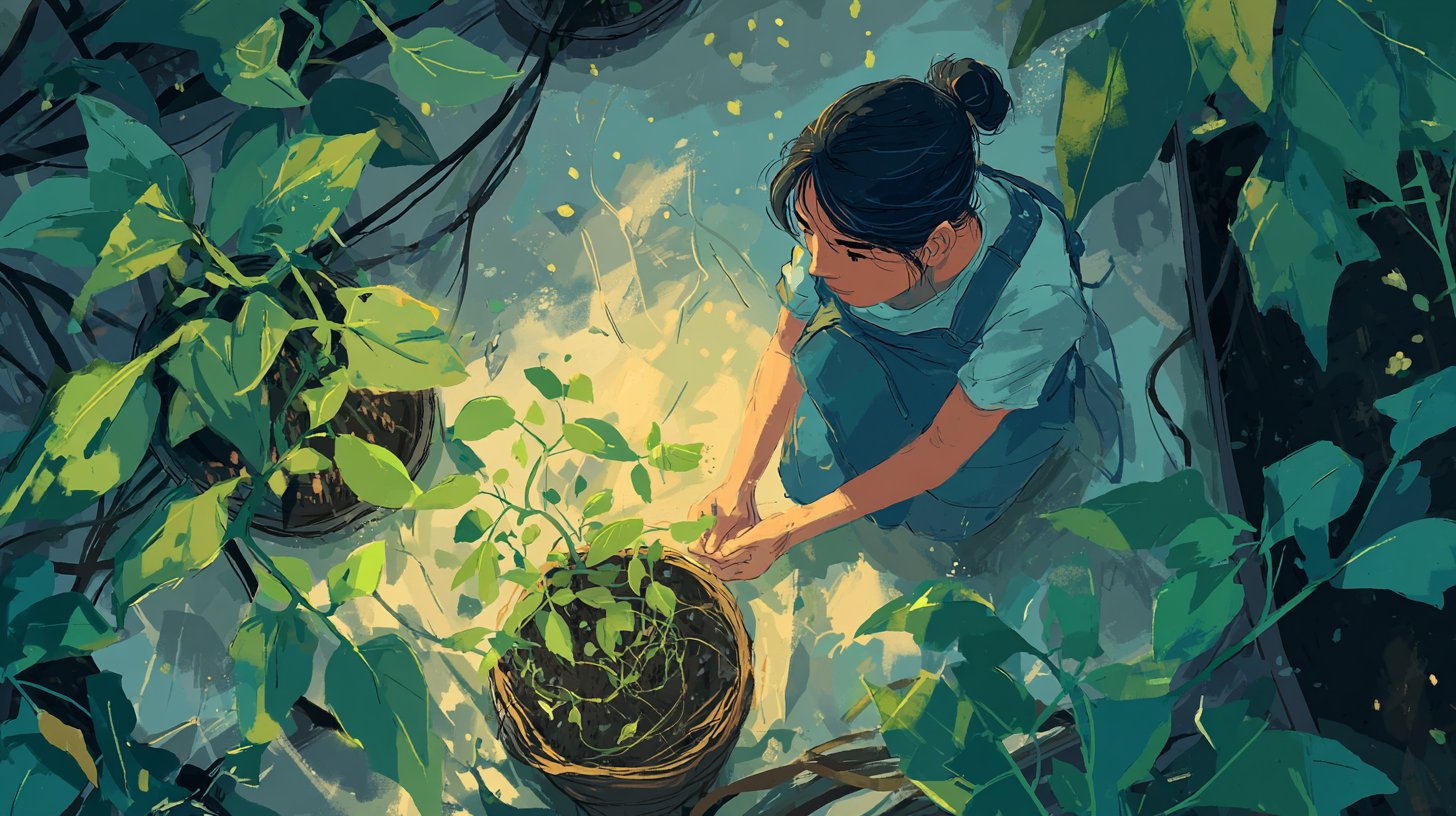
Developing a self-sufficient mindset begins with the crucial step of fostering independence through skill development. By equipping yourself and your family with essential skills, you lay the groundwork for a more self-reliant lifestyle, making homesteading not only feasible but also enjoyable.
Engaging in skill-building activities encourages confidence and resourcefulness. Start with the basics of gardening, which is a cornerstone of any homesteading endeavor. Consider creating a small vegetable garden in your backyard. If space is limited, even container gardening can yield bountiful harvests. Some beginner-friendly vegetables include:
- Tomatoes: Easy to grow and maintain, tomatoes can thrive in pots or garden beds, providing fresh produce all summer long.
- Radishes: Quick to germinate and harvest, they are perfect for novice gardeners looking for quick rewards.
- Lettuce: A versatile green that can be harvested multiple times throughout the growing season.
Aside from gardening, consider learning practical skills like food preservation. Canning, fermenting, and drying fruits and vegetables can save money and reduce waste. Start with a simple recipe for canning tomatoes or pickling cucumbers. Not only does this teach valuable cooking skills, but it also enhances your understanding of food storage and sustainability.
Another essential skill is basic woodworking and repairs. Mastering how to build or fix household items can save money and instill a sense of accomplishment. Consider attending local workshops or finding online tutorials to begin projects like building shelves or repairing furniture. You’d be surprised how satisfying it can be to create or maintain your own living space!
Don’t forget to include your children in these activities. Teaching them skills like baking bread or sewing can provide valuable lessons in self-sufficiency while also creating lasting memories. Integrating fun family projects, like making homemade personal care items or cleaning products, not only offers practical benefits but also helps reinforce a mindset of sustainability.
Lastly, always remain curious and open to learning. The journey towards self-sufficiency is continuous, with each new skill contributing to your overall independence. Whether you are mastering the art of beekeeping or understanding basic car maintenance, each skill you acquire enhances your self-sufficiency and empowers you to take control of your life. Dive in, explore new capabilities, and enjoy the journey of personal development that comes with fostering independence!
Understanding the Foundations of Self-Sufficiency

Self-sufficiency is not merely about acquiring a set of skills but understanding the foundational principles that underlie a self-reliant lifestyle. At the heart of this mindset is the recognition of personal agency—the idea that individuals can take charge of their lives and circumstances. This sense of control is pivotal in fostering the resilience necessary for overcoming challenges associated with self-reliance.
One foundational aspect of self-sufficiency is the ability to problem-solve creatively. When faced with obstacles, whether financial, logistical, or emotional, those with a self-sufficient mindset approach these hurdles as opportunities for growth rather than insurmountable challenges. Engaging in critical thinking and brainstorming potential solutions not only bolsters one’s skills but fosters adaptability—a key element of resilience. In practice, this can mean evaluating various options for sourcing produce or alternative methods for energy production, which can lead to innovative solutions based on available resources.
Additionally, developing a strong sense of self-discipline is essential. Self-sufficient individuals tend to set goals and strategically plan how to achieve them. By creating a realistic timeline and breaking down larger projects into manageable tasks, they maintain motivation and a sense of accomplishment. This level of organization enhances not just productivity but also mental clarity and focus. Implementing tools like lists or digital project management applications can be instrumental in tracking progress and ensuring that both short-term and long-term goals are met.
Another key element is resourcefulness—finding ways to make the most out of what is available. This could involve utilizing recycled materials for home projects or creatively repurposing items that might otherwise be discarded. The practice of being resourceful can be seen in various activities, such as upcycling furniture or organizing community barter systems, where services and goods are exchanged without monetary transactions. Such actions not only contribute to personal development but also strengthen community ties, promoting a broader culture of self-reliance.
To illustrate these principles, consider the following table comparing different approaches to resource management:
| Approach | Description | Benefits |
|---|---|---|
| Self-Sourcing | Growing your own food and raising livestock | Reduces dependence on commercial sources, ensures quality |
| DIY Repairs | Fixing household items instead of purchasing new | Saves money, fosters a sense of accomplishment |
| Community Sharing | Participating in local sharing groups for tools and resources | Builds community, enhances access to equipment without financial burden |
Being proactive about learning and seeking out knowledge further contributes to understanding self-sufficiency. Online resources, workshops, and community classes can provide valuable insights into various topics. This continuous learning not only enhances practical skills but also encourages a growth mindset—embracing challenges and viewing failures as opportunities for improvement. Each step taken towards greater knowledge and capabilities is a step towards a more independent and fulfilling lifestyle.
The foundations of self-sufficiency are rooted in principles that encourage proactive problem-solving, self-discipline, resourcefulness, and lifelong learning. By embracing these factors, individuals are better equipped to navigate the complexities of a self-sufficient lifestyle, ultimately fostering a more sustainable and gratifying personal development journey.
Embracing a Growth Mindset
Embracing a growth mindset is fundamental to cultivating a successful self-sufficient lifestyle. This mindset not only encourages you to tackle challenges with optimism but also inspires you to view setbacks as stepping stones for personal development. When you approach each task or project with a mindset focused on growth, you open yourself to endless opportunities for learning and improvement.
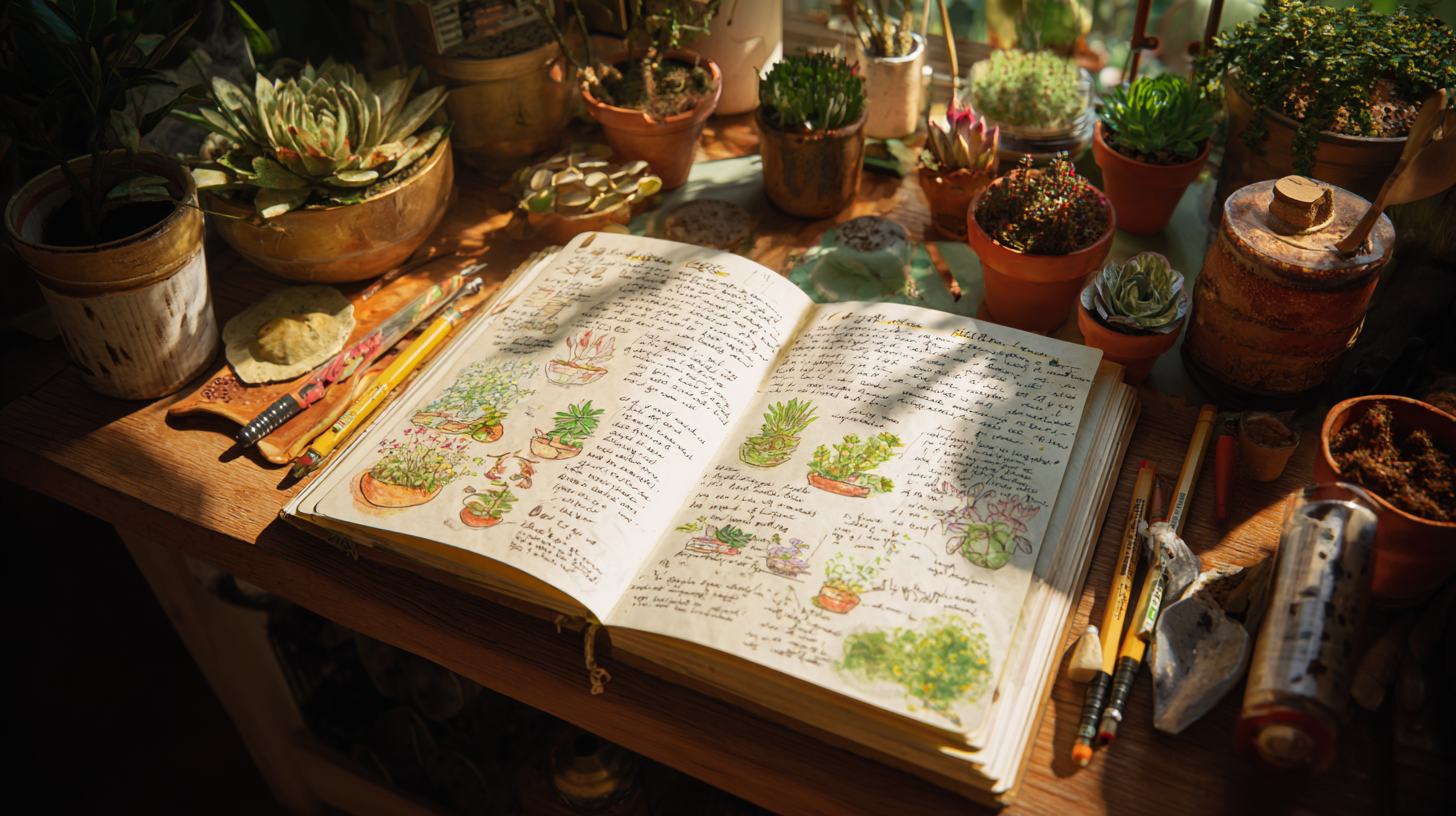
One practical way to nurture this mindset is through setting specific learning goals. For instance, if you’re interested in preserving food, commit to mastering one preservation technique each month. You might start with canning, move on to fermenting, and then try drying herbs or fruits. Documenting your progress through a journal or blog will allow you to reflect on your experiences and celebrate your achievements, fostering a sense of accomplishment that can motivate you further.
Another technique to embrace a growth mindset is to participate in local workshops or online courses related to homesteading. Subjects can range from organic gardening to raising chickens. Engaging with like-minded individuals not only enriches your knowledge but also helps you build a support network that can offer guidance and encouragement. Don’t hesitate to ask questions and share your challenges; community interactions enhance learning and often yield practical solutions that you may not have considered.
Additionally, practicing mindfulness can significantly affect how you embrace challenges. Before starting a new task, take a moment to reflect on what you hope to achieve and the potential obstacles you might encounter. This self-reflection cultivates resilience, allowing you to approach difficulties with clarity and patience. For example, if you’re attempting to grow a new plant variety that you aren’t familiar with, consider the possible reasons for your success or failure. Use these experiences as teaching moments—identify what went well and what could be improved for next time.
It’s also important to recognize that expertise comes with experience. Realize that becoming self-sufficient is not an endpoint but a continuous journey, characterized by trial and error. Allow yourself the grace to make mistakes without harsh self-criticism. For example, if a batch of home-canned pickles doesn’t turn out right, instead of being discouraged, analyze what went wrong. Was it the process, the ingredients, or perhaps improper sterilization? Such analysis can improve your skills and enhance your understanding of food preservation over time.
Finally, celebrating small victories is key to maintaining your enthusiasm for learning. Whether you’ve successfully grown a new vegetable, made your first batch of bread, or constructed a simple birdhouse, acknowledge these accomplishments and use them as motivation for your next challenge. You might create a rewards system for yourself; for example, treat yourself to a special dinner or a new gardening tool when you achieve a skill-related goal. This not only reinforces your commitment but encourages an overall positive association with the learning process.
Nurturing a growth mindset enables you to confidently embrace the self-sufficiency journey, understanding that every new skill you acquire contributes to your independence and ability to face life’s challenges. As you cultivate this mindset, you’ll find that personal development becomes an enriching part of your daily life, enhancing not just your homesteading efforts but the overall quality of your experiences.
Overcoming Obstacles to Self-Reliance
 Overcoming barriers to self-reliance often requires a strategic approach to identifying and addressing the unique challenges each individual may face. One prevalent obstacle is the fear of failure, which can hinder personal development and prevent individuals from taking the necessary steps toward self-sufficiency. Embracing a mindset that reframes failures as opportunities for learning can significantly ease this fear. When challenges arise, remind yourself that each setback provides insights to enhance your skills and improve future endeavors.
Another significant barrier can be the perception that self-sufficiency requires extensive knowledge or resources that appear daunting. This misconception can lead to paralysis by analysis, where the desire to become self-sufficient is overshadowed by the overwhelming nature of starting anew. To combat this, break tasks into smaller, manageable components. For instance, if you aspire to become an accomplished gardener, begin with a few easy-to-maintain plants rather than attempting to cultivate an entire garden at once. Gradually expanding your efforts fosters confidence and reinforces the notion that progress is built step by step.
Time management often poses another challenge. Many individuals struggle to balance the commitments of work, family, and personal interests while pursuing self-reliance. A practical strategy is to integrate self-sufficiency activities into your daily routine. For instance, dedicate a specific time each week to cooking from scratch or learning a new skill. By allotting even a small amount of time regularly, you build momentum without feeling overwhelmed. Setting clear priorities and using planning tools—like calendars or productivity apps—can facilitate a better balance among your various responsibilities.
Additionally, it’s crucial to confront the potential for self-doubt, which can creep in during the journey toward self-sufficiency. This doubt can originate from external criticism or internal insecurities. Surrounding yourself with supportive communities can create a buffer against these negative feelings. Seek out local groups or online forums where individuals are engaged in similar pursuits. Sharing successes and challenges with others fosters a sense of camaraderie and creates a nurturing environment that encourages both personal development and motivation.
Networking can also lead to valuable resource sharing. Connecting with experienced homesteaders or individuals who have successfully navigated self-sufficiency can provide insights and strategies that reduce trial and error. Engage in learning opportunities such as workshops, classes, or collaborative projects that deepen your knowledge while expanding your support network.
Finally, personal resilience plays a pivotal role in overcoming obstacles. Cultivating strategies for stress management—like mindfulness practices or physical exercise—ensures that you maintain your mental and emotional well-being during challenging times. This resilience enhances your ability to push through difficulties and emerge stronger, further reinforcing your commitment to a self-sufficient lifestyle.
“The only limit to our realization of tomorrow will be our doubts of today.” – Franklin D. Roosevelt
In summary, overcoming obstacles requires a proactive mindset and a willingness to seek resources and support. By addressing issues such as fear of failure, misconceptions about complexity, time management challenges, self-doubt, and resilience, individuals can engage more fully in the pursuit of self-sufficiency. The journey is as valuable as the destination, providing numerous opportunities for growth and personal development along the way.
Building a Supportive Environment
Creating a supportive environment is essential to nurturing a self-sufficient mindset. This environment encompasses not only physical space but also the relationships and community connections that can either bolster or hinder your pursuit of independence. A nurturing atmosphere can foster motivation, enthusiasm, and resilience, all of which contribute to personal development.
One significant aspect of a supportive environment is establishing connections with like-minded individuals. Surrounding yourself with individuals who share a vision of self-sufficiency can inspire and encourage you on your journey. Community groups, online forums, and local workshops offer excellent opportunities to network and learn from others’ experiences. Engaging in discussions about challenges and successes can also provide invaluable insights into practical solutions. Consider forming a local homesteading club where members can share skills, exchange resources, and support one another in projects such as gardening or food preservation.
Furthermore, consider how your home environment can be optimized for self-sufficiency. This could mean setting aside designated areas for growing herbs or vegetables, implementing composting systems, or organizing tools and supplies to streamline various tasks. A well-organized workspace empowers you to tackle projects efficiently. Even decluttering your space can have a positive effect, as it helps reduce stress and increases focus. Creating a sanctuary where you feel comfortable experimenting with new skills will enhance your willingness to take risks and grow.
In addition, cultivating a culture of encouragement within your household is vital. If you live with family, involve them in your self-sufficiency pursuits. This sharing not only lightens the load of tasks but also fosters a sense of collective purpose. Family-based self-sufficiency projects, such as making homemade cleaning products or starting a backyard compost, can promote teamwork and bonding, enhancing everyone’s commitment to the lifestyle. Sharing knowledge and skills among family members teaches the next generation the importance of resourcefulness and independence.
Don’t overlook the power of positive reinforcement. Recognizing and celebrating each member’s efforts, no matter how small, encourages continued involvement and commitment to self-sufficiency projects. For example, if a child successfully helps in the garden, take time to commend their efforts and highlight the fruits of their labor. This not only boosts their confidence but reinforces the importance of the work being done. A supportive environment thrives on collaboration and motivation, conditions that fuel progress toward independence.
Lastly, be open to learning from setbacks. Failures are often the best teachers, guiding you toward improving your strategies and approaches. Maintaining a resilient mindset within a supportive environment allows you to process failures constructively rather than discouragingly. Create an atmosphere where it’s acceptable to discuss missteps openly; this can pave the way for collective problem-solving and innovative thinking, ultimately fostering a more robust communal spirit.
- What is self-sufficiency?
- Self-sufficiency refers to the ability to fulfill your needs without relying on others or outside resources. This includes growing food, making household products, and developing skills to live independently.
- How can I start becoming self-sufficient?
- Begin by assessing your current skills and knowledge, then set small, achievable goals related to areas such as gardening, cooking, or DIY projects. Gradually expand your efforts as you become more confident.
- Is self-sufficiency only for rural living?
- No, self-sufficiency can be practiced in urban and suburban settings as well. Container gardening, community gardens, and local farmers’ markets are great options regardless of your living situation.
- What skills are essential for self-sufficiency?
- Essential skills include gardening, food preservation, basic home repairs, and budgeting. Learning these skills not only promotes independence but also enhances your overall quality of life.
- How does a growth mindset relate to self-sufficiency?
- A growth mindset encourages you to view challenges as opportunities for learning, fostering resilience and adaptability. This mindset is crucial for successfully navigating the obstacles of becoming self-sufficient.
- Can I become self-sufficient if I have limited time?
- Yes! Integrating small self-sufficiency activities into your daily routine can build momentum. Even setting aside short periods for learning or gardening can lead to significant progress over time.
- How can I find a community for support in my self-sufficiency journey?
- Look for local workshops, online forums, or social media groups dedicated to homesteading or sustainable living. Engaging with others on similar journeys can provide motivation, resources, and shared experiences.
Strategies for Long-Term Self-Sufficiency

Achieving long-term self-sufficiency requires deliberate strategies that cultivate resilience and adaptability, allowing you to thrive in various circumstances. One powerful approach is to prioritize diversified skill development. Instead of focusing exclusively on one area, such as gardening or animal husbandry, expand your knowledge across multiple domains. For example, alongside growing your own vegetables, invest time in learning food preservation techniques like canning or fermenting, and consider developing skills in woodworking or sewing. This multifaceted approach not only enhances your self-sufficiency but also prepares you to handle unexpected challenges that may arise.
Another vital strategy is to adopt a seasonal planning method. By aligning your activities with the seasons, you can optimize your yield and productivity. For instance, early spring is ideal for starting seeds indoors and preparing garden beds, while summer is the prime time for harvesting and preserving produce. In autumn, focus on winterizing your homestead and planning for the next growing cycle. Keeping a seasonal calendar can help you visualize tasks, ensuring you remain proactive and organized throughout the year.
Emphasizing a sustainable lifestyle should also extend beyond your personal activities to include community engagement. Join local farmers’ markets or co-ops to connect with other self-sufficient individuals and share resources. Building relationships within your community can facilitate skill-sharing opportunities, such as collective gardening projects or barter systems. For instance, if one neighbor excels at preserving food, while another has a knack for gardening, they can collaborate and exchange their skills, enriching each other’s practices and enhancing community ties.
It’s also crucial to engage in continuous learning. Enroll in workshops, attend local courses, or participate in online classes focused on homesteading topics that interest you. Whether diving into permaculture principles, herbal medicine, or animal husbandry, seek out knowledge that enhances your understanding of self-sufficiency. Make it a practice to set aside time each week for this pursuit—consider it a vital investment in your personal development. Keeping a journal of your learnings, reflections, and experiences can also provide insights over time and highlight how far you’ve come.
Furthermore, establishing a “fail forward” mentality can significantly impact your journey toward self-sufficiency. Embrace mistakes as learning opportunities that can lead to improvement and innovation. For example, if a gardening experiment doesn’t yield the results you hoped for, analyze what went wrong and adjust your approach. Documenting these instances helps track your progression and reinforces the growth mindset essential for long-term self-reliance.
Taking stock of your resources is another effective strategy. Inventorying what you have on hand—including tools, seeds, and materials—can help you maximize what you can achieve before acquiring new supplies. For example, consider implementing an organized storage system for your homesteading tools and leftover materials from projects. This not only eases accessibility but also encourages creativity—seeing what you already own might inspire new projects or solutions.
Finally, prioritize mental and emotional wellness as you pursue self-sufficiency. The process can be challenging, and maintaining a healthy mindset is crucial. Incorporate practices that promote well-being, such as mindfulness or physical exercise, to help you cope with stress and maintain focus on your goals. When you nurture your mental health, you’ll cultivate the energy and resilience necessary for navigating the inevitable ups and downs of the self-sufficiency journey.
By embracing diversified skills, seasonal planning, community engagement, continuous learning, a fail-forward mentality, resource management, and mental wellness, you can create an enduring foundation for self-sufficiency. This approach will not only enhance your independence but also enrich your personal development and fulfillment in the homesteading lifestyle.