

Saving seeds is an empowering practice that enhances your journey toward self-sufficiency and sustainable gardening. One of the primary benefits is the cost-effectiveness it brings. Instead of purchasing new seeds every season, saving your own seeds can significantly reduce gardening expenses. For instance, if you grow heirloom tomatoes, you can save seeds from your best-performing plants and use them for years to come, keeping your costs low while preserving the unique traits of those varieties.
In addition to saving money, you also gain varietal preservation. By saving seeds from plants that thrive in your specific climate and soil conditions, you develop a seed stock that is perfectly adapted to your local environment. Over time, this can lead to improved yields and healthier plants. Imagine the satisfaction of harvesting tomatoes that not only taste magnificent but also thrive in the exact conditions of your garden!
Moreover, saving seeds fosters biodiversity. When you share your saved seeds with neighbors or community members, you contribute to a rich tapestry of plant genetics. This is especially important as many commercial seed varieties are becoming less diverse due to industrial agriculture practices. By saving and sharing, you help maintain the genetic diversity of our food systems, which can lead to more resilient gardens and farms.
The act of saving seeds also connects you with your gardening heritage. Many cultures have rich histories tied to seed stewardship, and participating in this practice helps honor those traditions. Gather your family or friends and turn seed-saving into a fun activity—it’s a wonderful way to teach children about gardening, sustainability, and the lifecycle of plants. You can hold workshops or seed swap events, fostering a sense of community among urban dwellers or homesteaders alike.
Lastly, saving seeds empowers you with knowledge and confidence. As you learn about the different plants and their reproduction processes, you gain a deeper understanding of the ecosystem and how to nurture it. This enhanced connection to your garden will not only improve your skills but will also inspire creativity in your gardening endeavors.
So, as you embark on your seed-saving journey, keep in mind the multitude of benefits that come with it. Start small if you need to, and enjoy the rewarding experience of being a steward of your garden’s future!
Understanding seed preservation methods
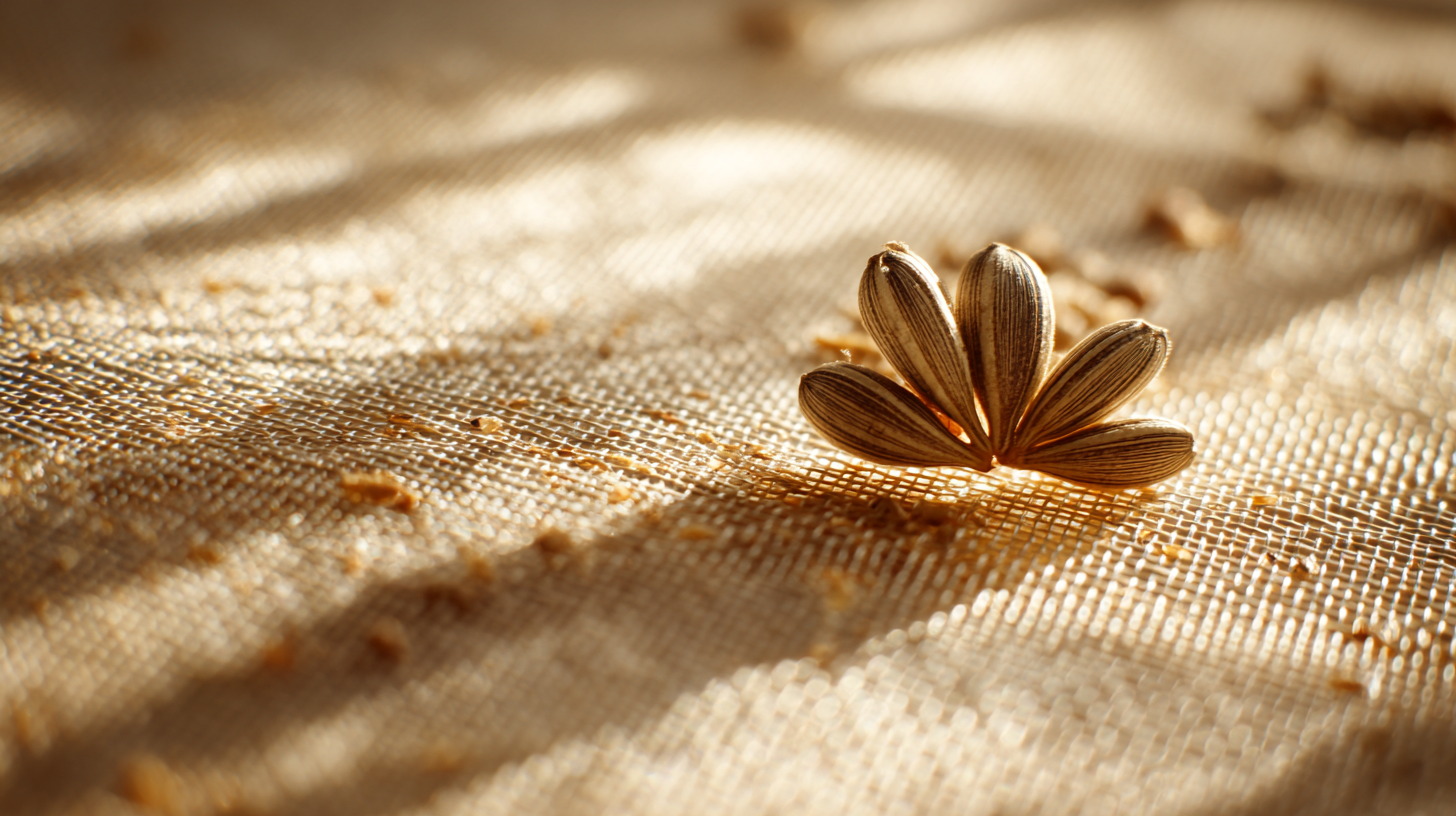 To effectively preserve seeds, it is essential to understand the various methods available, as each one caters to different types of seeds and environmental conditions. Proper seed preservation ensures that your efforts in saving seeds yield a continuous supply for future planting. The three primary methods for seed preservation include drying, storing, and maintaining seed viability through environmental control.
Drying seeds is a crucial first step before storage. Most seeds require a moisture content of about 5-8% for optimal preservation. Overly moist seeds can develop mold or decay. The drying process typically involves placing seeds on a clean, dry surface in a well-ventilated area. For instance, after harvesting sunflower seeds, you can spread them out on a mesh screen or paper towel. It’s essential to check on them periodically and turn them to ensure even drying. Once adequately dried, you can fill them into containers.
Next, seed storage plays a vital role in maintaining the viability of your saved seeds. There are several storage options, each with its advantages. Seeds can be stored in paper envelopes, glass jars, or plastic bags, depending on the intended duration of storage. Glass jars are airtight and protect seeds from moisture and pests, making them ideal for long-term storage. Conversely, paper envelopes allow seeds to breathe, which can be beneficial for seeds meant for short-term use.
Environmental control is equally important in seed preservation. Ideal conditions involve a cool, dark, and dry environment. According to research, seeds stored in temperatures below 50°F (10°C) can maintain their viability for years, while those stored at room temperature may lose viability much quicker. Furthermore, using a desiccant like silica gel in storage containers can help absorb any residual moisture. Here’s a comparison table for storage conditions:
| Storage Method | Pros | Cons |
|---|---|---|
| Paper Envelopes | Inexpensive, allows breathing | Can be susceptible to moisture and pests |
| Glass Jars | Airtight, protects from moisture | Heavier and can break easily |
| Plastic Bags | Not breathable; can trap moisture |
Another relevant aspect of seed preservation is the importance of labeling. Clearly labeling your saved seeds ensures you remember the plant variety and the planting date. This is particularly useful if you are saving several varieties or different crops. In this way, not only do you maintain an organized seed inventory, but you also ensure that the seeds you plant remain viable and true to type.
Finally, understanding the life cycle of the plants you’re saving seeds from is crucial. Some plants self-pollinate, while others require cross-pollination, which can affect the purity and characteristics of the seeds. Familiarizing yourself with these details can further enhance your success in seed saving and contribute towards self-sufficiency in your gardening practices.
Planning your seed savings strategy
Planning your seed savings strategy is an essential step that requires thoughtful consideration and a bit of groundwork to maximize your success. Start by determining which crops you want to save seeds from. It’s best to focus on heirloom or open-pollinated varieties, as these maintain their characteristics across generations. Consider plants that perform well in your specific climate and soil. A careful selection could include tomatoes, beans, or peppers, which are all great candidates for seed saving due to their reliable germination and adaptability.
Next, create a timeline for your planting and harvesting activities. Document when to sow your seeds, when to expect blooms, and when to harvest seeds. This not only helps in timely seed collection but also enhances your awareness of the plant’s growing cycle. Use a simple gardening calendar or planner to keep track of these dates; you can even involve your kids in this process to prepare them for the joys of gardening and seed saving.
Consider building a small “seed-saving area” within your garden or homestead. This dedicated space can be used for several purposes—growing your chosen seed crops, drying harvested seeds, and even storing materials like envelopes or jars that you’ll need for preserving seeds. Keep your seed-saving area visible; having it in a prominent spot will serve as a daily reminder of your self-sufficiency goals.
During the growing season, keep your eye on the plants you’ve selected for seed saving. Allow some plants to mature longer than you might typically do for harvesting. For instance, if you’re saving for tomatoes, wait until the fruit is fully ripe before collecting seeds. This will ensure that the seeds carry the genetic traits required for the best yield. Also, make sure to isolate your seed plants from others of their species to avoid unintentional cross-pollination, which can alter the desired characteristics.
Once it’s time to harvest, carefully collect seeds on a dry, sunny day. Use clean, sharp tools to prevent damage to the plants. You can utilize simple techniques, like using coffee filters or small bowls to gather smaller seeds. Label each batch immediately after collection—include the name of the plant variety, date of harvest, and any special notes about that particular plant’s parentage or growing conditions.
As you move towards storage, think critically about your environment. A cool, dark space is best for preserving seed viability. If you’re saving a variety sensitive to moisture, consider investing in a small desiccant packet to place within your storage container. Remember that seeds saved in optimal conditions can often last for multiple years, so take the time to prepare them properly.
Stay flexible in your planning. Experiment with different methods and plants, and keep detailed notes on your success and failures. This will not only enhance your seed-saving strategy over time, but also foster a deeper connection with your gardening practices. Engaging in such activities not only aligns with a self-sufficient lifestyle but also helps you build a food system that is resilient, adaptable, and rewarding for years to come.
Common challenges in seed saving
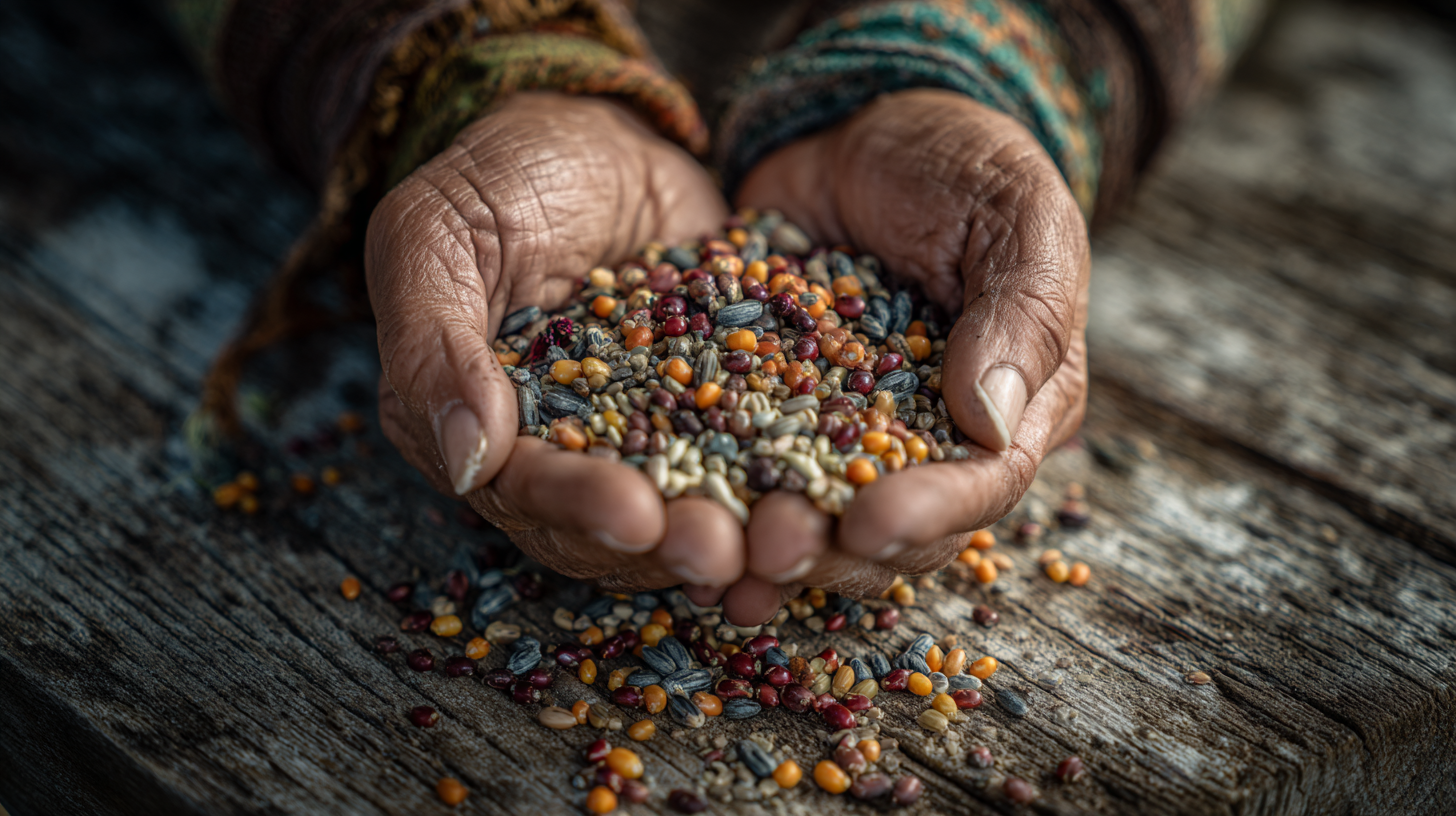 Common challenges in seed saving can often discourage even the most enthusiastic gardeners, but understanding these hurdles is essential for mastering the craft. One significant challenge is the threat of cross-pollination, especially with crops that are closely related. Plants such as squash and tomatoes may share pollen with different varieties, leading to seeds that do not produce the desired characteristics in future generations. To mitigate this, gardeners can employ strategies such as isolating plants by distance or using physical barriers, like mesh bags, to keep insects from transferring pollen.
Another hurdle is the knowledge gap surrounding plant life cycles. For those new to saving seeds, it can be difficult to determine the right time to harvest. Each plant has its unique timing for seed maturity, and harvesting too early can result in undeveloped seeds, while too late can lead to seed losses from natural events or pests. Keeping a gardening journal can help track these cycles, providing critical insights for future seasons.
Additionally, successful seed saving requires diligence in cleaning and storing seeds. Neglecting this step can lead to seed degradation or spoilage. For example, if seeds are not thoroughly dried before storage, they may develop mold, rendering them unplantable. As mentioned previously, maintaining a low moisture content and appropriate storage conditions is vital. Implementing a proper seed-cleaning routine—such as using a fine sieve for smaller seeds—can ensure that only high-quality seeds are stored for the next season.
The financial aspect of seed saving can also pose challenges. Some gardeners may find themselves investing in specialized tools or storage solutions, which can lead to initial expenses that deter the practice. However, it’s important to remember that these investments are often outweighed by the long-term savings and sustainability gained from not having to purchase seeds each year.
Furthermore, lack of space can restrict seed saving endeavors for many urban gardeners. Limited growing area can lead to fewer opportunities for selecting diverse plant varieties for seed saving. Community gardens or shared growing spaces can provide a solution, allowing individuals to cultivate a wider array of plants and share the responsibility of seed saving with fellow gardeners.
In the face of these challenges, perseverance is key. Embracing the learning process and connecting with other seed savers within your community can pave the way for overcoming obstacles. As the great American horticulturist, seed saver, and author, John Jeavons, famously stated,
“We must take the responsibility to save seeds, for ourselves and the future generations.”
By sharing experiences, resources, and knowledge, you can create a supportive network that fosters a thriving seed-saving culture, enhancing not just self-sufficiency but also community resilience.
Legal considerations for seed ownership
Legal considerations surrounding seed ownership are increasingly vital for those invested in saving seeds and promoting self-sufficiency. Understanding the intricacies of seed laws can shape your gardening practices significantly. Many countries have varying regulations governing the saving, selling, and sharing of seeds, aimed at ensuring agricultural diversity and consumer protection. For instance, be aware that some seed banks or companies may enforce patents or trademarks on specific varieties, which can restrict your ability to save and replant certain seeds without incurring fees. It’s important to be mindful of these regulations, as they can affect your gardening choices and the long-term sustainability of your practices.
In the United States, the Plant Variety Protection Act (PVPA) provides patent-like protections for new varieties of plants. While this encourages innovation, it can limit the rights of gardeners who wish to propagate those patented seeds. It allows breeders to maintain exclusive rights to their variety for a specific term, which means you cannot save or sell seeds from these plants, even if they thrive in your garden. Therefore, opting for heirloom or open-pollinated varieties can be a strategic choice, as they generally do not carry the same legal restrictions and can be freely propagated from season to season.
Additionally, you should consider the implications of local and state laws regarding seed sharing. Some jurisdictions may have regulations that impact community seed exchanges or the sale of home-saved seeds. Being informed about these rules helps you navigate the legal landscape and avoid potential pitfalls associated with seed saving. Understanding your rights as a seed saver not only protects your investment in time and resources but also furthers the movement for local food sovereignty.
Engaging with your community about these legal aspects can foster discussions that increase awareness and advocacy for more supportive policies. By collaborating with local gardeners, community groups, and farming organizations, you can contribute to the broader movement advocating for seed freedom, which can lead to more lenient regulations that support self-sufficiency and sustainable gardening practices.
- Can I legally save seeds from hybrids?
- Typically, it is not recommended to save seeds from hybrid plants, as they do not breed true to type. The subsequent generations may exhibit undesirable traits or may not be viable at all.
- Are there penalties for saving patented seeds?
- Yes, saving patented seeds without permission can lead to legal repercussions, including fines or lawsuits. It’s essential to understand and respect the rights associated with patented plant varieties.
- How can I determine if a seed variety is protected?
- Research the seed company’s website or contact them directly to ask about the variety’s legal status. Additionally, databases exist to check if a plant variety has been protected under seed laws.
- What rights do I have as a home gardener?
- Generally, home gardeners can save and replant seeds from heirloom and open-pollinated varieties. These seeds are not protected by patents, allowing you greater freedom to propagate and share.
- Can I participate in seed swaps legally?
- Yes, many areas encourage community seed swaps as a way to promote biodiversity and local agriculture. However, familiarize yourself with any local regulations that may apply.
- Do I need a license to sell seeds I saved?
- In most cases, selling seeds may require a license or registration with local agricultural agencies, especially if you’re planning to sell to the public. Check with local regulations to ensure compliance.
- What is the significance of seed sovereignty?
- Seed sovereignty refers to the right of communities and individuals to save and exchange seeds. This is crucial for protecting agricultural biodiversity and ensuring that food systems are resilient and self-sufficient.
Inspiring stories of successful seed savers
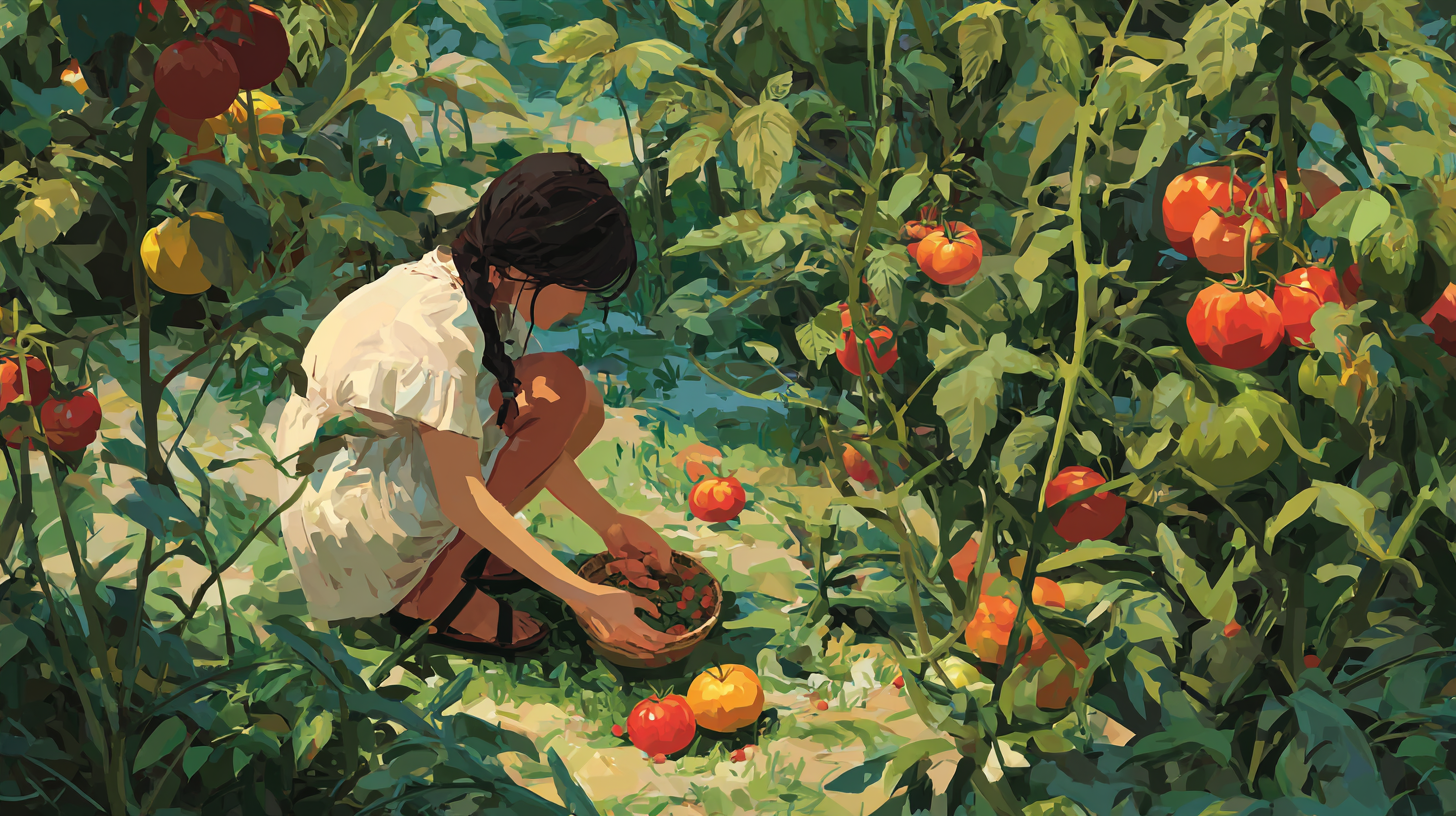
In the realm of seed saving, many inspiring individuals have paved the way, demonstrating that self-sufficiency and resilience are within our reach through their dedication and innovative practices. For example, the story of Karen, a suburban gardener who transformed her backyard into a thriving seed sanctuary, stands out. After experiencing the challenges of sourcing reliable seeds that thrived in her area, she decided to save seeds from her most successful plants. Through trial and error, she learned about the different traits of each variety and how to enhance their growth. Today, Karen hosts seed-saving workshops to educate her neighbors, fostering a community that values gardening and biodiversity. Her journey began with a few tomato plants and has blossomed into a robust network of seed savers.
Likewise, the tale of a family in Oregon showcases the power of collaboration in seed saving. This family adopted a unique approach by establishing a dedicated seed library within their local community center. They collect seeds from their own garden and encourage others to do the same, creating a rich repository of local seed diversity. By hosting seasonal seed swaps, they not only invigorate the interest in home gardening but also ensure that heirloom and open-pollinated varieties thrive. The family’s efforts have made it possible for many urban dwellers to access quality seeds, fostering self-sufficiency even in densely populated areas.
Another remarkable initiative can be found in the story of Tom, an experienced farmer who recognized the importance of maintaining heritage varieties. Tom focused on persimmons and apples, diligently saving seeds from his most robust trees. Over decades, he cultivated a new strain of apples particularly suited to his region, merging unique flavors with enhanced disease resistance. His passion led to the establishment of a local seed bank, where he shares seeds with community members and educates them on the significance of genetic diversity in agriculture. Tom’s contributions have made a lasting impact, enriching the local food system and inspiring others to embrace the practice of saving seeds.
These narratives remind us that the journey of gardening and self-sufficiency is often rooted in community and shared knowledge. Whether you choose to inspire others through workshops, seed libraries, or local seed swaps, your commitment to saving seeds can spark enthusiasm among fellow gardeners, creating a rich culture of collaboration. So, as you embark on your own seed-saving path, look for opportunities to connect with those around you and share your experiences, creating an even greater impact for future gardening endeavors.