
In today’s world, the push for energy solutions that promote self-sufficiency is more important than ever. As you embark on your homesteading journey, consider ways to integrate innovative solutions that not only provide power but also align with a sustainable lifestyle. Here are some ideas to help you harness the latest technologies and practices in your quest for a self-sufficient home.
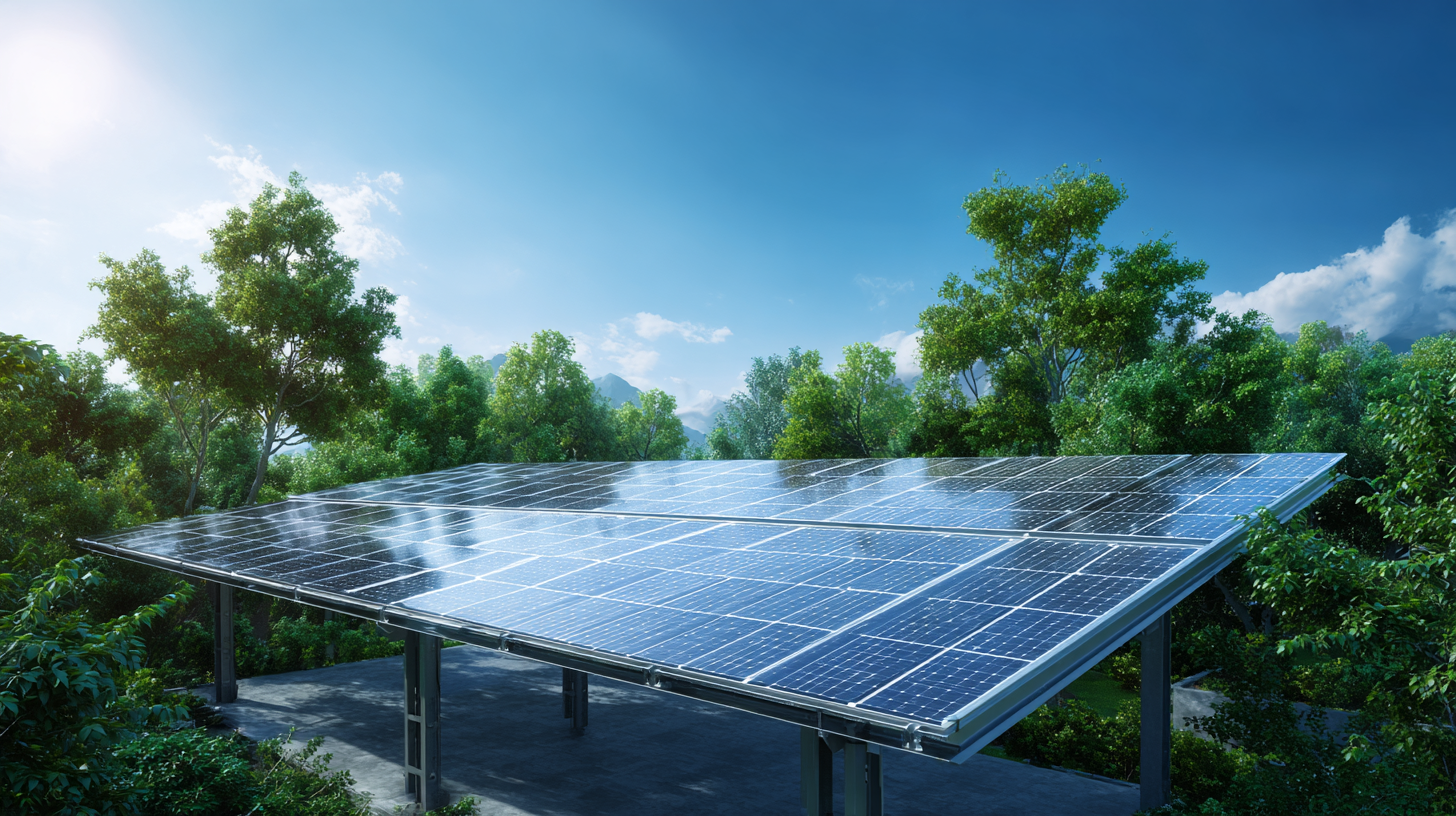
First, assess your energy needs and the resources you have on hand. An effective strategy is to start small with the implementation of renewable energy sources. For instance, installing solar panels can significantly reduce your reliance on conventional electricity.
Create a plan that includes a mix of energy sources. Diversifying your energy portfolio can enhance your resilience. Here are practical suggestions:
- Wind Turbines: If you live in an area with consistent winds, micro-wind turbines can complement your solar setup, providing power during the day and night.
- Hydro Power: For those close to a water source, small-scale hydroelectric systems can be a powerful addition, generating energy continuously.
- Biogas Digesters: Converting organic waste into methane can not only solve waste disposal issues but also provide a renewable energy source for cooking and heating.
In conjunction with these energy sources, it’s crucial to improve your home’s efficiency. Simple changes can make a significant difference:
- Insulation: Properly insulating your home minimizes energy loss and keeps heating and cooling costs down. Use sustainable materials like recycled denim or sheep’s wool for a greener approach.
- Smart Home Technologies: Investing in smart thermostats can optimize your energy usage, adjusting heating and cooling based on your habits and preferences.
- Energy-Efficient Appliances: Replace outdated appliances with Energy Star-rated products, which use less energy and can save you money over time.
Furthermore, staying informed about innovations in the renewable energy sector is crucial. Join online communities, attend workshops, or subscribe to relevant publications to keep up with trends and new technologies. Additionally, consider local regulations and incentives; many states offer tax credits and rebates for implementing greener practices, which can make these investments more affordable.
Remember, the goal of self-sufficiency is not just about independence but also contributing to a healthier planet. By integrating inventive energy solutions into your daily life, you are not only reducing your carbon footprint but also setting an example for future generations in sustainable living.
Overview of Self-Sufficient Homes
Self-sufficient homes are designed to meet the energy needs of their occupants through sustainable and innovative practices. This approach is not only about reducing dependence on external energy sources but also about fostering a lifestyle that embraces green living. The fundamental principle behind these homes is to create an ecosystem where the energy utilized is largely generated on-site, which can be achieved through a combination of renewable energy sources, energy-efficient technologies, and sustainable building practices.
To truly understand the essence of self-sufficient homes, it’s essential to examine their key features, which include the integration of various renewable energy technologies, a focus on energy efficiency, and the use of sustainable materials in construction. Self-sufficient homes typically feature systems such as solar photovoltaic panels, small-scale wind turbines, and, in some cases, geothermal systems that harness the earth’s natural heat. These energy solutions work in tandem to provide the occupants with a reliable and consistent power supply.
A significant aspect of self-sufficiency is water management. Many self-sufficient homes incorporate rainwater harvesting systems to collect and store rainwater for irrigation and domestic use. This practice not only conserves water but also reduces reliance on municipal water supplies. Additionally, greywater systems can recycle water from sinks and showers for use in irrigation, further enhancing a home’s sustainability quotient.
To illustrate the effectiveness and feasibility of self-sufficient homes, the following table compares traditional homes and self-sufficient homes based on key aspects:
| Aspect | Traditional Homes | Self-Sufficient Homes |
|---|---|---|
| Energy Source | Fossil Fuels / Grid Electricity | Renewable Sources (Solar, Wind, etc.) |
| Water Supply | Mains Water Supply | Rainwater Harvesting / Greywater Recycling |
| Waste Management | Landfill Disposal | Composting / Biogas Systems |
| Carbon Footprint | High | Low to Negligible |
| Home Efficiency | Standard Insulation | High-Efficiency Insulation & Smart Technology |
Through these comparisons, it becomes evident that self-sufficient homes not only promote energy independence but also significantly reduce environmental impact. By incorporating thoughtful design and innovative energy solutions, individuals can create a living space that not only serves their needs but also contributes positively to the planet. As more people become aware of the benefits of self-sufficiency, we can expect a growing shift toward homes that prioritize sustainability and green living principles, paving the way for a more environmentally conscious future.
Key Technologies for Energy Independence
When looking to achieve energy independence, embracing key technologies is vital to creating a self-sufficient home that aligns with the principles of green living. These technologies form the backbone of your energy strategy, enhancing efficiency and reliability while minimizing your impact on the environment. Below are several innovative options to consider incorporating into your homesteading journey.
Smart Grid Technology: With the rise of smart home devices, consider integrating a smart grid system that manages energy consumption efficiently. This technology allows you to monitor and control energy usage from your devices through apps on your smartphone or computer. By doing so, you can track real-time energy consumption, identify peak usage times, and adjust settings accordingly to maximize efficiency and reduce waste.
Energy Management Systems (EMS): Installing an EMS can help you optimize the performance of all your electricity-generating technologies, such as solar panels and wind turbines. An EMS can automatically adjust energy usage based on generation, usage patterns, and time-of-day rates, letting you take full advantage of your renewable energy sources and furthering your goal of self-sufficiency.
Automated Energy Storage Systems: For those utilizing solar or wind energy, an automated energy storage system can dramatically enhance your independence. These systems intelligently store excess energy produced during peak generation times and discharge it when production is low, negating the need to draw power from the grid. Consider battery options like lithium-ion or even emerging technologies such as flow batteries for their longer life span and larger capacity, allowing you to withstand inclement weather or periods of high demand.
Microgrid Solutions: If you live in a community that supports it, collaborating to create a microgrid can be a game-changing approach. A microgrid is a localized network that can operate independently or in conjunction with the main electrical grid. This setup optimizes energy distribution within a community, allowing neighbors to share resources such as solar or wind-generated power, further enhancing collective energy independence.
For those already invested in various technologies, consider exploring dual-purpose systems. For example, a combined solar and heating system can use solar panels to not only generate electricity but also hot water, thereby maximizing your investment.
As you select technologies, remember to evaluate not only the upfront costs but also long-term savings and benefits. Look into incentives and tax breaks available for adopting renewable energy solutions, which can offset initial expenditures. Additionally, exploring second-hand options or community programs can provide substantial savings while still allowing you to achieve a self-sufficient lifestyle.
Another promising avenue is net metering programs, which many states offer. This allows homeowners to sell excess energy generated back to the grid, providing a potential revenue stream while reducing your electric bill. Ensure you check local regulations and incentives that could bolster your energy independence efforts.
Remember, the goal of adopting these technologies should be about more than just energy independence; it’s about cultivating a sustainable lifestyle that benefits both your family and the environment. By harnessing these innovative solutions, you can create a resilient homestead that thrives on efficiency and sustainability.
Renewable Energy Sources: Solar, Wind, and Beyond
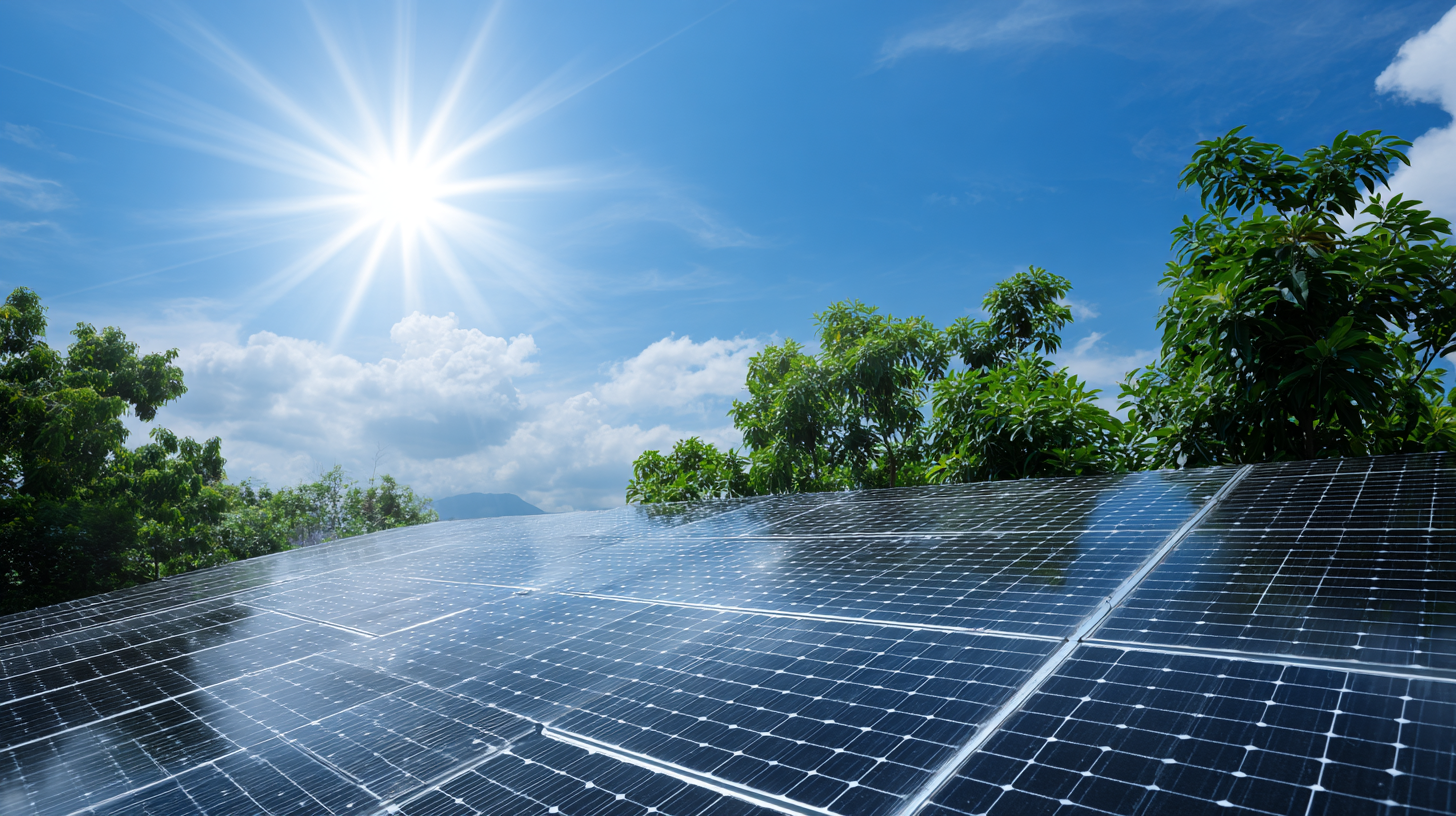
To achieve a truly self-sufficient home, tapping into renewable energy sources is essential. Solar energy stands out as one of the most viable options for homeowners looking to reduce their reliance on traditional electricity. Solar panels capture sunlight and convert it into electricity, providing a renewable and sustainable solution that can significantly lower energy bills. The beauty of solar technology lies in its flexibility; residential solar installations can vary in size from small rooftop systems to larger ground-mounted arrays, allowing homeowners to choose what best suits their energy needs and property layout.
Wind energy is another powerful alternative, especially for those located in areas with consistent wind patterns. Micro-wind turbines can generate significant electricity, even in residential settings. These systems are compact and relatively easy to install, making them an excellent complement to solar arrays. On calm days, while solar panels may underperform, wind turbines can continue to produce energy, offering a reliable means of maintaining self-sufficiency.
“The most reliable energy source is effectively a combination of complementary technologies — solar and wind can work together to maximize energy generation.”
Hydropower provides yet another opportunity for the self-sufficient home. Those fortunate enough to have access to a flowing water source can harness it by installing small-scale hydroelectric systems. These installations can generate electricity consistently, independent of sunlight or wind conditions, making them a robust option for renewable energy. Essentially, hydro systems convert the kinetic energy of flowing water into electricity, providing a powerful and stable energy source.
Additionally, biogas digesters turn organic waste into methane gas, providing a renewable energy source for cooking and heating. Homeowners can implement these systems to not only manage waste efficiently but also produce an energy solution that helps reduce reliance on fossil fuels. This approach is a perfect example of the circular economy in action—using waste products to generate usable energy, effectively keeping homes sustainable and green.
All these renewable energy sources are enhanced when paired with energy-efficient design and practices. Harnessing the full potential of solar, wind, and hydro energy requires not just effective technology but also a commitment to reducing overall energy consumption. Homeowners can further capitalize on those sources by improving insulation, sealing drafts, and utilizing energy-efficient appliances that reduce the overall energy demand of their homes.
As advancements in technology continue to emerge, staying abreast of new developments in renewable energy will be crucial. Innovations such as floating solar panels, vertical wind turbines, and enhanced biogas recovery systems are paving the way for even greater efficiency and utility in residential applications. Engaging with these emerging solutions can contribute to a more sustainable lifestyle and foster self-sufficiency in your home.
Energy Storage Solutions for Optimal Efficiency
Energy storage solutions are a pivotal component in the journey towards self-sufficiency. As you create an ecosystem within your home that relies on renewable energy, effective storage allows you to harness and utilize power generated during peak times. This is essential, particularly as renewable sources such as solar and wind can be intermittent. By integrating energy storage systems, you can ensure that energy generated during sunny days or windy nights is stored and available for use when it’s needed most, such as during peak consumption hours or cloudy weather.
Battery technologies have seen significant advancements, with options like lithium-ion and emerging alternatives, such as solid-state or flow batteries, offering various benefits including higher capacity and longer lifespan. These systems can be scaled to meet the needs of your household, whether you want to power essential appliances or run an entire home independently. For those living in particularly sunny or windy regions, investing in a larger storage capacity can provide nearly complete independence from the grid, allowing you to live sustainably while maintaining comfort.
Another practical approach is to consider systems that will enable not just storage but smart management of your energy use. Automated energy management systems can help optimize when to charge your batteries and when to draw power from them, making sure that you strike the right balance between consumption and generation. This keeps energy costs low and further encourages the adoption of green living practices.
Integrating electric vehicle (EV) charging capabilities with energy storage is another innovative move that is gaining popularity. By linking your EV to your home energy storage system, you can store surplus energy harvested from your renewable sources and utilize it to power your vehicle. This not only maximizes your investment in renewable technology but also enhances your energy independence. Imagine having a fully charged car powered by the sun, ready for your adventures without any concerns over fuel prices or emissions.
Stay curious about the latest innovations in energy storage; research into quantum batteries or self-healing batteries could yield solutions that dramatically change the landscape of energy independence. Engaging with community forums or local energy workshops can also keep you informed about cutting-edge solutions that may be available to you. Empowering yourself with knowledge will allow you to optimize your energy solutions and foster a lifestyle rooted in self-sufficiency and sustainability.
- What is energy storage, and why is it important for self-sufficient homes?
- Energy storage refers to technologies that capture energy for use at a later time. It is crucial for self-sufficient homes because it allows homeowners to store excess renewable energy, ensuring reliability even when the generation is low.
- What types of energy storage systems are available?
- Common energy storage systems include lithium-ion batteries, lead-acid batteries, and new advancements like flow batteries and solid-state batteries, each with unique benefits concerning capacity, lifespan, and cost.
- How do I determine the capacity of my energy storage system?
- The required capacity depends on your energy consumption patterns and the amount of renewable energy you generate. Assessing your daily energy use and peak demands will help you size your storage system appropriately.
- Can energy storage systems be integrated with solar panels?
- Yes, energy storage systems can seamlessly integrate with solar panels, allowing you to store excess energy generated during the day for use at night or during cloudy days.
- How can energy storage improve my home’s efficiency?
- By storing energy for later use, energy storage systems help you minimize reliance on the grid, reduce energy costs, and enhance the effectiveness of your renewable energy generation.
- Are there financial incentives for installing energy storage systems?
- Many regions offer financial incentives, tax credits, or rebates for installing energy storage systems, especially when combined with renewable energy sources like solar, making the investment more affordable.
- What should I consider when choosing an energy storage system?
- Consider factors such as capacity, lifespan, cost, and whether it can integrate with your existing renewable energy systems. Evaluating your energy needs and usage patterns will also guide your decision.
Sustainable Building Practices and Materials

Sustainable building practices are integral to achieving self-sufficiency in your homesteading efforts. By utilizing eco-friendly materials and efficient construction techniques, you can minimize your environmental impact while creating a home that meets your family’s needs. One effective way to start is by choosing materials that are both sustainable and locally sourced, ensuring that your home not only blends into the landscape but also supports your local economy.
When considering materials, look for those that have a low carbon footprint. For instance, bamboo is a rapidly renewable resource that can serve as an excellent alternative to traditional hardwood flooring or cabinetry. Similarly, reclaimed wood from old barns or factories can add character to your home while keeping waste materials out of landfills. When using concrete, opt for fly ash concrete, which incorporates waste byproducts from coal power plants and reduces the overall environmental impact of concrete production.
Another practice to consider is utilizing straw bale construction. This innovative method employs straw bales as insulation, providing excellent thermal efficiency and reducing heating and cooling costs. Additionally, straw is an abundant agricultural byproduct, making it a sustainable choice. Complementing this, earth plaster or natural lime can be used for exterior finishes, offering breathability and a natural aesthetic.
Implementing passive solar design principles can vastly improve your home’s energy efficiency without needing complex systems. Strategically orienting windows to capture sunlight during the winter months while utilizing eaves to block heat during the summer can help maintain comfortable indoor temperatures year-round. Use thermal mass materials, such as concrete or brick, to store solar heat during the day and release it during cooler nights.
- Green Roofs: Installing a green roof not only enhances insulation but also provides habitat for wildlife and helps manage stormwater. These roofs can be planted with native vegetation that requires little to no water once established.
- Natural Insulation Alternatives: Explore options like sheep’s wool, cellulose (made from recycled paper), or cotton denim insulation. These materials not only perform well but also offer sustainable choices compared to conventional fiberglass.
- High-Performance Windows: Choose windows with energy-efficient ratings such as triple glazing or low-emissivity (Low-E) coatings. These windows reduce heat loss and enhance indoor comfort.
Moreover, consider how you approach the setup of your utilities. Employing a composting toilet system significantly lowers water usage and diverts waste from sewage systems. Similarly, incorporating greywater recycling systems can reuse water from sinks and showers for irrigation, effectively creating a cycle where nothing goes to waste.
Additionally, be mindful of the construction process itself. Work with contractors who prioritize green building certifications and understand how to implement sustainable construction techniques. Engaging in local workshops or online courses can also provide valuable insights into DIY building practices, fostering a sense of community and shared knowledge.
As you embark on this sustainable building journey, remember to incorporate the principles of green living at every step. Regularly reassess your practices and seek out new materials and methods that can further enhance the sustainability of your home. By prioritizing these innovative approaches, you not only create a self-sufficient living environment but also contribute positively to the surrounding ecosystem, ensuring a better future for generations to come.
Real-World Case Studies and Success Stories
Real-world examples of self-sufficient homes demonstrate the practical application of innovative energy solutions and inspire others to embrace homesteading principles. Across the country, families and individuals are turning to renewables and sustainable practices to create vibrant, sustainable lives. Let’s explore a few success stories that highlight ingenuity and resilience.
In North Carolina, the Blue Ridge EcoVillage showcases a thriving community dedicated to sustainable living. This intentional community combines solar panels with wind turbines, which together provide all the electricity needed for its members. The eco-village emphasizes community engagement, with residents participating in workshops to learn about energy efficiency and environmental stewardship. By pooling resources and sharing knowledge, the members have created a model for self-sufficiency that other communities can replicate.
Another inspiring case is the Earthship homes located in New Mexico. These unique structures are made from recycled materials, such as old tires, bottles, and cans. Earthships use passive solar heating and cooling techniques, and many rely heavily on solar power for their energy needs. Homeowners in this community not only produce their power but also grow food sustainably within their homes using indoor gardens. This blend of green living and energy self-sufficiency has drawn attention worldwide, encouraging more people to consider alternative building techniques.
In urban settings, the Popup Community Farm in Chicago serves as an excellent example of how to incorporate energy solutions into available spaces. This urban farm features a vertical farming setup combined with solar panels to power irrigation systems. By reclaiming vacant lots for agricultural use, residents are learning how to grow their own food while promoting biodiversity in the city. The project brings people together, fosters community relationships, and teaches important lessons about food security and self-sufficiency.
For those looking to embark on their self-sufficient journey, consider visiting these communities and engaging with their residents. Many of them offer workshops and tours where you can learn firsthand about their systems and lifestyles. Engage in social media groups or online forums dedicated to sustainable living to share insights or seek advice. You might also stumble across other inspiring case studies that can fuel your passion for homesteading.
When pursuing your self-sufficient dream, it’s crucial to document your progress and reflect on both successes and setbacks. Create a homesteading journal or a blog to share your journey—this not only keeps you motivated but also contributes to an ever-growing collection of knowledge available for others. Remember, every little step counts, and by sharing your experiences, you provide valuable insights that encourage others to explore energy solutions and embrace a lifestyle of self-sufficiency.
In your journey, don’t shy away from experimenting with your own energy strategies. For example, consider conducting a small pilot project to test different renewable energy setups, such as combining solar with supplemental wind energy. By assessing what works best for your specific conditions and needs, you will gradually develop a tailored approach that maximizes efficiency and reduces reliance on external resources.
Ultimately, the diverse stories of self-sufficient homes confirm that a sustainable future is not only possible but already being achieved. By learning from these examples and adapting their strategies to fit your context, you can contribute to building a more resilient and eco-friendly society.