
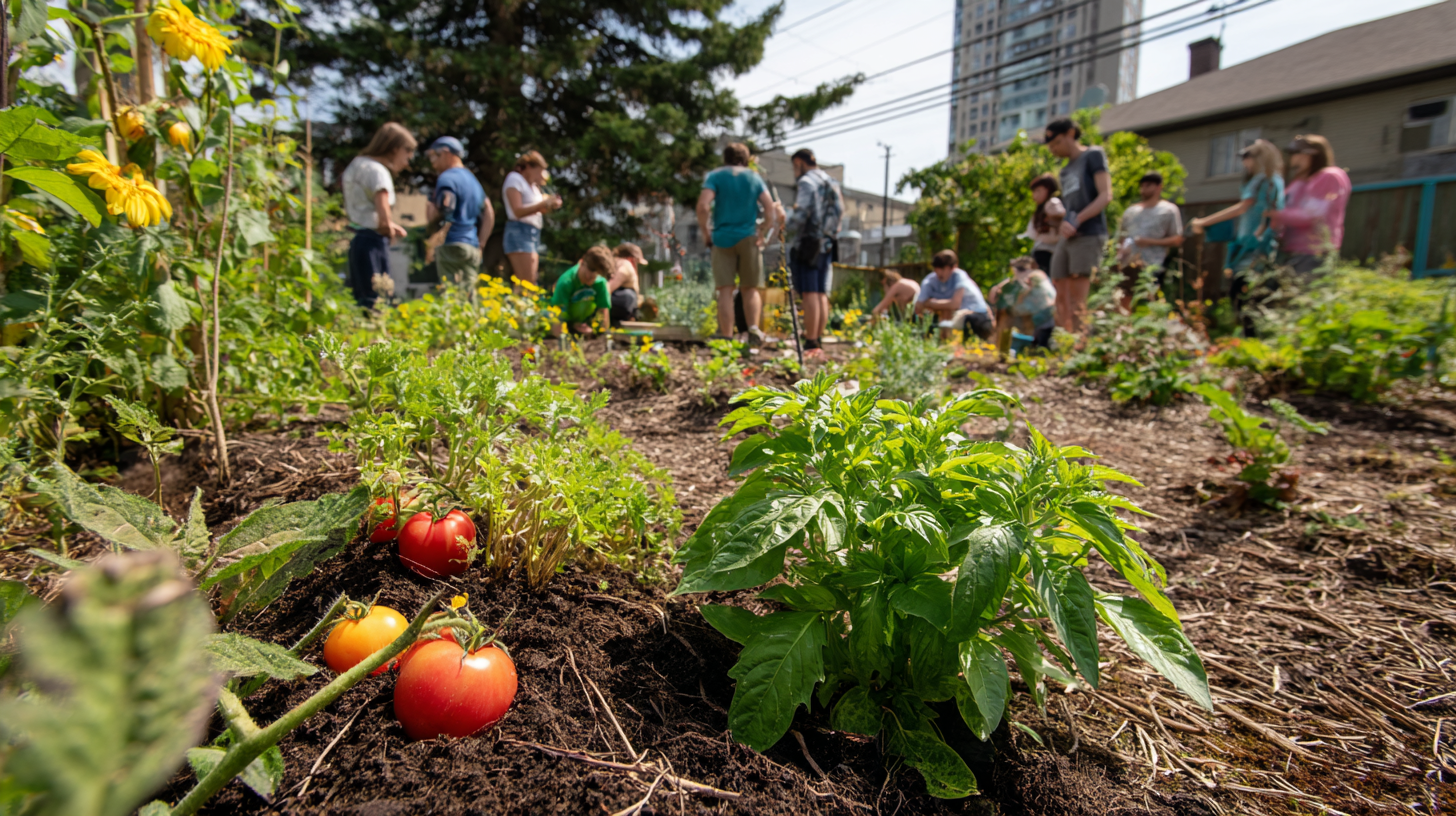
Community gardens provide numerous rewards that stretch far beyond the simple act of growing food. One of the most significant benefits is their ability to foster a sense of community among participants. Engaging in a community garden enables individuals to connect with their neighbors, share resources, knowledge, and experiences, all while working towards a common goal of nurturing plants and producing fresh, local food.
Moreover, these gardens contribute substantially to local food security and self-sufficiency. By cultivating a variety of fruits and vegetables, participants can reduce their reliance on store-bought produce, which often comes with a hefty environmental footprint due to transportation and packaging. Not only does this promote healthier eating habits, but it also enhances resilience against food shortages or fluctuations in pricing.
Economic benefits also arise from community gardens. They can decrease grocery bills for households while providing opportunities for local businesses and farmers. Surplus produce can be sold or traded, generating additional income or strengthening community ties further. To get the most out of your garden, consider planting high-yield crops such as tomatoes, radishes, or even herbs like basil and mint, which can command good prices at farmers markets.
Furthermore, community gardens serve as an incredible educational resource. They offer hands-on learning experiences for children and adults alike, teaching vital skills in gardening, nutrition, and even environmental stewardship. Workshops can be organized to train participants on sustainable gardening techniques, pest management, and seasonal planting schedules. Resources such as local extension offices can be invaluable for guidance on best practices.
Involving people of all ages can help instill a sense of responsibility and care for the environment. Families can teach their children about the importance of growing food, the cycles of nature, and the value of teamwork. This process not only cultivates a greater appreciate for food and the earth but also sharpens individual skill sets—like cooperation and conflict resolution.
The social and psychological benefits of community gardens are equally significant. Gardening can greatly reduce stress levels and promote mental well-being, creating a peaceful retreat amidst the hustle and bustle of daily life. Regular garden meet-ups can become social gatherings, where friendships blossom as easily as the flowers in the beds. This sense of belonging and teamwork contrasts sharply with the isolating nature of urban life and can lead to more vibrant and cohesive communities.
With all these benefits in mind, it’s clear that the establishment of a community garden is not just about food production; it’s about cultivating a thriving community, promoting self-sufficiency, and creating connections that enrich lives.
Planning and designing your garden
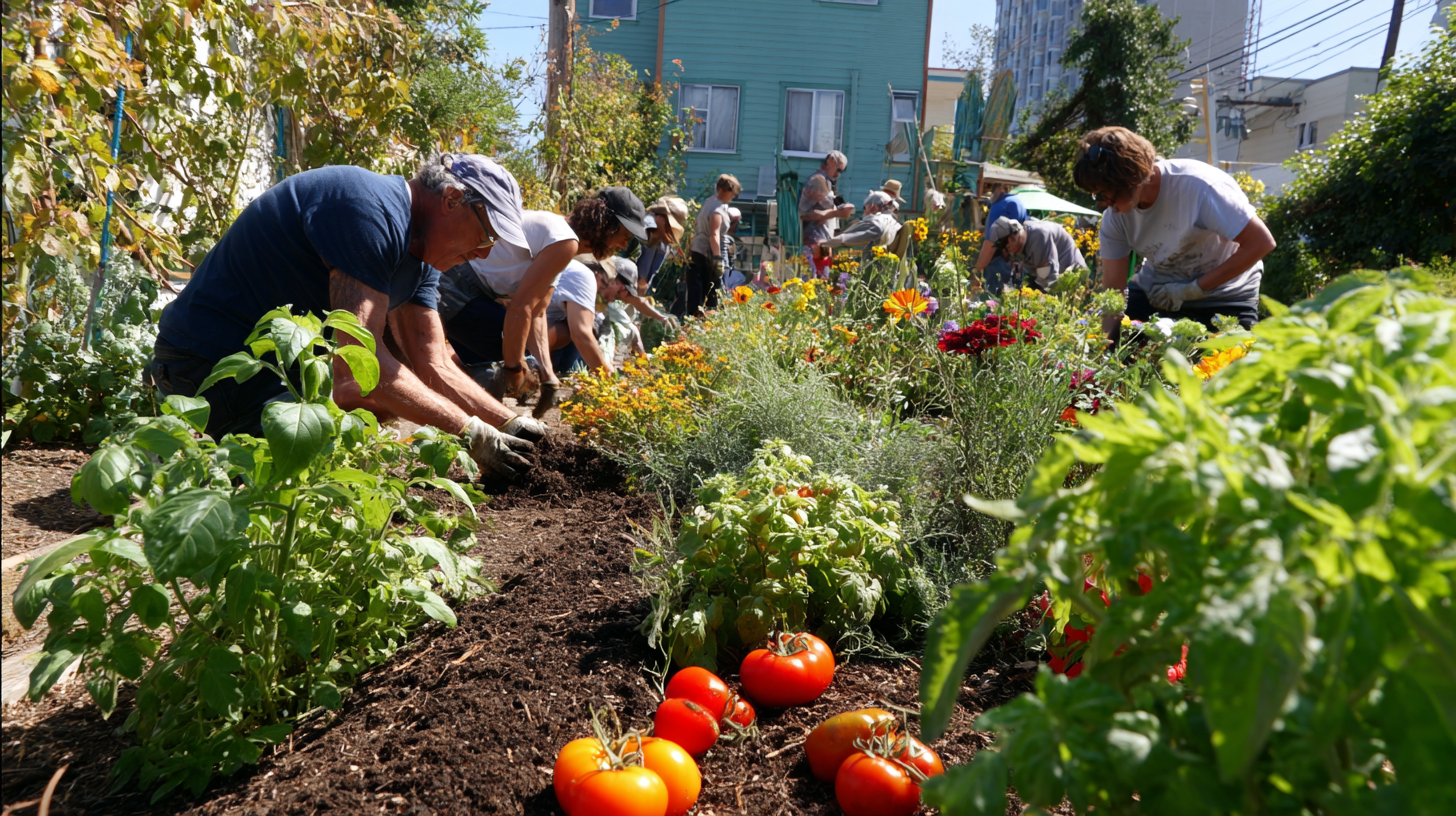 When embarking on the journey to create a community garden, meticulous planning and thoughtful design play crucial roles. A successful garden does not emerge out of thin air; rather, it is the result of collaborative efforts and clear communication among participants about their shared goals. Begin with engaging all interested parties in brainstorming and decision-making sessions. This can establish a shared vision and foster ownership and commitment, key elements for long-term success.
Next, assess the available space. Evaluate the size, shape, and existing conditions of the proposed garden area. This includes understanding the soil type, sunlight exposure, and existing vegetation. Soil health is critical; a simple test can reveal pH levels and nutrient content, guiding decisions on possible amendments and the types of plants that can thrive in that environment. If the soil quality is poor, consider raised garden beds filled with a nutrient-rich growing medium.
Accessibility is another critical factor. Ensure that the garden layout accommodates participants of all ages and abilities. Pathways should be well-defined, wide enough for wheelchairs or garden carts, and made of materials that provide solid footing. Consider including communal areas for gatherings, such as benches or tables where community events can take place. These features can encourage social interaction and create a welcoming atmosphere for individuals visiting the garden.
When it comes to the planting design, it’s beneficial to apply principles of companion planting and crop rotation. Certain plants can support each other’s growth when planted together, resulting in healthier crops and reduced pest issues. By creating sections within the garden dedicated to different plant families, you can optimize yield and ease harvesting.
To help visualize the space and the selection of crops, utilize a diagram or sketch. Below is a sample layout of a community garden divided into various sections for distinct crops:
| Section | Crop Type | Benefits |
|---|---|---|
| North Corner | Tomatoes | High yield, popular in local markets |
| East Side | Herbs (Basil, Mint) | High market demand and culinary uses |
| Center Bed | Root Vegetables (Carrots, Radishes) | Great for soil aeration and personal consumption |
| South Edge | Leafy Greens (Lettuce, Spinach) | Quick harvest time, continuous planting possible |
Additionally, think about incorporating a composting area within the garden. This not only reduces waste but also provides nutrient-rich soil amendments for crops, reinforcing the principles of self-sufficiency and sustainability. Establish clear guidelines for maintenance and communal responsibilities, ensuring that every participant understands their role in the upkeep and operations of the garden.
By setting clear objectives from the outset, designing with inclusivity and productivity in mind, and fostering a strong sense of community, the transformation of a bare patch of land into a flourishing community garden can be an incredibly rewarding endeavor. Involving all stakeholders in the planning process not only strengthens relationships but also lays a solid foundation for shared responsibility and collective enjoyment of the local food produced.
Selecting the right location
Choosing the right location for your community garden is pivotal to its success and sustainability. A spot that resonates with the needs and desires of the community can help foster engagement and ensure that the garden thrives. Start your selection process by looking for areas that receive ample sunlight, as most vegetables and flowering plants require at least six to eight hours of direct sunlight daily. Look for options that not only capture sunlight but are also shielded from harsh winds and extreme weather conditions that could hinder growth.
Accessibility is another key factor. Select a site that is easy to reach for all potential participants, whether they are walking, biking, or driving. Proximity to public transport and local neighborhoods can significantly enhance participation. Consider any physical barriers that might make access difficult. Subsequently, confirm that the land is zoned for gardening activities; local regulations might restrict garden projects in certain areas, so consulting with city planners or local agricultural extensions can prove beneficial.
Soil quality also plays a vital role in site selection. Conducting soil tests can reveal contamination or toxicity levels that could impede plant growth and affect the health of those consuming the produce. If the soil is found to be unsuitable, consider more environmentally friendly options like raised garden beds filled with high-quality, nutrient-dense soil. Alternatively, you could mulch and tend to the soil over time to gradually improve its condition before planting. In cases where soil amendments are needed, it may be necessary to procure organic fertilizers or compost, which can further promote self-sufficiency by allowing participants to repurpose garden waste.
Also, think about the space for communal activities. Choosing a location that allows for a gathering area can amplify the social aspects of gardening. A small patio with benches, picnic tables, or an area for open-air workshops can enhance community interaction and create an inviting atmosphere. This engagement is crucial, as it builds relationships and fosters a collective spirit among participants.
Lastly, take into account existing vegetation. Trees or bushes can provide shade or wind protection, but they should not obstruct the sunlight your plants will need. Use Google Maps or local maps to identify nearby gardens, parks, or green spaces that could complement your community garden’s ecosystem, potentially encouraging local pollinators to flourish and improve biodiversity.
In summary, to select the best location for your community garden, you should:
- Identify areas with optimal sunlight exposure.
- Choose an accessible site for community members.
- Conduct soil tests and assess the quality.
- Consider the available space for community gatherings.
- Assess existing vegetation and nearby ecosystems.
By committing to a well-chosen location, you set the stage for a thriving community garden that is not only productive in terms of yielding local food but also rich in community experiences and a deeper connection to the concept of self-sufficiency.
Engaging the community
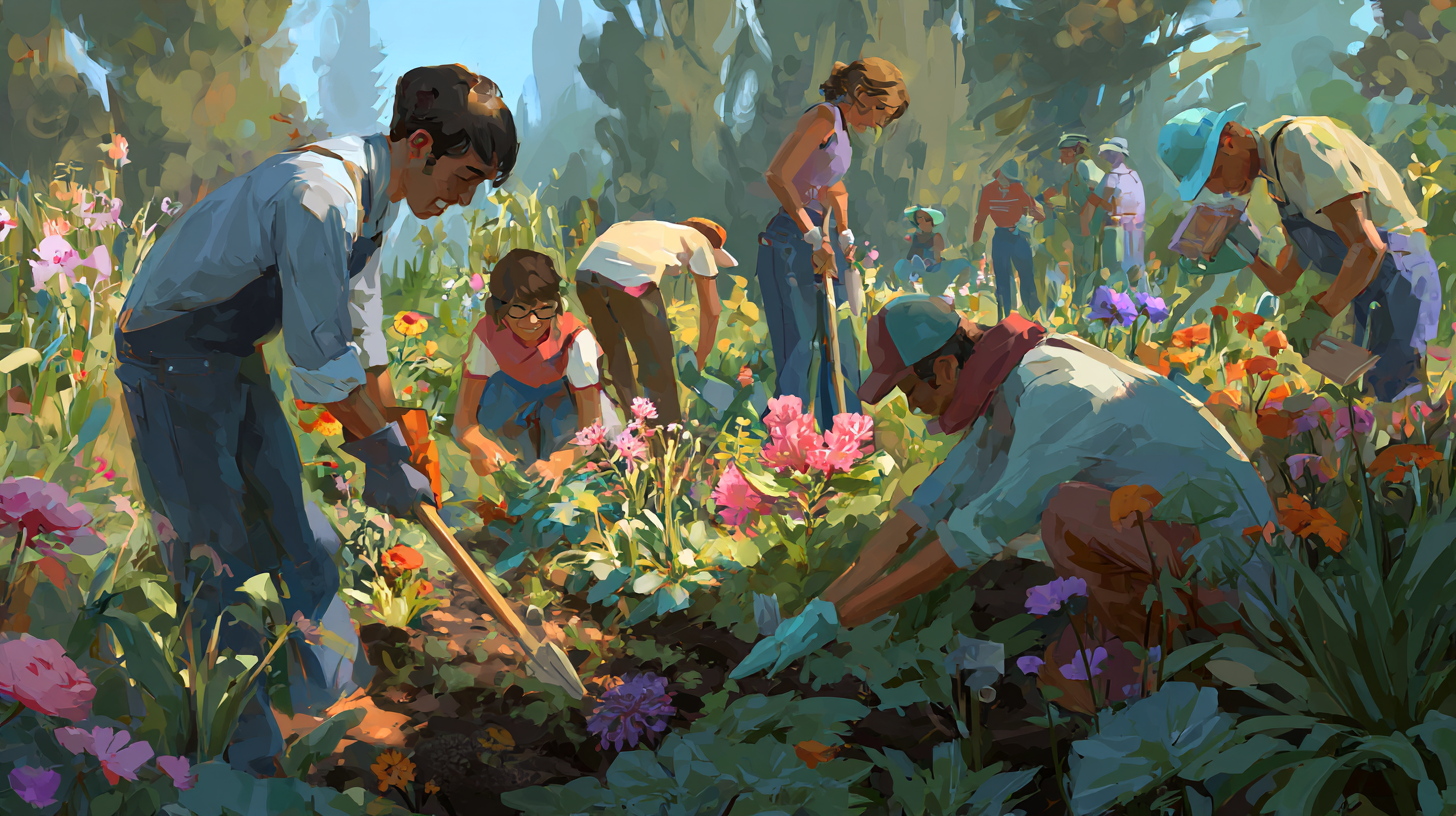 Engaging the community in the establishment and maintenance of a community garden is essential for creating a sense of ownership and connection among participants. This collaborative spirit can be sparked through various outreach methods, such as holding informational meetings, hosting events, or utilizing social media platforms. Flyers, community boards, and local newsletters are effective ways to announce gatherings and workshops, inviting residents to learn about the garden’s vision and how they can contribute.
One effective strategy is to create committees or working groups that focus on different aspects of the garden, such as planning, funding, outreach, and educational programming. By assigning roles based on interest and skills, participants can leverage their strengths, fostering a deeper commitment to the project. Encouraging diverse involvement not only enhances the garden’s productivity but also cultivates a vibrant community atmosphere where everyone’s voice is heard and valued.
To further engage the community, organize events that invite participation beyond planting and harvesting. Workshops on cooking with local food or sustainable gardening practices can attract individuals who may not yet be involved but have an interest in healthy eating or environmental stewardship. Seasonal festivities, such as harvest celebrations or planting days, can provide opportunities for families to come together, learn, and have fun while contributing to the garden’s growth.
Creating a mentorship program can also enhance community ties. Pairing experienced gardeners with novices can facilitate skill sharing and deepen connections. This relationship often extends beyond the garden itself, creating friendships and networks of support within the community.
Maintaining open lines of communication is vital to keep everyone informed and engaged. Regular newsletters or updates can share progress, upcoming events, and individuals’ achievements, making everyone feel involved in the garden’s journey. Moreover, establishing a suggestion box or online platform for feedback encourages participants to voice their ideas or concerns, emphasizing the importance of inclusivity and collaboration in nurturing this shared space.
Furthermore, recognizing and celebrating the contributions of participants can significantly boost morale. Simple gestures, such as a shout-out on social media or a small appreciation event, can go a long way in validating the efforts of community members. Showing gratitude fosters a positive environment and motivates consistent involvement.
“When we come together as a community, we weave a tapestry of resilience and support, nourished by the fruits of our labor.” — Unknown
As you cultivate this sense of community, emphasize the garden as a space not only for growing plants but also for growing relationships. Keep in mind that this engagement doesn’t end once the garden is planted. It evolves over time, with regular maintenance tasks providing ongoing opportunities for collaboration and connection. By fostering an inclusive and dynamic environment, the community garden can flourish as a hub of self-sufficiency, resilience, and shared joy.
Sustainable gardening practices
Incorporating sustainable gardening practices is essential for the long-term success of your community garden. These practices not only help in producing abundant, healthy food but also minimize environmental impact and promote self-sufficiency among participants. One of the foundational strategies is to embrace organic gardening techniques. By opting out of chemical pesticides and fertilizers, you cultivate a healthier ecosystem that supports beneficial insects, enhances soil health, and fosters a more resilient garden. Understanding the importance of biodiversity can lead to a rich environment where plants, insects, and microorganisms thrive together, creating a balanced and productive garden ecosystem.
Soil health is the bedrock of any garden, and practices such as crop rotation and cover cropping can significantly enhance its quality over time. Rotate crops annually to disrupt pest and disease cycles, while cover crops, like clover or rye, can be planted in the off-season to improve soil structure and fertility. Additionally, mulching is an effective strategy to retain moisture, suppress weeds, and add organic matter back into the soil as it breaks down, creating a continuous nutrient cycle that assists in growing healthy, local food.
Water conservation is another critical component of sustainable gardening. Implementing strategies such as rainwater harvesting or efficient irrigation systems can reduce water consumption and provide necessary moisture to your plants without draining precious resources. Drip irrigation systems or soaker hoses can deliver water directly to the roots, minimizing waste and ensuring that every drop counts. Additionally, educating participants about the benefits of watering practices, like time-of-day recommendations and techniques to assess moisture levels, can further enhance water efficiency.
Composting organic waste is a tangible way for community members to contribute to sustainability efforts while enriching the soil. Setting up a communal compost pile encourages participants to recycle kitchen scraps, yard waste, and other biodegradable materials, turning them into a valuable resource for soil amendment. Over time, this practice can significantly decrease landfill contributions and lead to a more self-sufficient approach in nourishing the garden.
Pest management in a sustainable community garden requires a shift from traditional methods to natural solutions. Integrated Pest Management (IPM) combines cultural, biological, and mechanical practices to minimize harm to the ecosystem while keeping pests at bay. By fostering beneficial insect populations or using natural deterrents, you can create an environment that encourages a natural balance of pest control without resorting to harsh chemicals.
Sharing knowledge about sustainable practices can transform the community garden into a place of learning. Consider hosting workshops or inviting guest speakers to discuss topics such as permaculture, regenerative agriculture, or even fermenting foods. This not only enriches participants’ understanding but also empowers them to share what they’ve learned with others, extending the reach of self-sufficiency beyond the garden itself.
The journey of cultivating a community garden rich in sustainable practices creates a ripple effect that extends into the community’s food system, enhances the ecosystem, and fosters collaborative learning. It’s an invitation to rethink our relationship with the environment and actively participate in creating a more just and sustainable world.
- What are the benefits of a community garden?
- Community gardens enhance local food production, promote self-sufficiency, provide educational opportunities, and strengthen community bonds by fostering relationships among participants.
- How do I start a community garden?
- Begin by gathering interested participants, selecting a suitable location, and planning the garden layout. Consider establishing a steering committee for organization and communication.
- What plants should I grow in a community garden?
- Consider growing a mix of vegetables, fruits, and herbs that thrive in your local climate and are popular among participants. Focus on high-yield crops that can provide both personal consumption and surplus for community sharing.
- How does composting contribute to my garden?
- Composting transforms kitchen scraps and yard waste into nutrient-rich soil amendments, enhancing soil fertility and structure while reducing waste that would otherwise end up in landfills.
- How can I engage my community in the garden?
- Host informational meetings, organize workshops, and create opportunities for all ages to participate in maintenance and events. Establishing committees for different aspects of the garden can also encourage involvement.
- What is Integrated Pest Management (IPM)?
- IPM is an environmentally sensitive approach to pest management that combines biological, cultural, and mechanical practices to control pests while minimizing harm to beneficial organisms and the environment.
- How can I ensure my garden is sustainable?
- Implement organic gardening practices, focus on soil health, conserve water, and educate participants on sustainable techniques. Regularly assess and adapt your practices as needed for continuous improvement.
Maintaining and harvesting your garden
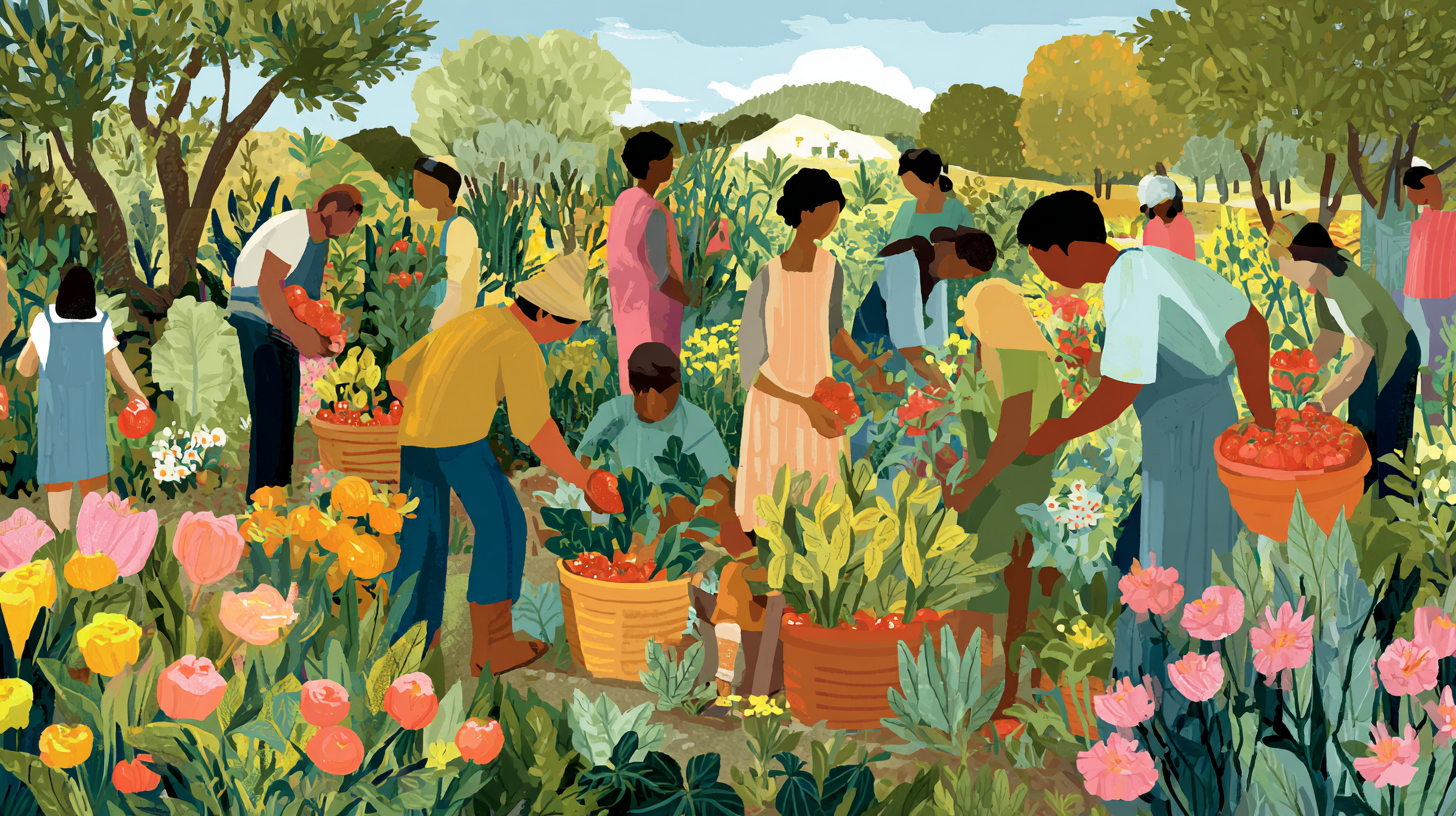
Maintaining and harvesting your garden is where the fruits of your labor truly come to shine, and with a little planning and teamwork, these tasks can be as rewarding as they are necessary. An established schedule for maintenance helps ensure that every plant receives the attention it needs. Collaborate with fellow gardeners to devise a rotational maintenance schedule. Assign specific days and tasks, such as weeding, watering, or pest monitoring, to different community members. This not only spreads the workload but also fosters a sense of shared responsibility among participants.
Regular watering is critical, especially during hotter months. Implement a system that allows for efficient water use, such as drip irrigation or rain barrels to collect and store rainwater. Participants should be encouraged to monitor soil moisture levels, as overwatering can be just as harmful as drought. A simple push test can determine whether the soil is dry enough to warrant watering—if your finger can easily penetrate the soil an inch deep, it’s a good indication that moisture levels are adequate.
Weed management requires vigilance and consistency. Weeds compete with your plants for nutrients and water, and if left unchecked, they can overrun the garden. Organize community outings or workdays dedicated to tackling persistent weed issues. Pulling up weeds after a rain can make the task easier, as wet soil tends to yield roots more readily. Additionally, consider mulching around your plants, which can significantly reduce weed growth, maintain soil moisture, and add organic matter as it breaks down.
As you approach harvest time, communication becomes paramount. Establish clear guidelines for when and how to harvest crops to maximize fresh produce while encouraging community engagement. For instance, tomatoes, peppers, and squash should be harvested when they reach their peak ripeness to ensure the best flavor and nutrition. Create a shared calendar or group chat to keep everyone informed about which crops are ready to be picked and to coordinate harvest events.
Involve your community through organized harvest days; these can be fun social gatherings where families and friends come together to celebrate the bounty of the garden. Offer a potluck-style meal where everyone uses fresh produce from the garden, demonstrating the cycle of planting, caring for, and enjoying local food. Use these moments to discuss what worked well and what challenges arose during the growing season, fostering a spirit of learning and improvement for the next planting cycle.
When it comes to harvesting herbs, remember that many continue to grow after being cut back. Harvesting frequently encourages fuller growth and enhances flavor. For leafy greens, regularly trimming leaves off the outer edges allows the center to flourish, giving you a continual supply of fresh produce. Staggered planting can also extend your harvest season, ensuring that there’s always something ready to pick throughout the growing period.
Lastly, encourage the community garden members to share their harvest experiences. Whether through social media or community bulletin boards, documenting the successes, challenges, and even innovative recipes can motivate everyone involved. These stories create an ongoing narrative of local food, self-sufficiency, and collective achievement.
In keeping with the principle of sustainability, consider preserving excess produce for those months when fresh crops are scant. Methods such as canning, pickling, or freezing can extend the enjoyment of your hard work throughout the year, further weaving the fabric of self-sufficiency into the community. As the seasons change and you transition from cultivation to harvesting, embrace this journey as a shared adventure that continues to nourish both the land and the community.