

Making your own cleaning products can offer numerous benefits that not only enhance your self-sufficiency but also contribute positively to your family’s health and the environment. One of the primary advantages of DIY cleaning products is that they are often made from natural ingredients, which reduces exposure to harsh chemicals found in commercial cleaners. Many families are increasingly concerned about the potential health risks associated with conventional cleaning agents, which can lead to respiratory issues and skin irritations. By creating your own solutions, you can ensure a safer home environment for your children and pets.
Another significant benefit is cost-effectiveness. Store-bought cleaning products can be expensive, especially when you consider how many different products you need for various tasks. By using simple, readily available ingredients such as vinegar, baking soda, and essential oils, you can create a myriad of effective cleaning solutions without breaking the bank. These ingredients are not only affordable but also versatile, allowing you to tailor your cleaners to meet specific needs.
Additionally, making your own cleaning products is a fantastic opportunity to promote eco-friendly practices. Most commercial cleaners come in plastic packaging that contributes to environmental waste. When you opt for DIY cleaners, you can utilize glass or reusable containers, minimizing your plastic footprint and supporting sustainability. Many homesteaders find great satisfaction in using products that are both effective and kind to the planet.
It’s also worth noting the personalization aspect of DIY cleaning products. You can experiment with various essential oils to create delightful scents that can uplift your cleaning routine, providing a more enjoyable experience. Whether you prefer a fresh lemon scent or the calming aroma of lavender, customizing your cleaning products allows you to connect with your space in a meaningful way.
Finally, there’s the aspect of education and engagement. Involving children in the process of making DIY cleaning products can serve as a valuable teaching moment about self-sufficiency, sustainability, and the importance of maintaining a clean environment. It can inspire future generations to prioritize natural solutions in their own households.
The benefits of homemade cleaning products extend far beyond mere cleanliness. They encompass health, cost-effectiveness, environmental responsibility, personal enjoyment, and educational opportunities. Embracing DIY cleaning products is not just a practical choice; it’s a lifestyle commitment that resonates deeply with the principles of homesteading.
Essential ingredients for DIY cleaners
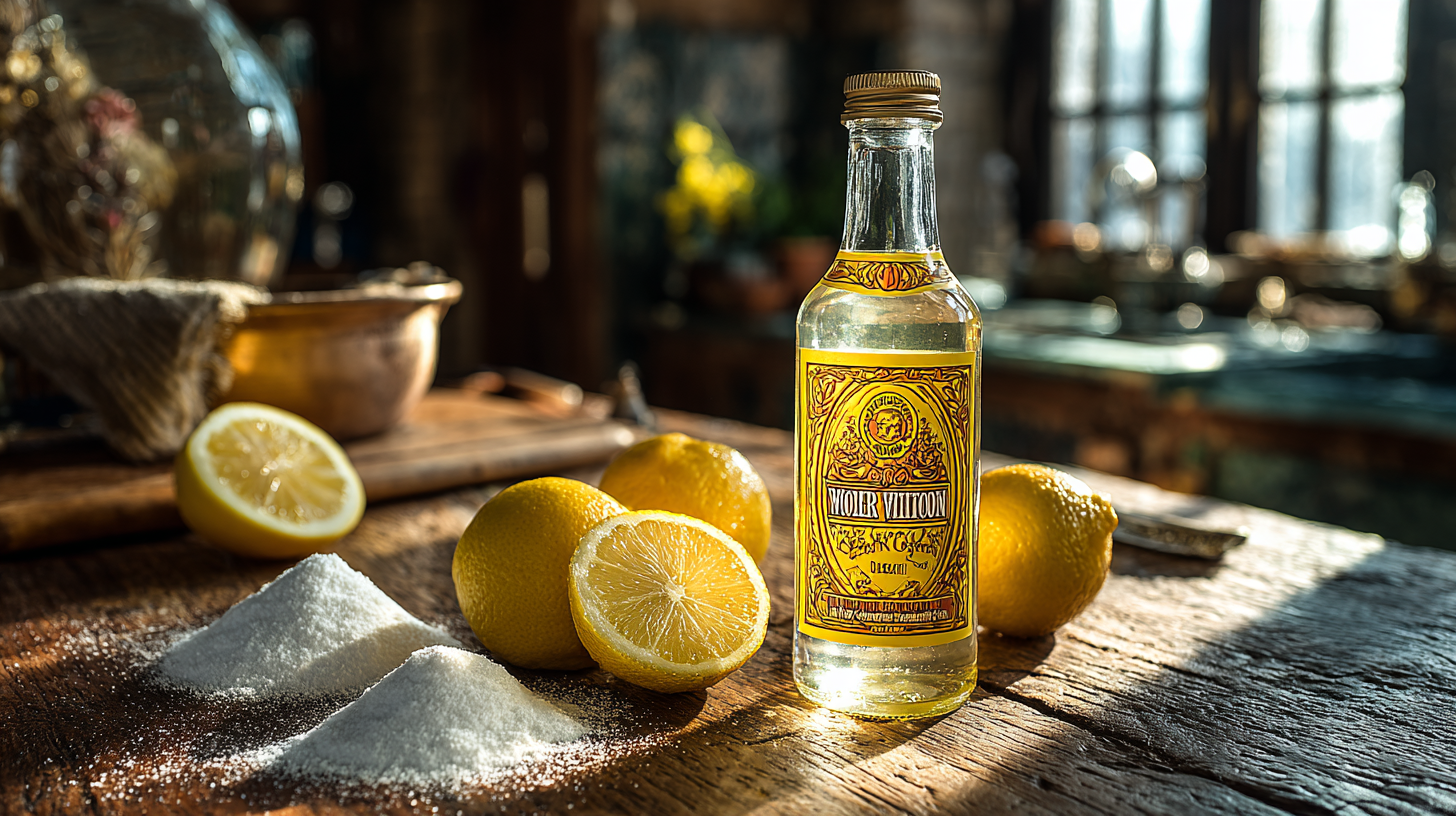
When crafting your own cleaning products, the choice of ingredients is crucial to ensure effectiveness and safety. Several essential components stand out as the foundation for many DIY cleaners. Understanding these ingredients and their functions can empower you to create various cleaning solutions tailored to your preferences and needs.
One of the most popular ingredients in homemade cleaning products is white vinegar. Renowned for its antibacterial properties, vinegar is effective in breaking down mineral deposits and cutting through grease. It acts as a natural deodorizer, making it ideal for use in kitchens and bathrooms. Its acidic nature makes it unsuitable for natural stone surfaces but works wonders on most other materials.
Baking soda is another versatile ingredient that serves multiple purposes. This natural abrasive can be used to scrub surfaces without scratching them and helps neutralize odors. When combined with vinegar, it creates a fizzy reaction that can lift stubborn stains and unblock drains. Moreover, baking soda is safe to use around children and pets, further enhancing its appeal as a staple in DIY cleaning products.
Essential oils not only provide pleasant scents to your cleaners but also offer additional cleaning properties. For instance, tea tree oil is known for its strong antibacterial and antifungal properties, making it an excellent addition to mold-fighting cleaning solutions. Lemon essential oil is celebrated for its degreasing capabilities, while lavender oil contributes antimicrobial benefits along with a soothing fragrance.
Below is a comparison of some essential ingredients commonly found in DIY cleaning recipes:
| Ingredient | Properties | Common Uses |
|---|---|---|
| White Vinegar | Antibacterial, deodorizing | All-purpose cleaner, glass cleaner, deodorizer |
| Baking Soda | Abrasive, deodorizing | Scrubbing surfaces, neutralizing odors, drain cleaner |
| Tea Tree Oil | Antibacterial, antifungal | Mold remover, general disinfectant |
| Lemon Essential Oil | Degreasing, antifungal | Surface cleaner, air freshener, stain remover |
| Castile Soap | Non-toxic, biodegradable | Dish soap, floor cleaner, hand soap |
Castile soap, made from plant oils, is another key ingredient that serves as a great base for many cleaning solutions. This biodegradable soap is safe for a variety of surfaces and acts as an effective degreaser, making it versatile for numerous cleaning tasks, including laundry, dishes, and general household cleaning.
By incorporating these essential ingredients, you can create effective, eco-friendly cleaning products that suit your home and lifestyle. The beauty of making your own cleaners lies in the ability to experiment with these components, adjusting their ratios based on your specific cleaning needs while ensuring safety for your family and the environment.
Recipes for common cleaning products
Creating your own cleaning products at home can be a rewarding and straightforward venture, filled with opportunities for customization based on your unique cleaning needs. One of the most popular recipes begins with an all-purpose cleaner that effectively tackles grime in kitchens and bathrooms alike.
To make a simple all-purpose cleaner, combine 1 cup of white vinegar, 1 cup of water, and a few drops of your favorite essential oil. For a refreshing scent and additional cleaning power, lemon or tea tree oil are excellent choices. Mix these ingredients in a spray bottle and shake well before each use. This mixture is perfect for countertops, sinks, and even glass surfaces, providing a streak-free shine.
For a kitchen grease fighter, try this DIY recipe: mix 1 cup of vinegar, 1 cup of water, and 2 teaspoons of liquid castile soap. Apply directly to greasy surfaces, let it sit for a few moments, and wipe clean for a spotless finish. This method is highly effective for stovetops, backsplashes, and other areas prone to cooking splatters.
Bathroom cleaning can become effortless with the help of a fantastic scrub paste made from baking soda and vinegar. Combine ½ cup of baking soda with ¼ cup of vinegar to form a paste. You can adjust the thickness by adding more vinegar or baking soda as necessary. Apply the paste with a sponge or cloth to tiles, sinks, and tubs. After letting it sit for a few minutes, scrub away for a dazzling clean.
If you’re looking to freshen up your laundry routine, consider making your own laundry detergent. Start with a simple recipe: grate one bar of castile soap and mix it with 1 cup of washing soda and 1 cup of borax. Store this mixture in an airtight container, and use 2 tablespoons per load for a fresh, clean feel without the use of harsh chemicals usual in store-bought alternatives.
For those concerned about the air quality in their homes, creating an air freshener can be straightforward and effective. Combine 1 cup of water with 2 tablespoons of vodka or rubbing alcohol, and approximately 10-20 drops of essential oils. Pour this mixture into a spray bottle, and spritz it around your home to combat odors naturally. Experiment with different essential oils like lavender, eucalyptus, or even citrus blends to find your perfect scent.
Before embarking on these recipes, it’s essential to remember the importance of ensuring your ingredients and products are stored safely. Keep your homemade cleaning products out of reach of children and pets, and label them clearly to avoid any confusion. A simple label stating the contents and the date of preparation can go a long way. Transparent containers can also allow for a colorful aesthetic while serving a functional purpose.
Safety tips for using homemade cleaners
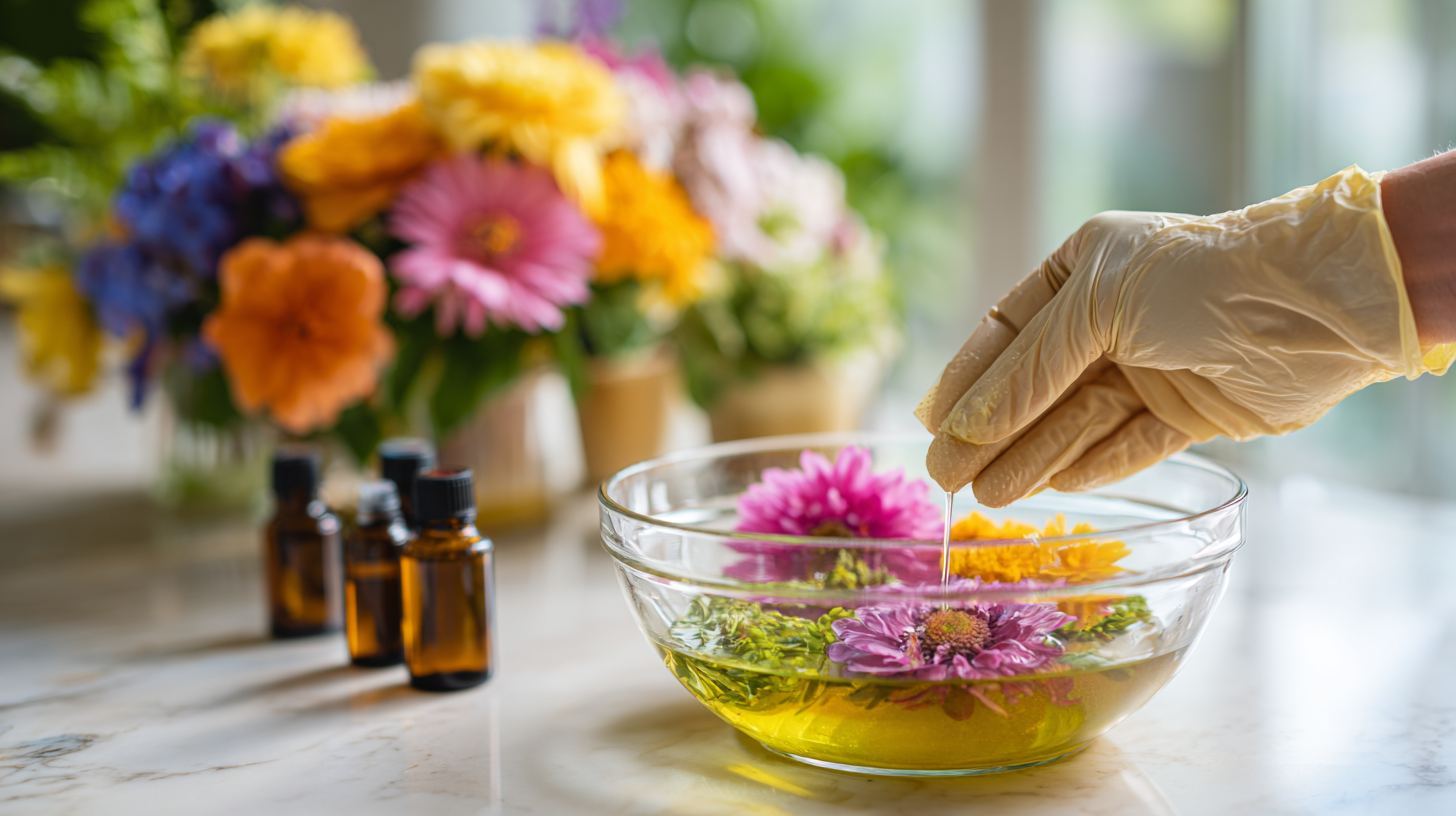 To ensure a safe environment while using your homemade cleaning products, it’s essential to follow several precautions that prioritize your health and safety. DIY cleaners, although often made from natural ingredients, can still pose risks if not handled properly.
First and foremost, always keep homemade cleaning products out of reach of children and pets. This is crucial, as even natural ingredients can be harmful if ingested or misused. Use child-proof containers wherever possible, and make it a habit to store these products in a locked cabinet or high shelf.
When combining ingredients, particularly acids like vinegar with baking soda or other substances, proceed with caution. This combination can produce carbon dioxide gas, which may cause pressure build-up in sealed containers. Always mix these components in an open space or use them promptly in an unsealed vessel.
Additionally, some essential oils can cause skin irritation or allergic reactions for sensitive individuals. Before using a new essential oil, conduct a patch test by applying a diluted mixture to a small area of skin to monitor for any adverse reactions.
While many DIY cleaners are effective and safe, it’s important to be aware of potential chemical interactions. For instance, mixing vinegar with bleach can produce toxic chlorine gas. Always research and adhere to safety guidelines when creating or combining cleaning solutions, ensuring that you are aware of the ingredients you are using and how they react with one another.
If you plan to make cleaners in larger quantities, consider using clear labeling on each product. Indicate not just the contents but also include a warning if necessary. Labels should also feature a date, so you can keep track of freshness and efficacy. This way, you’ll be able to manage your homemade cleaning products effectively and prevent accidents.
For optimal safety, use gloves when handling certain ingredients, especially vinegar and essential oils, which can be irritating to the skin. If you accidentally splash a cleaning product into your eyes or ingest it, immediately follow first aid procedures by rinsing with water or seeking medical attention.
Finally, maintain a well-ventilated area when using these cleaning products, especially indoors. Good air circulation will help any strong aromas dissipate and prevent inhalation of concentrated fumes.
Taking these precautions can greatly enhance your DIY cleaning experience, ensuring it remains a safe and effective method of maintaining a clean and healthy home.
Tips for storing and labeling your products
When preparing your homemade cleaning products, proper storage and labeling are critical components that often go overlooked. Not only does this practice ensure safety, but it also promotes organization and efficiency in your cleaning routines. Start by selecting suitable containers—preferably glass or sturdy plastic that won’t react with your ingredients. Avoid using containers that previously held food products to prevent any cross-contamination. Clear containers are ideal as they allow you to see the contents at a glance, making it easier to identify each solution without opening them.
Labeling is equally important to keep your cleaning arsenal structured and your home safe. Use waterproof labels or markers to write down the contents of the container as well as the date of preparation. This will help you track the freshness of your cleaning products, ensuring that you use them while they’re still effective. If any mixture includes ingredients that could be potentially hazardous, such as vinegar and baking soda, include a simple warning on the label to remind you and others in your household about safe handling procedures.
Moreover, think about color-coding your labels to differentiate between types of cleaning products, like all-purpose cleaners, scrubs, and disinfectants. This small change can save you time during your cleaning sessions, allowing you to grab the right product quickly and efficiently. Storing your products in a dedicated cleaning caddy can further streamline your cleaning process, offering easy access to everything you need in one place.
By embracing these storage and labeling practices, not only do you cultivate a more organized cleaning space, but you also enhance the safety and effectiveness of your homemade cleaning products. This level of preparedness encourages self-sufficiency and fosters a deeper connection with the task at hand, empowering you to approach cleaning with confidence and creativity.
- How long do homemade cleaning products last?
- Homemade cleaning products generally last 1 to 3 months, depending on their ingredients. It’s best to label your products with the preparation date and keep an eye on any changes in smell or appearance.
- Can I use vinegar on all surfaces?
- No, vinegar is acidic and can damage natural stone surfaces such as granite or marble. It’s best to avoid using it on these materials and instead opt for safer alternatives.
- Are homemade cleaning products safe for children and pets?
- While many DIY cleaners use natural ingredients that are generally safe, it’s vital to store all cleaning products out of reach of children and pets. Always supervise their use and consider the specific ingredients in your recipes.
- Can I mix different essential oils in my cleaners?
- Yes, you can mix different essential oils to create unique scents and enhanced cleaning properties. Just be mindful of the total amount you use, as some oils can be overpowering or cause skin sensitivity.
- What containers are best for storing homemade cleaners?
- Glass spray bottles or BPA-free plastic containers are ideal for storing homemade cleaning products. Glass is non-reactive and offers a longer shelf life, while sturdy plastic options are lightweight and durable.
- Can I use food-grade ingredients for cleaning?
- Yes, food-grade ingredients like vinegar and baking soda are great for cleaning and often become more effective due to their safety. However, ensure they are specifically intended for cleaning purposes and check for any additives.
- How can I safely dispose of expired homemade cleaners?
- For any expired cleaning products, it’s best to dilute them with water before disposing of them down the drain, ensuring they are safe for plumbing. For solid products, you may throw them in the trash if they’re made of safe ingredients.
Eco-friendly practices in cleaning
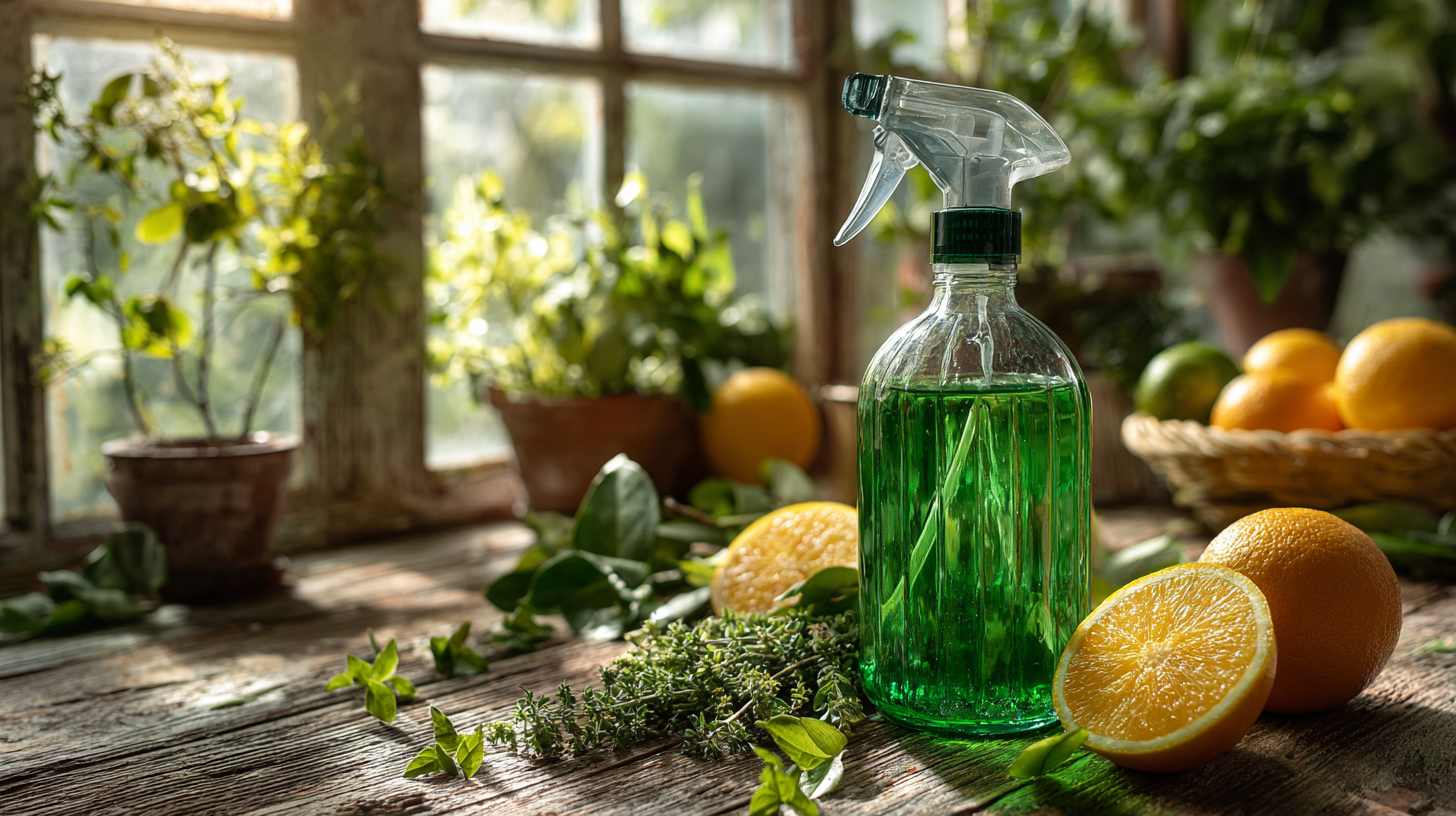
Embracing eco-friendly practices in your cleaning routine not only benefits the planet but also enhances your self-sufficiency. By focusing on sustainability, you can reduce your environmental impact while maintaining a clean and healthy home. Here are some innovative practices to consider when making and using homemade cleaning products.
Firstly, aim to use ingredients that are not only effective but also biodegradable. Natural components such as vinegar, baking soda, and essential oils break down easily and do not contribute to water pollution. For instance, instead of relying on harsh chemical cleaners that can leach into groundwater, choose plant-based ingredients that safeguard aquatic life. You can create an all-purpose cleaner with white vinegar and citrus peels, harnessing the natural cleaning power of these ingredients without any adverse effects on the environment.
Another practice is to minimize packaging waste. Instead of purchasing new bottles for your DIY cleaners, reuse old containers like spray bottles or jars. Not only does this reduce plastic consumption, but it also enhances your self-sufficiency by encouraging you to repurpose what you already have. Simply clean out the containers well, label them with their contents, and you’re ready to go!
Consider growing your own cleaning herbs. Plants like mint or lemon balm can provide fresh scents for your products and beneficial qualities when infused into cleaning solutions. Even if space is limited, window sills can accommodate small pots, connecting you further to your homesteading roots. Not only do you save money, but you also know exactly where your ingredients come from, ensuring complete control over your DIY cleaning products.
Incorporating essential oils not only provides pleasant aromas but also offers antimicrobial properties that enhance the effectiveness of your cleaners. Opt for oils sourced from sustainable practices to further promote an eco-conscious lifestyle. If you find the prices of certain essential oils prohibitive, consider sourcing them directly from local suppliers or making your own extracts from readily available plants.
When cleaning, choose methods that save water and energy. For instance, use cloths made from old t-shirts instead of disposable paper towels, allowing you to reduce waste while achieving excellent results in your cleaning tasks. You can even make a small DIY batch of laundry detergent that is free of harmful chemicals, further contributing to an eco-friendly home.
By implementing these eco-friendly practices into your cleaning routines, you’re not only enhancing the effectiveness of your homemade solutions but also aligning your lifestyle with sustainable principles. Each small step towards using natural, biodegradable ingredients contributes to a greener planet while reinforcing the ethos of self-sufficiency in your homesteading journey.