
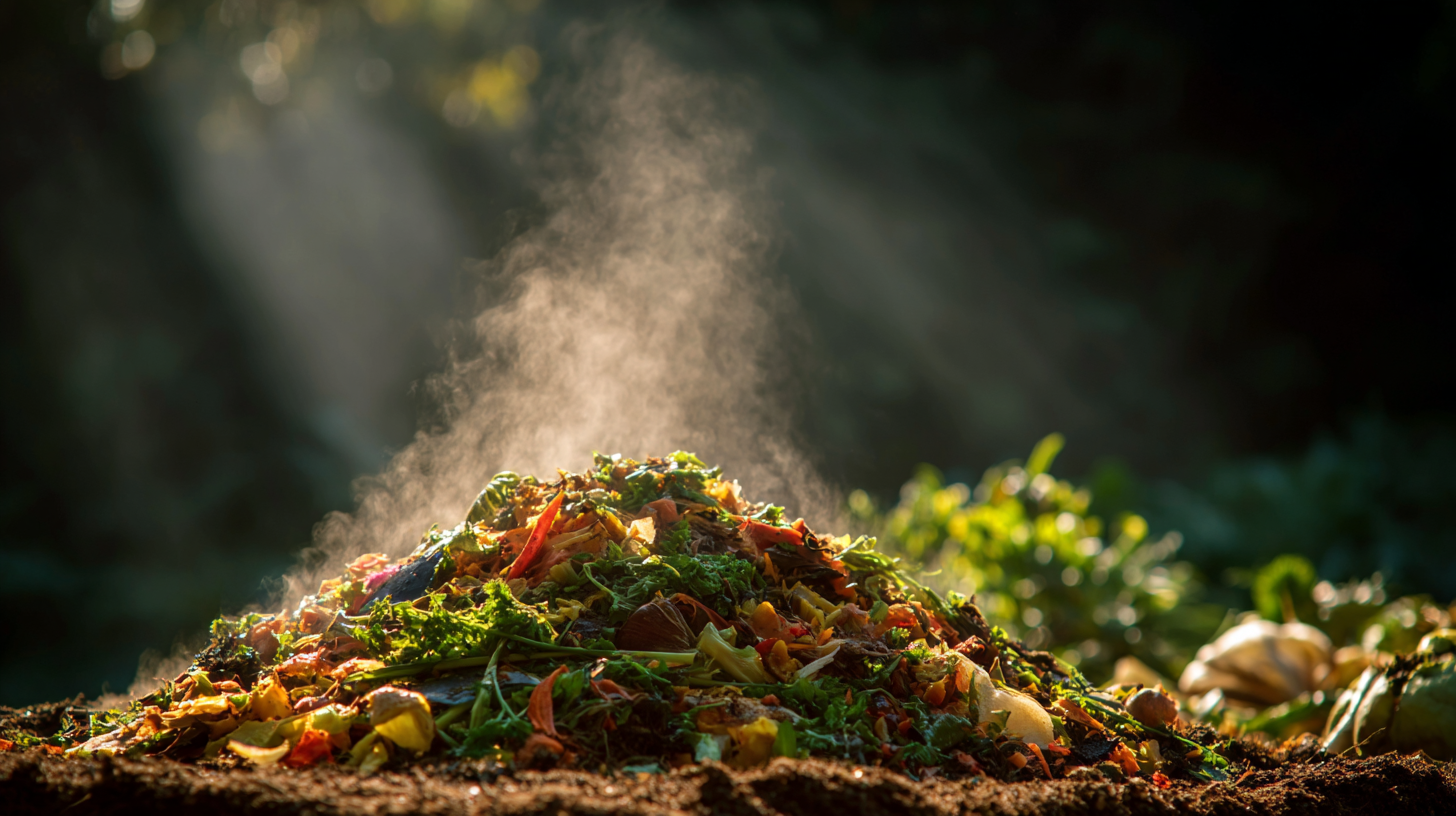
Using compost in your garden brings myriad benefits that can significantly enhance your sustainable gardening practices. Not only does it reduce waste, but it also enriches the soil, promotes healthy plant growth, and boosts self-sufficiency. By integrating compost into your gardening routine, you’ll create an ecosystem in your yard that thrives sustainably.
One of the standout advantages of incorporating compost is its ability to improve soil structure. Compost enhances aeration, allowing roots to grow deeper and absorb more nutrients. When you incorporate compost into your garden beds, you’ll notice that the soil becomes looser and more friable, making it easier for both roots and beneficial microbes to thrive.
Additionally, compost acts as a natural fertilizer, providing a slow release of essential nutrients over time. This is especially beneficial for growing vegetables, fruits, and flowers, as it ensures they have a steady supply of what they need to flourish without the worry of chemical run-off or soil depletion. For instance, tomatoes and peppers love the richness provided by compost, leading to healthier and more abundant harvests.
Compost also plays a vital role in water retention. Organic matter found in compost can hold moisture, which means less frequent watering for your plants. This is particularly advantageous for urban dwellers facing water restrictions or those looking to minimize water waste in their self-sufficient gardens. By keeping your soil moist, you’re also contributing to the health of your plants, as well-hydrated soil can reduce plant stress during dry spells.
Moreover, the presence of beneficial microorganisms in compost promotes a balanced and healthy ecosystem in the garden. These microorganisms help break down organic material, making nutrients accessible to plants while also warding off diseases. For example, adding small amounts of compost tea directly to your plants can invigorate them and keep pathogens at bay.
Lastly, using compost significantly reduces landfill waste. By composting kitchen scraps, yard debris, and other organic materials, you not only cut down on trash but also promote a sustainable cycle of using resources wisely. Encourage family members, especially children, to join in this routine. It’s a hands-on way to teach lessons about waste reduction, gardening, and the environment.
The benefits of compost in gardening extend beyond just plant growth, encompassing environmental responsibility, improved soil health, and increased water efficiency. By embracing compost, you are not just tending to your garden; you are nurturing a sustainable future.
Types of compost and their uses
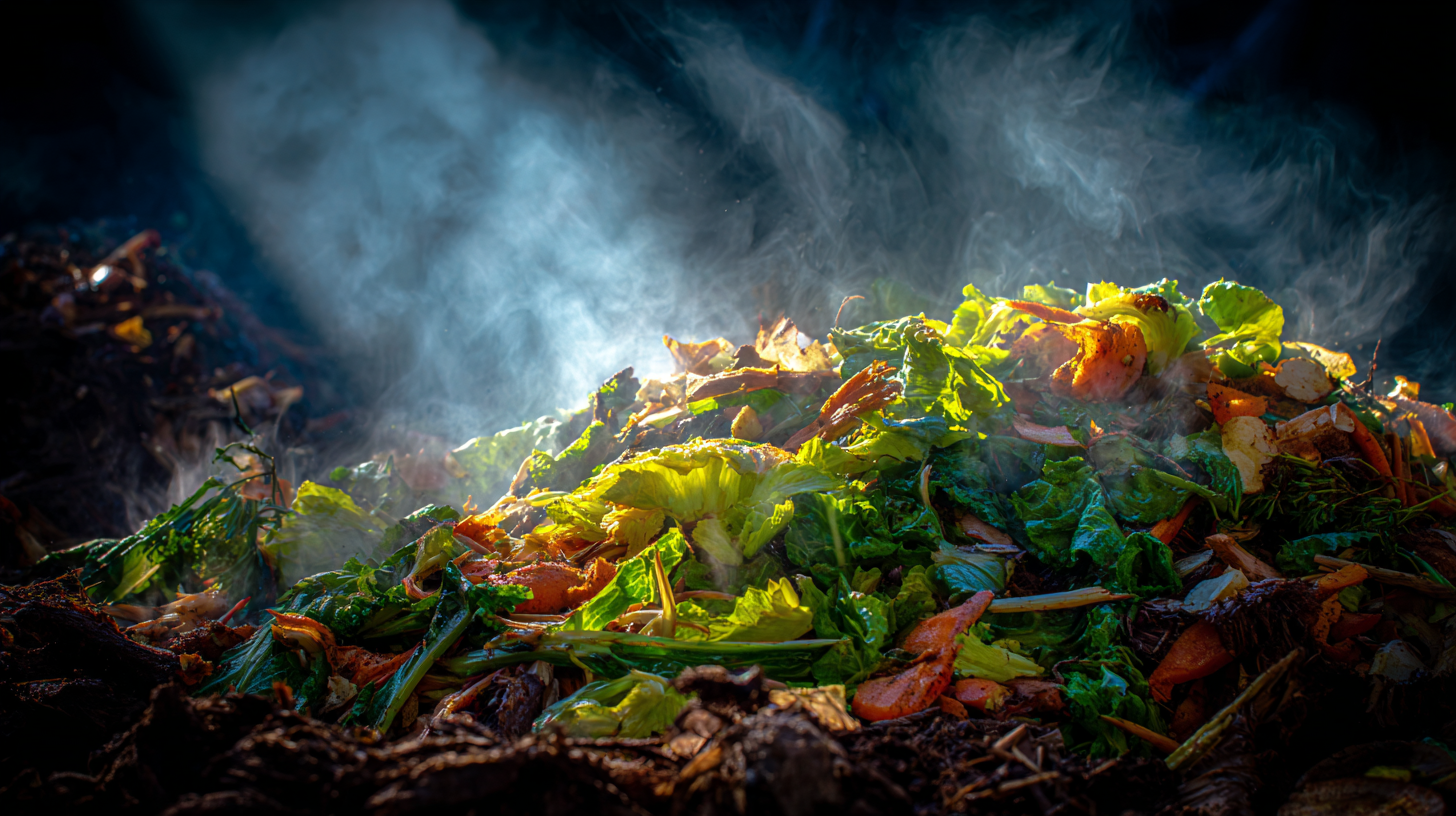
There are several types of compost, each serving different purposes in sustainable gardening. Understanding these different types can help you determine the most appropriate compost for your needs, enabling you to maximize the benefits of your gardening efforts. The two primary categories of compost include hot compost and cold compost, with further variations arising from the materials used in their production.
Hot composting involves the process of creating compost at elevated temperatures, typically between 130°F to 160°F (54°C to 71°C). This method accelerates microbial activity, leading to rapid decomposition of organic materials. Hot compost is often ready for use in a matter of weeks to a few months. It effectively eradicates weed seeds and pathogens, making it a great choice for gardeners looking to ensure their compost is free of potential contaminants.
On the other hand, cold composting is a slower process that takes place at ambient temperatures. It consists of piling organic material, allowing it to decompose naturally over time without the rigorous turning and aeration associated with hot composting. Cold compost can take anywhere from six months to several years to become usable, but it is less labor-intensive and can be a good option for those who prefer a low-maintenance approach. The resulting compost is rich in nutrients, although it may retain some weed seeds and pathogens.
Furthermore, within these two primary types, various compositions yield different benefits. Below is a table that outlines some common types of compost along with their characteristics and ideal uses:
| Type of Compost | Materials Used | Time to Mature | Benefits |
|---|---|---|---|
| Hot Compost | Kitchen scraps, yard waste, and green materials | 4-12 weeks | Fast decomposition, kills pathogens, high nutrient content |
| Cold Compost | Yard waste, leaves, and kitchen scraps | 6 months – 2 years | Low maintenance, retains nutrients, suitable for regular yard debris |
| Vermicompost | Worms and organic kitchen waste | 4-6 weeks | High nutrient density, improves soil structure, beneficial microorganisms |
| Leaf Mold | Decayed leaves | 1-2 years | Excellent for moisture retention, improves soil texture |
| Compost Tea | Compost steeped in water | 1-2 days | Quick nutrient boost, enhances soil microbes, foliar feed |
Each type of compost has its unique advantages and applications in sustainable gardening. For instance, vermicompost is particularly praised for its ability to improve soil structure and provide a rich nutrient source through the castings of earthworms. This makes it especially valuable for container gardening or small plots where every ounce of nutrient density can significantly impact plant health.
In contrast, leaf mold—though often overlooked—proves beneficial in enhancing soil’s capacity to hold moisture, an essential asset in dry climates or in the face of fluctuating weather conditions. This highlights how different types of compost cater to various gardening needs, allowing for tailored approaches that promote self-sufficiency and enhances one’s gardening strategy effectively.
By educating yourself on the types of compost available and their respective uses, you can better utilize this powerful resource in your sustainable gardening endeavors, ensuring that your plants receive optimal benefits while contributing positively to the environment.
How to make your own compost
Creating your own compost may seem daunting at first, but with a bit of knowledge and patience, it can be an immensely rewarding endeavor. Not only does this practice contribute to sustainable gardening and self-sufficiency, but it also allows you to recycle organic waste into a rich, earthy amendment for your soil. Here’s how you can get started on your composting journey with simple, actionable steps.
The first step in making your own compost is to gather the right materials. There are two main categories of compost ingredients: greens and browns. Greens include nitrogen-rich materials such as:
- Fruit and vegetable scraps
- Grass clippings
- Coffee grounds and filters
- Plant trimmings
Browns, on the other hand, are carbon-rich materials like:
- Dry leaves
- Twigs and small branches
- Cardboard (shredded)
- Pine cones
To maintain a healthy compost pile, aim for a balanced ratio of about two parts browns to one part greens. This combination encourages microorganisms to do their work efficiently, promoting faster decomposition.
Once you have your materials, choose a composting method that suits your lifestyle. Here are a few popular options:
- Compost Bin: You can purchase or build a compost bin to keep your materials contained and tidy. Ensure it has sufficient airflow by including slats or holes for ventilation.
- Pile Method: For those who prefer simplicity, just create a compost pile in a designated area of your yard. Layer your greens and browns, turning it occasionally to aerate.
- Worm Composting (Vermicomposting): If you have limited space, consider using red wiggle worms in a bin indoors or outdoors to break down food scraps and produce nutrient-rich worm castings.
As you build your compost pile or bin, layer the materials instead of mixing them all together. Start with a layer of browns, followed by greens, and continue to alternate. Moisture is also key to effective composting; the pile should be moist but not soggy, akin to a damp sponge. If it gets too dry, sprinkle some water or add more greens. Conversely, if it’s too wet, add more browns to absorb the moisture.
Turning your compost every few weeks with a pitchfork or compost aerator will speed up the decomposition process significantly by introducing oxygen. This helps prevent odor and keeps the composting process healthy. Throughout this period, the temperature of the pile should rise, indicating that microbial activity is taking place. Over weeks or months, you’ll notice a change in texture and smell—when it has a rich, earthy aroma and a crumbly texture, it’s ready to use.
A great way to enhance your compost is by adding compost activators such as aged manure or store-bought compost starter, which provides additional microorganisms to boost the decomposition process. Also, consider incorporating shredded newspaper or cardboard to improve structure and oxygen flow.
Be mindful of what you add to your compost pile. Avoid including meats, dairy, oils, and diseased plants, as these can attract pests or create unpleasant odors. Stick to organic waste to keep your compost healthy and effective.
As your compost matures, look forward to the incredible transformation from scraps to a powerful amendment for your garden. Sprinkle it onto your soil, mix it with potting soil, or use it as a top dressing for your beds. Your plants will thrive with this natural, nutrient-rich resource that embodies the principles of sustainable gardening and self-sufficiency, all created from your own hands.
Applying compost to your garden
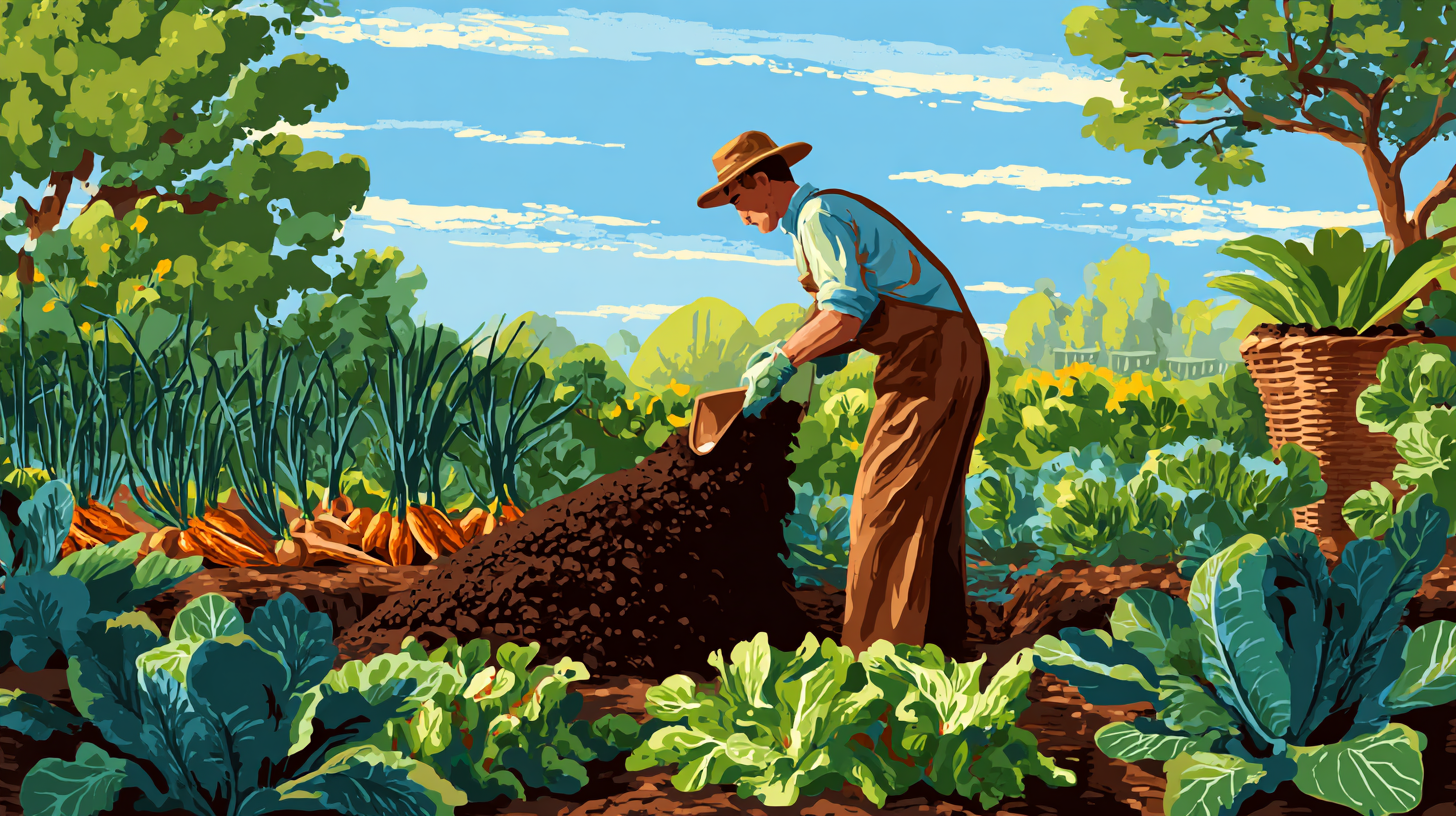
Applying compost to your garden is a practice that can yield remarkable benefits if done correctly. The first step is to identify the right timing and method for application based on what you are growing and the form of compost you have prepared. Fresh compost can be applied directly to garden beds, while compost that is fully matured can be mixed into the soil or used as a top dressing.
For new plantings, mixing compost into the soil before planting is ideal. This enhances soil fertility and provides a nutrient-rich foundation for young plants. For established gardens, spreading a layer of compost on top of the soil serves as a beneficial mulch. It slowly releases nutrients, retains moisture, and suppresses weeds, all of which support the health of your garden. Aim for a compost layer of about one to two inches thick to avoid smothering plants while still maximizing the benefits.
In vegetable gardens, applying compost to the rows or around the base of plants boosts nutrient availability, essential for high-yield harvests. Root vegetables, such as carrots and potatoes, particularly thrive when compost is used to amend the soil, as it allows for better root expansion and development. Additionally, applying compost around flowering plants provides a steady source of nutrients, promoting vibrant blooms and extended flowering periods.
Another beneficial practice is to incorporate compost into the planting holes for individual plants, especially for larger garden specimens like shrubs or fruit trees. When preparing the hole, mix compost with the native soil before planting to improve drainage and soil structure, creating an inviting environment for roots to establish quickly.
“The man who moves a mountain begins by carrying away small stones.” – Confucius
In container gardening, compost can serve a dual purpose by enriching potting mixes and enhancing drainage. Incorporating compost into your container soil can result in vigorous plant growth since its beneficial microorganisms help suppress diseases that are common in containers.
When applying compost, remember to monitor soil moisture levels. Since compost enhances water retention, you may find that you need to adjust your watering schedule. Too much compost can lead to overly moist conditions, which might promote root rot in certain plants, so finding the right balance is key.
Lastly, be mindful of the specific needs of different plants. While most plants benefit from compost, some, like certain succulents or cacti, prefer less nutrient-dense soils. Understanding the requirements of your plants will lead to better health and productivity in your garden.
By thoughtfully applying compost, you actively contribute to the sustainability of your gardening practices, enriching soil health, enhancing growth, and transforming your space into a thriving ecosystem aligned with the principles of self-sufficiency.
Compost and soil health
Healthy soil is the cornerstone of sustainable gardening, and compost plays a pivotal role in this intricate relationship. By enriching the soil with organic matter, compost supports not only nutrient availability but also enhances biological activity, leading to a vibrant ecosystem underground. A diverse array of microorganisms, fungi, and beneficial insects flourish when compost is integrated into the soil, creating a dynamic and self-sustaining environment that can withstand diseases and pests more effectively than conventional soil treatments.
Compost improves the soil’s physical structure, facilitating better drainage and aeration. As organic matter decomposes, it creates aggregates, or clusters of soil particles that enhance the soil’s ability to retain moisture and nutrients. This makes it less necessary to rely on artificial fertilizers and excessive irrigation, both of which can harm the environment. A garden nourished with compost typically exhibits better resilience during periods of drought or heavy rain, making it a crucial factor in sustainable gardening.
Moreover, the slow release of nutrients from compost corresponds to the plants’ needs as they grow, ensuring they receive what they require without the risk of nutrient leaching into waterways—a common problem with chemical fertilizers. This nurturing process contributes to richer, more flavorful produce, while also promoting robust root systems that can tap deeper into the soil for moisture and nutrients. Observing your plants thrive can ignite a deeper curiosity about soil health and the role compost truly plays in achieving these results.
Engaging with compost also initiates an exploration of the soil food web—a complex network that includes everything from bacteria and fungi to insects and larger organisms. Understanding the interactions within this web can empower you to make informed decisions about soil management and gardening practices. Every time you turn your compost or observe the diverse life it attracts, you not only contribute to healthier plants but also embark on a journey of deeper ecological awareness.
- What is the purpose of using compost in gardening?
- Compost enriches the soil with nutrients, improves soil structure, retains moisture, and supports beneficial microorganisms, leading to healthier plants and reduced need for chemical fertilizers.
- How often should I apply compost to my garden?
- Applying compost once or twice a year is generally beneficial. It’s best to add it in the spring before planting or in the fall to amend the soil for the next growing season.
- Can all plants benefit from compost?
- Most plants benefit from compost, but some, like certain succulents, prefer less nutrient-rich soil. Always consider your plants’ specific needs before application.
- Is there a difference between compost and mulch?
- Yes, compost is a nutrient-rich organic material added to soil to improve its fertility, while mulch is a layer of material placed on the soil surface to retain moisture, suppress weeds, and protect plants.
- How do I know when my compost is ready?
- Your compost is ready when it has a dark, crumbly texture and a rich earthy smell, indicating that the materials have decomposed completely.
- Can I compost meat and dairy products?
- It is not recommended to compost meat and dairy products as they can attract pests and create odors. Stick to fruits, vegetables, and yard waste for effective composting.
- What types of compost are best for vegetable gardens?
- Hot compost is ideal for vegetable gardens as it decomposes quickly and destroys pathogens and weed seeds. Vermicompost can also be beneficial due to its high nutrient density.
Integrating compost into a sustainable gardening plan
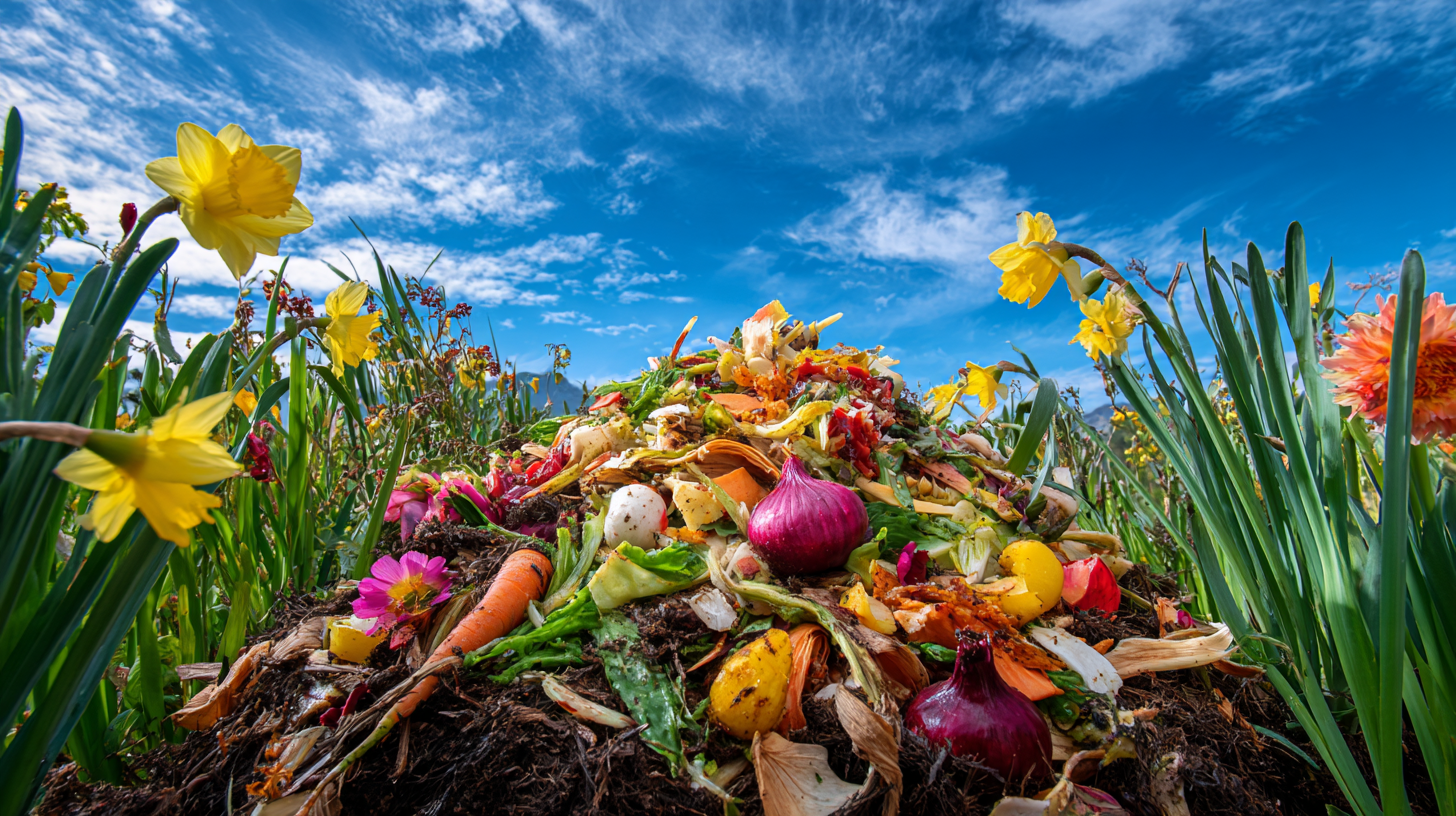
Integrating compost into a sustainable gardening plan involves a thoughtful approach that harmonizes with your gardening goals and lifestyle. The key is to develop a strategy that not only leverages the benefits of compost but also enhances your overall gardening experience while promoting self-sufficiency.
Start by mapping out your garden and identifying areas where compost can play a vital role. Consider your garden’s layout and the specific needs of each plant type. For instance, in vegetable gardens, incorporating compost directly into planting rows fosters healthier, more productive crops. For flower beds, applying a layer of compost as mulch retains moisture while gradually feeding the plants. This dual application underlines the versatility of compost in supporting various plant lifecycles.
Consider incorporating a rotational composting system if you cultivate a diverse range of plants. This involves allocating different compost types – such as hot, cold, or vermicompost – to specific sections of your garden based on the growth phase of your plants. For instance, use hot compost in your vegetable beds during the active growing season for rapid nutrient availability, while leaving cold compost for hardier perennials that thrive on slower nutrient release.
Engage your family and friends in your composting journey. This offers a wonderful opportunity to teach children about the importance of sustainable gardening practices, fostering a sense of responsibility towards the environment. Create a routine where everyone contributes to the compost pile, gathering kitchen scraps or yard debris. Involving kids can spark curiosity and appreciation, turning composting into an engaging learning experience.
To maximize compost’s impact, implement a soil health monitoring plan. Regularly test your soil to understand its nutrient profile and pH levels. This will help you gauge the effectiveness of your compost application and adjust your gardening strategies accordingly. Soil testing kits are available online or at gardening stores, equipping you with the knowledge to make informed decisions about amendments and plant choices.
Be mindful of seasonal shifts in your gardening plan. In the fall, as you prepare your garden for winter, apply compost to enrich the soil for the following growing season. This preparation can improve soil life, setting a precedent for healthy plant growth in the spring. Monitor compost decomposition rates and be open to experimenting with different compost types, adjusting layers or ratios as needed.
Utilize online resources and engage with local homesteading communities for tips, especially on varying compost applications based on regional climates. For urban dwellers, exploring community composting programs might allow you to source high-quality compost without the hassle of maintaining your own pile. This can also foster connections with like-minded individuals interested in sustainable gardening.
Finally, don’t shy away from documenting your progress. Keep a garden journal where you note down how different plants react to compost inputs, seasonal changes, and any improvements in soil health. This practice enhances self-sufficiency by developing your intuition about what your specific garden needs and how compost can address these needs effectively.
By integrating compost into your sustainable gardening plan thoughtfully and creatively, you pave the way for a flourishing garden that not only looks beautiful but also thrives within a regenerative ecosystem, thus achieving a more self-sufficient lifestyle.