

Self-sufficiency in farming is more than just an ideal; it’s a way of life that empowers individuals and families to produce their own food and meet their basic needs. To truly embrace this lifestyle, it’s essential to adopt a holistic approach that encompasses various aspects of agriculture, resource management, and community involvement.
First, it’s vital to identify your goals for self-sufficiency. Are you looking to grow all your own vegetables, raise chickens for fresh eggs, or even produce your own dairy? This decision will significantly influence your layout and design of your small farm. Start by assessing your current skills and knowledge, as these will guide you in what activities to pursue.
When planning your farm, consider the following elements:
- Crop Diversity: Growing a wide variety of plants not only helps ensure that you have food year-round, but also promotes soil health. Rotate crops and incorporate perennial plants for a more resilient system.
- Soil Quality: Healthy soil is the foundation of successful farming. Invest time in understanding soil composition and health. Regular composting and the use of natural amendments can boost soil vitality.
- Water Management: Efficient water use is crucial. Explore methods such as rainwater harvesting and drip irrigation to maximize the efficiency of your water resources.
- Energy Sources: Utilize renewable energy sources whenever possible. This could include solar power for electric needs or utilizing biodiesel for machinery.
Incorporating these practices will enhance your ability to achieve self-sufficiency. Additionally, networking with other farmers and homesteaders can provide valuable farming tips and resources. Attend local workshops or join agricultural organizations; these connections can lead to seed swaps, animal husbandry support, and essential local knowledge.
Education is also critical. Resources such as books from experienced homesteaders or online platforms like the Local Harvest can provide insights and inspiration. Create a learning community where you can discuss techniques, share successes, and troubleshoot challenges together. Whether it’s understanding permaculture principles or finding the best heirloom seeds, the knowledge you gain will be crucial in your quest for a sustainable small farm.
Choosing the right location for your small farm

Choosing the right location for your small farm plays a pivotal role in the success of your self-sufficiency journey. Various factors must be carefully considered to ensure that your chosen site meets the environmental, logistical, and economic requirements of effective farming. A suitable location not only influences crop yield and livestock wellbeing but also impacts resource management and sustainability. Below, we explore some key aspects to evaluate when selecting your farm’s location.
Climate Conditions: The local climate will greatly affect what crops you can grow and how well animals will thrive. Analyze the average temperature, rainfall, and frost dates within your region. Different crops have specific temperature and moisture needs, so understanding your local climate will help you plan appropriately. For instance, crops like tomatoes require warm growing conditions, while leafy greens prefer cooler temperatures.
Soil Quality: Conducting a soil test is essential before committing to a location. A basic soil test can identify nutrient levels, pH, and contamination, which are crucial for plant health. Choose a site with rich, loamy soil as it retains moisture well and supports diverse plant growth. If soil quality is lacking, investing in improvements through compost, green manures, or mineral amendments should be a priority.
Accessibility: Ensure the location has good access to necessary resources like water, roads, and nearby markets. Proximity to a reliable water source is vital for irrigation and livestock needs. Additionally, ease of access for deliveries and transportation increases efficiency, making it simpler for you to procure inputs or sell your products. Evaluate the distance to local suppliers for feed and seeds, and consider farmers’ markets for direct sales opportunities.
Topography: The physical landscape can influence water drainage, air circulation, and exposure to sunlight. Flat terrain is generally easier to manage, while hilly areas may require more planning for erosion control and irrigation. Assess sun exposure; south-facing slopes typically receive more light, benefiting crop growth. Vegetative windbreaks can help shelter crops and livestock from harsh winds, further improving conditions on your small farm.
| Factor | Importance | Considerations |
|---|---|---|
| Climate Conditions | Influences crop selection and livestock health | Analyze temperature, rainfall, frost dates |
| Soil Quality | Foundation for plant growth and yields | Conduct soil tests; consider amendments |
| Accessibility | Efficiency in resource management and sales | Proximity to water, suppliers, and markets |
| Topography | Affects drainage, sunlight, and air flow | Assess terrain for planting and shelter options |
Local regulations and zoning laws can also impact where you can establish your small farm. Research property rights, land use regulations, and agricultural easements in your area to avoid future complications. Engaging with local farming communities can provide insights into these matters as well as potential land availability. Establishing connections with other farmers can yield invaluable farming tips and foster a sense of collaboration that can help you navigate challenges.
Selecting the right location for your small farm requires careful consideration of climate, soil, accessibility, topography, and legal factors. A well-chosen site not only enhances your prospects for self-sufficiency but also creates a robust framework for sustainable farming practices. By optimizing these critical aspects, you will lay a solid foundation for a thriving small farm.
Essential crops for a self-sufficient farm
When embarking on your journey toward a self-sufficient farm, selecting the right crops is crucial for creating a self-sustaining environment. The ideal crop selection not only fulfills your nutritional needs but also complements your local climate and soil conditions. Here are some fundamental strategies for selecting the best crops to promote resilience and productivity on your small farm.
Start with What You Love: One of the first steps in choosing crops is to consider your preferences. Growing food that you enjoy eating will keep you motivated throughout the growing season. Make a list of your favorite vegetables, fruits, and herbs, and research their growing requirements. You’ll be more inclined to put in the effort for crops you genuinely appreciate!
Focus on Heirloom Varieties: Heirloom seeds are often more resilient and flavorful than commercial hybrids. They also offer a rich diversity that can be crucial for biodiversity and ecological balance on your farm. Plus, you can save seeds from heirloom plants for next season, enhancing your self-sufficiency. Look for heirloom seed suppliers or join local seed-saving groups to access a variety of seeds.
Resource: Seed Savers Exchange (https://www.seedsavers.org/)
Select Nutrient-Dense Crops: Aim to cultivate crops that pack a nutritional punch. Vegetables like kale, spinach, and broccoli provide essential vitamins and minerals, making them key components of a self-sufficient diet. Furthermore, incorporating a range of colors in your vegetable garden can ensure a variety of nutrients, as different-colored crops often signify different health benefits.
Consider Companion Planting: Utilizing companion planting strategies can boost crop health, improve yield, and naturally deter pests. For example, planting basil near tomatoes not only enhances tomato flavor but also helps ward off pests. Research common companion plants and plan your garden layout accordingly for maximum benefit.
Plan for Crop Rotation: Rotating crops is vital for maintaining soil health and preventing disease. Every year, shift the locations of your crops to disrupt pest cycles and enhance soil fertility. For example, follow heavy feeders like tomatoes with nitrogen-fixing crops such as legumes, which will improve soil quality for subsequent plantings.
Evaluate Local Growing Conditions: It’s essential to align your crop choices with your specific climate and local conditions. Utilize resources like the USDA Plant Hardiness Zone Map to determine what crops will thrive in your area. If summer droughts are common, select drought-resistant varieties that can withstand lower moisture levels. Conversely, if you have a cooler climate, choose crops that can tolerate frost and enjoy the shorter growing season.
Integrate Perennials: Perennial crops can save you labor and water while providing sustained production over the years. Consider including fruit trees, berry bushes, and perennial vegetables such as asparagus or rhubarb in your garden. These plants will enhance your self-sufficient system by providing reliable yields with less effort over time.
Your crop selection will significantly influence the sustainability and productivity of your small farm. By focusing on heirloom varieties, incorporating nutrient-dense options, employing companion planting and crop rotation, and considering local conditions, you can create a thriving ecosystem that meets your family’s needs while enhancing your self-sufficiency. Remember to keep learning and adapting as seasons change and experience grows, transforming your small farm into a bountiful source of food and satisfaction.
Livestock selection and care
 Choosing the right livestock is a crucial aspect of creating a self-sufficient small farm, as different animals offer various benefits and require distinct care approaches. It’s essential to evaluate your needs, space availability, and available resources while delving into your livestock selection.
Start by considering what type of livestock is best suited for your farm’s goals. For instance, if you aim to produce eggs, chickens are an excellent choice due to their relatively low space requirements, ease of care, and prolific egg production. If you’re looking for milk, goats are often preferred for their manageable size and friendly nature, while cows can provide larger quantities of milk but require more space and care.
“Livestock are the backbone of a self-sufficient farming system, providing not just food but also fertilizer and companionship.” – Unknown
Understanding the specific needs and characteristics of different animals will help you make informed decisions. For example, pigs are known for their intelligence and can help with land clearing; however, they need adequate shelter and fencing due to their tendency to root. Ducks, on the other hand, are excellent for pest control and can thrive in wet areas, making them beneficial additions to a diversified farm.
Once you’ve decided on the type of livestock to raise, ensuring proper care is paramount. Start by setting up appropriate housing that protects your animals from the elements and predators. Ventilation, warmth, and dry bedding are key factors in maintaining healthy animals. Organize your shelter to enable easy access to food, water, and space for movement, which contributes to their overall well-being.
Nutrition plays a vital role in livestock health. Conduct research on the dietary requirements of each species and consider how you can meet those needs through homegrown feed or forage. Integrating forage crops such as clover or alfalfa can provide essential nutrients and contribute to reduced feed costs.
Health management is another critical area. Establish a routine for veterinary care and vaccinations to prevent common diseases. Observing your animals regularly for signs of distress or illness is important, as early detection can save lives and minimize losses. Alternatively, engage in practices like rotational grazing, which can enhance soil quality while reducing parasites and promoting healthier animals.
Breeding might also be on your agenda if you’re looking to enhance your livestock’s productivity and adaptiveness. Understanding the basics of animal genetics and breeding can help you select traits that suit your farm’s environment and specific needs while ensuring a sustainable population.
While livestock can be a significant investment, they also provide invaluable resources that contribute to self-sufficiency. Manure can be composted to enrich your soil, and animals can support your energy systems through pasture management. Furthermore, the companionship of livestock enriches the farming experience, promoting a deeper connection to your land and food sources.
In summary, focusing on the right livestock selection, proper housing, nutrition, health management, and potential breeding practices will contribute significantly to a successful self-sufficient small farm. With careful planning and a commitment to animal care, livestock can become a rewarding component of your sustainable agricultural endeavors.
Implementing sustainable farming practices
Implementing sustainable farming practices is integral to achieving self-sufficiency on your small farm. These practices not only enhance productivity but also protect the environment, sustain local ecosystems, and promote health for both farmers and consumers. By embracing sustainability, you position your farm as a resilient and adaptive system that can thrive with minimal external inputs.
Water management is one of the first areas to consider when looking to enhance sustainability. Techniques such as rainwater harvesting can significantly reduce reliance on municipal water sources and ensure a steady supply during dry spells. Implementing drip irrigation systems is another effective way to deliver water directly to plant roots, minimizing loss through evaporation and runoff while providing precise moisture control. This careful management of your water resources leads to healthier plants and reduces the strain on natural waterways.
Soil health is foundational to sustainable farming. Practices such as cover cropping and composting improve soil structure, increase organic matter, and enhance microbial activity. Cover crops like clover or rye prevent erosion, suppress weeds, and fix nitrogen in the soil. Composting kitchen scraps, yard waste, and livestock manure not only enriches your soil but also reduces waste on your farm, embodying the principles of recycling and responsible resource use. Regular soil testing helps you gauge nutrient levels and pH, guiding your fertilization practices to ensure balanced and sustainable fertility management.
Pest management can also be approached sustainably through integrated pest management (IPM). This encompasses a combination of strategies including crop rotation, companion planting, and natural predators to keep pest populations in check. For example, introducing beneficial insects like ladybugs can reduce aphid populations, minimizing the need for chemical pesticides. Additionally, promoting biodiversity in your farm by planting various crops can make your system more resilient to pests and diseases, ultimately leading to healthier harvests.
Another essential aspect of sustainability is energy use. Consider integrating renewable energy sources, such as solar panels or wind turbines, to power your farm’s operations. This not only reduces your carbon footprint but also can lower long-term operating costs. Energy-efficient practices, like using LED lights in barns or high-efficiency equipment, can further contribute to your self-sufficiency goals by reducing dependence on non-renewable energy resources.
Community interactions also play a vital role in sustainable farming practices. Engage with local farmers’ markets, share resources, and participate in agricultural cooperatives. Such connections can enhance your knowledge base, provide practical farming tips, and open avenues for collaboration in promoting sustainability at a larger scale. Moreover, consider the benefits of sharing or trading produce with neighbors or participating in community-supported agriculture (CSA) programs, which can help diversify your output and spread the risk.
- What is sustainable farming?
- Sustainable farming is an approach that aims to produce food while maintaining healthy ecosystems. It incorporates practices that focus on soil health, resource conservation, biodiversity, and renewable energy to create a farming system that can endure over time.
- How can I improve soil health on my farm?
- Improving soil health can be achieved through practices like composting, cover cropping, and crop rotation. These methods increase organic matter, promote beneficial microbial activity, and reduce soil erosion, leading to more productive soil over time.
- What are some energy-efficient practices for small farms?
- Energy-efficient practices include using energy-efficient machinery, installing solar panels, and utilizing passive solar design in buildings. Additionally, using LED lighting and utilizing renewable energy sources can significantly reduce energy costs.
- How can I manage pests sustainably?
- Sustainable pest management involves employing integrated pest management (IPM) strategies, such as crop rotation, introducing beneficial insects, and promoting biodiversity. These methods help control pest populations without relying on harmful chemicals.
- What is permaculture, and how does it relate to sustainability?
- Permaculture is a design philosophy that aims to create sustainable agricultural systems by simulating natural ecosystems. It emphasizes the coexistence of plants, animals, and humans through sustainable practices that promote efficiency and reduce waste.
- Can I raise livestock sustainably on my small farm?
- Yes, sustainable livestock farming is possible by focusing on proper care, nutrition, and rotational grazing. Implementing practices that promote animal health while minimizing environmental impact can lead to a sustainable livestock operation.
- How can I connect with other farmers for knowledge sharing?
- Connecting with other farmers can be achieved by attending local agricultural workshops, joining farming cooperatives, or participating in online forums and social media groups focused on sustainable farming. These interactions foster knowledge sharing and support.
Managing resources and reducing waste
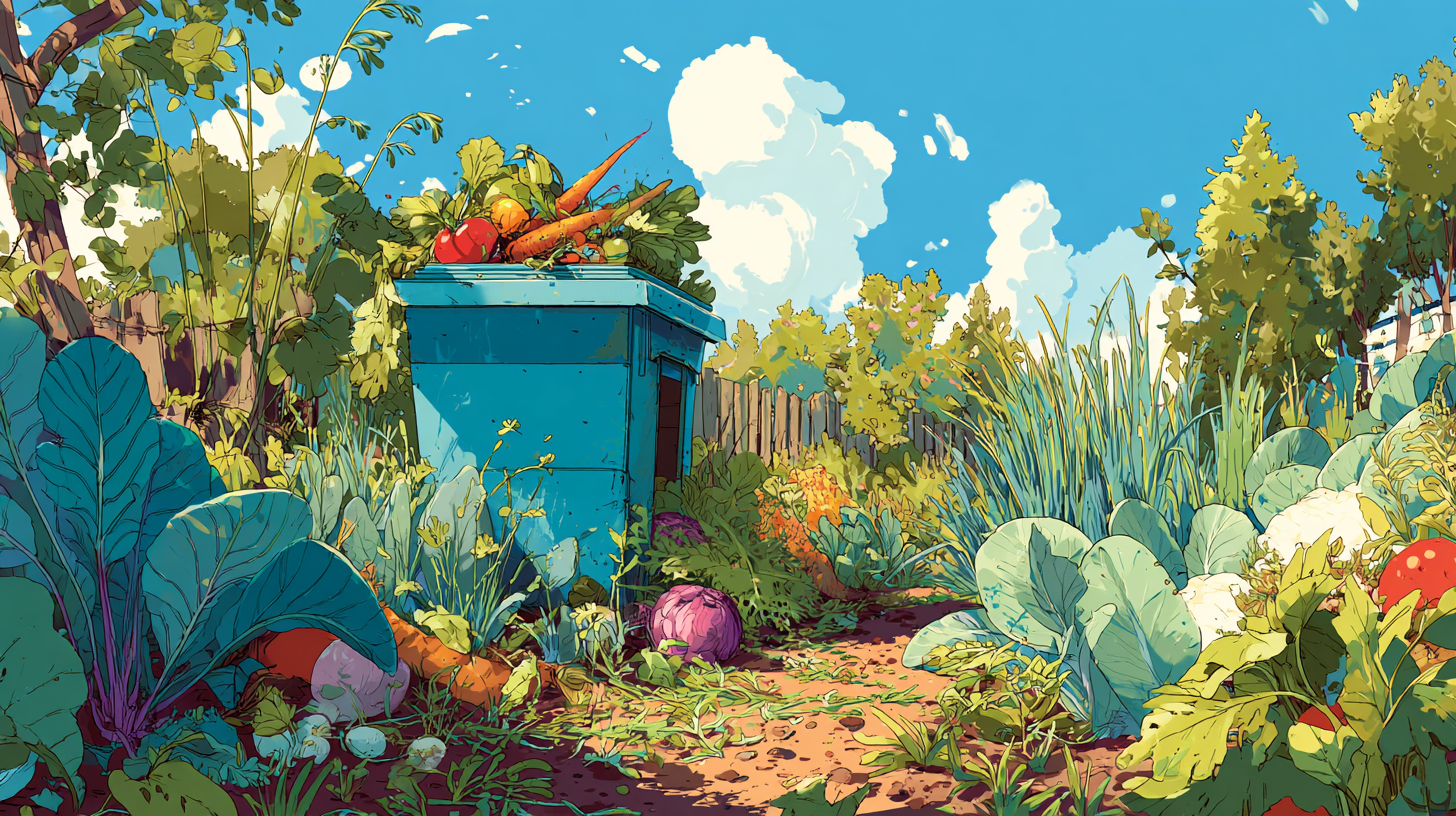
Managing resources and reducing waste on your journey to a self-sufficient small farm is crucial for promoting sustainability and minimizing environmental impact. By implementing efficient practices, you can create a system that thrives on resourcefulness and creativity, ensuring that you optimize every element of your farming operation.
Start with Waste Reduction: The first step is to assess what waste is being produced on your small farm. Create a log or chart to track waste output from various activities, such as food scraps, leftover feed, and even excess materials from your construction projects. By identifying the sources of waste, you can develop creative solutions to mitigate them. For instance, kitchen scraps can be composted to provide nutrient-rich soil amendments, and excess feed can be repurposed for livestock or made into homemade treats.
Implement Water Conservation: Water is one of the most critical resources on a small farm, and managing it wisely is essential. Techniques such as capturing rainwater in barrels or cisterns allows you to store water for irrigation during drier periods. Drip irrigation systems can efficiently deliver moisture directly to plant roots, minimizing evaporation and runoff. Ensure that your irrigation practices prioritize conservation; for example, water during the early morning or late evening when evaporation rates are lower, helping you to use less water overall while keeping your crops healthy.
Utilize Crop Residues: After harvesting, many crops leave behind residues that can be valuable to your farming system. Rather than discarding leftover plant matter, consider incorporating it back into the soil through methods like green manuring. This practice not only enriches soil health but also reduces the need for chemical fertilizers. For legumes, planting cover crops such as clover or vetch can fix nitrogen in the soil, enhancing fertility without additional inputs.
Practice Energy Efficiency: Assess your energy usage and look for ways to cut costs while still maintaining productivity. Using energy-efficient tools and equipment will help you reduce your ecological footprint. Solar panels are an excellent investment for a small farm; not only do they provide clean energy, but they can also lower your electricity bills significantly. Additionally, consider energy-efficient lighting and appliances in your farm buildings to reduce energy consumption.
Create a Closed Loop System: Aim for a circular flow within your agricultural practices where resources are reused rather than disposed of. For instance, livestock manure can be composted to enrich your soil, while kitchen scraps can be fed to chickens, who, in return, produce valuable eggs and more manure. In this way, you reduce waste and promote self-sufficiency by utilizing everything you have on hand.
Engage in Community Forums: Don’t underestimate the potential of local communities in enhancing your resource management. Join farming clubs, attend workshops, or participate in online forums to glean insights and share ideas about waste reduction and resource management. Local networks often provide valuable guidance on sustainable practices, tips, and shared resources that can benefit everyone.
Keep an open mind as you explore different methods of managing resources and reducing waste. Continuous learning and adaptation will help your small farm environment thrive, all while moving you closer to your self-sufficiency goals. Monitor your processes, measure their effectiveness, and evolve your strategies to cultivate a prosperous and responsible farming system.