
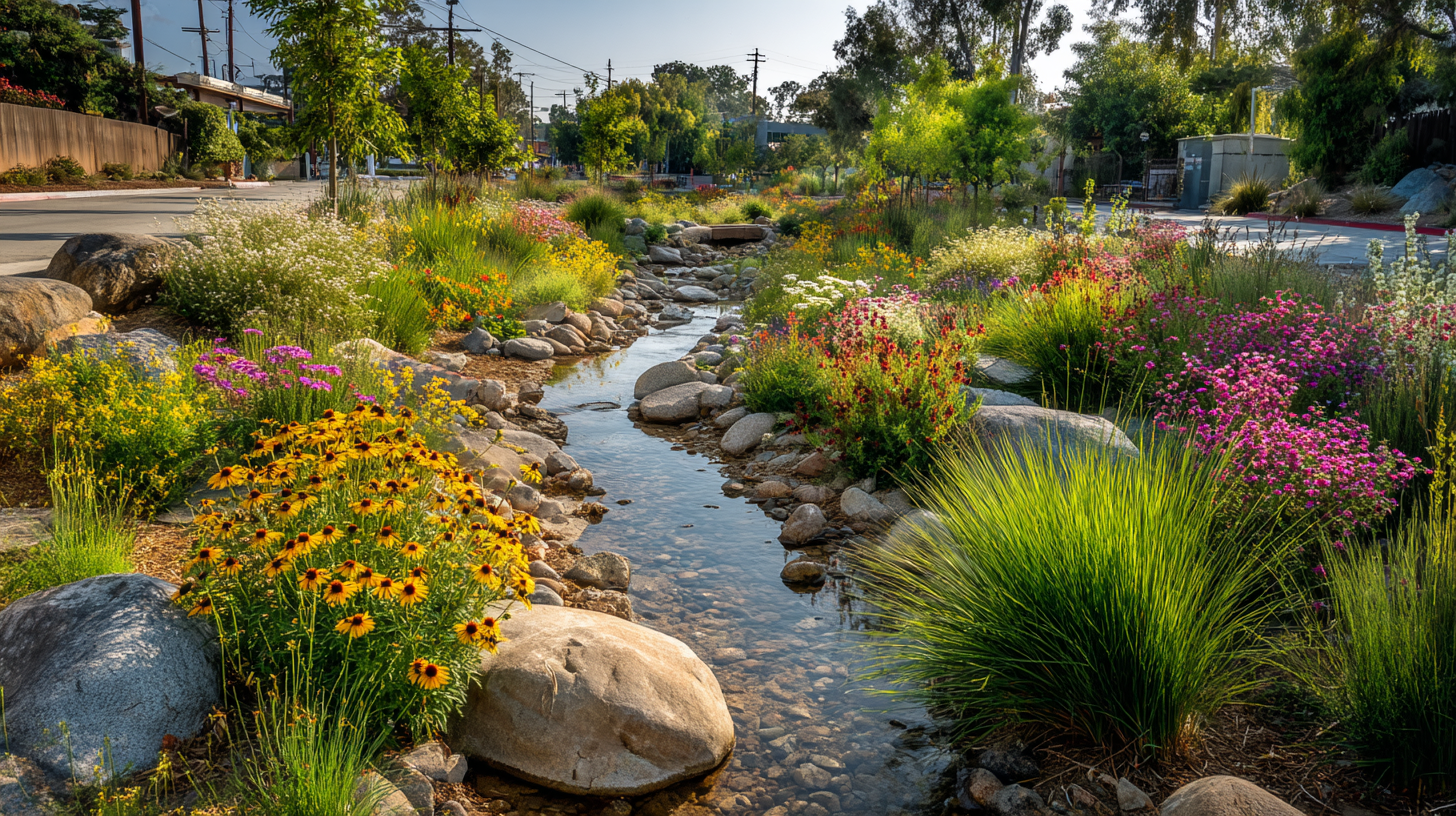
A rain garden is a beautifully designed landscape feature that plays a pivotal role in managing stormwater runoff. This innovative solution mimics the natural absorption of rainwater by allowing it to filter through soil, where it nourishes plants and promotes healthy ecosystems. By creating a designated area to collect and manage water, you can significantly reduce flooding and erosion issues while enhancing the aesthetic appeal of your property.
At its core, a rain garden is a shallow depression that captures rainwater from impervious surfaces such as roofs, driveways, and sidewalks. This captured water is then allowed to soak into the ground rather than flowing directly into gutters or local waterways, where it can cause pollution and flooding. A well-designed rain garden can not only help with water management but also create a vibrant habitat for local wildlife, providing food and shelter for various species.
Understanding the appropriate landscaping principles is essential for building an effective rain garden. First, determine the size based on the area that drains into it; typically, the garden should be about 20-30% of the drainage area. The location is equally crucial—position your rain garden at least 10 feet away from your home’s foundation to prevent water from infiltrating your basement.
Consider the soil type in your chosen location, as this will affect the garden’s drainage capacity. Sandy soils allow for fast drainage, making them ideal for rain gardens, while clay soils may require amendment to prevent water pooling. Additionally, incorporating layers of mulch can help retain moisture while also offering a visually appealing finish to your rain garden.
When planning your rain garden, don’t forget to factor in the local climate and the native plant species that flourish in your area. Native plants are particularly important, as they are adapted to local conditions and require less maintenance, thus promoting self-sufficiency in your gardening endeavors. Not only do they provide environmental benefits, but they also require less water and fertilizer than non-native species, making them perfect for a sustainable landscaping initiative.
Benefits of rain gardens
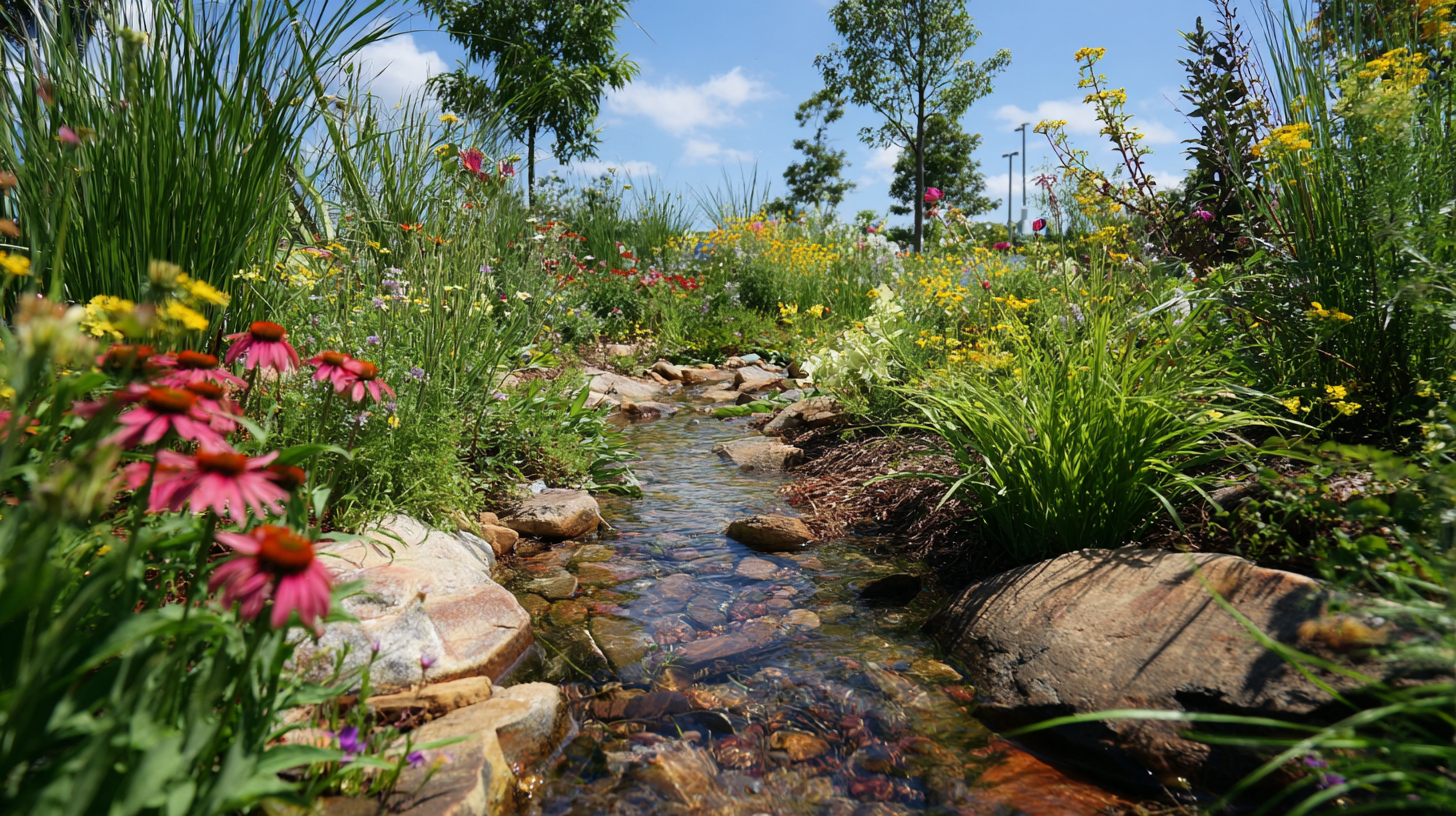 Rain gardens provide a multitude of benefits that extend beyond mere aesthetic appeal. By integrating these gardens into your landscaping, you foster a more sustainable approach to managing stormwater runoff, which in turn enhances the health of local ecosystems and communities.
One of the primary benefits of a rain garden is its ability to improve water quality. As rainwater flows over impervious surfaces, it picks up pollutants such as oils, fertilizers, and heavy metals. When this runoff reaches storm drains, it can significantly contaminate local waterways. A rain garden acts as a natural filter; as water seeps through the layers of soil and plant roots, contaminants are captured and broken down by microbial activity in the soil. This process helps to purify the water before it reaches the groundwater or surrounding ecosystems.
Rain gardens also mitigate flooding and reduce soil erosion. During heavy rainfall, traditional drainage systems can become overwhelmed, leading to localized flooding. By capturing excess rainwater, a rain garden helps to regulate the flow of water and decreases the risk of flooding. Additionally, the plants and soil structure within the garden help to stabilize the soil, preventing erosion that can occur during heavy rain events.
Beyond environmental benefits, rain gardens can enhance local biodiversity by providing crucial habitats for various species. Pollinators such as bees and butterflies are attracted to the native plants typically found in rain gardens, which helps to support their populations. Birds and other wildlife can also benefit from the shelter and food sources provided by a lush rain garden. This contribution to local biodiversity not only enriches the ecosystem but can also enhance the aesthetic and recreational value of your property.
Furthermore, rain gardens contribute to increased property value. Landscaped features that promote water management and sustainability can make a property more appealing to potential buyers. Investing in a rain garden can yield long-term economic benefits as it demonstrates a commitment to environmental stewardship and responsible landscaping.
To summarize the notable advantages of incorporating a rain garden into your landscaping, the following table highlights key benefits:
| Benefit | Description |
|---|---|
| Improves Water Quality | Filters pollutants from stormwater before it reaches local waterways. |
| Reduces Flooding | Captures excess rainwater, mitigating the risk of localized flooding. |
| Prevents Soil Erosion | Stabilizes soil with plant roots, reducing the likelihood of erosion during heavy rainfall. |
| Supports Biodiversity | Provides habitat for pollinators and wildlife, promoting ecological health. |
| Increases Property Value | Enhances landscape aesthetics and demonstrates environmental responsibility. |
By leveraging these benefits, homeowners can take meaningful steps toward self-sufficiency in water management while enhancing their property and contributing positively to the surrounding environment.
Designing your rain garden
When designing your rain garden, visualizing its functionality and aesthetics is crucial to achieving a seamless integration into your landscape. A well-designed rain garden needs to harmonize with its surroundings while performing its essential role in water management. Start by envisioning how the garden will look throughout the seasons, considering factors such as plant height, color, and blooming times.
Begin by sketching a site plan of your proposed rain garden area. Identify the boundaries of your garden, keeping in mind that the shape can vary from geometric to more organic forms. A curved shape often appears more natural; however, a simple rectangle might maximize your space more efficiently. Don’t forget to include amenities like stepping stones or pathways for access and maintenance.
Next, consider the depth of the garden. Most rain gardens are about 4 to 8 inches deep with a gradual slope, which allows water to pool slightly while promoting absorption. The sides should gently slope downward to accommodate adequate water retention without becoming too steep, which can lead to erosion. A depth that is appropriate for your climate and expected rainfall is essential to ensure optimal water capture and plant health.
In your design, think about the overflow mechanism. During heavy rains, a rain garden should have a way to handle excess water. Creating an overflow outlet, such as a pathway for the water to drain into another area, will keep your garden functional without risking overflow damage to your property. A pipe or channel leading to a nearby drainage area can serve well, routing water safely away from structures.
Furthermore, remember to incorporate layers! Adding a base layer of gravel is vital, as it aids in drainage and prevents the soil from becoming overly saturated. Then layer in good-quality garden soil enriched with compost to provide nutrients to the plants. Establishing a balance between these layers will enhance the overall efficiency of your rain garden, promoting self-sufficiency in water retention.
As you finalize your design, think about incorporating seating or decorative elements that encourage enjoyment of the space. Benches or natural stones can create a cozy nook where you or your family can appreciate the beauty of your rain garden. Adding birdbaths or feeders can further attract wildlife, enhancing the garden’s vibrancy through natural interactions.
Be prepared to adapt your design based on the challenges unique to your property. Test soil permeability to gauge how well water will filter through. If necessary, consider amending your soil with organic matter or choosing different native plants suited to your garden’s conditions. Local extension services may provide insights on the best practices tailored to your specific area.
Choosing the right plants
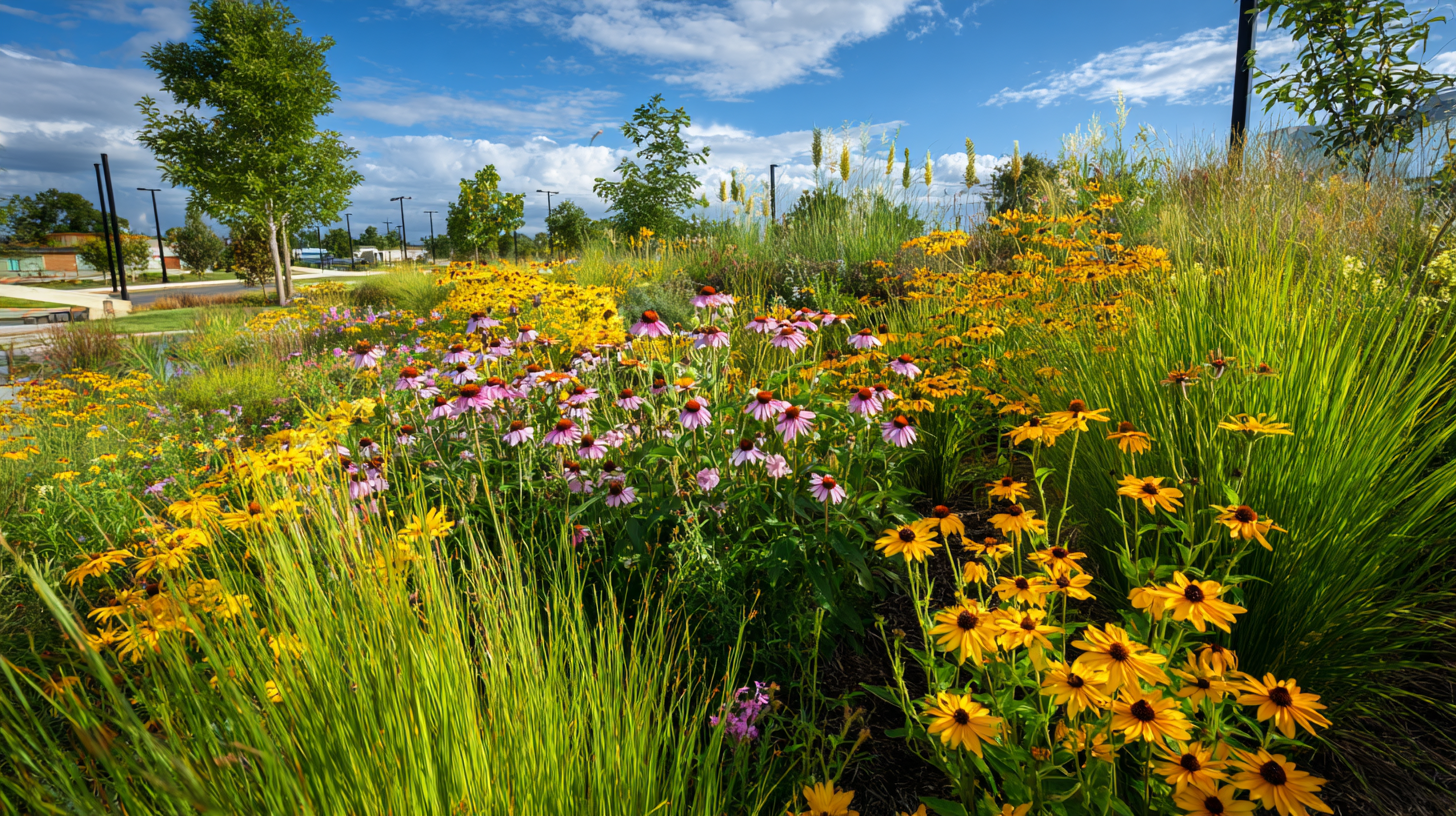 Choosing the right plants for your rain garden is one of the most crucial steps in ensuring its success. The plants you select will not only contribute to the aesthetic quality of the garden but will also play a significant role in its ability to manage water effectively. Native plants are often the best choice for rain gardens as they are well-adapted to local soil and climate conditions, require less water and maintenance, and support local wildlife.
Consider plants that thrive in both wet and dry conditions. A rain garden experiences varying moisture levels, especially immediately after heavy rainfall. Therefore, choose species that can tolerate periods of saturation as well as drier spells. Grasses, sedges, and flowering perennials are excellent options, as they establish deep root systems that improve soil structure and enhance water absorption. Some native favorites include purple coneflower, black-eyed Susan, and Joe-Pye weed. These plants not only provide beauty with their colorful blooms but also attract pollinators, further enriching the local ecosystem.
In addition to floral diversity, incorporating shrubs and small trees can enhance the structural complexity of your rain garden. Consider species such as rabbitbrush or red twig dogwood, which can thrive in wetter circumstances and offer added visual interest and habitat for birds and other wildlife. When planting, make sure to group plants with similar water and light requirements together to create a cohesive and functional planting scheme.
Planting in layers also improves both aesthetics and functionality. Taller plants can be positioned in the back or center of the garden, with shorter perennials and groundcovers in the front, creating a visually appealing design while preventing taller plants from overshadowing shorter ones. When selecting plants, pay attention to their bloom times to ensure your rain garden offers visual interest throughout the seasons.
“The right plants are essential to the success of a rain garden, as they help filter water, enhance biodiversity, and create beauty.”
Before finalizing your plant choices, consider obtaining local soil and site assessments to determine the suitability of your selections. Consulting with local horticulturists or utilizing resources from local extension services can provide insights into which plants would perform best in your garden’s specific conditions. Make sure to account for the mature size of each plant to avoid overcrowding and to maintain air circulation, which is essential for plant health.
Moreover, during the planting process, be thoughtful about spacing. Proper spacing between plants allows them to grow without competition and facilitates easier maintenance. For perennials, a spacing of 12-18 inches apart is usually ideal, while shrubs may need 3-5 feet depending on their species.
Finally, it’s important to remember to prepare your plants before transplanting them into the rain garden. Gradually acclimatizing them by introducing them to the garden environment encourages healthier growth after planting. Once established, your selected plants will not only beautify your rain garden but also fulfill their intended role in stormwater management, promoting a self-sufficient system that thrives in harmony with nature.
Installation process
Installing your rain garden is a rewarding process that requires careful planning and execution to ensure its effectiveness in managing stormwater while enhancing your landscape. Start by marking your garden’s borders with stakes or string, following the outline from your design. This visual representation helps you gauge the space you’ll be working within. Before digging, it’s vital to check for any underground utilities to avoid unnecessary disruptions, which can not only be a setback but also a safety hazard.
Excavate the area to your desired depth, generally between 4 to 8 inches, depending on the soil’s drainage capacity and the amount of rainfall in your region. As you dig, create a shallow basin with gentle slopes that allow water to pool slightly but not become stagnant. This careful shaping of the garden not only enhances water infiltration but also improves aesthetic appeal—creating a naturalistic landscape feature within your yard.
Once you have shaped the basin, it’s essential to layer the bottom with a mix of gravel—approximately 2-3 inches deep. This layer assists with drainage and prevents soil from compacting, facilitating better water absorption. Following the gravel base, add a good-quality garden soil amended with compost, ensuring that the mixture provides enough nutrients for your chosen plants to thrive. The soil should be slightly sandy to promote drainage, while still holding enough moisture to sustain the plants.
Next comes planting. While it might be tempting to stagger this step, it’s crucial to arrange your chosen species according to their height and moisture preferences. Position taller plants in the center or back of the garden, with shorter plants at the edges, ensuring that all plants receive adequate sunlight. Planting in clusters can also create a more natural look and attract beneficial pollinators like bees and butterflies, increasing biodiversity in your area.
Before planting, soak your plants in water to help them settle better in their new environment. Once planted, give them a thorough watering, ensuring the soil is adequately moistened but not overly saturated. Add a layer of mulch to retain moisture, suppress weeds, and provide the garden with a finished look. Organic mulch, like shredded leaves or wood chips, will decompose and continually enrich the soil, contributing to overall self-sufficiency in your rain garden.
It’s also essential to establish a maintenance plan as part of the installation process. Regularly check for any debris that may block the garden’s flow, and periodically refresh mulch and compost to ensure healthy plant growth. Developing a system of watering during dry spells and monitoring plant health for signs of disease or stress will help your rain garden remain lush and functional. This commitment to ongoing care will not only contribute to the longevity of your rain garden’s effectiveness but will also deepen your connection to the very ecosystem you are nurturing.
- What is the best time of year to install a rain garden?
- The best time to install a rain garden is typically in the spring or fall. These seasons allow plants to establish their roots before the heat of summer or the cold of winter sets in.
- How large should my rain garden be?
- The size of your rain garden should be roughly 20-30% of the area that drains into it. This ratio allows enough space for effective water absorption and plant growth.
- Can rain gardens handle large storms?
- Yes, rain gardens are designed to handle temporary inundation during heavy rainfall. They should include an overflow system to manage excess water and prevent flooding.
- What types of plants should I use in my rain garden?
- Choose native plants that thrive in your local environment and can tolerate both wet and dry conditions. Native species require less maintenance and contribute to local biodiversity.
- Will a rain garden attract insects?
- Yes, a rain garden can attract beneficial insects such as pollinators and other wildlife. The diversity of plants supports a range of species, enriching the ecosystem.
- How often do I need to maintain my rain garden?
- Maintenance can vary, but general upkeep includes weeding, mulching, and monitoring plant health multiple times a month during the growing season. Regular checks after heavy storms are also advisable.
- Is a rain garden environmentally friendly?
- Absolutely! Rain gardens help reduce stormwater runoff, improve water quality by filtering pollutants, support local wildlife, and contribute to sustainable landscaping practices.
Maintenance tips for longevity
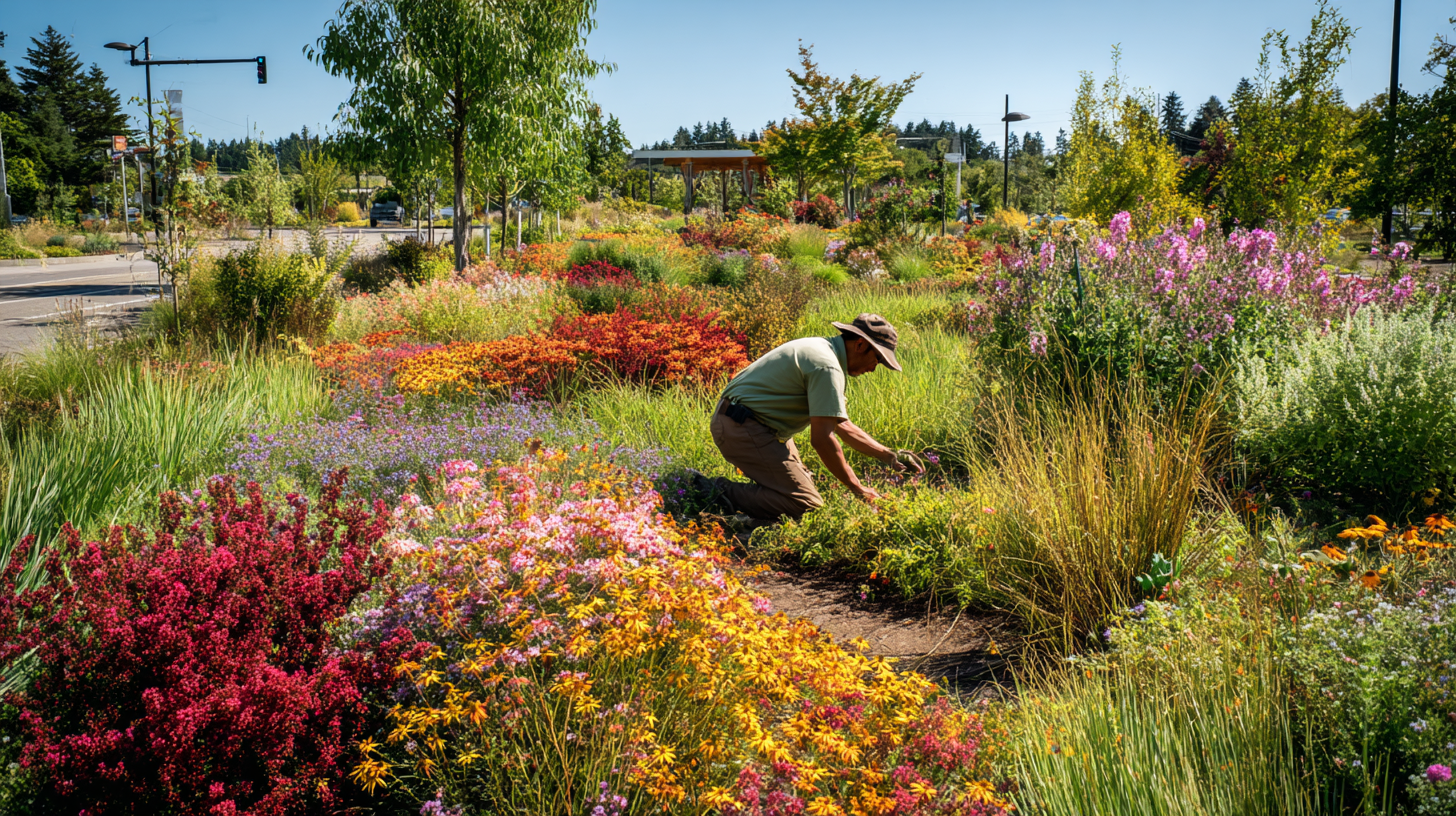
Maintaining your rain garden is essential to ensure its longevity and effectiveness in managing stormwater. With thoughtful care, your rain garden will not only thrive but also support local ecosystems and provide a beautiful addition to your landscaping. Here are some practical tips for keeping your rain garden in top shape throughout the seasons.
Regular Inspection: Make it a habit to inspect your rain garden at least once a month, especially during the growing season. Check for any signs of erosion, sediment build-up, or debris that may block the water flow. Cleaning out twigs, leaves, and other obstructions will help your garden function optimally, allowing it to absorb water efficiently.
Weeding: Keep an eye on invasive weeds that can outcompete your chosen plants for nutrients and water. Pulling them out by hand is often the most effective method, particularly if done regularly. The best strategy is to tackle weeds when they’re small; early intervention can prevent them from taking root and becoming a larger problem.
Mulching: Applying a fresh layer of organic mulch each spring not only enhances the garden’s appearance but also helps retain soil moisture and suppress weeds. As the mulch breaks down, it will enrich the soil, promoting a more self-sufficient ecosystem within your rain garden.
Watering: While rain gardens are designed to manage water naturally, there may be times when the plants require additional moisture, especially in periods of drought. Monitor the soil moisture and provide supplemental watering if necessary, particularly for newly established plants. Deep watering encourages roots to grow down into the soil, helping them withstand dry spells.
Seasonal Pruning: As plants grow, some may require pruning to maintain their shape and health. Remove any dead or damaged foliage, which can harbor pests or diseases. Additionally, cutting back perennials in the fall prepares them for the next growing season, allowing new growth to emerge in spring.
Soil Care: Testing the soil every few years will provide insight into its nutrient content and pH levels. Amending the soil with compost or other organic matter can help maintain a healthy balance. This step ensures your plants receive the nutrients they need to flourish, boosting the self-sufficiency of your rain garden.
Plant Replacement: Over time, some plants may not survive or could become overcrowded. Be prepared to replace or replant species that are underperforming or to introduce new plants that might do better in your garden’s specific conditions. Adjusting plant selections based on what thrives can help maintain biodiversity and functional health in your rain garden.
Education and Community Involvement: Engaging with local gardening groups or attending workshops can enhance your knowledge of best practices in rain garden maintenance. Sharing tips with fellow homesteaders can not only improve your garden but also contribute positively to your community’s water management strategies. Consider organizing neighborhood clean-up days to maintain rain gardens collectively, fostering a sense of ownership and collaboration.
By dedicating time and effort to these maintenance practices, you can enjoy the many benefits of your rain garden for years to come. Not only will your garden thrive, but it will also serve as a testament to your commitment to sustainable landscaping and self-sufficiency. In this way, your rain garden can become more than just a functional feature—it can be a vibrant ecosystem that supports wildlife, beautifies your space, and educates others about the importance of responsible water management.