

When you embark on the journey of growing fruit at home, you open the door to a myriad of advantages that stretch beyond mere enjoyment. Homegrown fruit represents not only a delightful addition to your diet but also an empowering step toward increased self-sufficiency and a fulfilling lifestyle.
First and foremost, the flavor and freshness of fruit picked straight from your garden are unparalleled. Unlike store-bought options, which often undergo long shipping times, homegrown fruits are consumed at their peak ripeness, resulting in rich flavors and vibrant nutrients. Consider planting varieties such as strawberries, raspberries, or heirloom tomatoes that can thrive in backyard gardens or even smaller urban spaces. The taste of a sun-warmed strawberry is a culinary experience that cannot be replicated.
Furthermore, growing your own fruit fosters a deep connection with the food you eat. Watching a seed transform into a fruitful plant can be a profound experience, particularly for families. It provides a wonderful opportunity to teach children about food sources, the cycles of nature, and the importance of sustainable practices. Engaging kids in gardening activities can instill a sense of responsibility and pride in their contributions.
In addition to the richness in flavor and the bonding experiences, growing fruit can also lead to significant cost savings. While there may be initial investments in seeds, soil amendments, and tools, over time your harvest can outweigh these costs dramatically. For example, a single apple tree can produce hundreds of apples during its peak years, which would cost a substantial amount if purchased at the store. This reduction in grocery expenses can free up funds for other critical areas, enabling better budgeting for families.
Additionally, consider the environmental impact of home gardening. When you grow your own fruit, you reduce your carbon footprint by minimizing the need for transportation and packaging associated with store-bought produce. It’s also an opportunity to adopt organic practices and avoid harmful pesticides that can harm local ecosystems. Simple practices like composting kitchen scraps and using rainwater can further enhance your sustainability efforts.
To optimize your experience in gardening fruit, remember to research the best varieties for your climate and available space. Consider vertical gardening for limited areas, as well as companion planting, which can deter pests and promote healthy growth. Regularly harvesting ripe fruit not only improves the yield but also encourages the plant to produce more.
Ultimately, the advantages of homegrown fruit are rich and varied. From gastronomical pleasures and family bonding to substantial economic benefits and environmental stewardship, cultivating your own fruit garden is a rewarding venture that aligns perfectly with the values of self-sufficiency and living well.
Nutritional benefits
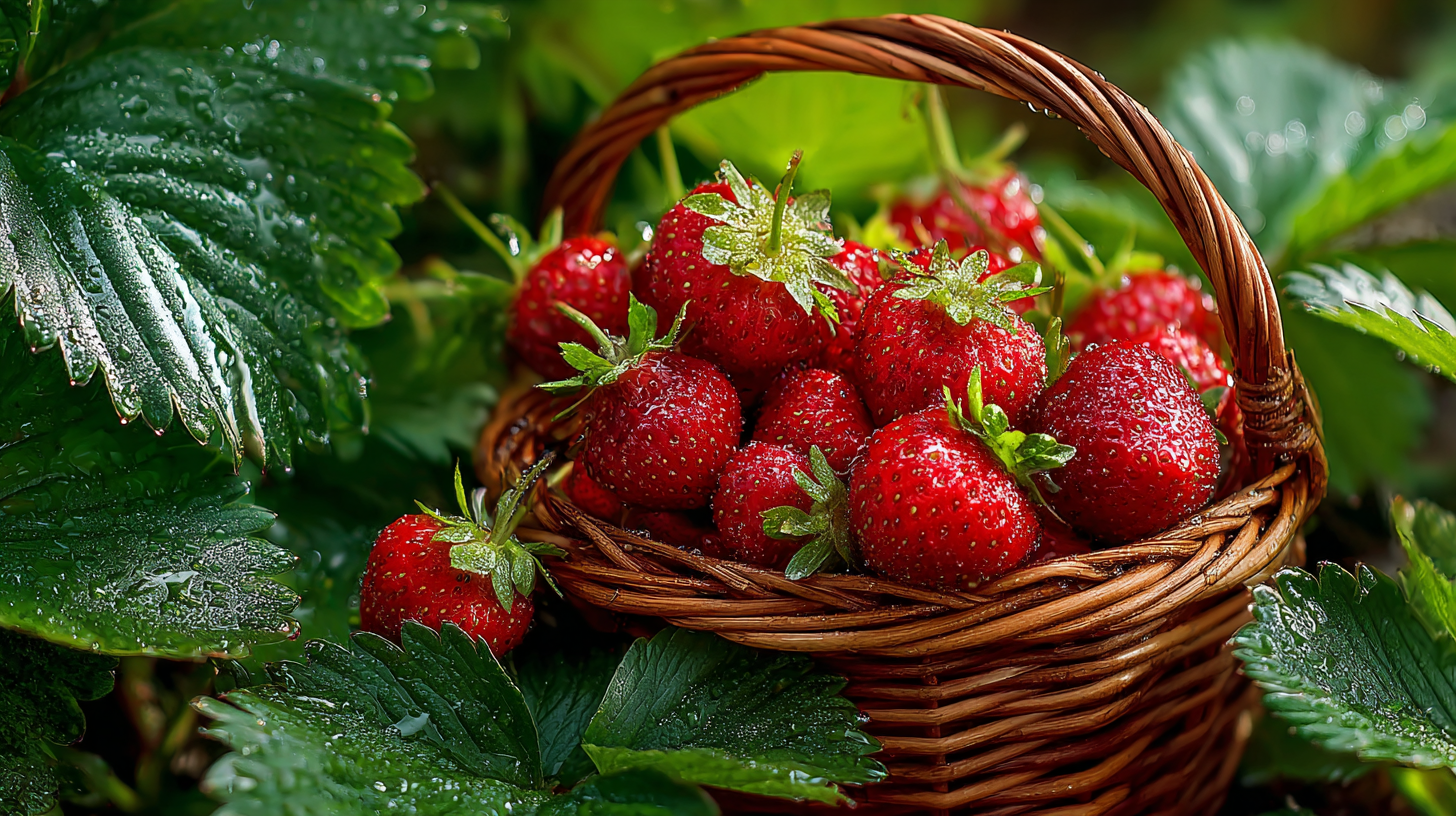
Homegrown fruit offers an impressive array of nutritional benefits that are often overlooked in the hustle and bustle of modern grocery shopping. When you grow your own fruit, you not only cultivate a delicious harvest but also ensure that you are consuming nutrient-rich, fresh produce laden with vitamins, minerals, and antioxidants. Unlike fruit that has traveled thousands of miles to reach your local market, homegrown varieties can be eaten shortly after harvest, preserving their superior nutrient profiles.
Fruits such as berries, apples, and citrus are known for their high levels of vitamins, particularly vitamin C, which plays a crucial role in boosting the immune system while also acting as a powerful antioxidant. Other nutrients found in homegrown fruits include dietary fiber, which aids in digestion and helps to maintain a healthy weight, and various phytonutrients that may contribute to reduced risk of chronic diseases.
| Fruit Variety | Key Nutritional Benefits |
|---|---|
| Strawberries | High in vitamin C and antioxidants, supports heart health |
| Blueberries | Rich in antioxidants, supports brain health and cognition |
| Apples | Good source of fiber and vitamin C, promotes heart health and weight management |
| Citrus (oranges, lemons) | High in vitamin C, aids in immune function; contains flavonoids for anti-inflammatory properties |
The immediate access to freshly harvested fruits allows you to eat seasonal varieties at their nutritional peak. Additionally, when you grow fruit yourself, you know precisely how it was cultivated. This is particularly important for those aiming for organic living, as you can avoid commercial pesticides and fertilizers, thereby consuming fruit that contributes positively to your health and well-being. The self-sufficiency gained from cultivating your own fruit is empowering, providing not just food for the body, but also for the soul.
Moreover, engaging in gardening activities inherently encourages healthier dietary choices. The act of nurturing fruits can create a greater appreciation for their health benefits, leading to increased consumption. Children involved in gardening are often more willing to try new fruits, thus improving their overall nutrition. In a society where convenience frequently trumps health, growing fruit at home stands as a commendable effort towards a more nutritious lifestyle.
By prioritizing homegrown fruit, you cultivate a relationship with your food that transcends mere consumption. The act of knowing where your food comes from and how it is grown contributes significantly to your overall health and well-being. Through this process, you not only reap the rewards of tasty and nutritious produce but also instill lifelong habits of healthy eating and appreciation for sustainable practices in those around you.
Cost savings
When you start growing fruit at home, you’ll quickly understand how the initial costs can be a wise investment compared to the ongoing expense of purchasing fruit from the grocery store. It’s crucial to consider the long-term savings that can result from your home orchard. For example, a single raspberry bush can yield tons of berries over its lifespan, while a well-maintained apple tree can supply hundreds of pounds of fruit each season, eliminating the need to buy these items at retail prices.
Aside from the immediate cost benefits, think about the time and money saved when you skip the grocery store. With the increasing prices of fresh produce, especially organic options, there’s substantial financial relief to gain from growing your own. The only costs associated with home gardening come from seed purchases, soil amendments, and possibly some basic tools. Once established, most fruit plants continue to produce for years with minimal additional investment.
Some consumers might worry about the upfront investment in a garden setup, but it’s essential to view it as an opportunity for long-lasting savings. You can mitigate initial expenses by starting small—perhaps with container gardening if space is limited. Additionally, utilizing local resources such as community garden programs or seed exchanges can keep costs down while fostering a sense of community and support among fellow growers.
Another aspect often overlooked is the potential to create value-added products. Once you harvest your fruit, consider preserving it through canning, making jams, or dehydrating. Not only do these methods extend the life of your produce, but they also turn your homegrown fruit into additional products that can be enjoyed later or even gifted to friends and family, further enhancing the value of your gardening efforts.
It’s also wise to factor in the time saved by having immediate access to fresh, organic fruit for culinary uses. No more rushing to the store at the last minute for that missing ingredient! When you have a flourishing fruit garden, you can simply step outside to gather whatever you need, ensuring your meals are fresher and healthier.
Lastly, let’s remember the significant emotional and mental benefits that come with growing your own fruit. Gardening is not just a chore; it’s an engaging activity that can relieve stress and promote well-being. The satisfaction of harvesting and consuming fruit you’ve tended to fosters a sense of achievement, which can be invaluable in today’s fast-paced world. With sustainability and self-sufficiency at the forefront of many people’s minds, choosing to grow your own food is a fulfilling way to contribute positively to both your finances and mental health.
In summation, the cost savings associated with growing fruit at home extend beyond financial benefits. They encompass the value of your time, the joy of preserving your harvest, and the emotional satisfaction of nurturing plants that provide nourishment for your family. Truly, investing in a home fruit garden pays dividends that can enrich your life far beyond simple sustenance.
Environmental impact
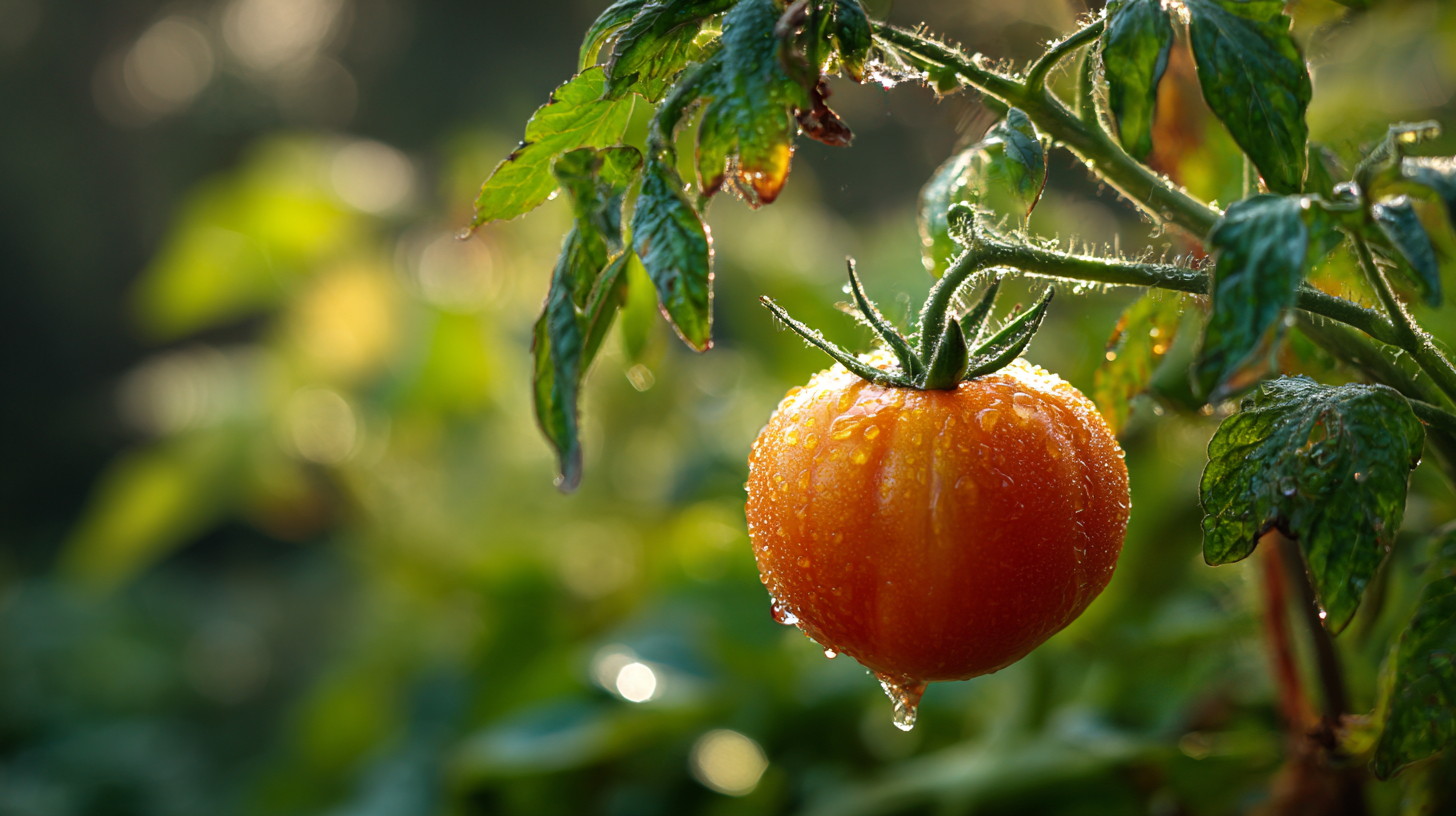
Growing your own fruit plays a significant role in fostering a positive environmental impact and promoting sustainable living. By taking the initiative to cultivate your own edible plants, you reduce the reliance on commercially grown produce, which often requires extensive resources for transportation, packaging, and storage. This reduction in food miles contributes directly to lower greenhouse gas emissions, making your home garden a small but vital player in the fight against climate change.
Moreover, many conventional fruit production methods rely on synthetic fertilizers and pesticides that can harm local biodiversity and pollute water systems. In contrast, gardening at home allows you the opportunity to implement organic practices, thus ensuring your garden remains a safe haven for beneficial insects and wildlife. Embracing companion planting and natural pest control methods invites a more balanced ecosystem into your garden, enhancing soil health and the vitality of your plants.
“Our ability to save the environment will depend on the individuals who care enough to grow their own food.” – Unknown
Utilizing resources such as compost from kitchen scraps not only enriches your soil but also minimizes food waste. This approach helps close the loop on food consumption, returning nutrients back to the earth and promoting self-sufficiency while minimizing the strain on landfills. Additionally, rainwater harvesting can be an effective way to irrigate your plants without relying heavily on municipal water supplies, thereby conserving precious resources.
In urban environments, fruit gardens can also play a role in reducing the urban heat island effect. Green spaces, even small ones, contribute to cooler neighborhoods, improving air quality and providing a refuge for wildlife amidst concrete landscapes. Such initiatives, although they may seem small on an individual scale, collectively contribute to a healthier planet.
Furthermore, engaging in gardening provides an opportunity to educate yourself and others about environmental stewardship. Children and adults alike can learn about the importance of biodiversity, conservation, and the impact of climate change through firsthand experiences in the garden. This kind of knowledge fosters a greater appreciation for nature and encourages responsible decision-making that can extend beyond the backyard.
As you nurture your garden, consider utilizing heirloom varieties that are often more resilient to local pests and diseases, which can reduce the need for intervention in the form of chemical treatments. These heirloom fruits not only bring unique flavors to your table but also help preserve genetic diversity, a crucial factor in adapting to changing environmental conditions.
Ultimately, the environmental benefits of growing fruit at home extend far beyond personal gain. By adopting sustainable gardening practices, you contribute to the broader goal of environmental conservation, support local ecosystems, and promote a lifestyle that values harmony with nature. Each fruit you grow is not only a testament to your self-sufficiency but also a step towards a more sustainable future for generations to come.
Variety and flavor
When you choose to cultivate a variety of fruits in your home garden, you not only unlock a vibrant palette of flavors but also embark on a journey marked by diversity and excitement. The sheer range of fruit types available for home growing is staggering, allowing you to experiment with everything from strawberries and peaches to exotic varieties like dragon fruit and goji berries, depending on your climate and preferences. Each type brings its own unique flavor profile, texture, and set of nutritional benefits, creating an abundant harvest that’s anything but mundane.
Imagine stepping outside to pluck ripe tomatoes or juicy blackberries, each bursting with the subtle sweetness and rich flavors that only come from being grown in your own soil. This diversity doesn’t just enhance your plate; it inspires a culinary creativity that encourages you to explore new recipes and flavor combinations, helping to make nutritious eating an adventure rather than a chore. Homegrown fruits can be enjoyed fresh, incorporated into desserts, or transformed into preserves, offering countless opportunities to savor the fruits of your labor.
Thinking about color and aesthetic appeal can also enrich your gardening experience. The sight of a tree laden with ripe apples or a trellis covered with lush grapes can be not only a delight to the senses but also a boost to your gardening confidence. A well-planned garden can provide stunning visual variety throughout the seasons, making it a haven for both wildlife and your family’s enjoyment. Moreover, growing an eclectic mix of fruits fosters a deeper connection with nature, as you become attuned to the cycles of growth, pollination, and ripening that define your garden’s landscape.
Engaging in diverse gardening practices also brings about the benefits of resilience and adaptability. Different fruit plants often have varying needs in terms of soil, water, and sunlight, presenting an opportunity to learn about plant care and environmental stewardship. This knowledge allows you to tailor your gardening practices to create a balanced ecosystem where plants thrive together. For instance, incorporating companion planting can not only enhance flavors but also help deter pests, leading to a more fruitful and sustainable gardening experience.
Creating a diverse fruit garden aligns perfectly with the principles of self-sufficiency. By cultivating a wide range of fruits, you not only ensure a more steady and varied supply of fresh produce but also decrease your reliance on commercial sources. The emotional satisfaction gained from nurturing plants and witnessing their growth can also deepen your appreciation for food and sustainability efforts. The multi-faceted benefits of growing your own fruit make it an engaging pursuit, beckoning you to dig deeper and explore the world of gardening like never before.
- What types of fruit can I grow in a small garden?
- You can grow several fruits in small spaces, such as strawberries, dwarf varieties of trees like apple or cherry, and climbing fruits like blackberries or grapes. Container gardening is also an excellent option for limited areas.
- How do I know when my fruit is ready to harvest?
- Fruits are typically ready to harvest when they have reached their full color, are slightly soft to the touch, and have a sweet aroma. Researching the specific variety you’re growing can provide guidance on ideal harvesting times.
- Can I grow fruit indoors?
- Yes, many fruit plants can be grown indoors, especially if you have a sunny window or can provide supplemental lighting. Varieties like strawberries, citrus, and even small berry bushes can thrive indoors with proper care.
- Do I need to use pesticides on my fruit garden?
- While many growers prefer organic methods and aim to avoid chemical pesticides, some level of pest management may be necessary. Natural alternatives like insecticidal soap or neem oil can be effective while remaining safe for the plants.
- How often should I water my fruit plants?
- Watering needs vary by plant type, but generally, fruit plants should be kept moist but not waterlogged. It’s best to assess the soil moisture level and adapt your watering schedule accordingly, especially during dry spells.
- Can I grow fruits in winter?
- Depending on your climate, you may not be able to grow outdoors in winter, but certain fruits can be grown in greenhouses or indoors where it’s warmer. Some cold-hardy varieties may survive the winter with protection.
- What is companion planting and how does it help my fruit garden?
- Companion planting involves growing different plants together for mutual benefits, such as pest control or improved growth. For instance, planting marigolds alongside fruit plants can deter certain pests and improve overall yields.
Gardening tips for success

Success in gardening, especially when it comes to growing fruit, hinges on a combination of planning, patience, and knowledge. Armed with some practical tips, even novice gardeners can cultivate thriving fruit plants that will reward them with bountiful harvests.
First, understanding your local climate and soil conditions is essential. Research the types of fruits that grow best in your area and select varieties that are well-suited to the local environment. For example, in warmer regions, citrus and stone fruits like peaches and cherries do well, while cooler climates are perfect for berries and apples. Local extension services or gardening clubs can provide invaluable advice tailored to your specific conditions.
Soil health plays a crucial role in fruit production. Before planting, conduct a soil test to check for pH levels and nutrient deficiencies. Most fruits prefer slightly acidic to neutral soil (pH 6.0 to 7.0). Enrich your soil with organic matter such as compost or well-rotted manure, which improves soil structure and provides essential nutrients. Regular mulching can also help retain moisture and suppress weeds, allowing your fruit plants to thrive with minimal competition.
When planting, consider spacing your plants wisely. Adequate space between your fruit trees or bushes ensures proper air circulation, reducing the risk of fungal diseases. Yet, don’t be afraid to utilize vertical space. Espalier techniques or trellising can help utilize smaller areas efficiently without sacrificing yield. For small gardens, consider dwarf or semi-dwarf fruit trees that fit comfortably in confined spaces while still producing significant amounts of fruit.
Water management is another cornerstone for success. Newly planted fruit trees require regular watering to establish their root systems, but as they mature, they may need less frequent watering. Nevertheless, monitoring their moisture levels is critical, especially during hot weather or prolonged dry spells. Drip irrigation or soaker hoses can efficiently deliver moisture directly to the roots, minimizing waste and preventing disease from splashing onto the leaves.
Pests and diseases are an inevitable part of gardening, but proactive measures can mitigate these issues. Regularly inspect your plants for signs of trouble and implement integrated pest management (IPM) practices, which include a combination of biological controls, such as beneficial insects, and natural pesticides. For instance, soap sprays or neem oil can effectively control aphids and spider mites while being environmentally friendly.
To promote pollination, plant flowers that attract bees and other pollinators nearby. Choices like sunflowers, marigolds, and lavender not only beautify your garden but also improve fruit yield through effective pollination. Additionally, fostering biodiversity by including a variety of plants can naturally deter pests and enhance your garden’s resilience.
Finally, patience is essential in the world of fruit gardening. Many fruit plants take time to establish and begin producing. For instance, apple trees may take three to five years to bear fruit, while strawberries can yield in their first year if grown from transplants. Celebrate each small victory along the way, and don’t forget to involve family members in the care of your garden. Sharing the experience and the harvest can strengthen family bonds and instill an appreciation for self-sufficiency.
Whether you’re cultivating a small patch in your backyard or managing a larger homestead, these helpful tips will enhance your gardening efforts, leading to fruitful rewards. Remember, the journey of growing your own fruit is as valuable as the harvest itself, enriching life with lessons in patience, care, and the joy of nurturing life.
Encouraging family involvement
Getting the entire family involved in the process of growing fruit can transform gardening into a fun-filled and educational activity that enhances your homesteading experience. By making gardening a family affair, you not only instill an appreciation for self-sufficiency but also create lasting memories together. Engaging children in the gardening process teaches them valuable life skills, responsibility, and the importance of healthy eating, while also contributing to your collective effort of producing homegrown fruit.
Start by letting each family member choose their own fruit plants to grow. This can increase their enthusiasm and investment in the gardening project. For instance, if your child loves strawberries, consider setting up a small raised bed or containers dedicated to their cultivation. Allowing them to have a personal stake in the garden fosters pride and ownership, motivating them to contribute to its success.
Involve kids in the tasks that cater to their age level and abilities. Younger children can help with simpler tasks such as planting seeds, watering, and weeding under supervision, while older children can take on more responsibilities such as setting up irrigation systems or building trellises for climbing plants. Create a weekly gardening schedule that outlines tasks, making it a family tradition to check on the plants together. This not only helps in nurturing the garden but also provides a routine that everyone can look forward to.
Make learning about the growth cycle fun and engaging by incorporating games or challenges. For example, you could hold a “tasting day” once the fruits are ready for harvest, where everyone tries different fruits and votes for their favorite. This not only encourages kids to develop a palate for fresh produce but also motivates them to put in the effort to grow the fruits that they love. You can also teach them about the seasons, pollination, and soil health, transforming gardening tasks into lessons that are both educational and enjoyable.
Another wonderful way to encourage family involvement in growing fruit is by hosting family gardening days where everyone participates in planting, caring for, and eventually harvesting the fruits of your labor. Involve everyone in designing the garden layout, keeping in mind the aesthetics, spacing, and variety of plants. A family effort to create a delightful garden can also open discussions about the environmental benefits of growing your own food, sparking a greater interest in sustainable practices.
Additionally, take time to celebrate each milestone, whether it’s the first bud of a budding plant or the first fruit harvested. Celebrations could be as simple as a family picnic featuring your homegrown fruits. This tradition not only reinforces a sense of accomplishment but also strengthens family bonds while enjoying the fruits of your effort—literally!
Encouraging family involvement in your home fruit garden cultivates a rich learning environment while promoting teamwork and shared responsibility. As you engage in the collective journey of growing fruit, you empower your family with the knowledge and skills necessary for self-sufficiency, nurturing not just plants, but also the relationships that form within your household.