

One of the most exciting aspects of sustainable living is the myriad of practices that can transform your home and lifestyle while keeping your budget intact. To begin your journey towards self-sufficiency, consider integrating a few essential practices into your daily routine.
Composting is a fantastic way to reduce waste and create nutrient-rich soil for your garden. It’s remarkably simple; start by collecting kitchen scraps like vegetable peels, coffee grounds, and leftover greens in a designated container. You can add yard waste like fall leaves and grass clippings, too. Just ensure you have a good mix of green materials (nitrogen-rich) and brown materials (carbon-rich) for optimal decomposition.
Another innovative practice is rainwater harvesting. While plans may vary based on local regulations, a simple rain barrel can catch water from your roof’s downspouts. This collected rainwater can significantly lower your water bill and provide a sustainable source for watering your plants during dry spells.
When it comes to gardening, start small with a container garden or a few raised beds. Even if you live in an urban setting, you can grow your own herbs, vegetables, or fruits. Be mindful of using organic seeds and seedlings, as they often yield crops that are healthier and pest-resistant. Consider companion planting—growing species that benefit each other in proximity—to maximize your space and resources efficiently.
Embrace the art of preserving food through techniques like canning, fermenting, or drying. This not only helps you save money by utilizing an abundant harvest but also decreases food waste. For beginners, try making simple pickles or jams, which can be both delightful to eat and give you a sense of accomplishment.
Lastly, explore local workshops or online courses that focus on various aspects of homesteading and sustainable living practices. Groups or local co-ops often offer classes on anything from organic gardening to animal husbandry, which can be invaluable in acquiring skills that enhance your self-sufficiency while expanding your network of like-minded individuals.
Engaging in these practices doesn’t just contribute to sustainable living; it fosters a greater connection with your food and the environment, all while being kind to your wallet.
Budget-Friendly Tips for Eco-Friendly Choices

When it comes to making eco-friendly choices without straining your finances, there are numerous budget-friendly tips to consider. One of the simplest ways to embrace sustainable living is to reevaluate your consumption habits. Start by opting for products that have minimal packaging or are available in bulk. This practice not only reduces waste but often saves you money in the long run. Many stores offer discounts for purchasing larger quantities or bringing your own containers, allowing you to budget more effectively while being kind to the environment.
Another area to focus on is transportation. Instead of relying on a car for every errand, consider using public transportation, biking, or walking whenever possible. Not only does this reduce your carbon footprint, but it can also cut down on fuel and maintenance costs. If you need to drive, try carpooling with neighbors or colleagues to save on gas and reduce vehicle wear. Such habits promote self-sufficiency while aligning with eco-conscious values.
Choosing second-hand goods is a prime opportunity for those looking to live sustainably and affordably. Thrift stores, consignment shops, and online marketplaces are treasure troves of gently used items. By purchasing second-hand clothing, furniture, or kitchenware, you can significantly lower your spending and simultaneously extend the lifecycle of products, thereby minimizing resource depletion. Moreover, this practice can be particularly rewarding, as you might find unique items that add character to your home without the hefty price tag.
Making your own cleaning products is another effective way to contribute to sustainable living on a budget. Common household ingredients like vinegar, baking soda, and lemon juice can be combined to create powerful, non-toxic cleaners. Below is a simple table outlining some DIY cleaners and their budget-friendly ingredients:
| Cleaner Type | Ingredients | Cost Estimate |
|---|---|---|
| All-Purpose Cleaner | 1 part vinegar, 1 part water | $0.50 per bottle |
| Glass Cleaner | 1 part vinegar, 1 part water | $0.50 per bottle |
| Deodorizing Powder | Baking soda | $0.25 per container |
| Scrub Cleaner | Baking soda and water | $0.30 per batch |
Prioritizing energy-efficient appliances and systems can also lead to significant savings. While they may have a higher upfront cost, energy-efficient products often reduce electricity and water bills dramatically over time. Look for Energy Star-rated products that guarantee optimal efficiency. Additionally, consider simple solutions like swapping out incandescent bulbs for LED alternatives, which last longer and consume less energy. Adjusting your thermostat a few degrees and utilizing natural light whenever possible can further enhance your home’s energy efficiency.
Incorporating these practices into your daily routine not only supports sustainable living but also encourages mindful budgeting and promotes a lifestyle anchored in self-sufficiency. As you take each step, you’ll discover that small changes can lead to substantial savings and a greater connection to your community and environment.
Energy Efficiency at Home
Improving energy efficiency at home is a cornerstone of sustainable living, particularly for those seeking to achieve self-sufficiency without breaking the bank. By making a few thoughtful changes, you can reduce your energy consumption and lower your utility bills while contributing to a healthier planet.
Start by conducting an energy audit of your home. This involves checking for drafts around windows and doors, inspecting insulation levels, and assessing your heating and cooling systems. Simple seals or weather stripping can often rectify air leaks, significantly improving your home’s efficiency. There are also many online resources and guides available for performing a DIY energy audit.
A great way to enhance energy efficiency is by upgrading your insulation. If your attic or walls lack sufficient insulation, it can lead to substantial energy loss. While upgrading may require an upfront investment, energy savings over time can quickly justify the expense. Look for government rebates or incentives that encourage energy-efficient renovations, which can help ease the cost burden.
Switching to LED lighting is another simple yet effective change. LED bulbs use up to 75% less energy than traditional incandescent bulbs and last significantly longer. While the initial cost is typically higher, the long-term savings on energy bills and bulb replacements make it a wise choice. Add dimmer switches and motion sensors to further conserve energy by controlling how long lights remain on.
Consider implementing a smart thermostat to optimize your heating and cooling system. These devices learn your habits and adjust temperatures accordingly, saving energy when you’re not home. Programmable models can be set to lower temperatures at night or during working hours, which can lead to impressive savings. Some households report reductions in heating and cooling expenses by as much as 10-20% when using smart thermostats.
Be mindful of your appliance usage as well. When shopping for new appliances, prioritize those labeled with the Energy Star certification. These products meet stringent energy efficiency criteria and can save you a significant amount of money over their lifetime due to lower energy consumption. For instance, an Energy Star refrigerator can use about 15% less energy than non-certified models.
Additionally, look into utilizing solar power if feasible. With the falling prices of solar panels, many homeowners find that installing a solar power system can lead to substantial savings on electricity bills. Depending on local incentives and your state’s solar energy regulations, this option may be more accessible than you think. Many financing options can spread costs over time, making it a budget-friendly choice for sustainable energy.
Don’t forget to harness natural resources whenever possible. Open your curtains during the day to allow sunlight in, naturally warming your space, and keep them closed at night to retain that warmth. When the weather permits, consider air-drying clothes outside instead of using the dryer. These simple changes can significantly enhance energy efficiency without necessitating a significant financial investment.
Lastly, get involved with community initiatives focused on energy conservation. Local programs may offer resources, workshops, or group bulk purchases for energy-efficient products, thereby helping you save on costs. Collaborating with neighbors not only enhances your home’s sustainability but also fosters a sense of community support that is invaluable on your self-sufficiency journey.
By focusing on energy efficiency, you create a sustainable living environment that not only safeguards your wallet but also supports the broader goal of environmental stewardship. With every small step, you’re contributing to a larger movement towards a more sustainable future.
Sourcing Sustainable Goods on a Budget

Sourcing sustainable goods without stretching your budget requires a blend of creativity and resourcefulness. Start by exploring local farmers’ markets, where you can find fresh produce and artisanal goods often sourced from within your community. These markets not only offer quality products at competitive prices, but they also support local farmers, reducing the environmental impact associated with transportation. Additionally, many vendors are open to negotiating prices, particularly towards the end of the day, when they prefer to sell off their remaining stock instead of taking it home.
Another avenue for sustainable sourcing is community-supported agriculture (CSA). Joining a CSA allows you to purchase a share of the harvest from a local farm, securing high-quality, organic items seasonally. This not only supports local agriculture but often provides you with a diverse variety of foods at a lower price than grocery stores. It’s a great way to connect with food sources and enjoy fresh produce while budgeting effectively.
When it comes to clothing and household items, make second-hand shops your best friends. Thrift stores, yard sales, and online platforms like Facebook Marketplace or Craigslist are perfect for finding gently used items at a fraction of retail prices. Seek out local swap events or freecycling networks where you can exchange items with others instead of purchasing new products. This practice not only saves money but also reduces waste and extends the lifecycle of goods.
Don’t overlook the power of DIY. Many household goods can be made from simple, inexpensive materials you likely already have. You can create your own cleaning supplies, personal care products, or even furniture from reclaimed materials. Numerous online tutorials can guide you through the process, helping you save money while embracing the philosophy of self-sufficiency and sustainability.
“The greatest threat to our planet is the belief that someone else will save it.” – Robert Swan
Consider joining cooperative buying groups, where members pool their resources to purchase sustainable goods in bulk directly from suppliers. This can often lead to significant savings and allows you to access products that might not be available in your local stores. Collaboration with others in your community can deepen relationships while enhancing your collective purchasing power.
Lastly, stay informed about local rebates and incentives for businesses that promote sustainability. Some stores or co-ops may offer discounts or loyalty programs for those who consistently purchase eco-friendly products. By researching these options, you can align your spending habits with your values while maintaining a budget-friendly approach to sustainable living.
Conscious sourcing of sustainable goods requires a proactive mindset and a willingness to innovate. Through exploring local markets, engaging in community initiatives, and embracing second-hand options, you can fulfill your needs and values without putting a strain on your finances. Each thoughtful purchase contributes not only to your self-sufficiency but also to a community of like-minded individuals striving for a more sustainable future.
Cooking and Eating Sustainably
Cooking and eating sustainably is a vital component of self-sufficiency and budget-conscious living. One practical approach is to focus on plant-based meals, which often require fewer resources to produce compared to meat-based dishes. Incorporating more beans, lentils, whole grains, and seasonal vegetables into your meals not only supports your health but also helps minimize your environmental footprint. Learning to cook frugally using these ingredients can lead to significant savings, allowing you to allocate resources to other sustainable practices.
Meal planning is another effective strategy that encourages sustainable eating. By planning your meals for the week, you can buy only the ingredients you need and reduce food waste. Consider making use of leftovers creatively, such as turning roasted vegetables into soups or using stale bread for croutons. This practice fosters a connection with the food you buy, ensuring you use every part to its fullest potential and avoid unnecessary waste.
Moreover, growing your own food can be a rewarding avenue towards self-sufficiency. Cultivating a herb garden on your windowsill or starting a small vegetable patch can significantly decrease your grocery expenditures while providing fresh, organic produce right at your doorstep. Even if you lack outdoor space, many vegetables can thrive in containers, making gardening accessible regardless of your living situation.
Becoming familiar with preservation techniques can also extend your food’s shelf life while promoting sustainable eating. Canning, pickling, and freezing are excellent methods to store seasonal produce. Learning how to preserve fruits and vegetables at their peak can not only save you money but allows you to enjoy their flavor and nutrients long after the harvest. Start with simple recipes like making homemade sauces or preserving berries, all of which can provide a sense of achievement and purpose in your cooking journey.
Participating in community-supported agriculture (CSA) or finding local farms that offer organic produce at reduced rates is a wonderful way to support your local economy while eating sustainably. Many farms also provide opportunities for volunteer labor on-site, rewarding your efforts with fresh produce for your table. This not only builds community connections but enhances your understanding of where your food comes from, connecting the dots between farming practices and your meals.
Lastly, consider attending workshops or cooking classes that focus on sustainable cooking techniques. Local co-ops or community centers often host events that teach skills ranging from foraging to advanced food preservation, which can provide inspiration and practical ways to implement sustainable living into your diet while adhering to a budget. With each bite, you become part of a larger movement toward responsible eating—one that values sustainability and thoughtfulness in every meal.
- What are some affordable plant-based proteins I can incorporate into my meals?
- Beans, lentils, chickpeas, and tofu are excellent and budget-friendly sources of protein. They are versatile and can be used in a variety of dishes, helping to reduce your reliance on meat while keeping meals nutritious and satisfying.
- How can I effectively meal plan on a tight budget?
- Start by assessing what ingredients you already have on hand and plan meals around those items. Create a shopping list with targeted ingredients that complement your meal plan, helping you avoid impulse purchases and leftovers that may go to waste.
- Is it difficult to start a home garden if I have limited space?
- No, many vegetables and herbs can be grown in pots or containers, making it possible to cultivate a garden on patios or even windowsills. Start small with a few easy-to-grow herbs like basil or mint to build your confidence in gardening.
- What are easy methods for preserving seasonal produce?
- Canning, freezing, and drying are effective methods for preserving produce. Simple recipes such as pickled vegetables or frozen berries can maximize flavor and reduce waste, allowing you to enjoy your harvest long after the growing season has ended.
- Can joining a CSA really save me money on groceries?
- Yes, joining a CSA can often provide high-quality, fresh produce at prices lower than grocery store equivalents. Additionally, it supports local farmers and connects you with the community while ensuring you consume seasonal, nutrient-rich foods.
- How can I reduce my food waste while cooking?
- Try repurposing leftovers in creative ways, such as turning them into soups, stir-fries, or salads. Additionally, maintain a dedicated space in your freezer for scraps and peels, which can be used later for stocks or composting.
- What resources can I use to learn more about sustainable cooking?
- Numerous online platforms offer free tutorials, recipes, and resources on sustainable cooking practices. Local community centers, libraries, or co-ops often host workshops and classes that provide practical learning opportunities.
Community Resources and Support Systems
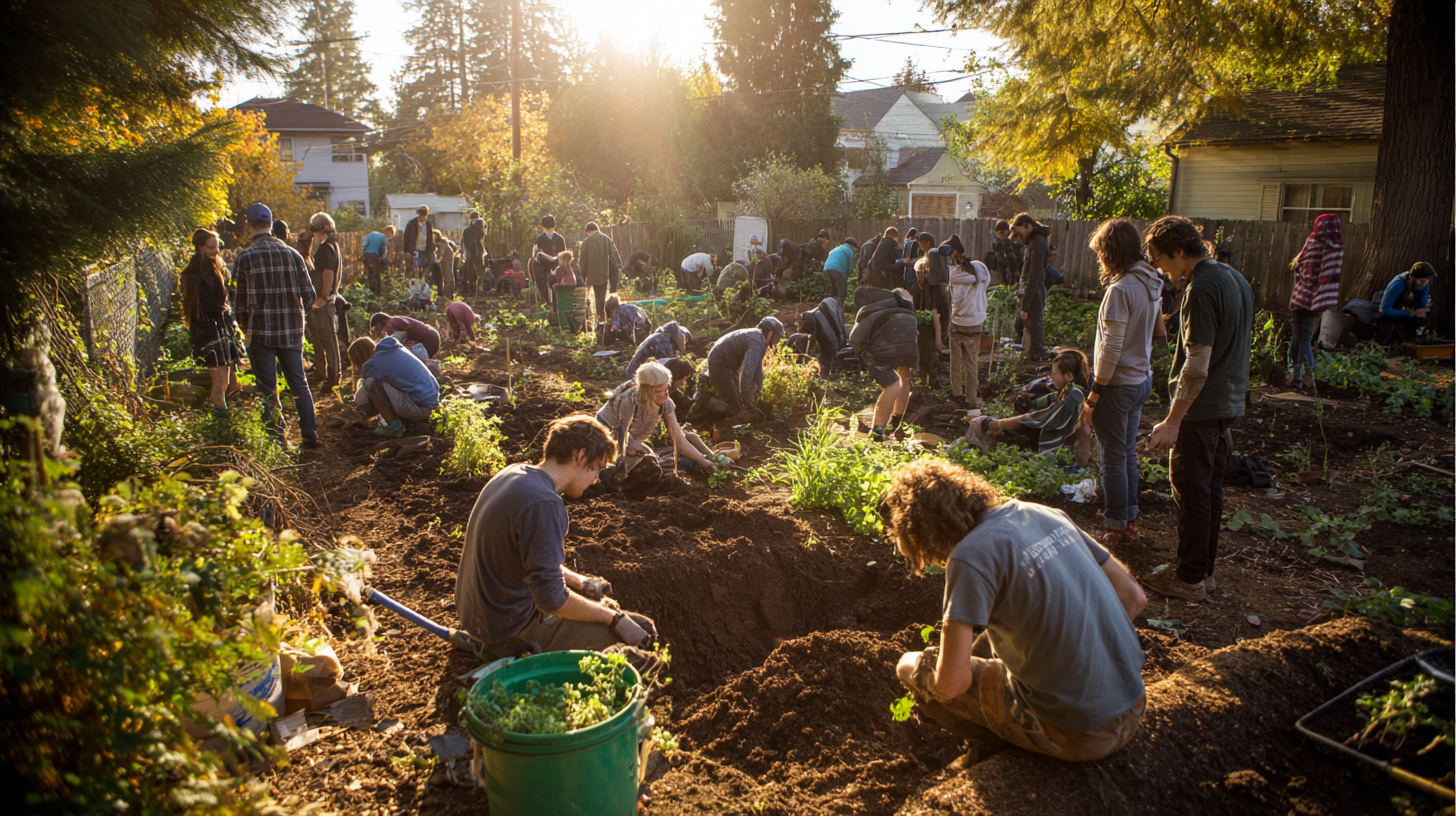
Building a robust network of community resources and support systems is crucial in your journey toward sustainable living and self-sufficiency. These connections not only provide valuable insights and resources but also foster a sense of belonging and shared purpose among individuals who value a sustainable lifestyle.
Start by tapping into local community gardens. These spaces allow individuals to grow their own food while sharing knowledge and resources with fellow gardeners. If you have limited space at home, joining a community garden can provide access to land, tools, and guidance from experienced gardeners. Connecting with others in this environment cultivates friendships and strengthens your commitment to sustainable practices.
Participating in local workshops and classes is another excellent way to enhance your skills and connect with like-minded individuals. Many neighborhoods host events focused on homesteading skills such as foraging, seed saving, permaculture, and organic gardening. These events often emphasize hands-on learning, enabling you to gain practical experience while acquiring valuable knowledge on sustainability.
Your local food co-op is another asset. These cooperatives often prioritize local, organic products and provide a marketplace for exchanging resources with fellow members. You can gain access to bulk buying opportunities that make high-quality, sustainable items more affordable. Many co-ops also offer educational resources, including classes, newsletters, and community gatherings to help you deepen your understanding of sustainable living.
Exploring social media platforms like Facebook or Meetup can help you locate groups around your interests in sustainable practices. Search for local eco-conscious groups, homesteading circles, or even online forums dedicated to home gardening and self-sufficiency. Engaging with others through these platforms provides motivation, support, and an avenue for sharing experiences, tips, and advice.
Don’t overlook the potential of local libraries, which often stock a wealth of resources on sustainable living, gardening, and self-sufficiency techniques. In addition to books and instructional guides, many libraries host free workshops or community events that facilitate learning and networking opportunities. Partnering with your local library can enhance your knowledge base without incurring any costs.
Consider volunteering for local environmental organizations or non-profits that emphasize sustainability. This involvement can expand your network while allowing you to contribute your time and skills towards community-focused initiatives. Whether it’s participating in clean-up efforts, tree planting, or educational outreach, volunteering fosters a spirit of collective responsibility for our planet and enhances your own journey towards sustainability.
Finally, reach out to local farmers and producers for direct engagement. Many farms offer opportunities for workshops, internships, or volunteer programs where you can learn agricultural skills while supporting local operations. This not only provides you with fresh, locally-sourced food but also educates you on the best practices of sustainable farming.
Building a supportive community around sustainable living greatly enhances your ability to successfully embrace self-sufficiency while budgeting effectively. By actively seeking connections with other individuals dedicated to similar goals, you’ll find that shared knowledge and collective efforts lead to a more fulfilling and empowered homesteading experience.