
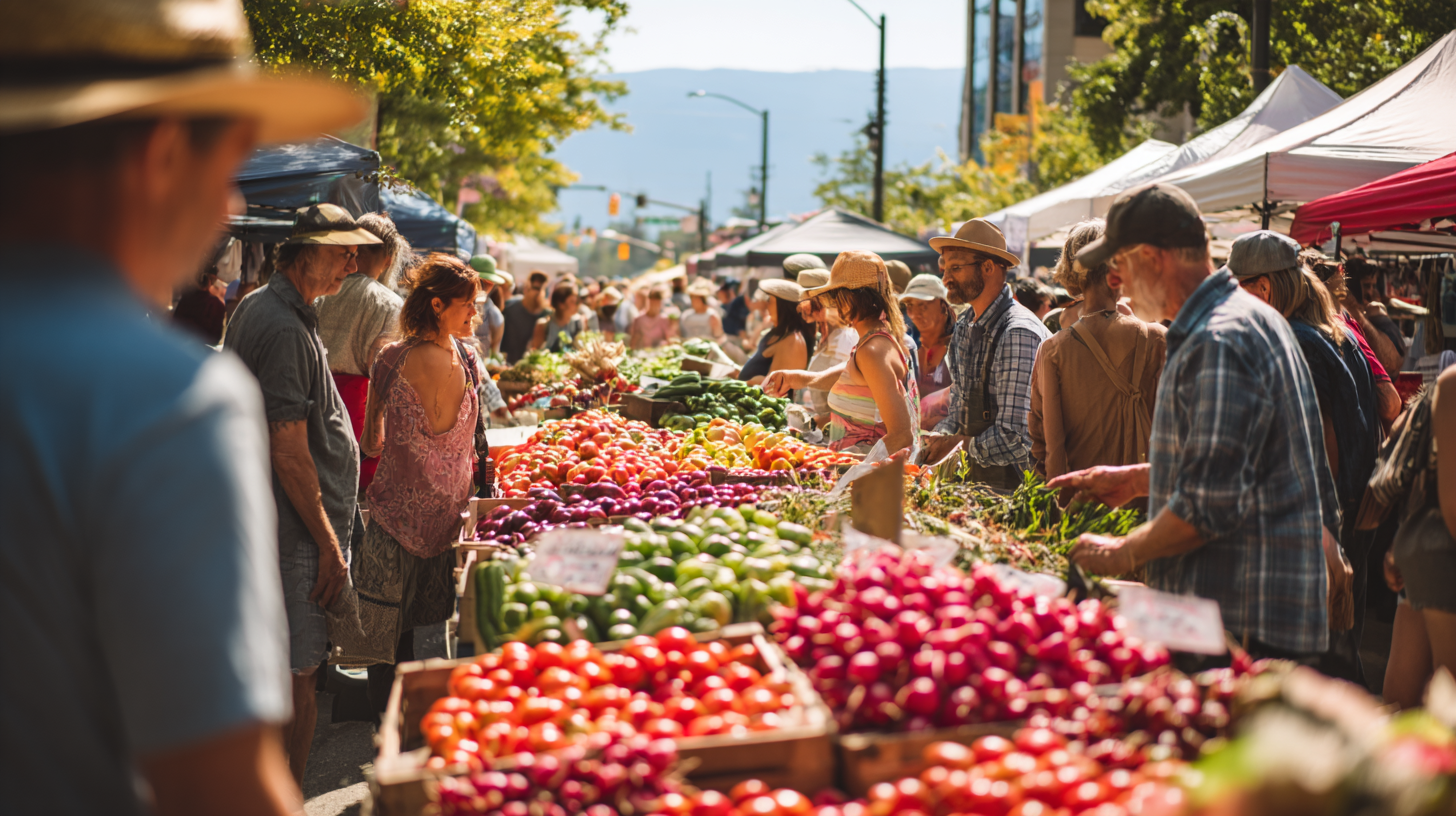
Utilizing local resources not only enhances your journey toward self-sufficiency but also fosters a deeper connection with your community and the environment. When you choose to source your needs from nearby producers and suppliers, you reduce the carbon footprint associated with transporting goods over long distances. This simple switch can significantly contribute to a more sustainable lifestyle.
One of the immediate benefits of relying on local resources is the availability of fresh, seasonal produce. Imagine strolling through a local farmers’ market where vibrant vegetables, fragrant herbs, and juicy fruits abound. Not only are these products typically fresher and tastier than those found in large grocery chains, but they also often come with a lower price tag. By purchasing directly from farmers, you may even be able to negotiate bulk discounts or buy directly during harvest seasons, enhancing your savings and supporting local economies.
Furthermore, embracing your community’s offerings can lead to a richer homesteading experience. Whenever possible, engage with local artisans, beekeepers, and craftsmen. Consider forming a barter system where you exchange your skills—be it gardening, cooking, or crafting—with others in your area. This not only nurtures community support but also allows you to obtain valuable goods or services without relying solely on monetary transactions.
When incorporating local resources into your homesteading practices, be sure to:
- Research local farms and producers: Understand what is available in your region. Websites like LocalHarvest.org can help you locate farms near you.
- Attend community events: Look for workshops, fairs, and meet-ups that focus on sustainable living and self-sufficiency. Not only will you gain knowledge, but you will also meet like-minded individuals.
- Utilize social media: Join local homesteading or gardening groups on platforms like Facebook or Instagram. These communities often share resources, tips, and support.
- Experiment with local materials: If you are interested in crafting or building, consider using locally sourced wood or stone. This not only reduces transportation costs but also supports local industries.
By prioritizing local resources, you are not just making a purchase; you are investing in a robust network that champions sustainability and self-sufficiency. Engage with your local community today, and watch as your homesteading practices flourish!
Economic Advantages of Using Local Resources

The economic advantages of utilizing local resources for self-sufficiency extend far beyond immediate financial savings. By investing in local goods and services, individuals can stimulate their local economy and support community support networks that foster resilience and sustainability. When consumers buy from local producers, they are sustaining jobs, encouraging growth, and ensuring that money circulates within the community, which creates a multiplier effect on the local economy.
Research has indicated that local purchases keep more of the community’s economic activity in the area. For example, a study conducted in various regions found that for every $100 spent at a locally owned business, approximately $68 remained in the community, compared to just $43 for non-local businesses. This phenomenon can be illustrated in the following table:
| Business Type | Local Economic Retention ($ per $100 spent) |
|---|---|
| Locally Owned Business | $68 |
| Non-Local Business | $43 |
Investing in local resources not only helps to create jobs, but it also fosters innovation and entrepreneurship. Local producers are often more adaptable to the needs and preferences of their community, which can lead to the development of new products and services tailored to local tastes. For instance, a local bakery may respond to demand for gluten-free options by experimenting with new recipes, while a local farm might develop a community-supported agriculture (CSA) model that meets the needs of families looking for fresh produce.
Moreover, purchasing local resources can yield reduced prices through direct farmer-to-consumer sales, eliminating the middleman and associated costs. Engaging in subscription plans or bulk buying with neighbors not only provides a monetary advantage but promotes a spirit of community collaboration. Participating in community-supported agriculture programs can significantly lower the cost of fresh produce, as members pay up front for the harvest and in return receive shares of the produce throughout the growing season.
Another economic advantage stems from the resilience that local sourcing creates. Communities that rely on local resources are often more secure and less vulnerable to global fluctuations in price and supply chains. During times of crisis, such as natural disasters or economic downturns, locally sourced goods ensure that communities have access to essential supplies without being affected by international disruptions. This self-sufficiency not only safeguards families but also strengthens community ties as people come together to support one another.
Lastly, employing local resources fosters connections between producers and consumers, establishing trust and loyalty that can translate into long-term economic benefits. When consumers know the source of their food or goods, they are more likely to invest in those businesses, contributing to a solidified market presence for local producers and increased opportunities for community support initiatives.
Environmental Impact of Local Resource Utilization
Choosing to utilize local resources can significantly reduce the environmental footprint associated with various homesteading activities. By sourcing products and materials from your immediate surroundings, you diminish the need for fossil fuels typically consumed in long-distance transportation, thereby cutting greenhouse gas emissions. This switch to local sourcing means less air pollution and a smaller environmental impact, making your self-sufficiency efforts more sustainable.
In addition to minimizing transportation emissions, local resource utilization often aligns with environmentally friendly practices. Many local farmers and artisans adopt sustainable agricultural methods that focus on soil health, biodiversity, and organic practices. For instance, a nearby farm might use crop rotation or cover crops to maintain soil fertility, or employ integrated pest management to reduce chemical use. By choosing to buy from these producers, you are indirectly supporting ecologically responsible farming practices, ensuring that your food is not only fresh but also grown with care for the environment.
Moreover, including products such as local honey or naturally made soaps in your homesteading routine supports biodiversity and local ecosystems. Local beekeepers, for example, contribute to the health of the pollinator population, essential for robust plant life in your area. Beekeeping generally has a minimal carbon footprint when managed at a small scale, and sourcing honey locally can provide you with unique flavor profiles that are reflective of your region’s flowering plants.
When it comes to building structures or crafting, using local materials such as stone, clay, or wood not only supports local artisans and industries but also creates a sense of place. These materials often have a lower environmental impact compared to imported alternatives due to reduced transportation emissions and energy costs related to processing. Consider building a chicken coop or garden shed using reclaimed wood from a local barn that has been repurposed. Not only does this practice provide a unique aesthetic, but it also contributes to the reduction of waste and promotes a regenerative cycle within your community.
To truly enhance your environmental commitment through local resource utilization, keep these points in mind:
- Embrace permaculture practices: Learn about local plant species and create a garden that works harmoniously with your environment. Planting native species can attract beneficial insects and reduce the need for fertilizers.
- Participate in local clean-up events: Join forces with community members to clean parks, rivers, and woodlands. This fosters community support while enhancing the environment you inhabit.
- Support local eco-friendly initiatives: Look for workshops or classes that teach sustainable farming techniques, composting, and natural building methods. Engaging with these services not only aids your development but reinforces local sustainability efforts.
By prioritizing local resources, you not only bring freshness and quality into your self-sufficiency journey but also contribute to keeping your environment vibrant and healthy. Each small action you take—be it purchasing local food or building with nearby materials—creates ripples of positive change that can enhance your homesteading experience while securing a sustainable future for the community.
Community Building through Local Sourcing

When individuals begin to seek out local resources, a thriving sense of community emerges, characterized by collaboration and mutual support. As neighbors support one another by sharing knowledge and resources, relationships deepen, creating a robust network that can weather challenges together. Local sourcing inherently encourages conversations and connections that would not occur in a conventional marketplace, where interactions are often brief and transactional. By actively engaging with local producers, you become part of a larger story—one that celebrates local culture, traditions, and ways of living.
For example, consider the gathering of friends and families at a local harvest festival. These events serve as focal points where community members can showcase their locally grown produce, artisanal products, and homemade crafts. They provide a unique opportunity to connect directly with producers, hear their stories, and learn about the methods behind the products you consume. Such interactions foster appreciation for what it means to be part of a local economy, highlighting the importance of choosing to purchase local resources that support your immediate environment economically and socially.
Moreover, participation in community-supported agriculture (CSA) programs exemplifies community building at its finest. Members of a CSA subscribe to receive regular shares of seasonal produce from local farms, which not only promotes healthy eating but also strengthens ties between consumers and farmers. Such arrangements eliminate the typical barriers between grower and eater, encouraging a sense of accountability and mutual reliance that reinforces community support. By investing in a local farm, you are not merely a buyer—you are a partner in their efforts, and in return, they provide you with fresh offerings throughout the growing season.
“The greatness of a community is most accurately measured by the compassionate actions of its members.” – Coretta Scott King
This communal spirit fosters collaborations beyond agricultural products. Local resource utilization can take many forms, including shared tools, workshops, and skills exchanges. You might find neighbors willing to lend a wheelbarrow or teach you how to preserve fruits and vegetables, bridging gaps between generations and experiences. This exchange of skills not only empowers individuals to become more self-sufficient but also reinforces the bonds that unify your community as people come together to learn and share. The growth in community knowledge can eclipse individual accomplishments, producing a collective strength that enhances resilience in the face of challenges.
Moreover, community building extends to local artisans and businesses providing services such as woodworking, textile crafting, or even holistic health practices. Supporting these local creators enriches the community by keeping money circulating within the area. The economic benefit of purchasing from local artists is compounded by the cultural and personal enrichment derived from these artisans’ unique perspectives and skills. Their works often resonate with local traditions and stories, preserving the heritage of the area and shared experiences that foster deeper connections.
To further support community building through local resources, consider initiating or joining local cooperatives where members pool resources for shared benefits. These cooperatives can encompass a variety of interests, such as community gardens, tool libraries, or even shared kitchens, enabling members to collaborate on projects that promote self-sufficiency while fostering relationships built on trust and mutual assistance.
As you engage with local resources, remember that every effort contributes to the strengthening of your community fabric, ultimately cultivating an environment of support, knowledge, and resilience that is essential for a self-sufficient lifestyle. By choosing to participate, you are not only investing in your own self-sufficiency but also in the collective well-being of those around you.
Health Benefits of Eating Local Products
The health benefits of consuming local products extend far beyond simply enjoying fresher flavors; they embody the principles of self-sufficiency and community support that are vital to a holistic lifestyle. When you choose to eat food sourced from your local environment, you not only ensure that your table is filled with vibrant, nutrient-dense ingredients, but you also fortify your immune system and contribute to overall health. Consumption of seasonal crops allows your body to benefit from the nutrients naturally available at specific times of the year, aligning with your body’s needs as seasons change.
Moreover, local produce is often picked at peak ripeness, allowing it to retain higher levels of vitamins and minerals than produce that travels long distances. This freshness means you can experience the full spectrum of flavors and benefits that your local area can offer, creating a more satisfying and nutritious diet. From juicy heirloom tomatoes to sweet, locally grown apples, each bite transports you directly to the soil and sunshine of your community.
By purchasing from local farmers and producers, you also gain an awareness of what goes into your food. Understanding the growing practices enhances your connection to the food system and decreases dependence on industrial agriculture, which often employs harmful chemicals and practices detrimental to both health and environment. Knowing your source establishes a valuable relationship; it allows you to inquire about cultivation methods, enabling informed decisions about the ingredients you use in your homesteading recipes and meals.
In addition, many local producers embrace organic and sustainable practices that not only support personal health but also benefit the environment. As you incorporate local resources into your diet, you contribute to decreases in pesticide runoff and the conservation of biodiversity, crucial components in preserving the delicate balance of local ecosystems. This diverse approach to farming promotes a healthier ecosystem that can yield more resilient crops and strengthens community support by sustaining local agricultural livelihoods.
Furthermore, the act of eating local fosters a communal spirit that goes beyond nourishment. When you participate in community-supported agriculture (CSA) or shop at farmers’ markets, you become part of a collective effort that uplifts local farmers and artisans, champions healthier food systems, and fosters an appreciation for localized eating. This sense of belonging not only enhances the excitement surrounding food but also promotes mental well-being by reinforcing bonds within the community.
Engaging in local food initiatives encourages a richer conversation about wellness, sparking curiosity and exploration into how your individual choices can nourish both your body and your community. Consider keeping a journal of your local food journey, documenting your discoveries, recipes, and insights about the impact of eating seasonally and locally. This practice can ignite a thirst for knowledge about the intricate relationships between health, the environment, and community sustainability.
- What are the health benefits of eating local products?
- Eating local products often means consuming fresher fruits and vegetables that are harvested at peak ripeness, retaining more nutrients. Additionally, local foods often contain fewer preservatives and chemicals compared to their mass-produced counterparts.
- How can I find local farmers or producers in my area?
- Websites like LocalHarvest.org or your local farmer’s market directory can help you connect with nearby farms and producers. Social media community groups dedicated to local agriculture may also provide recommendations and updates on local events.
- Are local foods more expensive than grocery store options?
- While some local foods can be more expensive, shopping directly at farmers’ markets or through CSAs often provides cost savings by eliminating middlemen. Additionally, local seasonal produce can be more affordable, especially when purchased in bulk or during harvest times.
- How do local foods impact the environment?
- Choosing local foods reduces transportation emissions and supports farming practices that are often more sustainable. Many local producers engage in organic or regenerative practices that help maintain healthy ecosystems and preserve biodiversity.
- What role does community support play in local eating?
- Community support strengthens local economies by enabling farmers to thrive, promoting direct relationships between producers and consumers. This collaboration fosters a sense of belonging and shared responsibility for sustainable practices.
- Can I grow my own local produce at home?
- Absolutely! Starting a home garden allows you to grow your own seasonal fruits, vegetables, and herbs. This not only provides fresh produce but also helps you understand the agricultural process and promotes self-sufficiency.
- How can I encourage others to eat locally?
- Share your experiences and knowledge about local foods with friends and family. Hosting potlucks featuring local ingredients, supporting farmers’ markets together, or creating a community gardening project can inspire others to consider local products more seriously.
Strategies for Increasing Local Resource Use

To effectively increase your use of local resources in your self-sufficiency journey, it’s essential to adopt practical strategies that can seamlessly integrate these resources into your everyday life. Here are some actionable ideas to help you embrace local sourcing while building skills that foster both independence and community support.
Start by exploring your local landscape and discovering what resources are available. Map out local farms, markets, and artisans in your area using tools like LocalHarvest.org. In addition to farmers’ markets, look for community gardens where you can learn from experienced growers and connect with fellow gardening enthusiasts. Joining local gardening clubs or agricultural associations can also provide abundant opportunities for networking and knowledge sharing.
Consider planning your meals around what’s in season. By creating a seasonal menu, you’ll not only enjoy fresher flavors but also reduce your reliance on out-of-season produce that often travels great distances. Use resources like Eat The Seasons to find out which fruits and vegetables are at their peak in your region. This practice not only supports local farmers but also encourages your culinary creativity, as you adapt your recipes to welcome what nature provides.
When purchasing local resources, try engaging in bulk buying with neighbors. Form a purchasing cooperative to buy produce, grains, or even meat directly from local farmers. By pooling resources, you can access larger quantities at reduced prices. Furthermore, this encourages group bonding and strengthens community ties as you work together towards a shared goal of self-sufficiency.
Participate in local workshops that focus on skills essential for self-sufficiency, such as canning, foraging, or homesteading crafts. Local experts often hold classes where you can gain hands-on experience and learn valuable techniques that will help you maximize your use of local resources while empowering you to contribute effectively to your community. Engaging with your local artisans can provide insight into sustainable practices that you can implement at home.
As you become more familiar with local sourcing, consider sharing your journey with others. Start a blog or join social media platforms where you can document your experiences with local foods, DIY projects, or skills you’ve learned. By cultivating an online presence, you can inspire others to embrace self-sufficiency and local resources while building a community around shared interests.
Moreover, volunteering for local organizations that promote food security and community support can broaden your understanding of local resource systems. By giving your time and skills, you contribute to initiatives that benefit your community, whether by helping at food banks, participating in farm-to-table programs, or educating others about the importance of sustainable sourcing practices.
Lastly, don’t hesitate to experiment! Try growing your own herbs, vegetables, or fruits, even in small spaces. Container gardening or vertical gardens can be particularly effective for urban dwellers who are limited by space. Each little success not only enhances your self-sufficiency but also deepens your appreciation for local resources and the efforts of those who grow them. Remember, this journey is a process—each step you take towards self-sufficiency brings you closer to a lifestyle that promotes both individual and community health.