
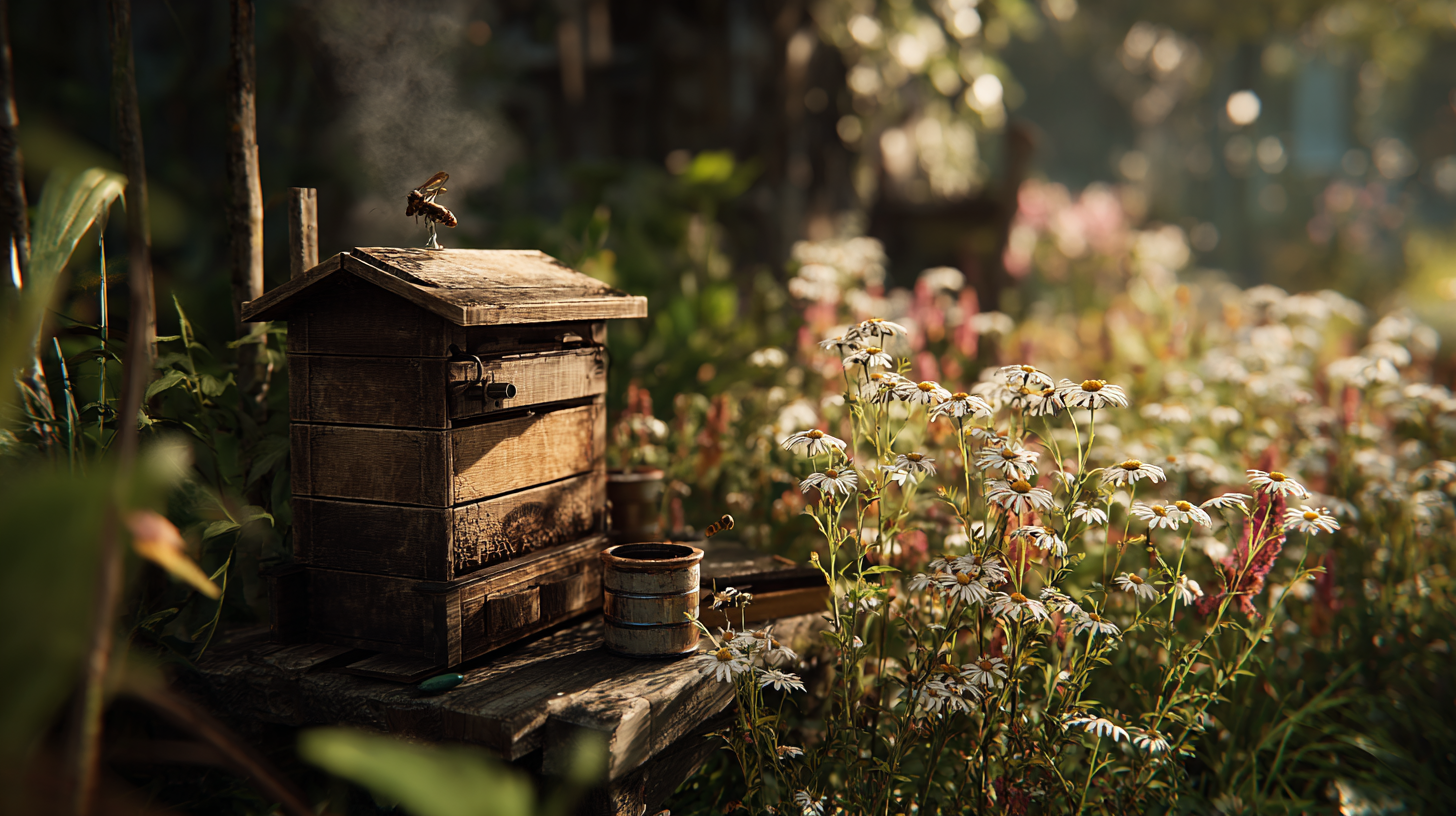
Bees play an essential role in sustainable agriculture, serving as critical pollinators for many crops. Without bees, the yield of fruits, vegetables, and nuts would drop significantly, impacting food production and biodiversity. By incorporating beekeeping into your homesteading efforts, you’re not only contributing to self-sufficiency but also enhancing the health of your ecosystem.
Engaging in beekeeping allows you to cultivate a diverse range of plants that require pollination. When bees visit flowers, they transfer pollen from one bloom to another, facilitating fertilization and fruit production. This is especially important for crops like blueberries, apples, and almonds, which rely heavily on bee pollination. As a homesteader, the presence of bees on your property can lead to increased harvests, yielding more produce for consumption or sale.
To truly maximize the benefits of bees in your sustainable agriculture practices, consider the following:
- Create a diverse garden: Including a variety of flowers, fruits, and vegetables will attract bees and provide them with the resources needed to thrive. Plan your planting to ensure blooms from early spring to late fall.
- Plant native flowers: Native plants are best suited for local bee species and usually require less maintenance. They provide reliable food sources over the growing season.
- Avoid pesticides: Chemicals can harm bee populations. Opt for organic gardening practices and natural pest controls to protect these vital insects.
- Provide water sources: Bees need water to survive. Simple water features or shallow dishes filled with pebbles and water can help attract them.
Incorporating beekeeping into your homesteading routine not only aids your personal food production but also contributes to the broader agricultural community. By supporting these essential pollinators, you are promoting a healthy ecosystem essential for honey production. Knowledge about their behavior and biology will further enhance your success as a beekeeper and sustainable farmer.
When planning your beekeeping strategy, keep in mind that local regulations may govern hive placement and maintenance. Always check with local authorities to ensure you comply with laws regarding beekeeping in your area, thereby avoiding potential legal issues while promoting strong agricultural practice.
Essential equipment for successful beekeeping
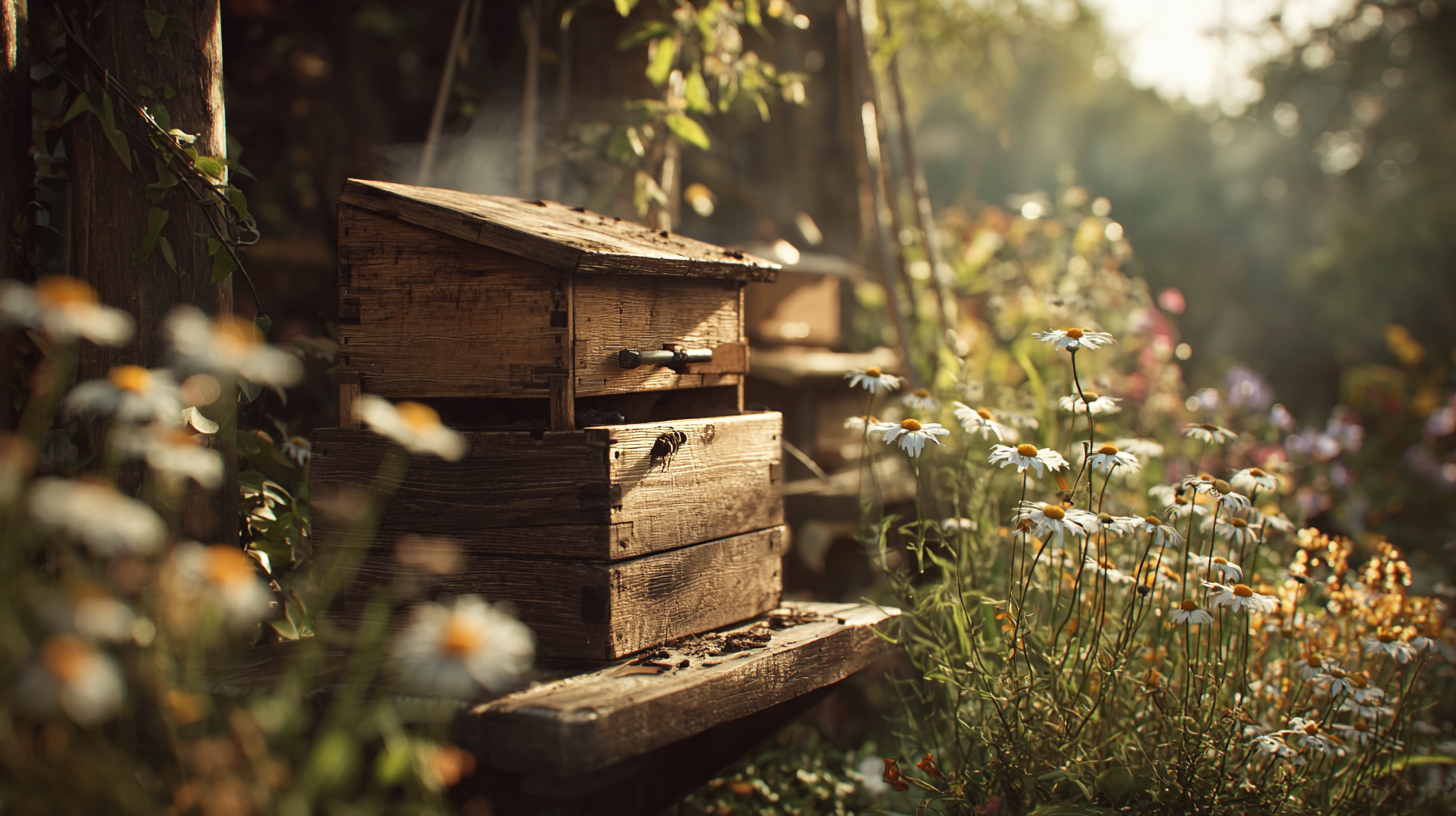
To embark on a successful beekeeping journey, equipping yourself with the right tools is essential. Each piece of equipment plays a critical role in ensuring the health of your bees and facilitating honey production. Below is a list of must-have tools for any aspiring beekeeper:
| Equipment | Description | Purpose |
|---|---|---|
| Beekeeping Suit | A protective suit made of lightweight, breathable material, often equipped with gloves and a veil. | Protects the beekeeper from stings while working with the hive. |
| Bee Smoker | A device that produces smoke, used to calm bees during hive inspections. | Makes it easier to work with bees by reducing their defensive behavior. |
| Hive Tool | A multi-purpose tool resembling a pry bar, ideal for breaking propolis seals and separating hive components. | Facilitates hive inspections and maintenance. |
| Honey Extractor | A device that uses centrifugal force to extract honey from the comb. | Maximizes honey production by allowing you to harvest honey without damaging the comb. |
| Hives (Langstroth or Top Bar) | Structures that house bee colonies, with frames to hold honeycomb. | Provides a safe environment for bees to thrive and produce honey. |
| Feeder | A container designed to supply sugar syrup or other feeds to bees. | Supports bee health, especially during winter or dearth periods. |
Having the right tools ensures smooth operations during hive management. For instance, using a bee smoker calms the bees, making it possible to inspect the colony without inciting aggressive behavior. Additionally, a good-quality honey extractor can streamline the honey production process, allowing you to harvest with minimal disruption to the hive.
Understanding the anatomy of your hives is equally important. A typical Langstroth hive consists of several components including:
- Bottom Board: The base of the hive that supports the hive structure and provides ventilation.
- Hive Bodies: The main boxes where bees build their colony and honey stores; they contain frames that hold the comb.
- Honey Super: An additional box placed on top of the hive body intended specifically for honey production.
- Inner Cover: Provides insulation and ventilation, ensuring the bees are protected from the elements.
- Outer Cover: A protective roof that safeguards the hive from weather and predators.
Proper assembly and maintenance of these components reduce the risk of disease and pests while encouraging a productive environment for the bees. Additionally, consider investing in monitoring equipment, such as mite-test kits and humidity monitors, to keep track of hive health throughout the seasons.
Successful beekeeping necessitates a variety of essential equipment that aids in maintaining healthy hives and optimizing honey production. By investing in the necessary tools and equipment, you set a strong foundation for a self-sufficient beekeeping venture that benefits both your homestead and the environment.
Understanding bee behavior and biology
Understanding bee behavior and biology is fundamental for anyone looking to succeed in beekeeping. Bees are fascinating creatures with complex social structures and behaviors, which can directly impact your hive’s health and productivity. Familiarizing yourself with the inner workings of a bee colony will not only make your beekeeping more effective but also deepen your appreciation for these remarkable insects.
At the heart of a bee colony are three main types of bees: the queen, workers, and drones. Each plays a vital role in the maintenance and continuity of the hive:
- Queen Bee: The queen is the heart of the colony, responsible for laying eggs and ensuring the hive’s population remains stable. A healthy queen can lay up to 2,000 eggs per day during peak season.
- Worker Bees: These females perform various tasks, including foraging for nectar and pollen, cleaning the hive, nursing larvae, and defending the colony. Their lifespan ranges from a few weeks to several months, depending on their role and the season.
- Drones: The male bees are primarily tasked with mating with a queen from another hive. Drones are often expelled from the hive as winter approaches, as they do not contribute to its survival during harsh conditions.
A critical aspect of managing a bee colony is understanding the communication methods used among bees. They communicate through pheromones and dance, conveying information about food sources, hive health, and the status of the queen. A popular form of communication is the waggle dance; through this dance, worker bees indicate the direction and distance of a nectar source from the hive.
Another important factor to consider is the seasonal behavior of bees. During spring and summer, bee activity peaks as foraging becomes essential for gathering nectar and pollen. However, as autumn approaches, bees begin to prepare for winter by reducing activity and stockpiling honey stores. To support your bees during this transition:
- Monitor honey stores: Ensure that bees have enough food to last through winter. Supplemental feeding with sugar syrup can be beneficial if stores are low.
- Choose appropriate hive placement: Place hives in a sunny location that provides protection from harsh winds. This can aid in keeping bees warm during the colder months.
- Inspect for diseases: Regular checks should be conducted to catch any signs of diseases or pests like Varroa mites or American foulbrood before they threaten the entire colony.
Another element of bee biology to grasp is the importance of biodiversity in your beekeeping endeavors. Bees thrive in environments rich with varied flora; different flower species offer diverse nutrients necessary for their growth and health. Consider planting a variety of flowering plants that bloom at different times to ensure food availability from early spring to late fall.
Handling your bees without panic requires an understanding of their behavior. Unlike the common stereotype, bees usually don’t sting unless threatened. Learn to recognize their body language: if they are calm and buzzing lightly, it’s usually safe to approach. When agitated, however, bees may start flying erratically or making a loud buzzing noise, indicating a need for you to step back and give them space.
Emphasizing bee biology and behavior will enrich your journey into beekeeping, making your efforts towards self-sufficiency even more rewarding. Whether you are a seasoned beekeeper or just starting, observing and understanding these nuances will elevate your honey production while fostering a vibrant ecosystem around your homestead.
Maintaining healthy hives year-round
To maintain healthy hives throughout the year, it is crucial to adopt a proactive approach that addresses the needs of your bees across all seasons. Regular hive inspections are vital for monitoring the health of your colony, checking for diseases, pests, and the overall condition of the queen. Making these inspections a routine part of your beekeeping activities will allow you to catch any potential problems early and mitigate them before they become serious issues.
During the spring, as bees become active again, it’s essential to evaluate the condition of the hive after winter. This involves checking for adequate food stores, observing the queen’s laying patterns, and assessing the overall health of the bees. If honey stores are low, supplementation might be necessary to ensure they have enough resources to build population before the peak foraging season. Along with inspecting the queen, look for signs of swarming behavior, as overcrowding can lead to a split in the colony, leaving you with a smaller, weaker hive.
As summer rolls in, beekeeping practices should pivot towards ensuring the colony has enough space for honey production. Adding supers can help provide the bees with additional room to store honey, while also preventing overcrowding. Regular inspections will help you monitor honey production levels. It’s also vital during this time to remain vigilant against pests, such as Varroa mites. Using integrated pest management techniques can help in maintaining a healthy hive, as chemical treatments can disrupt the natural ecosystem surrounding your bees.
As temperatures begin to drop in the fall, preparations for winter should take precedence. This includes ensuring that hives are adequately insulated, particularly in colder climates. Providing adequate ventilation while also protecting the bees from the harsh elements will aid in preventing condensation, which can be detrimental to hive health. Check that the colony has sufficient honey reserves for the winter months, making sure they are stocked with enough food to last until the first blooms of spring.
Regular maintenance, such as cleaning the hive and repairing any damage, is equally important. A clean environment reduces the likelihood of diseases. Pay close attention to signs of brood diseases, such as American foulbrood or chalkbrood, which can quickly spread and decimate a colony. If you notice such issues, act promptly to remedy the situation—whether through treatment or re-queening to maintain the health of your hive.
During the winter, the activity of the bees significantly decreases. It is important to minimize disturbances to the hive during this time. Instead, use this period to prepare for the upcoming year. Engage in research, read up on advancements in beekeeping practices, and even consider expanding your setup with additional hives or diversified pollinator habitats. Monitoring for signs of moisture and ensuring that the bees can access minimal ventilation while being protected from the cold is crucial.
“The buzzing of bees is the sound of nature’s abundance.”
By implementing these practices year-round, you set the stage for a thriving bee colony that supports not only your personal goals of honey production but also the health of your local ecosystem. Understanding the unique needs of your bees across different seasons will enhance your ability to maintain healthy hives, contributing to your self-sufficiency and the sustainability of your homesteading efforts.
Harvesting honey and other bee products
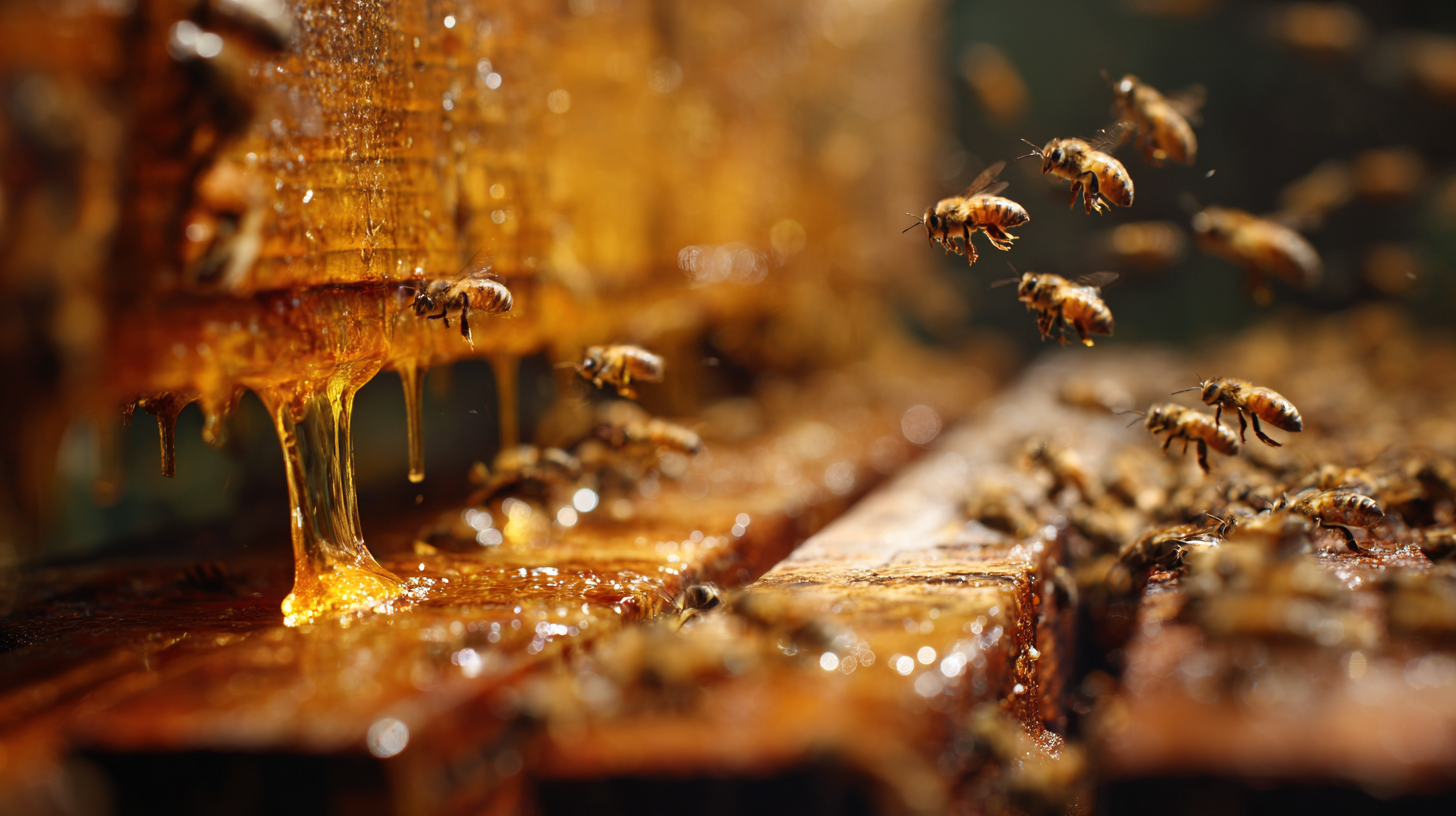
Harvesting honey and other bee products is one of the most rewarding aspects of beekeeping, transforming your diligent efforts into the sweet rewards of nature. Depending on your region and the flowers available to your bees, honey production can vary significantly. It’s essential to approach the harvesting process with care, ensuring that you not only collect the honey but also maintain the health of your bee colony.
The optimal time to harvest honey typically falls during late summer or early fall, once the bees have sufficiently capped their honey stores. Capped honey, which is sealed with wax, indicates that the moisture content is low enough to prevent fermentation. Harvesting too early can lead to honey that is overly watery and susceptible to spoilage. Always ensure that you leave enough honey in the hive to support the bees through the winter months, as they depend on these supplies for food when foraging is scarce.
When it’s time to collect your honey, begin by preparing your equipment. A honey extractor will allow you to harvest honey without destroying the comb, ensuring that bees can continue to use their frames for future honey production. Thoroughly inspect your hives beforehand to ensure that the colony is healthy and robust enough to handle the extraction process. Using a bee smoker can help calm the bees during harvesting, allowing you to work with minimal stress, for both you and your bees.
There are different methods for harvesting honey—some beekeepers opt for the traditional cut comb method where frames are removed and honey is extracted directly from the comb, while others prefer using an extractor. Regardless of the method chosen, cleanliness is key. Ensure that all equipment is sanitized to prevent any contamination of your honey. Once extracted, the honey can be filtered to remove debris, crystallized wax, and any deceased bees, resulting in a clear final product.
In addition to honey, beekeeping offers several other valuable products that enhance self-sufficiency. Beeswax, for instance, can be harvested and used for candles, cosmetics, and food wraps. Propolis, a sticky substance collected by bees from tree buds, has medicinal properties and can be used in herbal remedies and health supplements. Royal jelly, a nutrient-rich substance fed to queen larvae, can also be harvested, although it requires careful management to ensure hive health.
Consider the broader implications of these harvests as you plan your approach to beekeeping. The sustainable use of these products not only fulfills your needs but can also become a source of income through local markets, helping to support your homesteading lifestyle. By remaining attuned to the rhythms of your bees and understanding the lifecycle of honey production, you can cultivate a relationship that benefits both your hive and your household.
- What is the best time to harvest honey?
- The best time to harvest honey is typically late summer to early fall when bees have fully capped their honey stores. This ensures the honey has the right moisture content to prevent fermentation.
- Do I need special equipment to harvest honey?
- Yes, essential equipment includes a bee smoker to calm the bees, a honey extractor to harvest honey without destroying the comb, and filters to remove debris from the honey.
- How can I tell if the honey is ready to harvest?
- Honey is ready to be harvested when the bees have capped the comb with wax. This indicates that the moisture content is low and the honey is stable for storage.
- Can I harvest honey without harming the bees?
- Yes, if done carefully, harvesting honey can be done with minimal impact on bee health. Ensure you leave enough honey for the colony and use gentle techniques during extraction.
- What other products can I harvest from my bees?
- In addition to honey, you can harvest beeswax, which is used for candles and cosmetics, propolis, which has medicinal properties, and royal jelly, a nutrient-rich substance for bee larvae.
- How do I ensure my bees have enough food during winter?
- It’s essential to leave enough honey stores in the hive for winter. Supplement feeding with sugar syrup may also be necessary if stores are low as winter approaches.
- Can I sell honey and other bee products?
- Yes, many beekeepers sell honey and other bee products at local markets or through personal businesses. Ensure to comply with local regulations regarding food sales.
Integrating beekeeping into self-sufficient living
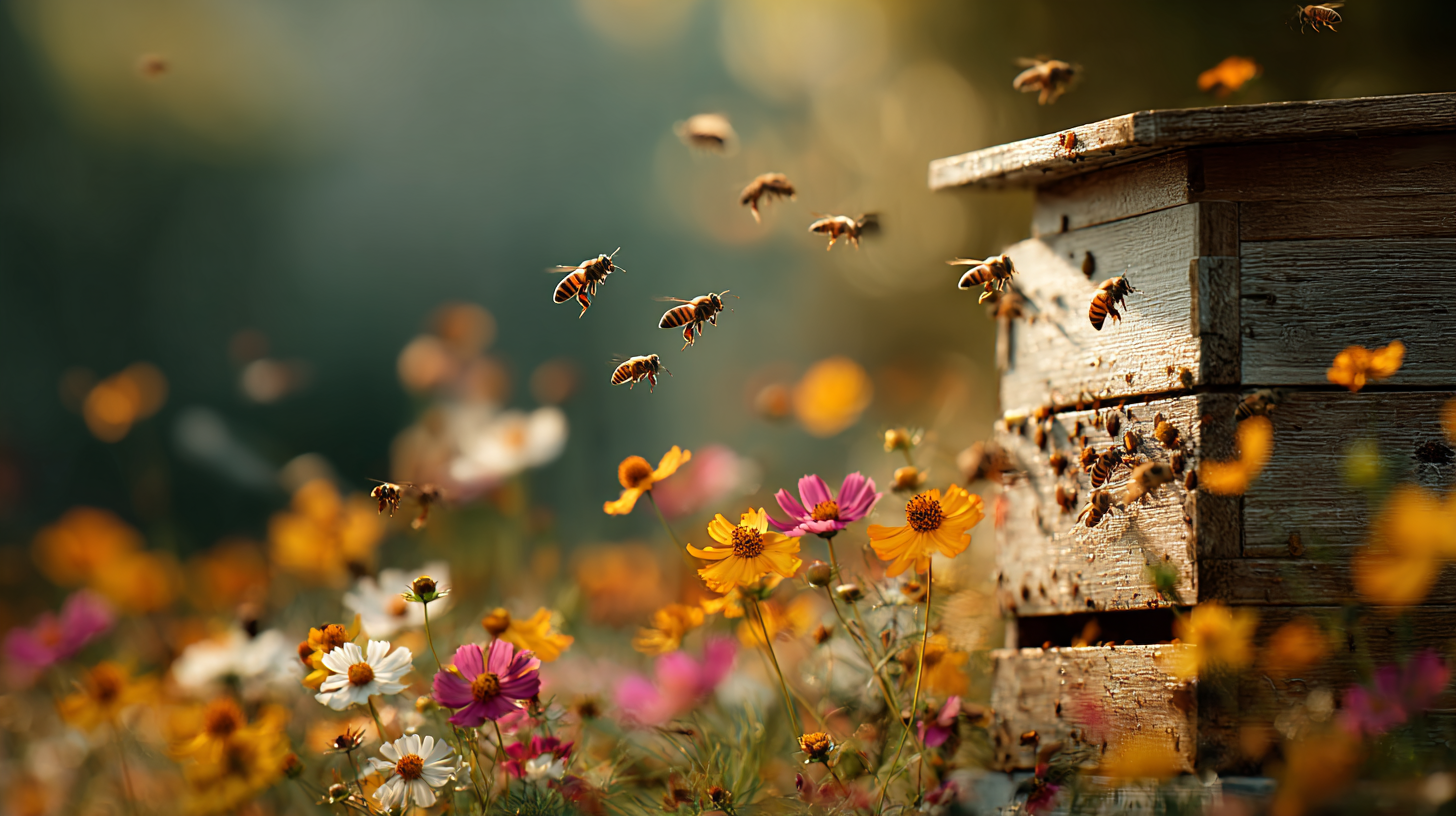
Integrating beekeeping into your self-sufficient living is not just about adding a new activity to your homestead; it’s about creating a holistic lifestyle that incorporates the benefits of pollinators into your daily routine. When bees thrive, your vegetable and flower gardens flourish, and you can enjoy the fruits of their labor in more ways than one. Here’s how you can seamlessly weave beekeeping into your self-sufficient lifestyle.
Start Small: If you are new to beekeeping, it is wise to begin with one or two hives. This manageable approach allows you to learn the intricacies of bee management without feeling overwhelmed. As your confidence grows, you can expand your apiary, adapting your beekeeping practices to fit your homesteading goals. Ensure your bees have access to a variety of flowering plants, including herbs and vegetables, which can provide nutrition while buoying pollination in your garden.
Utilize Byproducts: Beyond honey production, the byproducts of bees can be incredibly beneficial. Beeswax, for instance, is excellent for making candles, cosmetics, and food wraps that can replace plastic, aligning with eco-friendly practices. You can render beeswax at home, making it a fulfilling DIY project that contributes to both your household’s sustainability and your self-sufficiency journey.
Embrace the Cycle of Pollination: Use beekeeping as a tool to enhance your gardening endeavors. Each section of your homestead can benefit from the pollination support bees provide. Plan your garden layout with a variety of blooms that flower at different times to ensure your bees have a continuous food source while also enriching your crops’ productivity. For example, planting wildflowers alongside food crops can attract bees and other beneficial insects.
Foster Community: Engage with local beekeeping and gardening communities, whether online or in-person. Sharing knowledge and resources can help enhance your skills and introduce you to new techniques for maintaining healthy hives. Participating in community events also opens doors to buying or trading bee products, reducing your reliance on commercial sources while emphasizing a self-sufficient lifestyle.
Educate Your Family: Beekeeping can be a wonderful educational experience for your family, particularly for children who can learn about responsibility, the ecosystem, and the science behind pollination and honey production. Include them in hive inspections, sweeten the experience with honey tasting sessions, and craft projects using beeswax. These interactions can foster a deeper appreciation for nature and sustainability, nurturing the next generation of eco-conscious individuals.
Keep Learning: Beekeeping is a dynamic practice, with research continuously bringing new insights into bee health and management techniques. Stay updated by attending workshops, reading relevant literature, and taking online courses. The more knowledgeable you are, the more successful your bees will be, which in turn supports your self-sufficient endeavors.
Being proactive about integrating beekeeping into your self-sufficient lifestyle not only amplifies your homesteading experience but also creates an invaluable connection with nature. By fostering a healthy bee population, you are not just enhancing your garden but contributing to the sustainability of your ecosystem, allowing for a prosperous homestead where both bees and humans can thrive.