

Maintaining a food journal can be a transformative practice for those venturing into homesteading and self-sufficiency. By tracking what you eat, you gain insights that can enhance your meal planning, ensuring you make the most of your resources and efforts. Here are some compelling benefits of incorporating a food journal into your daily routine:
- Increased Awareness: Writing down your meals encourages mindfulness about food choices. It helps you recognize patterns in eating habits, making it easier to identify what fuels your body effectively.
- Improved Health: Your food journal can aid in spotting nutritional deficiencies or excesses. By analyzing your intake, you can better balance your diet, leading to improved overall health.
- Resource Management: For homesteaders, a food journal helps you track your consumption of homegrown produce. This can inform future planting decisions, ensuring you’re producing the right quantities of crops.
- Cost Savings: By monitoring what you eat, you can reduce food waste and make more strategic grocery purchases. Understanding your consumption patterns can lead to more efficient meal planning and reduced spending.
- Creative Cooking: Documenting meals encourages experimenting with ingredients you have on hand. It can inspire new recipes and culinary creations, keeping meal times exciting and varied.
- Accountability: Committing to a food journal fosters accountability in your dietary choices. It can motivate you to stick to your self-sufficiency goals and inspire healthier living.
Incorporating a food journal into your routine is a simple yet powerful step towards achieving better self-sufficiency and making informed dietary choices. Embrace the process, and let it guide you on your journey to homesteading success.
Getting started with your food journal
 Starting a food journal is a straightforward process that can be tailored to fit individual lifestyles and preferences. The first step is selecting the right medium for your journal. This could be a traditional notebook, a digital app, or even a spreadsheet, depending on what you find most convenient and motivating.
Once you’ve chosen your medium, it’s essential to set a regular time to make your entries. Consistency is key to achieving the benefits of tracking your meals. For many, the best times to jot down entries are just after meals or at the end of the day. This immediacy not only aids memory but also allows for reflecting on how you feel after different meals, linking your intake to your energy levels, mood, and overall well-being.
In your entries, capturing specific details can enhance the usefulness of the journal. Consider including the name of the dish, the ingredients used, the portion sizes, and how you prepared the meal. You may also wish to note the time of day you ate, where you were, and your feelings before and after the meal. This level of detail can provide insights into your eating habits and preferences over time.
The following table provides a comparison of the different methods you can use to maintain your food journal:
| Method | Pros | Cons |
|---|---|---|
| Notebook | Accessible, no tech required, highly customizable | Can be lost or damaged, may require more space |
| Mobile App | Convenient, often includes tracking features, can analyze data | Might require a smartphone, potential for distracting notifications |
| Spreadsheet | Easily organized, can manipulate data for insights, good for analysis | Requires computer skills, may not feel as personal as other methods |
To enhance the journaling experience, consider setting goals or objectives related to your food intake. For example, you might aim to try one new recipe each week or focus on incorporating more seasonal produce into your meals. This not only keeps the journaling engaging but also aligns with principles of self-sufficiency, where using fresh ingredients can improve your nutrition and reduce reliance on store-bought goods.
Moreover, don’t shy away from expressing your emotions or experiences related to meals in your entries. Detailing how a new recipe turned out or how a dinner with friends made you feel can add a personal touch to your food journal. This reflection reinforces your relationship with food and can serve as a source of inspiration for future meals.
As you embark on the journey of maintaining a food journal, remember that it’s about progress, not perfection. The goal is to create a resource that is beneficial and insightful for your dietary journey.
What to include in your entries
In your food journal, you have the opportunity to capture not just what you eat but also the story behind each meal. Start by including the date and time of each entry. This is vital for tracking patterns over time, such as whether you tend to snack late at night or how your meal choices change throughout the week.
Next, make sure to document the dishes and ingredients you used. You might record recipes if you are trying something new or simply note down the main items consumed. This can give you a clearer picture of what staples you rely on and which ones you can grow in your homestead. Ensure to include portion sizes as well; this is especially useful if you’re looking to adjust your intake for health reasons.
Another key element to include is your mood before and after meals. By noting how you feel, you can start to identify any emotional triggers associated with eating, such as indulging in comfort food during stressful times. This insight can help you make better choices that align with your self-sufficiency goals.
Don’t forget to note the location where you enjoyed your meal. Whether it was a family dinner at the kitchen table or a solo lunch in your garden, this can help surface trends and preferences over time. Were you more satisfied when dining outdoors surrounded by your homegrown vegetables? These details contribute to a richer understanding of your relationship with food.
To keep things lively, include any new experiences or challenges you faced with each entry. If a recipe didn’t turn out as expected, write down what you would do differently next time. Did you try a completely new vegetable you grew? How did it taste? Documenting these experiences helps to foster creativity in the kitchen and encourages a sense of adventure in your cooking.
Visual elements can also be a fun addition. You might consider adding snippets like photos of your meals. This not only brings your food journal to life but can also serve as a visual reference for lighting or presentation ideas for future meal planning. Include sketches of your garden setup, or plant drawings if you’re tracking your produce over time.
Furthermore, if you’re working on transitioning into self-sufficiency, track your purchases and where your ingredients come from—this may be from your own homestead or local markets. Keeping an inventory of what you buy versus what you grow can illuminate your journey towards greater food independence.
Consider maintaining a dedicated section for goals or reflections at the end of each week or month. Have you met any objectives you’ve set for yourself regarding your meals? Did you successfully integrate more local produce into your diet? Reflecting on these points can reignite your motivation and help you stay on track with meal planning.
By thoughtfully crafting your entries, your food journal will evolve into a comprehensive resource that not only monitors your dietary habits but also enhances your overall journey in homesteading and self-sufficiency.
Tips for staying consistent
 Consistency can often be the biggest challenge in maintaining a food journal, but with the right strategies, you can make it an integral part of your daily routine. One effective tip is to incorporate your journaling practice into existing habits. For example, consider setting aside a few minutes at the end of each meal to jot down your entries. This ties journaling to a natural part of your day, making it less of a chore and more of an extension of your meal experience.
Using reminders can also be a significant help. Set daily alerts on your phone or leave sticky notes in visible places to prompt you to record your meals. This can be particularly useful during busy days when you might forget to log your entries. You could also designate a specific time each week dedicated to reviewing your journal, which not only reinforces your commitment but also allows you to reflect on your eating habits more thoroughly.
Another useful strategy is to create an engaging journaling environment. Choose a comfortable space to journal, perhaps with a cup of herbal tea or while enjoying a peaceful moment in your garden. The more enjoyable you make the experience, the more likely you are to stay consistent. If you’re using a digital app, select one with a visually appealing interface that makes the recording process fun.
To keep your entries fresh and engaging, consider varying your approach. If you usually write paragraphs, try bullet points or sketches to represent your meals. Introducing a creative element can help combat any monotony that might arise from the practice. Additionally, you might incorporate themed entries for specific days, like “Meatless Mondays” or “Farm-to-Table Fridays.” This adds a layer of excitement and purpose to the process.
Accountability partners can also play a crucial role. Share your food journal journey with a friend or family member who is also interested in meal planning or self-sufficiency. By inviting someone else into your practice, you can motivate each other to stay consistent and share insights, making the journey feel less solitary and more collaborative.
Utilizing prompts can further enhance your journaling practice. Before each week begins, write down a few questions or themes to guide your entries. For instance, focus on a particular ingredient you’re looking to incorporate more often or explore how different meals affect your energy levels. This not only sparks creativity but also helps you remain focused on your self-sufficiency goals.
Regularly revisiting what you’ve written can also keep you engaged in your food journal. Look back at your past entries to see how your diet has evolved over time, what new recipes you enjoyed, and what challenges you’ve faced. This reflection reinforces the value of the practice, reminding you of your progress and encouraging you to continue.
“The secret to getting ahead is getting started.” — Mark Twain
By weaving these strategies into your daily routine, you will cultivate a consistent food journaling practice that supports your goals of self-sufficiency, meal planning, and overall well-being. Celebrate your milestones along the way, no matter how small they may seem. The continuous effort will yield rich insights and a deeper connection to your food journey.
Analyzing your food journal data
As you delve into the data collected in your food journal, you will begin to uncover invaluable insights that can guide your future meal planning and contribute to your self-sufficiency goals. Start by examining patterns in your entries. Look for recurring themes such as the types of meals you prepare most often, the ingredients you use, and the times of day when you consume various foods. This analysis can help you identify which meals give you the most energy and satisfaction, as well as highlight any nutrient gaps that may be present in your diet.
Consider creating visual representations of your data. Charts and graphs can make it easier to see trends over time, enabling you to note shifts in your eating habits as seasons change or new crops become available. For instance, if you find that you are eating more homegrown vegetables in the summer, this knowledge can help you plan ahead for the off-season by preserving or canning surplus produce. Furthermore, tracking your emotional responses to food can shed light on emotional eating patterns and motivate you to develop healthier coping strategies.
Utilize your food journal to reflect on your goals for self-sufficiency. Are there specific crops you wish to grow more of next season based on your consumption rates? Have you noticed a need to reduce reliance on store-bought items? Documenting these observations can drive your decisions regarding gardening and food preparation, ultimately enhancing your resource management practices.
It’s also beneficial to jot down any challenges you faced with particular meals. Did a recipe not turn out as expected? Did an ingredient spoil before you could use it? Use these insights to inform future shopping and cooking decisions. Perhaps you might decide to meal prep in a more organized manner or to store certain foods differently to extend their shelf-life.
Engaging with your food journal on this analytical level fosters a deeper connection to the foods you choose and encourages a greater overall awareness of your dietary habits. With each analysis, you’re not merely recording data—you’re building a framework for a more intentional and well-rounded approach to your meals. This process not only aids in personal growth but also enhances resilience in your journey toward self-sufficiency.
- What is a food journal?
- A food journal is a personal record where individuals log what they eat, including details about each meal. This helps track eating habits and can reveal insights about nutrition and overall well-being.
- How can a food journal help with meal planning?
- By logging your food intake, you can identify patterns in your eating habits. This allows you to plan meals more effectively, ensuring you use ingredients efficiently and reduce waste.
- What should I include in my food journal?
- Your food journal should include details such as the date, time, dishes consumed, portion sizes, ingredients, and your mood before and after meals. This comprehensive approach can provide valuable insights.
- How often should I update my food journal?
- For the best results, aim to update your journal after each meal. Consistency is key, as this helps you accurately track and evaluate your eating habits over time.
- Can digital apps replace a handwritten food journal?
- Yes, digital apps can be effective because they often include features for tracking and analyzing data. However, choose a method that you find most motivating—whether it’s digital or handwritten.
- What are some common challenges when keeping a food journal?
- Common challenges include forgetting to log meals, feeling overwhelmed by details, or losing motivation. Establishing a routine and setting reminders can help overcome these obstacles.
- How can I analyze the data in my food journal effectively?
- Look for trends and patterns in your entries, such as frequently used ingredients and meals. Consider creating charts or lists that summarize your findings, guiding future meal planning and dietary adjustments.
Adjusting your diet based on insights
As you delve into the information collected in your food journal, it becomes essential to adjust your diet based on the insights you’ve recorded. Analyzing your meals opens the door to making informed decisions that enhance both your health and your self-sufficiency journey.
Begin by identifying patterns in your eating habits. Look for trends in the types of foods you consume regularly. Are there certain ingredients that appear frequently? For example, if you notice that you consistently reach for specific vegetables from your garden, this could indicate a need for increased planting or diversification in your homestead’s vegetable selection. Ensure you plan your crop rotation accordingly to maximize your yield while minimizing waste.
Next, assess the nutritional content of your meals. Compare your dietary intake with recommended daily allowances for various nutrients. If your journal highlights deficiencies in essential vitamins or minerals, consider adjusting your meal planning to include more nutrient-dense foods. If you’re missing out on fiber, for instance, integrating whole grains or legumes might be beneficial. Not only does this foster improved health, but it also aligns with the principles of self-sufficiency by pushing you towards homegrown alternatives where possible.
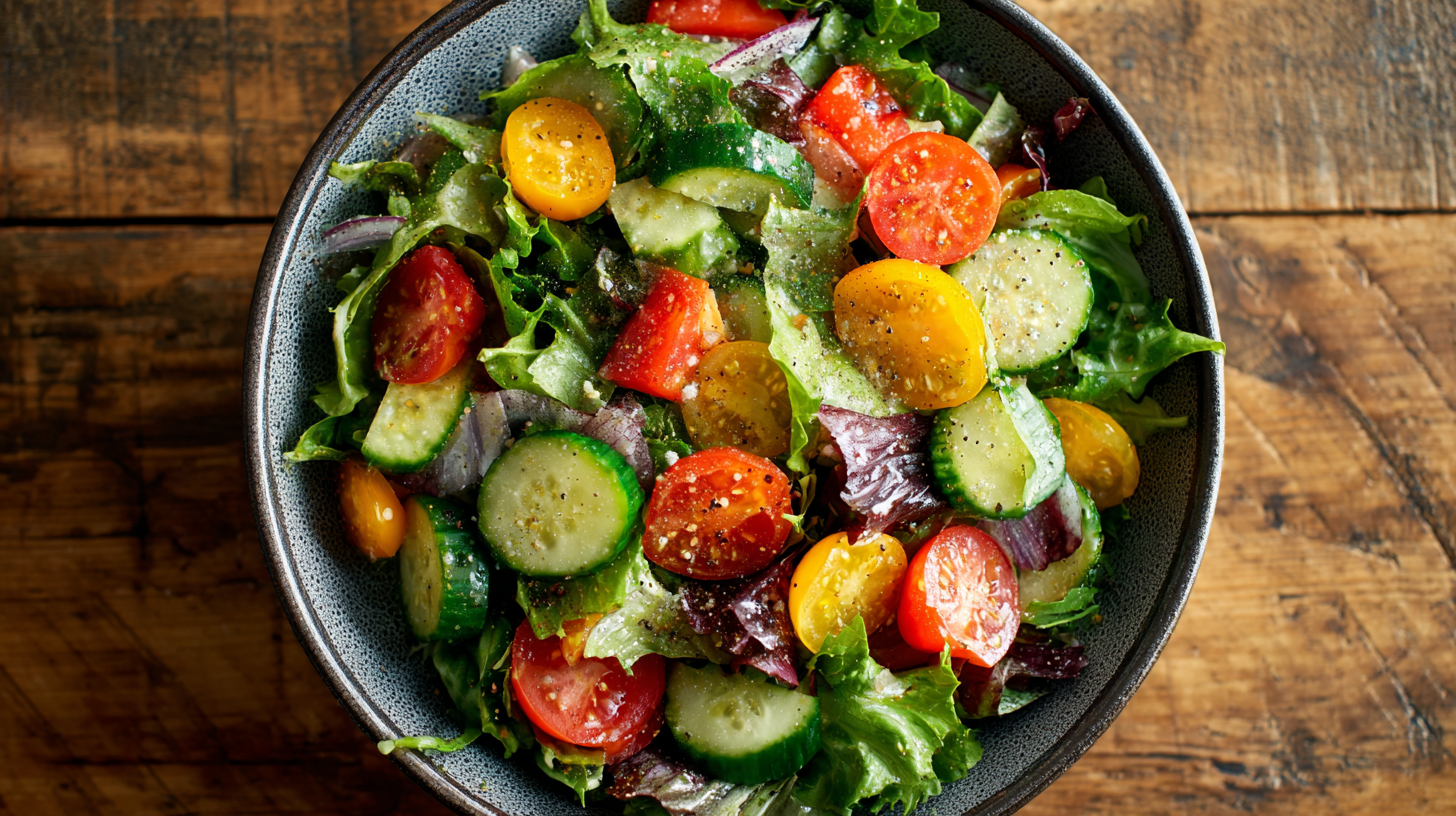
Emotional connections to your meals also warrant attention. Did certain foods correlate with mood swings or fatigue? By addressing these emotional triggers, you can better manage your diet. For instance, if you find that comfort foods lead to post-meal lethargy, you might choose to replace them with healthier options that still provide satisfaction, such as a vibrant garden salad topped with a light vinaigrette instead of a heavy, creamy dressing.
As you examine your journal entries, pay close attention to any challenges faced during meal preparation. Did you notice that some items consistently go to waste? Tracking expiration dates can help inform better inventory practices, ensuring you use the freshest ingredients before they spoil. Perhaps it’s a sign to incorporate meal prepping into your routine or to modify your shopping list according to what you know you’ll use effectively for the week ahead.
Consider utilizing color-coding or symbols in your food journal to identify meals that meet your health goals versus those that may require modification. This adds an element of engagement while providing clarity at a glance—keeping you motivated to make healthier choices. For example, you could use green for nutrient-rich meals and red for those that might need revisiting.
Incorporating reflections at regular intervals can also provide insight into your journey. Weekly or monthly reviews of your journal can illuminate your progress and help readjust your goals. This technique not only reinforces the habit of self-analysis but also lets you experience a sense of achievement as you see improvements in your dietary habits and self-sufficiency endeavors.
Ultimately, your food journal is a living document that evolves with your needs and aspirations. By regularly analyzing your data and making actionable adjustments based on those insights, you can cultivate a balanced diet that nourishes your body while supporting a sustainable lifestyle. This habit nurtures your commitment to self-sufficiency, ensuring that every meal contributes positively to both your health and your homesteading goals.