
Engaging in community-supported agriculture (CSA) offers a multitude of benefits that resonate with those seeking a more connected, sustainable lifestyle. By participating in a CSA, individuals not only support local farmers but also embrace the concept of self-sufficiency while enjoying fresh, seasonal produce.
One of the most compelling advantages of CSA is the deepened relationship between consumers and producers. When joining a CSA, you often get the chance to meet the farmers who grow your food, fostering a sense of trust and understanding about agricultural practices. This connection can empower you to ask questions, learn about sustainable practices, and share in the joys of the harvest. It’s an important step towards building a more resilient community.
Participating in a CSA can also enhance your knowledge about seasonal eating and biodiversity. Each week brings a new selection of fresh produce, encouraging you to try new recipes and incorporate a variety of crops into your diet. For example, if you receive a bushel of beets, you might discover delicious ways to incorporate this nutritious vegetable into your meals that you may not have considered otherwise.
Moreover, joining a CSA helps to reduce your carbon footprint. By purchasing food that is grown locally, you cut down on transportation emissions and contribute to a more sustainable food system. Consider this: food from distant locations is often picked before it is fully ripe to withstand long transport times, whereas food from local farms is harvested at its peak flavor and nutrition.
Ultimately, participating in community-supported agriculture not only nourishes your body but also enriches your life. It teaches valuable skills related to food preservation, cooking, and even small-scale gardening if you are inspired to grow your own. Many CSAs offer workshops and community events where families can learn together, making it a fantastic way to teach children about where their food comes from and the importance of supporting local economies.
When considering a CSA, look for farms that provide a variety of offerings, producing diverse crops throughout the seasons. Research local CSAs online and visit their farms to get a sense of their practices and product offerings. Be sure to check for any certifications or commitments to organic farming methods, which align with your values towards health and the environment.
Embrace the spirit of self-sufficiency by investing in a CSA; not only will you enjoy the freshest produce, but you’ll also be part of a movement that values community, sustainability, and the beauty of local food systems.
How community-supported agriculture works
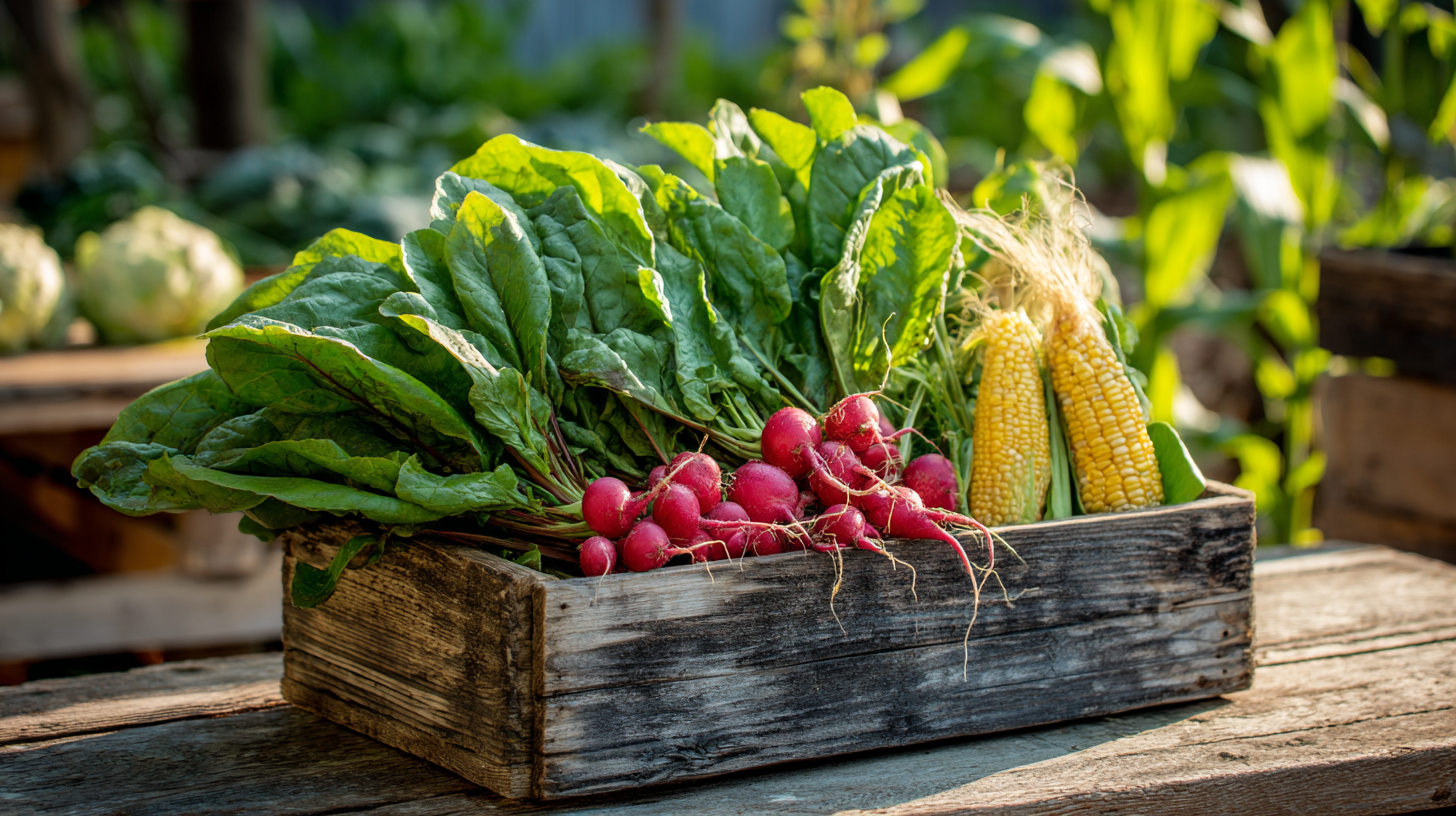
Community-supported agriculture (CSA) operates on a unique model that solidifies the connection between consumers and producers. Members of a CSA typically purchase a share or subscription at the beginning of a growing season, granting them access to a regular supply of fresh produce over the months. This upfront payment is crucial as it provides farmers with essential capital for expenses such as seeds, labor, and equipment right when they need it, allowing them to plan and grow with reduced financial stress.
Upon subscribing to a CSA, members often receive a weekly or biweekly box of seasonal produce directly from the farm. The contents of these boxes vary according to what is fresh and ready for harvest, reflecting the crops that thrive during specific times of the year. For instance, spring might bring tender greens and radishes, while summer often yields tomatoes, zucchini, and sweet corn. This seasonal approach not only diversifies the diet but also reconnects consumers with the natural rhythms of food production.
Moreover, many CSAs encourage member involvement beyond just receiving produce. This can include opportunities to work on the farm, attend farm events, or participate in harvest festivals. Engaging directly in the farming process instills a sense of pride and accomplishment, enhancing the community’s understanding of where their food comes from. Workshops on canning, preserving, or cooking classes may be offered, further promoting self-sufficiency and skill development within the community.
An integral part of a CSA’s success is transparency. Most farms maintain open lines of communication with their members through newsletters, farm visits, and social media updates. These platforms not only inform consumers about the week’s harvest but also share insights into the farm’s practices, challenges, and successes. This transparency fosters trust and loyalty among members and encourages them to support their local food systems actively.
| Aspect | Traditional Grocery Shopping | Community-Supported Agriculture |
|---|---|---|
| Payment Model | Pay as you go | Upfront payment for the season |
| Product Sourcing | Global supply chain | Local, seasonal produce |
| Connection to Producers | Minimal | Direct engagement with farmers |
| Freshness | Variable; often transported long distances | Harvested at peak maturity |
| Community Engagement | Limited to store environment | Events, farm visits, hands-on learning |
This model has multiple benefits for farmers as well, as it helps them stabilize their income and plan for future crops more effectively. By relying on a committed group of consumers, farmers can predict their sales more reliably, thus reducing the risk associated with crop production. This economic stability allows farmers to focus on growing sustainably, improving their land stewardship, and experimenting with diverse crops without the overwhelming pressure of fluctuating market prices.
Ultimately, the structure of community-supported agriculture not only reshapes the way we think about food ownership and agricultural production but also reinforces the ideals of community cohesion and self-sufficiency. By working together with one another and their local farmers, members of a CSA contribute to a robust framework that nurtures both the land and the people who thrive upon it.
Economic advantages for farmers and consumers
Engaging in community-supported agriculture (CSA) presents notable economic advantages that benefit both farmers and consumers, making it an attractive option for those invested in self-sufficiency. For farmers, the CSA model enables a more predictable income stream. By receiving payment upfront for the season, they gain the capital needed to cover early season expenses such as seeds, labor, and equipment. This financial security allows farmers to plan and cultivate their crops with greater confidence, thus fostering sustainable agricultural practices and the potential for crop experimentation.
Consumers also reap many rewards through their participation in CSAs. By investing in local food systems, they often enjoy fresher, more nutritious produce while directly supporting the local economy. This connection helps build a resilient community, where consumer dollars circulate within the region, contributing to the health and vitality of local farms and businesses. Furthermore, when you buy directly from a CSA, you typically pay less than you would at a grocery store for organically grown produce, which leaves more room in your budget for other essentials.
To maximize the economic benefits of joining a CSA, consider the following practical tips:
- Choose Wisely: Look for a CSA that offers a variety of produce options and flexibility in share sizes. Many farms provide customizable shares that can accommodate families with varying dietary needs and preferences.
- Support Each Other: Engage with fellow members and build connections. Sharing recipes, tips on food preservation, or even coordinating bulk purchases can further enhance your CSA experience and strengthen the community.
- Plan Your Meals: Embrace seasonal eating by planning your meals around what you receive each week. This habit not only helps reduce food waste but also allows you to creatively explore new crops and ingredients.
- Volunteer Opportunities: Many CSAs offer members the chance to volunteer on the farm. Participating can deepen your understanding of agriculture and lead to a more rewarding relationship with the food you eat, all while saving on your share cost.
- Ask Questions: Don’t hesitate to reach out to your farmer with questions. Understanding their practices, challenges, and triumphs enhances your personal investment in the community and encourages a dialogue that promotes better practices all around.
Being part of a CSA not only supports local farmers but also serves as an essential step toward self-sufficiency. As you develop your relationship with your CSA and explore new ways to prepare and preserve your produce, you increase your skills and confidence in food preparation and storage. Consider joining workshops that CSA farms may offer, such as canning, fermenting, or preserving, to expand your food security knowledge.
Ultimately, while the initial investment in a CSA might appear significant, the long-term economic benefits—both for farmers and consumers—are invaluable. By engaging in this model, you are not just buying produce; you are investing in healthier communities, sustainable farming practices, and the local food economy.
Environmental impacts of community-supported agriculture
Community-supported agriculture (CSA) plays a significant role in fostering environmental sustainability by promoting practices that prioritize soil health, biodiversity, and reduced carbon emissions. One of the key environmental benefits of CSA is the focus on organic farming methods. Many CSAs operate under organic standards, which means they avoid synthetic pesticides and fertilizers, relying instead on natural processes to cultivate the land. This commitment not only helps maintain the health of the soil but also protects local ecosystems from harmful chemicals.
Additionally, the proximity of CSAs to their consumer base minimizes the distance food travels from farm to table. This localized approach significantly reduces transportation-related emissions, contributing to a lower overall carbon footprint. When food is transported over long distances, it requires substantial energy for transport, resulting in increased greenhouse gas emissions. In contrast, produce from a CSA is often harvested within hours of being delivered to members, ensuring that it is not only fresh but also less reliant on fossil fuels for transportation.
The practice of seasonal eating encouraged by CSAs has a profound environmental impact as well. By focusing on what is in season, consumers align their diets with the natural growing cycles of their regions, which often leads to lower resource use, such as water and energy. For instance, growing crops that thrive in local climates requires less water and fewer inputs compared to crops that need artificial conditions to grow out of season. This also helps preserve the biodiversity of local agriculture, as farmers can introduce and experiment with a greater variety of crops adapted to their specific environments.
“The soil is the foundation of all life. Healthy soils lead to healthy crops and a healthier planet.” – Unknown
Moreover, community-supported agriculture fosters soil regeneration through practices like crop rotation and cover cropping. These techniques not only prevent soil depletion but also enhance the soil’s organic matter and nutrient content. By supporting CSA initiatives, members contribute to land stewardship, as many farmers actively engage in restoring degraded lands, improving habitats for wildlife, and enhancing the resilience of the local agricultural ecosystem.
Furthermore, CSA models emphasize connectivity to the natural world. By participating in a CSA, consumers often engage more deeply with their environment, learning about sustainable farm practices and the ecological impact of their food choices. Many CSAs offer educational opportunities such as farm tours, workshops, and community events aimed at promoting awareness about environmental issues related to food production and consumption. This enhanced understanding can inspire individuals to adopt more sustainable practices in their own lives, multiplying the positive impact of CSAs beyond their immediate community.
<pCounting not only towards personal health and nutrition, engaging with community-supported agriculture leads to a larger conversation about food justice, biodiversity, and the sustainable future of the planet. Embracing this model is one significant step towards a more sustainable, interconnected way of living that respects the earth and its resources.
Nutritional benefits of locally sourced produce
Locally sourced produce is rich in vitamins and minerals, often surpassing the nutritional content of food transported over long distances. When fruits and vegetables are harvested and delivered directly from local farmers, they are typically picked at their peak ripeness. This means the produce retains more of its flavor and nutritional value compared to items that are harvested early to endure lengthy shipping processes. The freshness of CSA offerings profoundly impacts not only the taste of the food but also the health benefits it provides.
Engaging with community-supported agriculture enables consumers to access a diverse array of seasonal produce. Each box full of local food introduces members to fruits and vegetables they may not regularly purchase from traditional grocery stores. The chance to explore this variety not only keeps meals exciting but also educates consumers about incorporating different nutrients into their diets. The exposure to various crops encourages a broader understanding of nutrition and healthy eating habits.
Additionally, the connection between farmers and community members leads to more informed choices regarding food consumption. Knowing where your food comes from inspires a deeper appreciation for its quality and the effort involved in its production. Farmers who participate in CSAs often share insights about their farming practices, including the techniques used to grow nutrient-dense crops. This transparency empowers consumers to choose produce that aligns with their health values while fostering a sense of pride in supporting local agriculture.
Participating in such a system also champions the importance of sustainable farming practices, which directly affect the quality of the food produced. By supporting farmers committed to using organic methods, members of CSAs help cultivate a food system that prioritizes health both for individuals and the environment. The principles of community-supported agriculture encourage self-sufficiency in communities, where individuals gain knowledge about their food sources and become advocates for healthier eating.
Engaging in this movement sparks curiosity about the origins and benefits of what we consume. It prompts questions about food systems, the importance of local economies, and personal health choices. Through these explorations, individuals can find enjoyment in discovering how their dietary practices impact their well-being, the environment, and their local communities.
- What is community-supported agriculture (CSA)?
- Community-supported agriculture is a model where consumers buy shares of a local farm’s produce at the beginning of the growing season, providing farmers with upfront financial support. In return, members receive regular deliveries of fresh, seasonal produce directly from the farm.
- How does CSA benefit the local economy?
- CSAs help keep money within the local community by reducing reliance on global supply chains, ensuring that more consumer dollars are reinvested in local farms and businesses, ultimately boosting the local economy.
- What types of produce can I expect from a CSA?
- The selection of produce varies according to the season, but CSAs typically offer a diverse array of fruits and vegetables, including unique varieties that may not be commonly found in grocery stores. This encourages exploration of new flavors and cooking techniques.
- Are there options for customization in CSA shares?
- Many CSAs offer customizable shares that allow members to select certain items or adjust the size of their share to better suit their dietary needs and preferences. This flexibility makes it easier for families to participate.
- How often will I receive produce from a CSA?
- Typically, members receive produce weekly or biweekly, depending on the farm and the specific CSA program. Each delivery contains fresh, seasonal items that have recently been harvested.
- Can I visit the farm or participate in farm activities?
- Most CSAs encourage member involvement and provide opportunities for farm visits, hands-on activities, and special events. Engaging with the farm can enhance your understanding of agricultural practices and deepen your connection to where your food comes from.
- How can I ensure the quality and sustainability of the produce?
- When selecting a CSA, look for farms that maintain organic practices or provide transparency about their growing methods. Research their certifications and reputation, and don’t hesitate to ask them questions regarding their sustainability efforts.
Building community and fostering relationships
Building connections within a community-supported agriculture (CSA) framework creates a vibrant tapestry of support, friendship, and shared values that can enhance your homesteading journey. When you participate in a CSA, you are not just purchasing fresh produce; you are forging relationships that can transform your understanding of food systems and sustainability.
The beauty of a CSA lies in its emphasis on relationships, both between farmers and consumers and among fellow members. Engaging with local farmers who grow your food fosters transparency and trust, enabling you to learn about their cultivation methods, seasonal challenges, and the joys of sustainable practices. Take advantage of farm visits and events commonly offered by CSAs. These occasions are excellent opportunities to ask questions, exchange ideas, and deepen your knowledge of agricultural practices. You might even find yourself inspired to try your hand at gardening or preserving the bounty of the harvest.
In addition to the farmer-consumer relationship, connecting with fellow CSA members is equally invaluable. These relationships can lead to community collaborations that enhance your homesteading skills. Consider organizing recipe swaps, cooking classes, or preserving parties where you and your neighbors share ideas on how to use the produce you receive. Not only does this foster a sense of belonging, but it also cultivates a spirit of collaboration that amplifies the self-sufficiency ethos inherent in homesteading.
Participating in your local CSA can also help in cultivating a network of like-minded individuals who may be experiencing similar challenges or joys in their own homesteading endeavors. Engaging in activities such as community potlucks, farm clean-up days, or workshops on sustainable living practices will help strengthen your bonds with others while contributing to your own self-growth. These connections can be a source of encouragement and information, providing you with resources and support that are instrumental in your homesteading journey.
As you engage with your CSA community, remember to share your own experiences and insights as well. Whether you have tips on how to utilize a surplus of zucchini or ideas for creative meal prep, your contributions can inspire others. Building a supportive community is a two-way street, and sharing knowledge helps everyone grow and thrive together. Furthermore, as these connections develop, you may find opportunities to dive deeper into local food sourcing, trade goods from your garden, or even collaborate on CSA-related projects that benefit the entire neighborhood.
Lastly, embracing a community-oriented approach to your CSAs can lead to larger conversations about the importance of valuing local food systems and sustainability practices. Consider advocating for local initiatives that promote food justice, environmental stewardship, and community resilience. Engage in discussions within your community about ways to improve accessibility to fresh produce and healthy food choices, laying the groundwork for a stronger, more sustainable food economy.
By nurturing relationships within your CSA and the broader community, you can transform a simple membership into an enriching experience full of learning, shared enthusiasm, and a stronger commitment to self-sufficiency. These connections serve as vital support systems that can enhance your journey toward a more sustainable and resilient life.