
- Understanding Chicken Breeds
- Setting Up Your Coop
- Feeding and Nutrition Essentials
- Health and Wellness Management
- Harvesting Eggs and Meat
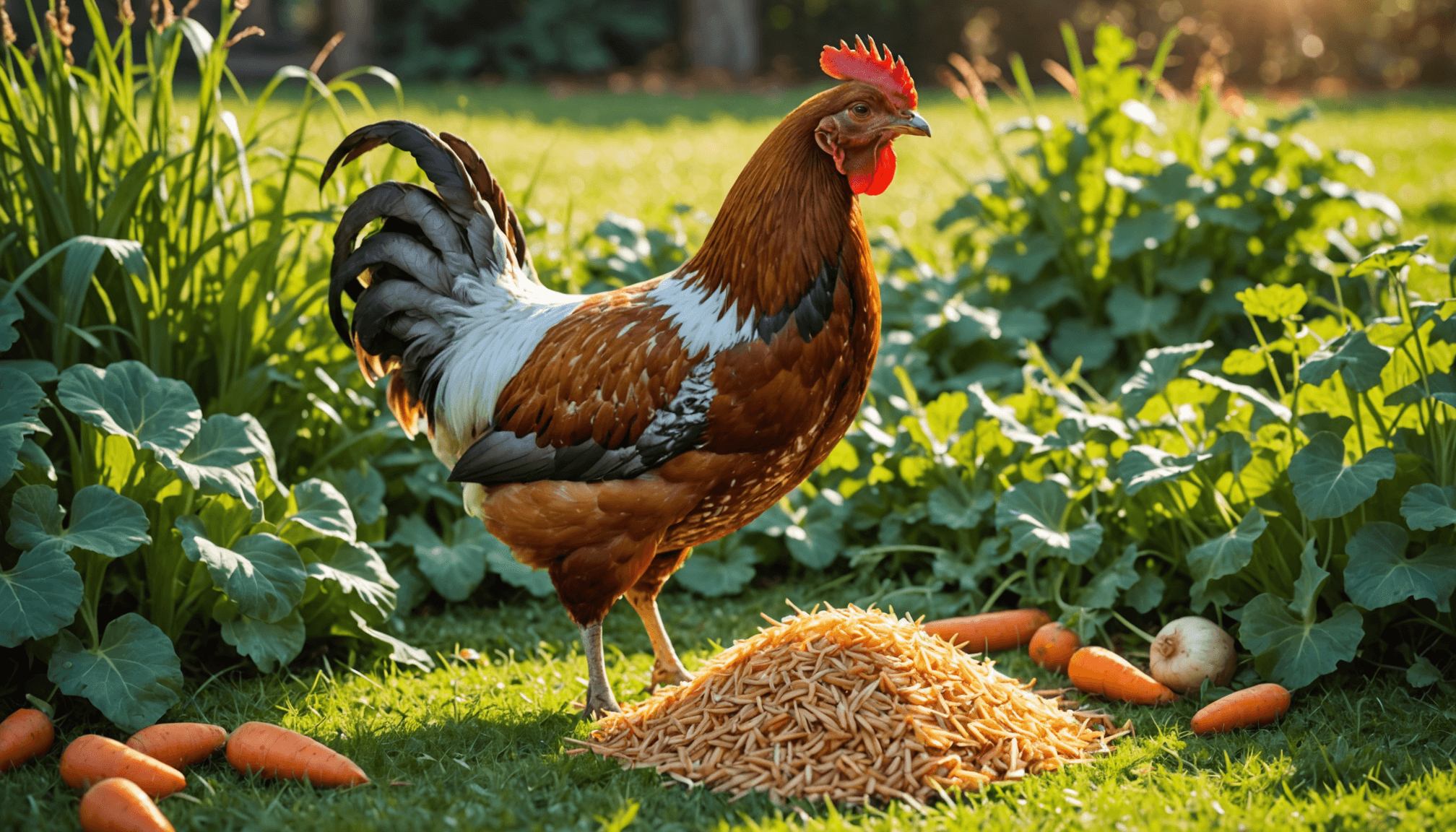
When embarking on your journey of raising live chickens, understanding the different breeds is crucial for ensuring you select the right chickens for your homestead. Not all chickens are created equal, and various breeds come with distinct characteristics, advantages, and disadvantages.
First, think about your primary goal. Are you interested in egg production, meat production, or perhaps both? For beginners, selecting a dual-purpose breed might be an excellent option. Breeds such as the Rhode Island Red and the Plymouth Rock are renowned for being hardy, productive layers while also providing a good meat yield when needed. These breeds are particularly well-suited for urban dwellers who might have limited space yet desire a sustainable food source.
If your focus is primarily on egg production, consider breeds like the Leghorn or the Sussex. Leghorns, for instance, are prolific layers, producing around 280 eggs per year! They are also quite hardy and adapt well to various climates, making them a solid choice for beginners and families. On the other hand, if your preferences lean toward specialty eggs or unique colors, you might want to explore breeds like the Ameraucana or the Araucana, which lay beautiful blue or green eggs.
For those interested in meat production, the Cornish Cross is the go-to breed for many homesteaders. These birds grow quickly and are ready for processing in about eight weeks, delivering tender meat that not only satisfies hunger but also brings the satisfaction of having raised them yourself.
Don’t forget about the personality of the breeds. Some chickens are known for being more docile and friendly, while others may be more skittish. If you plan on involving children in your homesteading experience, consider breeds such as the Orpington, which are not only good layers but also calm and gentle, making them perfect companions for your little ones.
When selecting your chickens, it’s essential to purchase them from reputable sources, whether through local hatcheries, farms, or certified sellers online. Always check for health certifications and be wary of any signs of illness or distress in the chickens. Healthy chickens are more likely to thrive and contribute positively to your homesteading efforts.
Lastly, consider the lifecycle and breed requirements pertaining to your local climate. Some breeds handle colder temperatures better, while others are more suited for warmer environments. Knowing your climate and matching it with appropriate breeds will set you up for success from the start.
In this exciting venture of homesteading with chickens, educating yourself on the various breeds will empower you to create a thriving flock that meets your needs. As you become more experienced, you can even venture into breeding and experimentation, expanding your horizons in the chicken-raising world.
Setting Up Your Coop
When setting up your chicken coop, there are several critical factors to consider to ensure your live chickens thrive in a safe and comfortable environment. A well-designed coop will provide your birds with protection from predators, harsh weather conditions, and enable them to express their natural behaviors.
Begin by selecting an appropriate location for your coop. The area should have good drainage, sunlight, and be somewhat sheltered from the elements. Ideally, it should be close to your home for easy access while checking on the chickens. Ensure that it’s not in a low-lying spot where water can accumulate during rainy periods.
The size of your coop is paramount. A general guideline is to provide a minimum of 4 square feet per chicken inside the coop and 10 square feet per chicken for the outdoor run. This will give your birds adequate space to move around, engage in natural behaviors, and prevent overcrowding, which can lead to stress and aggression.
Coop Design Aspects:
A proper coop design incorporates specific features that cater to the health and safety of your flock. Below are key elements to consider:
| Feature | Description | Importance |
|---|---|---|
| Ventilation | Include windows and vents for fresh air while preventing drafts. | Maintains healthy air quality and regulates temperature. |
| Insulation | Use materials that insulate against extreme temperatures. | Keeps chickens warm in winter and cool in summer. |
| Nesting Boxes | Provide one nesting box for every 3 hens, filled with clean straw or bedding. | Encourages hens to lay eggs in a designated area, reducing stress. |
| Perches | Make perches at least 2 feet off the ground to allow chickens to roost. | Provides chickens a safe place to sleep and socialize. |
| Access Doors | Include a main door for you and a smaller door for chickens. | Facilitates easy access for feeding, cleaning, and collection of eggs. |
| Predator Proofing | Install hardware cloth instead of chicken wire on all openings and secure any gaps. | Protects chickens from predators such as raccoons and foxes. |
Inside the coop, flooring is another critical aspect. Many homesteaders opt for solid flooring with removable bedding, while others prefer dirt or sand floors for easier cleaning. Using materials like straw, wood shavings, or hay can help reduce odors and absorb moisture, creating a healthier environment for your chickens.
Outside the coop, your chickens will benefit from a secure run. This space allows them to forage and exercise safely. Ensure the run is enclosed with sturdy fencing, buried a few inches underground to prevent digging predators. Having access to natural ground is beneficial for your birds, as it allows them to engage in natural behaviors such as scratching and pecking.
Water sources should be available both inside and outside the coop. Use waterers that are easily accessible for the birds while ensuring they’re clean and free of contaminants. Regularly change the water to keep it fresh.
Finally, don’t overlook the importance of regular maintenance of your coop and run. Cleaning bedding out, checking for wear and tear, and ensuring that all systems are functioning will go a long way toward keeping your chickens healthy and productive. By carefully planning your coop and ensuring it meets the needs of your birds, you are setting the foundation for a successful homesteading experience that can be rewarding for beginners and seasoned chicken keepers alike.
Feeding and Nutrition Essentials
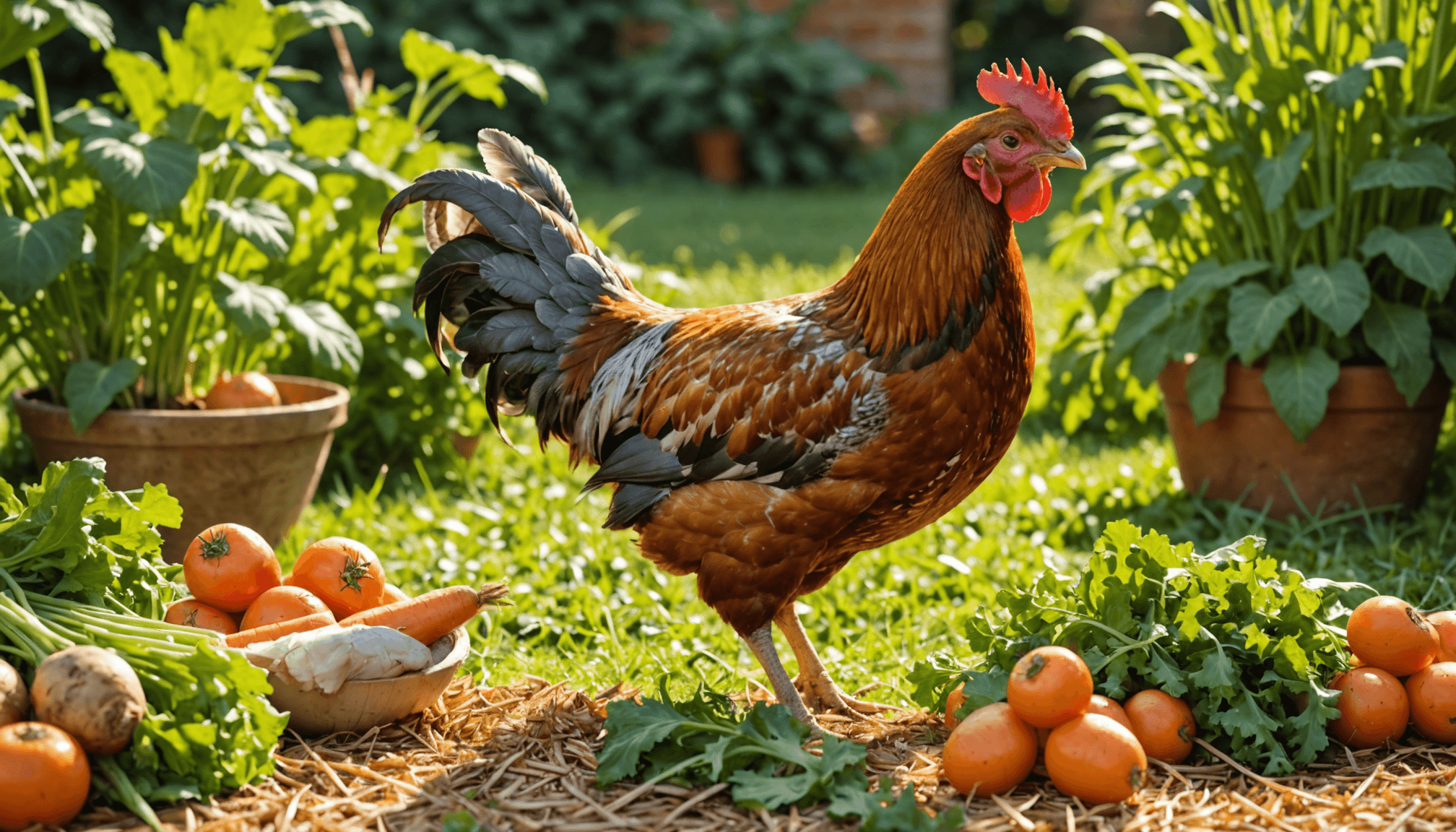
Feeding your live chickens properly is one of the most crucial aspects of successful homesteading. A well-balanced diet not only ensures healthy growth and production but also enriches the overall wellbeing of your flock. Let’s dive into the essentials of chicken nutrition that will have your hens clucking contentedly!
Chickens are omnivores, meaning they will eat almost anything, but that doesn’t mean all foods are equally nutritious. When formulating a feeding plan, focus on providing a balanced diet comprising grains, greens, protein sources, and specific supplements.
Grains: The foundation of your chickens’ diet should be commercial feed. High-quality layer feed or grower feed is specially formulated to meet your birds’ nutritional needs based on their age and production stage. Layer feed is ideal for hens that are laying eggs, while grower feed is better suited for younger birds. Most commercial feeds contain vital nutrients like protein (16-18% for layers), vitamins, and minerals.
In addition to commercial feed, you can offer whole grains such as oats, corn, and barley. These grains can be scattered around the coop or run for foraging, promoting natural behaviors and stimulating mental activity.
Vegetables and Greens: Fresh fruits and vegetables are an excellent addition to your chickens’ diet. They provide essential vitamins and can keep your flock entertained. Examples of safe options include:
- Lettuce and leafy greens
- Carrots (shredded for easier consumption)
- Squash and cucumbers
- Peas and beans (cooked)
Always chop vegetables into smaller pieces to avoid choking hazards. Ensure to avoid feeding them toxic foods like onions, garlic, and avocados, which can be harmful.
Protein Sources: Protein is vital for growth, egg production, and overall health. While commercial feed contains enough protein for adult chickens, supplementing with additional protein sources will benefit your flock. Consider adding options like:
- Mealworms or crickets
- Cooked eggs (scrambled, avoid raw to prevent risk of salmonella)
- Leftover chicken scraps (in moderation)
Offering protein treats 1-2 times a week will help maintain your hens’ energy levels and support their increased laying rates.
Calcium and Minerals: Hens require additional calcium, particularly when they begin to lay eggs. Including crushed oyster shells in their diet provides a natural source of calcium that helps produce strong eggshells. You can also consider a quality mineral supplement specifically designed for poultry, which can often be mixed with their grains.
Water: Providing plenty of clean and fresh water is just as important as diet! Chickens consume a significant amount of water daily, particularly in the summer months. Ensure that the waterers are easily accessible and are regularly cleaned to prevent algae growth and contamination. Consider investing in waterers with a larger capacity to reduce the frequency of refilling, especially if you have a sizable flock.
Finally, it’s beneficial to keep an eye on your chickens’ body condition. Regularly observing their behavior and appearance will help you gauge whether they are eating well. If you notice any changes like weight loss or reduced egg production, it might signal a need to reassess their diet.
By giving your flock a balanced mix of quality feed, fresh produce, and clean water, you’re not just feeding your chickens but also nurturing their health and productivity. This attention to their nutritional needs will reward you with bountiful eggs and healthy birds ready to enrich your homesteading journey.
Health and Wellness Management
To ensure the health and wellness of your live chickens, it’s essential to implement a proactive management strategy that encompasses preventive measures, regular health checks, and awareness of common ailments. Establishing routines for monitoring the wellbeing of your flock will play a significant role in preventing outbreaks of disease and maintaining a productive homestead.
One of the fundamental practices in health management is creating a biosecurity plan. This involves measures to minimize the introduction of pathogens into your chicken environment. Key components of an effective biosecurity plan include limiting visitors to your coop, ensuring that clothes and footwear are clean before entering, and controlling wildlife that may expose your flock to diseases. Additionally, keep your coop and surrounding areas clean by regularly removing waste and ensuring good drainage to prevent moisture buildup, which can lead to various health issues.
Regular health checks form another integral part of maintaining the wellness of your chickens. Start by keeping an eye on their behavior and appearance—healthy chickens are typically active, have bright eyes, and maintain clean feathers. Regularly inspect your flock for signs of illness, such as lethargy, abnormal droppings, or reduced feed intake. If you notice unusual symptoms, take action swiftly by consulting a veterinarian proficient in poultry care.
Vaccination is an effective way to prevent certain diseases that can affect your flock. Depending on your location and the specific breeds you own, consult with veterinary professionals regarding suggested vaccines for your chickens. Common vaccines for poultry include those for Marek’s disease, Newcastle disease, and infectious bronchitis. By maintaining an up-to-date vaccination schedule, you not only safeguard your live chickens but also foster a healthier environment.
Another aspect of managing health and wellness is nutrition. Engaging with a balanced diet is critical for preventing health issues connected to deficiencies. Ensure that the feed you provide is specifically formulated for the stage of growth or production your chickens are in. Supplement their diet with fresh fruits and vegetables, as described in the previous section, which can boost their immune system and overall vitality.
“The man who moves a mountain begins by carrying away small stones.” – Confucius
Part of a robust health management plan includes being prepared for emergencies. As a beginner in homesteading, familiarize yourself with common ailments in chickens, such as respiratory problems, parasites, and egg-laying issues. Have a first-aid kit readily available, equipped with antiseptics, ointments, and any necessary equipment. Consider keeping contact information for local vet services handy, especially those experienced with poultry, to ensure that you can seek help promptly when necessary.
In addition, providing ample space for your chickens to roam within the confines of your coop or run helps reduce stress and encourages natural behaviors that contribute to their overall wellness. Chickens that can express these behaviors are less likely to develop mental health issues, which can manifest as pecking or aggression.
Implementing these health and wellness practices will forge a strong foundation for your chicken-raising venture, ensuring that your live chickens thrive and produce both eggs and meat effectively. As you gain experience and knowledge, you’ll find that managing a healthy flock becomes an integral and rewarding aspect of your homesteading lifestyle.
Harvesting Eggs and Meat
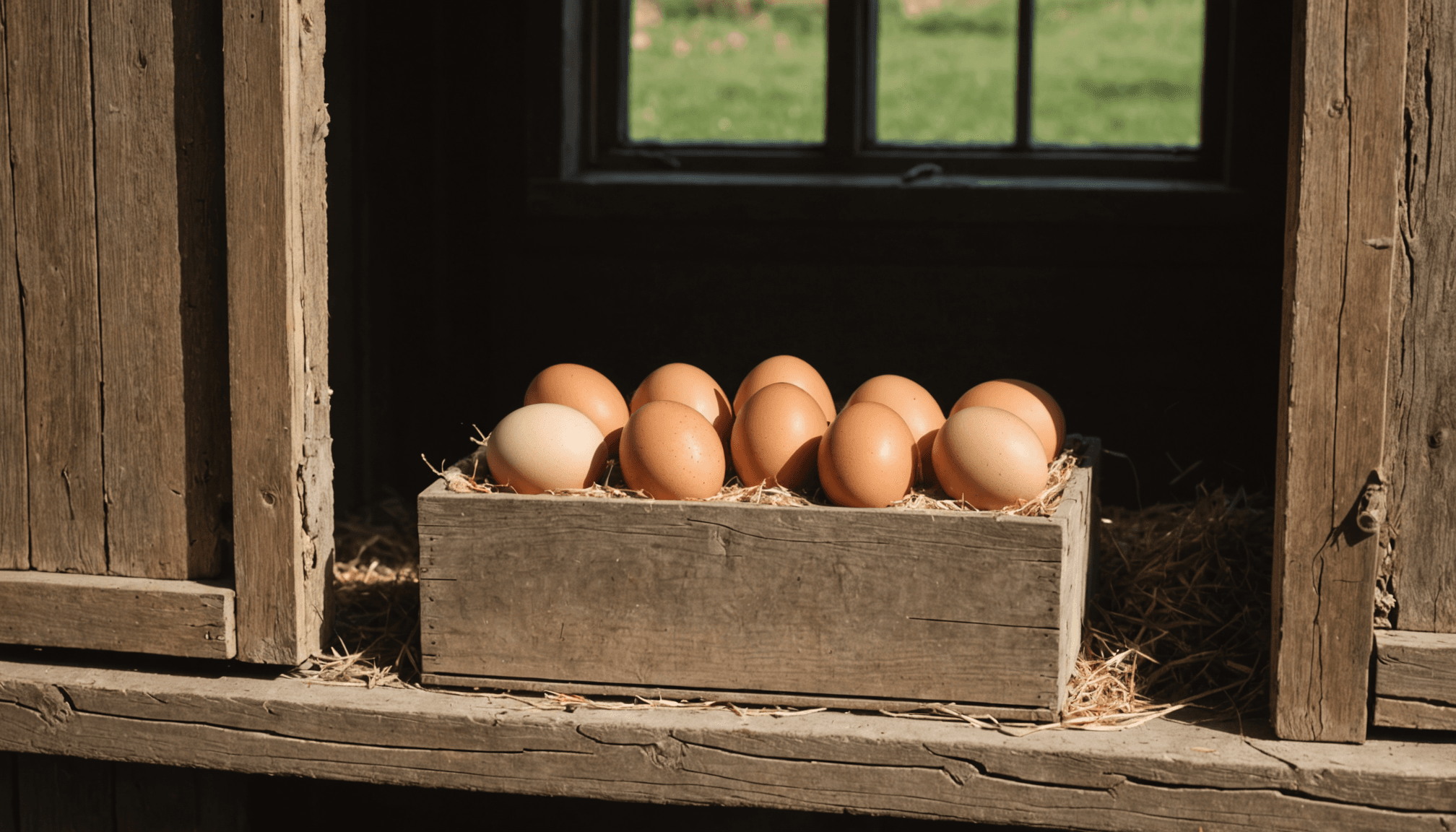 When it comes to harvesting eggs and meat from your live chickens, understanding the best practices ensures that you can enjoy the fruits of your labor while maintaining a sustainable approach to homesteading. The process of harvesting not only involves practical steps but also a philosophical commitment to humane treatment and respect for the animals you’ve cared for.
For egg harvesting, the joy of collecting fresh eggs is one of the most rewarding aspects of chicken keeping. To ensure you maximize egg production, it’s important to create an environment that encourages your hens to lay consistently. Regularly check nesting boxes, ideally twice each day, to collect eggs. This diligence not only prevents eggs from being damaged but also reduces the chances of hens developing the habit of eating their own eggs. Clean your hands before collecting eggs to avoid transferring oils or substances that might harm the eggs’ natural protective coating, ensuring they remain fresh and safe for consumption.
Understanding the signs of when your hens are ready to lay will also enhance your egg harvesting process. Typically, hens begin laying eggs at around five to six months of age. The breed and individual chicken may affect the onset of laying, so stay observant of changes in behavior and physical signs, such as a larger, redder comb and wattles. It helps to provide ample nesting materials and solitude in the nesting area, as hens prefer quiet, secure spaces when laying.
When it comes to meat harvesting, preparation is key. Typically, many chicken keepers choose to raise specific breeds intended for meat production, such as the Cornish Cross, due to their rapid growth and excellent meat yield. These birds are usually ready for processing at around eight weeks, though the timeline may vary based on individual growth rates and your preference for size.
Before processing, ensure that your chickens are healthy and well-fed to enhance the quality of the meat. It’s advisable to let them finish their growth with a high-protein feed to improve their weight and flavor. When it’s time for processing, select a suitable, calm environment free from stressors. This not only helps to maintain the integrity of the meat but also promotes humane treatment of the birds.
Learning to process chickens can be daunting for beginners, but it can also be a highly rewarding skill to acquire. If you’re inexperienced, consider reaching out to local homesteaders or farmers that can offer guidance and support, or even workshops on humane processing techniques. Always follow local regulations regarding processing, and ensure you have the right equipment and knowledge to carry out the task efficiently and respectfully.
Once processed, remember that proper handling and storage are essential for maintaining meat quality. After harvesting, chill the meat quickly to prevent the growth of bacteria. Store it in a refrigerator if you plan to use it within a few days, or vacuum seal and freeze it for longer-term storage.
As you delve into the world of harvesting from your flock, take time to reflect on the interconnectedness of the food system. Each egg collected and each bird processed is a testament to your hard work and commitment to self-sufficiency. Engaging fully in this process encourages deeper appreciation for where our food comes from, and it opens opportunities to learn more about sustainable practices, animal husbandry, and food production.
- How often should I collect eggs from my chickens?
- It’s best to collect eggs at least once or twice a day to prevent damage and reduce the chances of hens eating their own eggs.
- What are the best breeds for egg production?
- Breeds such as Leghorns, Rhode Island Reds, and Sussex are known for their high egg production capabilities.
- When should I process my chickens for meat?
- Chickens typically reach processing age at around 6 to 8 weeks old, depending on the breed and desired size.
- What should I do if a hen stops laying eggs?
- There could be various reasons including age, health issues, or seasonal changes. Evaluate their diet, health, and environment to address any potential issues.
- Is it humane to process chickens at home?
- Yes, as long as it is done quickly and humanely, with proper techniques and considerations for the animal’s welfare.
- How can I tell if my chicken meat is fresh?
- Fresh chicken meat should have a pinkish hue with no foul odor, and bones should be strong and resilient—not discolored.
- What tools do I need to process chickens?
- Essential tools include a sharp knife, a plucker (optional), a clean cutting board, and a container for the offal. Familiarize yourself with safe processing practices.