

To thrive in the plant nursery industry, it’s crucial to understand the dynamics of the market. A successful plant nursery caters to the right audience, offering products that meet demand while also keeping an eye on trends. Begin by researching local demographics and gardening behaviors. Are you in an urban area with a focus on container gardening, or in a suburban neighborhood where larger plants and landscaping services are in higher demand?
Regularly analyze gardening trends online through social media platforms like Instagram and Pinterest, where visual aesthetics drive consumer interest. For instance, if you notice a rising trend in houseplants among Millennials, consider allocating a section of your nursery specifically for popular varieties such as Pothos or Snake plants, which are both stylish and easy to care for.
Visit local home and garden shows to gain insight into what potential customers are excited about and willing to purchase. Networking with local gardening clubs or online communities can provide valuable feedback about what plants or gardening supplies are in demand.
Pricing is also a pivotal aspect to consider when starting a business. Understand the average market prices for your plants, factoring in your costs and desired profit margins. For example, if you’re sourcing rare plants, be prepared for higher price points that also reflect the uniqueness of your offerings.
Don’t forget the power of sustainability. More consumers are eager to support businesses that prioritize eco-friendly practices. Consider implementing organic growing methods or offering native plants, which can attract environmentally-conscious customers. This not only enhances your marketability but also aligns with a growing consumer trend towards sustainable gardening practices.
Lastly, remember that customer service is a key component of your success. Providing expert advice on plant care or gardening techniques can set you apart from larger retailers. Consider hosting workshops or creating online tutorials to engage your audience, build your brand, and foster community involvement. This approach not only drives sales but also positions your plant nursery as a local hub for gardening enthusiasts.
Choosing the right location
Selecting the right location for your plant nursery is one of the most critical decisions you will make when starting a business in the gardening sector. A well-chosen site can significantly boost your visibility, accessibility, and customer base, while a poor choice can lead to decreased sales and increased operational challenges.
Several factors should be assessed to find the optimal location. The first is zoning regulations, which vary by municipality and can influence the types of businesses permitted in specific areas. It’s essential to familiarize yourself with local laws to ensure that your plant nursery complies with all regulations. Additionally, look for areas that are zoned for commercial use and have a history of being supportive of retail or outdoor businesses.
Next, consider traffic patterns. High foot traffic can be advantageous, particularly if your nursery is located near shopping centers, schools, or parks where gardening enthusiasts frequently gather. A prime location near major roads could also capture the attention of motorists and drive-by customers. Conducting an analysis of local traffic flow at different times of the day can provide insights into when your nursery will likely see the most visitors.
Accessibility extends beyond proximity to major roads. Ensure that your chosen location has ample parking for customers, especially if you plan to host events or attract large groups. Creating an inviting environment where customers can easily browse and explore plants without feeling rushed will enhance their shopping experience and encourage repeat visits.
Soil quality and environmental conditions are also paramount in selecting a nursery site. If you’re intending to grow your plants on-site, conduct soil tests to determine its fertility and drainage capabilities. Areas with good sunlight exposure and protection from harsh winds can contribute positively to plant growth. If growing indoors or in greenhouses, consider the availability of utilities such as water and electricity, which are vital for maintaining plant health.
Another strategic aspect is examining the competitive landscape. An area with existing nurseries may signal a busy market, but too many competitors can dilute your customer base. Conversely, a lack of similar businesses may indicate an underserved market, creating opportunities for you to fill that niche. Analyzing competitors can also guide your pricing strategies, product selections, and marketing tactics.
To encapsulate these considerations, the following table outlines key factors to evaluate when choosing the right location for your plant nursery:
| Factor | Considerations | Impact |
|---|---|---|
| Zoning Regulations | Check local laws and commercial zoning areas | Ensures compliance and smooth operation |
| Traffic Patterns | Assess foot and vehicle traffic at different times | Increases visibility and customer visits |
| Accessibility | Evaluate parking and ease of navigation | Improves shopping experience and retention |
| Soil and Environmental Conditions | Conduct soil tests and analyze sunlight/wind exposure | Enhances plant health and growth potential |
| Competitive Landscape | Research existing nurseries and garden centers | Identifies market saturation and opportunities |
Ultimately, the ideal location for your plant nursery is a harmonious blend of commercial viability, environmental suitability, and accessibility. Carefully assessing these criteria will not only facilitate smooth operations but also establish your business as a community destination for gardening enthusiasts.
Selecting plants for your nursery
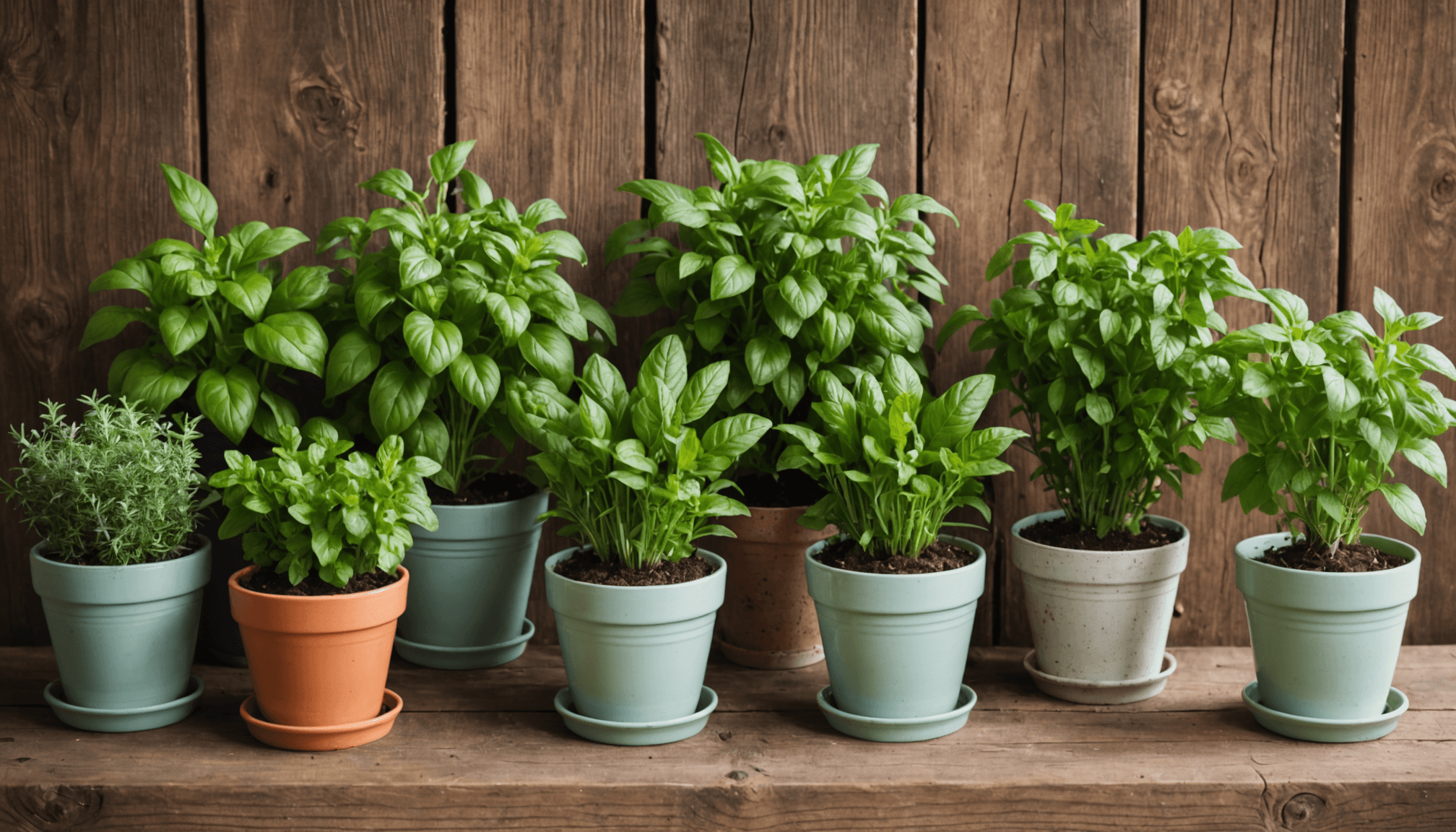
Selecting the right plants for your nursery is critical to appeal to your target market and ensure a thriving business. As you embark on this journey, consider an assortment of factors that will not only enhance the aesthetic appeal of your plant nursery, but also cater to the needs and preferences of your customers.
Start by identifying popular varieties in your area. Conduct market research to discover which plants are in high demand among local gardeners. This could include ornamental plants, herbs, vegetables, or native species that thrive well in your regional climate. Be mindful of any specific trends that may influence customer choices, such as the increase in interest in sustainable gardening practices, as more consumers lean towards organic or non-invasive plant options.
When choosing plants, ensure diverse offerings that range from easy-care options to more exotic varieties. Creating sections in your nursery for different plant categories can help customers quickly find what they’re looking for. Here are some categories to consider:
- Easy-to-Grow Plants: Focus on popular choices such as succulents, ferns, and houseplants like Peace Lilies and Spider Plants that are low-maintenance and ideal for beginners.
- Herbs and Vegetables: Carry seasonal herbs (like basil, rosemary, and mint) and vegetables that can be grown in containers or gardens, appealing to both urban dwellers and suburban families.
- Flowering Plants: Stock perennial favorites like Lavender, Coneflower, and Daylilies which are beloved for their color and resilience.
- Natives and Eco-Friendly Options: Native plants not only require less water and maintenance, but they also attract local pollinators, making them a favorite for environmentally-conscious gardeners.
- Seasonal Offerings: Adjust your inventory according to the seasons. For example, spring can be the perfect time to offer a wide range of annual flowers, while fall is ideal for ornamental grasses and fall vegetables.
Consider sourcing plants from local growers to reduce shipping costs and increase freshness. In addition, building relationships with local nurseries and suppliers can provide you with unique plants that might not be available through larger distributors. Moreover, this can enhance your reputation as a knowledgeable local source for gardening needs.
As you curate your selection, always keep quality at the forefront. Healthy, well-cared-for plants are essential for positive customer experiences. Aim to minimize losses by ensuring pest management practices are in place and that plants are properly acclimated before being put up for sale. Offering a guarantee on the health of your plants can also instill confidence in your customer base.
Finally, don’t underestimate the importance of education. Engage your customers with information on plant care, ideal growing conditions, and creative uses for the plants you offer. Hosting workshops or creating online tutorials can not only enhance customer loyalty but also establish you as a trusted authority in the gardening community.
By thoughtfully selecting plants that resonate with your clientele and maintaining a focus on quality and education, your plant nursery can become a cherished destination for gardening enthusiasts, enriching both their lives and your business.
Creating a business plan
Creating a business plan is a fundamental step in establishing your plant nursery. A well-structured business plan not only outlines your vision and goals but also serves as a roadmap for your operations and strategy. Begin by defining the mission of your plant nursery—what makes your business unique, what you hope to achieve, and how you plan to contribute to your community.
Outline the key elements of your plan, starting with an executive summary. This section provides a brief overview of your business concept, the products and services you offer, and an outline of your target market. Highlight the unique selling points of your nursery, such as eco-friendly practices, a diverse range of plants, or exceptional customer service.
Next, conduct a thorough market analysis. Delve into the demographic and psychographic profiles of your potential customers. Who are they? What are their gardening interests or challenges? Incorporate your previous research on regional plant preferences and market trends to illustrate the demand for your products. An understanding of your competition is also vital—analyze what neighboring nurseries offer and identify gaps in their offerings that your business could fill.
After assessing the market landscape, develop a detailed marketing and sales strategy. Determine how you will reach your audience through both online and offline channels—social media promotions, partnerships with local organizations, workshops, or participation in community events. Consider pricing strategies that reflect not only your costs but also the perceived value of your products. Special promotions or loyalty programs can entice new customers while encouraging repeat business.
Another essential component of your business plan is the operational structure. Outline the day-to-day functions, such as staffing needs, supplier relationships, inventory management, and pest management practices. Understanding your operational requirements will allow you to effectively manage costs and maximize efficiency. If you plan to grow your plants on-site, include a section about your growing methods, including the types of facilities required, purchase of seeds or seedlings, and planting schedules.
Financial projections should include detailed budgets for startup costs, including equipment, rent, and initial inventory, alongside a forecast for revenue and cash flow. This financial overview helps you identify the funding needed to launch and sustain your nursery, whether through personal savings, loans, or investors. Aim for realistic financial goals, and be prepared to adjust your plans as your business grows.
As you compile these elements into your business plan, consider how you will measure success. Outline specific goals, such as achieving a certain number of sales, customer satisfaction ratings, or social media engagement levels within your first year. Regularly revisiting your business plan will help you stay on track, make necessary adjustments, and build a thriving plant nursery.
“A goal without a plan is just a wish.” – Antoine de Saint-Exupéry
By committing to a comprehensive business plan, you’ll not only clarify your vision for starting a business in the gardening sector but also lay a solid foundation for long-term success and growth in your plant nursery.
Marketing your plant nursery
 Marketing your plant nursery involves a multifaceted approach that requires creativity and strategy. To effectively promote your business, consider crafting a compelling brand identity that resonates with your target audience. This identity should encapsulate your nursery’s mission and values, clearly conveying the benefits of choosing your products. Logo design, color schemes, and packaging all play critical roles in creating a memorable impression that can foster loyalty among customers.
Utilize a robust online presence, including a well-designed website and active social media accounts, to attract customers. Your website should not only feature an online catalog of plants and products but also include blog articles, care tips, and customer testimonials that reflect your expertise. Engaging with potential clients on platforms like Instagram and Facebook can build anticipation and interaction. Share visually appealing content, such as images of new stock, behind-the-scenes footage of nursery activities, or posts highlighting garden transformations using plants from your nursery. This not only informs but inspires your audience while showcasing your offerings’ beauty.
Networking with local gardening communities, clubs, and agricultural organizations can further bolster your marketing efforts. Collaborate with community events, such as farmers’ markets, garden expos, or workshops, where you can showcase your plants and connect directly with gardening enthusiasts. Building relationships with local influencers or bloggers can help expose your nursery to a wider audience, as they can share their experiences with their followers, driving organic traffic to your business.
Email marketing can be a powerful tool in keeping your customers informed and engaged. Regular newsletters can include seasonal plant care tips, special promotions, and updates on new arrivals, which can incentivize repeat visits. Additionally, consider implementing a rewards program for loyal customers—this can encourage repeat business and enhance customer relationships.
Don’t overlook the opportunities for local advertising, such as placing ads in community newspapers, gardening magazines, or local radio stations. Partnering with local businesses, such as landscaping companies or home improvement stores, can also lead to mutually beneficial arrangements that can draw more customers to your nursery.
Ultimately, the goal of your marketing strategy should be to create a welcoming environment—both online and offline—that positions your plant nursery as a community hub for gardening enthusiasts. As you explore the various avenues available, remember that each interaction is a chance to showcase your passion for plants and gardening, leading to a thriving business.
- What marketing strategies work best for a plant nursery?
- Using a combination of social media, email marketing, and local networking is effective. Create engaging content, host workshops, and participate in community events to reach potential customers.
- How can I promote my nursery’s sustainability practices?
- Highlight your eco-friendly growing methods and offer native plants, which attract environmentally-conscious customers. Include this information in your marketing materials and website to raise awareness.
- Should I have an online store for my plant nursery?
- Yes, an online store can widen your customer base and facilitate sales. Ensure your site is user-friendly and features detailed product descriptions and care tips to assist customers.
- What are effective ways to engage with customers on social media?
- Use rich visual content, such as high-quality photos and videos of your plants. Engage with followers through Q&As, polls, and responding promptly to comments and messages.
- How do I identify my target market?
- Conduct market research to understand the demographics of local gardeners. Analyze their preferences, gardening styles, and pain points to cater your offerings and marketing.
- Is hosting events beneficial for a plant nursery?
- Absolutely! Hosting workshops, plant swaps, or seasonal events can engage the community, educate customers, and drive traffic to your nursery, enhancing customer loyalty.
- What content should I include in my newsletters?
- Include seasonal care tips, promotional offers, new arrivals, and gardening resources. This keeps your audience informed and encourages repeat visits to your nursery.
Managing operations and finances
Managing the operations and finances of your plant nursery is pivotal to ensuring its growth and longevity. As you navigate the complexities of starting a business in the gardening sector, an organized approach will keep your nursery running smoothly and profitably. Begin by setting up a reliable accounting system that can handle all transactions efficiently. Consider using software like QuickBooks or FreshBooks, which allow you to track income and expenses easily while providing financial insights at your fingertips.
One of the first financial considerations is determining your startup costs. This includes expenses for permits, equipment, initial inventory, and marketing. Create a detailed budget that includes both fixed costs (like rent and utilities) and variable costs (like plants and supplies). Always leave room for unexpected expenses, ensuring you have a cushion for quick adjustments.
For ongoing operations, monitoring cash flow is key. Know your breakeven point, which is the minimum amount of sales you need to cover costs. This will help inform your pricing strategy and understand how much you need to sell to start making a profit. You can calculate this by dividing your fixed costs by your average contribution margin (price minus variable costs). Adjust your pricing periodically according to market conditions, ensuring it aligns with customer expectations and competitor pricing.
Inventory management also plays a crucial role in maintaining a healthy cash flow. Regularly assess which plants are selling and which aren’t. Implement a First In, First Out (FIFO) strategy to reduce waste—especially important for perishable plants. An effective way to manage this is through periodic audits to evaluate stock levels and make necessary adjustments to your orders with suppliers. Consider focusing on seasonal plants that can help maximize profits during peak gardening times.
In managing your employees, consider cross-training them so they can tackle various roles, from customer service to plant care. This flexibility not only boosts efficiency but also ensures better service, especially during busy periods. Establish a welcoming company culture that prioritizes customer satisfaction; happy employees often translate into happy customers.
Don’t overlook the importance of digital tools for managing operations. Utilizing inventory management software can streamline ordering, track stock levels in real time, and predict future demand based on sales trends. Tools like Square can assist with point-of-sale transactions and manage customer data for personalized marketing.
Furthermore, stay informed about current trends in the gardening market, as they can influence your nursery’s operations. Offering workshops on sustainable gardening practices or seasonal planting can draw in crowds and establish you as a local expert. Engaging your community will not only foster customer loyalty but also give you valuable feedback on what products are in demand.
Lastly, approach your finances with a growth mindset. Regularly review your financial performance reports to assess where your nursery stands against your goals. If you identify areas for improvement, don’t hesitate to adjust your business strategies. Financial success in a plant nursery often grows from careful monitoring and the willingness to adapt as your customer base and market conditions evolve.
By rigorously managing both your operations and finances, and embracing the art of gardening entrepreneurship, your plant nursery can flourish, transforming not just your passion but your community’s connection to nature.