Understanding chicken molting and what it means
Part of the Chickens guide
Understanding chicken molting
When it comes to chicken molting, understanding the intricacies of this natural process is essential for any aspiring homesteader. Molting is a vital phase in a chicken’s life where they shed old feathers and grow new ones, typically occurring once a year in adult hens. This fascinating transformation not only helps maintain their health and comfort but also plays a significant role in their overall well-being.
During this period, chickens may appear a bit disheveled as they lose feathers, often leading to a patchy appearance. However, don’t let this concern you—it’s merely a part of their natural lifecycle. A typical molting phase can last from several weeks to a few months depending on various factors including breed, age, and environmental conditions.
It’s important to note that molting is influenced by seasonal changes, especially with the reduction of daylight hours in the fall. Chickens are sensitive to light, and shorter days signal to them that it’s time to molt. Additionally, stress factors like changes in their environment, illness, or inadequate nutrition can lead to unexpected molting patterns.
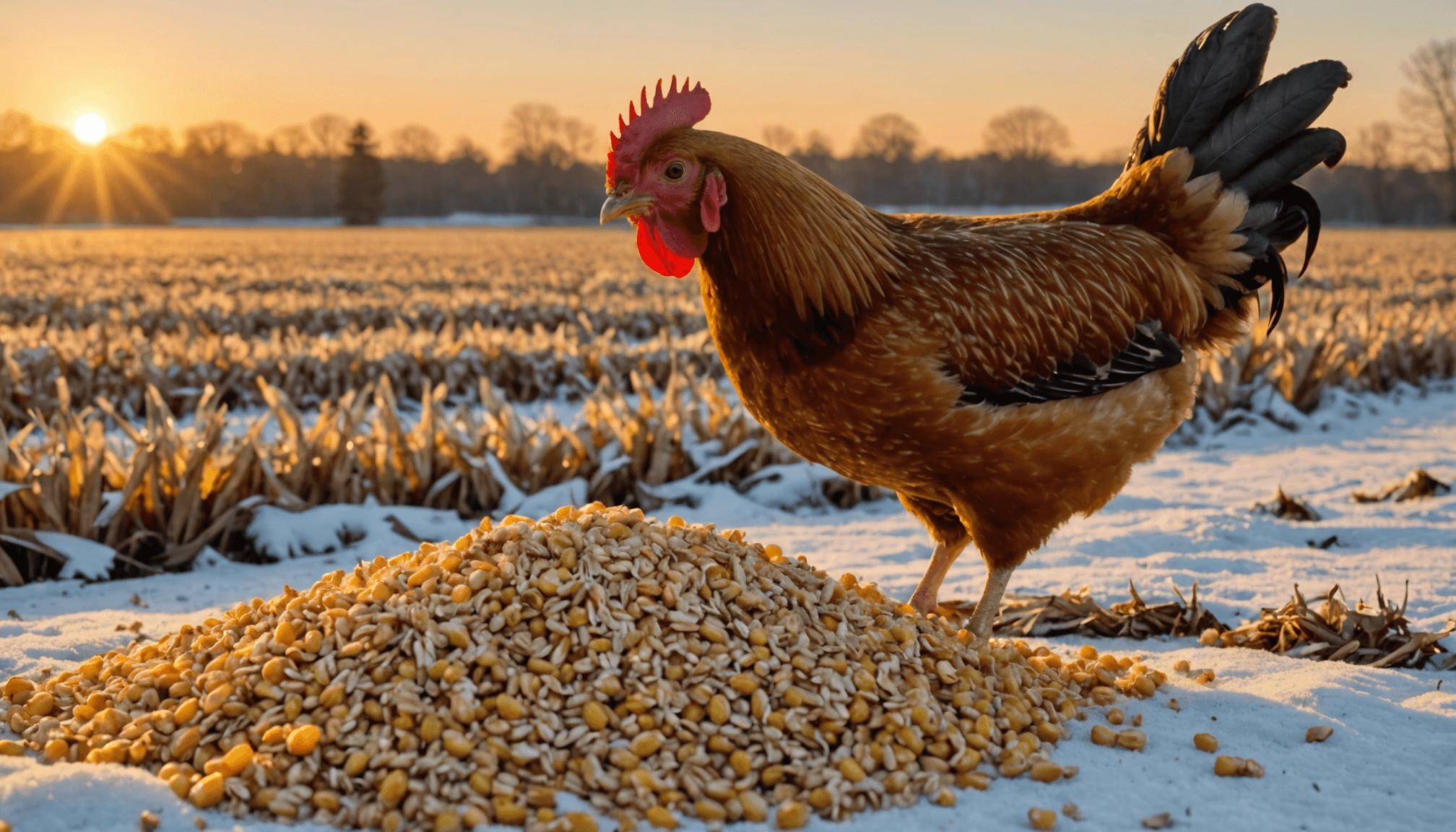
As an urban dweller or a modern homesteader, ensuring your flock receives proper nutrition during this time is crucial. Feeding them a nutrient-rich diet that includes higher protein levels can support healthy feather regrowth. Consider increasing their intake of commercial molting feed or supplementing with natural protein sources like canned fish, mealworms, or legumes. This can greatly enhance their recovery and reduce the time they spend in this delicate state.
Understanding chicken molting not only prepares you for observing this natural cycle in your flock but allows you to support them better through it. By keeping an eye on your chickens and being proactive in addressing their needs during molting, you set the stage for a healthier, more productive backyard flock.
Causes of molting
Several key factors contribute to the onset of chicken molting, making it essential for a homesteader to understand these influences. The most significant factor is the natural seasonal cycle. Chickens are highly responsive to changes in light, and as daylight hours decrease during the autumn months, their biological clock triggers the molting process. This adaptation coincides with nature’s cycles, allowing birds to prepare for harsher winter conditions by growing a new set of feathers that provide better insulation.
Stress is another critical cause of molting. Various types of stressors can prompt chickens to undergo molting prematurely or in an atypical pattern. These stressors include environmental changes such as relocation to a new coop, introduction of new flock members, or disruptive noises. Additionally, factors like illness, parasite infestations, or inadequate housing can exacerbate stress levels, ultimately leading to a more erratic molting schedule.
Nutritional deficiencies play a crucial role in influencing the timing and quality of molting as well. Chickens that do not receive adequate protein or essential nutrients may experience a delayed or prolonged molting process. A well-balanced diet rich in vitamins and minerals is fundamental during this phase. Inadequate nutrition may not only impact feather regrowth but can also weaken the overall health of the chickens, making them more susceptible to diseases during the vulnerable molting stage.
| Cause | Description |
|---|---|
| Seasonal Changes | Decrease in daylight hours signals to chickens that it’s time to initiate molting. |
| Stress Factors | Changes in environment, introduction of new flock members, or noise can trigger molting. |
| Nutritional Deficiencies | Insufficient protein and nutrients may lead to delayed or poor-quality molting. |
In addition to these factors, the age and breed of a chicken can also affect its molting process. Younger chickens may not have a well-established molting pattern, while older hens typically molt more predictably. Certain breeds are known for having distinct molting traits, such as the length and timing of their molting phases. Understanding these aspects can aid homesteaders in anticipating and managing the molting process more effectively, thus fostering a healthier flock.
Symptoms of molting
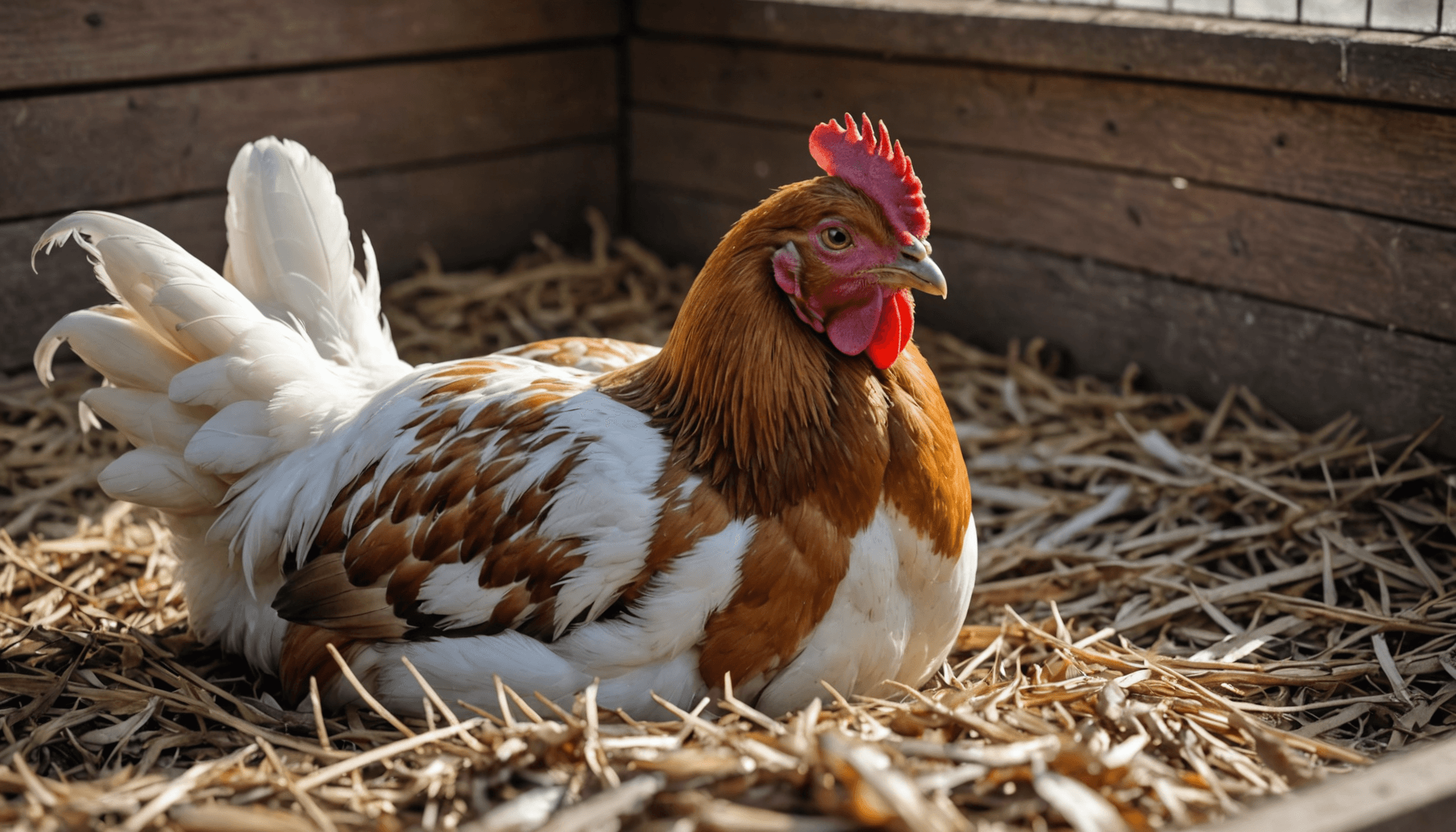
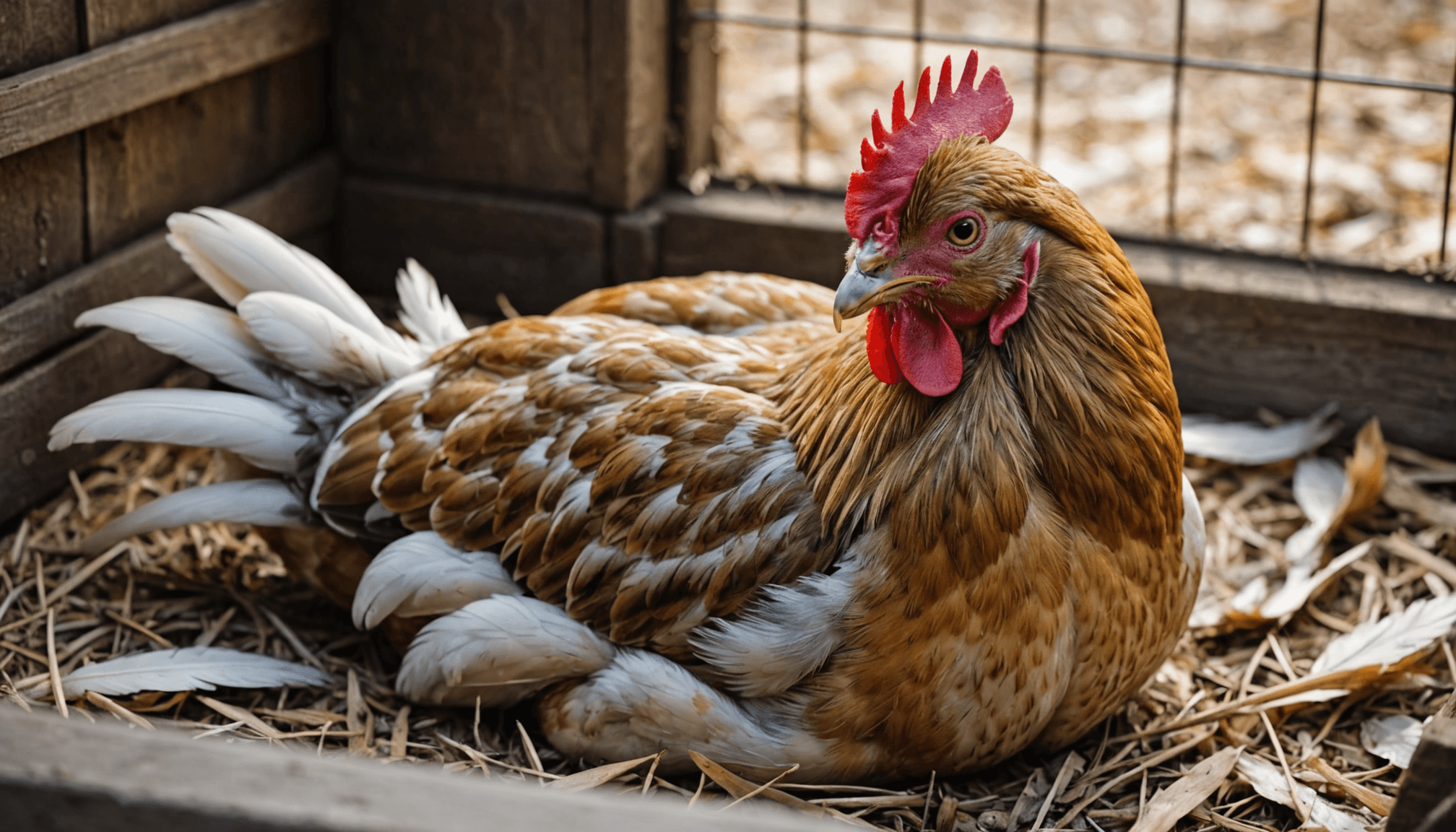
As chickens enter the molting phase, observers will notice several clear symptoms indicating that their feathered friends are in the midst of this natural transformation. One of the most obvious signs is the shedding of feathers, which can vary in intensity. You may find feathers strewn about the coop or yard, resembling a mini feather pillow fight. While this can initially look alarming, it’s completely normal and an essential part of feather renewal.
Chickens may also exhibit a noticeable change in behavior during molting. You might find them appearing less social, preferring to rest more than usual. This lethargy is due to the increased energy demands placed on their bodies as they focus on feather regrowth. Keep an eye out for any unusual isolation, as this could indicate stress or health issues, but generally, a little quiet time can be expected.
Another symptom to watch for is a decline in egg production. As the body redirects energy to growing new feathers, it often results in a temporary halt or significant decrease in laying. Don’t be surprised if your once reliable layers give you fewer eggs or even none at all during this period. Understanding this aspect of chicken molting helps ease potential concerns about your flock’s productivity.
During molting, you may also notice changes in their overall appearance and condition. Chickens will often develop a scruffy look, with patchy feathers and sometimes even bare spots. While it may not be aesthetically pleasing, remember that this phase is not permanent. New feathers will soon come in, restoring their charming fluffiness.
On the nutritional front, it’s vital to observe any changes in your chickens’ appetite. Some chickens may seem pickier during molting; therefore, providing a diverse array of protein-rich foods is essential. Consider offering treats like hard-boiled eggs, which not only stimulate their appetite but also provide excellent protein content. Mealworms, sunflower seeds, and other high-protein snacks can also help motivate them to eat and aid in feather regrowth.
- Watch for increased feather loss from feathers scattered throughout the coop.
- Monitor changes in behavior, particularly lethargy and reduced social interaction.
- Expect a decline in egg production until the molting process is complete.
- Look for patchy or scruffy appearances, but remain patient as new feathers develop.
- Adjust their diet to include high-protein treats to support healthy molting.
By carefully observing these symptoms, you can ensure your flock remains healthy and well cared for during this transitional period. Pay attention to their needs, and you’ll help facilitate a smooth molting process—one feather at a time!
Stages of the molting process
During the molting process, chickens undergo several distinct stages that can help caretakers better understand and manage their flock’s needs. The initial stage is marked by the gradual shedding of feathers, which can begin at various times depending on the individual bird, its age, and breed. This feather loss may start as a few stray feathers but can escalate to significant areas of baldness as the old feathers become loose and fall out. Observing this early sign allows homesteaders to anticipate the changes that their chickens will experience going forward.
As feather loss continues, the next stage involves the development of new feathers, which emerge from small, feather follicles on the bird’s skin. During this time, chickens may exhibit a change in behavior, spending more energy on resting and preening their new feathers. It’s essential to note that the regrowth of feathers can cause some discomfort; new feathers, often referred to as pin feathers, come in tightly wrapped and can be sensitive. Chickens will instinctively peck and scratch at these areas, so providing a stress-free environment is crucial to minimize any potential irritation.
The third stage of the molting process focuses on the renewal and strengthening of the birds. As new feathers mature, they become more vibrant and integral to the chicken’s insulation and protection. The length of this stage can vary widely, lasting from several weeks to a few months, depending on how well the flock is cared for and their nutritional intake during molting.
Throughout this multifaceted process, the energy demands on chickens increase significantly. Providing them with ample access to high-quality feed and protein-rich treats is vital for supporting feather growth and overall health. A well-managed diet can facilitate a smoother transition through the stages of molting, ensuring that your chickens remain robust and ready for the challenges ahead.
Analysts agree that, “Molting is a natural phenomenon that can significantly influence the overall health and productivity of chickens.” This quote encapsulates the importance of understanding the stages of chicken molting and underscores the value of being attentive to your birds during this critical time. Proper care during these phases will lead not only to healthier chickens but also to a more productive laying season when they fully regain their feathers and energy.
Impact on egg production
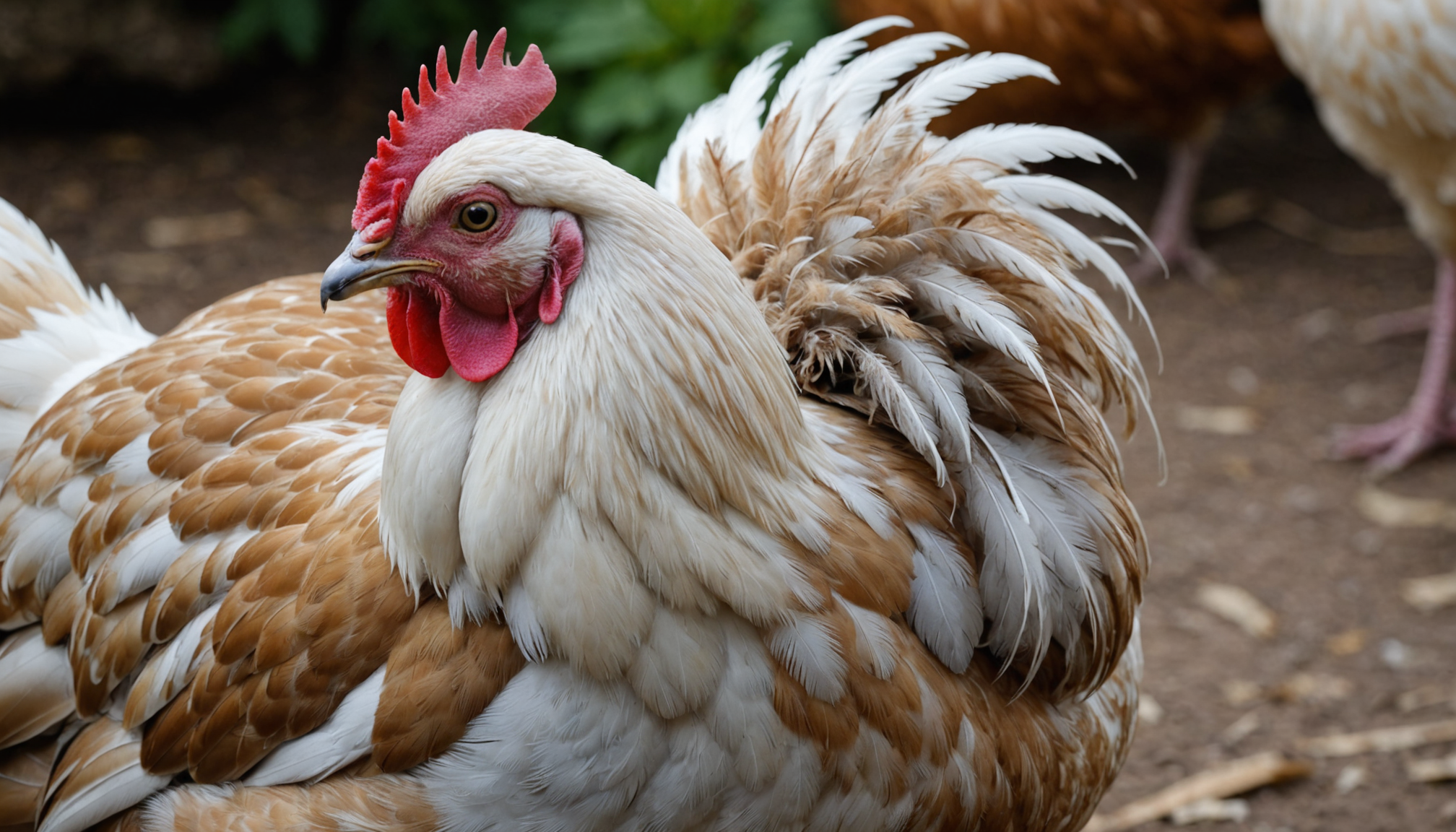
During the molting process, one of the most noticeable impacts is a significant decline in egg production. Chickens generally divert their energy from laying eggs to the more demanding task of growing new feathers. This can lead to an interruption in their laying cycle, often resulting in weeks or even months of reduced egg output. For homesteaders who rely on consistent egg production, this can raise concerns, especially if they are accustomed to a steady supply from their hens. Understanding this natural biological response is essential for managing expectations and planning for periods of lower productivity.
Typically, it’s during the peak of molting that hens may cease laying altogether. Even the most diligent layers might surprise their caretakers with empty nesting boxes. As the body transitions into a phase of renewal and restoration, it prioritizes feather regrowth over egg production, reflecting the energy-intensive nature of this natural process. The duration and extent of the drop in egg output can greatly vary between individual birds and breeds; some hens may continue to lay sporadically, while others might take a complete break.
Ensuring that your hens receive a proper, protein-rich diet during this time is crucial. A well-rounded diet not only supports feather growth but can also minimize the duration of the egg-laying hiatus. Offering high-quality feed specifically designed for molting can provide the necessary nutrients to aid recovery. Including protein-rich snacks like scrambled eggs or mealworms can also help encourage a healthier transition. As chickens conclude their molting phase, you may find that the return to egg production can involve both a period of adjustment and an increased output due to the revitalization of your flock’s health and vitality. By fostering an environment that prioritizes nourishment during this crucial time, you prepare your hens to emerge from the molting process revitalized and ready for productive months ahead.
- What is chicken molting?
- Chicken molting is a natural process where chickens shed old feathers and grow new ones, usually occurring once a year. It is essential for maintaining their health and comfort.
- How can I tell if my chickens are molting?
- Signs of molting include feather loss, lethargy, decreased egg production, and a scruffy appearance. You may also notice changes in their eating habits.
- Why do chickens stop laying eggs during molting?
- During molting, hens redirect energy toward feather regrowth, which causes a temporary halt in egg production. This is a natural biological response to prioritize their health.
- How long does chicken molting last?
- The molting process can last from several weeks to a few months, depending on factors like breed, age, and overall health of the chicken. Some may experience longer or shorter molting periods.
- What should I feed my chickens during molting?
- During molting, it’s important to provide a diet high in protein to support feather regrowth. Consider offering high-quality molting feed and protein-rich treats like mealworms or hard-boiled eggs.
- Is it normal for chickens to lose a lot of feathers?
- Yes, feather loss is a normal part of molting. You may find feathers scattered around the coop, which is completely natural as chickens renew their feather coat.
- Can stress affect the molting process?
- Absolutely. Stressors such as environmental changes, disease, or improper nutrition can lead to irregular molting patterns or premature molting. Reducing stress is vital to support a healthy molting process.
Caring for molting chickens
Caring for molting chickens requires a thoughtful approach that balances their nutritional needs with a comfortable environment. As your hens navigate through this transition, remember that patience and understanding are key components of effective care.
First and foremost, prioritize their diet. Feeding high-quality, protein-rich feed is essential during this time. Look for feeds specifically formulated for molting; these typically contain higher levels of protein, vitamins, and minerals to support new feather growth. Consider supplementing their diet with natural protein sources such as:
- Mealworms: These critters are a favorite among chickens, offering not only a protein boost but also a delightful treat.
- Canned fish: Such as tuna or salmon, can be a great way to sneak in essential omega fatty acids that benefit their feather development.
- Legumes: Cooked lentils or beans provide a hearty protein source and are easy to digest for your flock.
Next, ensure comfortable living conditions. During molting, chickens may be more sensitive due to the new pin feathers starting to grow. Maintain a clean and dry coop, as dirt and moisture can irritate their exposed skin. Consider providing extra bedding for soft cushioning and to absorb any moisture. Ensure they have adequate space to avoid stress and potential feather picking among the flock, which can occur if they are feeling vulnerable.
Moreover, manage their environment wisely. Too much disruption or change can lead to added stress, which is counterproductive for chickens during this phase. Minimize loud noises and sudden movements around the coop; your chickens will appreciate a calm space. If introducing new flock members, do so gradually to prevent additional stress caused by the adjustment in dynamics.
Regular health check-ups are also crucial during molting. Keep an eye on their overall well-being—monitor for signs of illness or parasites that can exacerbate their condition. If you notice any of your chickens are particularly lethargic or seem to be losing weight, it could indicate that they need extra care and possibly a visit to the veterinarian.
Finally, be patient! The molting process will not last forever. Your hens are working hard to regain their plumage, and soon enough, you’ll see vibrant new feathers replacing the old. Allowing your chickens to rest when needed and providing high-quality nutrition will facilitate a smoother molting transition. Understanding the challenges of chicken molting empowers you, as a homesteader, to foster a healthy and resilient flock, ensuring they thrive well beyond this season.