
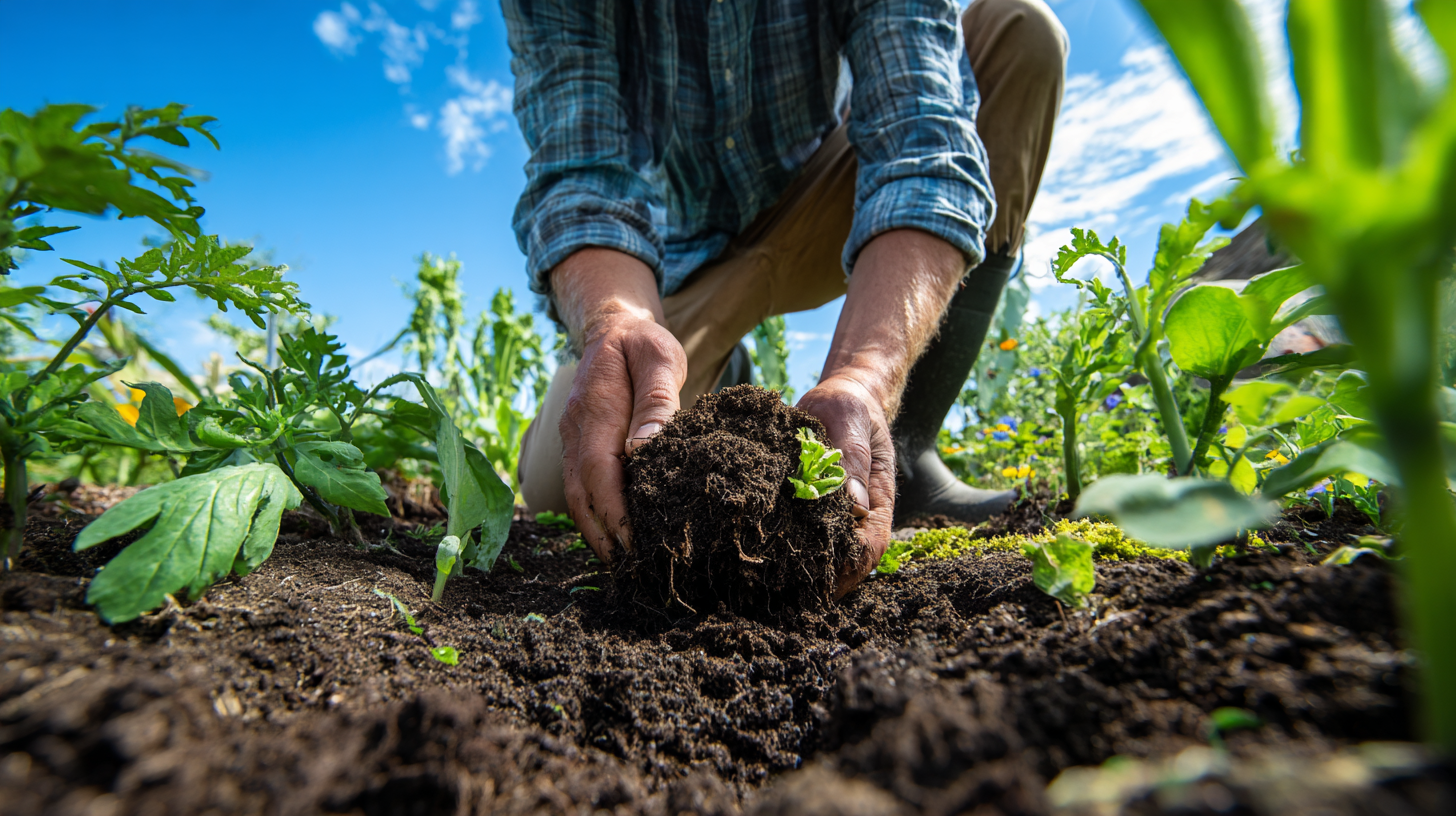
Choosing the ideal spot for your self-sustaining garden can significantly influence its success, and it’s crucial to take a few key factors into consideration. Start by observing your available space—whether in your backyard, a community garden, or even a balcony. The right location should ground your efforts in both practicality and the natural blueprint of your environment.
First, you must identify sun exposure. Most vegetable gardening endeavors require a minimum of six hours of direct sunlight each day. Monitor your space throughout the day to see where the sunlight hits and where shadows cast. If your garden is primarily shaded, consider planting leafy greens and root vegetables that thrive in partial sunlight.
- Sunlight: Choose a location with at least six hours of daily sunlight.
- Wind Protection: If your garden is exposed to strong prevailing winds, consider using natural barriers like hedges or fences, or strategically plant taller crops to shield more delicate plants.
- Soil Quality: Look for areas where the soil is rich and well-draining. Are there existing plants thriving in the soil? You might want to test the soil for pH and nutrient levels to determine if any amendments are needed.
- Access to Water: Proximity to a reliable water source is essential. Not only does this save time, but it also ensures the consistent hydration your plants will require.
- Accessibility: Consider how easy it is to reach your planting area. You want your self-sufficiency efforts to be enjoyable, so keep it convenient for regular maintenance and harvesting.
Additionally, think about the landscape and any potential contaminants. If your garden will be set up close to a busy road or industrial area, check for pollution that might seep into your soil and crops. In cases where this could be an issue, consider starting a vegetable gardening setup in pots or raised beds filled with clean soil to avoid direct contact with any potentially harmful ground.
In urban settings, utilizing vertical space can be a game changer. Look into vertical garden systems or wall planters that can maximize your yield while minimizing ground space usage. This adds not only functionality to your garden setup but also visual appeal to your living environment.
Lastly, don’t overlook the potential for community gardens. Joining forces with neighbors not only provides more comprehensive access to land but also encourages a spirit of sharing and learning among fellow gardeners. Collaborate on tasks and share advice, which will enhance your self-sustaining garden journey and create a supportive community ecosystem.
Preparing the soil
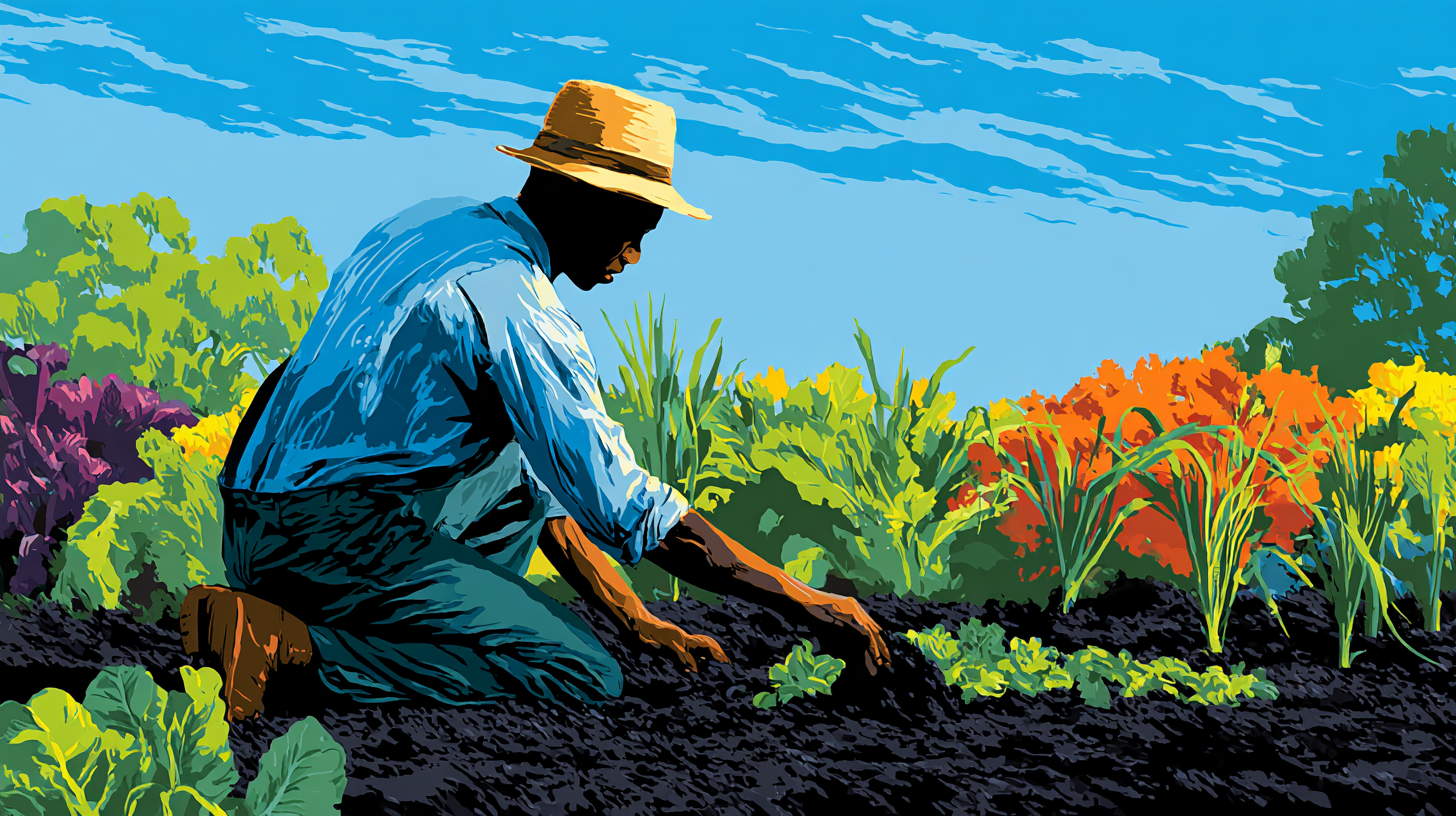
Preparing the soil is a critical step that forms the foundation of a thriving self-sustaining garden. The right soil not only provides essential nutrients to plants but also supports root development and moisture retention. Therefore, assessing and conditioning your soil is vital for achieving successful vegetable gardening. Start with a soil test to understand its composition, pH level, and nutrient content. Many extension services offer affordable testing kits that provide insights into what your soil may be lacking.
Once you have tested your soil, you can begin to amend it based on the results. Common amendments include:
- Compost: Adding organic matter like compost enhances soil structure, aeration, and nutrient density. Aim for a 2-4 inch layer mixed into the top 12 inches of soil.
- Organic fertilizers: Depending on your soil test results, you might need to add specific nutrients. For example, blood meal is high in nitrogen, whereas rock phosphate can provide phosphorus.
- Mulch: Utilizing organic mulch on top of the soil not only conserves moisture but also helps suppress weeds and contributes to soil health as it decomposes.
To further evaluate your soil quality, consider using the following comparison table that details different soil qualities and their effects on plant health:
| Soil Type | Characteristics | Impact on Vegetables |
|---|---|---|
| Clay Soil | Heavy, sticky, holds water well but drains poorly | Can lead to root rot if overwatered; suitable for crops like okra or sweet potatoes with proper amendments |
| Sandy Soil | Light, drains quickly, low in nutrients | Requires frequent watering and fertilizing; ideal for root crops like carrots and radishes |
| Silt Soil | Smooth texture, retains moisture but can compact easily | Good nutrient retention; works well for a range of vegetables, including leafy greens and beans |
| Loamy Soil | Balanced mixture of sand, silt, and clay, rich in nutrients | Optimal for almost all vegetable gardening; provides excellent drainage and moisture retention |
Additionally, the soil structure is important in promoting healthy root systems. Methods like tilling, double digging, or using a broad fork can help incorporate organic material and aerate the soil. Be careful not to over-till, as this can degrade soil structure and disrupt beneficial microorganisms.
Furthermore, maintaining your soil health is an ongoing process. Implementing crop rotation is crucial. By rotating different plant families in your garden each year, you can prevent soil depletion and the build-up of pests and diseases. Additionally, cover cropping during the off-season can enhance soil structure and improve nutrient content. Leguminous cover crops, like clover or vetch, can fix nitrogen in the soil, providing natural fertilization for your next planting season.
Lastly, pay attention to moisture levels. While preparing your soil is essential, ensuring that it retains an optimal water balance is equally important. Consider utilizing drip irrigation or soaker hoses to leverage water efficiency while minimizing evaporation, fostering a self-sustaining garden that thrives with minimal intervention.
Selecting suitable vegetables
When it comes to selecting suitable vegetables for your garden, the options can be both exciting and overwhelming. To cultivate a thriving self-sustaining garden, it’s essential to choose plants that align with your climate, soil type, and your family’s preferences. Understanding the unique traits of various vegetable types will help optimize your gardening efforts.
Begin by considering your growing zone, which influences what will thrive in your area. You can easily find your USDA Plant Hardiness Zone online and use this information to select vegetables that will flourish in your specific environment. Here’s a handy list of some universally popular varieties that often succeed across various regions:
- Tomatoes: A staple for any veggie garden, these can be grown in several varieties and can thrive even in smaller spaces on trellises.
- Peppers: They come in sweet and hot varieties and are relatively easy to grow, providing vibrant color and flavor to your dishes.
- Leafy Greens: Spinach, lettuce, and kale grow quickly and can be harvested multiple times throughout the season.
- Root Vegetables: Carrots, beets, and radishes are suitable for looser soil types and can also help aerate compacted earth.
- Legumes: Beans and peas add nitrogen to the soil and are a great way to improve soil fertility for the following crops.
Next, think about the growing season in your area. Certain vegetables thrive in spring and summer, while others, like brassicas (broccoli, cabbage), prefer cooler temperatures. A great strategy is to implement a staggered planting schedule, allowing you to maximize your harvest by planting early, mid-season, and late varieties. For instance, you can plant early peas, followed by summer squash and then overwintering crops like garlic or shallots.
It’s also incredibly beneficial to consider your family’s eating habits. Picking vegetables that you frequently cook with or enjoy raw can enhance your self-sufficiency—reducing grocery bills and ensuring you have fresh produce on hand. If you’re introducing children to gardening, opt for easy-to-grow varieties like cherry tomatoes or bush beans, which provide instant gratification as they sprout and bear fruit quickly.
While selecting your plants, embrace the concept of biodiversity. Planting a wide variety of vegetables not only promotes ecological balance but also can deter pests naturally. Mixed plantings create a more favorable environment for beneficial insects like pollinators and predators of common garden pests. Including herbs such as basil or mint can also deter unwanted bugs while enhancing the flavor of your vegetable dishes.
Moreover, consider the potential for preservation. Plan your garden with future use in mind. Identify crops that can be easily canned, frozen, or dried, like tomatoes, cucumbers, and beans. This foresight will allow you to enjoy your garden’s bounty long after the growing season ends.
Lastly, don’t forget about container gardening if space is limited. Many vegetables, including peppers and cherry tomatoes, thrive in pots and small spaces. By using high-quality potting soil and ensuring consistent watering, you can still enjoy the act of vegetable gardening, even in an urban setting.
With thoughtful planning and the right plant selections, you can create a self-sustaining garden that provides nourishment for your family while cultivating satisfaction and joy throughout the growing season.
Implementing companion planting
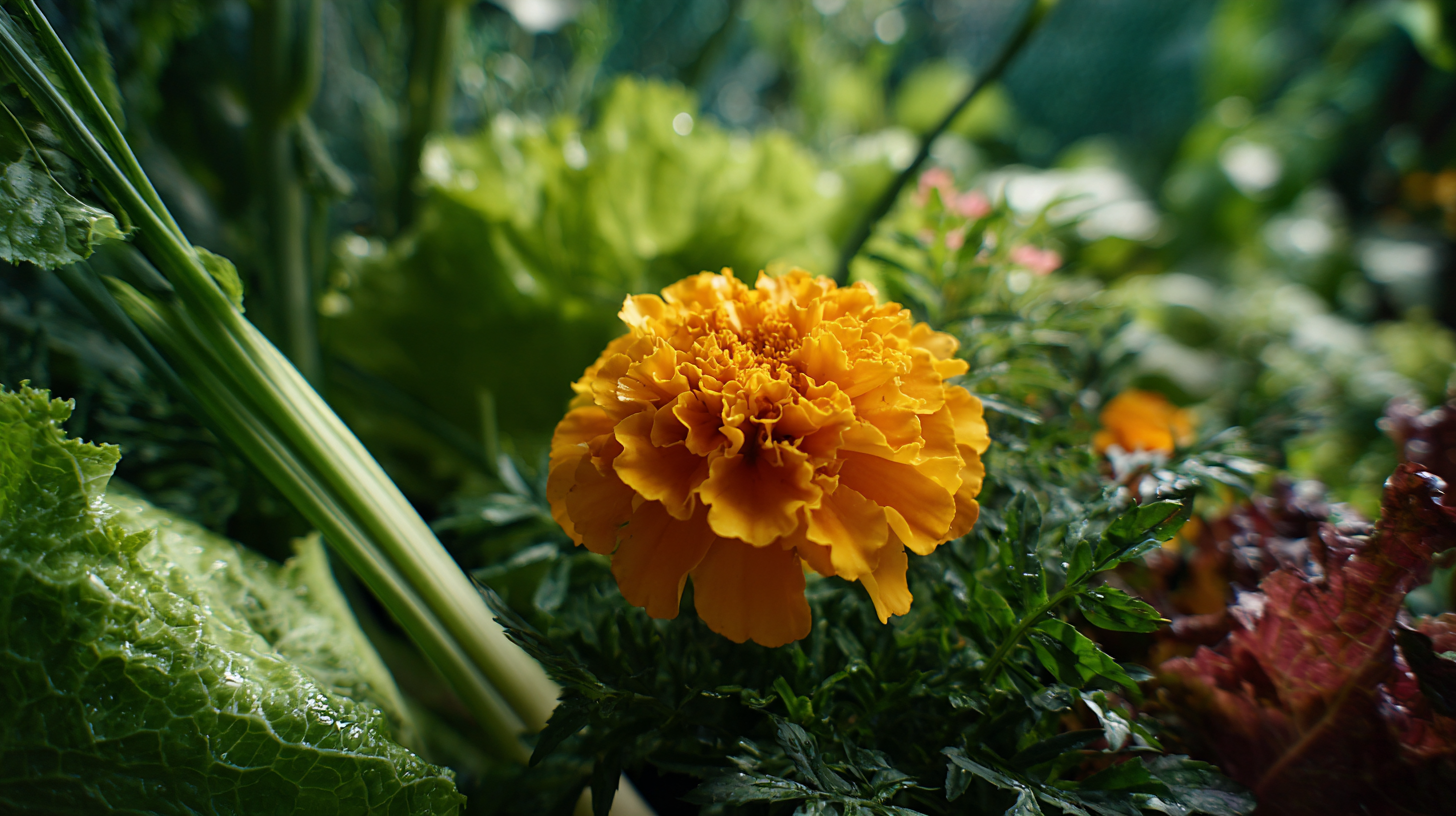 Implementing companion planting techniques can foster a robust ecosystem in your self-sustaining garden, yielding numerous benefits. This practice involves strategically placing different plants in proximity to enhance growth, deter pests, and promote pollination. By understanding the specific relationships between various plant species, you can maximize your garden’s potential.
One of the most recognized benefits of companion planting is pest control. Certain plants naturally repel undesirable insects that can harm your vegetables. For example, marigolds are known to ward off nematodes and other pests, making them perfect companions for many vegetables. Similarly, planting basil alongside tomatoes can deter aphids, spider mites, and mosquitoes while enhancing the flavor of your homegrown tomatoes.
Beyond pest deterrence, companion planting can also enhance nutrient uptake. For instance, the “Three Sisters” planting method combines corn, beans, and squash. The corn provides a natural support structure for the beans, while the beans fix nitrogen in the soil, benefiting all three plants. Meanwhile, the broad leaves of squash shade the ground, reducing weed growth and preserving soil moisture.
“Companion planting is not just about plant health; it builds a thriving garden ecosystem.”
Another advantage is the promotion of biodiversity, which can create a self-sustaining environment. A varied planting scheme not only attracts beneficial insects, such as pollinators and predatory bugs, but it also strengthens the overall resilience of your garden. An array of plants can deter disease spread; if a pest attacks one variety, it’s less likely to affect the entire garden.
It’s important to consider what you plant together. Some combinations are infamous for their synergy, while others can be counterproductive. For example, planting dill near carrots can hinder the growth of both. Additionally, garlic and onions can repel aphids and certain beetles, making them excellent companions for a variety of vegetables. Researching companion plant pairings can save you time and improve your garden’s health.
Moreover, timing and seasonal rotations play a role in companion planting. Interplanting can help optimize space and light, especially in smaller gardens. For example, deep-rooted plants such as carrots can be interplanted with shallow-rooted varieties like radishes. This method not only utilizes vertical space but ensures efficient use of soil nutrients.
In conclusion, integrating companion planting into your vegetable gardening routines can lead to a more productive, resilient, and biodiverse self-sustaining garden. By understanding the relationships between plants and leveraging their natural abilities, you can create an environment conducive to growth, health, and self-sufficiency.
Watering and maintenance techniques
Watering and maintenance techniques are key components in nurturing a self-sustaining garden, directly influencing the health and productivity of your vegetable plants. Understanding your plants’ hydration needs is essential, as different vegetables have varying requirements based on species, growth stage, and environmental factors. A well-planned watering strategy can help you conserve water while ensuring your plants receive the moisture they need to thrive.
One effective method is to utilize a drip irrigation system or soaker hoses. These techniques deliver water directly to the root zone, minimizing evaporation and preventing water waste. If a drip system is not feasible, consider watering early in the morning when the temperatures are cooler. This approach reduces evaporation and allows plants to absorb moisture before the heat of the day sets in.
Another crucial aspect of watering is understanding soil moisture levels. Regularly check the soil’s moisture by sticking your finger into the ground or using a moisture meter. Aim for the top inch of soil to be dry before rewatering; this encourages roots to grow deeper and access additional nutrients. Mulching around your plants can also help retain soil moisture, moderate soil temperature, and suppress weeds, fostering a healthier growing environment.
In addition to watering, regular maintenance through weeding and pest management is vital for a flourishing vegetable garden. Weeds compete for nutrients and water, making regular weeding essential. Implementing a layer of organic mulch not only helps suppress weeds but also enriches the soil as it breaks down. Consider investing time in establishing a strong ecosystem in your garden, which naturally combats pests. Encourage beneficial insects, such as ladybugs or lacewings, by planting flowers like marigolds or dill that attract them. A diverse garden can reduce the likelihood of pest outbreaks, making integrated pest management an efficient and organic solution.
Furthermore, while regular maintenance might seem labor-intensive, incorporating simple practices can streamline your routine. Use the “one walk” rule—bring weed or harvesting tools whenever you pass through the garden. In this way, you can tackle minor tasks as they arise and prevent them from accumulating into larger issues. Taking the time to inspect your plants during each visit helps spot problems early, allowing for prompt interventions that can save your harvest.
Another maintenance duty includes keeping an eye on signs of disease, such as discolored leaves or stunted growth. Ensuring good air circulation around your plants and avoiding wetting the foliage when watering can help prevent fungal diseases. Applying organic fungicides or practicing crop rotation can further manage disease in your garden.
Finally, don’t forget to periodically fertilize your plants as part of your maintenance routine. Incorporating organic amendments like compost or well-rotted manure nourishes your soil and aids in creating a balanced ecosystem. Observe your plants’ growth each season and adjust your care accordingly—what works this year may need tweaking next, with different vegetable varieties or climatic shifts redefining their needs.
- How often should I water my vegetable garden?
- The frequency of watering depends on several factors, including the type of crops, soil type, and weather conditions. Generally, aim to water deeply once or twice a week, allowing the soil to dry out slightly between waterings to encourage healthy root growth.
- What is the best time of day to water?
- The best time to water your garden is early in the morning or late in the afternoon when temperatures are cooler. This minimizes evaporation and allows plants to absorb moisture effectively before the heat increases.
- How can I conserve water in my garden?
- Using drip irrigation or soaker hoses can significantly reduce water waste. Additionally, applying mulch around your plants helps retain moisture in the soil and suppresses weed growth.
- What are some signs of overwatering in plants?
- Signs of overwatering include yellowing leaves, wilting despite moist soil, and root rot. Ensure adequate drainage and adjust your watering routine accordingly to prevent these issues.
- How can I control pests organically?
- Encouraging beneficial insects, such as ladybugs and lacewings, through companion planting can help reduce pest populations. Additionally, use organic pest control methods like neem oil or insecticidal soap when necessary.
- What type of mulch is best for a vegetable garden?
- Organic mulches such as straw, grass clippings, or wood chips are excellent choices. They not only conserve moisture and suppress weeds, but as they decompose, they add nutrients back into the soil.
- How can I tell if my plants need fertilizer?
- If you notice yellowing leaves, stunted growth, or poor fruit production, it might be time to fertilize. Conducting a soil test can also help identify nutrient deficiencies and determine which amendments are needed.
Harvesting and preserving produce
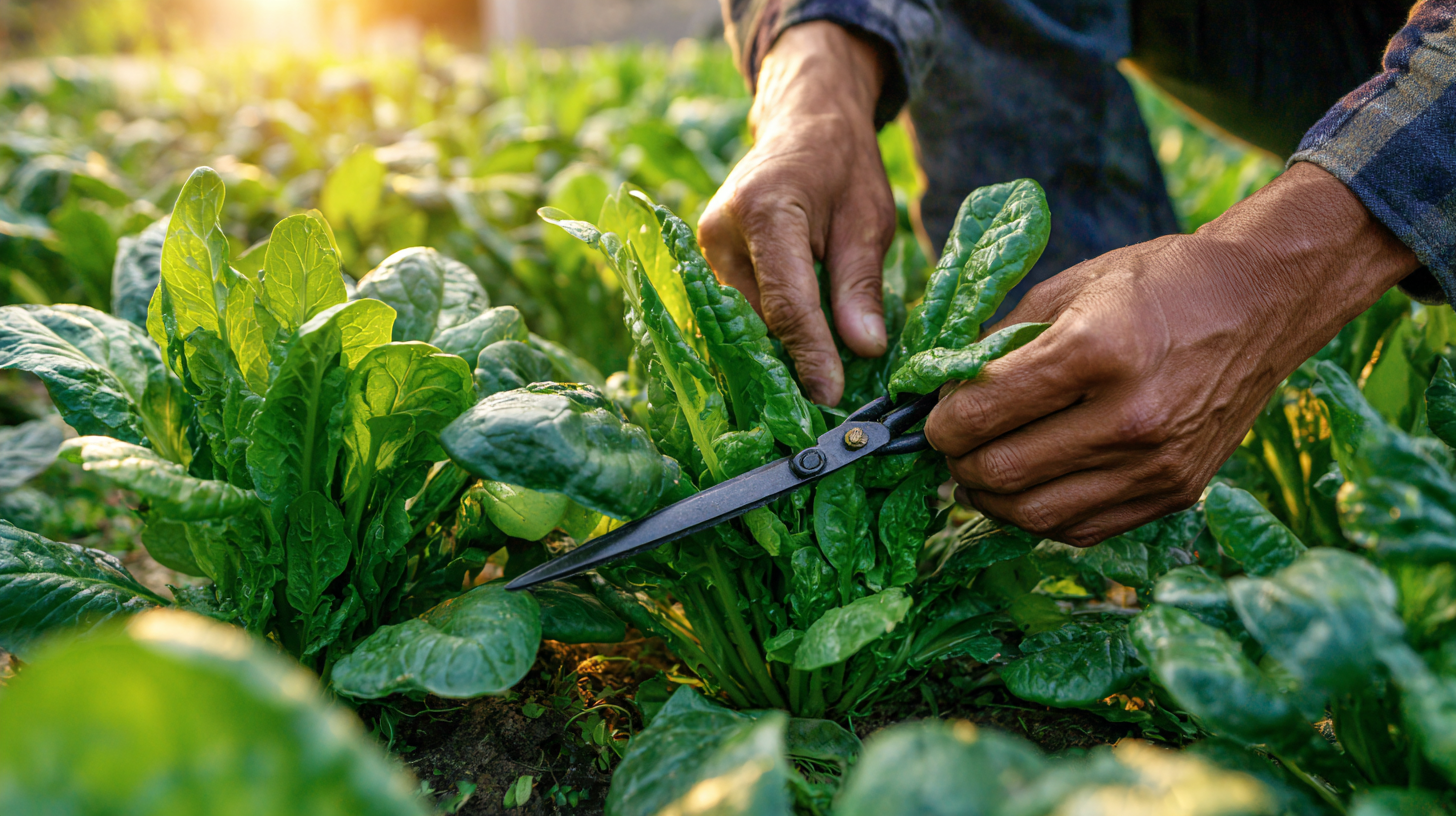
Harvesting your crops at the right time is crucial for maintaining both flavor and nutritional value. Different vegetables have specific signs that indicate they are ready for harvest. For instance, leafy greens like spinach should be picked when they reach a good size but are still tender, while root vegetables like carrots can be harvested once they’ve reached a desired diameter, usually around an inch or two. Always err on the side of harvesting too early rather than too late, as some vegetables can become woody or lose their flavor if left too long. Regular checking during the growing season will also prevent loss from over-ripening.
When it comes to harvesting, consider using sharp tools like scissors or garden snips to make clean cuts. For vegetables such as cucumbers and peppers, twisting or gently pulling can sometimes damage the plant; thus, using cutting tools helps minimize stress on the remaining plant. Also, try to harvest in the cool part of the day—early morning or late afternoon—this not only makes for a more pleasant experience but also helps maintain freshness.
After harvesting, it’s vital to properly store your produce to preserve its quality. Here are some effective methods depending on the type of vegetables you may have harvested:
- Short-Term Storage: For vegetables such as lettuce, carrots, and cucumbers, storing them in the fridge in perforated bags helps retain moisture and crispness. Always avoid washing your produce until you’re ready to use it, as excess moisture can lead to mold.
- Long-Term Storage: Crops like squash and potatoes should be stored in a cool, dark place with good ventilation. Canning or freezing vegetables, such as tomatoes, beans, and corn, can extend their shelf life significantly—just ensure to follow safe preservation guidelines to retain flavor and nutrition.
- Dried Storage: Herbs can be dried or frozen for longer shelf life. For drying, tie bunches of herbs and hang them upside down in a dark, dry area, or use a dehydrator for more consistent results.
Mixing up your harvesting times can also keep your meals varied and seasonal. Consider staggering your harvest for crops that bear fruits over time, like zucchini and beans, ensuring a continued supply rather than a sudden glutton of produce all at once.
In addition to proper harvesting techniques, preserving your vegetables through canning or freezing can create a more sustainable kitchen. Canning involves processing your vegetables in jars, utilizing heat to eliminate bacteria and preserve them. Methods vary depending on the type of vegetable, so looking up specific guidelines is a must. For instance, high-acid foods like tomatoes and pickles are typically processed in a water bath canner, while low-acid foods like beans and carrots require pressure canning.
Freezing is generally easier and allows for quick meals. Blanching vegetables—briefly boiling them before cooling them in ice water—helps maintain flavor, color, and texture during freezing. For example, leafy greens such as spinach should be blanched for two minutes before plunging them into cold water and then freeze them in airtight containers for up to a year.
For those interested in making the most of their self-sustaining garden, embracing the art of preserving can amplify your self-sufficiency lifestyle. By transforming the harvest into flavorful sauces, pickles, or dried herbs, you’re not only reducing food waste but also creating a relationship with your garden that lasts well beyond the growing season. Utilizing these techniques allows you to enjoy the fruits (and vegetables) of your labor throughout the year.