
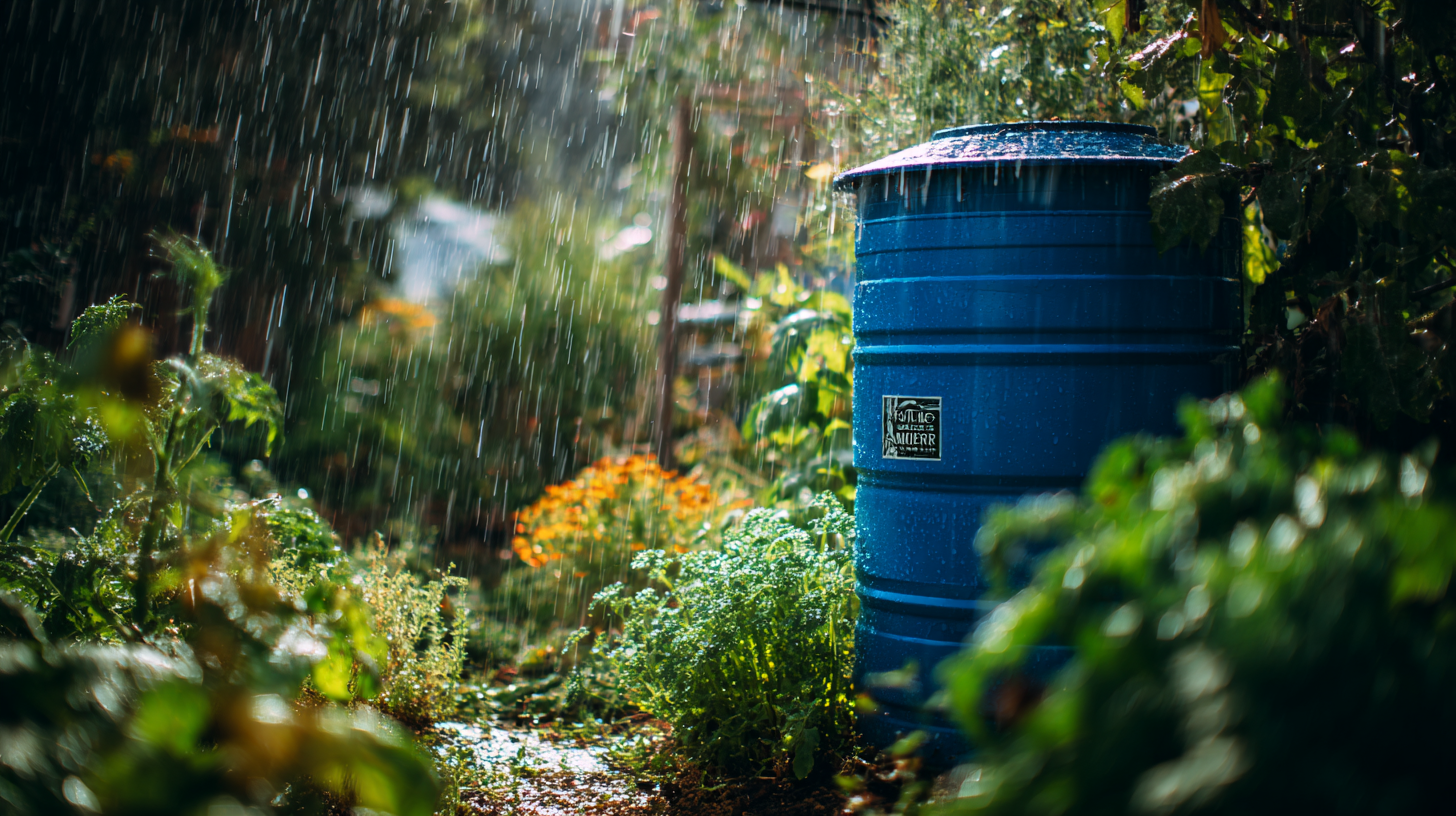
Rainwater harvesting is an innovative and practical approach to managing water resources that can greatly enhance your self-sufficiency efforts. By collecting rainwater from roofs and other surfaces, you can create a sustainable water supply for various uses such as irrigation, flushing toilets, and even drinking after proper filtration. This method not only conserves precious groundwater but also reduces stormwater runoff, which can lead to erosion and flooding.
To begin understanding rainwater harvesting, it’s essential to grasp the basic components involved. At its core, the system consists of:
- Catchment Area: Typically the roof of your home, where rainwater falls and is directed into the system.
- Conveyance System: Gutters and downspouts that channel the rainwater from your roof to storage.
- Storage Tank: A container that holds the collected rainwater, which can be above or below ground.
- Filtration System: Ensures that the water is clean and safe for use.
Understanding how each component works will allow you to customize a system that fits your specific needs and local climate conditions. It’s important to consider factors like the size of your catchment area and local rainfall patterns, which will influence the overall effectiveness of your rainwater harvesting setup.
When planning your system, you should also evaluate any local regulations regarding rainwater harvesting. Some regions may have strict guidelines or incentives for those looking to implement sustainable water practices. Researching these rules can help you avoid any legal pitfalls while maximizing the benefits of your system.
Moreover, think about the long-term implications of your rainwater harvesting system. Choosing durable materials for your gutters, storage tanks, and filtration systems will enhance the longevity of your setup. For example, using high-quality, UV-resistant materials can protect your system from the elements and reduce the need for frequent replacements.
As you embark on this journey of self-sufficiency through rainwater harvesting, remember that incorporating this system into your home not only conserves water but also plays a critical role in promoting environmental sustainability. Every drop collected contributes to a greater overall conservation effort, making you a part of the movement towards a greener future.
Benefits of rainwater harvesting
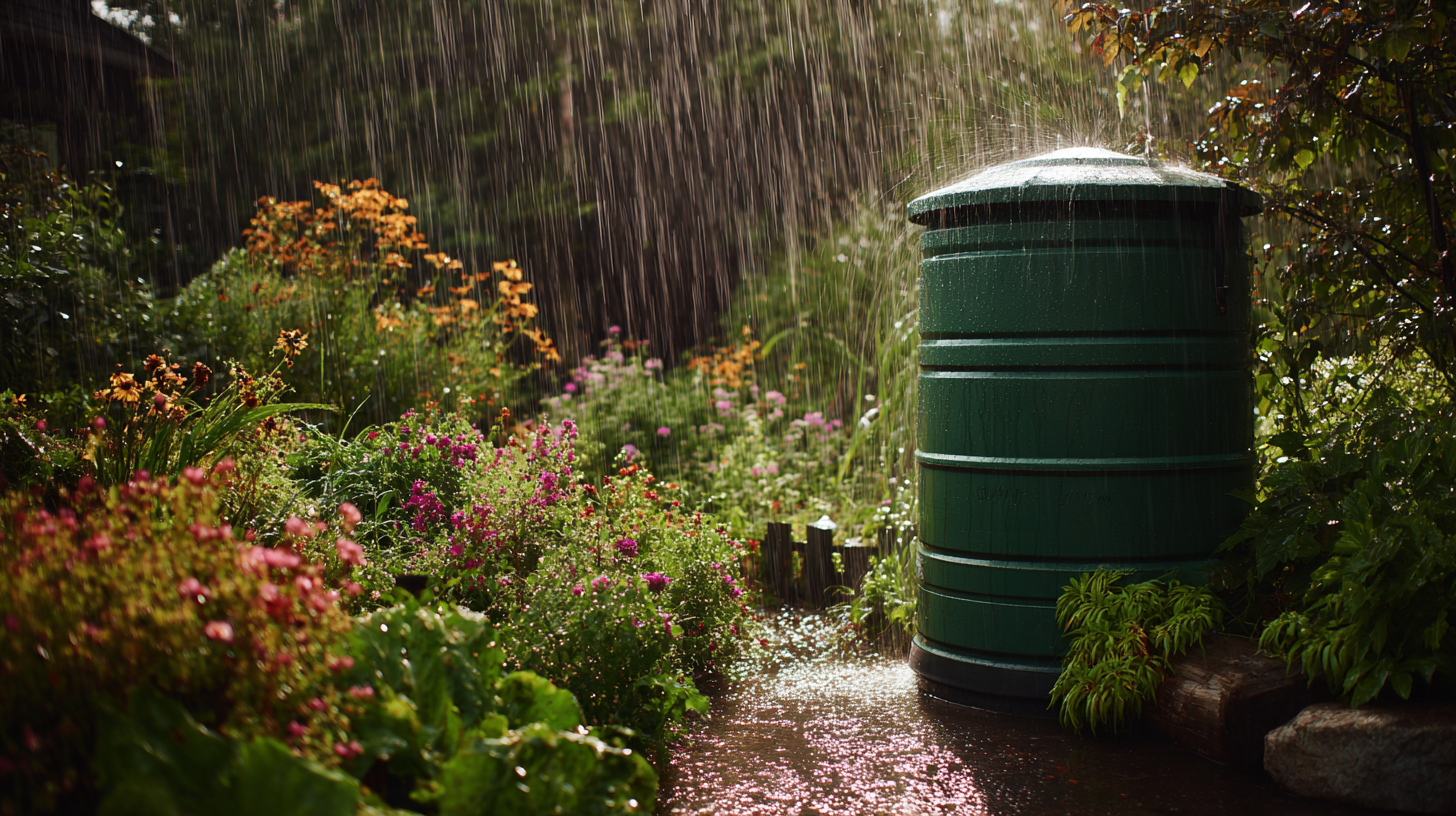
The benefits of rainwater harvesting are numerous and far-reaching, impacting not only individual households but also contributing to broader environmental sustainability. One of the most significant advantages is the reduction in reliance on municipal water systems. By utilizing collected rainwater, households can substantially decrease their water bill, making it a cost-effective solution for everyday water needs such as irrigation, washing, and toilet flushing.
Moreover, rainwater harvesting directly contributes to groundwater recharge. In many urban areas, excessive impermeable surfaces prevent rainwater from entering the soil, which can lead to lowered water tables. By capturing and utilizing rainwater, homeowners can aid in replenishing these vital aquifers, promoting a healthier ecosystem.
Using harvested rainwater also diminishes stormwater runoff, a prevalent issue in densely populated regions that can cause flooding, pollution, and erosion. Properly designed systems can capture large volumes of rainwater, lessening the burden on municipal stormwater drains and reducing the likelihood of water pollution in natural waterways.
Environmental benefits aside, there are significant social implications as well. In regions facing drought or water scarcity, rainwater harvesting can alleviate pressure on existing water supplies. This can be particularly transformative in rural communities, where access to clean water is often limited. Implementing such systems can enhance community resilience and promote self-sufficiency, reducing dependence on external water sources.
| Benefit | Description | Impact |
|---|---|---|
| Cost Savings | Reduces municipal water usage, lowering water bills. | Improves household economy. |
| Groundwater Recharge | Aids in replenishing aquifers through captured rainwater. | Promotes ecosystem health. |
| Stormwater Runoff Reduction | Captures rainwater, mitigating flooding and erosion. | Improves urban water management. |
| Increased Resilience | Puts communities in control of their own water supply. | Strengthens water security. |
| Sustainability | Encourages environmental stewardship. | Reduces carbon footprint. |
Additionally, the act of harvesting rainwater promotes awareness and education regarding water conservation. Individuals who adopt this practice become advocates for sustainable water management, inspiring others in their community to consider similar systems. This ripple effect can foster a collective commitment to environmental responsibility and resource conservation.
The benefits of rainwater harvesting extend beyond mere economic advantages, contributing to environmental health, community resilience, and an overall shift towards a sustainable water future. By embracing this practice, individuals not only enhance their self-sufficiency but also participate in a global movement toward sustainable resource management.
Materials needed for construction
To construct a reliable rainwater harvesting system, a variety of materials will be essential. Each component plays a crucial role in ensuring that your system operates efficiently and sustainably. Here’s a detailed breakdown of the materials you’ll need:
- Gutters: Choose high-quality gutters made from durable materials like aluminum or vinyl. These will direct rainwater from your roof to your downspouts. Make sure they are adequately sized to handle the volume of rain typical in your area.
- Downspouts: Downspouts should match the material of your gutters. Install them at strategic points to guide water into the storage tank. Consider adding diverters that can help direct the flow to specific areas or stop water from entering the tank during heavy rains.
- Rainwater Storage Tank: Consider using materials that are UV-resistant and food-grade to ensure the water is safe for your intended uses. Options include polyethylene tanks, fiberglass, or even concrete if you’re looking for longevity. The tank size should correspond with your catchment area and expected rainfall.
- Filtration System: Installing a good filtration system is critical for providing clean water. You may need a first-flush diverter to prevent debris from the roof from entering your tank. Additional filters include mesh strainers and sediment filters to ensure that the water remains clean for use in gardening or household purposes.
- Piping and Connectors: Use PVC or flexible plumbing pipes to connect your downspouts to the storage tank. Reliable pipes prevent leaks and ensure a smooth water flow.
- Accessories: Don’t forget items like screens for the intake area of your tank to keep debris and insects out, overflow pipes to manage excess water, and a spigot or tap for easy access to your stored water. You might also want a level gauge to monitor how full your tank is.
- Overflow Management: To handle overflow, consider installing an overflow pipe that channels excess rainwater away from your tank and directs it to a designated area in your landscape, minimizing erosion.
When selecting your materials, think about the climate in your area. For instance, in regions with heavy rainfall, a larger storage tank and robust materials might be necessary to prevent wear and tear. On the other hand, drier climates might allow for a smaller system utilizing lighter materials.
Additionally, it’s important to consider local building codes and regulations when choosing your materials. Some areas might have specific requirements for materials used in rainwater harvesting to ensure safety and environmental protection. Always check with local authorities or community programs that promote sustainable water practices, as they may provide suggestions or recommendations for approved materials.
Be mindful of sustainability when sourcing your materials. Whenever possible, choose recycled or eco-friendly options to reduce your carbon footprint further and contribute positively to the environment. Remember, each decision plays a role in crafting a rainwater harvesting system that aligns with your self-sufficiency goals and supports sustainable water management.
Step-by-step guide to installation
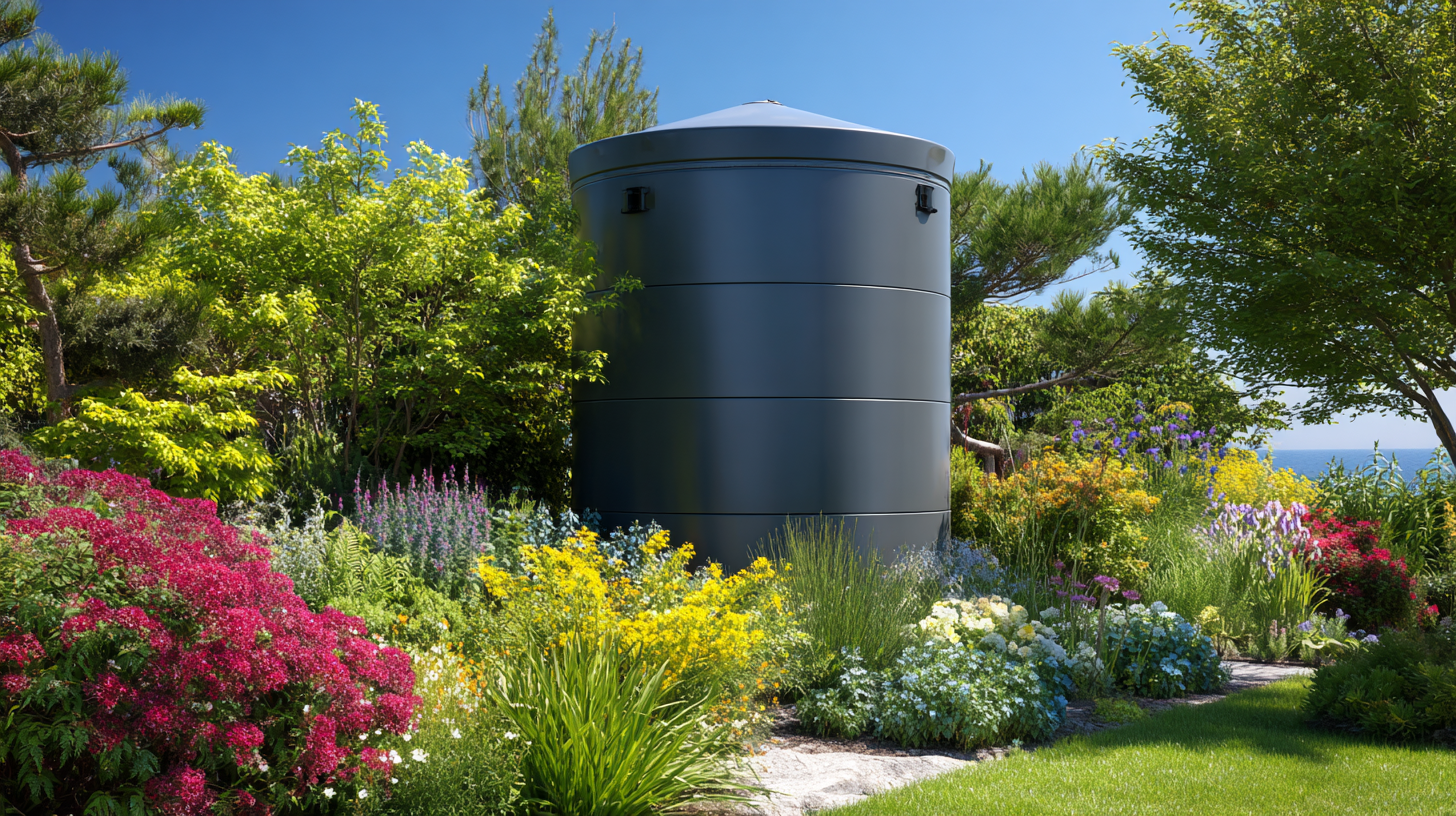
To successfully install your rainwater harvesting system, follow these detailed steps to ensure that every component is configured correctly for optimal performance. The installation process requires careful planning and execution, but with the right guidance, it can be accomplished efficiently.
1. Select the Location: Choose a suitable location for your storage tank that is close to your catchment area. This will minimize the distance water needs to travel, making the system more efficient. Ensure the chosen area is slightly elevated to help with gravity flow when accessing the water.
2. Prepare the Catchment Area: If you are using a roof as your catchment area, clean the surface thoroughly before installation. Remove any debris, leaves, or dust that could contaminate the rainwater. Inspect gutters for damage or clogs, and make necessary repairs to ensure a clear channel for rainwater.
3. Install Gutters and Downspouts: Begin by attaching the gutters along the edges of your roof, ensuring they are sloped slightly toward the downspouts. This slope facilitates the flow of rainwater. Secure the gutters with brackets or hangers at regular intervals. Once the gutters are in place, connect the downspouts, directing them towards the storage tank. Consider using a diverter to control water flow based on your needs.
4. Set Up the Storage Tank: Dig a hole for your above-ground or below-ground storage tank, ensuring it’s level and stable. If you’re installing an underground tank, be mindful of local regulations regarding depth and installation. Place the tank in the hole or position it on a solid, elevated foundation if it’s above ground. Secure the tank in place according to manufacturer instructions.
5. Connect the Filtration System: Attach a first-flush diverter to the downspout before it feeds into the storage tank. This device diverts the initial flow of rainwater, which may contain contaminants, away from the tank. After the diverter, connect a mesh filter to the downspout opening leading into the storage tank to catch debris and large particles. Finally, ensure that the tank has an internal filtration system in place for additional cleanliness.
6. Set Up Piping and Connections: Use the appropriate piping materials (PVC or flexible plumbing pipes) to connect the downspout to the storage tank. Make sure all connections are tightly sealed to prevent any leaks. If your system includes additional outlets for irrigation or household use, install these connections at this stage.
7. Install Accessories: Attach any necessary accessories such as screens at the tank’s inlet to prevent insects from entering. Add an overflow pipe to direct excess water away from the tank, preventing potential flooding or erosion around your property. Make certain that the spigot or tap meant for water access is easily reachable and functional.
8. Test the System: Once your installation is complete, conduct a water flow test by simulating a rainfall scenario. Check for leakage at all connection points and verify that the filtration system operates correctly. Monitor the overflow system to ensure it routes additional water appropriately. This step is crucial to identifying any issues before the rains begin in earnest.
Throughout the installation process, keep safety measures in mind. If climbing on the roof, use proper ladders and take necessary precautions to avoid accidents. It’s also beneficial to have a second person assist you for safety and efficiency.
“A rainwater harvesting system not only provides a sustainable water source but also enhances self-sufficiency, paving the way for resource independence.”
By meticulously following these steps, you will create a functional and effective rainwater harvesting system. This setup can serve as a reliable source of water for various applications, embodying the principle of sustainable water use while contributing positively to your self-sufficiency goals. Regular monitoring and maintenance will ensure its longevity and efficiency, making your investment in a rainwater harvesting system worthwhile.
Maintaining your rainwater harvesting system
To ensure that your rainwater harvesting system operates effectively over time, regular maintenance is essential. This includes tasks such as cleaning, inspections, and repairs to keep every component functioning optimally. Start by checking your gutters and downspouts; removing debris like leaves and dirt will prevent blockages and ensure efficient water flow. Clogged gutters can impede the collection process, causing water to overflow and potentially damage your home’s exterior or landscape.
Next, inspect the filtration system. Depending on your setup, you might have several filters that require attention. First-flush diverters should be checked and cleaned regularly, as they play a critical role in diverting the first dirty runoff away from your storage tank. Mesh strainers and sediment filters also need to be cleaned or replaced periodically to maintain the water quality and ensure that contaminants do not enter your storage tank.
Inspect your storage tank for leaks or signs of wear. Look for cracks, bulges, or any irregularities that could compromise its integrity. For above-ground tanks, it’s crucial to ensure they are still level and stable. If you have a below-ground tank, verify that the area surrounding it hasn’t eroded or shifted significantly. To extend the lifespan of your tank, make sure it is positioned strategically to avoid direct sunlight if it’s a plastic tank, as UV exposure can lead to degradation over time.
Monitoring your water levels is equally important. Install a simple gauge to keep track of how much rainwater you have collected. This not only aids in managing your water usage but can also be a gratifying visual representation of water conservation efforts in your household. If you find that your tank frequently overflows, consider expanding your collection capacity or redirecting excess water to landscaped areas that can benefit from the additional moisture.
Lastly, be proactive about repairs. Any issues should be addressed immediately to prevent larger, more costly repairs down the road. By staying on top of maintenance, your rainwater harvesting system will not only provide you with reliable water supply but will also foster a greater sense of self-sufficiency. This promotes a sustainable lifestyle that leaves a positive impact on both your household and the environment.
- How often should I clean my rainwater harvesting system?
- It’s recommended to clean your gutters and filters at least twice a year, preferably before and after the rainy season. Regular cleaning helps prevent clogs and ensures the optimal flow and quality of collected water.
- Can I drink rainwater directly from my system?
- While rainwater harvesting systems can provide water suitable for irrigation and flushing toilets, drinking rainwater typically requires proper filtration and disinfection to ensure safety. It’s advisable to follow local guidelines regarding potable uses.
- What are the signs of a leaking storage tank?
- Common signs include visible water pooling around the tank’s base, a decrease in water levels without significant usage, and cracks or bulges on the tank surface. Regular inspections can help catch these issues early.
- Do I need a permit to install a rainwater harvesting system?
- Permitting requirements vary by location. Check with your local zoning department or water authority to determine if you need a permit for installation and any specific guidelines you must follow.
- What should I do if my filtration system becomes clogged?
- If you notice a decrease in water flow, check the filters and strainers for blockages. Clean or replace these components as necessary, and regularly inspect them to prevent future clogs.
- Can I use rainwater for landscaping and gardening?
- Absolutely! Rainwater is an excellent resource for watering gardens and landscaping as it is typically free of harmful chemicals found in municipal water supplies. Just be sure to assess your local regulations regarding its use.
- How can I improve the efficiency of my harvesting system?
- Improving efficiency may involve expanding your catchment area by adding larger gutters, installing a larger storage tank, or using high-quality filters to enhance water quality. Regular maintenance is also key to maximizing efficiency.
Common challenges and solutions
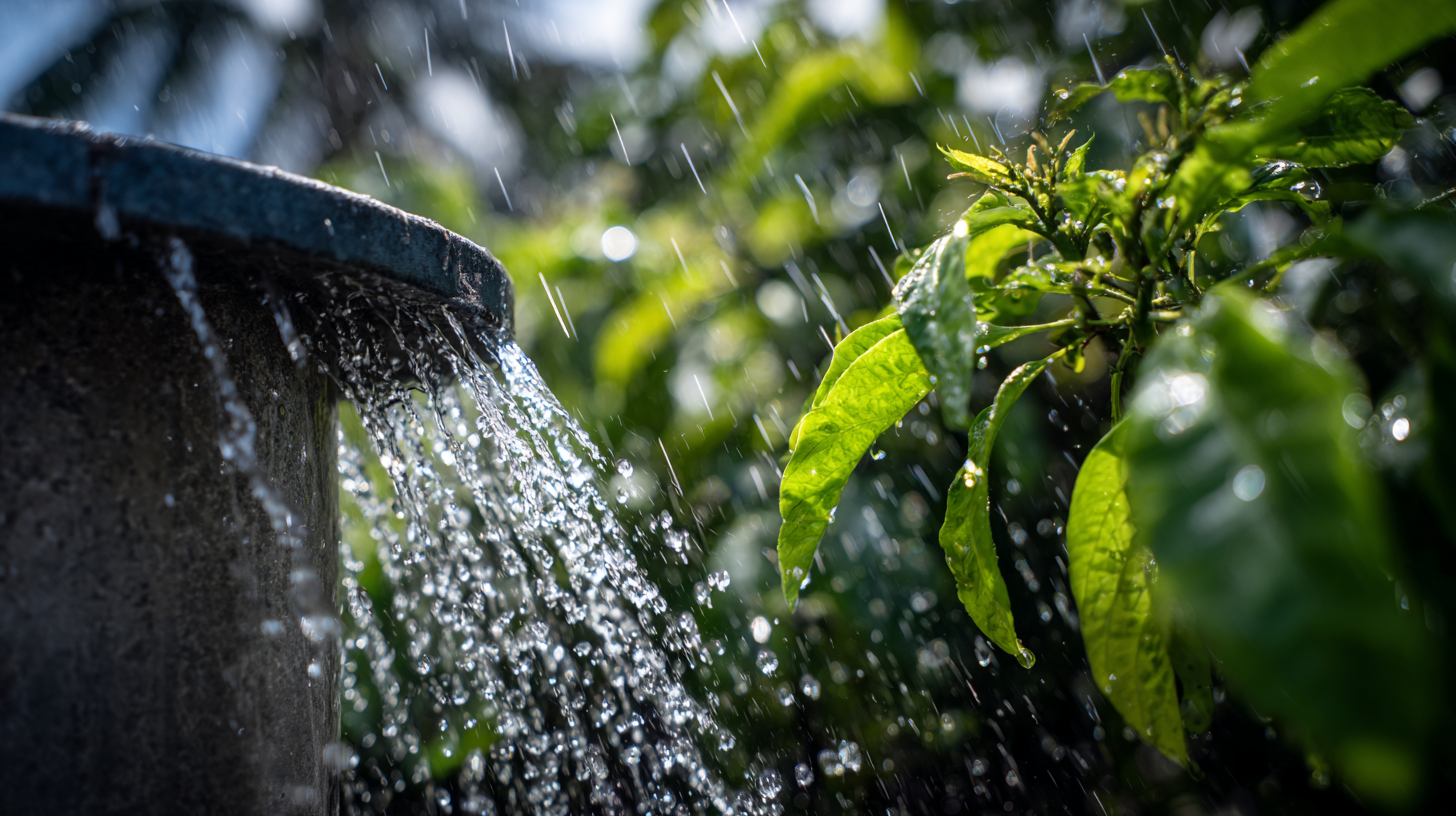
While rainwater harvesting presents numerous advantages, it’s not without its challenges. Understanding these challenges and having strategies to address them can make your self-sufficiency journey smoother and more successful. Here are some common issues you may encounter and practical solutions to overcome them.
Debris Accumulation: One of the most frequent challenges is the accumulation of debris in your gutters and filtration systems. Leaves, twigs, and dirt can block the flow of water and lead to system malfunction. To mitigate this, you can:
- Install gutter screens or guards to prevent debris from entering your system.
- Perform regular inspections and cleanings, especially before and after the rainy season.
- Utilize a first-flush diverter to ensure that the initial dirty runoff, which contains the most debris and contaminants, is not directed into your storage tank.
Water Quality Issues: Another concern for rainwater harvesting systems is maintaining water quality, especially if you plan to use it for household purposes. Contaminants can enter your system from roofing materials or other catchment areas. To avoid this:
- Consider using non-toxic roofing materials that won’t leach harmful substances into the rainwater.
- Ensure your filtration system is effective by regularly checking and replacing filters, and possibly installing multiple levels of filtration.
- Conduct periodic water quality tests to monitor levels of bacteria, pH, and other potential contaminants.
Storage Tank Overflow: In heavy rain conditions, your storage tank might overflow, which can lead to erosion or flooding around your home. To manage this risk effectively:
- Design an overflow management system, like directing excess water to a designated area in your landscape that can absorb the runoff.
- Consider increasing your storage tank size or adding additional tanks if you consistently experience overflow during rainstorms.
- Employ a monitoring system that alerts you when the tank is nearing full, allowing for timely water usage or rerouting.
Pest Issues: Standing water or inefficient drainage can attract pests such as mosquitoes. To tackle this issue:
- Make sure all openings to the tank are screened to prevent insects from entering.
- Regularly monitor water levels and drainage systems to ensure water does not accumulate around the storage tank.
- Consider incorporating natural pest deterrents around your garden and harvesting systems, such as planting lavender or citronella which repel mosquitoes.
Understanding Regulations: Navigating local regulations can be challenging, especially if you’re new to rainwater harvesting. Some areas may have restrictions or specific requirements. To ensure compliance:
- Research local guidelines regarding rainwater harvesting to understand any permits needed.
- Join community groups or forums to connect with local homesteaders sharing their experiences and insights on regulatory compliance.
- Consult with local water authorities or environmental organizations for guidance on best practices and legal frameworks.
By proactively addressing these challenges, you can enhance the efficiency and effectiveness of your rainwater harvesting system. The rewards of a well-functioning system will contribute significantly to your self-sufficiency goals and promote sustainable water management practices in your homesteading journey.