
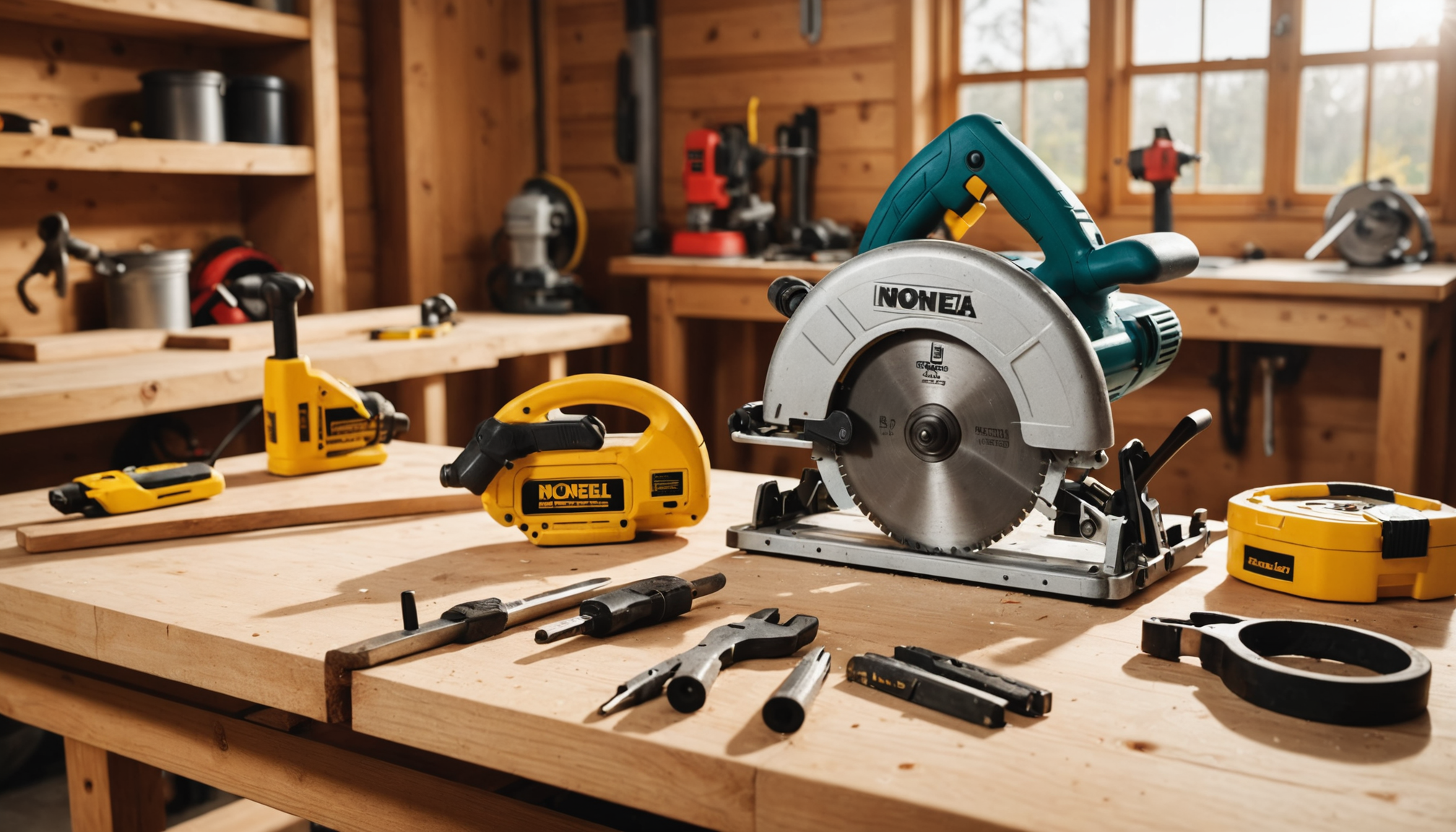
When embarking on your journey into furniture making with pallets, the first and perhaps most crucial step is to choose the right pallets. Not all pallets are created equal; understanding how to select quality pallets will set the foundation for your DIY projects.
Start by inspecting the pallets carefully. Look for the following indicators of quality:
- Condition: Choose pallets that are not broken or warped. Look for ones that have minimal splintering. Keep in mind that weathered pallets may be suitable for rustic designs but ensure they are safe and structurally sound.
- Markings: Familiarize yourself with the codes you might see on pallets. A safe pallet will typically have a heat treatment mark (HT) which indicates it has been treated to kill pests without using harmful chemicals. Avoid pallets marked with MB, as these are treated with toxic methyl bromide.
- Wood Type: Softwoods like pine are common for pallets and are easy to work with. However, if you prefer a sturdier material, hardwood pallets can add durability to your furniture pieces, though they may require more effort to manipulate.
- Source: Always consider where the pallets are coming from. Ideally, source them from businesses that are willing to give them away or sell them cheaply. Avoid pallets from industrial settings, as they may carry contamination risks.
Additionally, think about the purpose of the final product. For instance, if you’re building outdoor furniture, look for pallets that have spent minimal time on the ground and are free from mold or mildew. The aesthetics and functionality of your DIY projects greatly depend on the quality of the materials used.
Lastly, consider your local regulations. Some municipalities have specific rules concerning pallet collection and usage, so be sure to check these before you start your build. By carefully selecting your pallets, you’re not just saving costs but also contributing to your journey towards self-sufficiency while creating unique, functional pieces for your home.
Preparing your workspace
Preparing your workspace is a critical step in the DIY process of creating furniture from pallets. A well-organized and safe environment will significantly enhance your efficiency and creativity while working on your pallet furniture projects. Begin by choosing a suitable location, whether it’s a dedicated workshop, a garage, or a spacious outdoor area. The key is to ensure that you have enough space to move around freely and to accommodate the materials and tools you will be using.
Next, consider the flooring of your workspace. If you’re working indoors, a concrete or wood floor is preferable as it can withstand heavy furniture pieces and is easier to clean. For outdoor spaces, ensure that the area is flat and stable to prevent any accidents or damage to materials. Clear away any clutter that could become an obstruction or hazard while you’re engaged in your furniture making activities.
Ensure that you have proper lighting. Natural light is ideal, but if you’re working in the evening or in a dimly lit area, invest in bright, adjustable work lights to avoid any strain on your eyes and to illuminate details during the assembly process.
It’s also essential to set up your tools and materials in a logical order. Creating a workstation layout will save you time and effort as you won’t have to search for items while trying to focus on your DIY projects. Here are some points to consider:
- Tool Station: Keep power tools such as saws, drills, and sanders in one easily accessible area. Ensure they are in good working condition before starting your project.
- Material Storage: Designate a space for your pallets and other materials. Arrange them in a manner that allows for ease of access; consider stacking pallets horizontally, as it may save space.
- Safety Equipment: Have protective gear, including gloves, safety goggles, and masks readily available. This equipment is crucial for ensuring your safety throughout the project.
Furthermore, setting up a waste disposal area will help maintain a clean workspace. Use bins for sawdust, broken pieces, and other debris that will inevitably accrue. This small step keeps your area organized and reduces the risk of accidents.
For optimal efficiency, here’s a table comparing essential workspace elements:
| Element | Importance | Tips |
|---|---|---|
| Lighting | Prevents strain, improves visibility | Use bright LED lamps or utilize natural light |
| Flooring | Supports heavy equipment, easy to clean | Concrete or treated wood is best |
| Tool Accessibility | Enhances efficiency | Organize by frequency of use |
| Safety Gear | Ensures personal safety | Keep within arm’s reach |
| Waste Disposal | Keeps workspace tidy, reduces hazards | Have designated bins for different materials |
By taking the time to organize your workspace effectively, you not only enhance your productivity but also enjoy a more fulfilling and safer experience in your goal of self-sufficiency through innovative furniture creation.
Tools and materials needed
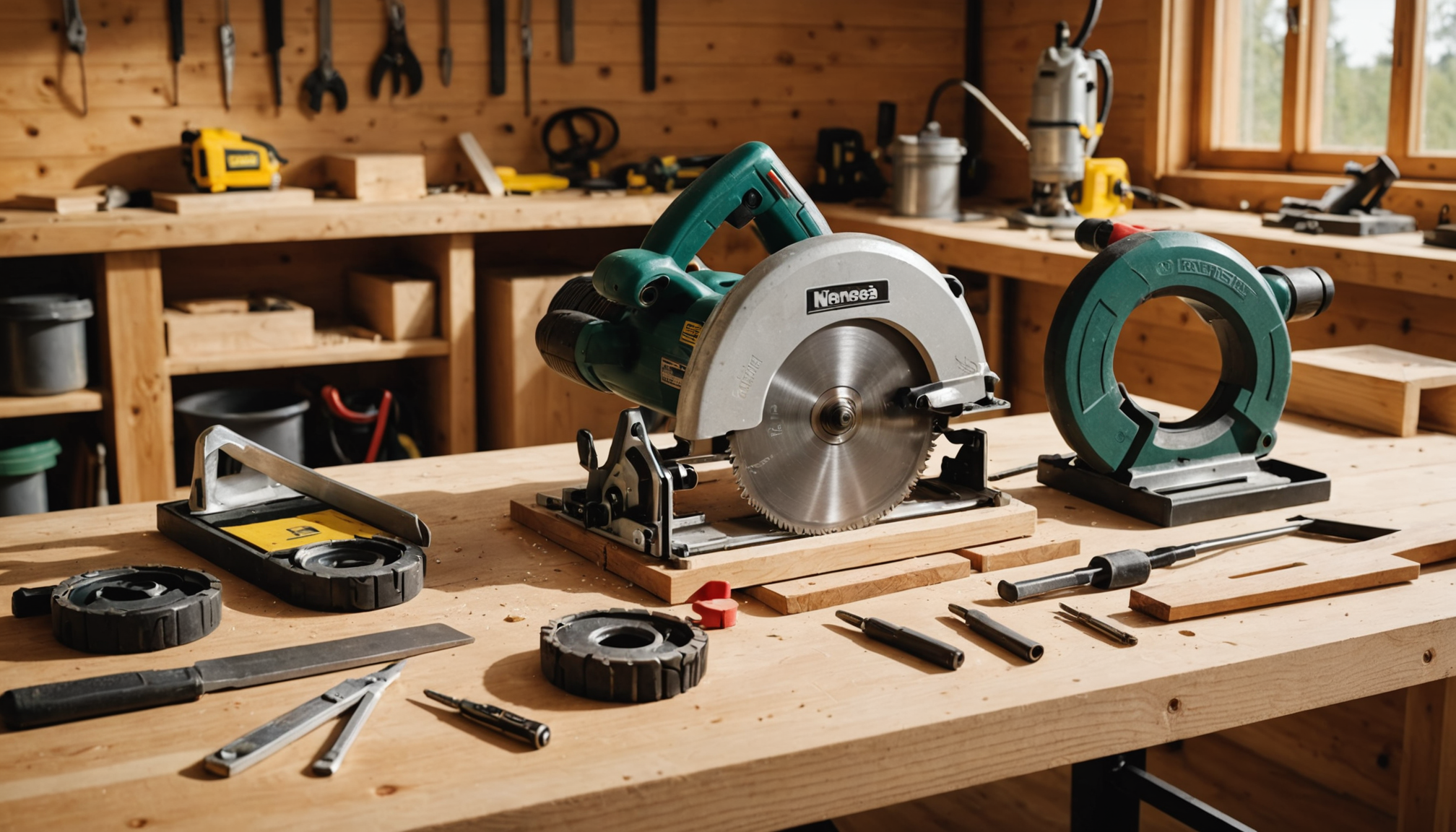
When it comes to transforming pallets into stunning furniture pieces, having the right tools and materials is essential for a successful project. By equipping yourself with appropriate equipment, you ensure that your efforts in furniture making will yield not only aesthetically pleasing but also durable results.
Here’s a list of basic tools you will need, each playing a crucial role in the assembly process:
- Power Saw: A circular saw or jigsaw will help you cut pallet boards to your desired lengths with accuracy. Investing in a quality saw will provide smoother cuts and save time.
- Drill: A corded or cordless drill is indispensable for making pilot holes and driving screws. A drill with adjustable torque settings is ideal for working with different materials.
- Sander: To achieve a smooth finish on your furniture, a power sander—either random orbit or belt—will be much more efficient than hand sanding. It can save you time and effort, especially on larger surfaces.
- Measuring Tools: Accurate measurements are vital in ensuring that pieces fit together correctly. Keep a tape measure and a square handy for precision.
- Safety Equipment: Invest in safety goggles, gloves, and a dust mask. Your safety should always be a priority while engaging in your DIY projects.
In addition to tools, consider the following materials that will enhance your furniture’s design and longevity:
- Screws and Nails: Choose corrosion-resistant screws if you plan on making outdoor furniture. Longer screws will often provide a more secure hold.
- Wood Glue: While screws and nails are essential for assembly, adding wood glue to joints can provide extra strength and stability.
- Stains and Sealants: To protect your furniture from moisture and wear, applying a good quality wood stain followed by a sealant or top coat will not only enhance the visual appeal but extend the life of your pieces.
- Canvas or Cushions: If you are building a bench or seating area, consider adding cushions or sewing simple slipcovers to provide comfort and style.
Before you start collecting these tools and materials, keep an eye out for bargains. Many home improvement stores offer discounts on various tools during special sales or seasonal changeovers. Likewise, check local online marketplaces, garage sales, or secondhand stores for used tools that still have a lot of life left in them.
Lastly, remember to maintain an organized toolkit. Keeping tools in designated areas ensures that you can find what you need when you need it while also promoting safety in your workspace. A well-maintained and organized setup not only supports your DIY projects but enhances the overall experience as you embark on your journey to self-sufficiency through sustainable furniture making.
Design ideas for pallet furniture
When it comes to creating your own furniture from pallets, the design choices are practically limitless, allowing for both functionality and creativity to shine. Start by considering the pieces you need in your home and how you envision them complementing your existing decor. One popular approach is to focus on multi-functional furniture, which adds both practicality and space-saving benefits to your living area. For example, a coffee table with hidden storage can be an excellent way to maximize space while keeping your room organized.
Another exciting option is to design outdoor furniture for your garden or patio. A rustic picnic table made from pallets is not only aesthetically pleasing but also creates a perfect gathering space for family and friends during the warmer months. Incorporating benches with built-in planters can further enhance this outdoor space, bringing both greenery and style into the mix.
If you are looking for a more contemporary look, consider creating sleek shelving units. By stacking and securing pallets against walls, you can construct stylish bookcases or display shelves. This design allows for a unique showcase of your favorite items, from books to plants, adding character to any room. Adding wheels to the bottom of these shelves can also turn them into mobile units, enhancing their functionality.
For those who enjoy a bit of whimsy in their designs, child-friendly furniture can also be crafted from pallets. Think about building a play table or outdoor seating tailored to little ones. These pieces can be painted in bright colors to stimulate creativity and fun. Ensuring that edges are rounded and surfaces are well-sanded will provide safety as well as comfort for children while they engage in their activities.
In another direction, consider upcycling pallets into creative storage solutions. Perhaps a shoe rack or a hanging storage unit can be crafted to keep your space neat. Using vertical designs can aid in conserving floor space while creating visually interesting arrangements. Each item can be tailored to fit your style—staining the wood, adding hooks, or painting sections of the pallets to align with your décor theme allows you to personalize these pieces.
“The beauty of DIY projects lies in their ability to reflect personal style while promoting self-sufficiency.”
Finally, lighting fixtures made from pallets can elevate the aesthetic of any space. A pallet wood chandelier or lamp stand can be crafted for an industrial touch, creating beautiful focal points in your home. Incorporating lighting is not only functional but also adds an artistic element to your pallet furniture creations.
Creativity knows no bounds when working with pallets. As you brainstorm ideas, remember that the most important aspect is to enjoy the process of creating furniture that reflects your style and meets your needs, contributing to your overall journey in furniture making and self-sufficiency.
Step-by-step assembly process
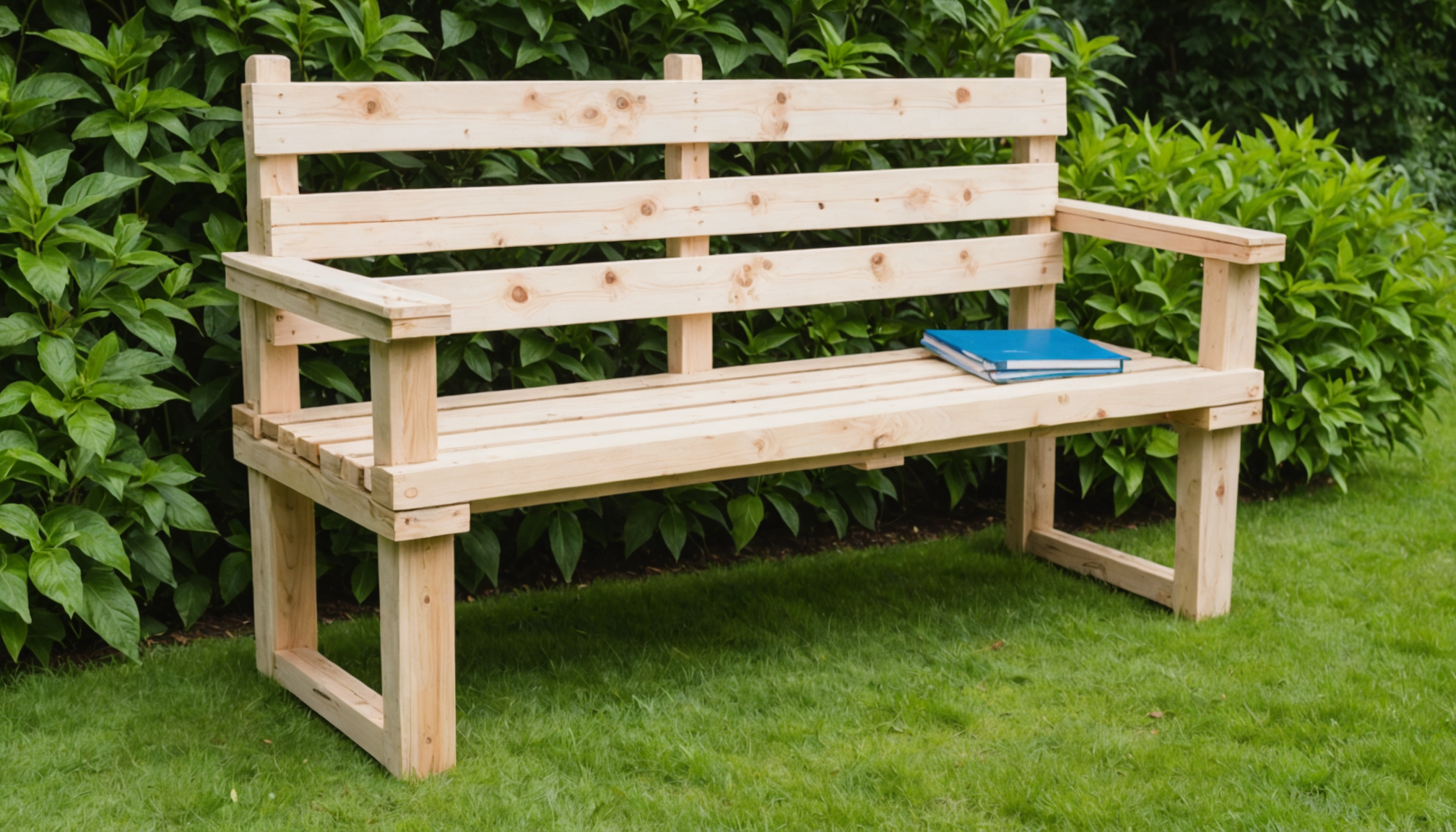
To begin the assembly process, ensure that you have all your materials and tools ready. Start by laying out your pallets in an organized manner based on your design plan. If you’ve opted for an outdoor bench, for instance, you’ll want to select the pallets that will form the seat and the base structure. It’s vital to formulate a sequence for each step, as this will streamline your efforts and maintain focus throughout the project.
Next, prepare the pallets by cleaning them and ensuring they are free from any contaminants or rough edges. Sand down any splintered areas, as this will not only enhance the furniture’s appearance but also ensure safety and comfort in the final product. After sanding, apply a wood conditioner if you plan to stain or paint the furniture, as this can help achieve a more uniform finish.
Once your pallets are prepared, it’s time to start the assembly. For a basic bench, begin by attaching the pallets that will serve as the top surface to the side support pallets. Using wood screws, drill through the top pallets into the side supports, ensuring that your connection points are secure. It’s recommended to pre-drill the holes to prevent the wood from splitting.
For added stability, consider using corner brackets at the joints. This step is particularly important if you plan on placing considerable weight on the furniture. Continue to assemble by working your way down, building the structure layer by layer. Be attentive to the alignment; using a square tool will help maintain the proper angles and ensure a neat finish.
As you move towards completing the assembly, don’t forget to test the sturdiness of your furniture piece as it takes shape. Be sure to tighten any screws and recheck connections before proceeding to the next layer or component. If desired, add additional features like armrests or storage compartments according to your design. These not only enhance functionality but also personalize your furniture uniquely.
Finally, after finishing the primary assembly, go over your creation again with a sander or sandpaper to eliminate any rough patches, focusing on edges that might be exposed. This attention to detail ensures a polished final look. Now, if you opt for cushions or upholstery, measure and cut fabric accordingly to fit your new furniture, providing a comfortable and stylish accent to your DIY project.
Embarking on the assembly process arms you with the necessary insights to not only create furniture but to foster a deep connection with the craft of furniture making. Each step represents not merely a task but an opportunity to explore your creativity while enhancing self-sufficiency.
- What types of pallets are best for building furniture?
- It’s best to use heat-treated pallets (marked HT) as they are safer and free from harmful chemicals. Additionally, select ones that are sturdy and in good condition, avoiding those with significant wear or damage.
- How can I ensure my pallet furniture is stable?
- Make sure to use strong screws for assembly and consider adding corner brackets for extra support. Pre-drilling holes will help prevent the wood from splitting, increasing the stability of your furniture.
- Do I need special tools to work with pallets?
- A basic toolkit will suffice, including a power saw, drill, and sander. Additionally, measuring tools and safety equipment, such as goggles and gloves, are essential for ensuring safe and precise cutting and assembly.
- Can I use pallets for outdoor furniture?
- Yes, pallets can be used for outdoor furniture, but it’s important to select pallets that are in good condition and have minimal exposure to moisture. Treating the wood with sealants or stains will protect against weather-related damage.
- What’s the best way to finish my pallet furniture?
- Finish your pallet furniture by sanding all surfaces smooth, then apply your choice of wood stain and sealant. This will enhance the appearance and protect the wood from wear and environmental elements.
- Are there safety concerns I should be aware of when working with pallets?
- Yes, always check pallets for any contaminants and avoid those that are chemically treated, like those marked with MB. Also, be sure to use safety gear, including gloves and goggles, to protect yourself while assembling.
- How can I personalize my pallet furniture?
- You can personalize your pallet furniture through various finishes, upholstery choices, and by adding decorative elements like paint or stencils. Incorporate cushions or creative designs that reflect your personal style to make each piece uniquely yours.
Finishing touches and maintenance
After completing your furniture assembly, the finishing touches bring your vision to life and enhance the durability and appeal of your creations. Start by inspecting every surface for rough edges and splinters. It’s important to sand down any areas that may pose a risk of injury, ensuring a smooth finish that feels comfortable to touch and use. A power sander can expedite this process significantly, so consider investing in one if you plan to take on multiple DIY projects.
Once your surfaces are satisfactorily smooth, it’s time to apply a protective finish. Depending on your aesthetic preference, you may choose either paint or stain. If you opt for a stain, select a high-quality wood conditioner first. This helps the wood absorb the stain more evenly, resulting in a more consistent color. Remember that lighter stains can enhance the natural beauty of the wood grain, while darker shades offer a dramatic, contemporary look. Always test your stain on a small inconspicuous area of the pallet before committing to the entire piece, as different woods can absorb color differently.
For outdoor furniture, finishing products that provide waterproofing will protect your creations from the elements. Look for an exterior-grade sealant or varnish that can withstand moisture, sunlight, and temperature changes. When applying these finishes, ensure that you follow the manufacturer’s instructions for application and drying times to achieve the best results. It’s often recommended to apply multiple coats for optimal protection.
Here are some key steps for applying finishes:
- Preparation: Ensure the furniture is clean and dust-free. A well-prepared surface is crucial for the adherence of the finish.
- Application: Use a good-quality brush or sprayer to apply the stain or sealant evenly. Avoid over-saturating the wood, as this can lead to drips and uneven finishes.
- Drying: Allow for adequate drying time between coats, as specified by the product instructions. Depending on your environment, this could range from a few hours to a full day.
In addition to aesthetics, maintaining your pallet furniture is essential to ensure longevity, especially if exposed to the outdoors. Regularly inspect your pieces for signs of wear or water damage. If you notice peeling or fading on treated surfaces, don’t hesitate to reapply a fresh coat of sealant or paint.
It’s also worthwhile to consider the natural expansion and contraction of wood due to changes in humidity. Ensuring that furniture is appropriately situated and not placed in direct contact with the ground can mitigate moisture issues. Placing furniture on pads or using coasters for indoor setups can protect surfaces from scratches and stains.
When it comes to cleaning your furniture, utilize mild soap and warm water for maintenance, steering clear of harsh chemicals that could damage the finish. For outdoor pieces, a power washer can be a great tool for rejuvenating the original look, but beware not to use too much pressure that might loosen joints and splinter the wood.
Your attention to finishing touches and maintenance not only reflects your craftsmanship but also enhances the sustainability of your furniture making efforts, allowing you to enjoy the fruits of your labor for years to come.