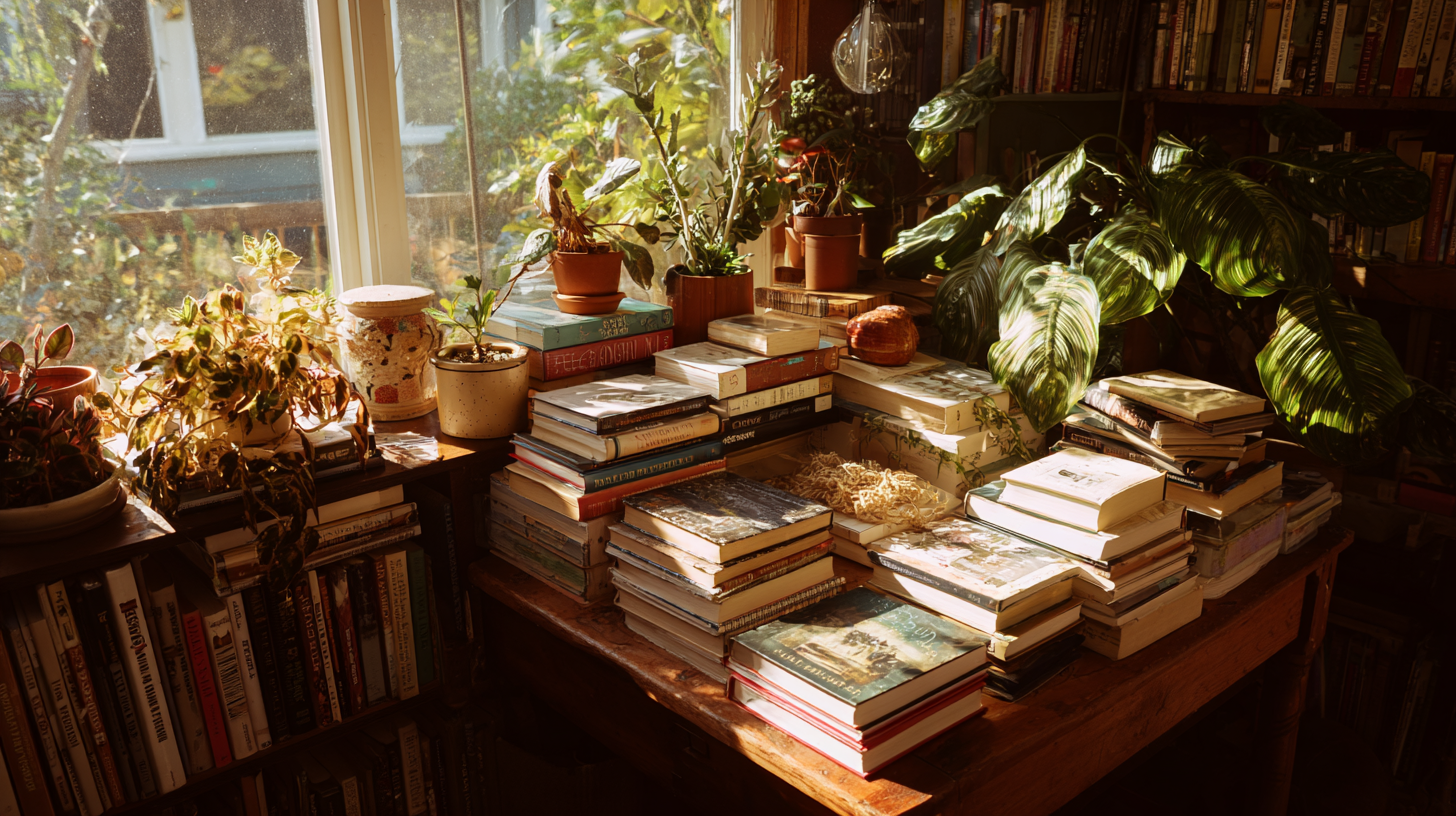
Establishing a personal library is a vital step for anyone aspiring to achieve greater self-sufficiency in their homesteading journey. A well-curated library offers not only practical information but also inspiration that helps you develop a deeper understanding of sustainable living. When you think about homesteading, it encompasses a variety of skills—from gardening and food preservation to animal husbandry and foraging. Thus, the purpose of your personal library is to serve as a comprehensive resource hub that supports your learning in these diverse areas.
As you build your collection, focus on acquiring books and materials that cover crucial facets of self-sufficiency. Consider the following categories for your library:
- Gardening and Permaculture: Look for titles that teach planting techniques, seasonal gardening, and soil management. Books by authors like Bill Mollison and Masanobu Fukuoka can provide significant insights.
- Food Preservation: Incorporate resources that discuss various methods such as canning, fermenting, and dehydrating. “The Complete Book of Home Canning” is a great starter.
- Animal Husbandry: Resources on raising chickens, goats, or bees can be indispensable. “Storey’s Guide to Raising Chickens” is a classic.
- Natural Remedies: Books on herbalism and natural health can empower you to use plants for wellness. Consider “The Herbal Medicine-Maker’s Handbook” by James Green.
- DIY Skills: Manuals that cover woodworking, building techniques, or blacksmithing can prove beneficial in creating a homestead from scratch or improving existing structures.
In addition to physical books, consider adding magazines that focus on sustainable living, such as Mother Earth News and Heirloom Gardener, which offer timely articles and practical advice. The idea is to create a diverse and engaging collection that encourages reading and exploration in all aspects of homesteading.
One of the key advantages of having a personal library is that it provides you with the opportunity to engage with the material at your own pace. This self-directed learning approach allows for practical application of principles in real-life situations. Thus, fostering a culture of reading within your household can be incredibly beneficial. Encourage family members to explore different topics, share insights, and discuss what they learn, thereby creating a rich learning environment.
As you create your personal library, consider your learning preferences and how you best absorb information. Whether you prefer hands-on experience through gardening or studying from books, a mix of both can yield the best results. A personal library is more than a collection of books; it serves as a pathway to achieving self-sufficiency and connecting with the nature around you.
Identifying Essential Resources

When identifying essential resources for your personal library, it is vital to select materials that not only align with your interests but also cover a comprehensive range of topics pertinent to self-sufficiency. This involves evaluating various types of resources, including books, periodicals, and manuals that can provide both practical skills and theoretical knowledge. The ideal collection should foster a holistic understanding of homesteading practices.
Consider the following factors when assessing resources for your library:
- Reputation of Authors: Prioritize books authored by credible practitioners and experts in the field. The insights gained from their experiences can offer invaluable guidance. For instance, books by Rosemary Gladstar on herbal remedies or Gaia’s Garden by Tooby & De Angela on permaculture are excellent choices.
- Practical Application: Look for resources that not only present theoretical information but also contain practical exercises, step-by-step guides, or case studies that you can apply in real-life situations.
- Inclusivity of Diverse Topics: Ensure your library encompasses a wide array of subjects relevant to homesteading. This broad approach encourages a well-rounded skill set that prepares you for unexpected challenges.
- Visuals and Illustrations: References that include diagrams, illustrations, or photographs can enhance comprehension and make complex ideas more accessible. Visual aids can be particularly helpful in gardening or crafting manuals.
To illustrate the diversity of resources you might consider, the following table compares different categories along with specific examples, guiding you in selecting the most beneficial materials for your library:
| Category | Recommended Titles | Author/Publisher |
|---|---|---|
| Gardening and Permaculture | The Organic Gardener’s Handbook of Techniques | Ann Whitman |
| Food Preservation | The Ball Complete Book of Home Preserving | Ball Home Canning |
| Animal Husbandry | Storey’s Guide to Raising Chickens | Editors of Storey Publishing |
| Natural Remedies | The Herbal Medicine-Maker’s Handbook | James Green |
| DIY Skills | The Complete Manual of Woodworking | Albert Jackson, David Day |
In addition to traditional books, explore digital resources and online courses that offer contemporary insights and modern methodologies in homesteading. Websites dedicated to sustainable living often provide webinars and instructional videos that can complement your reading. Moreover, participating in online forums or social media groups can enhance your learning experience by allowing you to interact with others who share your passion for self-sufficiency.
Curating your personal library should also include a mix of classic texts and current literature. Classics offer foundational knowledge and established practices, while newer publications can provide insights into recent trends, innovations, and challenges in homesteading. A diverse selection not only enriches your learning experience but also keeps you engaged and motivated to explore new methods and ideas.
Organizing Your Collection
To create an effective and inspiring personal library, start by developing a systematic approach to organizing the materials you have chosen. An organized collection will not only make it easy for you to find information when you need it, but it can also enhance your overall reading experience.
Begin by categorizing your resources based on subject matter. This method ensures that similar topics are grouped together, allowing for more intuitive access. For instance, you might create the following categories:
- Gardening: Books about different planting techniques, seasonal crops, and pest management.
- Food Preservation: Guides on canning, fermenting, and preserving through dehydration.
- Anatomy of Animal Care: Manuals on the best practices for raising livestock and poultry.
- Naturals and Remedies: Resources centered around herbalism and natural health approaches.
- DIY Projects: Crafting and building resources that help you develop practical homesteading skills.
Next, consider organizing your collection further by the type of resource. For example, you can separate books from periodicals and manuals. This way, it’s easier to locate quick information in manuals or to find in-depth guides for when you have time to read. Some people even assign color-coded labels to different categories, which visually simplifies locating resources.
Utilizing a physical space for your library is equally important. Designate a specific shelving unit, bookcase, or area in your home as your personal library. Ensure that this space is comfortable and inviting, possibly incorporating a cozy chair or good lighting, to encourage lengthy reading sessions. Maintaining a tidy space can inspire regular visits to your library. Consider using decorative baskets or magazine holders to keep loose articles and pamphlets organized.
For digital resources, create an organized digital library as well. Use folders to categorize eBooks, PDFs, and online articles, much like you would with physical books. Provide clear labeling to ensure you can navigate through them easily. Text document apps like Notion or Google Drive offer excellent templates for building digital collections, and they typically back up your files, securing them from loss.
Once you have your personal library nicely organized, document a simple catalog of resources. You can note important details such as the author, publication year, and key topics covered in each item. This record can be as straightforward or elaborate as you prefer. It may even help if you occasionally jot down notes on how each book has impacted your homesteading journey. Not only does this reinforce your learning, but it can also guide future readers on what to expect from each resource.
As you continue to enrich your collection, regularly review and assess your library. Dedicate time every few months to evaluate whether the resources you have are still relevant to your homesteading objectives. Remove outdated or redundant materials and, when possible, replace them with updated editions or new discoveries that resonate with your journey toward self-sufficiency.
Incorporating user reviews or personal reflections can also enhance your library experience. Books can come alive when you leave your thoughts beside them; it fosters a connection and encourages deeper contemplation of the material. Consider creating a small notebook that resides on the shelf with each category to capture your insights and observations over time.
Maintaining and Curating Your Library
 To ensure that your personal library remains a valuable resource, it is essential to engage in regular maintenance and curation. This commitment not only safeguards your collection but also enhances its relevance to your evolving journey of self-sufficiency. Begin by setting aside time on a consistent basis to assess the books, manuals, and other materials within your library. This can be a quarterly or biannual practice, depending on your schedule and collection size.
During this review process, assess the physical state of your resources. Look for signs of wear and tear, such as fraying pages, yellowing paper, or damaged bindings. If a book is still relevant but in poor condition, consider repairing it or, if necessary, replacing it with a new copy. Your library should be a space that invites reading and exploration, so maintaining a tidy collection is paramount.
In addition to physical upkeep, reflect on the content of your library. As your understanding of homesteading deepens, some materials may become obsolete or less useful. Removing outdated or unused items allows you to make room for new resources that can better support your current interests and goals. This process can also spark joy as you rediscover favorites and identify new treasures worth exploring.
Utilizing a curation approach can further refine your personal library. This means selectively choosing the materials that resonate most with your journey and aligning them with your goals. You might categorize your resources not just by subject but also by their relevance to different stages of your learning process. For instance, some books may serve as introductory overviews while others could offer advanced techniques. By doing this, you can create a collection that evolves alongside your knowledge and confidence in self-sufficient practices.
Engaging with your collection goes beyond merely reading; it involves reflecting on how the information applies to your practical experiences. After reading a book, take a moment to jot down notes regarding what you learned and how you might implement those ideas in your own life. This practice not only reinforces the knowledge but also helps in curating your library by guiding you toward removing resources that do not engage or inspire you.
Incorporate the feedback you receive from other readers as well. Share insights with friends or family members who might be interested, and encourage lively discussions about the material. Outside perspectives can illuminate aspects of your library that may have been overlooked and help you discover new resources that align with communal interests in homesteading.
“A library is not a luxury, but one of the necessities of life.” – Henry Ward Beecher
Consider integrating technology into your curation process. There are many apps and platforms available that can help you manage your collection digitally. You can use cataloging services that allow you to input books by scanning the ISBN or manually entering their details, including summaries and personal notes. This can be particularly helpful for those who have expansive collections or may wish to share resources within a wider community.
Lastly, remember that a personal library is a living entity. As your interests evolve, so too should your collection. Maintain a balance between classic, foundational texts and contemporary resources that offer cutting-edge insights into homesteading. This fluidity not only keeps your library dynamic but also fosters an environment conducive to lifelong learning and growth in self-sufficiency.
With steady maintenance and thoughtful curation, your library will serve as an invaluable tool, inspiring and informing your journey for years to come.
Incorporating Technology and Digital Resources
In today’s fast-paced world, integrating technology into your personal library can transform how you access, use, and share valuable information. Digital resources, such as eBooks, online databases, and instructional videos, enhance your traditional library by providing immediate access to a vast range of materials. Consider enrolling in online courses or subscribing to digital platforms that offer flexible learning opportunities tailored to your interests in self-sufficiency, whether it’s through guided tutorials or interactive community discussions.
Utilizing apps designed for book cataloging can aid in managing your collection efficiently. These tools can help you track what you own, create wish lists for future purchases, and even allow you to easily share your library with friends and fellow homesteaders. Additionally, bookmarking websites or using note-taking applications empowers you to curate a digital library of articles, resources, and videos that inspire your journey. Think about the efficiency of having a repository of helpful lecture notes, gardening videos, or recipes that complement your physical books.
Social media platforms also play an essential role in expanding your learning network. Join online groups focused on homesteading, gardening, and other self-sufficiency topics where members share insights, recommend books, and discuss innovative techniques. Participating in these communities can expose you to different perspectives and practical experiences, fueling your passion for reading and knowledge exploration while enhancing the richness of your personal library.
Moreover, blog subscriptions from trusted authors or practitioners provide timely and relevant updates about current trends in sustainable living. Regularly engaging with these digital platforms keeps your understanding fresh and encourages you to reflect on how the information aligns with your practices. Digital tools and resources are not just supplements to your physical collection but vital components for a modern, well-rounded personal library that motivates and inspires your self-sufficiency journey.
- What types of digital resources should I include in my personal library?
- Consider adding eBooks, online courses, instructional videos, and articles related to homesteading topics. These resources can provide contemporary insights that complement your physical books.
- How can technology help in organizing my library?
- Utilizing cataloging apps can assist with tracking your collection, creating wish lists, and sharing your library with others. These tools make it easy to manage extensive collections effectively.
- Are there any online communities for homesteaders?
- Yes, many social media platforms have groups dedicated to homesteading and self-sufficiency where members can share resources, ask questions, and discuss their experiences. Engaging in these forums can enhance your learning and network.
- How often should I update my digital and physical collections?
- Regularly reviewing your collection helps keep it fresh and relevant. Consider assessing your library every few months to ensure that you’re incorporating new resources while removing outdated materials.
- Are there specific platforms for accessing agricultural or self-sufficiency courses?
- Platforms like Coursera, Udemy, or local extension offices often offer online courses focused on homesteading skills. These can range from gardening techniques to food preservation methods.
- What is the benefit of integrating technology into my library?
- Technology enhances accessibility, allows for efficient organization, and enables instant updates on the latest practices. It fosters a culture of continuous learning, keeping you engaged and informed.
- Can I use podcast content as a resource in my personal library?
- Absolutely! Podcasts featuring discussions on homesteading, self-sufficiency, and sustainable practices can provide valuable knowledge and inspiration as part of your diverse learning experience.
Enhancing Your Library Experience

Creating a well-rounded personal library goes beyond mere accumulation of books; it’s about enriching your reading experience to foster deeper learning and engagement with the material. To truly enhance your library experience, consider transforming your reading space into a sanctuary that inspires creativity and curiosity. A comfortable reading nook—complete with soft lighting, a cozy chair, and perhaps even a blanket—can invite you to dive into the pages for extended periods.
Additionally, make use of creative tools like bullet journals or reading logs to track your reading journey. These logs can help you note insights, quote passages that resonate with you, and reflect on how the information aligns with your personal homesteading goals. For example, if you’ve read about companion planting in your gardening books, jot down how you plan to implement those ideas in your garden this season.
Consider organizing regular reading sessions or book discussions with family or friends interested in homesteading. These gatherings not only foster community and support but also expose you to different perspectives and interpretations of the same material. You might find that discussing a book on food preservation opens the door to new ideas, such as experimenting with fermentation techniques that you hadn’t considered before.
Engaging creatively with your library can also involve hands-on projects inspired by what you read. For instance, after diving into a book on herbal medicine, gather materials from your garden or local sourcing to create your own herbal tinctures or teas. This proactive approach not only solidifies your understanding of the material but also enhances your journey toward self-sufficiency.
Explore incorporating multimedia resources into your library experience. Audiobooks or podcasts can offer a different dimension to your learning process. Picture listening to a podcast episode while you’re working in the garden—a perfect way to multitask and absorb information simultaneously. Alternatively, if you have a long commute or enjoy crafting, these auditory resources can marry your hobbies and your thirst for knowledge seamlessly.
Furthermore, exploring themed reading challenges can spark excitement and engagement. Commit to reading a certain number of books on specific topics each month, such as permaculture practices or heirloom gardening. This approach helps to structure your reading and encourages you to explore areas of homesteading that you might not have otherwise tackled, pushing the boundaries of your knowledge and skills.
Make a habit of sharing your insights—whether through blog posts, social media, or conversations with fellow homesteaders. Articulating what you’ve learned can reinforce your understanding while bolstering a sense of community. Additionally, your personal library might inspire others to explore self-sufficiency, effectively creating a ripple of knowledge that extends beyond your immediate circle.
Lastly, integrate visual elements such as charts or infographics related to your readings. If you come across a particularly complex concept in a book about gardening or soil health, create a visual representation of the information. This not only helps solidify the knowledge for yourself but can also serve as a useful reference for others who may benefit from your creativity.
By taking these immersive approaches to enhance your personal library experience, you’ll cultivate a richer, more engaged relationship with your resources, ultimately supporting your growth in self-sufficiency and sustainable living practices.