
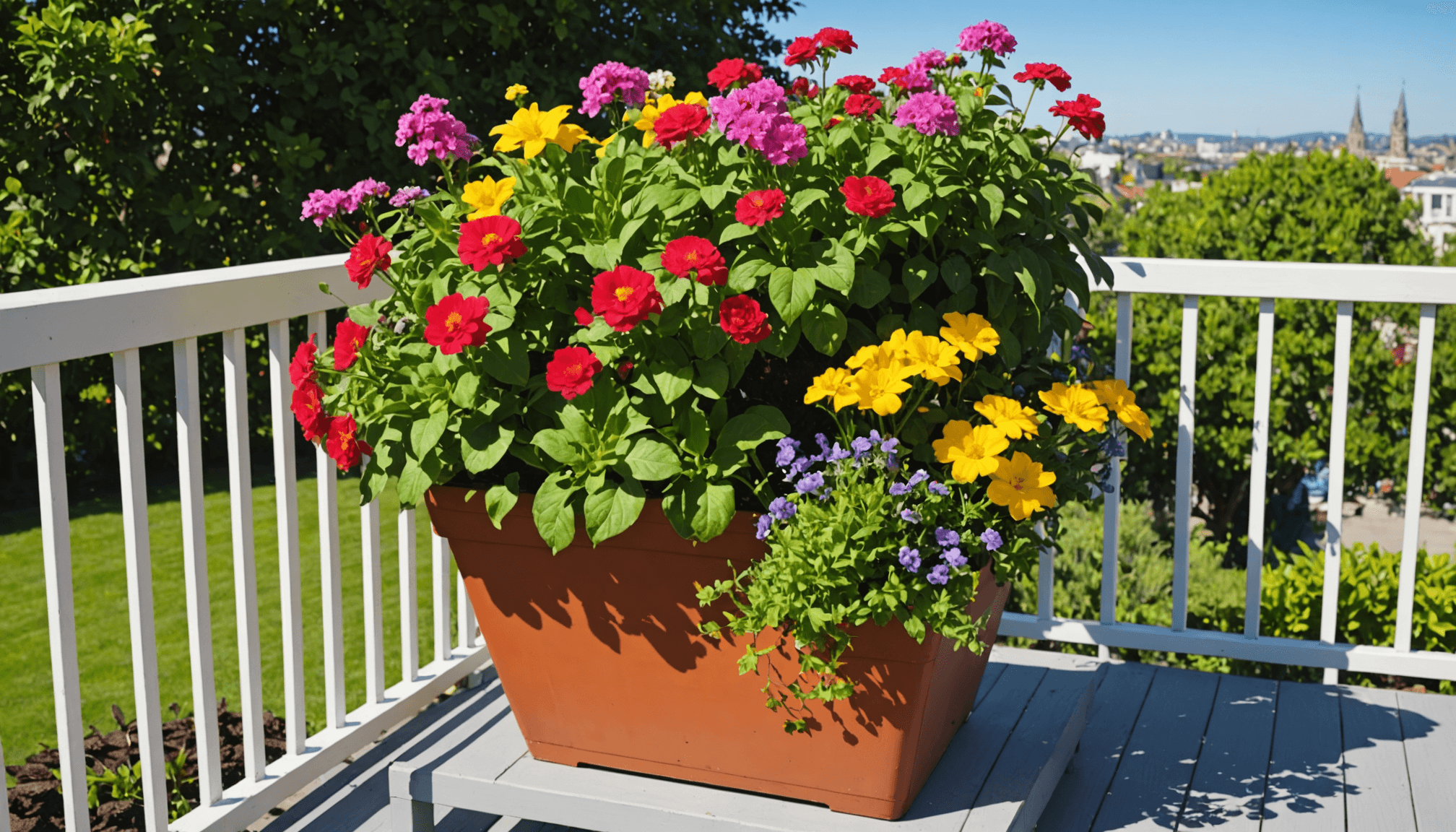
Container gardening is an exciting and rewarding way to bring a bit of nature into your home, especially for those living in urban areas or limited spaces. At its core, this practice allows you to grow plants in pots or other containers, making it perfect for balconies, patios, or even indoor spaces. One of the primary advantages is that you have control over the soil, water, and light your plants receive, allowing for a tailored gardening experience.
When starting with container gardening, the first step is to understand that your plants will rely heavily on you for their needs. Here are a few key fundamentals to get you on the right track:
- Container Selection: Choose containers that fit your space and style. Options can range from ceramic pots to repurposed buckets. Ensure they have drainage holes to prevent waterlogging.
- Plant Selection: Opt for plants that thrive in smaller spaces. Herbs, lettuces, and dwarf varieties of vegetables are excellent choices. For a pop of color, consider flowers like petunias or geraniums.
- Watering Wisely: Plants in containers typically dry out faster than those in the ground. Check the moisture level regularly by feeling the soil about an inch down. If it’s dry, it’s time to water!
- Light Requirements: Understand the sunlight needs of your selected plants. Some may require full sun, while others thrive in partial shade. Position your containers accordingly.
- Fertilization: Since nutrients can wash out of the soil during watering, consider applying a balanced, slow-release fertilizer to support plant growth. Follow the instructions carefully to avoid over-fertilizing.
Remember to keep an eye on your plants’ growth and adjust care as needed. As they flourish, you might even find joy in observing the rhythm of their growth cycle and diversifying your plant choices. Container gardening is about exploration and creativity—experiment to discover what works best for you!
Choosing the right containers
Choosing the right containers is a fundamental aspect of successful container gardening. The selection of containers goes beyond mere aesthetics; it involves understanding the needs of the plants you wish to grow and the environment in which they’ll thrive. Different materials, shapes, and sizes of containers can significantly affect plant health, water retention, and growth.
When selecting containers, consider the following factors:
- Material: Common materials for containers include terracotta, plastic, wood, and metal. Each has its own benefits and drawbacks:
| Material | Advantages | Disadvantages |
|---|---|---|
| Terracotta | Breathable, attractive, good for moisture management | Heavy, can crack in extreme weather, absorbs moisture |
| Plastic | Lightweight, durable, available in various colors and styles | Less breathable, can degrade under UV light |
| Wood | Natural look, retains moisture well | May rot over time, requires treatment to prevent decay |
| Metal | Durable, modern appearance | Can heat up quickly and retain heat, may require drainage holes |
- Size: Ensure your containers are appropriately sized for the plants you choose. Larger containers will hold more soil, which helps retain moisture and nutrients. Smaller containers may be suitable for herbs, but larger plants, like tomatoes or small shrubs, will need more room to grow.
- Shape: The shape of your container can impact the growth of your plants. Deep pots are ideal for root vegetables, while wider pots may encourage bushier plants. Consider using a variety of shapes to add visual interest to your garden space.
- Drainage: Proper drainage is crucial for preventing root rot. Ensure your containers have sufficient drainage holes. If you’re using a container without holes, consider adding a layer of gravel or rocks at the bottom to facilitate water flow.
- Color: Choose colors that complement your space but also consider their impact on plant health. Dark-colored pots can absorb heat, potentially increasing soil temperature, which may be beneficial in cooler climates but detrimental in hot areas. Light-colored pots reflect sunlight, keeping soil cooler.
Ultimately, the right container will enhance not only the growth of your plants but also the overall aesthetics of your gardening space. Don’t shy away from experimenting with different types and styles to discover what works best for your specific environment and plant selections. A well-chosen container can become a beautiful focal point while providing the necessary conditions for your plants to flourish.
Soil and drainage solutions
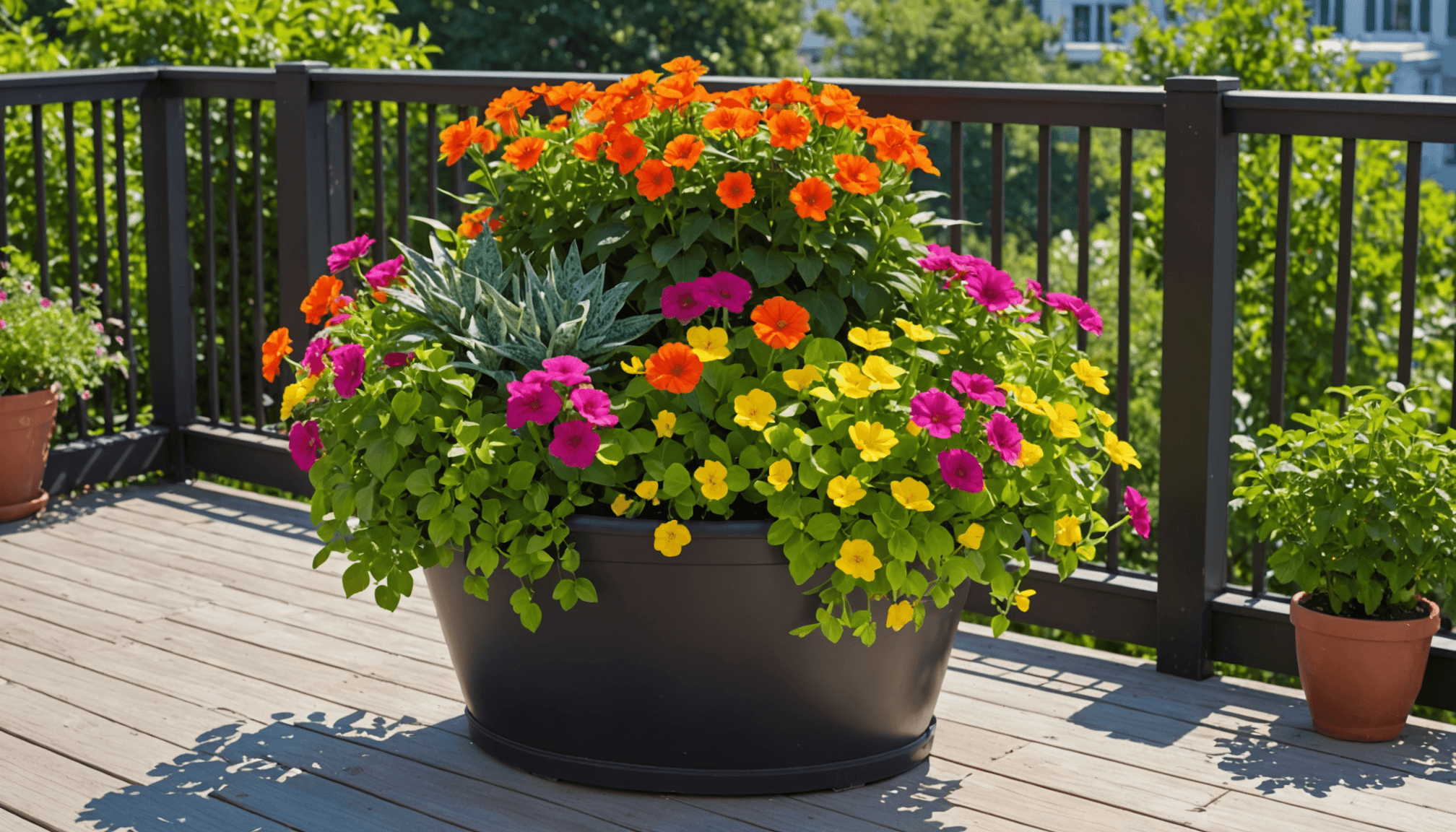
Soil quality is crucial for successful container gardening, as it influences plant health, growth, and productivity. Unlike plants in garden beds, container plants are entirely dependent on the soil you provide. Therefore, understanding the best soil and drainage solutions is essential.
To create the ideal growing environment, consider the following tips:
- Choose Quality Potting Mix: Avoid using garden soil in your containers. Instead, opt for high-quality potting mix, as it is specifically formulated for container gardening. Potting mixes generally contain a blend of ingredients like peat moss, vermiculite, and perlite, which enhance aeration and drainage.
- Check for Fertility: Ensure the potting mix is fortified with nutrients. Many mixes are pre-fertilized, but it’s worth checking the label for compatibility with your chosen plants. If you need to enrich your soil further, consider adding organic fertilizers like worm castings or compost.
- Maintain Drainage: Proper drainage is essential to prevent waterlogged soil and root rot. To enhance drainage, you can mix in materials like perlite or sand into your potting mix. Also, ensure that your containers have adequate drainage holes. If you opt for containers without drainage holes, be cautious with watering to avoid oversaturation.
- Layering Technique: For larger containers, consider a layering technique to improve drainage efficiency. Start with a layer of small stones or broken pottery at the bottom, then add landscape fabric to keep the soil from washing out before filling it with potting mix.
- Soil Refreshment: Container soil can degrade over time, losing nutrients and structure. At the end of each growing season, consider refreshing your soil by replacing the top couple of inches with fresh potting mix and mixing it gently into the old soil.
Additionally, be observant of how your plants respond to the soil conditions. Signs such as yellowing leaves or stunted growth may indicate that your soil lacks nutrients or is too compacted. When this happens, gently aerate the soil with a fork to improve oxygen flow, or consider repotting with fresh soil mix.
With the right soil and drainage solutions in place, your container garden will be set up for success, allowing your plants to thrive and produce. Investing time and effort into these foundational aspects will go a long way in creating a flourishing green space, whether on a balcony, patio, or inside your home.
Selecting plants for small spaces
Selecting the right plants for small spaces can be both a fun and strategic endeavor, as it directly influences the success of your container garden. In tight quarters, the goal is not only to choose plants that grow well in confined areas but also to create a visually appealing and dynamic arrangement. Here are some key considerations and plant options for maximizing your small gardening space.
Start by assessing the light conditions in your chosen area. Different plants have varying sunlight requirements, which must be matched to the amount of natural light your space receives. For full sun spots, sun-loving plants such as cherry tomatoes, peppers, and certain herbs like basil thrive. If you have partial shade, consider growing leafy greens, like spinach and salad greens, which can tolerate less light and still flourish.
When it comes to selecting specific plants, focus on those that are compact or have been bred to grow in smaller environments. Here’s a list of ideal choices:
– Herbs: Small herbs like thyme, chives, and parsley can be grown in small pots or even in the same container. They not only save space but also provide fresh flavors for your dishes.
– Vegetables: Look for dwarf or container-friendly varieties of vegetables. For example, dwarf tomatoes and petite peppers are perfect for small spaces. Additionally, bush beans and baby carrots can grow well in limited root space.
– Flowers: To add color and beauty, consider compact flowering plants such as petunias, marigolds, or pansies. These can be arranged in groups to create bursts of color that brighten up small balconies or patios.
– Succulents and Cacti: These low-maintenance plants are ideal for small spaces due to their minimal water needs and variety of shapes and sizes. Grouping them can create an interesting display that is also very forgiving if you occasionally forget to water.
– Dwarf Fruit Trees: Believe it or not, you can even grow fruit in a small space! Look for compact fruit trees like dwarf lemon or fig trees, which can be grown in larger containers and will provide delicious fruits without taking up much room.
As you choose your plants, consider their growth habits. Plants that grow upwards, like certain climbing varieties of peas or beans, can save horizontal space. Utilizing vertical gardening techniques, such as trellises or wall-mounted planters, can help you maximize your gardening area while adding a unique aesthetic.
It’s also important to think about plant combinations. Grouping plants with similar care needs in the same container will streamline your maintenance routine. Additionally, consider using trailing plants like creeping thyme or draping flowers to create layers and visual interest in your arrangements.
“Gardening is a way of showing that you believe in tomorrow.” – Anonymous
Ultimately, the plants you select will not only fit into your small space but will also bring joy and satisfaction as you nurture them. Choosing the right variety, paying attention to their growth habits, and creatively combining them will transform your limited area into a lush and vibrant garden. Enjoy the process of selecting and arranging your plants, and take pride in your beautiful small-space garden.
Care and maintenance tips
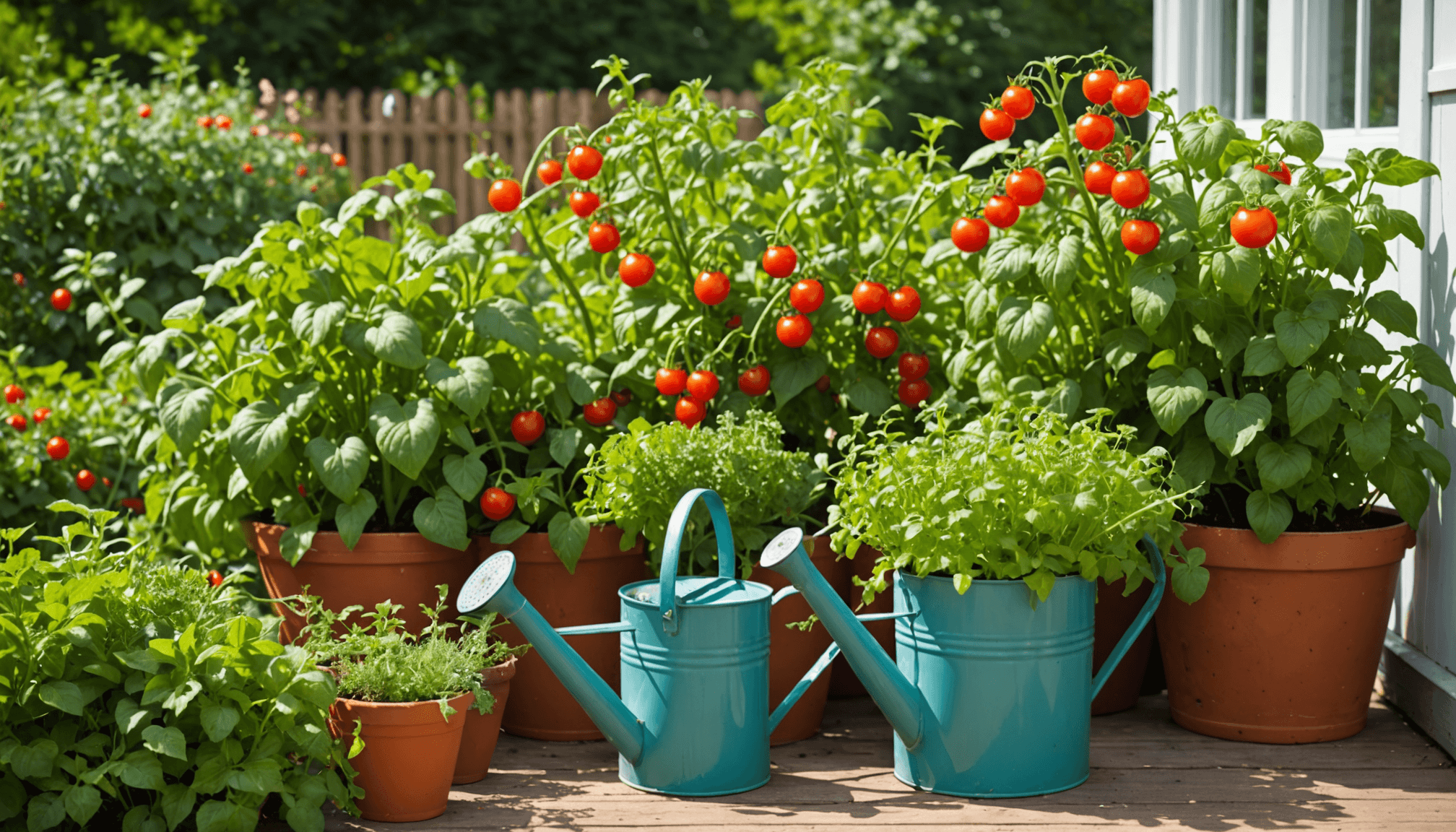
Proper care and maintenance are essential for keeping your container garden thriving. Although container gardening offers numerous advantages, such as convenience and flexibility, the responsibility lies heavily on your shoulders to provide for your plants. Cultivating a routine that addresses watering, feeding, and monitoring your plants’ health will lead to a bountiful and beautiful garden.
Watering is one of the most critical aspects of plant maintenance. Due to the limited soil volume in containers, it’s essential to check moisture levels frequently. Ensure your plants receive adequate water without drowning them. A general rule of thumb is to water deeply when the top inch of soil feels dry. On hot days, you may need to water more often, whereas it might be less during cooler periods. Using self-watering containers can also help maintain moisture levels.
Fertilizing container plants is another key component. Since nutrients can wash out of the soil with frequent watering, regular fertilization is necessary. Depending on your plant choices, consider using water-soluble fertilizers during the growing season, applying them every few weeks to keep your plants well-fed. Always follow the manufacturer’s instructions and be cautious not to over-fertilize, as this can harm your plants.
Pest management is an important aspect of care as well. Regularly inspecting your plants for signs of pests—such as discolored leaves, webbing, or holes—will help you catch issues early. Natural remedies, like neem oil or insecticidal soap, can effectively control common pests while being safe for the environment. Encouraging beneficial insects, such as ladybugs, can also play a vital role in maintaining a healthy garden ecosystem.
Lastly, don’t overlook the importance of seasonal care. As seasons change, your plants’ needs may shift. For example, some plants may need pruning or repotting after a growing season or might benefit from protection from frost during the winter months. Pay attention to the specific care requirements of your plants and adjust your routine accordingly. The more you engage with your container garden, the more you’ll learn about the unique characteristics of each plant, helping you refine your approach and achieve greater success.
- How often should I water my container plants?
- Container plants typically dry out faster than those in the ground, requiring more frequent watering. It’s best to check the soil moisture daily in hot weather. Water when the top inch of soil feels dry.
- What type of fertilizer should I use for container gardening?
- Use a balanced, slow-release fertilizer or water-soluble fertilizers specifically designed for container plants. Follow the instructions carefully to avoid over-fertilization, which can harm your plants.
- Can I grow vegetables in containers?
- Absolutely! Many vegetables thrive in containers, especially dwarf varieties and compact plants like herbs, cherry tomatoes, and peppers. Ensure that your container is large enough for the roots to grow.
- How do I prevent pests in my container garden?
- Regularly inspect your plants for signs of pests and take action at the first sign of trouble. Natural remedies like neem oil or insecticidal soap can help keep pest populations in check.
- Should I use potting soil or garden soil in containers?
- Always use high-quality potting soil designed for containers rather than garden soil. Potting mixes are specifically formulated to provide proper drainage and aeration for container plants.
- How can I refresh my container soil?
- At the end of the growing season, you can refresh container soil by removing the top layer of old soil and replacing it with fresh potting mix. Mix it gently with the remaining soil to rejuvenate nutrients.
- What are some signs of overwatering?
- Signs of overwatering include yellowing leaves, wilting despite being wet, and root rot. Ensure your containers have adequate drainage and adjust your watering habits if you notice these symptoms.
Creative ideas for container arrangements
Creating eye-catching container arrangements can elevate your gardening experience and transform even the tiniest spaces into lush, green retreats. The beauty of container gardening is that it allows for a range of creative possibilities, enabling you to express your personal style while bringing life to your surroundings. Here are some innovative ideas to help spark your inspiration and get the most out of your containers.
One of the easiest ways to create an appealing arrangement is through layering. Layering involves placing taller plants in the back or center of a container and using shorter plants around them, creating depth and visual interest. For instance, in a rectangular planter, you might start with a tall ornamental grass as the focal point, flanked by mid-height flowering perennials, and finished with small trailing plants at the edges that spill gracefully over the side. Consider combining various textures and colors to maximize the impact.
Color schemes play a vital role in your container arrangements as well. Choose a color palette that resonates with your space. For a calming effect, use cool colors such as blues and purples. If you want to energize the space, go for brighter, warmer colors like yellows and reds. When selecting plants, keep in mind the hue of their foliage as well—a mix of vibrant flowers with contrasting foliage can create a dynamic look. You may also consider using plants with variegated leaves to add extra intrigue.
- Unity in Variety: While diverse plant types can be exciting, ensure there’s a strong element of unity—steady color, texture, or shape can create a cohesive look.
- Theme Gardens: Create a themed container collection. A Southwest-inspired arrangement might feature succulents and cacti alongside terracotta pots, while an herb garden could include classic basils, rosemary, and thyme punctuated by lavender blooms.
Another fun approach is to incorporate functional elements into your designs. For instance, you can group together different varieties of herbs in a single container to create a herb garden that’s as useful as it is beautiful. Containers can be equipped with trellises to support climbing vegetables like peas and beans, making use of vertical space while adding height to your arrangements. Hanging containers can also provide opportunities to grow cascading plants, such as sweet potato vine or trailing geraniums, adorned elegantly above eye level.
Mixing and matching various container sizes can create a whimsical touch. Use taller pots for statement pieces and smaller pots to fill in spaces and add variety. Additionally, consider utilizing unconventional materials—repurposed wooden crates or colorful buckets can serve as unique plant holders, while also contributing to a sustainable gardening movement.
Incorporating seasonal elements can keep your arrangements fresh and exciting throughout the year. Use autumn-colored foliage and ornamental cabbages in the fall, switch to bright spring blooms like pansies or snapdragons as the weather warms up, and include festive plants during the holiday season. This rotation not only brings visual appeal but also engages you in the joys of changing seasons.
Lastly, maintain a sense of balance in your arrangements. While it’s tempting to load one side of the container with more plants or colors, a balanced look is usually more visually appealing. Step back from time to time to assess how your arrangements look from different angles. Remember, container gardening is as much an art as it is a science, so don’t hesitate to move things around until you find the perfect balance that speaks to you.
With these creative ideas and practical tips, you can turn even the smallest container garden into a vibrant showcase of nature that reflects your personal style. Experiment, have fun, and let your imagination run wild as you develop your very own green sanctuary!