
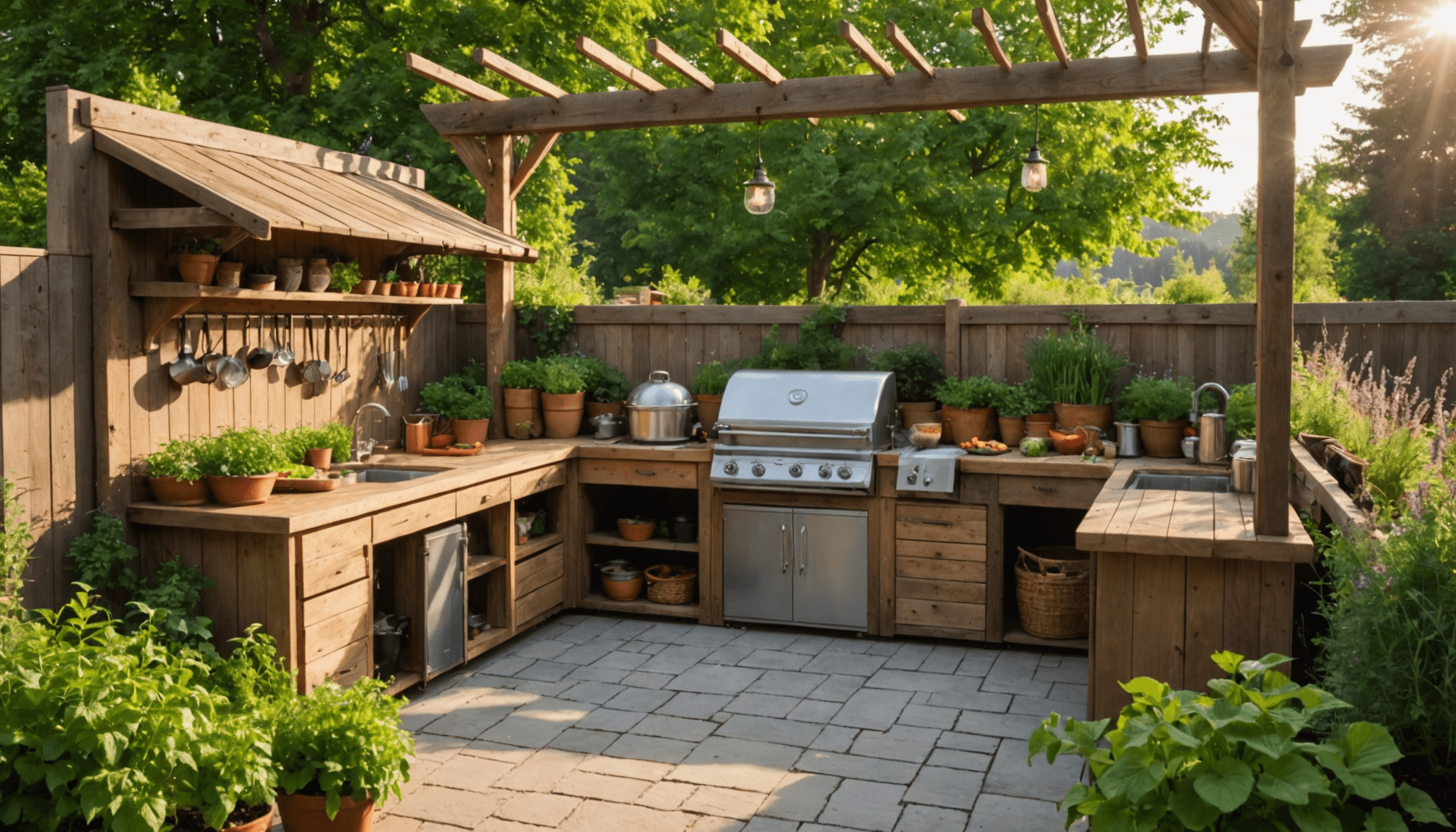
When embarking on your journey to create a small homestead, the layout of your space is crucial to its overall efficiency. An effective design can transform a modest plot into a thriving oasis, making the most of every square foot. Begin by evaluating the shape and dimensions of your land. Is it a long rectangle, a square, or something more complex? This will guide the flow of your layout.
Think about the core functions you want your homestead to serve—gardening, livestock, or perhaps a cozy space for relaxing. By mapping out these areas, you can start to assign spaces thoughtfully. For instance, place your vegetable garden close to the kitchen for quick access. This convenience not only saves time but also encourages you to harvest fresh produce regularly.
Incorporating pathways is essential for creating an organized flow. Use materials like gravel, mulch, or even wooden planks to create clear routes between functional zones. This not only looks inviting but also protects your plants from being trampled. Ensure your paths are wide enough for wheelbarrows if you plan on transporting soil or plants regularly.
One effective tip for designing your layout is to utilize the concept of zoning. Divide your homestead into distinct areas based on purpose:
- Zone 1: This is where you’ll have your intensive garden, herb bed, and kitchen access.
- Zone 2: This area can host small livestock or additional garden beds with less frequent maintenance.
- Zone 3: Think about larger animals or crops that require more space and can be further from the house.
Additionally, it’s wise to consider solar orientation when laying out your homestead. Position your garden to benefit from maximum sunlight exposure, allowing your plants to thrive. You might plant taller crops on the north side to prevent them from shading out shorter plants.
Remember that the homestead should be a reflection of your lifestyle. If you have children, incorporate safe play areas. For those working within an urban environment, vertical gardens or container gardening might be the way to go. They can add lushness to your space without taking up too much room. Finally, don’t underestimate the importance of aesthetic appeal; a beautiful layout can enhance your overall enjoyment of the space.
Start sketching your ideas, and don’t hesitate to revisit and tweak them as you go. Building a homestead is often about patience and adjustments, so allow your vision to grow alongside your plants.
Evaluating site conditions
To effectively evaluate site conditions, begin by assessing the physical characteristics of your land. This includes examining the topography, soil quality, drainage patterns, and existing vegetation. Each of these elements will significantly influence your homestead design and overall success.
Topography plays a vital role in how water and sunlight interact with your land. Sloped areas can facilitate water runoff, leading to erosion if not managed properly. Conversely, flatter areas may pool water, creating soggy soil conditions. Therefore, identifying these characteristics can guide where to place various zones within your layout. For instance, a gentle slope may be ideal for a garden with crops that require good drainage, while low-lying areas can be suitable for a pond or water catchment system.
Soil assessment is equally important; conducting soil tests can help determine the pH level and nutrient content. A well-balanced soil is critical for supporting plant growth. If your soil is lacking essential nutrients, you might need to amend it with organic matter or fertilizers. Here is a table comparing different soil types and their suitability for various crops:
| Soil Type | Texture | Drainage | Crops Suitable |
|---|---|---|---|
| Clay | Dense, sticky | Poor | Rice, potatoes |
| Sandy | Grainy, loose | Good | Carrots, onions |
| Silty | Smooth, fine | Moderate | Spinach, kale |
| Loamy | Balanced | Good | Tomatoes, peppers |
Additionally, consider existing vegetation. Trees and shrubs can offer shade and wind protection but may also compete for resources. It’s crucial to determine which plants are beneficial to keep and which might need to be removed to establish your desired layout. You may also want to consider planting native species that are adapted to your area, as these require less maintenance and can help support local wildlife.
Moreover, take into account factors such as sunlight exposure and wind patterns. Observing how the sun moves across your property during different seasons will help you optimize your garden layout for the best light conditions. Full-sun areas are perfect for heat-loving plants like tomatoes and peppers, while cooler, shaded spots may suit leafy greens. Similarly, understanding prevailing winds can help you create natural barriers or windbreaks, utilizing fences, hedges, or tree lines, which can reduce erosion and protect more fragile plants from harsh weather.
Check for any potential zoning regulations or restrictions, as local laws can significantly influence your design choices. Some areas may have limitations on animal husbandry, building structures, or land use, which could require you to adapt your plans accordingly. Understanding these regulations early on can save you from costly modifications down the line.
Planning functional zones
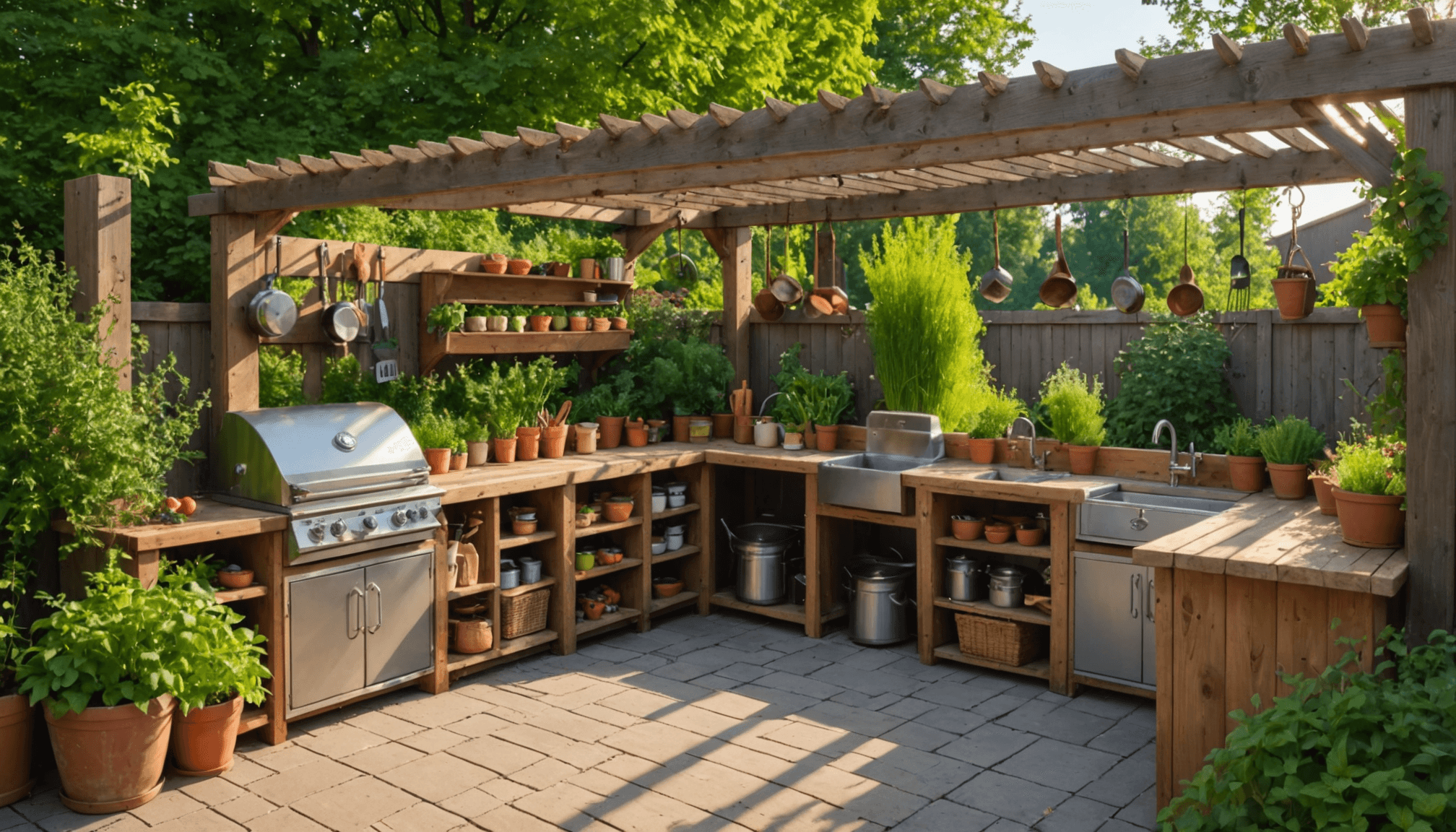
Planning functional zones is one of the most rewarding steps in your homesteading journey, as it allows you to create spaces that maximize productivity while aligning with your lifestyle. Start by envisioning how each zone can interact; the goal is to create a fluid system where everything serves a purpose and contributes to the overall efficiency of your homestead.
Begin with your Zone 1, the heart of your homestead, where your most frequent tasks take place. This zone should be accessible and designed for intensive use. Consider incorporating:
- Garden beds: raised beds or in-ground plots filled with herbs and vegetables that you use in daily cooking.
- Compost area: an easily accessible compost bin encourages turning kitchen scraps into nutrient-rich soil and can also function as a hub for education and family involvement.
- Outdoor kitchen: if space allows, an outdoor cooking space can make meal prep enjoyable, encourage outdoor dining, and reduce the number of trips to the indoor kitchen.
Next, design Zone 2, where elements require less daily maintenance but still contribute significantly to your homestead. This zone can house:
- Small livestock: chickens or rabbits can thrive here, providing eggs or meat while also assisting with pest control and composting.
- Perennial gardens: incorporate berry bushes or fruit trees that will yield harvests for years with minimal care after establishment.
For the larger Zones 3 and beyond, plan for activities and structures that benefit from being further away from the home’s immediate areas. Ideas include:
- Grazing pastures: allocate space for larger livestock, such as goats or sheep. This area will need fencing and maintenance to ensure the animals have enough forage.
- Crop rotation fields: use this section for growing row crops that require a bit more space and attention, adjusting soil health over the years through rotation.
It’s essential to consider accessibility within your functional zones. Design pathways that facilitate easy movement between areas, using natural materials or ornamental stones to enhance aesthetic appeal while ensuring efficiency. Create paths that are wide enough for wheelbarrows or carts to transport tools and harvests, particularly from Zones 1 and 2 back to the home.
Keep in mind that sustainability should be woven into your design. Use vertical gardening methods in smaller spaces, allowing you to grow more food without taking up precious ground. Emphasize native plants in your design, as they generally require less water and care, blending well with your local ecosystem.
Think about how each zone will evolve over time. Family needs change, and your homestead should be flexible to adapt. Perhaps you may decide to plant a flower garden in Zone 2, which can later transition into a thriving vegetable patch as your children grow. Make sure to be mindful of conservation practices, such as water catchment systems to utilize rainwater or mulching to retain soil moisture, enhancing the resilience of your spaces.
Planning functional zones is not merely about where things go; it’s the art of creating a harmonious environment that fosters productivity, comfort, and connection with nature. Regularly revisit your layout as your skills improve and your family’s needs change, ensuring your homestead remains a place of growth and joy.
Incorporating sustainable practices
Incorporating sustainable practices into your homestead not only enhances the ecological benefits of your land but also promotes self-sufficiency and resource management. Start by implementing permaculture principles, which focus on creating a balanced ecosystem that mimics nature. This method integrates various elements such as plants, animals, and soil to create a self-sustaining environment, minimizing waste and the need for external inputs.
One effective sustainable practice is the use of organic gardening techniques. This involves avoiding synthetic pesticides and fertilizers in favor of natural alternatives. Composting kitchen scraps and yard waste creates nutrient-rich soil amendments that improve soil health over time. Establish a composting area close to your kitchen for convenience, allowing for easy access and regular input. Consider the following types of compost systems:
- Hot composting: A system that requires turning the pile to aid decomposition, producing finished compost quickly.
- Cold composting: Slower decomposition that allows organic matter to break down naturally over time, requiring less maintenance.
- Bokashi: A fermentation method that can compost kitchen scraps, including meat and dairy, which typically can’t be composted in traditional systems.
“The greatest threat to our planet is the belief that someone else will save it.” – Robert Swan
Water management is another critical aspect of sustainable practices. Consider installing rainwater harvesting systems to collect and store rainwater for irrigation. This reduces dependency on municipal water and helps manage stormwater runoff. Use drip irrigation systems in your garden for more efficient water delivery directly to the root zones, minimizing evaporation and runoff.
Incorporating native plants into your landscaping is also fundamental to sustainability. Native plants are adapted to local climates and soils, requiring less water and maintenance than non-native varieties. They promote biodiversity by providing habitat and food for local wildlife, including beneficial insects and pollinators. Create a pollinator garden with a variety of flowering plants to attract bees and butterflies, which are essential for pollinating many crops.
Integrate small livestock into your homestead design as part of your sustainable practices. Chickens, for instance, provide eggs, help with pest control, and their manure can be composted to enrich your garden soil. Likewise, goats can be valuable for land maintenance, consuming invasive plants while offering milk and fiber. However, ensure their zones are adequately fenced and that you follow humane practices in their care.
Consider the concept of energy efficiency in your homestead layout as well. Incorporate renewable energy sources such as solar panels or wind turbines, if feasible, to reduce your reliance on non-renewable energy. Design your structures for passive solar heating and cooling by utilizing appropriate insulation and strategically positioning windows to maximize natural light while minimizing energy loss.
Lastly, engage in continuous education and community involvement to further enhance your sustainable practices. Join local farming or gardening clubs, attend workshops, or read books on sustainable agriculture to expand your knowledge base. Sharing experiences and learning from others can provide new insights and techniques that can be incorporated into your homestead.
Maximizing space and productivity
 Maximizing space on your homestead begins with creative solutions that enhance productivity while maintaining a sense of balance. It’s essential to think vertically and laterally; using all layers of space can significantly increase your yield. Raised beds are a prime example of how you can grow upwards while expanding your garden’s footprint. They allow for better drainage and soil management, and you might consider how these beds can also house intercropped plants to use space more wisely.
Additionally, think about how to integrate multi-functional structures to maximize your site’s potential. A greenhouse with a potting area can provide an extended growing season while serving as a workspace. Vertical gardens or trellises can support climbing plants, allowing you to grow more food in smaller areas. Similarly, hanging baskets can provide fresh herbs or trailing crops while freeing up ground space for others.
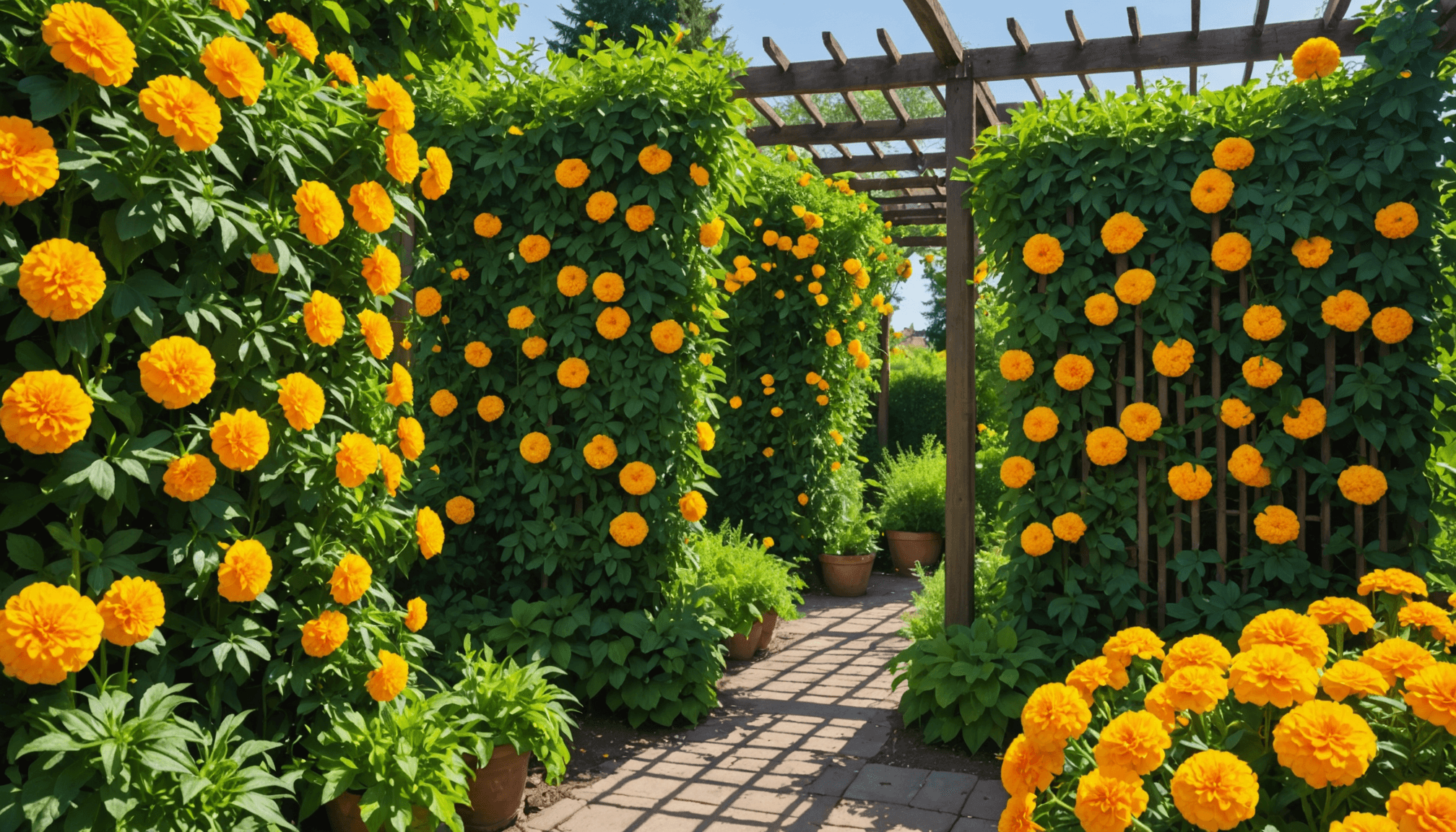
Use companion planting principles to enhance your garden’s productivity. Certain plants work well together, benefiting each other by deterring pests or attracting pollinators. For example, planting marigolds amid your vegetable beds can help repel harmful insects, allowing your crops to thrive. This symbiotic approach can maximize your yield while reducing the need for chemical interventions, aligning with sustainable farming practices.
Ensure you utilize every corner of your garden by incorporating edible landscaping. Fruit trees pruned in specific ways can serve as shade for other crops while producing delicious fruit. Border gardens can prevent spills into walking paths and serve as a beautiful reminder of nature’s bounty.
Further considerations should include optimizing spatial arrangements for animal housing. Keeping animals closer to your vegetable areas can simplify chores such as feeding and egg collection. If you raise chickens, consider utilizing their foraging abilities and establish chicken runs adjacent to your garden, allowing them to contribute to pest control while also providing you with fresh eggs.
Seasons also influence space use—revisit your growing cycles and stagger planting times to ensure that you are making the best use of your productive areas throughout the year. Likewise, explore cold frames or row covers to protect seedlings early in the spring or extend your harvests into late autumn.
Through thoughtful design and keen observation, you can cultivate an efficient and productive homestead that suits your needs and lifestyle while engaging with nature’s inherent cycles. Challenge yourself to envision how every inch of your land can contribute to your homesteading goals.
- What are some effective ways to maximize small garden space?
- Consider vertical gardening methods, such as trellises and hanging pots, that allow plants to grow upwards rather than outwards. Intercropping and companion planting can also increase biodiversity and productivity without requiring more ground space.
- How can I ensure my garden stays productive year-round?
- Implement methods like crop rotation and succession planting to keep the soil healthy and continuous harvests coming. Utilizing cold frames or greenhouses can also lengthen the growing season and protect plants from adverse weather.
- What types of plants are best for intercropping?
- Plants like beans and corn are great companions, as beans fix nitrogen in the soil, benefiting corn and creating a symbiotic relationship. Herbs such as basil can also deter pests while attracting beneficial insects when planted alongside tomatoes.
- Is it possible to grow food and have aesthetic landscaping?
- Yes, combining edible plants with ornamental species creates an edible landscape that adds beauty to your space. Fruit trees, berry bushes, and herbaceous perennials can all contribute to a visually appealing yet functional design.
- What are some sustainable practices for small homesteads?
- Implement methods like composting, rainwater harvesting, and organic gardening principles. Incorporating native plants helps conserve resources and supports local wildlife, enhancing the sustainability of your homestead.
- How can I design my small homestead for efficiency?
- Focus on creating distinct zones that facilitate workflow, such as placing your vegetable garden close to your kitchen. Think about multi-functional setups, like an outdoor kitchen or a greenhouse that doubles as a workspace.
- What role do animals play in maximizing space on a homestead?
- Small livestock like chickens can contribute to pest control, provide manure for compost, and produce food in a compact area. Placing animal housing close to garden zones can streamline daily tasks and enhance farm productivity.
Adapting the design over time
As your homesteading journey unfolds, it’s essential to embrace change and adaptability in your design. Just as nature evolves with the seasons, so too should your homestead layout. Your initial plans are merely a starting point; as your skills develop and your needs shift, your homestead must be flexible enough to grow alongside you.
Start by regularly assessing the effectiveness of your layout. Are certain areas underperforming? Perhaps a vegetable garden is not thriving where it’s placed. This is a perfect time to rearrange the design, moving it to a sunnier spot or closer to a water source. Monitor the productivity and health of your crops, as well as the usability of your functional zones, and don’t hesitate to make changes based on your observations.
Consider the lifecycle of your plants and animals. For example, after harvesting a crop, think about transitioning that space into a fall garden or cover crops, ensuring continuous use of your land. This rotation not only maximizes productivity but also promotes soil health by allowing different crops to replenish nutrients. Similarly, if you notice a decline in the health of your fruit trees, consider adding companion plants that support their well-being or replacing them with more resilient varieties suited to your changing environment.
Engage your family in this dynamic process. They can offer fresh perspectives and insights onto how spaces are used or needed. For instance, if your children have taken an interest in gardening, incorporate a designated area just for them to cultivate their own plants, fostering responsibility and creativity. This might also open up opportunities for educational moments about plant care and biodiversity.
Design with future expansions in mind. Perhaps your household will grow, or your interests will shift towards beekeeping or small-scale animal husbandry. Allocate dedicated zones in your design that can easily accommodate new features without major disruption. This foresight will save you time and resources down the road.
When it comes to your structures, use modular and movable options. Raised beds on wheels or portable chicken coops can adapt to your shifting garden layout or seasonal changes, providing flexibility and efficiency. Additionally, keep in mind that some materials can age and change over time. If certain structures no longer meet your needs, consider repurposing them or investing in new materials that align better with your evolving vision.
While changes are inevitable, document your decisions and their outcomes. Maintaining a gardening journal or digital logs allows you to track successes, failures, and adjustments over time. This reflective practice will lead you back to what works and highlight patterns you may wish to repeat or alter in the future. You may find that you prefer certain growing techniques or crops over others, guiding your planning choices moving forward.
Finally, stay informed about new techniques and trends in homesteading. Resources such as homesteading blogs, webinars, and local workshops can provide valuable insights on how others adapt their designs. Engaging with a community of fellow homesteaders can inspire innovative changes that enhance your personal homestead.
By embracing adaptability as a core principle of your homesteading journey, you not only create a more efficient layout but also cultivate a deeper connection with the land and its ever-changing rhythms. Celebrate each season’s unique offerings, and let your homestead flourish as a dynamic haven for you and your family.