

Urban homesteading is a unique way to embrace sustainable living in a bustling city. Many people assume that limited space and concrete surroundings hinder the ability to adopt homesteading principles, but that couldn’t be further from the truth. In an urban environment, opportunities abound for creativity and innovation.
One of the most significant shifts you can make is to look at your surroundings through a new lens. Consider the potential of your balcony, windowsills, and even your kitchen scraps. The first step is to recognize that everything around you can contribute to your homesteading journey.
Compost Kitchen Scraps: Start by transforming your food waste into nutrient-rich compost. Even in a small apartment, a simple compost bin or a worm composting system can help you recycle food scraps and create a thriving environment for your plants. Many cities have resources for composting, and you may even find community compost bins to share.
Utilize Vertical Space: In urban settings, maximizing vertical space is essential. Consider installing vertical gardens or using wall planters to grow herbs, flowers, or even small vegetables like cherry tomatoes. This approach not only saves space but creates a visually appealing focal point in your home.
Another practical tip is to seek out local resources and workshops. Many urban areas have community gardens where you can rent a plot. This not only gives you access to soil and a larger growing area, but it also connects you with like-minded individuals who share your passion for homesteading.
- Join Local Groups: Look for local urban gardening or homesteading groups on social media platforms. Many cities have dedicated Facebook groups or Meetup events that provide resources, support, and the opportunity to collaborate on projects.
- Attend Workshops: Local community centers, botanical gardens, or farmer’s markets often host workshops on sustainable living practices such as canning, fermentation, and organic gardening.
Don’t forget to tap into the concept of urban foraging. Many cities have an abundance of edible plants in parks and vacant lots. Research local laws and guidelines for foraging to supplement your pantry with free, fresh ingredients. Always ensure that you forage responsibly and sustainably.
Lastly, embrace your neighbors as your local support system. Sharing knowledge, tips, and even produce can create a thriving urban homesteading community. Organizing seed swaps or potlucks with homegrown dishes can foster connections and provide a richer homesteading experience.
By adjusting your perspective and making the most of your environment, urban homesteading can be both rewarding and satisfying. With these tips, you’ll find new ways to cultivate a sustainable lifestyle right outside your door.
Starting Your Container Garden
Container gardening is an excellent solution for urban dwellers looking to embrace homesteading in small spaces. It allows for flexibility and creativity, as you can grow a variety of plants in pots, window boxes, or even repurposed containers. The first step in starting your container garden is to choose the right containers. They should have proper drainage holes to prevent waterlogging, which can harm the roots of your plants. Here are some popular container options:
| Container Type | Material | Best for |
|---|---|---|
| Plastic Pots | Plastic | Most herbs and small vegetables |
| Fabric Grow Bags | Fabric | Root vegetables like potatoes and carrots |
| Terra Cotta Pots | Clay | Herbs and succulent plants |
| Wooden Planters | Wood | Larger vegetables, dwarf trees |
Once you have selected your containers, the next step is choosing the right soil. A quality potting mix is crucial for container gardening, as it provides the necessary nutrients and ensures proper drainage. Look for soil that is light and fluffy, often formulated specifically for containers, which helps avoid compaction.
Selecting plants is an essential part of container gardening. Beginners may want to start with easy-to-grow herbs like basil, cilantro, or mint. These herbs don’t require extensive care and can add flavor to your meals. Additionally, consider incorporating perennial herbs that will return each year, providing ongoing produce with minimal effort. If space allows, try growing compact vegetable varieties, such as bush beans, cherry tomatoes, or even strawberries, which thrive in containers.
Another critical aspect is the care and maintenance of your container garden. Regular watering is paramount since containers can dry out more quickly than traditional garden beds. To promote plant health:
- Check Moisture Levels: Insert your finger into the soil about an inch deep. If it feels dry, it’s time to water.
- Fertilize Regularly: Container plants often require more nutrients than those grown in the ground. Use an organic liquid fertilizer every few weeks during the growing season.
- Monitor Sunlight Exposure: Ensure your plants receive adequate sunlight based on their needs. Most vegetables and herbs prefer 6-8 hours of sunlight a day.
For those who want to take container gardening to the next level, consider implementing companion planting techniques. Planting compatible species together can enhance growth, deter pests, and maximize yield. For example, growing basil alongside tomatoes can improve flavor and repel aphids.
Whether you’re cultivating your own food or simply enjoying the beauty of flowering plants, container gardening offers an opportunity to reconnect with nature and foster a sense of accomplishment. By understanding your environment and utilizing available space efficiently, you can create a thriving container garden that contributes to your urban homesteading journey. Embrace the challenge, experiment with different plants, and enjoy the process of nurturing your garden in the heart of the city.
Creating a Sustainable Kitchen
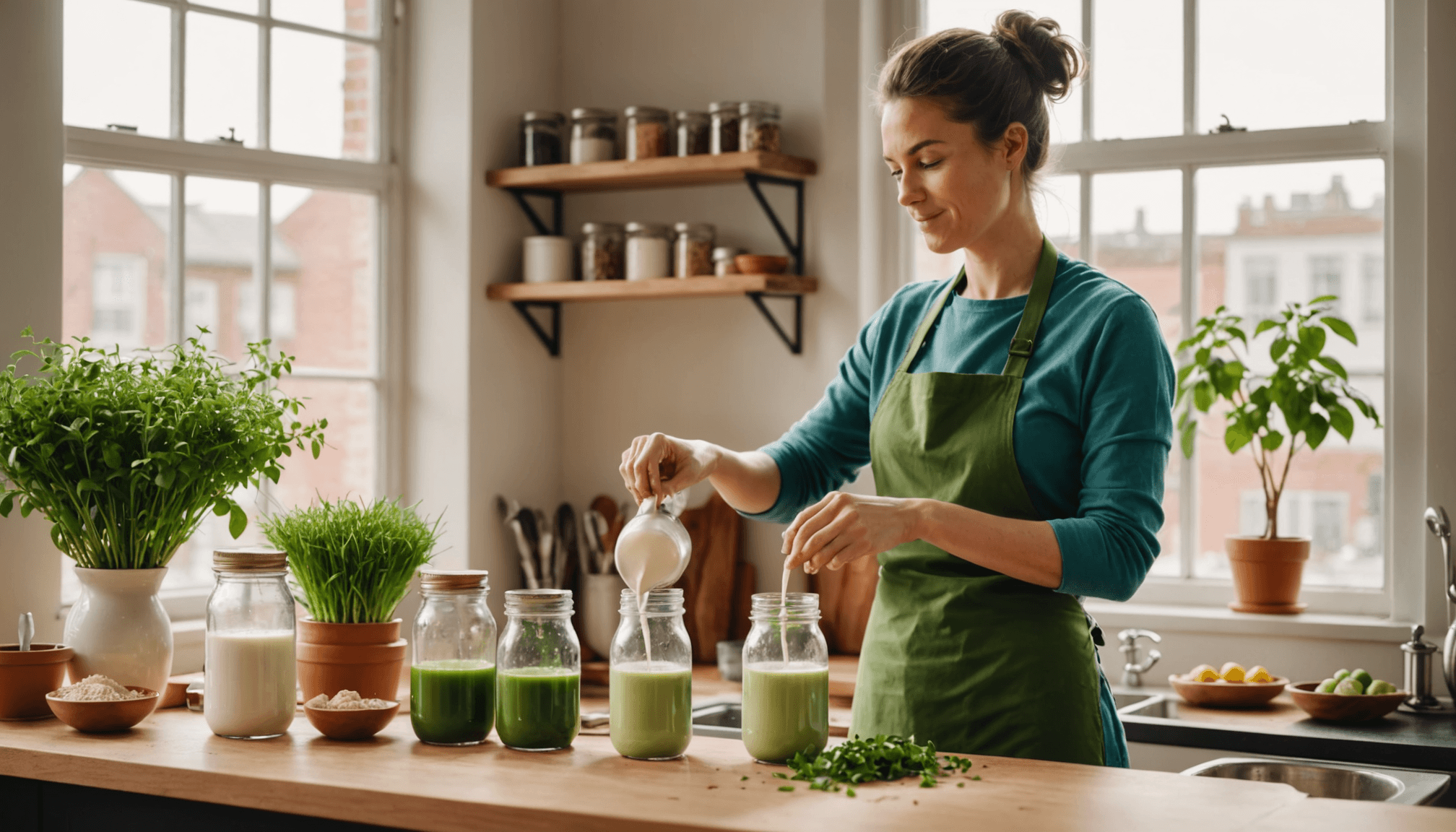
Creating a sustainable kitchen is an essential component of urban homesteading, allowing you to transform your cooking space into a hub of eco-friendly practices. By focusing on minimizing waste, choosing sustainable ingredients, and incorporating homemade items, you can foster a kitchen that aligns with your values and supports a greener lifestyle.
Reduce Food Waste: One of the most impactful ways to create sustainability in your kitchen is to aim for zero waste. Start by planning meals in advance to ensure you purchase only what you need. This not only saves money but also prevents excess food from ending up in the trash. Additionally, consider implementing a system for using leftovers effectively, such as making stock from vegetable scraps or transforming stale bread into croutons.
Choose Local and Organic Ingredients: Whenever possible, source your ingredients from local farmers markets or community-supported agriculture (CSA) programs. Not only do these options support local economies, but they also reduce the carbon footprint associated with transportation. Look for organic produce to eliminate harmful pesticides and encourage sustainable farming practices.
DIY Kitchen Staples: Many kitchen staples can be made at home, reducing reliance on plastic packaging and processed foods. Consider making:
- Nut Milks: Create your own almond or oat milk by blending nuts or oats with water and straining through a cheesecloth.
- Condiments: Whip up your own ketchup, mustard, or salad dressings using simple ingredients found in your pantry.
- Fermented Foods: Experiment with fermentation by making sauerkraut, kimchi, or yogurt. These items not only enhance flavor but also contribute beneficial probiotics to your gut health.
Implement Energy-Efficient Practices: In a sustainable kitchen, energy conservation is crucial. Opt for energy-efficient appliances, and consider cooking with a slow cooker, microwave, or pressure cooker, which use less energy than a traditional oven. When using a stove, match pot sizes to burner sizes to maximize efficiency. Additionally, try to batch cook meals, so that you can save energy by using the oven or stove less frequently.
Use Eco-Friendly Products: Choose environmentally friendly cleaning products for your kitchen. There are many homemade alternatives you can whip up using simple ingredients like vinegar, baking soda, and lemon juice. This not only helps in reducing your carbon footprint but also ensures that no harmful substances are lingering in your food prep areas.
Organize a Pantry Challenge: To make the most of the ingredients you already have, engage in a pantry challenge. This fun activity prompts you to create meals solely from items in your pantry and refrigerator. Not only does it reduce waste, but it also encourages creativity and culinary experimentation. Share your unique recipes with friends or family to inspire others to do the same.
Grow Your Own Herbs and Sprouts: Incorporating homegrown ingredients can enhance your cooking while minimizing your ecological footprint. Even if space is limited, you can easily grow herbs in small pots on a windowsill or kitchen counter. Varieties like basil, parsley, and chives require little maintenance and can elevate your dishes fresh from your kitchen garden. Additionally, consider sprouting beans or seeds in jars to add nutrition and flavor to meals without taking much space.
By integrating these sustainable kitchen practices, you’ll not only enhance your urban homesteading experience but also contribute to a healthier planet. With a little creativity and effort, your kitchen can become a reflection of your commitment to sustainability while making the cooking process more enjoyable and fulfilling.
DIY Projects for Small Spaces
For urban dwellers with limited space, engaging in creative DIY projects can significantly enhance both your living environment and your homesteading efforts. Small spaces can be transformed into functional and beautiful areas through innovative projects that reflect your personal style while promoting sustainability. Here are some inspiring DIY ideas tailored for apartment living.
One of the most effective projects is creating repurposed furniture that serves dual purposes. For example, an old wooden ladder can be transformed into a charming bookshelf or a plant stand. Sanding down the wood and applying a coat of non-toxic paint can give it new life while providing a unique display for indoor plants or your favorite books. Additionally, consider using pallets to create seating or garden beds. Pallets can be stacked to make a rustic coffee table or disassembled to construct vertical planters.
Upcycled Containers are an essential component of urban homesteading. Coffee cans, glass jars, and tin containers can be easily transformed into stylish planters or storage solutions. Wrap jars with twine or paint them to add a decorative touch, and use them to store kitchen utensils, garden tools, or seeds. To make them functional for planting, simply add drainage holes at the bottom, fill them with potting soil, and plant herbs or small flowers.
Another fabulous project is installing living walls or green panels. These vertical gardens can dramatically improve air quality and aesthetic appeal. Use a wooden frame to hold small pots or create a pocket system from felt or cheap canvas material to plant succulents and herbs. Not only do these installations provide you with a delightful view, but they also make use of otherwise wasted vertical space.
Consider building a DIY composting system for your kitchen waste. You don’t have to use a large tumbling composter; instead, a simple worm bin can be created using a plastic container with ventilation holes. Worms will help break down your kitchen scraps, turning waste into nutrient-rich compost that can be used for your container garden. This not only reduces waste but also enriches your soil for healthier plants.
Creating vintage-style herb drying racks can also be both functional and decorative. Use an old picture frame without the glass, stretch some twine or wire across, and hang your herbs for drying. This will help you preserve your homegrown herbs while adding a rustic charm to your kitchen or living area.
Additionally, tackling small-scale water conservation projects can benefit your urban homesteading practice. Consider collecting rainwater in a stylish barrel or repurposed container. This collected water can be used to irrigate your plants, reducing your reliance on tap water and minimizing your environmental footprint.
“Creativity is intelligence having fun.” – Albert Einstein
Lastly, remember to engage your creativity in organizing and displaying your DIY creations. Using old jars or decorated tins for organizing seeds and small tools can add charm to your workspace while keeping it tidy. Think of ways to personalize your storage solutions to reflect your personality—this not only makes your space more enjoyable but also fosters a more productive homesteading environment.
By embracing DIY projects tailored to small spaces, you can enhance your home and elevate your urban homesteading experience. These imaginative endeavors not only foster sustainability but also encourage a unique sense of style and community connection in an urban landscape.
Maximizing Indoor Gardening
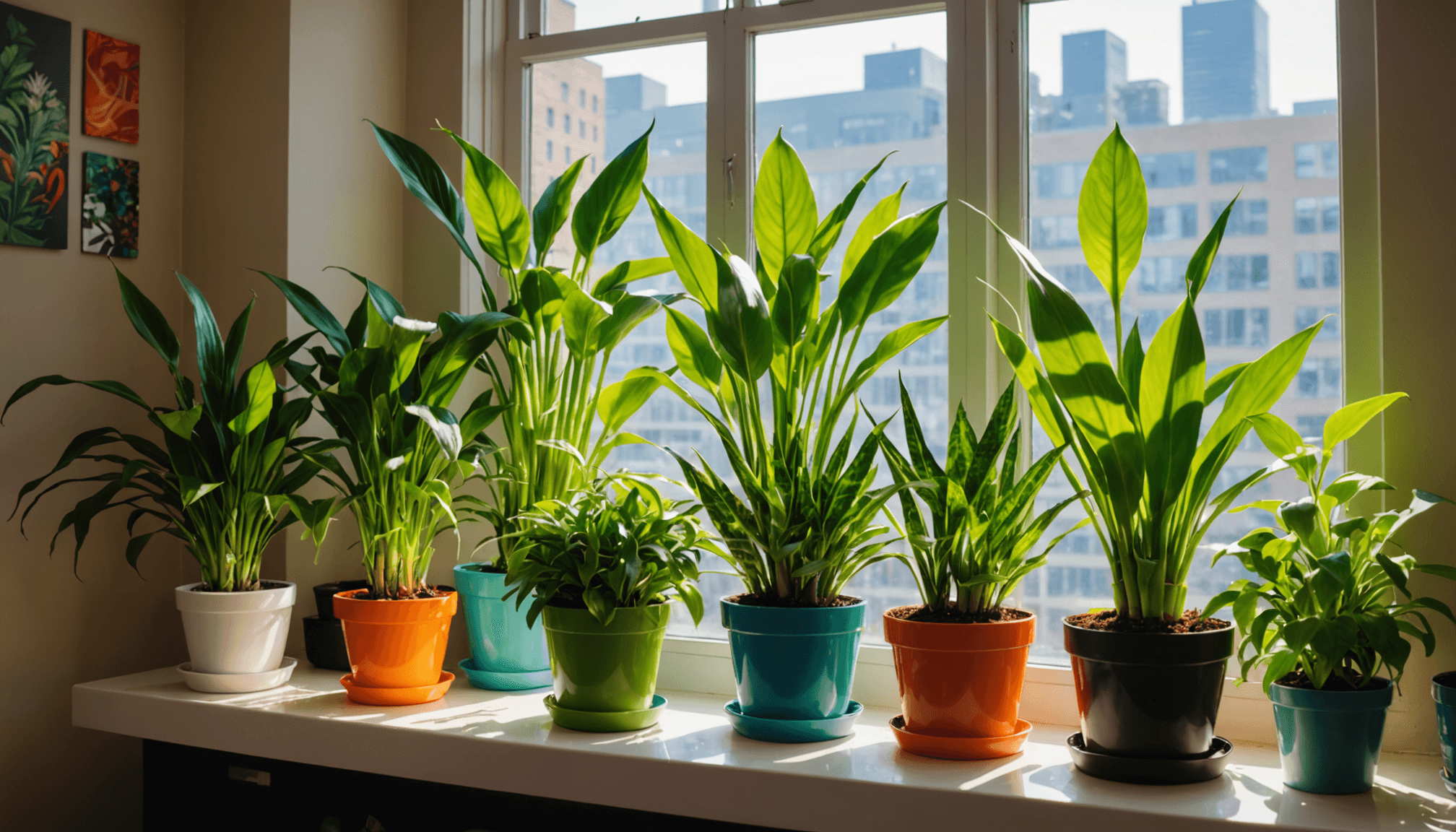
Maximizing indoor gardening requires an innovative approach while utilizing every inch of available space efficiently. By understanding the many facets of indoor gardening, you can create an environment that thrives with vibrancy, offering both beauty and practicality. Consider using the natural light that enters your home; participating in passive solar gain can help in sustaining plant growth. Use sheer curtains to diffuse the harsh sunlight or place your plants strategically in areas that receive the right amount of light. Reflective surfaces can also amplify the light that reaches your plants, making your indoor garden healthier.
For those with limited sunlight, grow lights can be an invaluable addition. Choose energy-efficient LED grow lights that can mimic the full spectrum of sunlight, allowing you to cultivate various plants, from herbs to leafy greens, year-round. An investment in quality grow lights can dramatically increase your indoor gardening success, especially during the short days of winter.
Another crucial aspect is selecting plants that are well-suited for indoor environments. Focus on varieties that adapt well to container growth and lower light conditions. Think about popular indoor plants like pothos, snake plants, or peace lilies that not only purify the air but require minimal care. For edible options, consider growing dwarf varieties of vegetables, such as mini bell peppers or salad greens, which can thrive in smaller spaces and still provide a rewarding yield.
Remember, soil health is paramount in maximizing your indoor garden. Opt for high-quality, organic potting soil that retains moisture while providing essential nutrients. To enhance soil health, consider adding organic matter like compost or worm castings. Including a well-balanced fertilizer regimen will ensure that your indoor plants get the nutrients they deserve, further promoting healthy growth.
Incorporating hydroponics or aquaponics can also revolutionize your indoor gardening experience. These soil-less gardening systems use water and nutrient solutions to cultivate plants, allowing for faster growth and more efficient water use. There are many compact DIY hydroponic systems available for beginners, making it easier than ever to try this innovative approach in your home.
Creating mini terrariums can also be a delightful way to maximize space while enhancing the aesthetic of your indoor garden. These contained ecosystems require little maintenance and can serve as an attractive focal point on a desk or shelf. Choose small plants that thrive in humid environments, such as ferns or moss, to create a vibrant mini landscape that can flourish with indirect light.
Finally, embrace the concept of plant communication. Research shows that plants can respond to vibrations and their surroundings. By playing soft music or utilizing gentle vibration technology, you may promote growth and health in your indoor garden. Engage with your plants; observe their growth patterns and adjust care techniques accordingly, developing a deeper connection that enriches your urban homesteading journey.
- What plants are best for indoor gardening?
- Some popular indoor plants include snake plants, pothos, peace lilies, and dwarf varieties of vegetables like mini bell peppers and salad greens. These plants are often adaptable to lower light conditions and require minimal care.
- How can I provide enough light for my indoor plants?
- Utilize natural light by placing plants near windows or using reflective surfaces to enhance light exposure. If natural light is limited, consider investing in energy-efficient LED grow lights designed for indoor gardening.
- Can I grow vegetables indoors?
- Yes, many vegetables can be successfully grown indoors, especially dwarf varieties that are suited for container gardening. Popular choices include salad greens, herbs, and compact tomatoes.
- What type of soil should I use for indoor gardening?
- Use high-quality, organic potting soil that retains moisture and provides essential nutrients. Consider mixing in organic matter like compost to enhance soil health and fertility for indoor plants.
- What is hydroponics and how can I start?
- Hydroponics is a method of growing plants without soil, using nutrient-rich water solutions instead. Beginners can explore small, pre-made hydroponic kits or create DIY systems to develop their gardening skills.
- How can I create a mini terrarium at home?
- To create a mini terrarium, choose a clear glass container, add a layer of gravel for drainage, and fill it with potting soil. Select small plants like ferns or moss, arrange them, and water lightly to create a contained ecosystem.
- How do I know when to water my indoor plants?
- Check soil moisture by sticking your finger into the soil about an inch deep. If it feels dry, it’s time to water. Overwatering is a common mistake, so ensure proper drainage is in place.
Building Community Connections
Building connections within your community is a powerful step in enhancing your urban homesteading experience. In the dynamic environment of city living, the support and knowledge-sharing that stem from communal interactions can significantly grow your gardening practices and sustainability efforts.
Start by fostering relationships with your neighbors. This can be as simple as introducing yourself and sharing your interest in urban gardening or homesteading. You might be surprised to find that many of them share your passion or have skills and ideas they would be excited to exchange. Organizing regular meet-ups, such as a monthly potluck where everyone brings dishes made with homegrown or local ingredients, can cultivate a sense of belonging and encourage collaboration.
Consider joining local community gardens or urban farming initiatives. These spaces not only provide access to land but also to a network of like-minded individuals who can offer invaluable insights, support, and camaraderie. You can often find these gardens through social media platforms or local non-profit organizations focused on sustainability.
- Sustainable Living Workshops: Attend or organize workshops focusing on skills relevant to urban homesteading, such as seed saving, composting, or herbal medicine. Knowledge shared in these environments builds confidence and skills while strengthening community ties.
- Online Platforms: Engage in local Facebook groups or forums dedicated to urban gardening and homesteading. These platforms are excellent for sharing gardening tips, asking for advice, or arranging seed swaps, where you can trade seeds with fellow enthusiasts.
- Create a Community Resource List: Collaboratively compile a resource list that includes local farmers’ markets, nurseries, compost drop-off sites, and stores that carry sustainable products. This list can serve as a helpful guide for all community members looking to enhance their homesteading journey.
Expanding your reach beyond your immediate neighborhood can also bring unique insights and opportunities. Connect with local farmers by visiting farmers’ markets or participating in agricultural programs through universities or community colleges. Understanding farming practices and seasonal crops in your area can enhance your own gardening endeavors and support local agriculture.
Community tool-sharing initiatives can be a game-changer. Many urban areas have established tool libraries where residents can borrow gardening tools and equipment, greatly reducing the need for expensive purchases while promoting sustainability. This approach not only makes tools accessible but also establishes valuable contacts that can lead to collaborative projects and collective gardening efforts.
If you’re feeling ambitious, consider starting a community-supported agriculture (CSA) program. This model allows you to partner with local farmers who can provide fresh produce in exchange for pre-purchased shares. It fosters a direct connection between consumers and the food they eat while encouraging support for local agriculture.
Lastly, don’t underestimate the power of social media for building community connections. Platforms like Instagram or TikTok are perfect for sharing your urban homesteading journey. Use hashtags related to urban gardening and homesteading to connect with others globally and share local tips that may inspire others within your city. Documenting your experiences invites dialogue, feedback, and encouragement from a broader community, enriching your individual practices.
By actively participating and investing in your local community, not only do you enhance your own homesteading knowledge and experience, but you also contribute to a green culture that can positively impact your urban environment. Your community can be a profound resource that supports and amplifies your sustainable living endeavors.