
Compost tea is a powerhouse elixir for your garden, offering a multitude of benefits that can transform your plants’ health and vitality. This brew, rich in beneficial microorganisms, not only fertilizes but also rejuvenates the soil, creating a thriving ecosystem.
One of the foremost advantages of compost tea is its ability to enhance soil fertility. When applied to your garden, it imparts vital nutrients that promote strong, healthy growth. For instance, nitrogen, phosphorus, and potassium, the primary macronutrients, are readily available through this liquid gold. Unlike chemical fertilizers that can often lead to nutrient imbalances, compost tea provides a balanced nutrient profile, ensuring your plants receive everything they need to flourish.
Additionally, compost tea is excellent for improving soil structure and water retention. It helps to aggregate soil particles, leading to better aeration and drainage. This is particularly beneficial for urban gardeners who might be dealing with compacted soil in small spaces. Healthier soil translates to more robust root systems, enabling your plants to withstand periods of drought or overwatering.
The microbial content of compost tea plays a critical role in enhancing disease resistance. Applying compost tea introduces beneficial bacteria and fungi to the soil, which can outcompete harmful pathogens, reducing the risk of plant diseases. This aspect is especially valuable for organic gardeners, as it aligns with their goal of maintaining chemical-free practices.
Moreover, compost tea can stimulate plant growth by promoting nutrient uptake. The natural hormones and nutrients in compost tea can enhance root development, leading to more vigorous growth and higher yields. For instance, gardeners growing tomatoes or peppers might notice that using compost tea results in fruitier, more abundant crops.
Environmentally conscious homesteaders will appreciate that making and using compost tea is a sustainable practice. It reduces waste by utilizing kitchen scraps and garden debris, turning them into a nutrient-rich resource instead of letting them end up in a landfill.
Incorporating compost tea into your gardening regimen offers a holistic approach to nurturing plants while supporting the ecosystem. By reaping these benefits, you’ll not only optimize your garden’s productivity but also contribute to a more sustainable urban landscape.
Ingredients for Homemade Compost Tea
To create a nutrient-rich compost tea, it is essential to choose the right ingredients that will optimally nourish your plants. The base of your compost tea should consist of high-quality compost, as this will be the primary source of microbes and nutrients. Ideally, the compost should be well-aged, dark, and crumbly, containing a balance of green materials (rich in nitrogen) and brown materials (rich in carbon).
In addition to compost, other ingredients can enhance the nutrient profile of your tea. Here are some commonly used additives:
| Ingredient | Benefits |
|---|---|
| Worm Castings | Rich in beneficial bacteria and nutrients, worm castings boost the overall microbial population and enhance nutrient availability. |
| Molasses | Acts as a food source for microorganisms, promoting their growth. It also enhances the flavor of the tea for plants. |
| Seaweed Extract | Provides trace minerals and growth hormones that can stimulate plant growth and improve stress tolerance. |
| Fish Emulsion | Rich in nitrogen and beneficial organisms that promote healthy root development and foliage growth. |
| Herbs (like comfrey or nettle) | Rich in nutrients and can offer additional trace elements, while also attracting beneficial insects when applied to the garden. |
When selecting these ingredients, be mindful of their sources. Make sure they are free from synthetic chemicals, pesticides, and herbicides to maintain the organic integrity of your compost tea. For instance, if you’re using molasses, opt for a pure, unsulfured variety. Additionally, when adding ingredients such as fish emulsion or seaweed extract, look for products sourced from sustainable practices to stay environmentally friendly.
The ratio of compost to water is also crucial. A common guideline is to use one part compost to five parts water. This dilution helps extract nutrients while preventing the brew from becoming too concentrated, which could potentially harm plants rather than help them. Experimenting with different ratios and additives can help tailor your compost tea to the specific needs of your garden.
To ensure the highest nutrient extraction, it’s advisable to allow the compost tea to brew for 24 to 48 hours. During this time, the ingredients will infuse the water, creating a highly beneficial liquid that can be used to nourish your plants.
Brewing Process Step-by-Step
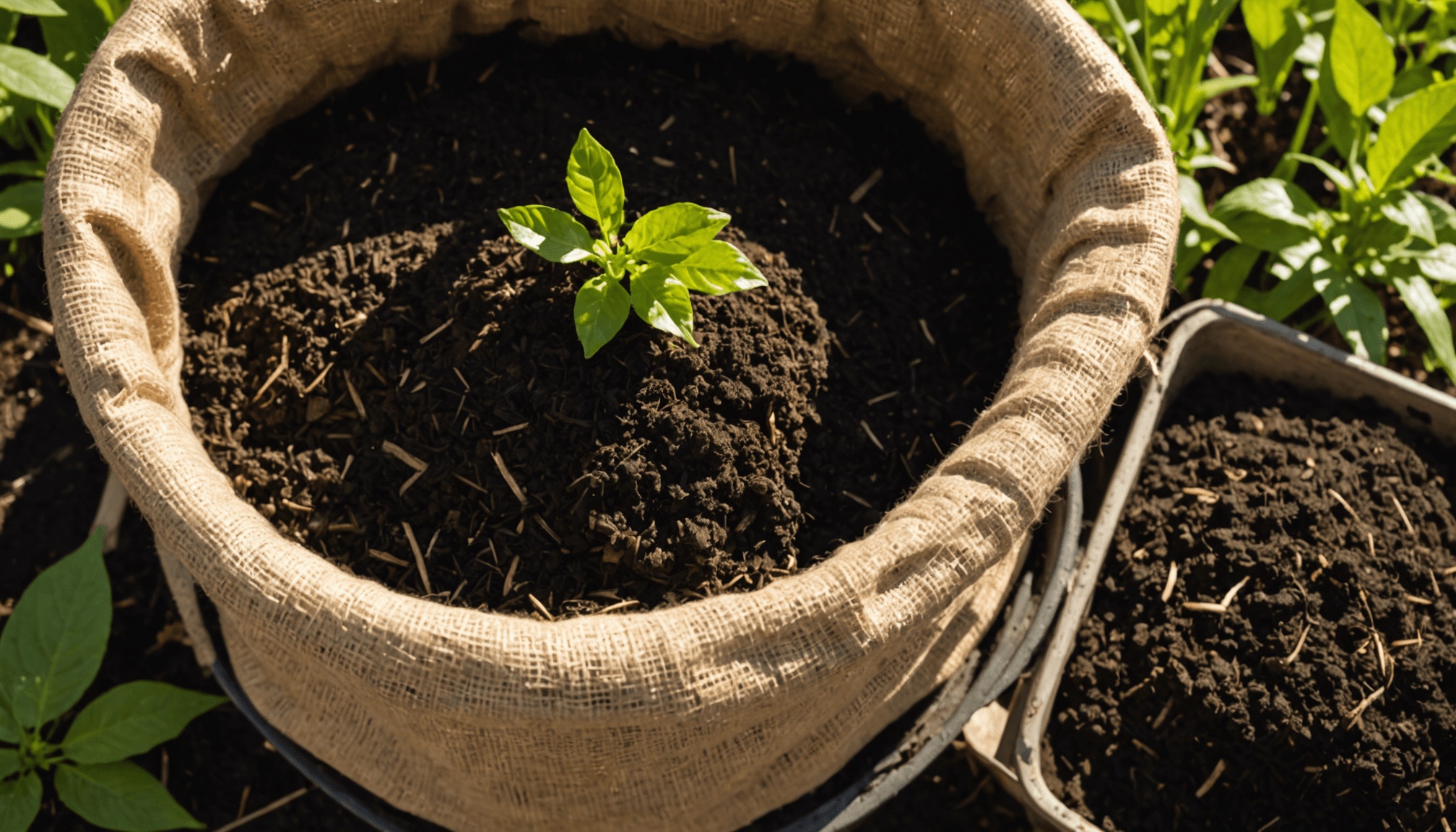
Brewing your own compost tea is a rewarding venture that not only enriches your garden but also connects you to the natural process of nurturing life. Here’s a step-by-step guide to crafting your very own compost tea, ensuring you harness all the goodness from your ingredients.
Step 1: Gather Your Materials
Before diving into the brewing process, it’s essential to gather all the necessary materials. You will need:
- A container for brewing (5-gallon buckets work great)
- High-quality, well-aged compost
- Water (preferably non-chlorinated)
- Optional additives (like worm castings, molasses, or seaweed extract)
- A stirring tool (a long stick or spoon)
Step 2: Prepare Your Compost
Take about 1 part of your compost and place it in a breathable bag, like an old pillowcase or a mesh bag. This setup allows beneficial microbes to leach into the water while preventing debris from floating in the brew. This step is crucial for keeping your compost tea clean and easy to apply.
Step 3: Fill Your Brewing Container
Fill your bucket or container with about five parts water to one part compost. If using additives like molasses, mix in a tablespoon of molasses per gallon of water to kickstart microbial activity. Make sure to use dechlorinated water; you can achieve this by letting tap water sit out for 24 hours to allow the chlorine to evaporate.
Step 4: Introduce Aeration
Aeration is key to a successful compost tea brew. If you have an aquarium pump and airstone, set this up in your brewing container to keep the mixture aerated. This can significantly enhance microbial growth, making your compost tea even more effective. If you don’t have an aerator, you can manually stir the mixture every few hours to keep the microbes active.
Step 5: Brewing Time
Let your compost tea brew for 24 to 48 hours. The longer you brew, the more potent your tea will be. Check the aroma; it should smell earthy and sweet, not foul. If the tea smells bad, consider shortening the brew time or adding more aeration next time.
Step 6: Strain and Store
Once your brew is ready, remove the compost bag and strain the liquid through a fine mesh or cheesecloth to filter out larger particles. This will give you a smooth liquid that’s easy to apply to your plants. Store any unused tea in a sealed container, but use it within a week for optimal benefits.
Step 7: Application
Your compost tea is now ready to be applied! Use a watering can or spray bottle to distribute it evenly around the base of your plants. Aim to do this in the early morning or late afternoon to avoid burning the plants with the sun. Remember, moderation is key; applying once every two weeks will help maintain healthy soil and plants without overwhelming them.
By following these steps, you’ll not only create a nutrient-rich brew but also engage in a process that strengthens your connection to your garden. The simplicity of brewing homemade compost tea makes it an accessible practice for urban dwellers and garden enthusiasts alike, while also promoting sustainability in your home gardening efforts.
How to Apply Compost Tea in the Garden
Applying compost tea in your garden can amplify your plants’ health and enhance the soil’s vitality. The application techniques can vary, but understanding the best methods will help you maximize the benefits of this powerful brew. The most common approach is to directly water your plants with compost tea, ensuring that the nutritional goodness permeates both the foliage and the roots.
One efficient method involves using a watering can. Simply fill your can with the compost tea and pour it around the base of your plants. This method allows the plants’ root systems to absorb the nutrients directly. Targeting the soil rather than the leaves helps prevent excess moisture on the foliage, which can sometimes promote fungal diseases. When applying compost tea, aim for the soil surface to allow the beneficial microbes to penetrate the soil and interact with the root zone.
For foliage application, using a sprayer can be effective, especially for boosting plant health during critical growth periods. This technique involves misting compost tea onto the leaves, providing them with a quick nutrient boost. It’s advisable to conduct foliar applications in the cooler parts of the day, either early in the morning or late in the afternoon, to minimize the risk of leaf burn from the sun. Always ensure that the tea is well-strained to prevent clogging the sprayer.
Timing the application is equally crucial. Applying compost tea every two to four weeks during the growing season will yield the best results. For heavy feeders or plants showing signs of stress, weekly applications may be beneficial. In contrast, during the dormant season, you can scale back, applying compost tea only once a month or less frequently.
The quantity you apply depends on the size of your garden and the plants’ needs. A general guideline is to use about one quart of compost tea per plant or one to two gallons per 100 square feet of garden area. Always monitor your plants’ responses, adjusting the frequency and amount based on their growth and health.
“The soil is a living entity, and the right nutrients can make all the difference in plant vitality.” – Unknown
For those with larger garden spaces, a tank sprayer can provide more efficient coverage, enabling you to apply compost tea over larger areas without much effort. Just ensure that you have thoroughly strained your compost tea to avoid any clogging.
Keep in mind that while compost tea offers remarkable benefits, it’s essential to avoid overapplication. Excessive nutrients can lead to imbalances in the soil, harming rather than helping your plants. Monitoring soil moisture and plant health will guide you in making the right decisions regarding frequency and application amounts.
In addition to these practices, consider combining compost tea with other organic practices, such as mulching and crop rotation, to create a comprehensive and effective organic gardening regimen. This holistic approach not only nourishes your plants but also supports a thriving and sustainable ecosystem in your garden.
Common Mistakes to Avoid
When embarking on the journey of making and applying compost tea, it’s essential to be mindful of common pitfalls that can diminish its benefits. One frequent mistake is using compost that is not fully matured. Immature compost may contain pathogens or seeds, which can negatively impact plant health and introduce weeds into your garden. Always ensure your compost is well-aged, dark, and crumbly before brewing to guarantee the highest quality tea.
Another prevalent error is failing to use non-chlorinated water. Chlorine can harm beneficial microorganisms, which are critical to the effectiveness of your compost tea. To avoid this, let tap water sit and dechlorinate for 24 hours, or use rainwater if possible. This small adjustment can greatly enhance the microbial activity in your final brew.
Over-brewing the tea can also lead to unfavorable results. While soaking for 24 to 48 hours is ideal, extending the brew time may cause unpleasant odors and reduce the quality of your tea. If your compost tea smells foul after brewing, it might indicate anaerobic conditions; in such cases, it’s best to increase aeration or decrease brewing time in future batches.
It’s equally important not to over-apply compost tea. While weekly applications may seem beneficial, too much of this rich brew can overwhelm plants and lead to nutrient imbalances in the soil. Observing your plants’ responses is key—if you notice signs of nutrient burn or wilting, consider reducing the frequency or quantity of your applications.
Neglecting to strain your compost tea before application is another mistake to avoid. Larger particles can clog watering cans or sprayers, making application laborious or ineffective. Straining your tea not only enhances its usability but also ensures that nutrients are delivered smoothly to your plants.
Finally, ignoring the environmental conditions under which you apply compost tea can limit its effectiveness. Applying it during the hottest parts of the day can lead to leaf burn, while using it during heavy rains may wash away nutrients before they are absorbed. Aim to apply your tea during cooler, overcast times to maximize absorption.
- What is the best type of compost to use for compost tea?
- The best compost for tea is well-aged, dark, and crumbly. It should contain a balanced mix of green and brown materials to ensure a rich microbial profile.
- How often should I apply compost tea in my garden?
- Applying compost tea every two to four weeks during the growing season is typically effective. For heavy feeders or stressed plants, you might consider weekly applications.
- Can I use tap water for brewing compost tea?
- It’s advisable to avoid using tap water directly due to chlorine, which can harm beneficial microbes. Letting tap water sit for 24 hours or using rainwater can prevent this issue.
- What happens if my compost tea smells bad?
- Bad smells usually indicate anaerobic conditions or the presence of unwanted microorganisms. If your tea smells foul, reduce brewing time or increase aeration in future batches.
- How should I apply compost tea to my plants?
- Compost tea can be applied around the base of plants with a watering can or sprayed directly onto foliage. Applying in the cooler parts of the day is best to avoid leaf burn.
- Is it possible to overdo it with compost tea?
- Yes, over-application can lead to nutrient imbalances in the soil and may cause harm to plants. It’s important to monitor plant health and adjust application frequency as needed.
- Can compost tea attract pests?
- While compost tea itself is not a direct attractant for pests, excessive moisture on foliage can create the right environment for fungal diseases. Always apply compost tea with care and at appropriate times.
Frequently Asked Questions about Compost Tea
- What is the best type of compost to use for compost tea?
- The best compost for tea is well-aged, dark, and crumbly. It should contain a balanced mix of green and brown materials to ensure a rich microbial profile.
- How often should I apply compost tea in my garden?
- Applying compost tea every two to four weeks during the growing season is typically effective. For heavy feeders or stressed plants, you might consider weekly applications.
- Can I use tap water for brewing compost tea?
- It’s advisable to avoid using tap water directly due to chlorine, which can harm beneficial microbes. Letting tap water sit for 24 hours or using rainwater can prevent this issue.
- What happens if my compost tea smells bad?
- Bad smells usually indicate anaerobic conditions or the presence of unwanted microorganisms. If your tea smells foul, reduce brewing time or increase aeration in future batches.
- How should I apply compost tea to my plants?
- Compost tea can be applied around the base of plants with a watering can or sprayed directly onto foliage. Applying in the cooler parts of the day is best to avoid leaf burn.
- Is it possible to overdo it with compost tea?
- Yes, over-application can lead to nutrient imbalances in the soil and may cause harm to plants. It’s important to monitor plant health and adjust application frequency as needed.
- Can compost tea attract pests?
- While compost tea itself is not a direct attractant for pests, excessive moisture on foliage can create the right environment for fungal diseases. Always apply compost tea with care and at appropriate times.
- Should compost tea be diluted before application?
- In most cases, compost tea can be applied directly, but if you’re using a particularly concentrated brew, you may consider diluting it with water to prevent potential nutrient burn.
- Can I store compost tea for later use?
- While it’s best to use compost tea fresh, you can store any unused tea in a sealed container in a cool place. However, try to use it within a week for the best results.
- Will compost tea still work if it has been sitting for a while?
- Compost tea that has been sitting for too long may lose its potency, and the beneficial microorganisms can begin to die off. Always aim for fresh applications when possible.