
Homesteading can be an enriching journey, but it doesn’t have to drain your wallet. Understanding how to embark on this path without overspending is crucial for urban dwellers, families, and garden enthusiasts. Budget-friendly homesteading begins with a mindset shift; it’s about embracing simplicity and creativity.
One fundamental aspect to consider is knowing your key expenses. Start by listing potential costs associated with land, tools, seeds, livestock, and daily upkeep. This will help you pinpoint where you can allocate resources effectively. Instead of diving headfirst into expensive equipment, consider borrowing or renting tools from community members or local co-ops.
Brainstorming alternatives can also lead to significant savings. For example, you can explore permaculture principles that focus on reducing inputs and yielding more with less. Companion planting is another way to maximize garden space and improve crop yields without resorting to expensive fertilizers.
Start small and scalable. Raising chickens for fresh eggs might sound tempting, but consider a home herb garden first. This introduces you to gardening without overwhelming you financially. As you gain experience, you can expand to more complex ventures.
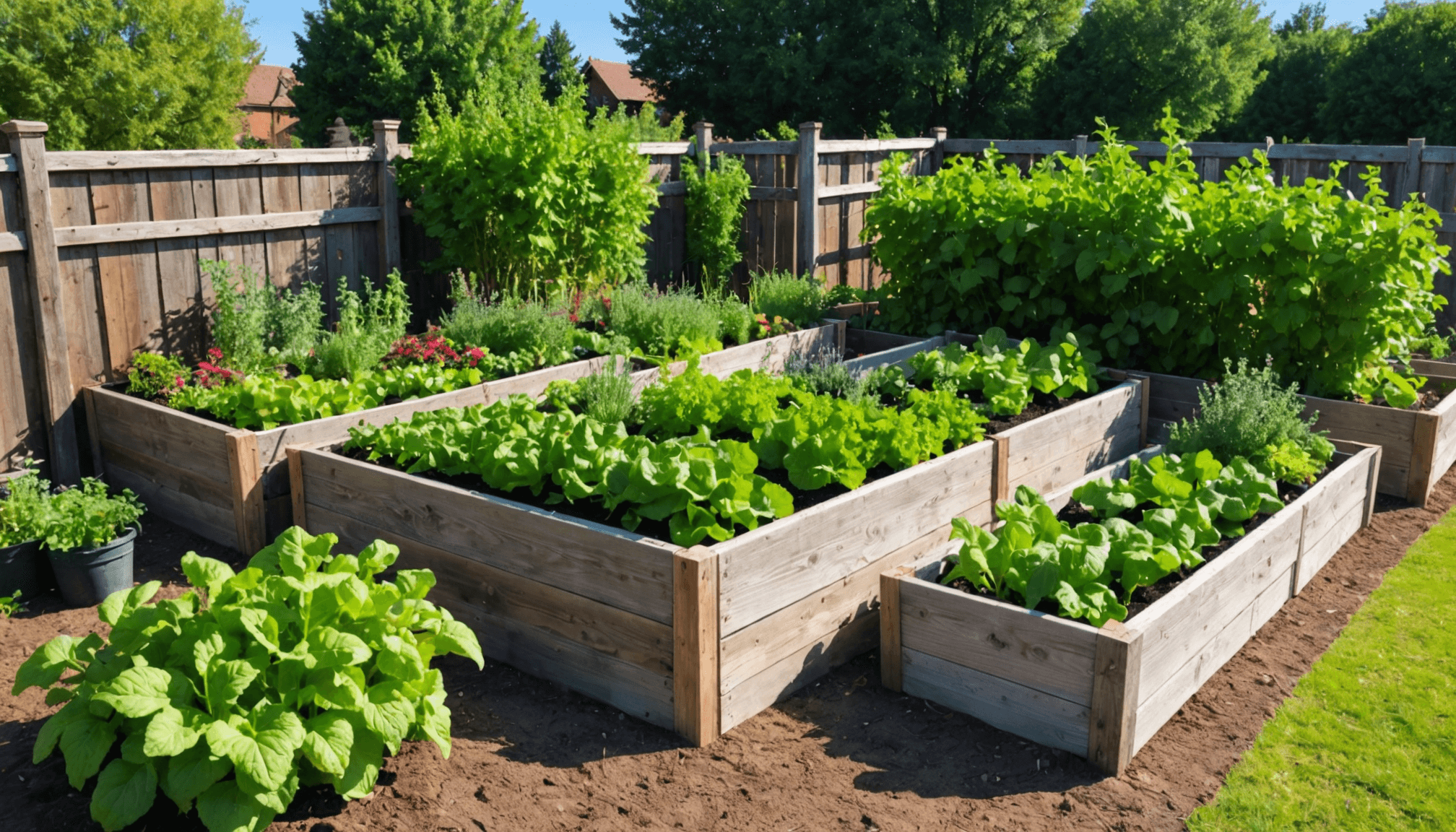
- DIY Projects: Get hands-on with simple DIY projects like building raised beds or compost bins. Not only will this save money, but it will also give you a sense of accomplishment.
- Community Resources: Join local homesteading groups or online forums where you can share advice, trade resources, and learn from one another’s experiences.
- Time as Currency: Remember, your time is just as valuable as your financial resources. Invest it in learning skills that will benefit you long-term, such as canning, preserving, or bread making. These skills can save you money and add value to your homestead.
Finally, engage with platforms that offer sustainable practices and budget tips for homesteaders. Websites like Homestead and Chill provide vast resources on everything from growing your food to preserving the harvest, ensuring you can find ways to thrive without spending a fortune.
Assessing Your Financial Situation
To effectively assess your financial situation, begin by creating a comprehensive overview of your current income and expenses. This will provide clarity on your available resources for homesteading projects. Start with a simple spreadsheet to categorize your finances into sections such as income from employment, passive income, monthly bills, and discretionary spending. A visual representation of your finances can highlight areas where adjustments can be made.
When evaluating your financial situation, consider both fixed and variable expenses. Fixed expenses are costs that remain constant, such as mortgage or rent payments, while variable expenses can fluctuate, including groceries and utility bills. Analyzing these expenses helps identify how much of your income is earmarked for essentials and how much may be available for putting towards your homesteading goals. Below is a sample breakdown of fixed and variable expenses:
| Expense Type | Description | Average Monthly Cost |
|---|---|---|
| Fixed Expenses | Mortgage/Rent | $1,200 |
| Fixed Expenses | Insurance | $200 |
| Variable Expenses | Groceries | $400 |
| Variable Expenses | Utilities | $150 |
| Variable Expenses | Transportation | $300 |
With a clear understanding of where your money goes, explore potential savings in your discretionary spending. Simple lifestyle changes, such as cooking at home instead of dining out or reducing unnecessary subscriptions, can free up funds to be redirected toward your homesteading aspirations. Additionally, you may want to assess any debts you have. High-interest debts, like credit cards, can significantly hinder your ability to save for your homestead. Consider strategies for paying down these debts, such as the snowball or avalanche methods.
Next, factor in your homesteading costs into your financial plan. Create an estimated budget for initial investments that cover land, tools, seeds, and livestock. This budget should include an emergency fund for unforeseen expenses associated with farming and homesteading. Unexpected costs might arise due to equipment failure, livestock health issues, or natural disasters, so setting aside a portion of your resources for emergencies will protect your homesteading endeavors.
Additionally, think about income opportunities that can complement your homesteading lifestyle. This could include producing goods for sale, such as homemade jams, vegetables, or handcrafted items. Participating in farmers’ markets or local fairs can provide additional income streams that help support your homesteading goals. Consider the skills you possess that could be monetized, further enhancing your financial stability.
A thorough assessment of your financial situation lays the groundwork for achieving your homesteading goals. By understanding your current financial landscape, cultivating a savings strategy, and exploring income opportunities, you can successfully embark on your homesteading journey on a budget.
Setting Realistic Goals for Your Homestead
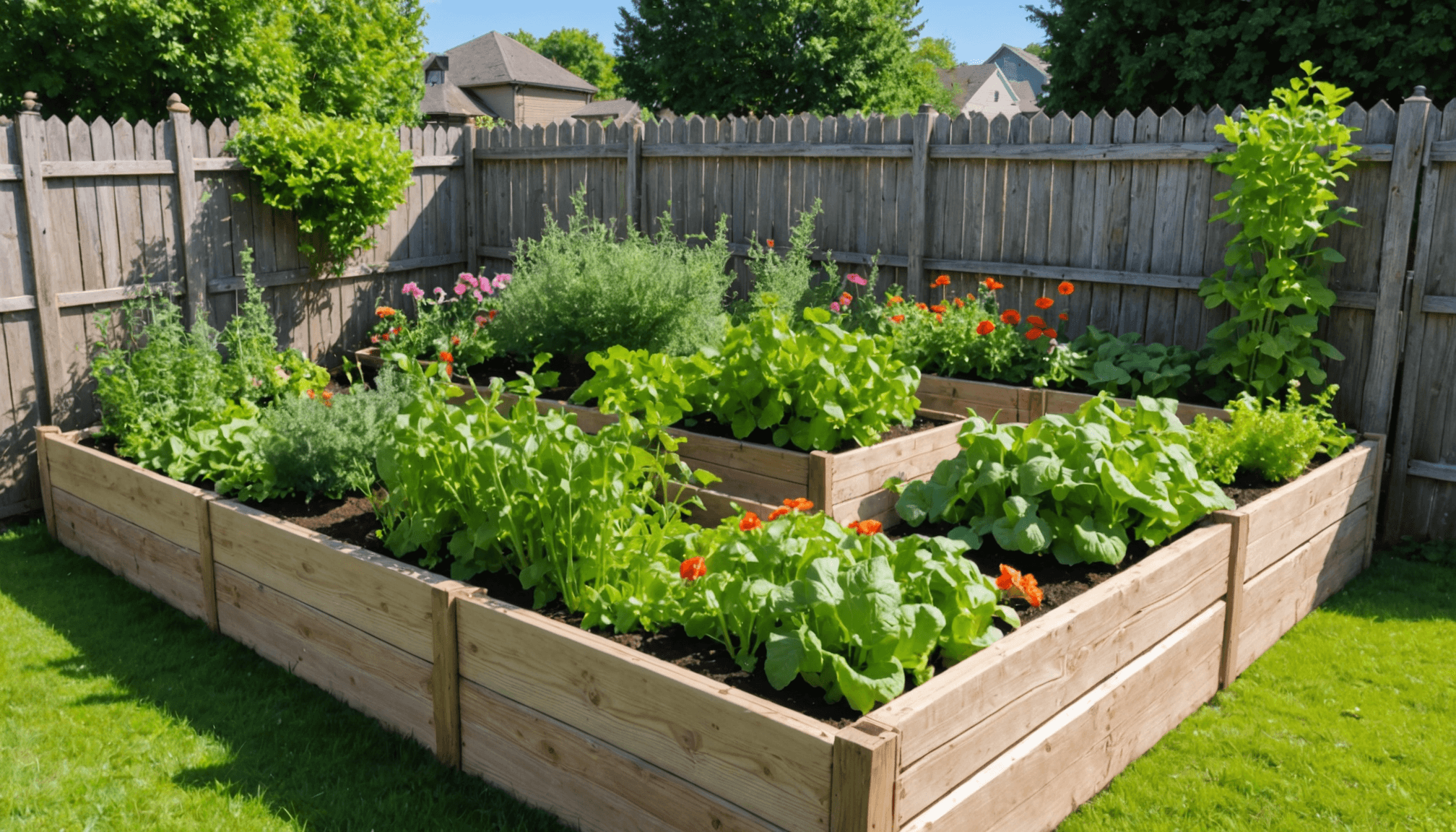
Setting realistic goals is essential to ensure that your homesteading journey is rewarding and sustainable. Start by envisioning what homesteading means to you. Imagine the flavors of fresh herbs in your cooking or the joy of harvesting your own vegetables. Whatever your vision is, translate these dreams into actionable goals that fit your lifestyle and financial resources.
Begin with short-term goals. These can include small projects that yield immediate satisfaction and experience. For instance, if you’re leaning towards gardening, aim to plant a small vegetable patch or cultivate a few pots of herbs on your balcony or in your garden. As you gain confidence and skills, gradually scale up your efforts. You might consider raising chickens for eggs or adding a compost system to improve your soil health.
- Prioritize Your Goals: Make a list of your aspirations and prioritize them based on their importance and feasibility. Ask yourself, which projects excite you the most? Which align with your budget and current skills?
- SMART Goals: Adopt the SMART criteria for setting your goals—make them Specific, Measurable, Achievable, Relevant, and Time-bound. For example, instead of saying, “I want a bigger garden,” set a goal like, “By the end of the summer, I will grow three types of vegetables in my garden that I can harvest and eat.”
- Document Progress: Keep a journal of your homesteading experiences. Documenting your achievements and setbacks will help you refine your goals over time and motivate you to stay on track.
As you set your goals, it’s crucial to educate yourself on what each entails. Understand the time commitment required and the resources needed for each project. Research various methods and techniques, whether it’s soil preparation, pest management, or foraging. The more prepared you are, the more likely you will succeed without feeling overwhelmed.
Additionally, align your goals with your financial situation. Create a budget that reflects not only your short-term objectives but also how these goals fit into your long-term homesteading vision. This can include saving for necessary equipment or setting aside funds for soil enhancements and seeds. Keep your budget flexible to adapt to unexpected expenses that may arise along the way.
Consider involving family or friends in your homesteading goals. Collaboration not only lightens the workload but also fosters a sense of community. For instance, you could start a community garden project or plan seasonal gatherings to exchange produce and ideas. This dual benefit of social interaction and resource sharing can significantly enhance your homesteading experience.
Remember to celebrate your achievements, no matter how small. Each step taken is a piece of your homesteading journey. Share your progress on social media or within your community, as this can inspire others and create connections that further enrich your experience.
Essential Skills for Budget-Friendly Homesteading
Developing essential skills is paramount for successful budget-friendly homesteading. These skills not only enhance your self-sufficiency but also reduce reliance on costly services and products. Begin with basic gardening techniques, as a solid foundation in growing your own food can significantly cut down your grocery expenses. Learning about soil health, seed selection, and crop rotation will equip you to create a thriving vegetable garden. Consider taking workshops or online courses that focus on organic practices, which are often more sustainable and cost-effective.
“The food you grow is only as good as the soil it’s grown in.”
Additionally, mastering preservation techniques can help extend the life of your harvest. Skills such as canning, freezing, and dehydrating allow you to enjoy seasonal produce throughout the year, preventing waste and saving money. Start with small batches to practice, gradually increasing as you gain confidence and knowledge. Keep in mind that having the right equipment, like jars for canning and vacuum sealers for freezing, is a worthwhile investment geared towards long-term savings.
Another vital skill is animal husbandry. If you’re planning to keep livestock, understanding their care, feeding, and breeding can lead to savings on purchasing eggs or milk. Start with easy-to-manage animals such as chickens or rabbits, which typically require less investment in terms of space and resources. Learning to build basic shelters or coops not only saves money but also teaches valuable construction and maintenance skills.
For those interested in more comprehensive self-sufficiency, consider learning about foraging. Identifying edible plants and mushrooms in your local area can enhance your culinary endeavors while minimizing grocery bills. Always ensure you’re educated on safe foraging practices to avoid any mistakes with poisonous species.
“You need to learn how to take care of yourself and your family; it’s a skill set that no one can ever take away from you.”
DIY skills are equally important in the journey of budget-friendly homesteading. Developing expertise in carpentry, plumbing, or electrical work can drastically reduce the costs associated with home repairs and improvements. Start by tackling small projects such as building raised beds, compost bins, or chicken coops. Not only will these tasks save you money, but they will also prompt a sense of pride and accomplishment. Utilize online resources, such as videos and tutorials, to teach yourself these vital skills.
Finally, communication and community-building skills cannot be overlooked. Engage with local homesteading groups, skill-sharing workshops, or community gardens where you can collaborate with others. Sharing knowledge, resources, and labor can prevent expenses and deepen your connections within the community. This reciprocal exchange often leads to friendships, partnerships, and additional learning opportunities, making your homesteading journey even more rewarding.
Embracing a growth mindset, seeking knowledge, and continuously refining your skills will ultimately lead to more efficient and effective homesteading practices. As you become proficient in these areas, you’ll find that your capacity to innovate and adapt enhances, resulting in a rich and fulfilling lifestyle that remains firmly within budget.
Cost-Effective Strategies for Land and Resources
When exploring cost-effective strategies for land and resources, there are numerous pathways to consider that will allow you to maximize your investment while minimizing expenditures. One significant aspect to take into account is the type of land you choose for your homestead. If purchasing land outright is prohibitive, consider alternative options like leasing or sharing land with fellow homesteaders who may be looking to split costs. This can often lead to a communal sharing of resources and labor, fostering a sense of community while reducing individual financial burdens.
Another approach is to look for underutilized properties. Vacant or distressed land can often be acquired at a lower price and transformed into a productive space with your homesteading skills. Investigating properties with existing infrastructure, such as gardens or outbuildings, can also save time and money as you set up your homestead. Additionally, ensure you take soil tests and evaluate water sources before acquiring land to avoid future costly remediation efforts.
For those who may not even need a large parcel of land, urban homesteading presents an attractive option. Transforming your backyard or even a small balcony into a productive space can provide you with fresh vegetables and herbs while contributing to your self-sufficiency. Vertical gardens and container gardening are innovative ways to maximize limited space and can lead to substantial savings on grocery bills.
Furthermore, establishing a strong network for resource sharing can help in acquiring necessary tools and materials without incurring hefty expenses. Local tool libraries and community workshops often have a variety of equipment available for borrowing or rental, which can be especially beneficial for sporadic tasks like woodworking or farming. Engaging in barter systems with fellow homesteaders can also lead to resource acquisition without the direct exchange of money, such as swapping harvested produce for seeds or tools.
When it comes to building structures on your homestead, consider using reclaimed materials. Pallets, old doors, and even used windows can be sourced at little to no cost and transformed into functional and unique gardening structures, chicken coops, or storage sheds. Not only does this strategy benefit your budget, but it also aligns with sustainable practices by reducing waste.
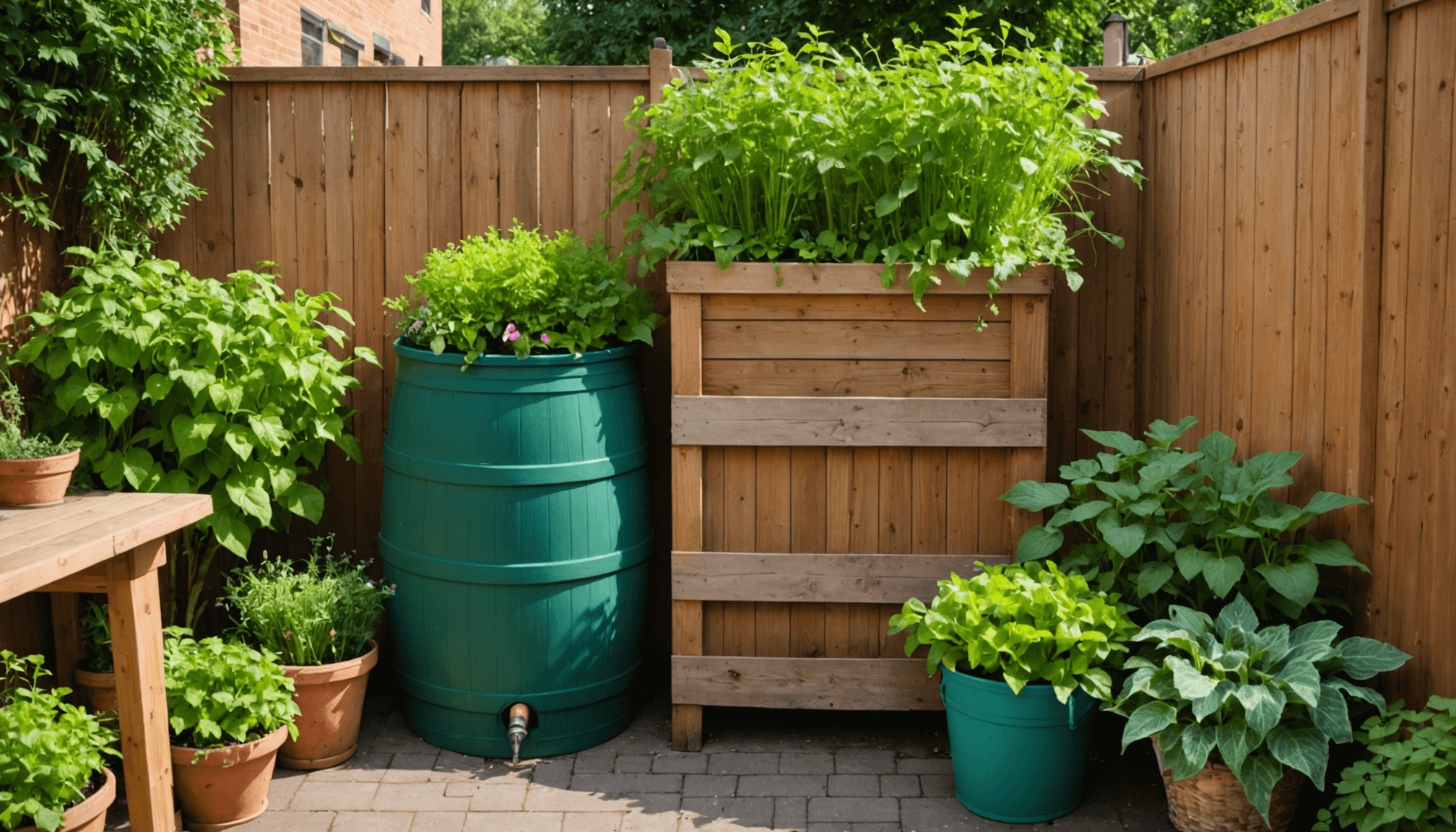
Water management is another critical aspect of resource cost-effectiveness. Investing in rainwater harvesting systems can lead to significant savings on water bills, particularly if your town or community has a water-use fee structure. Simple rain barrels placed at downspouts can provide a free and sustainable water source for your gardens.
Finally, enhancing your land through permaculture practices can lead to long-term sustainability, ultimately reducing input costs while improving yields. Designing your land layout to make the best use of sunlight, windbreaks, and water flow will create a system that nurtures itself, easing the burden of constant external input. Educational resources and workshops focused on permaculture can offer valuable insights into implementing these practices effectively.
- What is the best way to find affordable land for homesteading?
- Look for distressed properties or consider leasing land from existing owners. Local real estate listings, networking within homesteading groups, and land-sharing agreements can also uncover opportunities.
- How can I maximize a small urban space for homesteading?
- Utilize vertical gardening and container gardening techniques to efficiently use limited space. Growing herbs, small vegetables, or even dwarf fruit trees can repeat successful harvests.
- What are some inexpensive materials to use for building structures on a homestead?
- Consider reclaimed materials such as wooden pallets, old doors, or used windows. Community salvage yards or local classifieds often provide these materials at a fraction of the cost.
- How can I manage water costs on my homestead?
- Implement rainwater harvesting systems, such as rain barrels, to collect water for irrigation. This reduces the reliance on municipal water supplies, ultimately cutting down expenses.
- What are some effective methods to share resources with other homesteaders?
- Join local homesteading communities or online forums where you can network, share tools, or even trade produce. Bartering services or goods is a great way to lower costs.
- How can permaculture practices benefit my homestead’s sustainability?
- Permaculture focuses on designing agricultural systems that mimic natural ecosystems, leading to reduced input costs and improved soil health, ultimately creating a self-sustaining environment.
- Are there community programs to help with the initial costs of homesteading?
- Many communities have programs that offer grants or low-interest loans for startup expenses in agricultural endeavors. Research local agricultural extensions or non-profits that focus on sustainable practices.
Maintaining Financial Sustainability in Your Homestead
To maintain financial sustainability in your homestead, it is essential to adopt practices that not only cultivate your land but also foster economic resilience. Begin by establishing a clear budget for ongoing expenses. This includes setting aside funds for essential items such as seeds, soil amendments, animal feed, and maintenance supplies. Tracking these recurring costs will enable you to forecast your spending accurately and avoid unexpected financial strain.
Implementing a diversified approach to your homesteading operations can also enhance financial sustainability. Instead of relying heavily on one income stream or product, explore multiple avenues to generate revenue. Some practical ideas include:
- Produce Different Crops: Plant a variety of vegetables, fruits, and herbs to appeal to a broader customer base if you plan to sell at farmers’ markets or through a Community Supported Agriculture (CSA) program.
- Livestock and Eggs: Keeping chickens not only provides fresh eggs but can lead to additional income through the sale of chicks or excess eggs.
- Crafting and Value-Added Products: Transform raw produce into jams, dried herbs, or soap. These value-added products often sell at higher prices and attract customers looking for unique, homemade items.
- Workshops and Classes: Share your skills with others. Offering classes on gardening, canning, or building skills can create a community-centric income stream while enhancing your reputation.
Networking with local businesses and farmers can provide additional financial opportunities. Consider forming partnerships for cross-promotion or joint ventures that could decrease costs or expand your market reach. Participate in local events and fairs to showcase your products; this interaction not only fosters community but also allows you to forge relationships that can be beneficial for future endeavors.
Monitoring expenses diligently does not merely stop with budget allocation. Regularly reflect on your spending habits and look for areas where you can cut costs. For instance, if certain crops are not yielding enough return on investment, it may be time to reconsider your planting selections or crop rotation strategy. Take advantage of seasonal sales for seeds and bulk purchases to further reduce costs. Joining gardening co-ops can also offer savings by allowing collective purchasing power.
Incorporate sustainable practices that save money while maintaining the health of your ecosystem. Principles like composting not only reduce waste but also offer an inexpensive solution for enriching soil fertility. Implementing crop rotation and companion planting can improve yields, reduce pest infestations, and decrease the need for chemical fertilizers.
Another vital consideration is achieving greater energy efficiency. Evaluate your farming methods and consider investments in renewable energy sources like solar panels or wind turbines if it aligns with your budget. While they may require upfront capital, these installations can significantly reduce long-term utility costs and sometimes even offer tax incentives that contribute to overall financial sustainability.
Sustainability also means preparing for economic shifts and natural disasters. Being proactive by establishing an emergency fund can help you manage unexpected expenses like equipment repairs or crop failures without derailing your financial plans. Explore crop insurance options available for homesteaders to safeguard your investment against unforeseen events.
Lastly, continuously educate yourself about sustainable farming techniques and financial management through workshops or online courses. The more knowledgeable you become about running a homestead, the better equipped you’ll be to adapt and innovate cost-effective strategies.