

Creating a welcoming haven for bees and other pollinators is essential for fostering biodiversity and ensuring the productivity of your urban garden. One of the key aspects of establishing a pollinator-friendly environment is to provide food, water, and shelter. Here are several tips to get you started on the right path:
- Choose the Right Location: Select an area with plenty of sunshine, as most pollinators prefer warm temperatures. A sunny spot can make a world of difference in attracting these beneficial insects.
- Water Sources: Provide a shallow water source, such as birdbaths or small ponds, for pollinators to hydrate. Adding stones or pebbles allows them to perch safely while sipping water.
- Plant Diversity: Incorporate a variety of native plants that bloom at different times throughout the growing season. This ensures a steady food supply for pollinators. Examples of excellent bee-friendly plants include lavender, echinacea, and goldenrod.
- Avoid Pesticides: Limit or eliminate the use of harmful pesticides in your garden. Consider using organic alternatives or natural methods for pest control that won’t threaten your pollinator population.
- Provide Shelter: Create homes for pollinators by including bee hotels made from bamboo, hollow stems, or wood blocks with drilled holes. This gives solitary bees a safe place to nest.
- Companion Planting: Enhance your garden’s biodiversity by planting flowers that attract pollinators alongside your crops. Examples include marigolds interspersed with vegetables to create a vibrant ecosystem that benefits both plants and pollinators.
By focusing on these components, you will not only enhance your own gardening experience but also contribute positively to the local ecosystem. Remember, the more inviting you make your garden, the more pollinators will thrive!
Choosing the Right Plants for Your Bee Garden
Choosing the right plants for your bee garden is a critical step toward creating a thriving habitat for these essential pollinators. The selection of plants should be guided by factors such as native species, bloom times, and plant structure, all of which play a significant role in attracting bees and supporting their life cycles.
Native plants are especially beneficial as they have evolved alongside local pollinators, offering the right kind of nectar and pollen. When choosing plants, consider incorporating perennials and annuals to ensure a vibrant display throughout the seasons. This diversity also helps promote various species of bees, each of which may have distinct preferences for particular types of flowers.
To provide bees with a continuous food supply, it’s important to select plants that flower at different times of the year. Below is a table illustrating plants that are particularly favorable for bees, categorized by their blooming periods:
| Blooming Season | Plant Name | Plant Type |
|---|---|---|
| Spring | Wild Blueberry (Vaccinium angustifolium) | Shrub |
| Spring | Coral Honeysuckle (Lonicera sempervirens) | Vine |
| Summer | Lavender (Lavandula angustifolia) | Herb |
| Summer | Echinacea (Echinacea purpurea) | Perennial |
| Fall | Goldenrod (Solidago spp.) | Perennial |
| Fall | Asters (Symphyotrichum spp.) | Perennial |
In addition to selecting the right plants, consider the structure and colors of the flowers. Bees are particularly attracted to blue, yellow, and white blossoms, and they are more likely to visit flowers with a simple shape that allows easy access to nectar. Clusters of flowers or flowers arranged in groups can also be more appealing as they provide a larger target for foraging bees.
When creating your bee garden, it’s also beneficial to think about plant spacing. Plants spaced closely together can help create an abundant environment for pollinators but should still allow adequate airflow to prevent diseases. Incorporating a mix of plant heights adds vertical diversity that can attract various species, such as solitary bees and bumblebees.
Furthermore, try to avoid hybrid flowers with double blooms, as they often produce less or no nectar and pollen, thus not serving their intended purpose of attracting pollinators. Instead, focus on heirloom varieties or single-flower types that have a high pollen count.
By carefully selecting a varied palette of bee-attracting plants, you not only create a vibrant and colorful garden but also actively contribute to the well-being of pollinators, fostering a sustainable ecosystem in your local area.
Essential Features of a Sustainable Bee Habitat
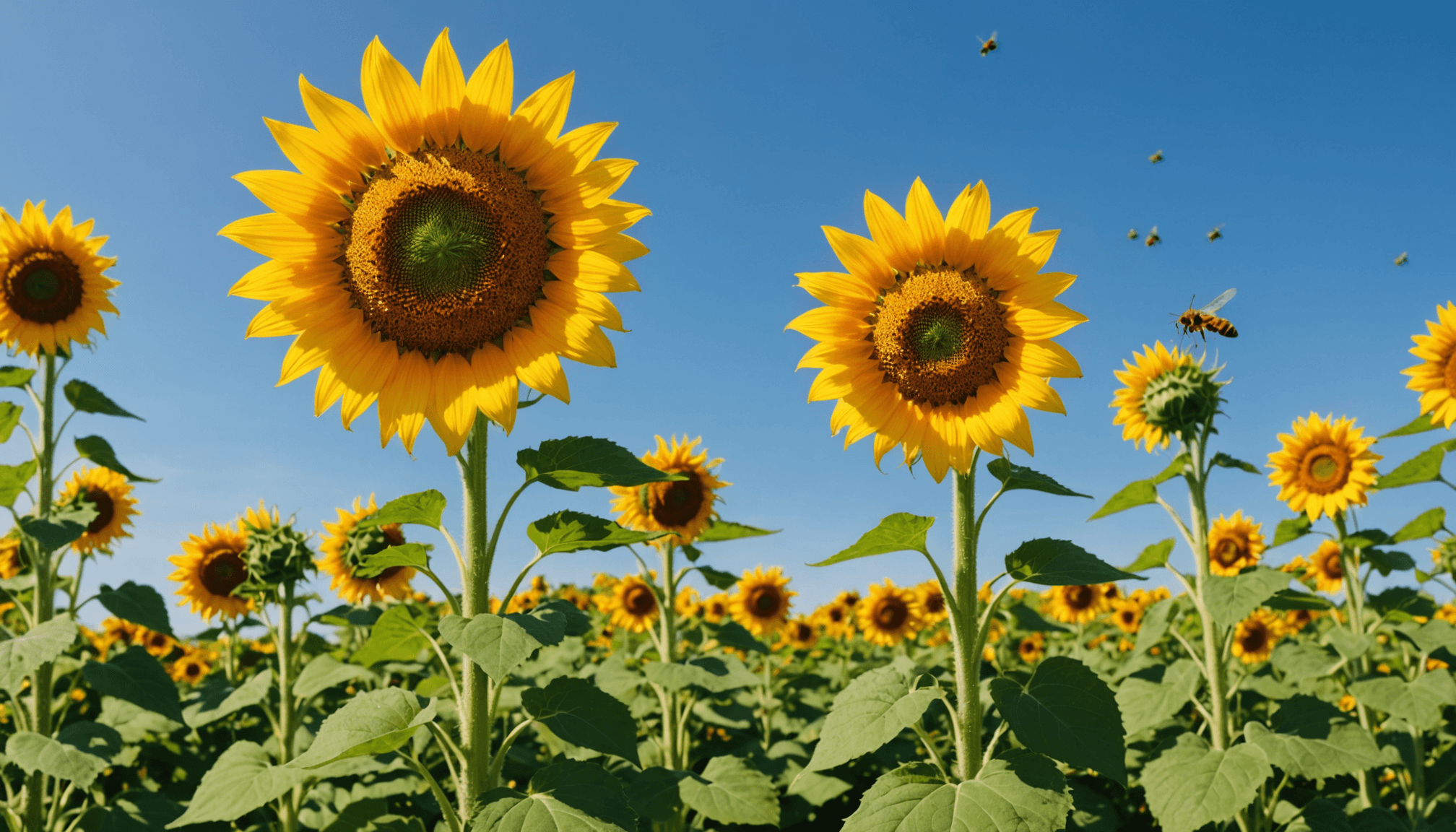
Creating a sustainable bee habitat requires thoughtful consideration of several essential features that support and nurture these valuable pollinators. Beyond the basics of food and water, your garden should embody elements that foster a healthy environment for both solitary and social bees.
- Soil Health: Begin with nutrient-rich soil that encourages robust plant growth. Consider incorporating organic matter, such as compost, to improve soil structure and fertility. A fertile garden not only supports flowering plants but also helps retain moisture, vital for pollinators.
- Native Flora: Prioritize native plants in your garden setup. Native species are not only adapted to the local climate but also provide the necessary food sources that local bee populations have evolved to depend on. Furthermore, they often require less maintenance and are more resilient to local pests.
- Sunlight and Shade: Ensure a balance of sunny and shaded areas in your habitat. While many bees enjoy basking in sunlight, places of shade can serve as cool retreats during hot summer days, making your garden an inviting area for a diverse range of pollinators.
- Leaf Litter and Debris: Leave some areas of leaf litter and garden debris in your space. These piles create natural habitats for ground-nesting bees and other beneficial insects. Avoid raking everything up to maintain a natural ecosystem that supports various wildlife.
- Natural Nesting Sites: Alongside bee hotels, consider incorporating brush piles, snags (standing dead trees), or bare soil patches for ground-nesting species. Solitary bees often burrow into soil or wood, making such features crucial for their survival.
- Windbreaks: Establish natural barriers, such as hedges or tall plants, to protect your garden from harsh winds, which can impact pollinator behavior. Windbreaks can help maintain the microclimate necessary for bees to thrive.
- Pesticide Alternatives: Incorporate Integrated Pest Management (IPM) practices. This holistic approach utilizes beneficial insects, like ladybugs and lacewings, and natural repellents to control pest populations while minimizing harm to bees. If you must intervene with chemical sprays, choose targeted options that are least harmful to pollinators.
- Seasonal Considerations: Promote growth cycles in your habitat by selecting plants that vary in bloom times, thus providing sustenance for bees across multiple seasons. Early bloomers like crocuses or snowdrops followed by summer favorites such as sunflowers ensures that your garden remains a vital food source year-round.
Incorporating these features not only enhances the sustainability of your bee garden but also contributes to the overall health of your local ecosystem. Each element plays a vital role in creating a thriving environment where pollinators can flourish, bringing life and vibrancy to your urban space.
Maintenance Tips for a Thriving Pollinator Garden
Maintaining a thriving pollinator garden is an ongoing commitment that requires dedication and care throughout the growing season. By following some straightforward tips and practices, you can ensure that your garden remains a sanctuary for bees and other essential pollinators.
Regular monitoring of the garden is essential. Take time to observe which plants are attracting pollinators and adapt your garden’s layout or plant selection as needed. This can also help identify any signs of pest problems early, allowing you to address them effectively while minimizing harm to your pollinator friends.
Watering is another critical aspect of maintenance. Providing adequate moisture is vital, especially during dry spells. Be mindful of your watering practices; it’s generally best to water early in the morning or late in the day to reduce evaporation. A well-maintained shallow water source can be a significant benefit, ensuring that the bees have access to hydration without risking drowning.
Deadheading spent flowers not only keeps the garden looking neat but also encourages plants to produce more blooms. This practice entices visiting pollinators, extending the flowering period throughout the season. In addition, consider leaving some flowers to go to seed. Seeds can serve as food for birds, and plants like sunflowers can help attract a variety of pollinators while also providing nutrition for other wildlife.
Mulching around your plants can help retain soil moisture, suppress weeds, and contribute to improved soil health over time. Organic mulch materials, such as straw, wood chips, or shredded leaves, are great options. They enhance soil structure and provide a habitat for beneficial organisms that can contribute to a balanced ecosystem.
Regular weeding is also a crucial aspect of maintenance. While some weeds may attract pollinators, many can compete with your cultivated plants for nutrients and space. Hand-pulling weeds or using mulch as a barrier can help keep them in check without disrupting beneficial insects.
Consider rotating some of your plants each season to promote soil health and reduce the risk of pests or diseases that can build up in one area. Diversity in your garden layout can bolster resilience and create a richer habitat for all types of pollinators.
Additionally, implementing a seasonal plan for your garden allows for efficient management. Early spring can be a time for planting new flowers and vegetables, while summer might involve more focused watering and weeding. Fall can be dedicated to preparing the garden for winter, including adding compost and leaving some plant materials for wildlife to use until spring.
“The hum of bees is the voice of the garden.” – Elizabeth Lawrence
Collaborating with nature also means allowing some wildness in your garden. Leaving areas of bare soil or patches of unkempt plants creates habitats for ground-nesting bees and other creatures that might not thrive in fully manicured spaces. Embracing this balance encourages a more dynamic and diverse environment, making your garden a true sanctuary for pollinators.
By applying these maintenance techniques, you will foster a resilient and vibrant garden ecosystem that continues to nourish both your plants and the pollinators that play such a vital role in sustaining it.
Understanding the Role of Pollinators in Ecosystems
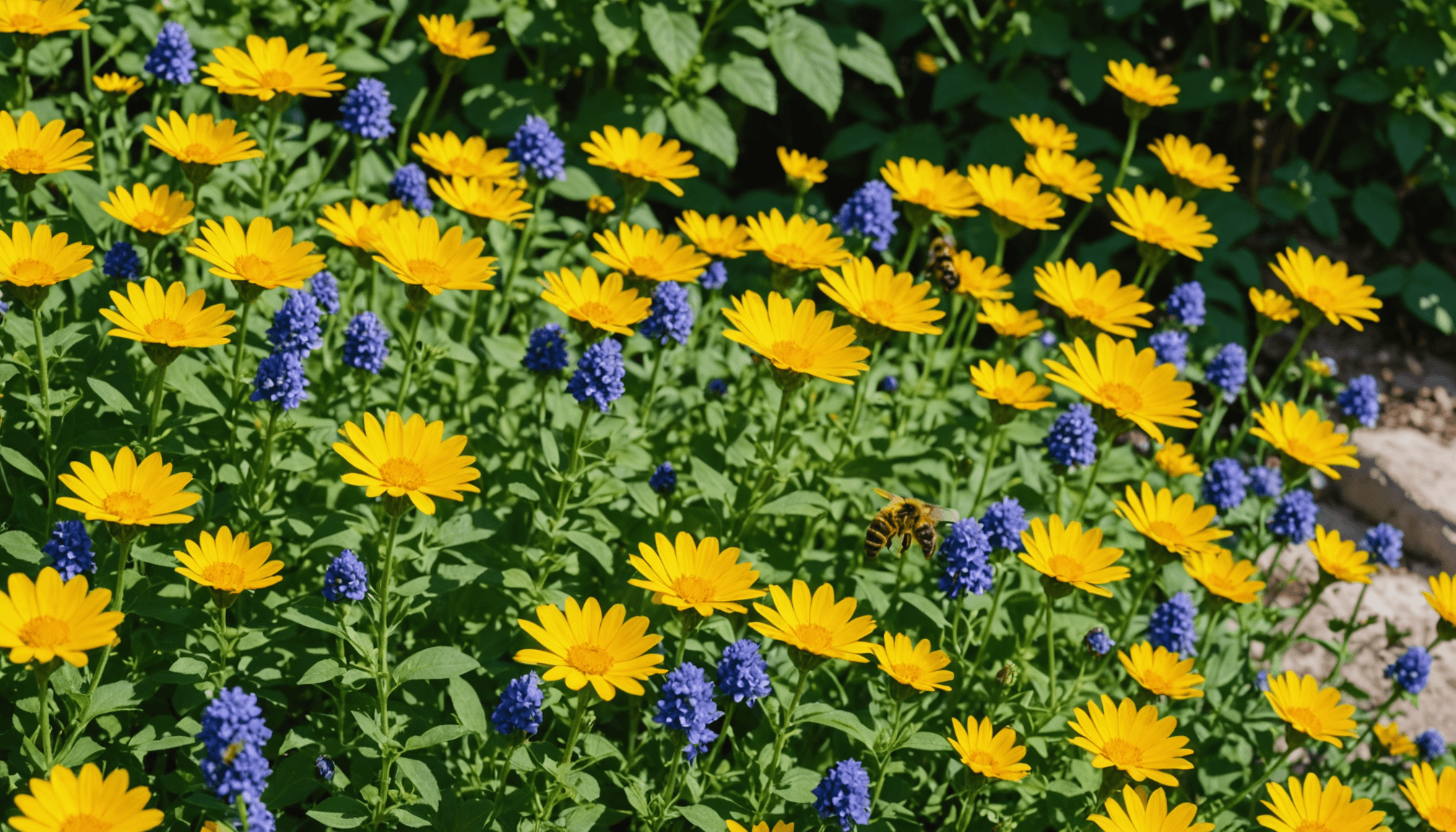
Pollinators are often described as the unsung heroes of our ecosystems, playing an indispensable role in the reproduction of many flowering plants. They are responsible for the critical task of transferring pollen from the male to the female parts of flowers, leading to the production of seeds and fruit. This process not only supports the survival of plant species but also underpins food production systems that humans rely upon. It is said that one in three bites of food we consume is made possible because of the hard work of pollinators. Their contributions are vital, affecting agriculture, biodiversity, and ecosystem stability.
Bees, butterflies, and even some birds and bats participate in this essential function. Each type of pollinator is unique in its behavior, physical characteristics, and the specific plants it tends to visit. For instance, honeybees are well-known for their communal living and efficiency, while solitary bees exhibit different nesting habits and prefer particular flower types. Understanding these distinctions can significantly enhance our gardening strategies, allowing us to create environments that cater to the specific needs of various pollinator species.
Additionally, healthy populations of pollinators contribute to a balanced ecosystem. By promoting plant diversity, they help maintain the resilience of ecosystems against invasive species and environmental changes driven by climate fluctuations. Without adequate pollination, many plants would struggle to reproduce, leading to declines in both plant and animal species that rely on those plants for food and habitat. Therefore, the decline of pollinator populations—often attributed to habitat loss, pesticide use, and climate change—poses a significant threat to global biodiversity and food security.
Engaging in gardening practices that support pollinator populations is a proactive step individuals can take towards sustainability. With each seed planted and each flower nurtured, we are addressing the larger issues of our times—biodiversity loss and food scarcity. Yet, the journey doesn’t end with garden planning and planting. Continuous learning about the intricacies of pollinator life cycles, behaviors, and the environmental pressures they face can inspire innovative practices that lead to flourishing bee gardens. By developing a deeper understanding of these vital creatures, we can become more effective stewards of our environment.
- What types of plants are best for attracting bees?
- Native flowering plants are typically the best choice for attracting bees, as they offer the nectar and pollen that local bee species have evolved to depend on. Additionally, choose plants with a diversity of colors and shapes, including blue, yellow, and white flowers with simple structures.
- How can I create nesting sites for solitary bees?
- Solitary bees appreciate nesting sites such as bee hotels, which can be made from bamboo or wood blocks with drilled holes. Leaving bare patches of soil in your garden also provides ground-nesting bees with a safe place to burrow.
- Is it necessary to avoid all pesticides in my garden?
- While it is ideal to avoid pesticides to protect pollinators, sometimes pest control is necessary. If you must use pesticides, opt for those that are less harmful, apply them in the evening when pollinators are less active, and employ targeted methods to minimize exposure.
- When should I plant flowers to attract bees?
- To attract bees effectively, plant a variety of flowering plants that bloom at different times throughout the growing season. This provides a continuous supply of nectar and pollen from early spring to late fall.
- How do I maintain a pollinator-friendly garden?
- Regularly monitor your garden for pest issues, keep the area well-watered, and practice weeding to prevent competition for resources. Additionally, consider deadheading flowers to encourage more blooms and allowing some plants to go to seed for wildlife benefits.
- What are the consequences of declining bee populations?
- Declining bee populations can significantly impact food production and biodiversity, leading to reduced crop yields and the potential loss of plant species that rely on them for reproduction. This may ultimately threaten food security and ecosystem stability.
- How can I get involved in local bee conservation efforts?
- Joining local conservation groups, participating in bee surveys, or volunteering for community garden projects can be great ways to get involved. Educating others about the importance of pollinators and advocating for sustainable practices in your community can also contribute meaningfully to their conservation.
Joining the Local Bee Conservation Effort
Getting involved in local bee conservation efforts is an empowering way to contribute to the well-being of pollinators and to the health of our ecosystems. There are various avenues you can explore to actively participate and make a positive impact.
- Join Local Conservation Groups: Many communities have organizations focused on the conservation of bees and other pollinators. Joining these groups can provide you with valuable resources, networking opportunities, and access to educational workshops. Websites like the Pollinator Partnership can help you find local initiatives.
- Participate in Community Garden Projects: Consider volunteering in community gardens that prioritize pollinator-friendly practices. This not only helps in fostering a supportive environment for bees but allows you to learn from experienced gardeners and share knowledge about best practices.
- Engage in Citizen Science: Contribute to scientific research by participating in local bee surveys and monitoring programs. Projects like the Xerces Society’s Pollinator Conservation Program often seek volunteers to monitor bee populations, providing critical data for conservation efforts.
- Advocate for Sustainable Practices: Use your voice to bring awareness to the importance of pollinators in your community. Educating others about the benefits of creating bee-friendly gardens, reducing pesticide use, and promoting native plants can help inspire collective action.
- Organize Education Workshops: Share your knowledge with friends and family by hosting workshops or informal gatherings focused on bee conservation. Demonstrating how to create habitats and nurturing plants that support pollinators can spread the movement within your circle.
- Support Local Pollinator-Friendly Businesses: Choose to shop from local farms, nurseries, and businesses that prioritize sustainable practices and offer native plants. Encouraging the local economy to adopt bee-friendly initiatives is crucial for long-term change.
Taking small steps to get involved not only enhances your gardening experience but also fosters a sense of community. Working together with neighbors, friends, and local organizations can create a larger impact in protecting our vital pollinator populations. It’s about cultivating a culture of awareness and action, centered on the incredible role bees play in our lives and ecosystems.