
When embarking on your journey into the world of perennial plants, selecting the right varieties for your nursery is crucial. With countless options available, choosing plants that resonate with your climate, soil type, and personal taste will ensure a thriving garden that yields beautiful blooms year after year.
Start by assessing your local climate. Some perennials thrive in hotter, drier conditions, while others prefer cooler and wetter environments. Researching native plants can be an excellent strategy, as these species are already adapted to your local conditions. For instance, if you live in a warmer region, consider daylilies or echinacea, known for their resilience and vibrant colors.
Next, evaluate your soil type. Different perennial plants have varying soil requirements. If your soil tends to be heavy clay or sand, look for plants that are tolerant of those conditions or consider amending your soil to create a more hospitable environment. Adding organic matter, such as compost, can dramatically improve soil structure and nutrient availability.
Once you have a grasp on climate and soil, think about your plant care goals. If you are looking for low-maintenance options, sedums and lavender are fantastic choices, requiring minimal care once established. For those who want to attract pollinators, consider planting species like bee balm and butterflyweed. Don’t forget to think about bloom time and color, ensuring you have a combination that provides visual interest throughout the growing season.
Lastly, consider your nursery offerings. Curate selections that not only reflect your aesthetic preferences but also cater to your local gardening community’s needs. Offering a variety of garden-ready perennials can draw in customers and establish your nursery as a go-to resource for all things gardening.
In summary, the selection of perennial plants should be a thoughtful process that considers your local environment, soil conditions, and plant care aspirations. By doing your research and understanding your customers’ needs, you can create a successful and sustainable perennial plant nursery.
Soil Preparation and Amendments
Soil preparation is one of the foundational steps in establishing a successful nursery that specializes in perennial plants. Before planting, ensuring that your soil is adequately prepared can mean the difference between a flourishing garden and a struggling one. Healthy soil should be rich in organic matter and well-drained to support robust plant growth.
Start by testing your soil to determine its pH and nutrient levels. Most perennial plants prefer a slightly acidic to neutral pH (around 6.0 to 7.0). Soil test kits are widely available at garden centers or agricultural extensions and can provide valuable information regarding necessary amendments. Based on the results, you may need to add lime to raise the pH or sulfur to lower it. Additionally, essential nutrients like nitrogen, phosphorus, and potassium should be balanced to promote plant health.
Once the soil has been analyzed and amendments identified, the next step is to enhance its structure and fertility. Incorporating organic matter, such as well-rotted manure, compost, or leaf mold, is essential. These amendments not only improve soil aeration and drainage but also increase the water retention capacity, which is particularly critical for newly planted perennial plants.
When preparing the planting area, clear away any debris, weeds, or existing grasses to reduce competition for nutrients and water. Tilling the soil to a depth of about 12 inches allows for the breaking up of compacted layers, promoting root penetration for the perennial plants. If your soil is particularly heavy or clay-like, consider incorporating coarse sand or perlite to enhance drainage further.
The following table highlights various soil amendments commonly used to improve soil conditions, and their effects on perennial plant growth:
| Ammendment | Benefits | Application Rate |
|---|---|---|
| Compost | Improves soil structure, increases nutrient availability, enhances moisture retention | 2-3 inches spread over the soil and mixed in |
| Coarse Sand | Improves drainage and aeration in heavy soils | 25-30% of the total soil volume, mixed well |
| Perlite | Enhances aeration and moisture retention | 10-20% of the total soil volume |
| Peat Moss | Increases water retention and organic content in sandy soils | 1-2 inches mixed into the soil |
| Organic Mulch | Helps regulate soil temperature, moisture retention, and weed suppression | 1-3 inches on top after planting |
Regularly monitoring soil health after initial preparations is vital. Over time, nutrients may deplete, and soil structure can change, therefore implementing a routine of adding organic amendments can sustain soil vitality. For perennial plants, especially at the nursery stage, continuous soil care can lead to more vigorous growth and a more aesthetically pleasing landscape. Furthermore, maintaining healthy soil will reduce reliance on chemical fertilizers, aligning with sustainable plant care practices.
With well-prepared soil, your perennial plants will establish themselves more quickly, allowing them to flourish in their environment. This comprehensive approach to soil preparation not only enhances plant health but also contributes to the overall success of your nursery offerings.
Planting Techniques for Success
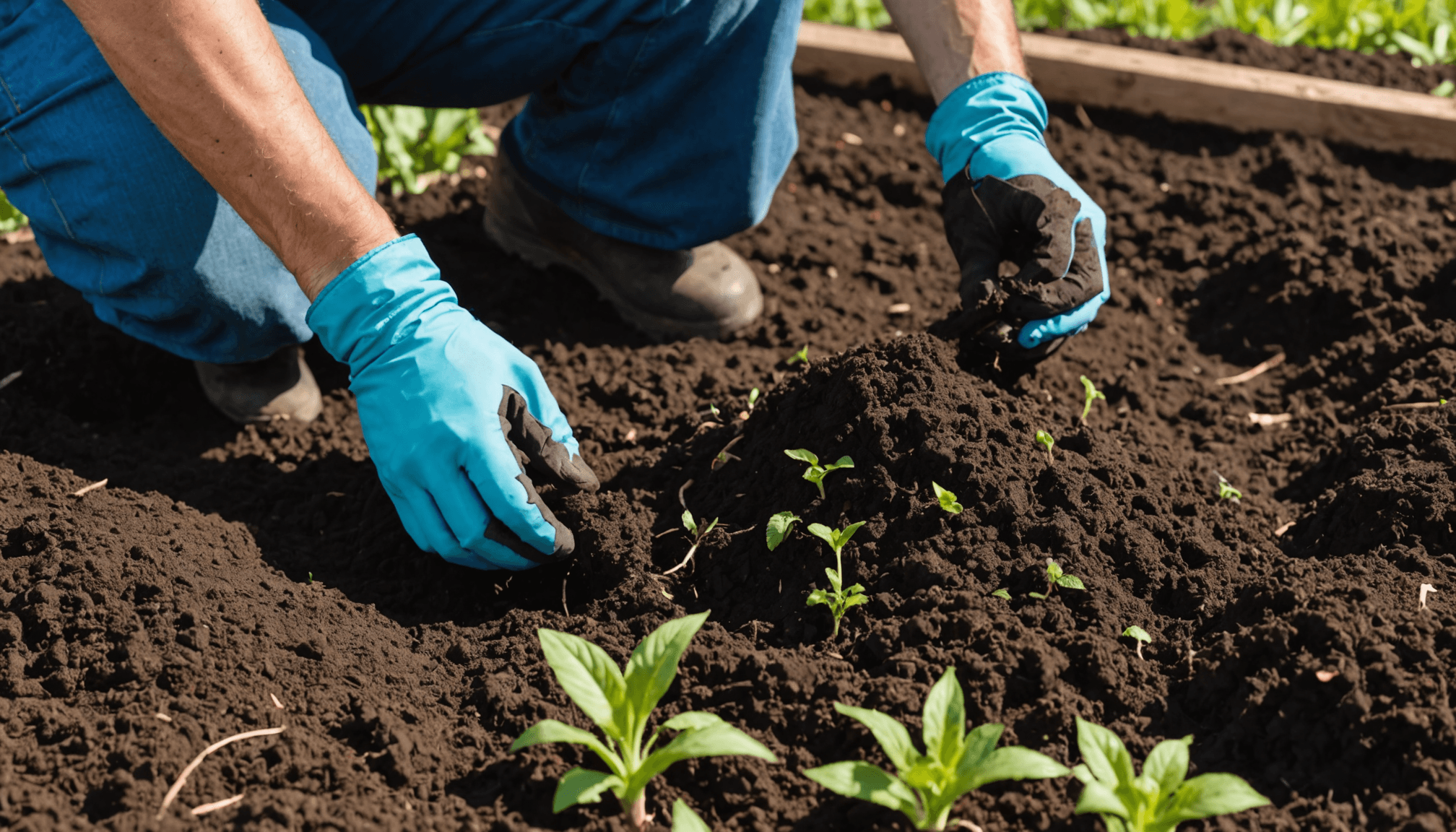
When it’s time to put those carefully chosen perennial plants into the ground, employing the right planting techniques can greatly enhance your chances of success. Timing is essential; typically, the best times to plant perennials are in the spring, after the last frost, or in the fall, a few weeks before the ground freezes. This gives the plants ample opportunity to establish roots before facing any extreme weather.
Start by digging a hole that is twice as wide as the root ball but no deeper than the plant’s original container. This allows the roots to spread out comfortably while ensuring that the crown—the part of the plant where the stems meet the roots—remains at soil level, preventing potential rot. As you dig, loosen the soil’s sides to encourage root growth beyond the confines of the hole.
Before placing the plant in the hole, check for any tightly bound roots. If the roots are circling around the root ball, gently break them apart with your fingers or a small garden tool. This will help them anchor better into the surrounding soil.
Once the plant is positioned, backfill the hole with the original soil while mixing in some compost or organic matter to give the perennial a nutrient boost. Early care is vital, so water the plant thoroughly right after planting. This helps to eliminate air pockets and ensures good soil contact with the roots.
Here are some simple steps to follow for planting success:
- Choose the right moment: Plant in spring or fall.
- Prepare the hole: Twice as wide as the root ball, but no deeper.
- Loosen bound roots: Break up any circling roots for better establishment.
- Mix in compost: Add organic matter while backfilling.
- Water well: Eliminate air pockets and hydrate roots immediately.
Consider using mulch around your newly planted perennials; it provides a protective layer that regulates soil temperature, moisture retention, and suppresses weeds. Organic mulch options like shredded bark or straw not only enhance aesthetics but also break down over time, enriching the soil with nutrients.
Watch out for potential pitfalls during the planting process. Be mindful of overcrowding. While it’s tempting to create a lush landscape quickly, giving each plant enough space allows for air circulation and reduces the risk of fungal diseases. Additionally, keep an eye on the sun exposure; some perennials thrive in full sun while others prefer partial shade.
Post-planting care is equally crucial. Monitor your nursery offerings daily, especially in the first few weeks, ensuring they receive adequate water without becoming waterlogged. Regularly check for signs of stress, such as wilting or yellowing leaves, and adjust watering accordingly. Implementing a simple watering routine can help establish a strong foundation for your perennials to flourish.
With these techniques and precautions in place, you’re setting your perennial plants up for success from the start. Your commitment to thoughtful planting practices will pay off as your nursery grows vibrant and diverse, becoming a well-loved spot in your community. Happy planting!
Watering and Irrigation Strategies
Watering is fundamental to the health and success of perennial plants, particularly in the crucial establishment phase after planting. Understanding the water needs of your plants, as well as implementing effective irrigation strategies, can significantly enhance their growth and vitality. Perennial plants typically require consistent moisture, especially during their first year as they develop their root systems. However, it’s important to balance this need with the risk of overwatering, which can lead to root rot and other water-related issues.
Initially, newly planted perennials will require more frequent watering to help them settle into their new environment. A good rule of thumb is to provide about 1 inch of water per week, either through rainfall or supplemental watering. During particularly hot or dry spells, this amount may need to be increased. Checking the moisture level of the soil can help determine when to water; if the top inch feels dry, it’s time to give your perennials a drink.
Consider the use of a drip irrigation system or soaker hoses as they deliver water directly to the roots, minimizing evaporation and runoff. These methods are efficient, allowing for targeted watering that supports deep root development without wetting the foliage. Regular, deep watering encourages roots to grow deeper into the soil, making perennial plants more drought-tolerant over time.
“Water is the most essential element of life; without it, our gardens will not thrive.” – Unknown
Mulching around your plants serves a dual purpose: it helps retain soil moisture, minimizing the need for frequent watering, and suppresses weeds that compete for nutrients. Organic mulches, such as shredded bark, straw, or wood chips, also break down over time, enhancing soil fertility and structure. Aim for a layer of mulch 2-3 inches thick, being careful not to pile mulch directly against the plants’ stems.
As your nursery offerings expand, regularly assess the watering needs of different perennial varieties. Some plants, like sedums and succulents, thrive in drier conditions compared to moisture-loving types like astilbes and foamflowers. Tailor your irrigation approach based on the individual requirements of each species, taking into account their preferred habitat and adaptability to your local climate.
During periods of heavy rainfall, it’s just as vital to monitor soil drainage. If water tends to pool in certain areas or is slow to drain, consider amending the soil or creating raised beds to promote better drainage for those sensitive plants. Conversely, in areas where water quickly evaporates, establishing a routine for watering during dry spells can prevent stress and help keep your perennials healthy.
Lastly, as seasons change, so do the watering needs of perennial plants. During the cooler, wetter months, you may find that less frequent watering is necessary, while the warmer months might require more diligence. Keeping a close eye on environmental changes, such as temperature and humidity, will enable you to adjust your watering strategy accordingly, ensuring your perennial plants remain lush and vibrant throughout the growing season.
Pest and Disease Management
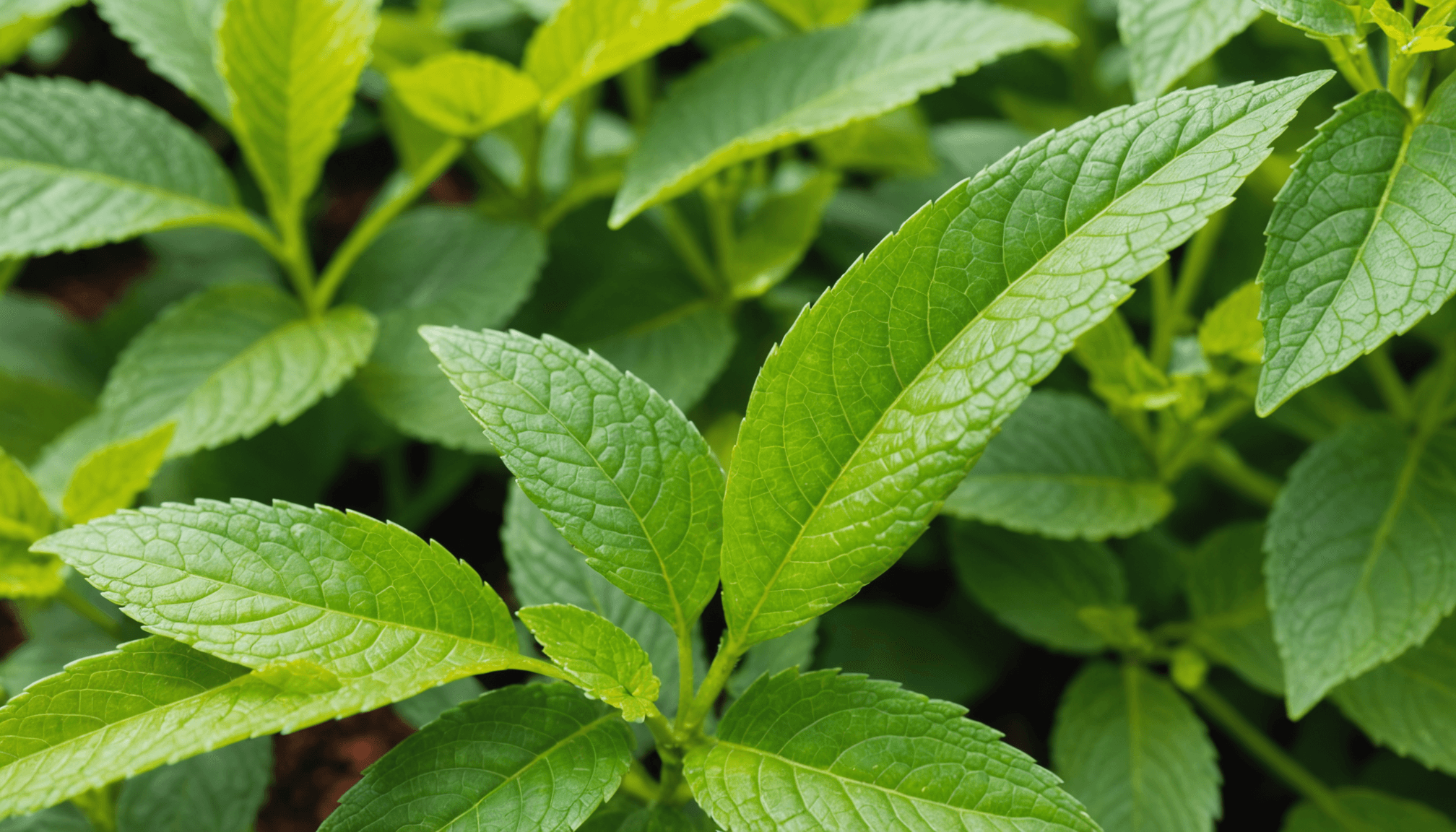
Pest and disease management is an essential aspect of maintaining a healthy and thriving nursery for perennial plants. As with any aspect of plant care, being proactive is key. Understanding common pests and diseases that can affect your plants, alongside implementing preventative measures, can save you time and effort in the long run. Each perennial species may attract different pests or be susceptible to specific diseases, making it critical to tailor your management strategies to your offerings.
Start by familiarizing yourself with the common pests that may invade your nursery. Aphids, spider mites, and beetles are frequent visitors that can wreak havoc if left unchecked. Regularly inspect your plants for any signs of pest activity—such as sticky residue, holes in leaves, or discolored foliage—and respond promptly. Introduce beneficial insects, like ladybugs and lacewings, which can help control pest populations naturally. Pesticides should be a last resort, and if you choose to use them, opt for organic options to minimize harm to beneficial insects and the environment.
Monitoring the health of your plants is just as crucial in the battle against diseases. Fungal, bacterial, and viral infections can spread quickly if not caught early. Common ailments like powdery mildew or rust can often be prevented with proper airflow around your plants, so be mindful of spacing in your nursery. Water in the early morning to prevent moisture from lingering on foliage overnight, which creates an ideal environment for fungal growth. Additionally, practicing crop rotation and sanitation—removing dead or infected plants—can significantly reduce disease incidence.
Incorporating companion planting into your strategies can also yield incredible results. Certain plants naturally repel pests or enhance the health of nearby perennials. For example, planting marigolds among your perennials can deter nematodes and aphids, while basil is known to repel flies and mosquitoes. Exploring which companion plants work best with your nursery offerings may hold the key to healthier plants and an easier management routine.
Investing time into understanding integrated pest management (IPM) can further enhance your approach. IPM combines cultural, mechanical, biological, and chemical practices to manage pests and diseases sustainably. By promoting a diverse and resilient ecosystem within your nursery, you reduce dependence on chemical controls and encourage natural pest-hunting allies. For instance, growing a variety of perennial flowers can attract pollinators and predatory insects, fostering a balanced environment that naturally combats pests.
Finally, education remains paramount in pest and disease management. Stay current with gardening research, pest alerts, and disease diagnostics relevant to your area. Connect with local agricultural extensions or gardening clubs to share experiences and gain insights on effective management techniques. A willingness to learn and adapt will empower you to tackle whatever challenges arise in your nursery, leading to a more sustainable and flourishing growing environment.
- What are the most common pests that affect perennial plants?
- Common pests include aphids, spider mites, slugs, and beetles. Regularly inspecting plants and identifying pests early can help manage infestations before they cause significant damage.
- How can I naturally control pests in my nursery?
- Utilize beneficial insects such as ladybugs and lacewings, which prey on harmful pests. Additionally, companion planting can repel pests or improve the health of your plants.
- What diseases are prevalent in perennial plants?
- Diseases like powdery mildew, root rot, and rust are common among perennials. Monitoring moisture levels and ensuring good airflow can help prevent these issues.
- How often should I inspect my plants for pests and diseases?
- Regular inspections should be conducted weekly, or more frequently during peak growing seasons. Being proactive will help catch any issues early before they escalate.
- Are organic pesticides effective for managing pests?
- Yes, organic pesticides can be effective but should be used as a last resort. Always follow the application guidelines to minimize harm to beneficial insects and the ecosystem.
- What is integrated pest management (IPM) and why is it important?
- Integrated pest management (IPM) is a sustainable approach that uses a combination of methods—biological, cultural, and chemical—to control pests. It emphasizes prevention and minimizes reliance on chemical interventions, promoting a healthier environment for your nursery.
- How does crop rotation help in pest and disease management?
- Crop rotation disrupts the lifecycle of pests and pathogens that thrive on specific plant families. Changing the location of your perennial species helps reduce the build-up of disease and pest populations in the soil.
Seasonal Care and Maintenance
Seasonal care and maintenance are crucial to the health and longevity of your perennial plants, ensuring they remain vibrant and resilient throughout the year. As a homesteading enthusiast, you understand that the changing seasons bring varying needs, and adjusting your care routine accordingly will set your nursery offerings apart.
In spring, as the temperatures rise and the days lengthen, your perennials start to awaken from dormancy. This is the perfect time for a thorough assessment of your garden beds. Remove any winter debris, such as dead leaves and spent perennials, to prevent disease and create a tidy environment. Conduct a gentle cultivation of the soil to aerate it, being cautious not to disturb the roots of established plants.
Now is also a great time to apply a layer of organic mulch around your perennial plants. Mulch serves several purposes: it retains moisture, suppresses weeds, and regulates soil temperature—essential for newly sprouted plants. Aim for about 2-3 inches of mulch, but be careful to keep it a few inches away from the stems to prevent rot.
During the growing season, it’s essential to establish a regular watering schedule, especially for newly planted perennials. As temperatures climb, monitor soil moisture more closely. A weekly watering of about 1 inch is recommended, but during particularly hot spells, you may need to increase that amount. Consider investing in a drip irrigation system or soaker hoses to deliver consistent moisture directly at the roots, minimizing evaporation.
- Spring Tasks: Clean up debris, aerate soil, and apply mulch.
- Watering Schedule: 1 inch per week, adjust for heat.
As summer progresses, it’s a good idea to stay on the lookout for pests and diseases that can thrive in warm, humid conditions. Keep a keen eye on the leaves for signs of aphid infestations or fungal growth like powdery mildew. If you spot any issues, act promptly—remove affected foliage and consider introducing beneficial insects like ladybugs for natural pest control.
Once fall arrives, it’s time to think about preparing your perennials for the winter months. Many perennials benefit from a light application of fertilizer in the fall to give them a nutrient boost before they go dormant. Additionally, consider cutting back spent blooms and stems to tidy up your garden. However, leave some perennials standing for the winter, as their seed heads can provide food for birds and their structures can offer winter interest.
In colder regions, mulch plays an additional role as an effective insulator against harsh winter temperatures. Adding a thicker layer of mulch in late fall can protect roots from freezing and thawing cycles that can damage them. If you live in an area with extreme cold, consider covering sensitive perennials with burlap or frost cloth to shield them from frost heaves.
- Fall Preparations: Fertilize, cut back spent blooms, and increase mulch for winter protection.
- Winter Care: Leave perennials standing for winter interest and to provide bird habitat.
Caring for your perennial plants throughout the seasons not only ensures their health and productivity but also enhances the overall appeal of your nursery offerings. By establishing a seasonal maintenance routine, you contribute to a flourishing environment that showcases vibrant blooms and healthy foliage year-round. This commitment to plant care reflects your dedication to creating a sustainable and beautiful nursery that both you and your customers can appreciate.