
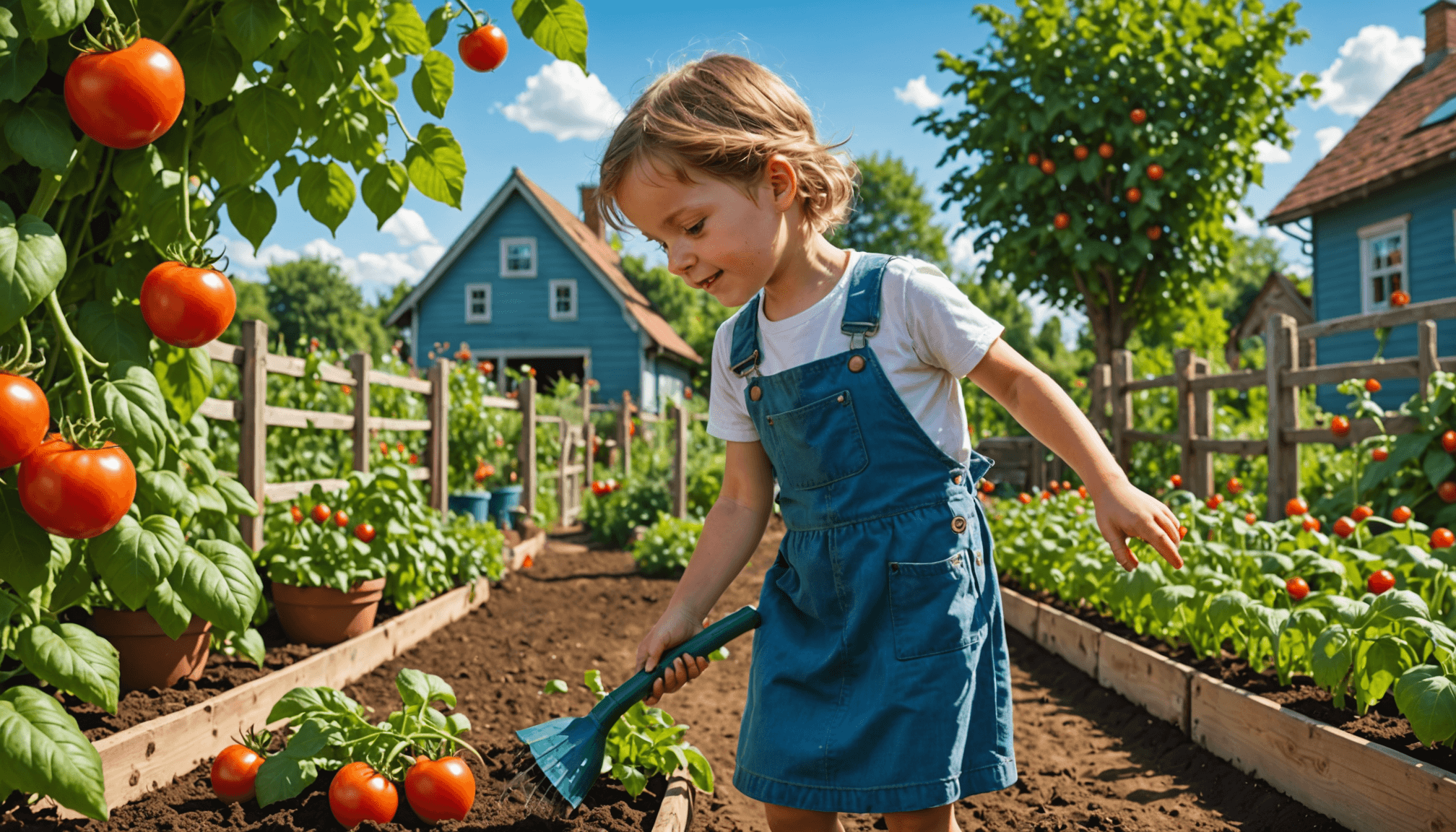
Creating an educational garden offers a myriad of benefits, particularly for urban families and nursery settings. It’s not just about growing plants; it’s about nurturing minds and fostering a sense of community engagement. When children get involved in gardening, they learn valuable life skills alongside scientific concepts. For instance, understanding plant life cycles can inspire curiosity about nature and environmental stewardship.
One key educational benefit is the development of responsibility. Assigning children specific tasks—like watering plants, monitoring growth, or even weeding—instills a sense of ownership. They can learn to track the progress of their plants, fostering a sense of accomplishment. Plus, by seeing the fruits of their labor, children grasp the concept of cause and effect in a very tangible way.
Gardening is also a perfect platform for interdisciplinary learning. Imagine a child measuring the height of a sunflower, thus applying math skills in a real-world scenario, or conducting simple experiments with soil types to understand the scientific method better. Integrating arts and crafts by creating garden signs or painting pots encourages creativity and personal expression.
Additionally, an educational garden nurtures social skills. When children work together on projects, they develop teamwork abilities and learn to communicate effectively. You might use garden workshops as opportunities for parents and children to bond over shared tasks, deepening family connections while promoting community engagement.
Don’t forget the joy that comes with cultivating fruits and vegetables! Involving children in the growing process from seed to table teaches them about nutrition and healthy eating habits. Consider starting with easy-to-grow crops like tomatoes, radishes, or herbs, which can provide immediate gratification and delicious rewards.
An educational garden can be a transformative space, offering countless opportunities for learning, growth, and community building. Remember, the key is to make it fun and interactive, ensuring that children are eager to get their hands dirty and explore the wonders that nature has to offer.
Choosing the right location
 When selecting the right location for an educational garden, several essential factors come into play to ensure it thrives and provides maximum learning opportunities. The chosen site should not only support plant growth but also be conducive to the various activities and interactions that will take place within the garden.
First, consider the amount of sunlight the location receives throughout the day. Most plants require at least 6 to 8 hours of direct sunlight to grow optimally. Therefore, identifying areas that are unobstructed by buildings or trees is crucial. For example, a south-facing garden plot might be ideal, as it will typically receive the most sunlight.
Next, accessibility is a key consideration. The garden should be easily reachable for both children and educators, allowing for spontaneous visits and regular maintenance activities. Paths should be wide enough for wheelbarrows, and any seating areas must be comfortable for prolonged observation or lessons. Special attention should be given to safety; ensuring the area is free from hazards such as sharp objects or uneven ground is critical.
Another factor to assess is soil quality. Testing the soil for pH and nutrient levels will inform decisions about soil amendments or whether raised beds might be necessary. A comprehensive soil test can provide insights into the soil’s composition, helping to choose the right plants that will thrive in that environment. Below is a simple comparison table illustrating different soil quality indicators and their implications for gardening:
| Soil Quality Indicator | Ideal Range | Implications for Gardening |
|---|---|---|
| pH Level | 6.0 – 7.0 | Most plants thrive in slightly acidic to neutral soil |
| Nitrogen Content | 0.2 – 0.5% | Essential for leafy growth; low nitrogen may require compost |
| Organic Matter | 3 – 5% | Improves soil structure and moisture retention; essential for healthy plants |
Climate is also a critical factor in determining the sustainability of an educational garden. Researching the local climate can help choose plants that are resilient and suited to your region. Seasonal temperatures, precipitation patterns, and local pests all affect gardening success. Selecting varieties of plants that are native or acclimated to the local environment can enhance growth while minimizing maintenance, yielding a more robust educational garden.
Lastly, the garden’s location should reflect the values of community engagement. Situating the garden in a visible and frequented area, such as near the nursery entrance or alongside a communal space, invites participation and collaboration from families and local residents. Engaging the community not only adds diversity to the educational experiences available but also fosters a shared sense of responsibility towards the garden’s care. This connection can enhance local pride and enthusiasm about gardening, encouraging families to incorporate similar practices at home and contribute to a larger dialogue about nutrition, sustainability, and environmental appreciation.
Ultimately, the right location for your educational garden will promote active learning and provide a joyful, enriching space for children and families to engage with nature and each other.
Selecting appropriate plants

Selecting the right plants for your educational garden is both an exciting and rewarding endeavor. The choice of plants can significantly influence the educational experiences you create, so it’s essential to consider various factors that will enhance learning while also ensuring that gardening remains fun and engaging for everyone involved.
Start by involving children in the decision-making process of choosing plants. This not only makes them feel included, but it also sparks interest and curiosity. Use this opportunity to discuss the importance of biodiversity, encouraging them to select a mix of plants, including vegetables, flowers, and herbs. For instance, incorporating pollinator-friendly plants like lavender and sunflowers can lead to fascinating discussions about insects, ecosystems, and the vital role of bees in food production.
When selecting plants, consider their growth rates. Fast-growing plants, such as radishes or lettuce, can provide immediate rewards, making the gardening experience gratifying for children. They will quickly learn the basics of plant care while gaining instant feedback on their efforts. Additionally, consider plants that yield food—like tomatoes, strawberries, or peppers—so children can see the journey from garden to table. This connection reinforces lessons about nutrition and healthy eating.
It’s also important to choose age-appropriate plants. For younger children, opt for plants that are easier to maintain and safe to handle. Large seeds, like sunflowers, are not only easy to sow but can also provide a visual and experiential learning opportunity when they grow tall. As children grow older, introduce more complex plants that will inspire them to expand their knowledge and skills.
A diverse plant selection can help illustrate various scientific concepts. For example, consider including plants with unique features to study. Herbs like basil and mint can be used to teach about aromatic oils, while root vegetables like carrots or beets can show the importance of root systems in nutrient uptake. Engaging children in these lessons connects them to the plants and encourages further exploration of plant biology.
Remember to pay attention to plant compatibility. Companion planting can enhance plant health and offers additional teaching moments. For example, planting marigolds alongside tomatoes can help deter pests—an exciting way to discuss natural pest control methods. You can also create themed areas, such as a sensory garden with fragrant herbs and tactile plants, stimulating multiple senses and providing a holistic learning experience.
Finally, consider the seasons and local climate when deciding on your plant selections. Choosing native plants can often result in a more sustainable and lower-maintenance garden. These plants are already adapted to the local environment and can thrive with minimal input. Native wildflowers not only beautify the garden but also promote local biodiversity, inviting pollinators and other wildlife to visit. This presents an excellent chance to educate children about local ecosystems and the importance of conservation.
Selecting appropriate plants for your educational garden goes far beyond simply picking what looks pretty or tastes good. By incorporating a mix of educational opportunities through thoughtful choices in plant species, you can create a vibrant space that promotes hands-on learning and fosters community engagement. Engage the children’s imaginations and curiosity, allowing them to discover the wonders of nature while cultivating the skills and knowledge they will carry with them for a lifetime.
Designing engaging garden features
Creating engaging features within an educational garden can transform the space into an inspiring and interactive environment for children. These features not only enhance the visual appeal of the garden but also facilitate varied learning experiences. Begin by incorporating sensory elements into your garden design; this can be achieved through fragrant herbs, brightly colored flowers, and textured plants. Adding a sensory path lined with different materials—like smooth pebbles, soft moss, and coarse bark—can provide children with a tactile experience that piques their curiosity and encourages exploration.
Seating areas are essential for fostering engagement. Consider installing benches, picnic tables, or even hammocks to create comfortable spaces for children to gather, observe, and discuss their experiences. These areas can serve as spots for storytelling sessions or collaborative projects, enhancing community engagement in the process. Additionally, providing shaded spots can allow children to enjoy the garden on hotter days, promoting longer learning sessions.
Integrating artistic elements can further enhance the garden’s appeal. Encourage children to contribute by painting rocks or crafting garden signs that share plant names and care tips. These activities not only foster creativity but also instill a sense of ownership and pride in their contributions to the educational garden. A mural depicting the life cycle of plants or a vibrant mosaic as a path can serve as both art and an educational tool, allowing for discussions on life processes and diversity in nature.
Incorporating interactive features such as a birdhouse, butterfly garden, or insect hotel allows children to engage directly with wildlife and witness nature in action. These features can prompt lessons about ecosystems, life cycles, and the importance of biodiversity while providing a unique opportunity for observation and discovery. Sets of binoculars or magnifying glasses can be strategically placed to encourage children to examine their surroundings more closely.
Consider the value of creating themed sections within your garden to facilitate structured learning. For instance, a vegetable patch can allow children to practice gardening skills while learning about nutrition, whereas a flower section can introduce concepts of pollination, plant anatomy, and environmental science. By organizing plants into themed areas, educators can streamline lessons and encourage children to see connections between different subjects.
Lastly, technology can also play a role in enriching the educational garden experience. Implementing a weather station or a digital garden journal can enable children to track growth patterns, weather conditions, and personal observations throughout the seasons. This integration of technology can provide modern learning tools while keeping children engaged in their environment.
Engaging features in an educational garden can catalyze numerous learning experiences and promote community engagement, fostering an environment where children are excited to explore, learn, and grow alongside nature. As they interact with these elements, they develop a greater appreciation for the environment and a stronger connection to their community.
“Gardening is not just about growing plants; it’s about growing minds.” – Unknown
Incorporating hands-on activities
 Incorporating hands-on activities into your educational garden is vital for creating an enriching experience that captivates children’s interest while accelerating their learning. These activities serve as a bridge between theory and practice, allowing children to engage directly with nature while developing essential skills. By embedding interactive, tactile experiences within the garden, children can explore various aspects of gardening and nature, deepening their understanding and appreciation for the environment.
Start by organizing planting days where children can get their hands dirty. Allowing them to sow seeds, transplant seedlings, or even create their own mini gardens instills a sense of ownership and pride in their work. Encourage them to use their senses during these activities: feeling the soil, smelling the leaves, and observing the different colors and textures of the plants around them. This sensory engagement fosters a deeper connection to the environment, stimulating curiosity about where food comes from and the processes involved in plant growth.
Another key activity to consider is the implementation of garden journals. Encourage children to document their gardening journey, including sketches of plants, notes on growth, and observations about insects or weather patterns. This practice not only promotes writing skills but also reinforces the scientific method as children make predictions, note changes, and draw conclusions from their experiences. They can share their findings with peers, further fostering collaboration and communication skills.
You can also incorporate thematic learning days centered around specific topics within the garden. For instance, a “pollinator day” could involve activities like building bee hotels, creating wildflower seed bombs, or making honey tasting stations. Such events promote exploration and encourage discussions about the critical role of pollinators in the ecosystem, weaving in lessons from science, art, and gastronomy seamlessly.
Consider setting up science experiments within the garden environment as well. Simple activities like testing soil types or observing how different plants respond to varying amounts of sunshine can turn the garden into a dynamic classroom. For example, a light and shadow experiment using potted plants can visually demonstrate photosynthesis and the needs of plants. Hands-on science like this connects theory to real-world applications, reinforcing concepts through personal experience.
Additionally, art projects can breathe life into the garden. Children can paint pots for their plants, create decorative garden stakes, or even collaborate on a community mural that reflects the garden’s purpose and beauty. These projects can enhance creativity while allowing children to express their unique personalities and experiences within the educational garden.
Weaving in community engagement is yet another layer that can enhance involvement and enrich the overall learning experience. Organize family volunteer days where children can show their parents the projects they’ve been working on or invite the local community to contribute through workshops or educational events. Bringing the larger community into the fold not only builds connections but also highlights the importance of collective support for sustainability and gardening.
Hands-on activities in the educational garden provide rich, immersive experiences that engage children’s senses and minds. As they dig, plant, experiment, and create, they discover the interconnectedness of life, the importance of sustainability, and the joy of nurturing the earth. Such interactions cultivate knowledge and foster a lifelong appreciation for nature, nurturing future stewards of the environment who are eager to continue exploring all it has to offer.
- What types of hands-on activities can I include in my educational garden?
- Incorporate activities such as planting days, garden journals, science experiments, artwork creation, and themed learning days. Each of these can help children engage with nature while developing critical skills and knowledge.
- How can I make planting activities engaging for children?
- Allow children to sow seeds, transplant seedlings, and even design their own mini gardens. Encourage sensory experiences like feeling the soil and observing plant features to deepen their connection to the work they’re doing.
- Can I combine art with gardening activities?
- Absolutely! Encourage children to paint pots, create decorative garden stakes, or collaborate on murals. These artistic elements can enhance creativity while reinforcing the garden’s theme and purpose.
- What should I include in a garden journal for kids?
- Garden journals can have sketches, notes on growth, observations about plants and insects, and even weather data. This helps children document their learning journey and reinforces scientific concepts.
- How can I incorporate community engagement into my gardening program?
- Host family volunteer days, invite local experts for workshops, or create educational events that involve community members. This fosters collaboration and emphasizes the importance of collective support for gardening and sustainability.
- What are some educational topics I can cover while gardening?
- Topics can include plant biology, ecosystems, nutrition, pollination, and sustainable practices. Hands-on activities can weave these themes into engaging lessons for children, making learning dynamic and interactive.
- What supplies are essential for conducting hands-on activities in the garden?
- Basic supplies like gardening tools, seeds, soil, pots, measuring tapes, magnifying glasses, and art materials can greatly facilitate hands-on activities. Having a well-stocked supply area can enhance the effectiveness of learning experiences.
Maintenance and care strategies
Maintaining and caring for your educational garden is essential to ensure it thrives and continues to serve as a vibrant learning environment for children. A well-kept garden not only supports healthy plant growth but also provides endless opportunities for exploration and interaction. To make this process engaging and manageable, consider implementing a few strategies that will help you and the children keep the garden healthy and exciting.
Start by establishing a regular maintenance schedule that involves the children. Assign specific tasks based on age and ability—this could include watering, weeding, or checking for pests. For instance, younger children can take turns watering plants with small watering cans, while older kids can be tasked with checking moisture levels in the soil. By rotating responsibilities, every child can take ownership of the garden, reinforcing their sense of responsibility while learning the importance of plant care.
Incorporating a garden journal can be a valuable tool for tracking garden health and observing changes over time. Invite children to document their observations weekly, noting which plants are thriving and which may need extra attention. This not only helps in evaluating the effectiveness of care strategies but also enhances observational skills and strengthens analytical thinking. Encourage them to include drawings, photos, or even samples of soil or plants to create a comprehensive record of their garden experience.
Watering is often the most critical aspect of garden maintenance. Teach children about the importance of water conservation by introducing techniques such as drip irrigation or rainwater collection. You might even set up a rain barrel to educate them about sustainable practices and the benefits of using natural resources wisely. Engaging children in these methods allows them to feel empowered as stewards of the environment while driving home the concept of sustainability.
Weeding is another essential maintenance task that provides a great opportunity for hands-on learning. Explain the competition between plants for nutrients, sunlight, and water so that children understand why it’s vital to remove weeds. Turn this chore into an educational game by having children identify and categorize different weed types, transforming an ordinary task into a fun learning experience. You could also integrate nature walks where they learn to recognize beneficial plants versus harmful weeds, further connecting their learning to the local ecosystem.
An important aspect of care is pest management. Educate children about natural pest control methods, such as introducing beneficial insects like ladybugs or using organic solutions to deter pests. Children love to interact with nature, so setting up a bug hotel in the garden can spark interest in exploring beneficial insects and discussing their roles in pollination and pest control. This not only keeps the educational garden thriving but also emphasizes the importance of biodiversity and the balance within ecosystems.
As plants grow and seasons change, it’s important to plan for crop rotation and seasonal planting. Discuss with the children the benefits of rotating crops yearly to avoid soil nutrient depletion. Work together to plan seasonal plantings that align with educational themes or celebrate holidays, creating events that can draw in parents and the community for involvement. This fosters community engagement and builds excitement around the garden activities that can connect families through shared experiences in nature.
Lastly, reinforce the message of gratitude and stewardship. Encourage children to recognize and thank their plants for providing beauty, food, and lessons. You could set specific days to celebrate the harvest and organize small community gatherings where children can share their gardening stories, lessons learned, and even homegrown produce with their families. This not only strengthens relationships within the community but also fosters pride in the children’s efforts and accomplishments.
By implementing these maintenance and care strategies, you’ll create a well-maintained educational garden that continues to inspire curiosity and learning. Through regular maintenance, you can cultivate not just a beautiful garden but also a community of engaged learners who appreciate the joys of gardening and the wonders of nature.