
In the journey toward self-reliance, understanding the basic principles of budget homesteading can mean the difference between thriving and merely surviving. Adopting a budget-conscious mindset encourages creativity and efficiency, allowing you to maximize your resources while minimizing expenses. Here are some fundamental concepts to guide you.
- Assess Your Resources: Begin with a thorough appraisal of your available resources, both natural and man-made. Look around your living space for items that can be repurposed or reused. Old furniture can be transformed into raised garden beds, and leftover materials from home projects can serve a new purpose.
- Plan Before You Plant: Take the time to design a realistic homesteading plan. Map out your garden layout, considering factors like sunlight, soil type, and plant compatibility. A well-thought-out plan can reduce waste and ensure a bountiful harvest.
- Learn to DIY: Embrace the do-it-yourself spirit in as many aspects of homesteading as possible. From building chicken coops to making homemade cleaners, the internet is full of tutorials and resources. Websites like Pinterest and YouTube are treasure troves of inspiration that allow you to learn new skills without spending a fortune.
- Prioritize Perennials: When planning your garden, consider planting perennial vegetables and herbs. These plants will yield returns year after year, making them a cost-effective investment. Examples include asparagus, rhubarb, and various berry bushes.
- Adopt a Minimalist Approach: Focus on quality over quantity. Instead of purchasing numerous gadgets and tools, invest in a few high-quality items that will last longer and perform better. This will save you money in the long run, as you won’t be replacing cheap tools frequently.
- Build Community Connections: Networking with fellow homesteaders can provide invaluable resources and support. Participate in local farmers’ markets, community gardens, or homesteading clubs where you can exchange goods, services, and knowledge. This can lead to bartering opportunities that keep costs down.
- Utilize Bartering: Trading skills or produce can significantly reduce expenses. If you have a knack for baking, offer baked goods in exchange for fresh vegetables or eggs. Not only does this build community, but it also enhances the self-reliance aspect of homesteading.
Integrating these principles into your homesteading life not only promotes efficiency but also fosters a spirit of ingenuity and self-sufficiency. Remember, successful homesteading on a budget is not just about spending less; it’s about cultivating a lifestyle that values sustainability and creativity.
Essential skills for self-reliance
To truly embrace self-reliance, developing a diverse set of essential skills is crucial. These skills empower individuals to manage their homestead independently, reducing reliance on external sources for goods and services. By acquiring these competencies, you can confidently tackle various tasks associated with homesteading, all while staying within budget.
One of the foundational skills to develop is basic agricultural knowledge. Understanding how to grow your own food not only provides a sustainable food source but can significantly cut grocery costs. Familiarize yourself with soil health, crop rotation, and organic pest management. Consider the benefits of raised beds or container gardening, especially if space is limited. Furthermore, learning the right planting and harvesting times enhances the yield from your garden.
Next, acquire skills in food preservation. Knowing how to can, freeze, or dehydrate food helps you extend the life of your harvests and reduce waste. For example, canning seasonal fruits and vegetables allows you to enjoy their freshness throughout the year while preserving their nutritional value. Below is a comparison of different preservation methods:
| Preservation Method | Benefits | Drawbacks |
|---|---|---|
| Canning | Long shelf life, retains nutrients | Requires special equipment, risk of spoilage if done improperly |
| Freezing | Easy to do, preserves texture and flavor well | Requires energy and freezer space, some nutrients may be lost |
| Dehydrating | Lightweight, retains most nutrients, very space-efficient | Texture is altered, not suitable for all foods |
Additionally, basic cooking skills are indispensable. Learning to prepare meals from scratch can save significant amounts of money while providing healthier eating options. Mastering techniques like breadmaking, simple meal planning, and using whole ingredients can transform how you approach cooking. This not only enhances your culinary skills but fosters a creative spirit through experimenting with flavors and recipes.
Moreover, you should also develop practical skills in maintenance and repair. Familiarize yourself with basic carpentry, plumbing, and electrical repairs. Often, small repairs can escalate into costly problems if not addressed early. YouTube offers a plethora of DIY tutorials that make learning these skills accessible. By having the capability to fix minor issues around the homestead, you can save on labor costs, keep your property in good shape, and gain confidence in your abilities.
Financial literacy is another critical skill in your self-reliance toolkit. Understanding how to budget, manage expenses, and track savings can help you make informed decisions about your homesteading journey. Keeping detailed records of your costs versus your income from homesteading activities—such as selling surplus produce or homemade products—will help you identify what works and what doesn’t, allowing for better planning and adjustments in your approach.
Lastly, nurturing a strong mindset towards problem-solving is essential. Self-reliance often means facing unexpected challenges, whether related to pests in the garden, equipment failure, or shifting weather patterns. By cultivating resilience and adaptability, you’ll be better equipped to handle these situations rather than being discouraged.
Equipping yourself with these essential skills fosters a sense of independence and confidence in your ability to maintain and thrive in a homesteading lifestyle. The path to self-reliance is filled with learning opportunities, and by committing to continual growth, you set yourself up for success amidst the challenges of homesteading on a budget.
Cost-effective cooking techniques
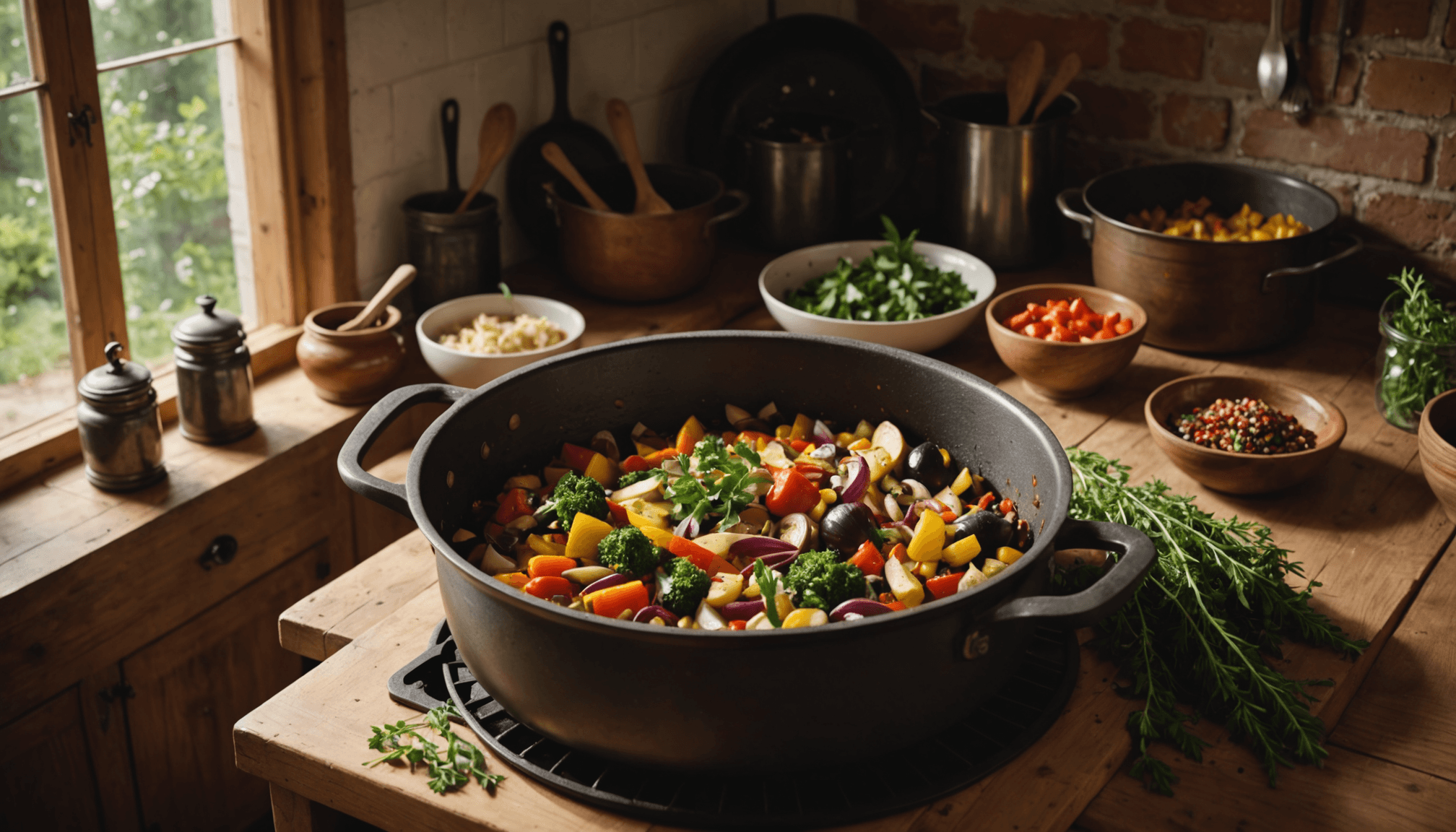
Cooking on a budget doesn’t mean sacrificing flavor or nutrition; rather, it opens up a world of creativity and resourcefulness in the kitchen. With a few cost-effective techniques, you can transform simple ingredients into delicious meals that nourish you and your family without breaking the bank.
One fundamental approach is to embrace batch cooking. Preparing large quantities of meals at once not only saves time but also maximizes your use of ingredients. For instance, consider making a big pot of chili or soup that can be portioned out and frozen for later consumption. This technique reduces food waste and ensures you always have a healthy meal on hand when time is tight. Use containers that are freezable to simplify reheating and storage.
Utilizing leftovers creatively is another powerful way to manage your budget. Instead of viewing leftovers as yesterday’s meal, think of them as potential ingredients for new dishes. For instance:
- Vegetable Scraps: Save vegetable peels, stems, and other scraps to make homemade vegetable broth. Simply simmer them with water and seasonings for a rich base for soups or sauces.
- Cooked Grains: If you have leftover rice or quinoa, incorporate them into stir-fries, salads, or stuffed peppers for a nutritious boost.
- Meat or Protein: Leftover chicken can become the star of a chicken salad, tacos, or a hearty quesadilla. Even small portions can go a long way when combined with the right ingredients.
Experimenting with one-pot or sheet pan meals is one way to save both time and energy costs while cooking. Meals that require the least number of dishes mean less cleaning time and often utilize cheaper cuts of meat along with vegetables, maximizing flavor and nutrition. A simple chicken and vegetable sheet pan dinner is not only easy to prepare but also minimizes cleanup, making weeknight dinners more manageable.
Investing in staple pantry items can also lead to a more budget-friendly cooking experience. Items like beans, lentils, rice, and pasta are affordable, versatile, and have a long shelf life. Incorporating protein-rich legumes into your meals can help stretch your budget while providing essential nutrients. For example, chickpeas can be used in salads, made into hummus, or included in hearty stews.
Another useful tip is to leverage seasonal produce. Buying fruits and vegetables that are in season typically results in lower prices and better taste. Visit your local farmers’ market or join a community-supported agriculture (CSA) program to access fresh, local produce at a reduced cost. Embrace the challenge of cooking with whatever is in season—this can inspire unique recipes and creative culinary endeavors.
Finally, experimenting with spices and herbs can elevate simple dishes without significant costs. Spices add depth and complexity to meals, transforming bland ingredients into vibrant, flavor-packed experiences. Consider growing your own herbs in pots or your garden; fresh herbs like basil, parsley, and cilantro can be grown easily and add a delicious element to various dishes.
To make the most of your cooking efforts, take advantage of online resources and communities dedicated to budget cooking. Websites and forums dedicated to frugal living often share tips, recipes, and shopping strategies that can enrich your cooking journey. Blogs focused on meal planning and budgeting, such as Budget Bytes or The Frugal Chef, provide a wealth of information and insights tailored towards cost-effective cooking.
By incorporating these practical techniques, not only can you save money, but you’ll also foster a newfound appreciation for the art of cooking in your homesteading journey. Each meal becomes an opportunity to experiment, create, and enjoy the fruits of your labor, all while sticking to your budget.
Gardening on a budget
Creating a thriving garden on a budget requires strategic planning, creativity, and resourcefulness. Even with limited funds, you can cultivate a productive edible landscape that provides fresh produce for your family while also serving as an enjoyable hobby. Implementing a few budget-friendly gardening practices can significantly cut costs without sacrificing quality or yield.
Start by opting for seeds instead of pre-grown plants. Seed packets are generally more affordable and offer a wider variety of choices than store-bought plants. You can also save seeds from your own harvests, providing a continuous cycle of growth without additional costs. Consider collecting seeds from heirloom plants; these varieties often adapt well to local conditions and yield better produce over time.
Utilizing homemade compost is another excellent way to enrich your garden without spending on commercial fertilizers. Gather kitchen scraps, yard waste, and other organic matter to create a compost pile. Not only does compost improve soil quality and promote healthier plants, but it also recycles waste materials, contributing to a more sustainable homesteading practice. It’s a win-win that reduces reliance on store-bought soil amendments.
When it comes to gardening tools, prioritize purchasing only essential items and consider used or borrowed tools to cut down on expenses. Local community groups, online marketplaces, or gardening clubs often have tools available for borrowing. Additionally, embracing the art of upcycling can provide you with creative solutions. For example, repurpose wood pallets into planters or use old buckets and containers to grow herbs and vegetables. Crafting gardening solutions from items you already have discourages waste while saving money.
“In every gardener, there is a child who believes in The Seed Fairy.” — Robert Breault
Planting companion crops is a cost-effective way to maximize your garden’s potential. Certain plants benefit from being grown together, as they can repel pests, improve nutrient uptake, and enhance overall growth. For instance, plant tomatoes alongside basil to improve flavor and deter harmful insects. This not only boosts productivity but also results in a more diverse harvest, which can reduce the need for purchasing additional groceries.
Another budget-friendly strategy is to implement permaculture principles, which focus on working with nature and creating self-sustaining systems. Design your garden layout to encourage natural ecosystems, using features like rainwater catchment or mulch to retain moisture and reduce watering costs. These practices can significantly minimize your input expenses and labor while resulting in a more resilient garden.
Joining or forming a seed exchange group can also enhance your gardening efforts while keeping costs down. By trading seeds with fellow gardeners, you can access a diverse array of plant varieties without spending money. This communal approach not only cultivates a sense of community but also fosters the sharing of gardening knowledge and experiences.
Consider starting with small, manageable plots rather than overwhelming yourself with a vast garden space. Container gardening can be an excellent way to reduce costs and control your garden environment, particularly if you’re new to gardening or have limited space. Use recycled containers and grow vegetables or herbs that you frequently use in your cooking, enabling you to save on grocery costs while enjoying the satisfaction of growing your own food.
Lastly, tap into online resources and gardening communities for support and inspiration. Websites, forums, and social media groups dedicated to budget gardening are a treasure trove of information and advice. Engaging with others who share your interests can provide motivation and new strategies for successful gardening on a budget.
By embracing these smart gardening practices, you can create a thriving, fruitful space that contributes to your self-reliance. Budget gardening is not just an economical approach; it’s a rewarding endeavor that nurtures both your body and your spirit.
Preserving food efficiently
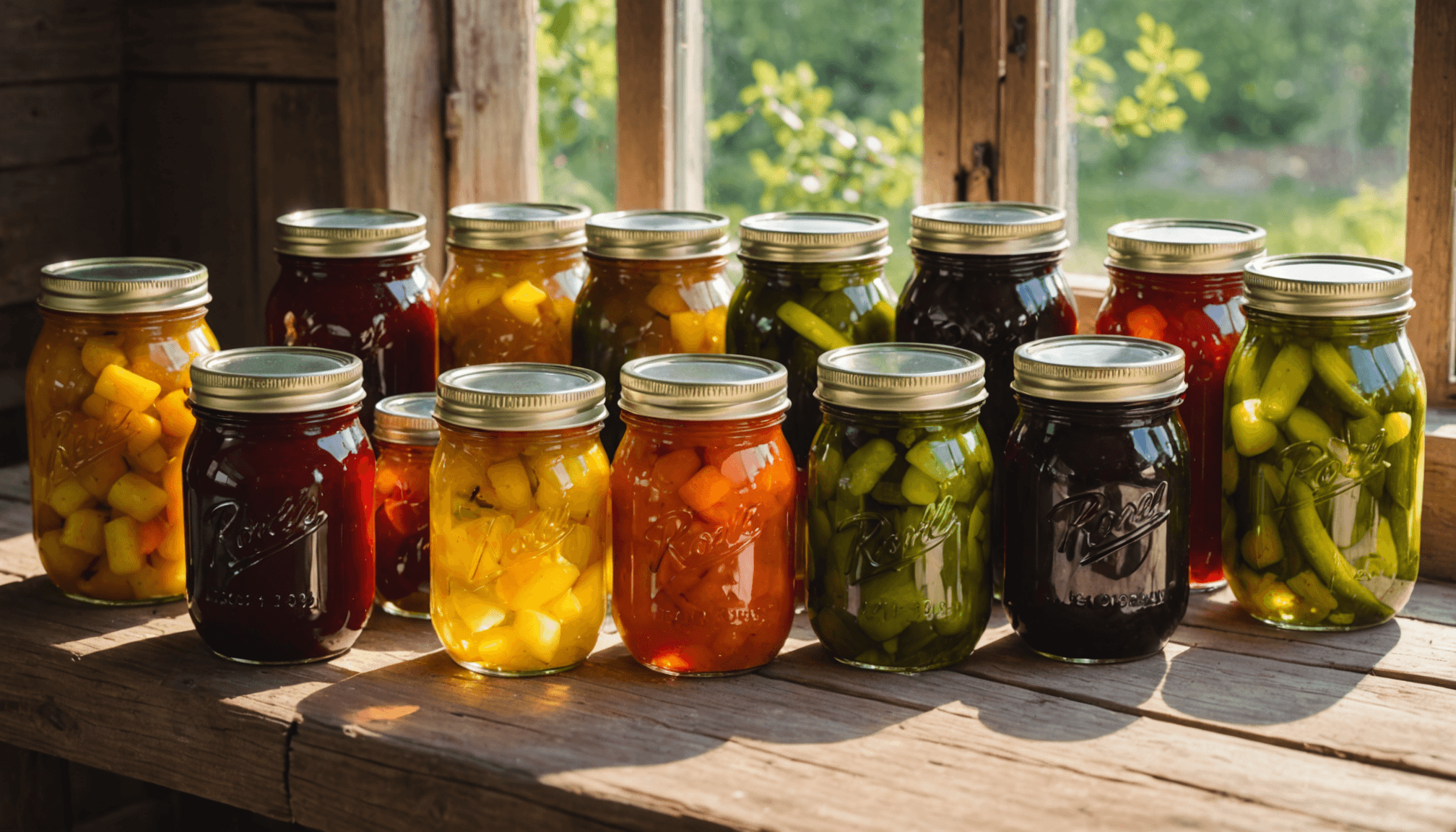
Efficient food preservation is a cornerstone of successful homesteading on a budget. When you harness the techniques of preserving food, you extend the life of your harvest, reduce waste, and maximize the benefits of seasonal bounty all while appreciating the intricacies of the preservation process itself. The ability to preserve what you grow will not only keep your pantry stocked but also invite opportunities for creativity and resourcefulness in your culinary endeavors.
Start with canning, a timeless method for preserving fruits and vegetables that can be both economical and rewarding. While canning might seem daunting at first, the satisfaction of opening a jar of homemade tomato sauce in the midst of winter makes the effort worthwhile. Invest in essential canning equipment such as a water bath canner, jars, and lids, and familiarize yourself with the science of food preservation to ensure safe practices. Many resources and books are available that guide you step by step through canning methods ranging from pickled cucumbers to jams and jellies, making it an approachable skill even for beginners.
Freezing is another practical and efficient method for preserving your harvest. Unlike canning, freezer preservation requires less specialized equipment and is an excellent option for items that may not can well, such as soft fruits or leafy greens. Properly blanched vegetables can retain their flavor and texture when frozen, proving useful on busy days when home-cooked meals are a necessity. Labeling your frozen items with dates ensures that you consume them while still at peak quality, avoiding the dreaded mystery bundle that sits in the back of your freezer.
Dehydrating is a time-tested technique that not only preserves food but also turns it into lightweight, shelf-stable snacks. Investing in a dehydrator or simply using your oven can transform apples into chips or tomatoes into sun-dried delicacies. The process helps to concentrate flavors and can easily extend the shelf-life of many ingredients. Dehydrated foods are also ideal for long-term storage or adding to meals for an extra boost of nutrition and flavor.
Consider fermenting to diversify your preservation methods. Fermentation not only preserves food but also enhances its nutritional profile through the development of probiotics. Simple recipes like sauerkraut or kimchi start with basic ingredients and can transform your local produce into tangy delights that last for months. This ancient technique encourages you to experiment with flavors and ingredients, enriching your culinary repertoire while also supporting gut health.
Preserving herbs is another aspect often overlooked. You can dry or freeze fresh herbs to capture their flavor for later use. Simply gather what you have in your garden, and dry it in a cool, dark place or chop your herbs and mix them with olive oil before freezing them in ice cube trays for convenient additions to future dishes. This practice not only adds flavor to your cooking but also allows you to utilize your home-grown bounty throughout the year.
Don’t forget about storing your preserved items properly. Understanding the ideal storage conditions of canned, frozen, or dehydrated foods can help maintain their quality for months or even years. A cool, dark, and dry space, such as a root cellar or dedicated pantry, is optimal for keeping canned goods and dehydrated products in peak condition.
As you explore the world of food preservation, let your curiosity guide you. The opportunities to learn new methods and recipes are endless. The joy of opening a jar of your homemade preserves or enjoying fruits you’ve harvested and cherished from your own garden will inspire you to continue your journey toward self-reliance as you embrace the principles of sustainability and frugality.
- What can I preserve through canning?
- Nearly all fruits and vegetables can be preserved through canning. Common items include tomatoes, pickles, peaches, and jams. It’s vital to follow safe canning practices to prevent spoilage.
- How long do canned goods last?
- When properly canned and stored in a cool, dark place, canned goods can last for 1 to 2 years, while some items can last even longer. Always check for any signs of spoilage before use.
- What are the best foods to freeze?
- Berries, vegetables like peas and corn, and cooked meats freeze exceptionally well. Make sure to blanch vegetables first to retain their color and nutritional value before freezing.
- Can I preserve herbs? If so, how?
- Absolutely! You can dry herbs by hanging them upside down in a cool, dark place or freeze them by chopping and mixing them with olive oil and placing them in ice cube trays.
- What’s the difference between canning and freezing?
- Canning involves sealing food in jars and heating them to destroy microorganisms, while freezing preserves food by lowering the temperature to prevent spoilage. Each method has its advantages depending on the type of food and preference.
- How can fermenting benefit my food preservation efforts?
- Fermentation increases the shelf-life of vegetables, enhances flavors, and introduces beneficial probiotics to your diet. It also opens up a creative avenue for exploring unique tastes and textures.
- Are there any resources to learn food preservation techniques?
- Yes! Numerous online tutorials, books, and community workshops focus on food preservation. Local extension services often offer classes on canning and fermentation, making it easier to get started.
Creating a sustainable homesteading plan
Creating a sustainable homesteading plan is essential for maximizing your self-reliance while effectively managing your resources. It’s about laying the foundation for a lifestyle that aligns with your personal values, economical capabilities, and environmental considerations. A well-structured plan will help you stay organized, focused, and proactive in pursuing your homesteading goals.
One of the first steps in developing a sustainable plan is to set clear, achievable goals. Instead of overwhelming yourself with monumental tasks, break down your objectives into manageable chunks. For example:
- Short-term goals: These might include starting a small vegetable garden, learning basic cooking skills, or implementing a composting system within the next few months.
- Long-term goals: Consider larger endeavors like becoming fully self-sufficient in your food production or eventually integrating livestock into your homestead over the next few years.
Using a timeline can visually represent your goals and track progress. Creating monthly checklists can keep your objectives front and center while making adjustments as necessary. Celebrate small victories along the way, as these can motivate you to keep moving forward.
Resource evaluation is another vital aspect. Consider the land you have available and assess its potential. Is it suitable for gardening, raising animals, or perhaps both? Evaluate your financial situation, including your budget for supplies, seeds, tools, and any necessary permits. Additionally, consider your time commitment, as maintaining a homestead can be time-intensive, especially in the beginning.
It’s beneficial to incorporate small, renewable elements into your plan. For example, if your area is conducive to rainwater harvesting, consider implementing a system to capture runoff. Not only does this practice reduce water costs, but it also conserves a precious resource. Furthermore, explore alternative energy sources, such as solar panels or wind turbines, that can decrease reliance on grid power and provide a more sustainable energy solution over time.
Investing in your education is crucial for building a sustainable plan. Whether you choose to attend workshops, read books, or join online communities focused on homesteading, access to knowledge can significantly enhance your ability to make informed decisions. Websites, podcasts, and even local cooperative extension offices often offer free resources that cover a wide range of topics—from gardening and animal husbandry to food preservation and emergency preparedness.
Another element to include in your planning is a seasonal calendar that outlines planting and harvesting times. Understanding the local climate and growing conditions will help you maximize the productivity of your garden. For instance, knowing when to plant cool-season crops versus warm-season crops can yield a more bountiful harvest. Additionally, rotating crops not only promotes soil health but also reduces the risk of pests and diseases.
Community engagement plays a significant role in your sustainable homesteading journey. Seek out local groups, such as gardening clubs or homesteading meetups. These communities provide support, knowledge exchanges, and potentially resource-sharing opportunities, creating a sense of solidarity and collaboration. Don’t hesitate to look beyond local reach and connect with online forums and social media groups dedicated to homesteading and self-reliance topics.
Lastly, maintain an adaptive mindset. A homesteading plan is not a rigid framework; it is a living document that needs to be revisited and adjusted over time. Evaluate what strategies are working and which are not. The ability to pivot based on experience, changing circumstances, or a newfound interest will sustain your enthusiasm and effectiveness in your homesteading journey.
By integrating these principles into your sustainable homesteading plan, you are not merely surviving; you are going to thrive and enjoy the many benefits that come from a more self-sufficient lifestyle, ultimate independence, and a profound connection to the resources and community around you.