
When embarking on the journey of running a plant nursery, understanding the various nursery certifications available is crucial for success. These certifications not only enhance your credibility but also equip you with vital knowledge to manage your nursery effectively. Different regions may have specific requirements, so it’s important to research the certifications necessary in your area.
One essential certification to consider is the Certified Nursery Professional (CNP), which demonstrates a commitment to quality in plant care and customer service. This certification typically involves passing an exam that covers topics such as plant identification, pest management, and soil health. Being a CNP can greatly improve your nursery’s reputation among customers and help you differentiate your business in a competitive market.
Additionally, eco-friendliness is becoming a significant aspect of modern gardening. Certifications like the Sustainable Agriculture Certification or Organic Certification can be advantageous, particularly if you plan to offer organic plants or use sustainable practices. These certifications can attract environmentally conscious customers and provide you with valuable insights into sustainable nursery management practices.
Another aspect to keep in mind is staying compliant with local gardening regulations and business requirements. It may be necessary to secure licenses, such as a business license or a nursery stock license, depending on your region. Ensuring compliance with these regulations can help you avoid costly fines and create a trustworthy business image.
As you build your garden sanctuary, consider joining relevant industry associations. These organizations often provide additional certification options, resources for your specific region, and connections with fellow nurserymen and gardeners. Networking can open doors to new ideas and better practices.
Cultivating a plant nursery with the right certifications is not just about compliance; it’s about mastering the art of plant care and business acumen that will position you as a go-to expert in your community. Embrace the learning journey, and you will reap the rewards of a flourishing plant nursery.
Understanding the importance of horticultural knowledge
Horticultural knowledge serves as the backbone of a successful plant nursery and is essential for anyone looking to excel in this field. A comprehensive understanding of plant biology, growth patterns, pest management, and soil health directly influences the quality of plants produced and the overall operation of the nursery. Knowledgeable nursery operators can make informed decisions that enhance plant health, thereby improving their nursery’s reputation and profitability.
For instance, understanding the specific light, water, and soil requirements of various plant species is crucial in ensuring optimal growth. This includes knowing which plants thrive in shaded areas and which prefer full sun, as well as the ideal pH levels and moisture conditions. Furthermore, proficiency in identifying and managing pests and diseases can prevent extensive damage and reduce the need for chemical interventions, aligning with sustainable practices.
Proper understanding can also aid in the effective communication of care instructions to customers. Providing thorough and accurate guidance for plant care not only aids in customer satisfaction but also fosters loyalty and encourages repeat business. Customers increasingly value nurseries that emphasize horticultural expertise, as it assures them that they are purchasing quality plants.
Table 1 below illustrates key aspects of horticultural knowledge essential for plant nursery management:
| Aspect | Description | Importance |
|---|---|---|
| Plant Identification | Ability to recognize various species and cultivars. | Ensures accurate inventory management and helps customers make informed choices. |
| Pest Management | Knowledge of common pests and diseases that affect plants. | Minimizes damage and promotes healthier plants with fewer chemicals. |
| Soil Health | Understanding soil composition, pH, and nutrient content. | Facilitates the selection of appropriate soils for different plants, enhancing growth. |
| Water Management | Knowledge of watering requirements for different species. | Ensures optimal moisture levels, preventing under or overwatering. |
Moreover, with a depth of horticultural knowledge, nursery operators can better understand the broader context of gardening regulations and business requirements that govern their operations. Awareness of these regulations allows for the implementation of best practices that not only meet legal standards but also foster a sustainable and responsible business model.
Continuous learning is paramount in this industry, as advancements in horticulture, agriculture, and sustainability emerge regularly. By keeping abreast of these developments through workshops, seminars, and industry publications, nursery managers can expand their expertise and, as a result, improve operational efficiencies and plant care strategies. Incorporating this understanding into daily practices solidifies the nursery’s place as a leader in quality and sustainability within the community, attracting a dedicated customer base eager for expert advice and healthy plants.
Overview of state-specific licensing requirements

Various states have unique licensing requirements that aspiring nursery owners must navigate to operate legally and successfully. Understanding these state-specific regulations is crucial in ensuring compliance and maintaining the trust of your clientele. Most states require a business license to legally operate, which typically involves registering your business name with the local government. Further, if your nursery plans to sell any wholesale or retail plant stock, you may need to obtain a specific nursery stock license, which permits you to sell plants that have been propagated or grown in your nursery.
Moreover, many states impose specific requirements regarding the sale of certain plants, particularly those deemed invasive or potentially harmful to local ecosystems. Before introducing new species into your plant offerings, it’s vital to research these restrictions to avoid inadvertently harming the local environment and facing significant fines.
To help you navigate these complexities, consider the following steps:
- Research Local Regulations: Start by checking with your state’s department of agriculture or natural resources. They typically furnish comprehensive information regarding necessary licenses for plant nurseries and any specific state regulations regarding plant sales.
- Join Local Associations: Connecting with local nursery associations can provide you with resources tailored to your location. These organizations often share insights regarding state regulations, best practices, and even legislative changes that could affect your nursery.
- Consult Industry Experts: Seek advice from experienced nursery operators who are familiar with navigating state requirements. Their firsthand experiences can provide valuable insights that may simplify the process for you.
- Implement Compliance Measures: Once you understand the legal requirements, develop a compliance checklist to keep your nursery aligned with state regulations. Regular audits of your business practices can help you stay on track.
Keep in mind that while regulations can seem daunting, staying informed and compliant helps foster your nursery’s reputation and assures customers of your commitment to quality and legality. By being proactive about these business requirements, you can establish a stable foundation for your nursery that allows for growth and sustainability. Ultimately, understanding these licensing requirements will not only help you avoid pitfalls but also position your nursery as a responsible player in the wider gardening community.
Certifications in sustainable and organic practices
Certifications in sustainable and organic practices are increasingly vital for nurseries seeking to differentiate themselves in a crowded marketplace. As consumer demand for environmentally friendly products continues to grow, obtaining relevant certifications can significantly bolster a nursery’s appeal, especially to eco-conscious customers. Sustainable practices not only enhance the ethical standing of a business but also promote better health for plants and ecosystems alike.
One prominent certification is the USDA Organic Certification, which provides assurance that all plants and products are grown using organic methods that exclude synthetic fertilizers, pesticides, and genetically modified organisms. This certification involves strict adherence to organic standards and undergoes regular inspections, ensuring compliance throughout the process. Achieving this certification can position a nursery as a trusted source for organic plants, tapping into a lucrative market segment.
Beyond organic certification, many nurseries pursue other sustainable certifications, such as the Certified Greenhouse Professional (CGP) or the Sustainable Landscape Professional certification. These designations reflect a nursery’s commitment to best practices in environmental stewardship, including efficient resource use, waste reduction, and eco-friendly pest management. Possessing these certifications can attract customers looking for assurance that their purchases support sustainability.
“Gardening is a way of showing that you believe in tomorrow.” – Audrey Hepburn
Emphasizing eco-friendly practices can also open doors to partnerships with local municipalities and conservation organizations. Nurseries that demonstrate their commitment to sustainability through recognized certifications are often more likely to participate in community initiatives, such as reforestation projects or educational programs on sustainable gardening. These collaborations not only enhance a nursery’s reputation but also create opportunities for visibility and customer engagement.
Moreover, adopting sustainable practices within the nursery contributes to operational efficiency. Implementation of water-efficient irrigation systems, adoption of native plant species, and reduction of chemical inputs can lead to cost savings over time. By modeling these practices, nursery owners showcase their horticultural knowledge while fostering an ecosystem that thrives on coexistence with nature.
Acquiring certifications in sustainable and organic practices is more than just a badge of honor; it reflects a nursery’s philosophy and dedication to the environment. In an era where consumers are selecting products that align with their values, these certifications not only fulfill business requirements but also establish a competitive advantage in the plant nursery industry. Embracing sustainability in your nursery operations can pave the way for long-term success and a greener future for all.
Safety and health regulations for nursery management
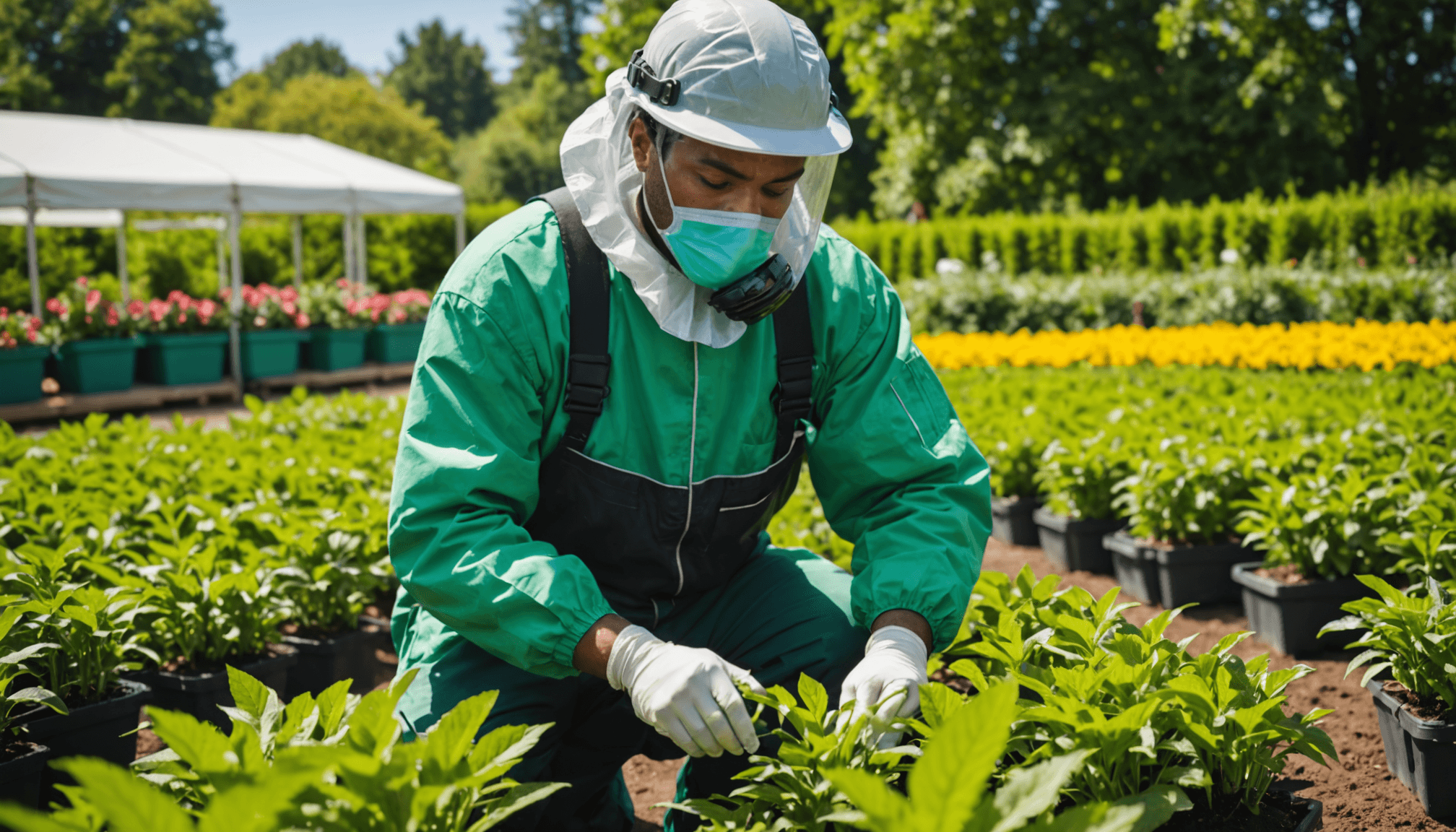
Safety and health regulations play a critical role in nursery management, as they ensure a safe environment for employees and customers while promoting the health of plants. By understanding and implementing these regulations, nursery owners can mitigate risks associated with plant handling, chemical applications, and overall operational safety. Familiarity with safety standards is essential for creating a responsible business that prioritizes not only plant health but also the well-being of its workers and the surrounding community.
One significant area of focus is the proper use and storage of pesticides and fertilizers. Nurseries often rely on these substances to maintain plant health, but they can pose health risks if not managed properly. This includes following guidelines for safe application rates, wearing appropriate protective gear, and adhering to legal regulations on chemical usage. Additionally, ensuring that all employees are trained in these safety practices is crucial for minimizing exposure and preventing accidents.
More broadly, understanding workplace safety regulations is essential. This encompasses emergency preparedness, proper handling of equipment, and adhering to cleanliness protocols to prevent slips, trips, and falls. Creating a culture of safety within the nursery encourages vigilance and accountability among staff members, preserving not only their health but also the quality of plants and services offered.
Health regulations also extend beyond chemical safety to encompass environmental practices. Compliance with gardening regulations concerning waste management, irrigation practices, and disease prevention is crucial. For instance, implementing a robust waste disposal system for plant remnants can reduce the risk of infestations and diseases while also promoting sustainability. Furthermore, appropriate irrigation methods can prevent overutilization of water resources and minimize runoff, thereby adhering to required environmental standards.
To maintain compliance, nursery managers should prioritize ongoing education about changing regulations and standards. This could involve attending workshops, subscribing to industry publications, or joining professional organizations that provide updates on safety and health practices. Staying informed not only aids in legal compliance but also fosters a culture of excellence that can distinguish your nursery as a leader in safe horticultural practices. As the nursery industry evolves, being proactive in understanding and implementing these health and safety regulations will be key to ensuring sustainable and profitable operations.
- What are the main safety regulations a plant nursery must follow?
- A plant nursery must adhere to safety regulations surrounding the safe use and storage of pesticides, proper employee training on safety practices, and general workplace safety to prevent accidents. It’s vital to comply with guidelines set by local health and safety agencies to create a secure working environment.
- How can I ensure my nursery is compliant with health regulations?
- Keeping detailed records of all chemicals used, providing employee training, and staying up-to-date with local gardening regulations are crucial steps. Regular inspections and audits can help identify any potential non-compliance issues before they become problematic.
- What training is required for nursery staff regarding safety practices?
- Employees should be trained in safe handling of equipment, awareness of chemical usage, and emergency procedures. Regular safety drills and refresher training sessions can ensure that staff remains informed about best practices and updated regulations.
- Are there specific age restrictions for workers in a nursery?
- Yes, many regions impose age restrictions for workers handling hazardous materials or equipment in nurseries. It’s essential to check local labor laws to ensure compliance and maintain a safe working environment.
- How can I manage waste safely in my nursery?
- Implementing a waste management system involves proper disposal of plant debris, chemicals, and other materials. Educating staff on waste sorting and disposal guidelines will help reduce the risk of disease spread and ensure compliance with environmental regulations.
- What certifications can help enhance safety protocols in a nursery?
- Certifications like the OSHA (Occupational Safety and Health Administration) training can be beneficial for nursery staff. Additionally, joining professional organizations that specialize in plant health and safety can provide access to resources and updates on best practices.
- What role does employee health play in nursery management?
- Employee health is vital as it directly affects productivity and the quality of service. Ensuring a safe working environment and offering resources for workplace wellness can lead to happier, healthier employees and ultimately better plant care.
Continuing education and professional development opportunities
Continuing education and professional development are vital components of success in running a plant nursery. The nursery industry is continuously evolving, with new plant varieties, gardening techniques, and sustainability practices emerging regularly. Staying informed about these developments can enhance your nursery operations, improve plant care, and attract a diverse customer base eager for expert advice.
One of the most effective ways to further your knowledge is through workshops and seminars. These sessions often feature industry experts who share insights on the latest trends in horticulture, pest management, and organic practices. Participating in local or national horticultural events not only expands your skill set but also provides opportunities for networking with fellow nursery owners and gardeners. Engaging with peers can spark new ideas and foster collaborations that benefit your business.
Another excellent avenue for professional growth is online courses. Various platforms offer courses tailored specifically to plant nursery management, focusing on topics such as irrigation efficiency, soil health, and sustainable practices. These courses allow you to learn at your own pace while providing access to valuable resources that can be directly applied to your nursery operations. Websites like Coursera and Udemy offer a range of affordable options; just ensure that they’re reputable and relevant to your business needs.
Don’t overlook the importance of certification programs. Obtaining certifications in areas such as organic practices or nursery management can set you apart from the competition. These programs demonstrate a commitment to quality and professionalism, enhancing your nursery’s reputation among customers who value knowledgeable sources for their gardening needs. Look for programs accredited by recognized organizations to ensure credibility. Many of these certifications can also fulfill continuing education credits required for maintaining other business certifications.
Additionally, attending trade shows offers more than just the latest gardening supplies; they also provide workshops and discussions on pressing industry challenges. These events often present innovative solutions and technologies that can streamline nursery operations, improving efficiency and customer satisfaction. Engaging with suppliers and experts at these shows gives you firsthand knowledge of what’s trending in the industry.
Lastly, reading industry publications and joining professional networks can be invaluable for ongoing education. Magazines, newsletters, and online forums dedicated to horticulture and nursery management provide a wealth of information that keeps you updated on best practices and regulatory changes, including relevant gardening regulations that could affect your business operations. Staying connected with these sources also allows you to engage in discussions and share experiences with other nursery operators, creating a dynamic learning environment.
Investing time in furthering your education and professional development not only enhances your skills but also builds customer trust and business credibility. In an expanding market where customers seek expertise and quality, your commitment to knowledge can set you apart. Each step towards improvement reflects in your nursery’s success, ultimately helping you cultivate not just plants, but a thriving community rooted in gardening passion.